



MEK2
MEK2 (mitogen-activated protein kinase kinase 2) is a dual-specificity kinase that activates ERK1/2, regulating DNA repair, proliferation, and differentiation in mammalian cells[1][2]. Mechanistically, MEK2 interacts with the ribonucleotide reductase subunit p53R2, enhancing RNR activity under serum stimulation and after ionizing radiation, which supports nucleotide supply for DNA synthesis and repair[2]. Compared with MEK1, MEK2 can be sufficient for the proliferation of specific cancer cells, such as SK-MEL-28 melanoma cells, even when MEK1 activity is inhibited, indicating isoform-specific control of ERK-mediated proliferation[3]. In disease models, MEK2 knockdown selectively reduces invasive capacity in pancreatic cancer cells, highlighting its distinct contribution to tumor progression[4]. Inhibition of MEK2 also modulates TREM2 cell surface recruitment in microglia, linking MEK2 signaling to potential neuroinflammatory processes[5]. Pharmacological inhibitors targeting MEK2, either alone or in combination with MEK1 inhibitors, are being utilized in experimental applications for cancer and inflammatory models, demonstrating the utility of isoform-selective modulation[6][7][8]. Overall, MEK2 functions as a key regulator within the ERK/MAPK cascade, with specific roles in DNA repair, cellular proliferation, tumor invasiveness, and immune modulation, distinct from the overlapping but non-redundant activities of MEK1[4][2][3][7].
References:
- [1]. Werner U, et al. Die Vorbereitung hyperthyreoter Patienten auf die Operation [Preparation of hyperthyreotic patients for surgery]. Z Arztl Fortbild (Jena). 1975 May 15;69(10):531-5. German. [Content Brief]
- [2]. Mukherjee T, et al. Exploring Small-Molecule Inhibitors Targeting MAPK Pathway Components: Focus on ERK, MEK1, and MEK2 Kinases in Cancer Treatment. Chemical Biology Letters. 2024;11(2):659.
- [3]. Schapansky J, et al. MEK1/2 activity modulates TREM2 cell surface recruitment. J Biol Chem. 2021 Jan-Jun;296:100218. [Content Brief]
- [4]. Bélanger LF, et al. Mek2 is dispensable for mouse growth and development. Mol Cell Biol. 2003 Jul;23(14):4778-87. [Content Brief]
- [5]. Piao C, et al. MEK2 regulates ribonucleotide reductase activity through functional interaction with ribonucleotide reductase small subunit p53R2. Cell Cycle. 2012 Sep 1;11(17):3237-49. [Content Brief]
- [6]. Lee CS, et al. MEK2 is sufficient but not necessary for proliferation and anchorage-independent growth of SK-MEL-28 melanoma cells. PLoS One. 2011 Feb 18;6(2):e17165. [Content Brief]
- [7]. Diamond EL, et al. Efficacy of MEK inhibition in patients with histiocytic neoplasms. Nature. 2019 Mar;567(7749):521-524. [Content Brief]
- [8]. Long ME, et al. MEK1/2 Inhibition Promotes Macrophage Reparative Properties. J Immunol. 2017 Jan 15;198(2):862-872. [Content Brief]
All Product Categories
-
MEK2 Related Products (33)
Related Products (33)

- 1
- 2
-
Trametinib
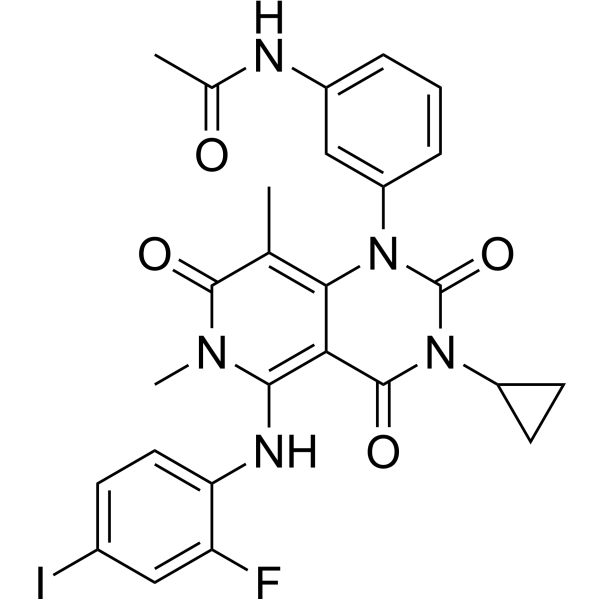 0 ImagesSynonyms: GSK1120212; JTP-74057
-
Mirdametinib
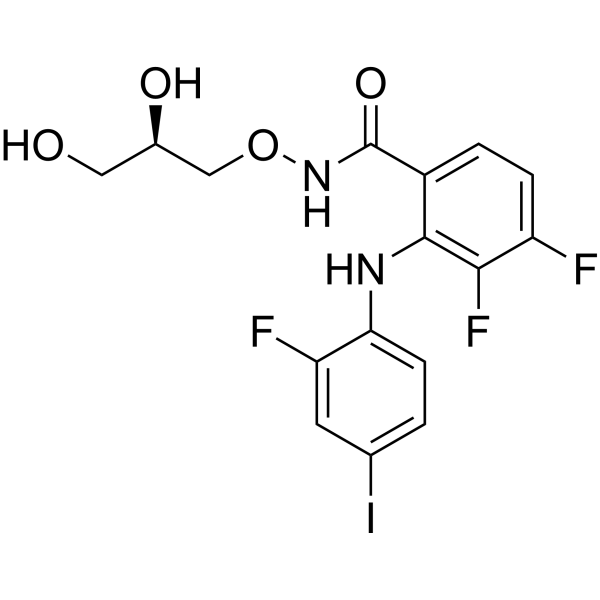 0 ImagesSynonyms: PD0325901; PD325901Mirdametinib (PD0325901) is an orally active, selective and non-ATP-competitive MEK inhibitor with an IC50 of 0.33 nM. Mirdametinib exhibits a Kiapp of 1 nM against activated MEK1 and MEK2. Mirdametinib suppresses the expression of p-ERK1/2 and induces apoptosis. Mirdametinib has anti-cancer activity for a broad spectrum of human tumor xenografts.
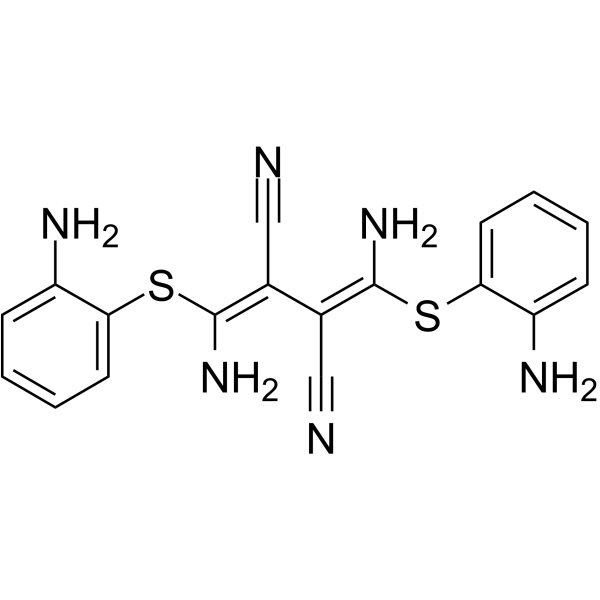
-
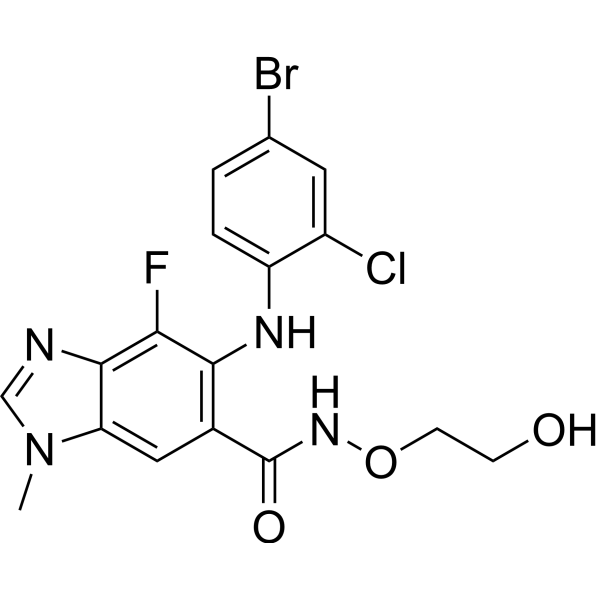
PD98059
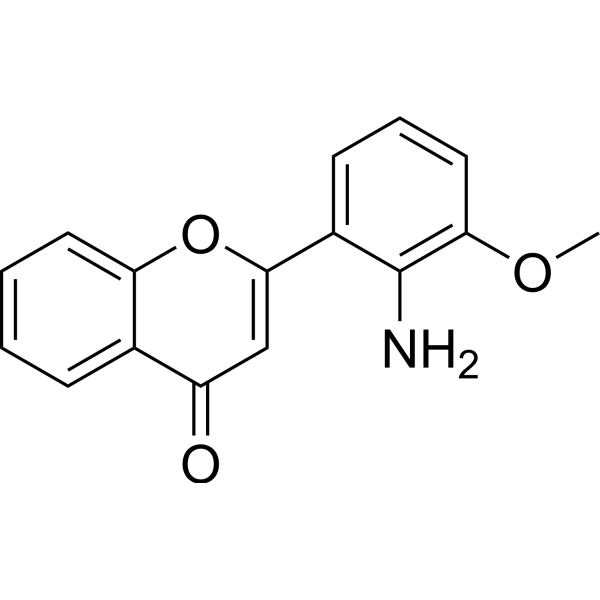 0 ImagesPD98059 is a potent and selective MEK inhibitor with an IC50 of 5 µM. PD98059 binds to the inactive form of MEK, thereby preventing the activation of MEK1 (IC50 of 2-7 µM) and MEK2 (IC50 of 50 µM) by upstream kinases. PD98059 is a ERK1/2 signaling inhibitor. PD98059 is a ligand for the aryl hydrocarbon receptor (AHR), and suppresses TCDD binding (IC50 of 4 μM) and AHR transformation (IC50 of 1 μM). PD98059 also inhibits Mycobacterium bovis Bacillus CalmetteGuerin (BCG)-induced autophagy.
-
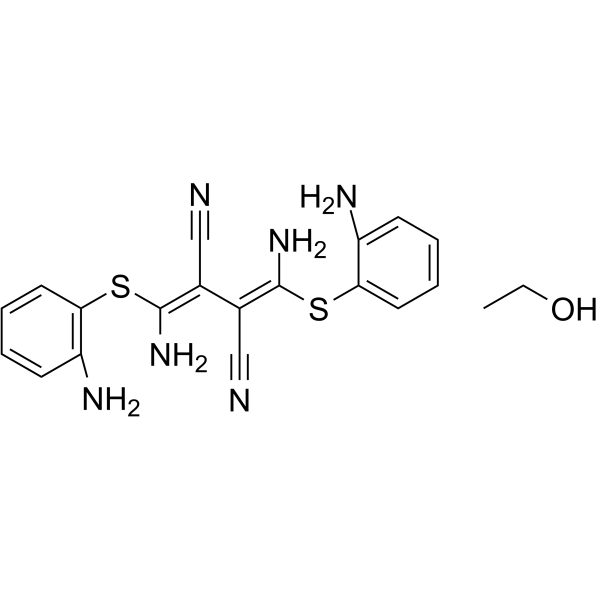
Refametinib
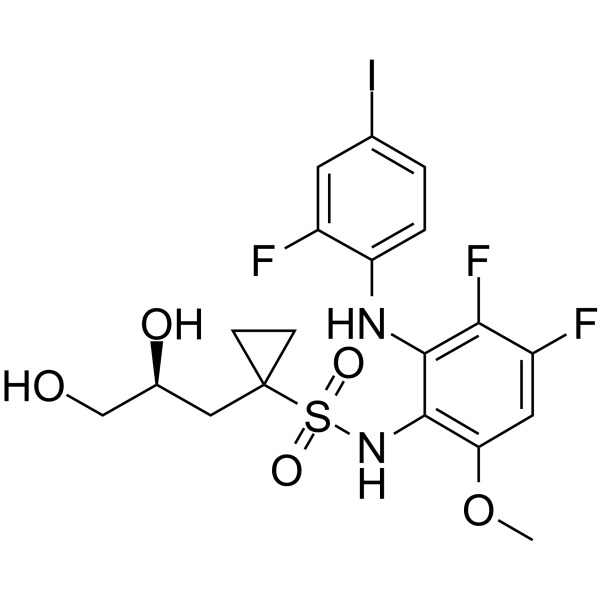 0 ImagesSynonyms: BAY 869766; RDEA119
-
Trametinib (DMSO solvate)
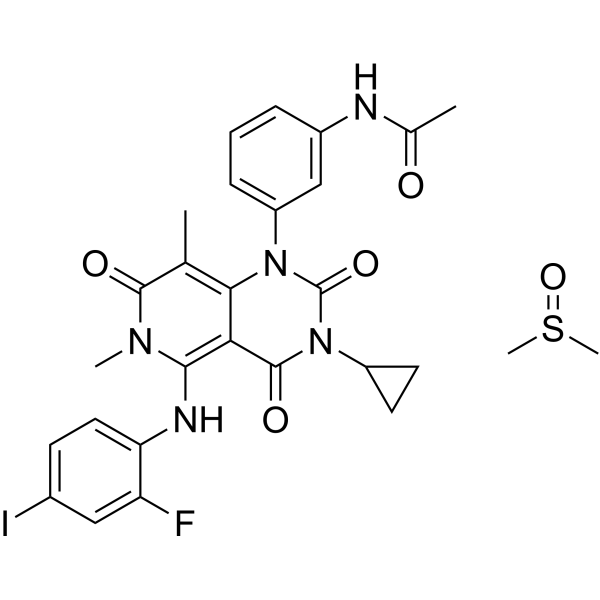 0 ImagesSynonyms: GSK-1120212 (DMSO solvate); JTP-74057 (DMSO solvate)
-
Lixisenatide
 0 ImagesLixisenatide is a glucagon-like peptide-1 (GLP-1) receptor agonist. Lixisenatide inhibits the inflammatory response through down regulation of pro-inflammatory cytokines, and suppresses of the Akt-MEK1/2 signaling pathway. Lixisenatide can inhibit oxidative stress, mitochondrial dysfunction and apoptosis. Lixisenatide can be used for the researches of inflammation, metabolic disease, neurological disease and cardiovascular disease, such as rheumatoid arthritis, diabetes, Alzheimer's disease and atherosclerosis.
-
TERT activator-1
 0 ImagesTERT activator-1 is a small molecule activator of telomerase reverse transcriptase (TERT). TERT activator-1 promotes TERT transcription through the MEK/ERK/AP-1 signaling cascade. TERT activator-1 promotes adult neurogenesis and enhances neuromuscular function. TERT activator-1 reduces cellular senescence and systemic inflammation in aged mice, and can be used in the study of aging.
-
Tunlametinib
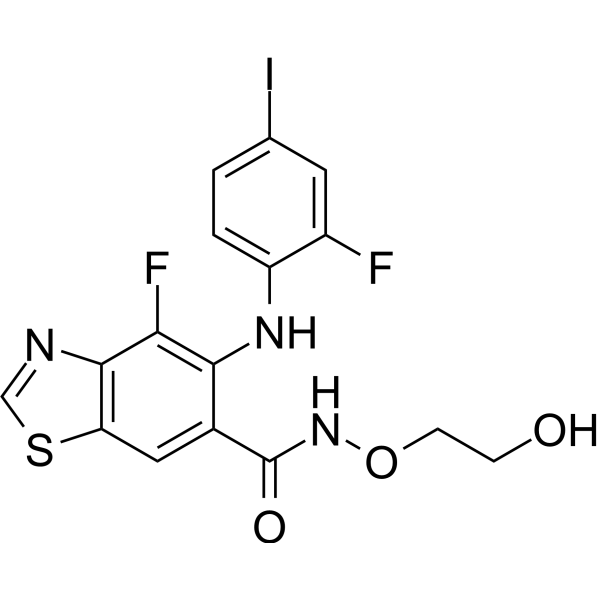 0 ImagesSynonyms: HL-085Tunlametinib is a highly selective, orally active MEK1/2 inhibitor (IC50=1.9 nM, MEK1). Tunlametinib blocks the RAS-RAF-MEK-ERK signaling pathway, arrests tumor cell cycle and promotes apoptosis. Tunlametinib potently inhibits the proliferation of RAS/RAF mutant cancer cells (such as BRAF V600E, KRAS G12C mutant cells). Tunlametinib shows synergistic anti-tumor effects with BRAF/KRASG12C/SHP2 inhibitors, Docetaxel (HY-B0011). Tunlametinib can be used to study targeted therapy for RAS/RAF mutation-driven malignancies (such as melanoma, colorectal cancer, and non-small cell lung cancer).
-
Pimasertib
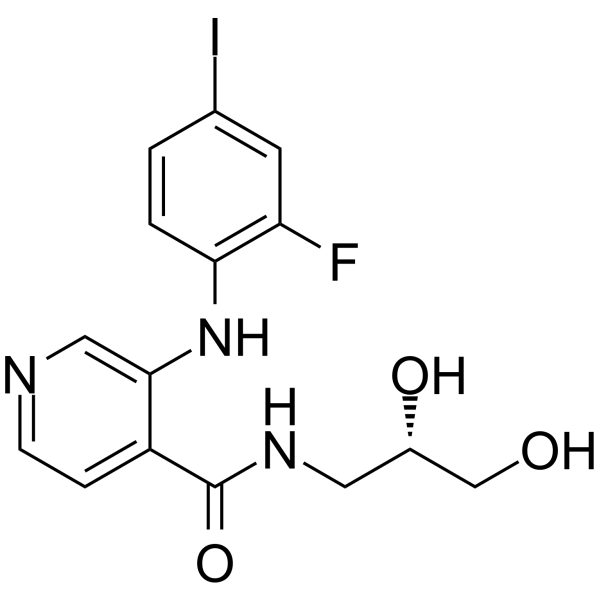 0 ImagesSynonyms: AS703026; MSC1936369BPimasertib (AS703026) is a highly selective, ATP non-competitive allosteric orally available MEK1/2 inhibitor.
-
Trametiglue
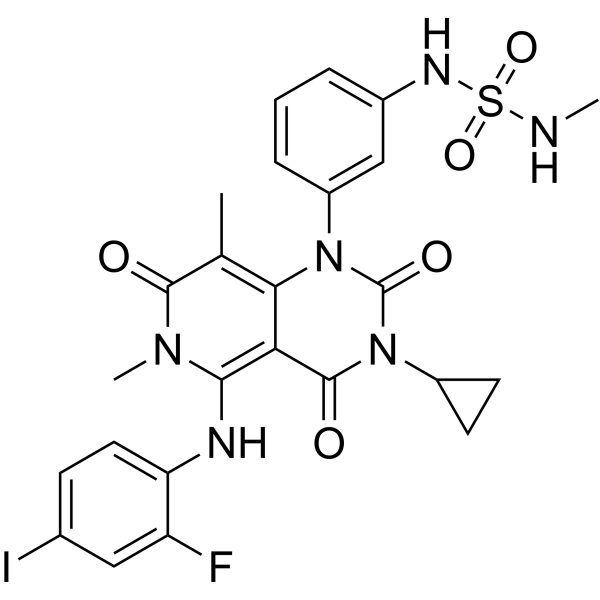 0 ImagesTrametiglue, a derivative of Trametinib (HY-10999), targets both KSR-MEK and RAF-MEK with unprecedented potency and selectivity via unique interfacial binding interactions.
-
Azelnidipine
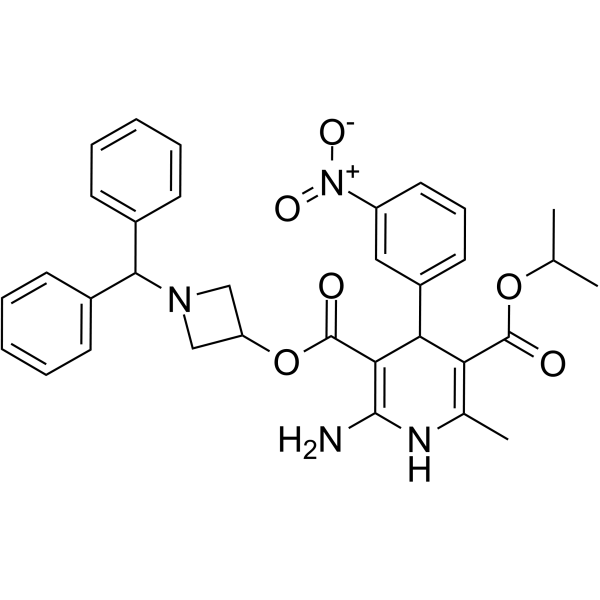 0 ImagesSynonyms: CS 905Azelnidipine (CS 905) is a dihydropyridine calcium channel blocker that is effective orally. Azelnidipine inhibits the intracellular calcium ion flow and lower blood pressure by selectively blocking L-type calcium channel on the membrane of vascular smooth muscle. Azelnidipine inhibits esophageal squamous cell carcinoma proliferation by targeting MEK1/2. Azelnidipine also has anti-inflammatory, antioxidant and neuroprotective effects .
-
BI-847325
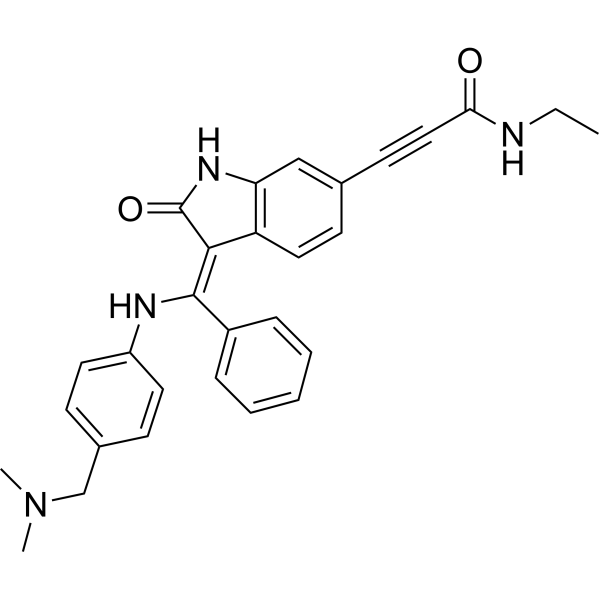 0 ImagesBI-847325 is an ATP competitive dual inhibitor of MEK and aurora kinases (AK) with IC50 values of 4 and 15 nM for human MEK2 and AK-C, respectively. BI-847325 is a click chemistry reagent, it contains an Alkyne group and can undergo copper-catalyzed azide-alkyne cycloaddition (CuAAc) with molecules containing Azide groups.
- 1
- 2



