



Fructose-1,6-bisphosphate aldolase
Fructose-1,6-bisphosphate aldolase (FBA)
Fructose-1,6-bisphosphate aldolase (Aldolase; FBA) is a conserved metabolic enzyme that catalyzes the reversible cleavage of fructose-1,6-bisphosphate into dihydroxyacetone phosphate and glyceraldehyde-3-phosphate during glycolysis and gluconeogenesis, thereby establishing it as a central regulator of cellular energy metabolism. Vertebrates express three major isoenzymes—Aldolase A (muscle and erythrocytes; ALDOA), Aldolase B (liver, kidney, and intestine; ALDOB), and Aldolase C (brain; ALDOC)-which exhibit distinct tissue distribution patterns yet possess highly conserved catalytic structures. Aldolase also performs non-canonical "moonlighting" functions, such as signal transduction, transcription, cytoskeletal organization, pathogen virulence, host cell adhesion, and immunomodulation. In Francisella novicida, Aldolase directly regulates the transcription of katG and rpoA, thereby linking metabolic signals to host redox regulation and inflammatory responses. In the field of oncology, the dysregulation of ALDOA, ALDOB, and ALDOC contributes to metabolic reprogramming, tumor proliferation, metastasis, and therapeutic resistance.
In prostate cancer, the overexpression of ALDOA promotes proliferation and tumor growth; conversely, the Aldolase A inhibitor naphthol AS-E phosphate suppresses cancer cell growth in a dose-dependent manner, thereby supporting the rationale for metabolism-targeted therapeutic strategies. In oral squamous cell carcinoma, ALDOC inhibits cell migration, invasion, ATP production, and lactate generation through its catalytic residues, Arg42 and Lys146, highlighting its subtype-specific functional relevance. In the realm of infectious diseases, given that mammals primarily express Class I aldolases, microbial Class II aldolases have emerged as promising targets for antimicrobial therapy. Structure-guided design has facilitated the development of zinc-chelating hydroxamate inhibitors that exhibit nanomolar potency and high selectivity for microbial Class II aldolases, providing lead compounds for the development of novel therapeutics against tuberculosis and other bacterial infections. In Mycobacterium tuberculosis, the deletion of FBA leads to bacterial clearance during both acute and chronic infection, validating its essentiality in vivo.
In prostate cancer, the overexpression of ALDOA promotes proliferation and tumor growth; conversely, the Aldolase A inhibitor naphthol AS-E phosphate suppresses cancer cell growth in a dose-dependent manner, thereby supporting the rationale for metabolism-targeted therapeutic strategies. In oral squamous cell carcinoma, ALDOC inhibits cell migration, invasion, ATP production, and lactate generation through its catalytic residues, Arg42 and Lys146, highlighting its subtype-specific functional relevance. In the realm of infectious diseases, given that mammals primarily express Class I aldolases, microbial Class II aldolases have emerged as promising targets for antimicrobial therapy. Structure-guided design has facilitated the development of zinc-chelating hydroxamate inhibitors that exhibit nanomolar potency and high selectivity for microbial Class II aldolases, providing lead compounds for the development of novel therapeutics against tuberculosis and other bacterial infections. In Mycobacterium tuberculosis, the deletion of FBA leads to bacterial clearance during both acute and chronic infection, validating its essentiality in vivo.
References:
- [1]. Aldolase. Biochemistry, Genetics and Molecular Biology. Sciencedirect Topic.
- [2]. Arakaki TL, et al. Structure of human brain fructose 1,6-(bis)phosphate aldolase: linking isozyme structure with function. Protein Sci. 2004 Dec;13(12):3077-84. [Content Brief]
- [3]. Pirovich DB, et al. Multifunctional Fructose 1,6-Bisphosphate Aldolase as a Therapeutic Target. Front Mol Biosci. 2021 Aug 11;8:719678. [Content Brief]
- [4]. Ziveri J, et al. The metabolic enzyme fructose-1,6-bisphosphate aldolase acts as a transcriptional regulator in pathogenic Francisella. Nat Commun. 2017 Oct 11;8(1):853. [Content Brief]
- [5]. Kuang Q, et al. The ALDOA Metabolism Pathway as a Potential Target for Regulation of Prostate Cancer Proliferation. Onco Targets Ther. 2021 May 24;14:3353-3366. [Content Brief]
- [6]. Li YJ, et al. Suppression of fructose-bisphosphate aldolase C expression as a predictor of advanced oral squamous cell carcinoma. Head Neck. 2016 Apr;38 Suppl 1:E1075-85. [Content Brief]
- [7]. Daher R, et al. Rational design, synthesis, and evaluation of new selective inhibitors of microbial class II (zinc dependent) fructose bis-phosphate aldolases. J Med Chem. 2010 Nov 11;53(21):7836-42. [Content Brief]
- [8]. Puckett S, et al. Inactivation of fructose-1,6-bisphosphate aldolase prevents optimal co-catabolism of glycolytic and gluconeogenic carbon substrates in Mycobacterium tuberculosis. PLoS Pathog. 2014 May 22;10(5):e1004144. [Content Brief]
All Product Categories
-
Fructose-1,6-bisphosphate aldolase Related Products (22)
Related Products (22)

- 1
- 2
-
Aldometanib
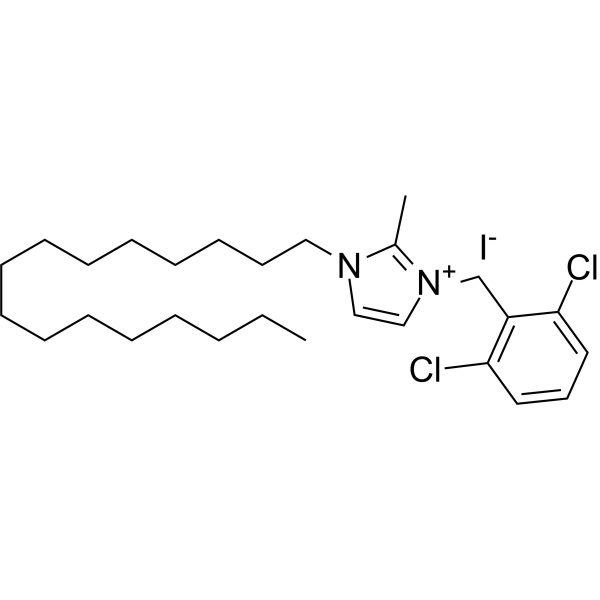 0 ImagesSynonyms: LXY-05-029
-
D-Glyceraldehyde 3-phosphate
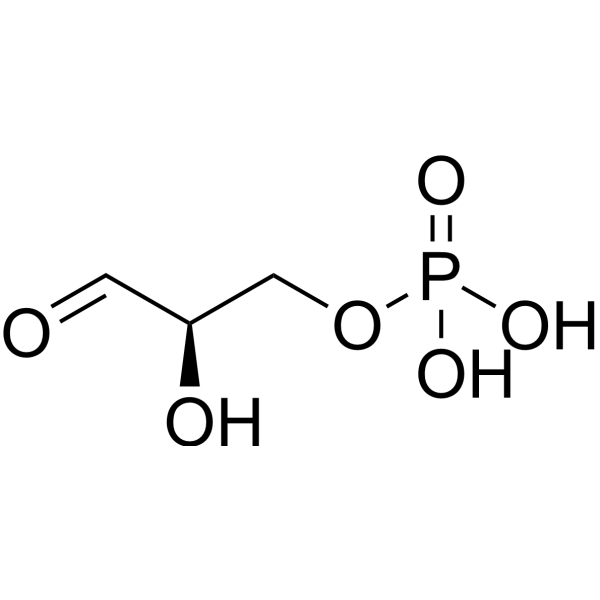 0 ImagesD-Glyceraldehyde 3-phosphate (Triose phosphate) is a key intermediate in glycolysis and gluconeogenesis, as well as a carbohydrate product of the Calvin cycle. D-Glyceraldehyde 3-phosphate participates in the biosynthesis of tryptophan and thiamine. D-Glyceraldehyde 3-phosphate is released as an aldehyde under the action of aldolase or triosephosphate isomerase. D-Glyceraldehyde 3-phosphate forms adducts with thiols.
-
GMBS
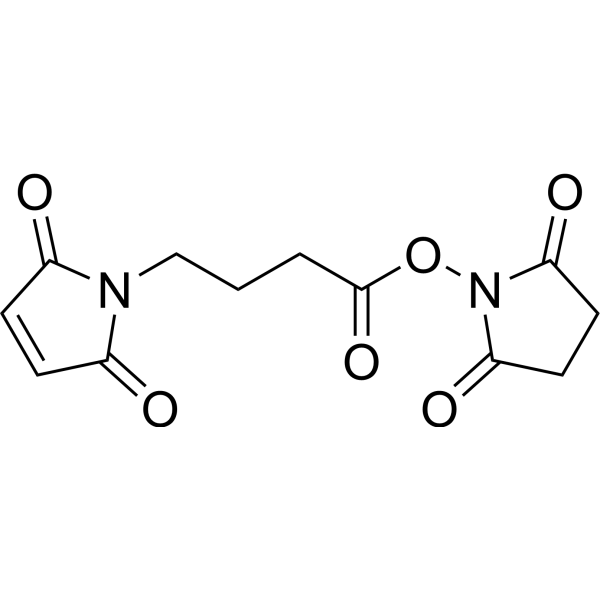 0 ImagesGMBS is a heterobifunctional crosslinker targeting primary amines and sulfhydryl groups. GMBS can be used for chemical crosslinking of proteins and crosslinking mass spectrometry (CXMS) to study protein folding and map interfaces between interacting proteins.
-
Phosphoglycolohydroxamic acid
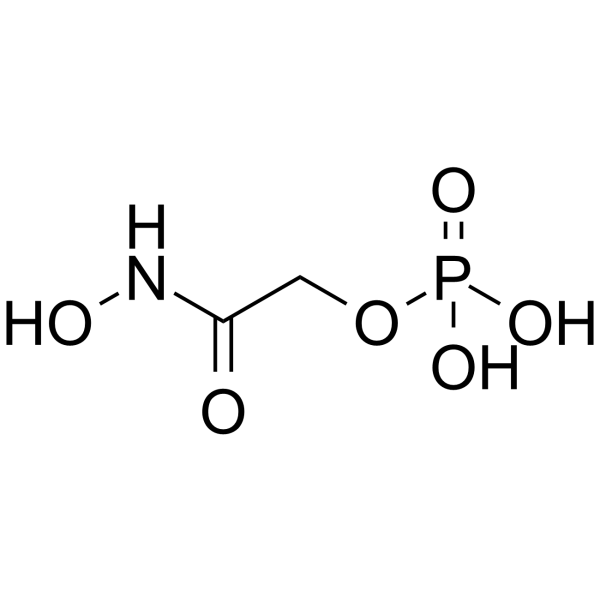 0 ImagesPhosphoglycolohydroxamic acid is a potent aldolase and triose-phosphate isomerase inhibitor. Phosphoglycolohydroxamic acid can be used in the research of antibacterial and antifungal area.
-
Aldolase, Rabbit muscle
 0 ImagesAldolase, Rabbit muscle (Fructose-diphosphate aldolase) is a glycolytic enzyme and glucose availability sensor. Aldolase, Rabbit muscle catalyzes the reversible carbon-carbon cleavage of fructose-1,6-bisphosphate to produce dihydroxyacetone phosphate and glyceraldehyde 3-phosphate. Aldolase, Rabbit muscle is an essential component for v-ATPase activity. Aldolase, Rabbit muscle participates in processes such as gluconeogenesis, the Calvin cycle and glycolysis.
-
2-Deoxyribose 5-phosphate disodium (Standard)
 0 ImagesCat. No.: HY-147061RCAS No.: 102916-66-52-Deoxyribose 5-phosphate disodium (Standard) is the analytical standard of 2-Deoxyribose 5-phosphate disodium (HY-147061). This product is intended for research and analytical applications. 2-Deoxyribose 5-phosphate disodium is a substrate of 2-deoxyribose-5-phosphate aldolase (DERA). DERA belongs to class I aldolases, catalyzes reversible aldol reactions, and does not require any cofactors.
-
D-Threonine
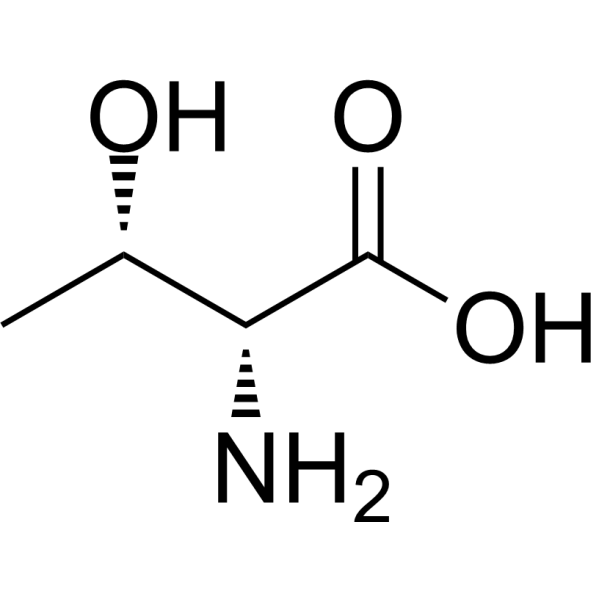 0 ImagesSynonyms: H-D-Thr-OHD-Threonine (H-D-Thr-OH) is an important non-natural amino acid. D-Threonine serves as a chiral building block for the asymmetric synthesis of compounds. D-Threonine is a metabolite of Saccharomyces cerevisiae. D-Threonine is cleaved into glycine and acetaldehyde under the catalysis of D-threonine aldolase.
-
FBA-IN-1
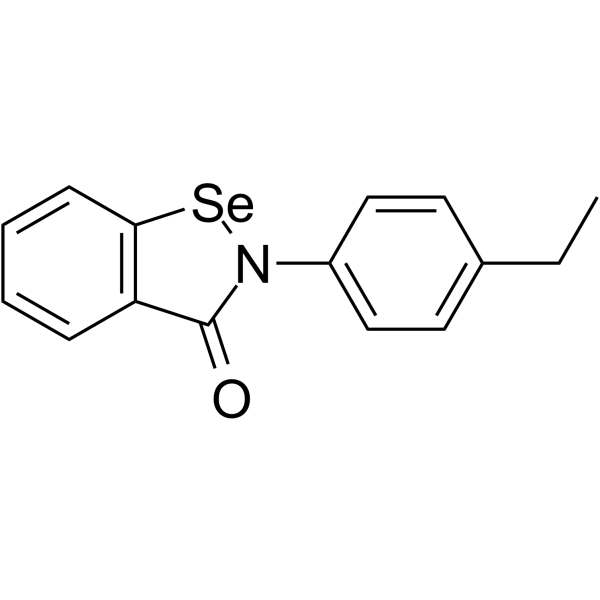 0 ImagesFBA-IN-1 (compound 2a11) is a first-in-class, covalent and allosteric inhibitor of fructose-1,6-bisphosphate aldolase from Candida albicans (CaFBA). FBA-IN-1 inhibits the growth of Azole-resistant strains 103 with the MIC80 of 1 μg/mL.
-
Perseitol
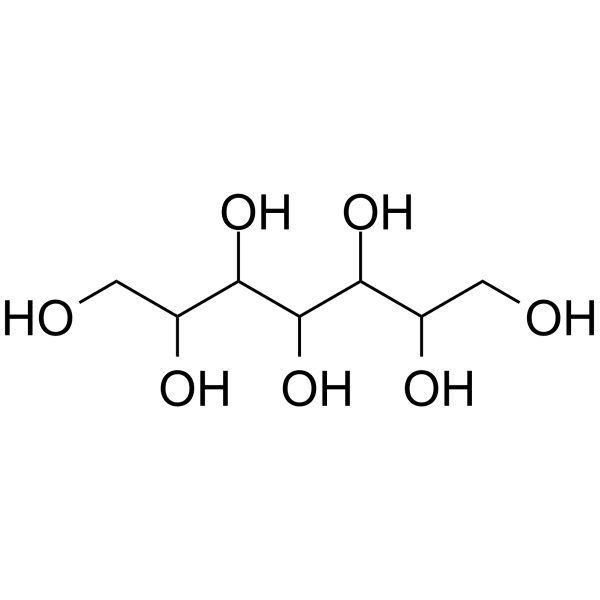 0 ImagesPerseitol is a seven-carbon sugar produced by mature avocado plants. Perseitol can be converted into D-mannoheptulose, serving as an energy-providing compound and a transport carbohydrate. Perseitol may act as a ripening inhibitor during fruit maturation. Perseitol can serve as a urinary biomarker for avocado intake and transaldolase deficiency. Perseitol can be used in studies related to transaldolase deficiency.
-
ALDOA-IN-1
 0 ImagesCat. No.: HY-181267Purity: 98.46%ALDOA-IN-1 is an aldolase A(ALDOA) inhibitor. ALDOA-IN-1 directly inhibits ALDOA enzymatic activity, thereby reducing lactate production, downregulating HIF-1α expression, and ultimately inducing cancer cell apoptosis. ALDOA-IN-1 can be used for research on colorectal cancer.
-
DL-4-Hydroxy-2-ketoglutarate lithium
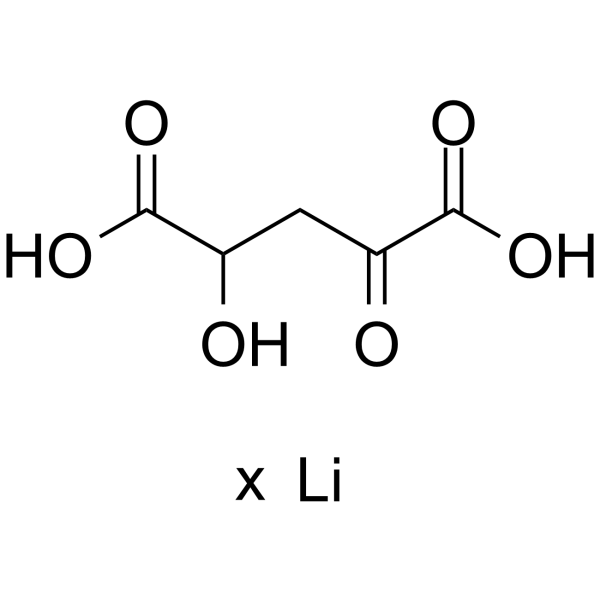 0 ImagesCat. No.: HY-147064DL-4-Hydroxy-2-ketoglutarate lithium is one of the metabolites that is characteristically elevated in the urine of patients with type 3 primary hyperoxaluria (PH3), and it is produced by the accumulation of substrates of mitochondrial 4-hydroxy-2-oxoglutarate aldolase (HOGA). DL-4-Hydroxy-2-ketoglutarate lithium can be used in studies related to PH3.
-
2-Keto-3-deoxy-6-phosphogluconate
 0 ImagesCat. No.: HY-N13363CAS No.: 27244-54-82-keto-3-deoxy-6-phosphogluconate is an endogenous metabolite found in Escherichia coli, and a key intermediate in the Entner-Doudoroff (ED) pathway, as well as in the degradation pathways of sugar acids and sugar polymers in human and plant pathogens. It is produced by the catalytic action of KDPG aldolase.

-
D-Threonine-d2
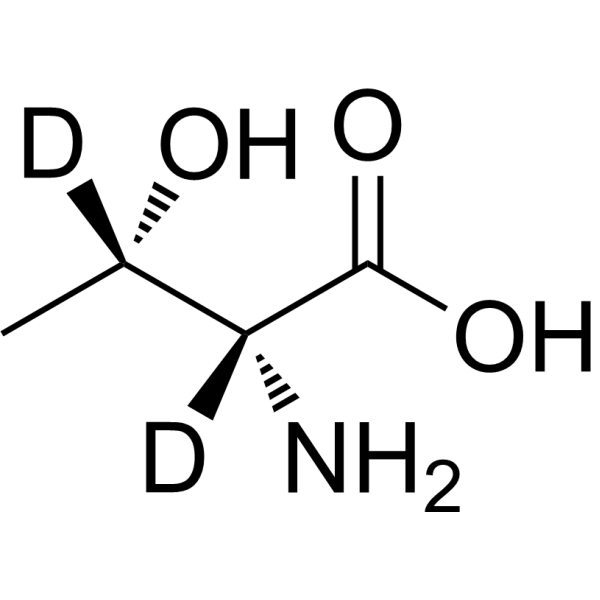 0 ImagesCat. No.: HY-W012874SSynonyms: H-D-Thr-OH-d2D-Threonine-d2 (H-D-Thr-OH-d2) is the deuterium labeled D-Threonine (HY-W012874). D-Threonine (H-D-Thr-OH) is an important non-natural amino acid. D-Threonine serves as a chiral building block for the asymmetric synthesis of compounds. D-Threonine is a metabolite of Saccharomyces cerevisiae. D-Threonine is cleaved into glycine and acetaldehyde under the catalysis of D-threonine aldolase.
-
N-Acetylneuraminate lyase (CgNal)
 0 ImagesN-Acetylneuraminate lyase (CgNal) (Sialic acid aldolase (CgNal)) is a rate-limiting enzyme in bacteria metabolism that catalyzes the reversible aldol cleavage of sialic acid, and it regulates the overall metabolism of the bacterial sialic acid catabolic pathway. N-Acetylneuraminate lyase (CgNal) catalyzes the reversible condensation reaction of pyruvate and N-acetyl-d-mannosamine (ManNAc) to produce sialic acid N-acetylneuraminic acid (Neu5Ac). The protein expression of N-Acetylneuraminate lyase is downregulated at the translational level under the regulation of methyl methanesulfonate, and this change significantly impairs the adhesion and invasion abilities of bacteria to eukaryotic cells. N-Acetylneuraminate lyase is a key virulence-related protein in various pathogenic bacteria and is considered an antibiotic drug target. N-Acetylneuraminate lyase (CgNal) can be used in studies of invasive (extraintestinal) infectious diseases, Crohn's disease, and methicillin-resistant Staphylococcus aureus infections.

-
3-Deoxy-D-manno-octulosonate Aldolase, E.coli
 0 ImagesCat. No.: HY-E709753-Deoxy-D-manno-octulosonate Aldolase, E. coli (EC 4.1.2.23) belongs to the aldehyde lyase family and is capable of cleaving carbon-carbon bonds. 3-Deoxy-D-manno-octulosonate Aldolase, E. coli (EC 4.1.2.23) has one substrate: 3-deoxy-D-mannooctulose, and two products: pyruvate and D-arabinose.
-
Aldolase A, Human
 0 ImagesCat. No.: HY-E71030Aldolase A, Human (EC 4.1.2.13) is a glycolytic enzyme that catalyzes the reversible conversion of fructose-1,6-bisphosphate to glyceraldehyde 3-phosphate and dihydroxyacetone phosphate. Aldolase A, Human (EC 4.1.2.13) , fused to His-tag at N-terminus, was expressed in E.coli.
-
Aldolase, Spinach
 0 ImagesCat. No.: HY-P2726AAldolase, Spinach (EC 4.1.2.13) is an enzyme catalyzing a reversible reaction that splits the aldol, fructose 1,6-bisphosphate, into the triose phosphates dihydroxyacetone phosphate (DHAP) and glyceraldehyde 3-phosphate (G3P). Aldolase, Spinach (EC 4.1.2.13) can also produce DHAP from other (3S,4R)-ketose 1-phosphates such as fructose 1-phosphate and sedoheptulose 1,7-bisphosphate.
-
Stibophen
 0 ImagesCat. No.: HY-180388CAS No.: 15489-16-4Stibophen is a potent antiparasitic agent is effective against Litomosoides carinii, Dipetalonema witei, and Brugia pahangi. Stibophen inhibits lactate accumulation and phosphofructokinases (PFK) activity in adult filariids. Stibophen also inhibits Ascaris and Hymenolepis diminuta PFK without inhibiting mammalian liver PFK. Stibophen can be used for the research of schistosomiasis and filariid infections.
- 1
- 2



