



Aldometanib
Based on 10 publication(s) in Google Scholar
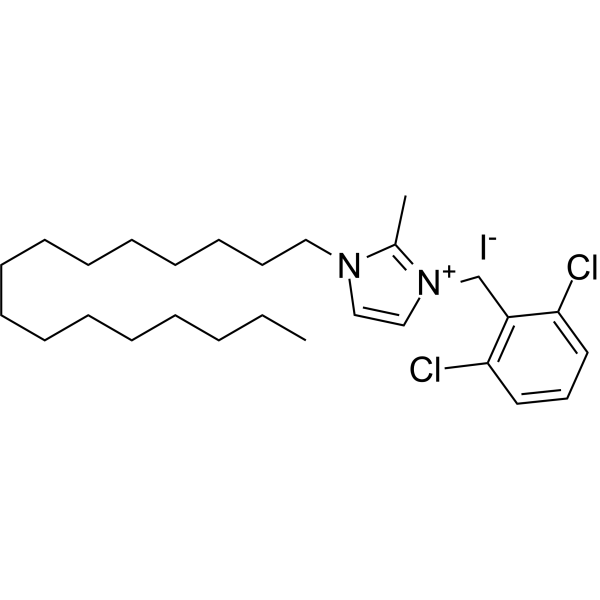
Aldometanib (LXY-05-029) is an orally active aldolase inhibitor. Aldometanib can activate lysosomal adenosine monophosphate-activated protein kinase (AMPK) and decreases blood glucose. Aldometanib can be used for the research of metabolic homeostasis.
For research use only. We do not sell to patients.
- Purity : 99.65%
- CAS No.: 2904601-67-6
- Formula: C27H43Cl2IN2
- Molecular Weight:593.45
-
Storage:
4°C, sealed storage, away from moisture
* In solvent : -80°C, 6 months; -20°C, 1 month (sealed storage, away from moisture)

To place orders, for customer services and technical support, please contact: MedChemExpress USA
Tel: 609-228-6898 E-mail: [email protected] [email protected]


-
 Biological Activity
-
Chemical Information
-
Solvent & Solubility
- Protocols
- Purity & Documentation
- References
-
 Help & FAQs


-
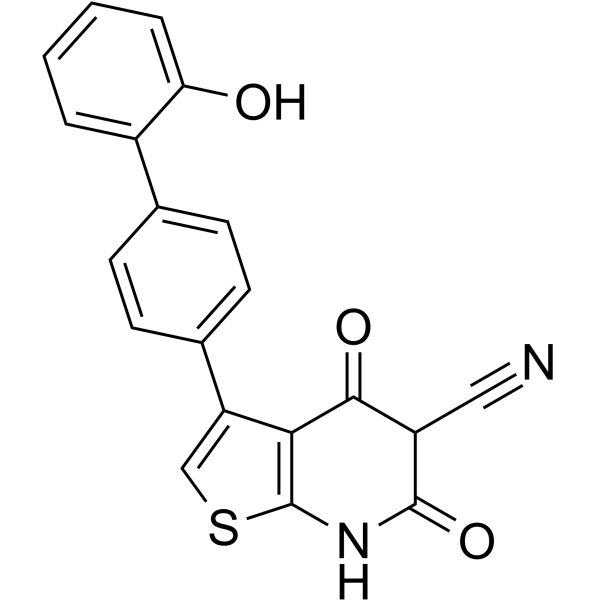
HY-50662
A-769662AMPK Activator -
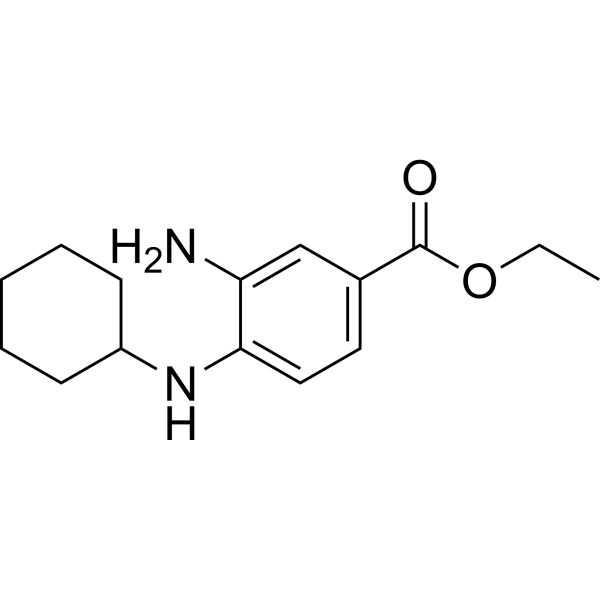
HY-100579
Ferrostatin-1Ferroptosis Inhibitor -
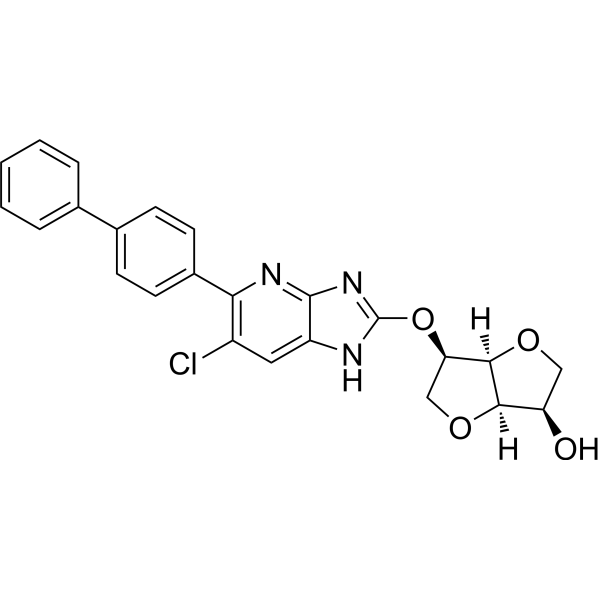
HY-111363
MK8722AMPK Activator -
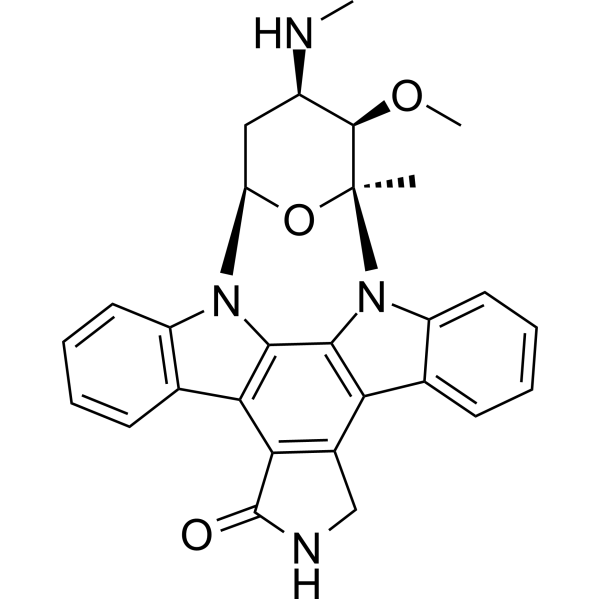
HY-15141
StaurosporinePKC/PKA Inhibitor -
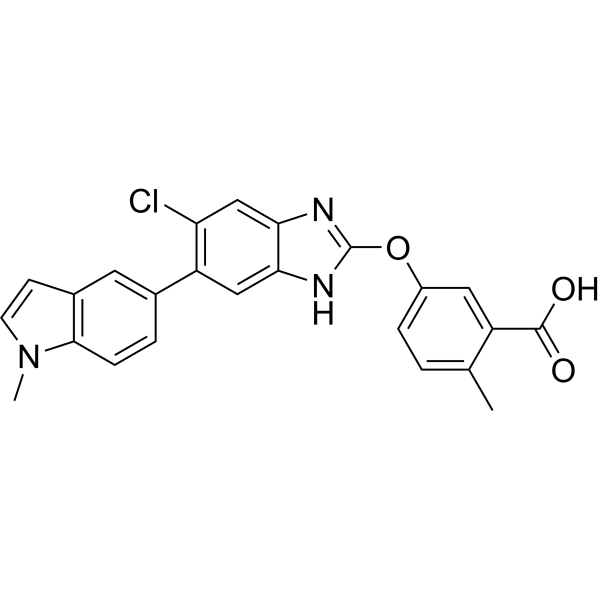
HY-112769
EX229AMPK Activator -
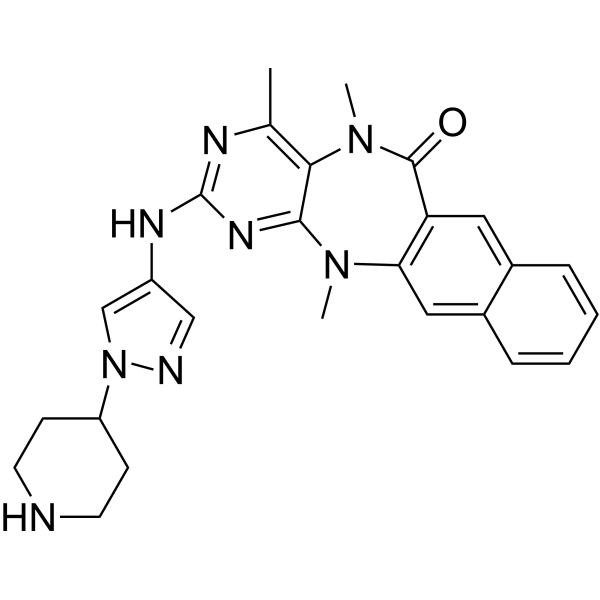
HY-12334
HTH-01-015NUAK1/ARK5 Inhibitor -
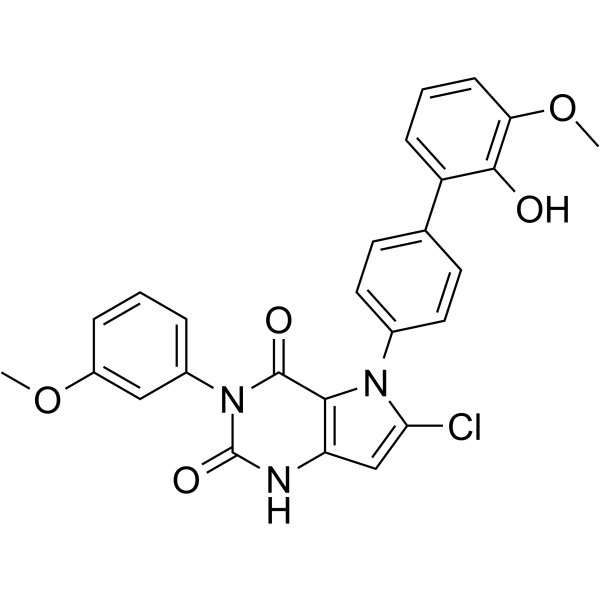
HY-100548
GSK621AMPK Activator -
HY-103683
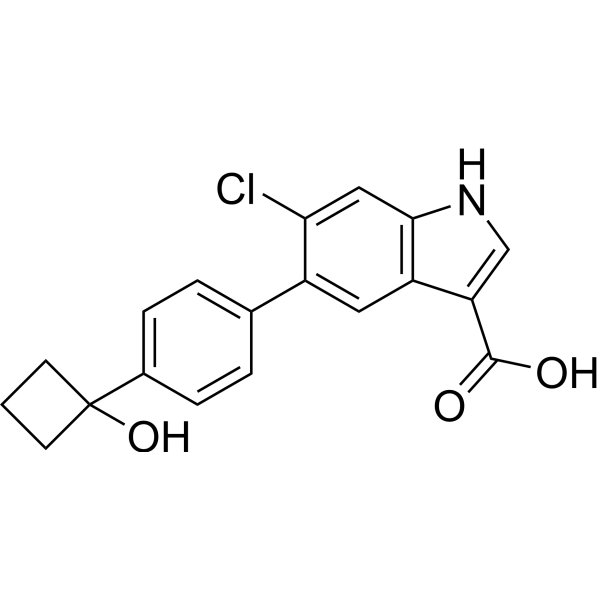
PF-06409577AMPK Activator -
HY-15802
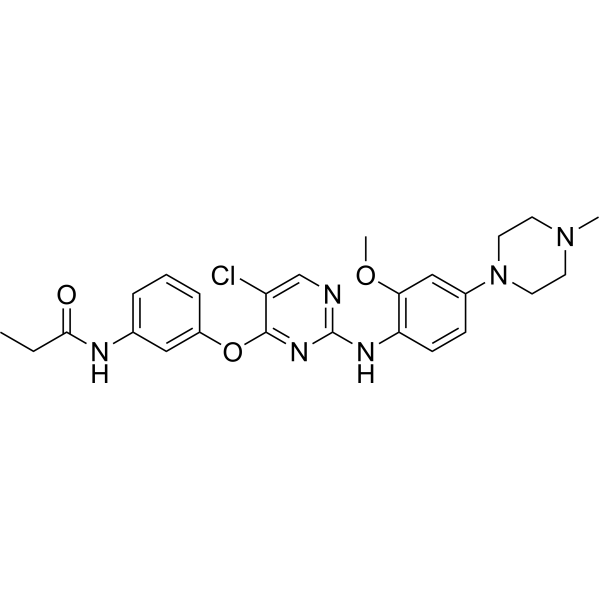
WZ4003NUAK Kinase Inhibitor -
HY-N7676
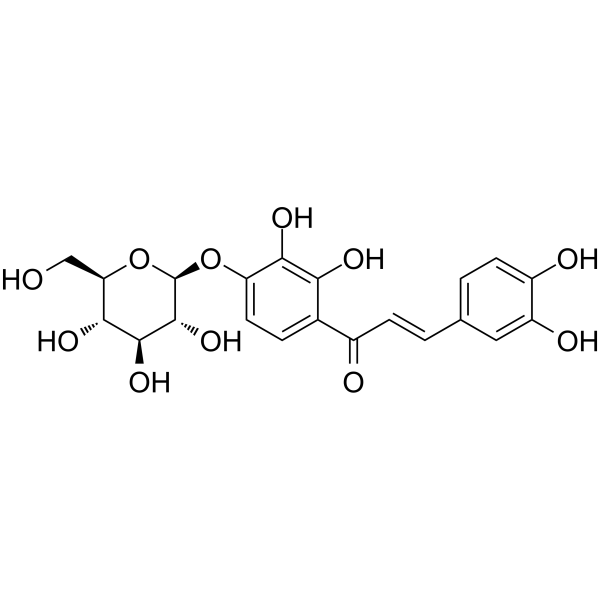
MareinHDAC Inhibitor -
HY-112233
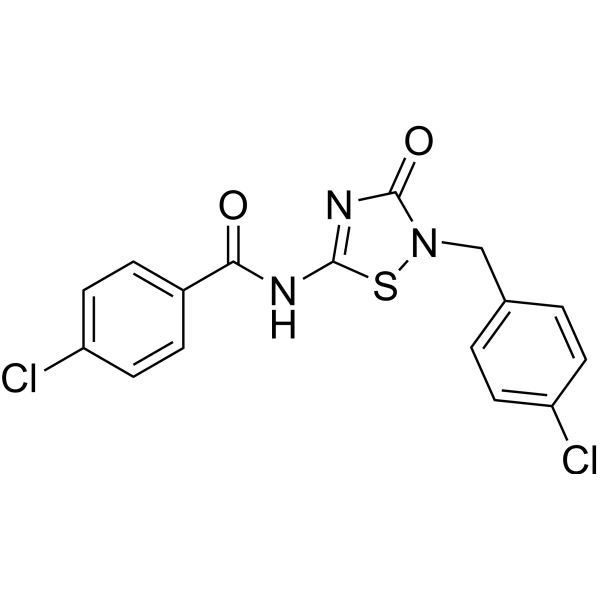
O-304AMPK Activator -
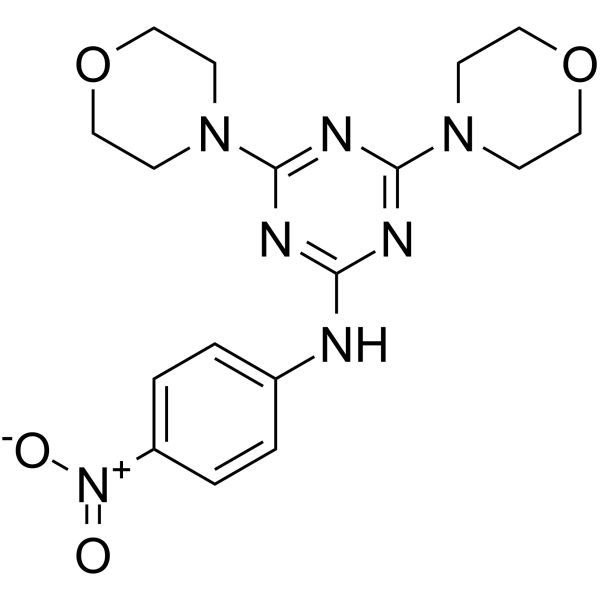
HY-B0795
MHY1485mTOR Activator
Publications Citing Use of MedChemExpress (MCE) Aldometanib
More- Cell Res. 2025 Dec;35(12):934-953. [Abstract]
- Cell Res. 2024 Oct;34(10):683-706. [Abstract]
- J Transl Med. 2023 Nov 21;21(1):838. [Abstract]
- Oncogene. 2024 Sep;43(39):2901-2913. [Abstract]
- EMBO J. 2025 Jul;44(13):3669-3696. [Abstract]
- Cell Rep. 2025 Jan 22;44(1):115211. [Abstract]
- Life Metab. 2023 Mar 1;2(3):load005. [Abstract]
- Ann Clin Transl Neurol. 2026 Mar 24. [Abstract]
- Toxicon. 2025 Oct:265:108489. [Abstract]
- SSRN. 2026 Aug 13.
 Customer Validation & Images

-
In Vivo Efficacy Study
-
In Vivo Efficacy Study
-
IHC
-
Bio/Physico-chemical Assay
-
Cell Imaging/Staining
All AMPK Isoforms
More

Biological Activity
Description
In Vitro
Aldometanib (0-1000 nM; 2 h) activates AMPK by preventing aldolase from binding to FBP to engender a pseudo-starvation signal[1].
MedChemExpress (MCE) has not independently confirmed the accuracy of these methods. They are for reference only.
-
Cell Line:Mouse primary hepatocytes, MEFs cells
-
Concentration:0-1000 nM
-
Incubation Time:2 h
-
Result:Activated AMPK in mouse embryonic fibroblasts (MEFs) and mouse primary hepatocytes cells.
-
Cell Line:MEFs cells
-
Concentration:5 nM
-
Incubation Time:2 h
-
Result:Inhibited TRPVs and induces AXIN lysosomal translocation.
In Vivo
Aldometanib (oral; 2-10 mpk; twice daily; for a week) reduces blood glucose and alleviates fatty liver in obese hyperglycaemic mice[1].
Aldometanib alleviates fatty liver and nonalcoholic steatohepatitis[1].
Aldometanib (oral; 2mpk; twice-daily; for a month) alleviates liver fibrosis in NASH mice[1].
Aldometanib (oral; 0-50 μM; 0-50 days) extends lifespan in C. elegans via the lysosomal pathway[1].
MedChemExpress (MCE) has not independently confirmed the accuracy of these methods. They are for reference only.
-
Animal Model:Lean mice[1]
-
Dosage:0-10 mpk
-
Administration:Oral
-
Result:Decreased fasting blood glucose and improved glucose tolerance, promoted muscular TBC1D1 phosphorylation and glucose uptake.
-
Animal Model:Obese hyperglycaemic mice[1]
-
Dosage:2-10 mpk
-
Administration:Oral, twice daily, for a week
-
Result:Decreased blood glucose, lowered blood glucose in a muscular AMPK-dependent manner reduced hepatic TAG, improved insulin sensitivity, increased glucose disposal rates, inhibited TAG synthesis in liver and primary hepatocytes, decreased fat mass.
-
Animal Model:NASH mice[1]
-
Dosage:2 mpk
-
Administration:Oral, twice-daily, for a month
-
Result:Decreased histological scores used to describe the features of NASH, reduced apoptosis rate of hepatic cells, inhibited inflammatory responses in the liver of NASH mice and improved glucose tolerance of NASH mice.
-
Animal Model:C. elegans[1]
-
Dosage:0-50 μM
-
Administration:Oral, 0-50 days
-
Result:Promoted oxidative stress resistance and mitochondrial functions in C. elegans.
-
Animal Model:C57BL/6 mice[1]
-
Dosage:100 μg/mL
-
Administration:Oral
-
Result:Extended lifespan, elevated NAD+ levels and mitochondrial oxidative respiration, rejuvenated muscle function in aged mice.


Chemical Information
-
CAS No. 2904601-67-6
-
Appearance Solid
-
Molecular Weight 593.45
-
Formula C27H43Cl2IN2
-
Color White to light yellow
-
SMILES
CCCCCCCCCCCCCCCCN1C=C[N+](CC2=C(Cl)C=CC=C2Cl)=C1C.[I-]
-
Synonyms
LXY-05-029
-
Shipping
Room temperature in continental US; may vary elsewhere.
-
Storage
4°C, sealed storage, away from moisture
* In solvent : -80°C, 6 months; -20°C, 1 month (sealed storage, away from moisture)


Publications (10)
-
Journal Impact Factor
-
Most Recent
-
Cell Res
Glucose starvation mimetic aldometanib removes immune barriers permitting mice with hepatocellular carcinoma to live to normal ages. [Abstract]2025 Dec;35(12):934-953. PMID: 41286115
Aldometanib purchased from MedChemExpress. Usage Cited in: Cell Res. 2025 Dec;35(12):934-953. [Abstract]
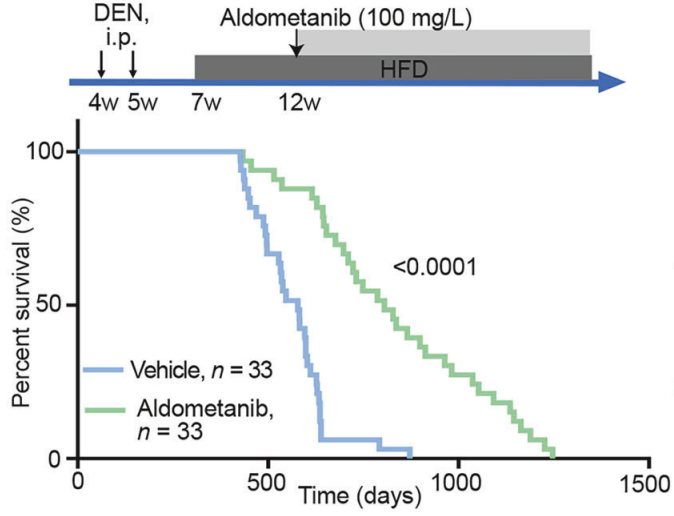
Aldometanib treatment enables HCC-bearing mice to live to a similar age to normal mice. Wild-type C57BL/6 mice (4 weeks old) were intraperitoneally injected with DEN once a week for 2 weeks, followed by feeding with HFD 2 weeks later. The mice were then administered Aldometanib at 100 mg/L in drinking water starting at 12 weeks of age. The lifespans of HCC-bearing mice are shown as Kaplan–Meier curves.
Aldometanib purchased from MedChemExpress. Usage Cited in: Cell Res. 2025 Dec;35(12):934-953. [Abstract]
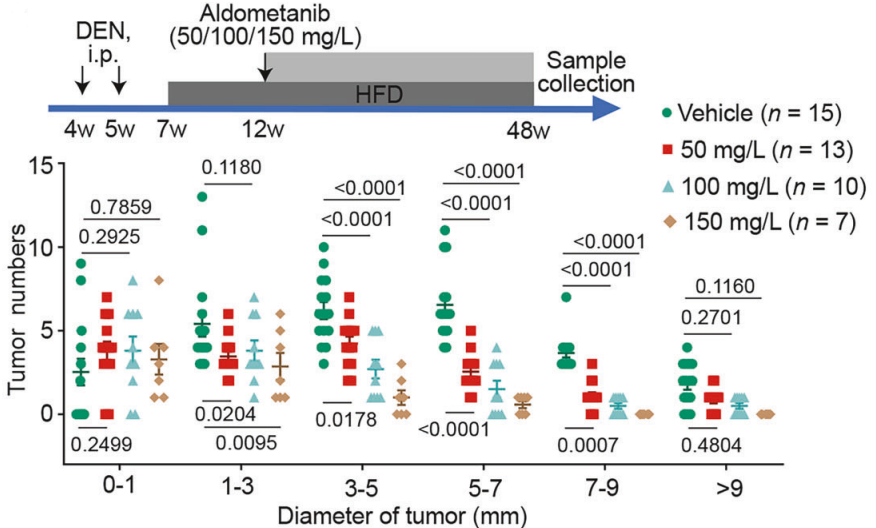
Aldometanib inhibits the growth of HCC in DEN-HFD mice. Mice were induced to develop HCC using DEN and HFD. Aldometanib at 50 mg/L, 100 mg/L, or 150 mg/L was administered in drinking water starting at week 12 of age, and tissue samples were collected at week 48. The numbers of tumors in each size/diameter category for each dosage of aldometanib are shown: 0–1 mm, 1–3 mm, 3–5 mm, 5–7 mm, 7–9 mm, and > 9 mm tumors.
Aldometanib purchased from MedChemExpress. Usage Cited in: Cell Res. 2025 Dec;35(12):934-953. [Abstract]
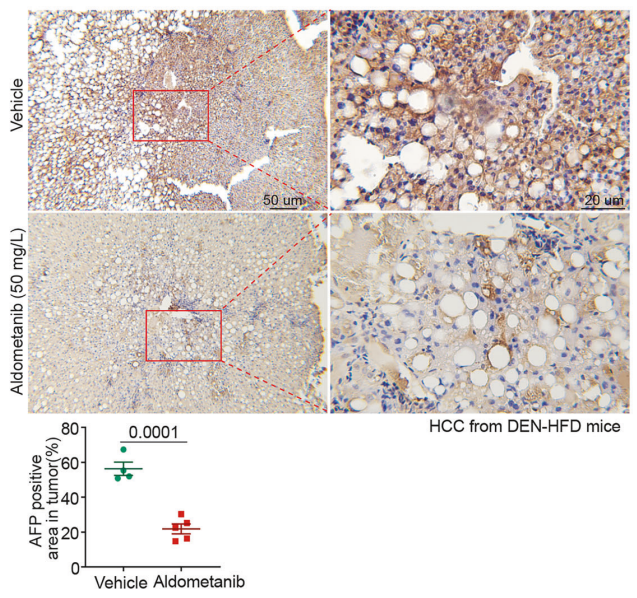
Aldometanib (50-150 mg/L, drinking water) suppresses AFP levels in DEN-HFD mice. HCC tissues from aldometanib-treated and untreated DEN-HFD mice,were subjected to immunohistochemistry (IHC) staining for AFP.
-
Cell Res
2024 Oct;34(10):683-706. PMID: 38898113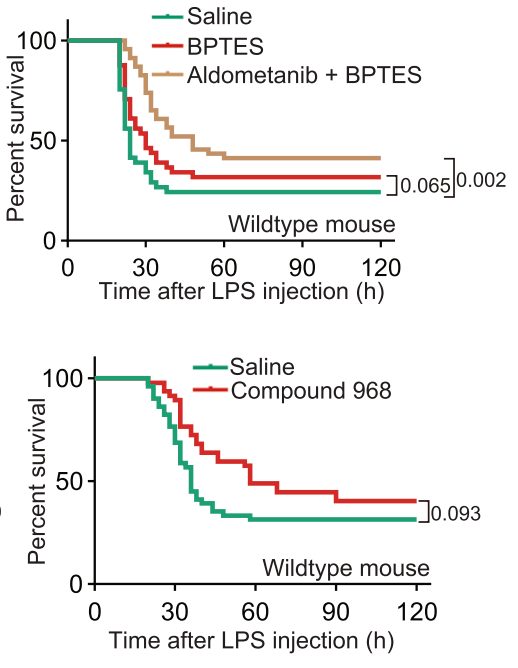
Aldometanib purchased from MedChemExpress. Usage Cited in: Cell Res. 2024 Oct;34(10):683-706. [Abstract]
Inhibition of glutaminolysis blocks the LPS-induced death in mice. WT mice were orally gavaged with 12.5 mg/kg BPTES, intraperitoneally injected with 10 mg/kg compound 968, or orally gavaged with 2 mg/kg Aldometanib. After 0.5 h of injection, mice were intraperitoneally injected with 10 mg/kg LPS, followed by determining their survival. Survival curves are displayed as Kaplan–Meier curves.
-
J Transl Med
LIPH contributes to glycolytic phenotype in pancreatic ductal adenocarcinoma by activating LPA/LPAR axis and maintaining ALDOA stability. [Abstract]2023 Nov 21;21(1):838. PMID: 37990271 -
Oncogene
2024 Sep;43(39):2901-2913. PMID: 39164523 -
EMBO J
2025 Jul;44(13):3669-3696. PMID: 40355555
Aldometanib purchased from MedChemExpress. Usage Cited in: EMBO J. 2025 Jul;44(13):3669-3696. [Abstract]
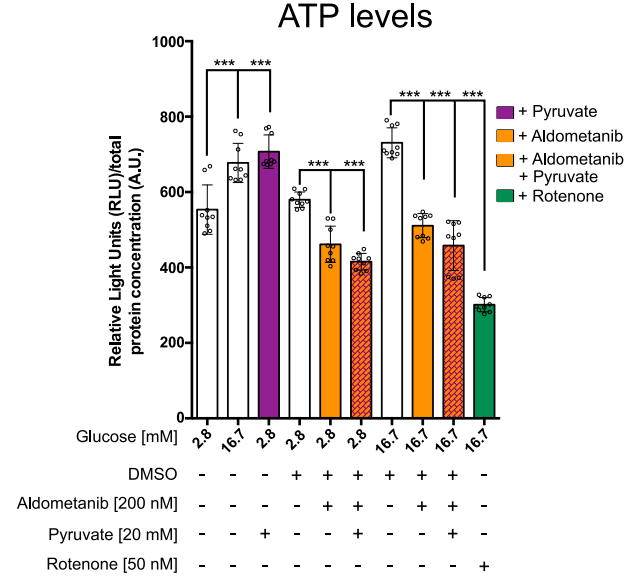
Luciferase-based assay for ATP measurement. Graph shows values of relative light units (RLU) normalized to total protein levels for each condition. Conditions are under resting or glucose stimulating conditions with the addition of DMSO (vehicle), Aldometanib (200 nM), pyruvate (20 mM) or rotenone (50 nM)
Aldometanib purchased from MedChemExpress. Usage Cited in: EMBO J. 2025 Jul;44(13):3669-3696. [Abstract]
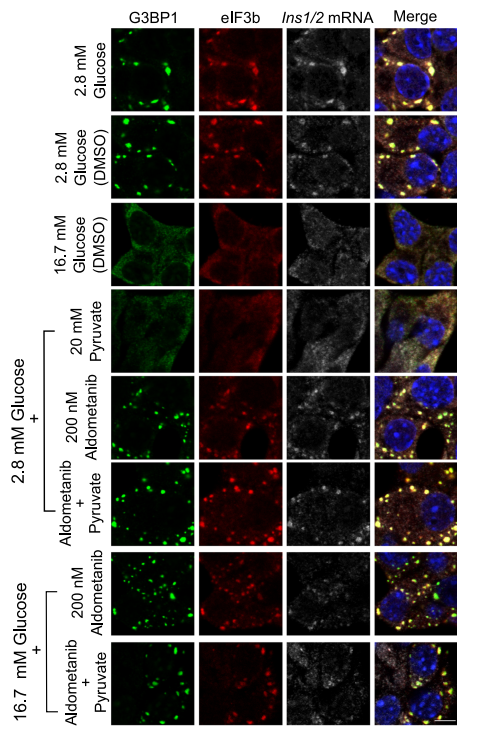
Immunostaining for G3BP1 (green), eIF3b (red) and smRNA FISH for Ins1/2 (gray) under resting or stimulating glucose conditions the addition of DMSO (vehicle), Aldometanib (200 nM) or pyruvate (20 mM). Nuclei are stained with DAPI (blue).
Aldometanib purchased from MedChemExpress. Usage Cited in: EMBO J. 2025 Jul;44(13):3669-3696. [Abstract]
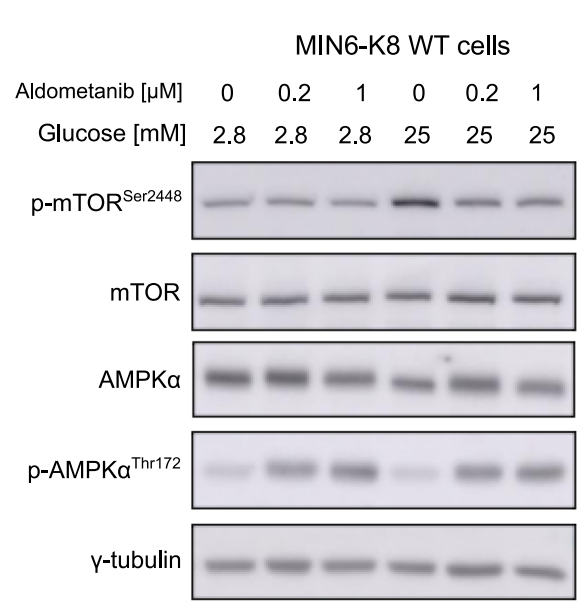
Western blot p-AMPKαThr172, p-mTORSer2448 and gamma-tubulin across varying conditions: resting and stimulating glucose concentrations, with and without aldometanib treatment as shown in the figure.
-
Cell Rep
CPSF1 inhibition promotes widespread use of intergenic polyadenylation sites and impairs glycolysis in prostate cancer cells. [Abstract]2025 Jan 22;44(1):115211. PMID: 39847481 -
Life Metab
Hierarchical inhibition of mTORC1 by glucose starvation-triggered AXIN lysosomal translocation and by AMPK. [Abstract]2023 Mar 1;2(3):load005. PMID: 39872013 -
Ann Clin Transl Neurol
2026 Mar 24. PMID: 41876403 -
Toxicon
Aldometanib mitigates LPS-induced lung fibroblasts injury through the activation of AMPK-mediated signaling pathways. [Abstract]2025 Oct:265:108489. PMID: 40691951 -


Solvent & Solubility
In Vitro:
DMSO : 100 mg/mL (168.51 mM; ultrasonic and warming and heat to 60°C; Hygroscopic DMSO has a significant impact on the solubility of product, please use newly opened DMSO)
Please refer to the solubility information to select the appropriate solvent. Once prepared, please aliquot and store the solution to prevent product inactivation from repeated freeze-thaw cycles.
Storage method and period of stock solution: -80°C, 6 months; -20°C, 1 month (sealed storage, away from moisture). When stored at -80°C, please use it within 6 months. When stored at -20°C, please use it within 1 month.
Please refer to the solubility information to select the appropriate solvent. Once prepared, please aliquot and store the solution to prevent product inactivation from repeated freeze-thaw cycles.
Storage method and period of stock solution: -80°C, 6 months; -20°C, 1 month (sealed storage, away from moisture). When stored at -80°C, please use it within 6 months. When stored at -20°C, please use it within 1 month.
Concentration (start) × Volume (start) = Concentration (final) × Volume (final)
In Vivo:
Select the appropriate dissolution method based on your experimental animal and administration route.
- For the following dissolution methods, please ensure to first prepare a clear stock solution using an In Vitro approach and then sequentially add co-solvents:
- To ensure reliable experimental results, the clarified stock solution can be appropriately stored based on storage conditions. As for the working solution for In Vivo experiments, it is recommended to prepare freshly and use it on the same day.
- The percentages shown for the solvents indicate their volumetric ratio in the final prepared solution. If precipitation or phase separation occurs during preparation, heat and/or sonication can be used to aid dissolution.
Add each solvent one by one: 10% DMSO 40% PEG300 5% Tween-80 45% Saline
Solubility: ≥ 2.5 mg/mL (4.21 mM); Clear solution
This protocol yields a clear solution of ≥ 2.5 mg/mL (saturation unknown).
Taking 1 mL working solution as an example, add 100 μL DMSO stock solution (25.0 mg/mL) to 400 μL PEG300, and mix evenly; then add 50 μL Tween-80 and mix evenly; then add 450 μL Saline to adjust the volume to 1 mL.
Preparation of Saline: Dissolve 0.9 g sodium chloride in ddH₂O and dilute to 100 mL to obtain a clear Saline solution.
In Vivo Dissolution Calculator
Please enter the basic information of animal experiments:
-
-
-
-
Recommended: Prepare an additional quantity of animals to account for potential losses during experiments.
Please enter your animal formula composition:
-
%DMSO +
Recommended: Keep the proportion of DMSO in working solution below 2% if your animal is weak.
-
%+
-
+%Tween-80 + +
-
%Saline +
The co-solvents required include: DMSO, . All of co-solvents are available by MedChemExpress (MCE). , Tween 80. All of co-solvents are available by MedChemExpress (MCE).
Working solution concentration: 0.22 mg/mL
Method for preparing stock solution: mg drug dissolved in μL DMSO. Stock solution concentration: mg/mL. * In solvent : -80°C, 6 months; -20°C, 1 month (sealed storage, away from moisture)
1. Take μL DMSO stock solution;
2. Add μL .
μL , mix evenly;
3. Then add μL Tween 80, mix evenly;
4. Then add μL
Please ensure that the stock solution in the first step is dissolved to a clear state, and add co-solvents in sequence. You can use ultrasonic heating (ultrasonic cleaner, recommended frequency 20-40 kHz), vortexing, etc. to assist dissolution.


Purity & Documentation
-
Data Sheet (277 KB)
-
SDS (252 KB)
- English - EN (252 KB)
- Français - FR (252 KB)
- Deutsch - DE (252 KB)
- Norwegian - NO (252 KB)
- Español - ES (252 KB)
- Swedish - SV (252 KB)
- Italian - IT (252 KB)
- Korean - KR (252 KB)
- Portuguese - PT (252 KB)
-
Handling Instructions (2659 KB)
References


Complete Stock Solution Preparation Table
Please refer to the solubility information to select the appropriate solvent. Once prepared, please aliquot and store the solution to prevent product inactivation from repeated freeze-thaw cycles.
Storage method and period of stock solution: -80°C, 6 months; -20°C, 1 month (sealed storage, away from moisture). When stored at -80°C, please use it within 6 months. When stored at -20°C, please use it within 1 month.
| Optional Solvent | Concentration Solvent Mass | 1 mg | 5 mg | 10 mg | 25 mg |
|---|---|---|---|---|---|
| DMSO | 1 mM | 1.6851 mL | 8.4253 mL | 16.8506 mL | 42.1265 mL |
| 5 mM | 0.3370 mL | 1.6851 mL | 3.3701 mL | 8.4253 mL | |
| 10 mM | 0.1685 mL | 0.8425 mL | 1.6851 mL | 4.2127 mL | |
| 15 mM | 0.1123 mL | 0.5617 mL | 1.1234 mL | 2.8084 mL | |
| 20 mM | 0.0843 mL | 0.4213 mL | 0.8425 mL | 2.1063 mL | |
| 25 mM | 0.0674 mL | 0.3370 mL | 0.6740 mL | 1.6851 mL | |
| 30 mM | 0.0562 mL | 0.2808 mL | 0.5617 mL | 1.4042 mL | |
| 40 mM | 0.0421 mL | 0.2106 mL | 0.4213 mL | 1.0532 mL | |
| 50 mM | 0.0337 mL | 0.1685 mL | 0.3370 mL | 0.8425 mL | |
| 60 mM | 0.0281 mL | 0.1404 mL | 0.2808 mL | 0.7021 mL | |
| 80 mM | 0.0211 mL | 0.1053 mL | 0.2106 mL | 0.5266 mL | |
| 100 mM | 0.0169 mL | 0.0843 mL | 0.1685 mL | 0.4213 mL |


Aldometanib Related Classifications
HY-148189 Related Classifications
 Powered by Bioz