



EX229
Based on 9 publication(s) in Google Scholar
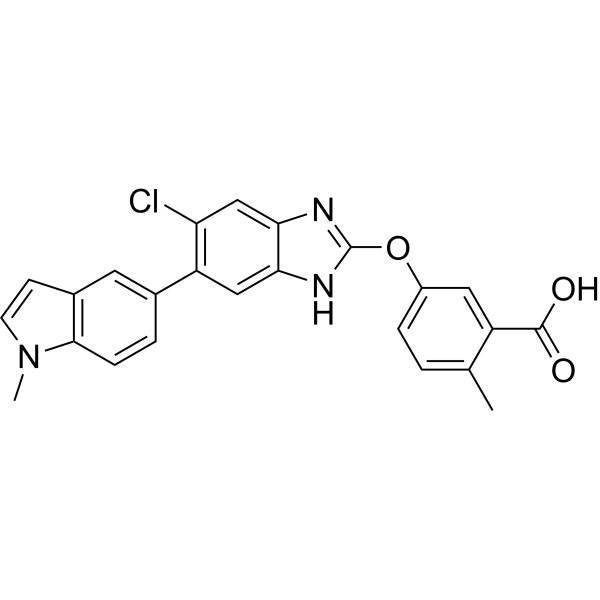
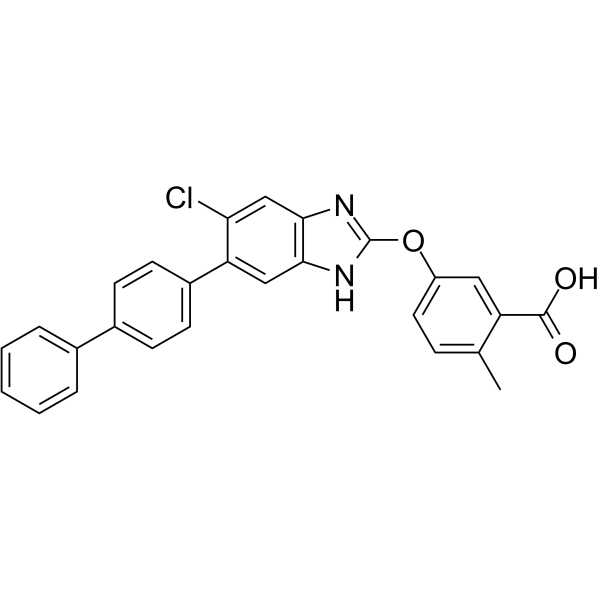
EX229, a Benzimidazole derivative, is a potent and allosteric activator of AMP-activated protein kinase (AMPK), with Kds of 0.06 μM, 0.06 μM and 0.51 μM for α1β1γ1, α2β1γ1 and α1β2γ1 in biolayer interferometry, respectively.
For research use only. We do not sell to patients.
- Purity : 99.44%
- CAS No.: 1219739-36-2
- Formula: C24H18ClN3O3
- Molecular Weight:431.87
-
Storage:Powder -20°C, 3 years , 4°C, 2 years ; In solvent -80°C, 2 years , -20°C, 1 year

To place orders, for customer services and technical support, please contact: MedChemExpress USA
Tel: 609-228-6898 E-mail: [email protected] [email protected]


-
 Biological Activity
-
Chemical Information
-
Solvent & Solubility
- Purity & Documentation
- References
-
 Help & FAQs


-
HY-50662
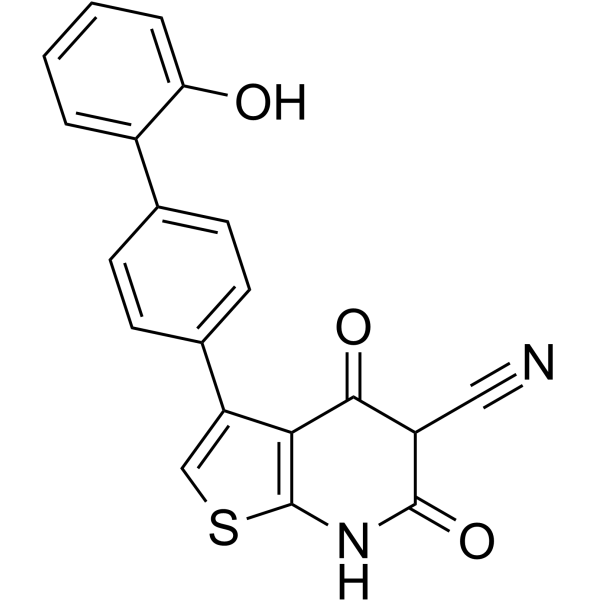
A-769662AMPK Activator -
HY-13417
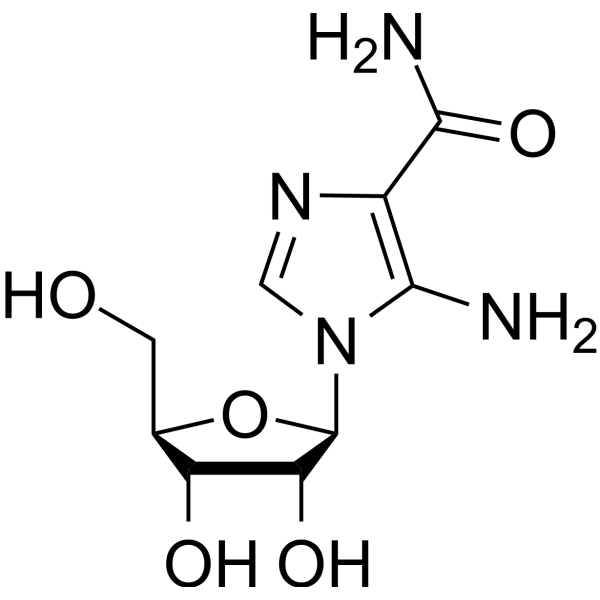
AICARAMPK Activator -
HY-111363
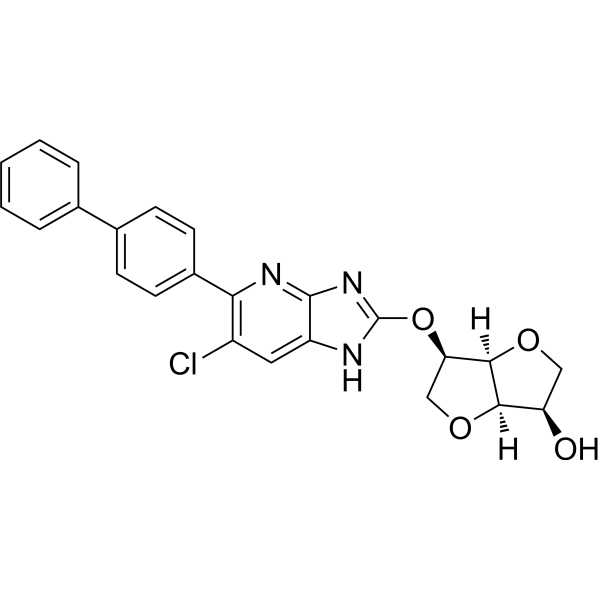
MK8722AMPK Activator -
HY-13418A
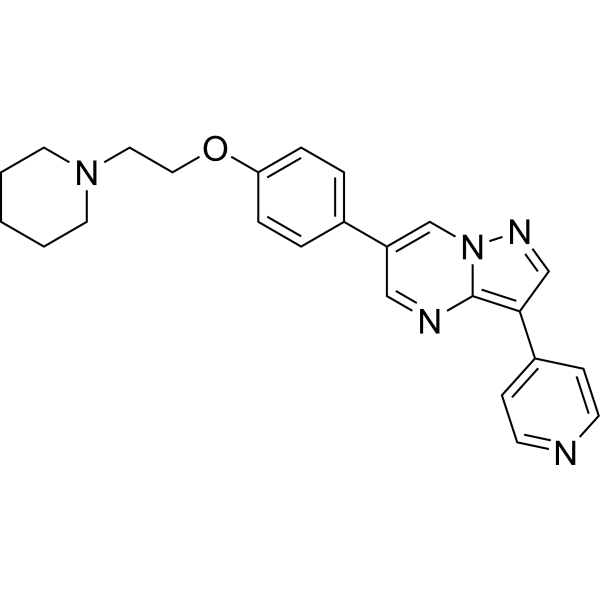
DorsomorphinAMPK Inhibitor -
HY-103683
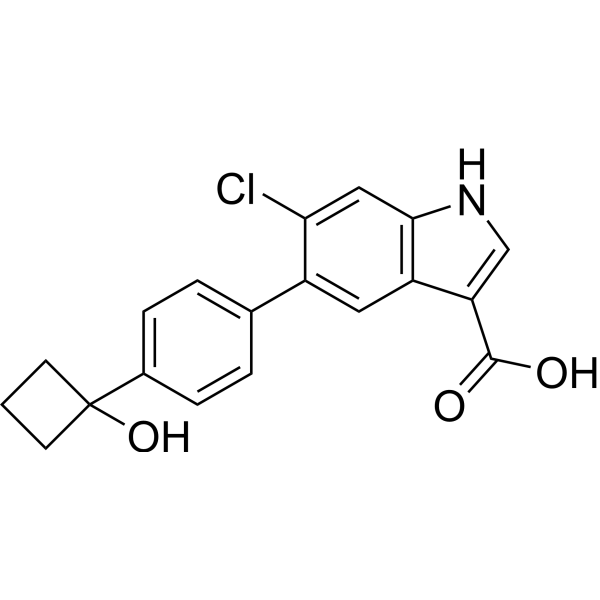
PF-06409577AMPK Activator -
HY-B0627
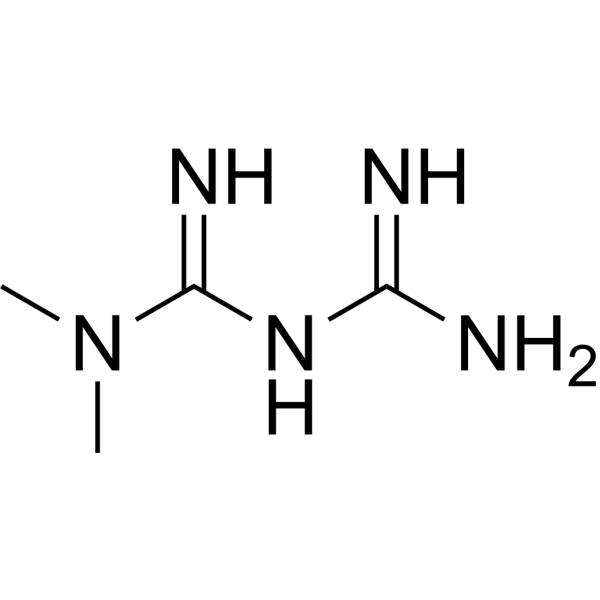
MetforminAntihyperglycemic Agent -
HY-112233
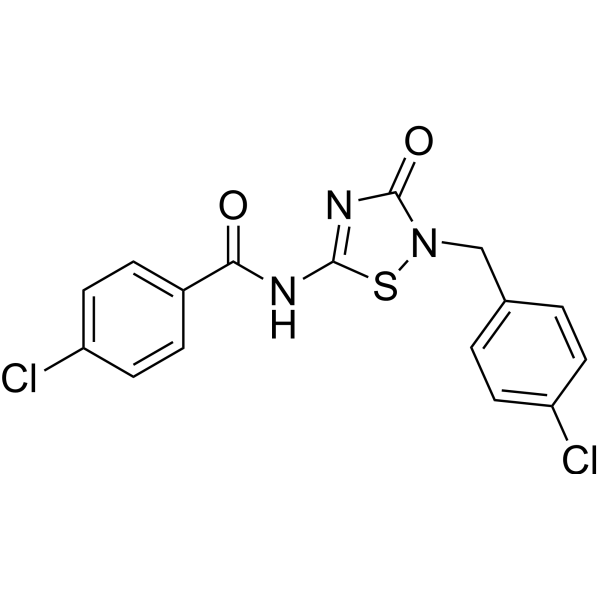
O-304AMPK Activator -
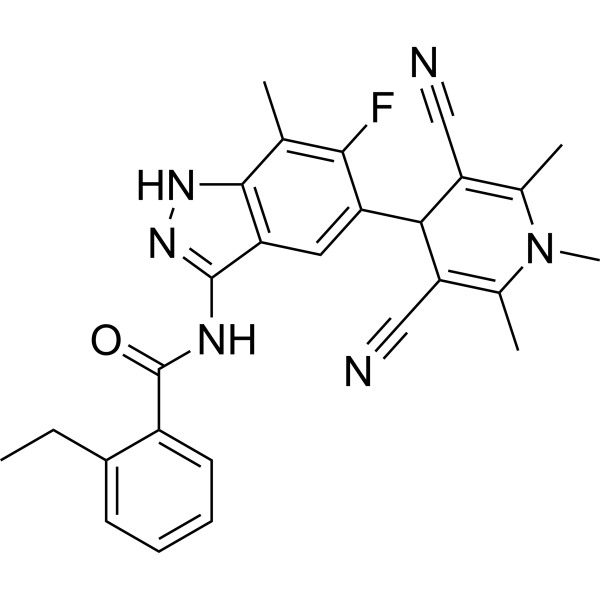
HY-112083
BAY-3827AMPK Inhibitor -
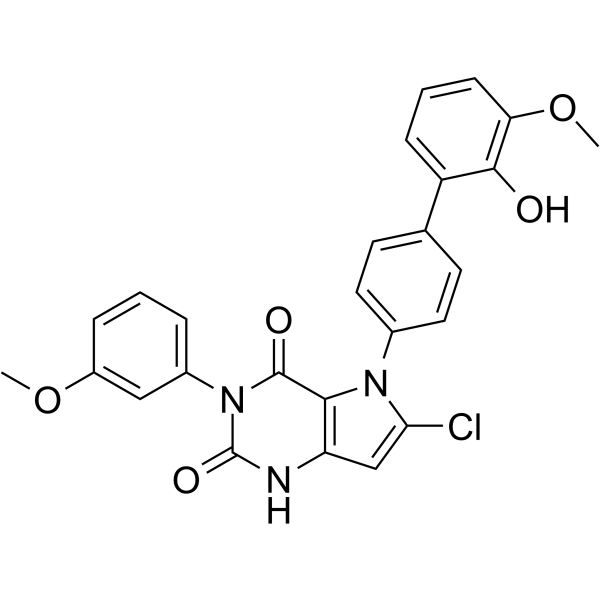
HY-100548
GSK621AMPK Activator -
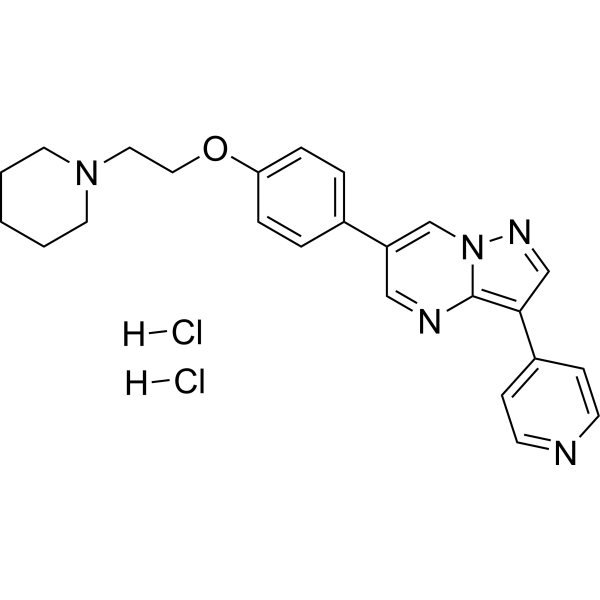
HY-13418
Dorsomorphin dihydrochlorideAMPK Inhibitor -
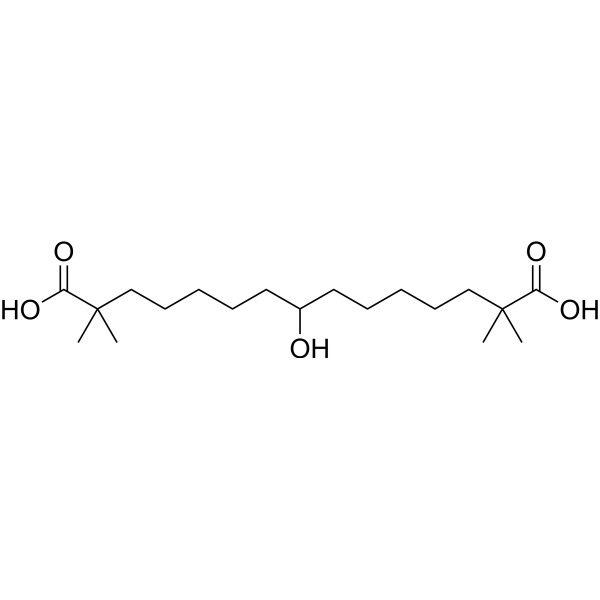
HY-12357
Bempedoic acidACL Inhibitor/AMPK Activator -
HY-107988
MK-3903AMPK Activator
Publications Citing Use of MedChemExpress (MCE) EX229
More- Nat Cell Biol. 2026 Aug;28(8):1686-1699.
- Cancer Res. 2025 Mar 14;85(6):1113-1129. [Abstract]
- Redox Biol. 2025 Apr:81:103567. [Abstract]
- J Nanobiotechnology. 2026 Jun 14. [Abstract]
- Aging Cell. 2026 Oct;25(10):e70721. [Abstract]
- JCI Insight. 2024 Jan 9;9(1):e171850. [Abstract]
- FASEB J. 2026 Jul 15;40(13):e72108.
- bioRxiv. 2024 Oct 29:2024.10.25.620328. [Abstract]
- Res Sq. 2023 Jun 15:rs.3.rs-3049913. [Abstract]
 Customer Validation & Images

-
Cell Proliferation/Viability Assay
-
WB
-
WB
-
Cell Proliferation/Viability Assay
-
WB
All AMPK Isoforms
More

Biological Activity
Description
IC50 & Target
[1]|
AMPK α1β1γ1 0.06 μM (Kd) |
AMPK α2β1γ1 0.06 μM (Kd) |
AMPK α1β2γ1 0.51 μM (Kd) |
Cellular Effect
|
Cell Line

|
Type | Value | Description | References |
|---|---|---|---|---|
| Sf21 | EC50 |
3 nM
Compound: 20
|
Activation of full length human recombinant AMPK alpha1/beta1/gamma1 expressed in baculovirus infected sf21 cells using SAMS peptide substrate after 30 mins in presence of [33P]ATP by TopCount analysis
Activation of full length human recombinant AMPK alpha1/beta1/gamma1 expressed in baculovirus infected sf21 cells using SAMS peptide substrate after 30 mins in presence of [33P]ATP by TopCount analysis
|
[PMID: 27727125] |
In Vitro
EX229 is a potent and allosteric activator of AMP-activated protein kinase (AMPK), with Kds of 0.06 μM, 0.06 μM and 0.51 μM for α1β1γ1, α2β1γ1 and α1β2γ1, respectively.[1]. Treatment of hepatocytes with EX229 (991) alone results in a slight increase in the phosphorylation of AMPK and RAPTOR only at 0.3 μM, whereas a robust increase in ACC phosphorylation is readily observed and saturated at a concentration of 0.03 μM EX229. AICAR or C13 alone robustly increases T172 phosphorylation of AMPKα, and when EX229 is coincubated, there is a modest additional dose-dependent increase in AMPKα phosphorylation. RAPTOR phosphorylation is modestly increased by AICAR or C13 alone, and it is dose dependently increased when coincubations are carried out with EX229. EX229 also dose dependently (0.01 and 0.1 μM) inhibits lipogenesis (34% and 63%, respectively), which is further reduced when it is coincubated with a low dose of AICAR (0.03 mM) or C13 (1 μM). Treatment with EX229 promotes dose-dependent increases in ACC and RAPTOR phosphorylation. Similar to the observations in hepatocytes[2].
MedChemExpress (MCE) has not independently confirmed the accuracy of these methods. They are for reference only.


Chemical Information
-
CAS No. 1219739-36-2
-
Appearance Solid
-
Molecular Weight 431.87
-
Formula C24H18ClN3O3
-
Color White to off-white
-
SMILES
O=C(O)C1=CC(OC2=NC3=CC(Cl)=C(C4=CC5=C(N(C)C=C5)C=C4)C=C3N2)=CC=C1C
-
Shipping
Room temperature in continental US; may vary elsewhere.
-
Storage
Powder -20°C 3 years 4°C 2 years In solvent -80°C 2 years -20°C 1 year


Publications (9)
-
Journal Impact Factor
-
Most Recent
-
-
Cancer Res
MTHFD2 Enhances cMYC O-GlcNAcylation to Promote Sunitinib Resistance in Renal Cell Carcinoma. [Abstract]2025 Mar 14;85(6):1113-1129. PMID: 39804969 -
Redox Biol
Suppression of the LKB1-AMPK-SLC7A11-GSH signaling pathway sensitizes NSCLC to albumin-bound paclitaxel via oxidative stress. [Abstract]2025 Apr:81:103567. PMID: 40023979
EX229 purchased from MedChemExpress. Usage Cited in: Redox Biol. 2025 Apr:81:103567. [Abstract]
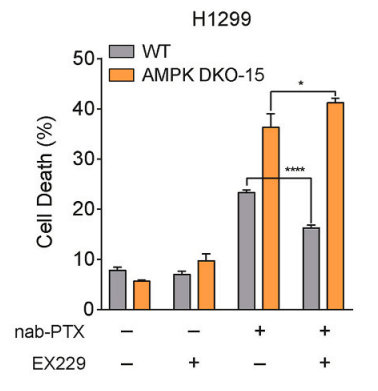
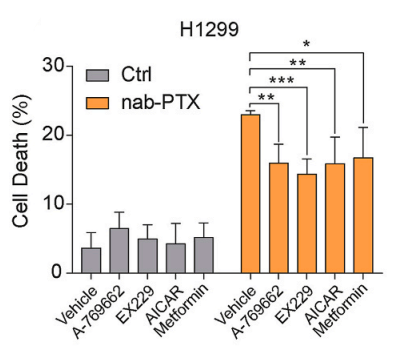
Cell death measurement in AMPK WT and DKO H1299 cells treated with nab-PTX (50 nM) with or without EX229 (40 μM; 36 h).
EX229 purchased from MedChemExpress. Usage Cited in: Redox Biol. 2025 Apr:81:103567. [Abstract]
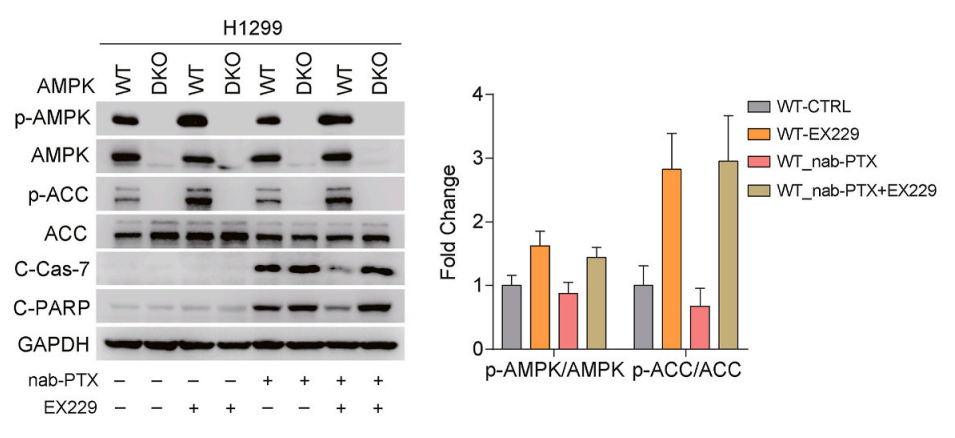
Immunoblot showing the levels of AMPK T172 phosphorylation, AMPK, ACC S79 phosphorylation, ACC, cleaved-caspase 7 (C-Cas-7), and cleaved PARP (C-PARP) in AMPK WT and DKO H1299 cells treated with nab-PTX (50 nM) with or without EX229 (40 μM; 36 h).
EX229 purchased from MedChemExpress. Usage Cited in: Redox Biol. 2025 Apr:81:103567. [Abstract]
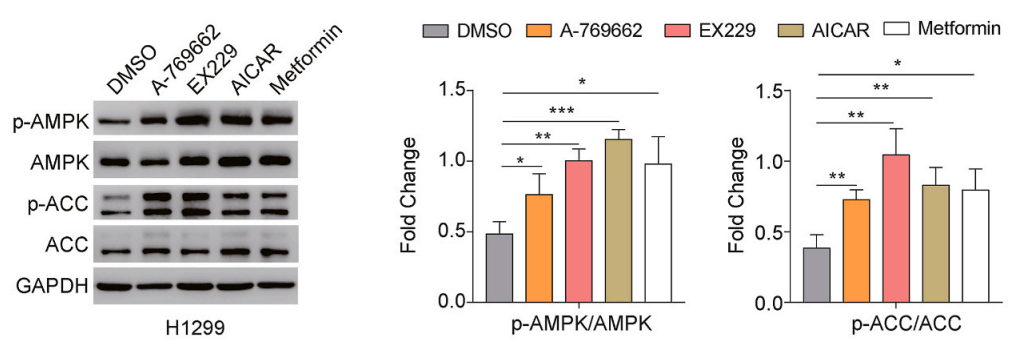
EX229 (40 μM; 24 h) significantly enhanced the activation of AMPK in H1299 cells with WT-LKB1.
EX229 purchased from MedChemExpress. Usage Cited in: Redox Biol. 2025 Apr:81:103567. [Abstract]
EX229 (40 μM; 36 h) reduced the death of H1299 cells with WT-LKB1 induced by nab-PTX.
EX229 purchased from MedChemExpress. Usage Cited in: Redox Biol. 2025 Apr:81:103567. [Abstract]
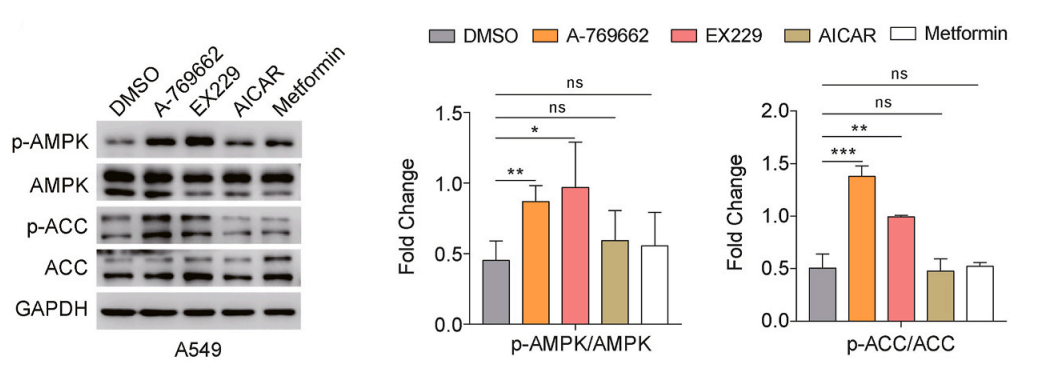
EX229 (40 μM; 24 h) activated AMPK in A549 cells with mutated LKB1.
-
J Nanobiotechnology
2026 Jun 14. PMID: 42289699 -
Aging Cell
2026 Oct;25(10):e70721. PMID: 42810392 -
JCI Insight
ZNFX1 promotes AMPK-mediated autophagy against Mycobacterium tuberculosis by stabilizing mRNA. [Abstract]2024 Jan 9;9(1):e171850. PMID: 38016036 -
-
bioRxiv
Adiponectin Signaling Regulates Urinary Bladder Function by Blunting Smooth Muscle Purinergic Contractility. [Abstract]2024 Oct 29:2024.10.25.620328. PMID: 39554160 -
Res Sq
Mycobacterium tuberculosis resides in lysosome-poor monocyte-derived lung cells during chronic infection. [Abstract]2023 Jun 15:rs.3.rs-3049913. PMID: 37398178


Solvent & Solubility
In Vitro:
DMSO : 13 mg/mL (30.10 mM; Need ultrasonic and warming; Hygroscopic DMSO has a significant impact on the solubility of product, please use newly opened DMSO)
Please refer to the solubility information to select the appropriate solvent. Once prepared, please aliquot and store the solution to prevent product inactivation from repeated freeze-thaw cycles.
Storage method and period of stock solution: -80°C, 2 years; -20°C, 1 year. When stored at -80°C, please use it within 2 years. When stored at -20°C, please use it within 1 year.
Please refer to the solubility information to select the appropriate solvent. Once prepared, please aliquot and store the solution to prevent product inactivation from repeated freeze-thaw cycles.
Storage method and period of stock solution: -80°C, 2 years; -20°C, 1 year. When stored at -80°C, please use it within 2 years. When stored at -20°C, please use it within 1 year.
Concentration (start) × Volume (start) = Concentration (final) × Volume (final)
In Vivo:
Select the appropriate dissolution method based on your experimental animal and administration route.
- For the following dissolution methods, please ensure to first prepare a clear stock solution using an In Vitro approach and then sequentially add co-solvents:
- To ensure reliable experimental results, the clarified stock solution can be appropriately stored based on storage conditions. As for the working solution for In Vivo experiments, it is recommended to prepare freshly and use it on the same day.
- The percentages shown for the solvents indicate their volumetric ratio in the final prepared solution. If precipitation or phase separation occurs during preparation, heat and/or sonication can be used to aid dissolution.
Add each solvent one by one: 10% DMSO 40% PEG300 5% Tween-80 45% Saline
Solubility: ≥ 1.3 mg/mL (3.01 mM); Clear solution
This protocol yields a clear solution of ≥ 1.3 mg/mL (saturation unknown).
Taking 1 mL working solution as an example, add 100 μL DMSO stock solution (13.0 mg/mL) to 400 μL PEG300, and mix evenly; then add 50 μL Tween-80 and mix evenly; then add 450 μL Saline to adjust the volume to 1 mL.
Preparation of Saline: Dissolve 0.9 g sodium chloride in ddH₂O and dilute to 100 mL to obtain a clear Saline solution.
Add each solvent one by one: 10% DMSO 90% (20% SBE-β-CD in Saline)
Solubility: ≥ 1.3 mg/mL (3.01 mM); Clear solution
This protocol yields a clear solution of ≥ 1.3 mg/mL (saturation unknown).
Taking 1 mL working solution as an example, add 100 μL DMSO stock solution (13.0 mg/mL) to 900 μL 20% SBE-β-CD in Saline, and mix evenly.
Preparation of 20% SBE-β-CD in Saline (4°C, storage for one week): 2 g SBE-β-CD powder is dissolved in 10 mL Saline, completely dissolve until clear.
In Vivo Dissolution Calculator
Please enter the basic information of animal experiments:
-
-
-
-
Recommended: Prepare an additional quantity of animals to account for potential losses during experiments.
Please enter your animal formula composition:
-
%DMSO +
Recommended: Keep the proportion of DMSO in working solution below 2% if your animal is weak.
-
%+
-
+%Tween-80 + +
-
%Saline +
The co-solvents required include: DMSO, . All of co-solvents are available by MedChemExpress (MCE). , Tween 80. All of co-solvents are available by MedChemExpress (MCE).
Working solution concentration: 0.22 mg/mL
Method for preparing stock solution: mg drug dissolved in μL DMSO. Stock solution concentration: mg/mL.
1. Take μL DMSO stock solution;
2. Add μL .
μL , mix evenly;
3. Then add μL Tween 80, mix evenly;
4. Then add μL
Please ensure that the stock solution in the first step is dissolved to a clear state, and add co-solvents in sequence. You can use ultrasonic heating (ultrasonic cleaner, recommended frequency 20-40 kHz), vortexing, etc. to assist dissolution.


Purity & Documentation
-
Data Sheet (275 KB)
-
SDS (393 KB)
- English - EN (393 KB)
- Français - FR (393 KB)
- Deutsch - DE (393 KB)
- Norwegian - NO (393 KB)
- Español - ES (393 KB)
- Swedish - SV (393 KB)
- Italian - IT (393 KB)
- Korean - KR (393 KB)
- Portuguese - PT (393 KB)
-
Handling Instructions (2659 KB)
References
[1]. Xiao B, et al. Structural basis of AMPK regulation by small molecule activators. Nat Commun. 2013;4:3017. [Content Brief]
[2]. Bultot L, et al. Benzimidazole derivative small-molecule 991 enhances AMPK activity and glucose uptake induced by AICAR or contraction in skeletal muscle. Am J Physiol Endocrinol Metab. 2016 Oct 1;311(4):E706-E719. [Content Brief]


Complete Stock Solution Preparation Table
Please refer to the solubility information to select the appropriate solvent. Once prepared, please aliquot and store the solution to prevent product inactivation from repeated freeze-thaw cycles.
Storage method and period of stock solution: -80°C, 2 years; -20°C, 1 year. When stored at -80°C, please use it within 2 years. When stored at -20°C, please use it within 1 year.
| Optional Solvent | Concentration Solvent Mass | 1 mg | 5 mg | 10 mg | 25 mg |
|---|---|---|---|---|---|
| DMSO | 1 mM | 2.3155 mL | 11.5776 mL | 23.1551 mL | 57.8878 mL |
| 5 mM | 0.4631 mL | 2.3155 mL | 4.6310 mL | 11.5776 mL | |
| 10 mM | 0.2316 mL | 1.1578 mL | 2.3155 mL | 5.7888 mL | |
| 15 mM | 0.1544 mL | 0.7718 mL | 1.5437 mL | 3.8592 mL | |
| 20 mM | 0.1158 mL | 0.5789 mL | 1.1578 mL | 2.8944 mL | |
| 25 mM | 0.0926 mL | 0.4631 mL | 0.9262 mL | 2.3155 mL | |
| 30 mM | 0.0772 mL | 0.3859 mL | 0.7718 mL | 1.9296 mL |


EX229 Related Classifications
HY-112769 Related Classifications
 Powered by Bioz