



Glycopeptides
- 1
- 2

- Molecular Weight: 62561 (Glycosylation, Dominant form)
Dulaglutide (LY2189265) is a glucagon-like peptide-1 (GLP-1) receptor agonist. Dulaglutide can be uesd for the research of type 2 diabetes (T2D) .
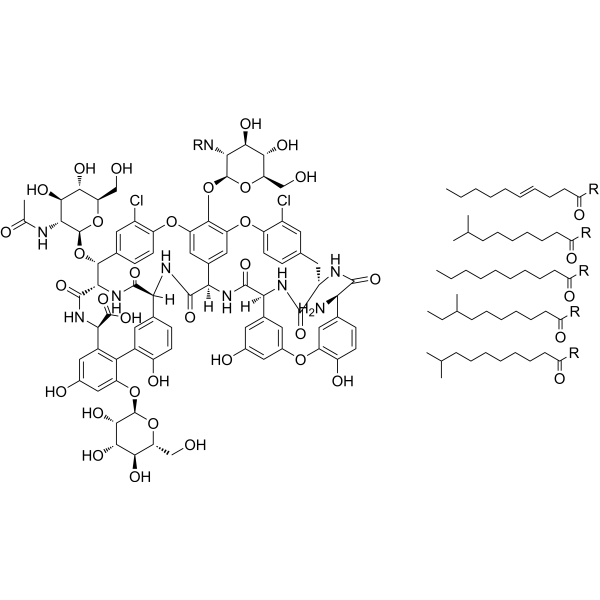
- Molecular Weight: 1564.3-1907.7
Teicoplanin is a glycopeptide antibiotic indicated for use in serious infections caused by Gram-positive bacteria, including Methicillin-resistant Staphylococcus aureus and Enterococcus aureus.Teicoplanin shows antiviral activity for HIV-1, SARS-CoV1 and SARS-CoV2. Teicoplanin sodium shows anti-MRSA activity.
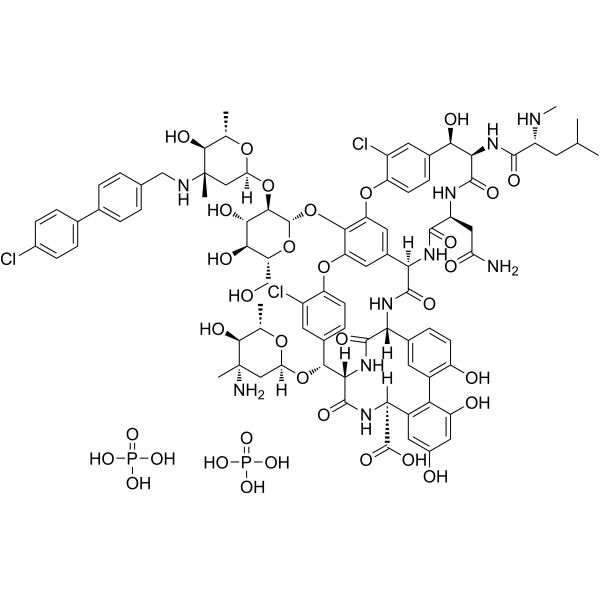
- Formula: C86H103Cl3N10O34P2
- Molecular Weight: 1989.09
Oritavancin diphosphate (LY333328 diphosphate), a semisynthetic derivative of Vancomycin (HY-B0671), is an orally active glycopeptide antibiotic with bactericidal activity against gram-positive organisms. Oritavancin diphosphate shows antibacterial effect against B. anthracis, such as Ames strain with a MIC value of 0.015 g/mL. Oritavancin diphosphate inhibits cell wall synthesis and disrupts the membrane potential. Oritavancin diphosphate inhibits ArlS kinase activity thereby interfering the signal transduction. Oritavancin diphosphate enters cells by adsorptive endocytosis, which drives it to lysosomes, where it exerts antibiotic activity.
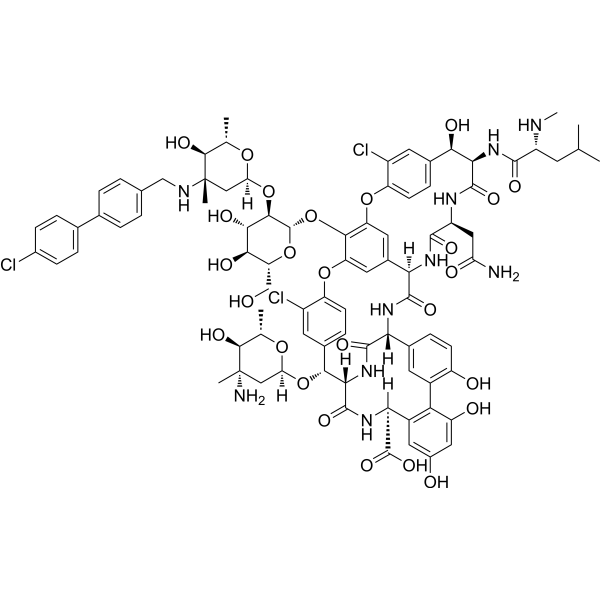
- Formula: C86H97Cl3N10O26
- Molecular Weight: 1793.10
Oritavancin (LY 333328), a semisynthetic derivative of Vancomycin (HY-B0671), is an orally active glycopeptide antibiotic with bactericidal activity against gram-positive organisms. Oritavancin shows antibacterial effect against B. anthracis, such as Ames strain with a MIC value of 0.015 g/mL. Oritavancin inhibits cell wall synthesis and disrupts the membrane potential. Oritavancin inhibits ArlS kinase activity thereby interfering the signal transduction. Oritavancin enters cells by adsorptive endocytosis, which drives it to lysosomes, where it exerts antibiotic activity.
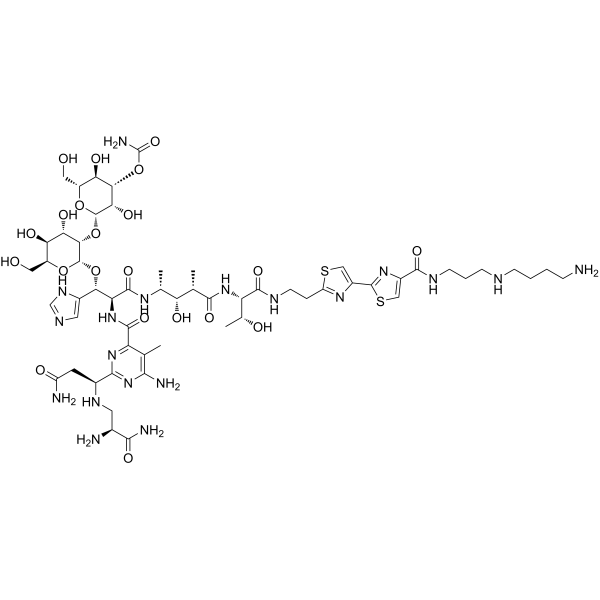
- Formula: C57H89N19O21S2
- Molecular Weight: 1440.56
Bleomycin A5 (Pingyangmycin) is a glycopeptide antibiotic with multiple biological activities, which can be isolated from Streptomyces. Bleomycin A5 exerts cytotoxic effects by binding to Fe2+ to form a complex, inducing single-strand and double-strand DNA breaks, and inhibiting DNA replication. Bleomycin A5 inhibits Drp1-mediated mitochondrial fission and suppresses PINK1/Parkin pathway-mediated mitophagy, ultimately triggering mitochondria-mediated cellular apoptosis. Bleomycin A5 can be used in cancer research.
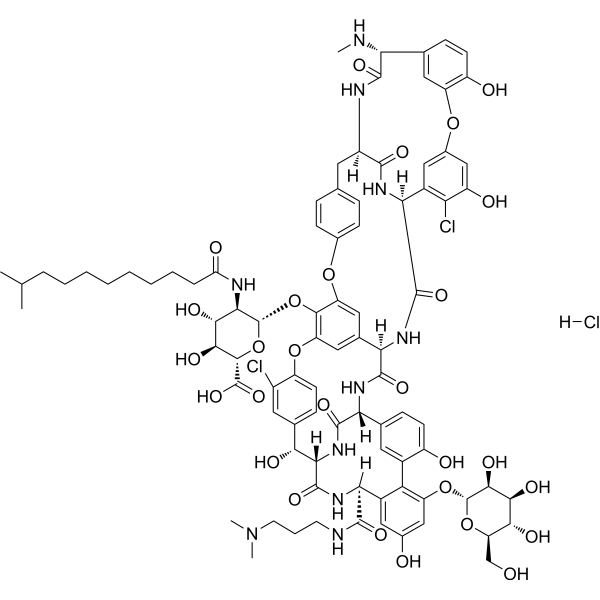
- Formula: C88H101Cl3N10O28
- Molecular Weight: 1853.15
Dalbavancin hydrochloride (MDL-63397 hydrochloride) is a semisynthetic lipoglycopeptide antibiotic with potent bactericidal activity against Gram-positive bacteria. Dalbavancin hydrochloride inhibits Staphylococcus aureus and Bacillus anthracis with MIC90s of 0.06 μg/mL and 0.25 μg/mL, respectively.
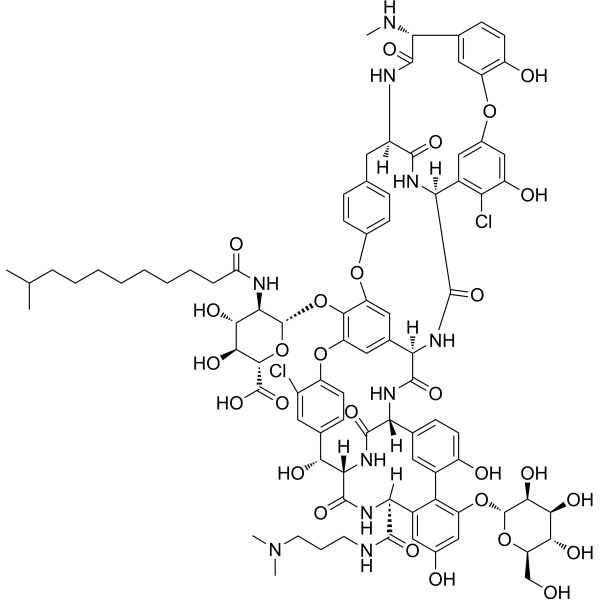
- Formula: C88H100Cl2N10O28
- Molecular Weight: 1816.69
Dalbavancin (MDL-63397) is a semisynthetic lipoglycopeptide antibiotic with potent bactericidal activity against Gram-positive bacteria. Dalbavancin inhibits Staphylococcus aureus and Bacillus anthracis with MIC90s of 0.06 μg/mL and 0.25 μg/mL, respectively.

Ramoplanin is a broad-spectrum lipoglycodepsipeptide antibiotic derived from the Actinoplanes spp with with activity against gram-positive bacteria.
- Formula: C112H189N15O70
- Molecular Weight: 2865.76
Sialylglycopeptide is an orally active glycopeptide found in egg yolk. Sialylglycopeptide inhibits the binding of Salmonella enteritidis and Escherichia coli to intestinal cells, and protects mice from Salmonella infection. Sialylglycopeptide can be used in the research of Salmonella infection.
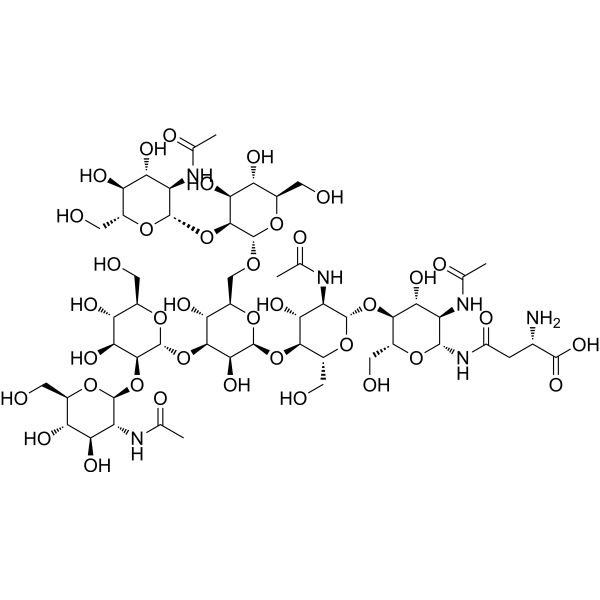
- Formula: C54H90N6O38
- Molecular Weight: 1431.31
G0 N-glycan-Asn is a glycopeptide. G0 N-glycan-Asn can be used for various biochemical studies.
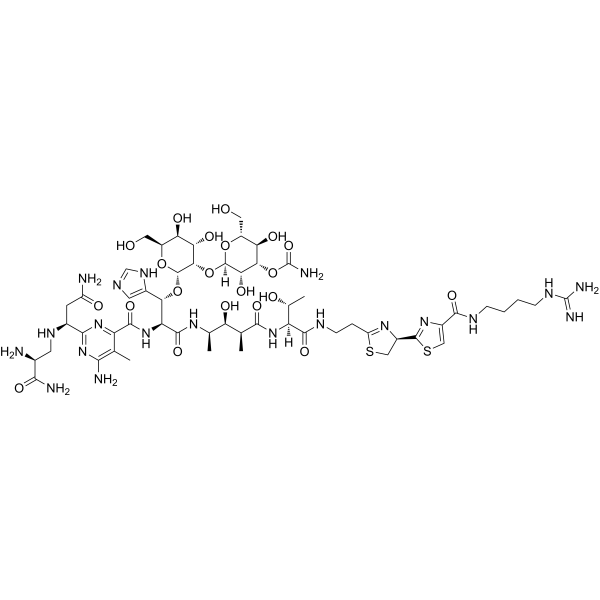
- Formula: C55H86N20O21S2
- Molecular Weight: 1427.52
Phleomycin D1 (PLM D1), a glycopeptide antibiotic, is a member of the Bleomycin/Phleomycin family. Phleomycin D1 causes cell death by binding and cleaving DNA. Phleomycin D1 induces cell cycle arrest at S phase.
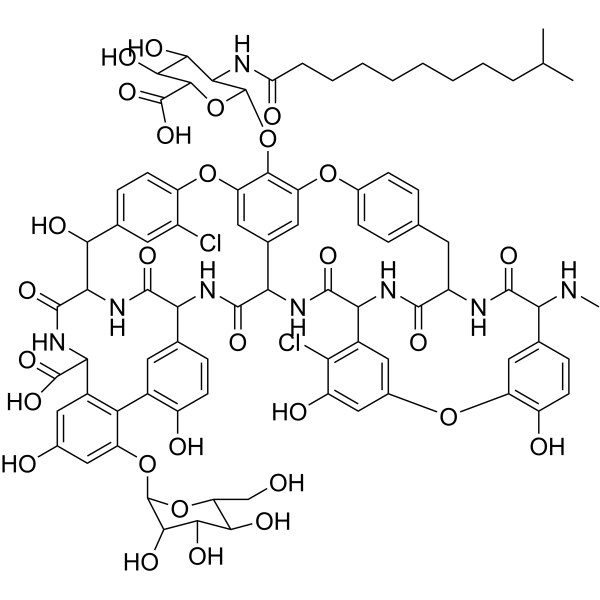
- Formula: C83H88Cl2N8O29
- Molecular Weight: 1732.53
A40926 is a glycopeptide antibiotic that targets the bacterial cell wall peptidoglycan precursor D-alanyl-D-alanine (D-Ala-D-Ala). A40926 irreversibly inhibits cell wall synthesis by competitively binding to this target, and has high bactericidal activity against Gram-positive bacteria (such as Staphylococcus, Streptococcus) and Neisseria gonorrhoeae, with MIC=0.06-2 μg/mL, and is also effective against penicillin-resistant strains. A40926 blocks peptidoglycan cross-linking, destroys cell wall integrity, and causes bacterial lysis and death. A40926 has a fat-soluble fatty acid structure, which can increase serum concentrations and prolong the duration of action (e.g., the terminal half-life in rats is 61.22 h).

- Formula: C65H73Cl2N9O24.xHCl
- Molecular Weight: 1435.23 (free base)
Norvancomycin hydrochloride is a glycopeptide antibiotic which can be found in Nocardia orientalis and active against several strains of S. aureus and S. epidermidis. Norvancomycin hydrochloride can be used for infection research.
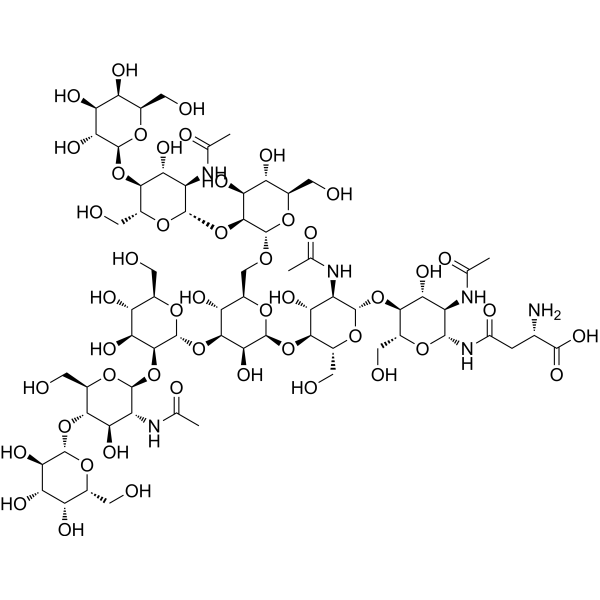
- Formula: C66H110N6O48
- Molecular Weight: 1755.59
Sialylglyco peptide is a N-Glycan and sialate glycopeptide.
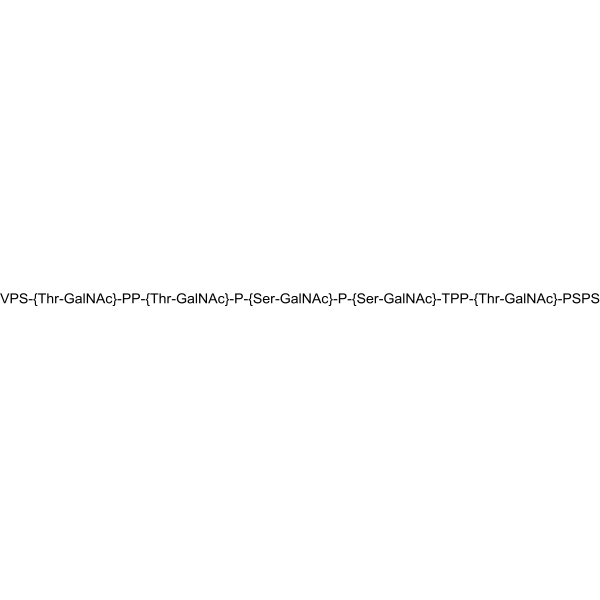
- Formula: C121H193N25O53
- Molecular Weight: 2845.96
IgA1 Peptide GN5 is a synthetic glycopeptide and can be used for detection of gender difference and epitope specificity of IgG antibody activity against IgA1 hinge portion in IgA nephropathy patients.

- Formula: C73H89ClN10O26
- Molecular Weight: 1557.99
Eremomycin (MM 45289) is a potent glycopeptide antibiotic closely related to Vancomycin (HY-B0671). Eremomycin shows antibacterial activity in Staphylococcus spp. and Bacillus subtilis ATCC6633, with the MIC values of 0.03-1.6 μg/mL.
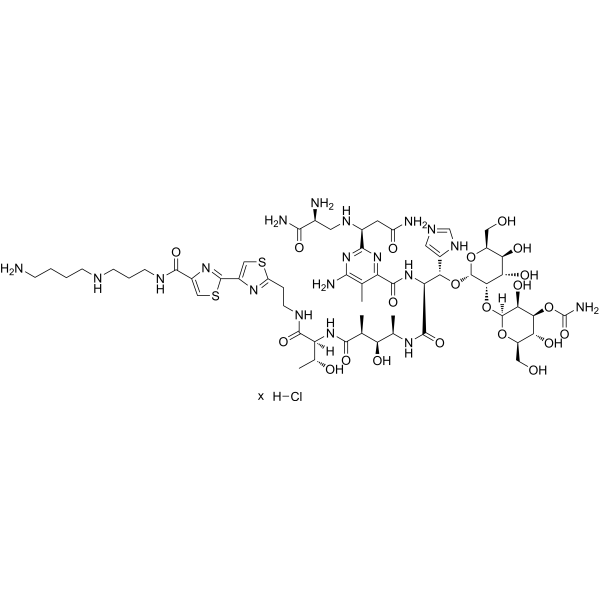
- Formula: C57H90ClN19O21S2
- Molecular Weight: 1477.02
Bleomycin A5 (Pingyangmycin) hydrochloride is a glycopeptide antibiotic with multiple biological activities, which can be isolated from Streptomyces. Bleomycin A5 hydrochloride exerts cytotoxic effects by binding to Fe2+ to form a complex, inducing single-strand and double-strand DNA breaks, and inhibiting DNA replication. Bleomycin A5 hydrochloride inhibits Drp1-mediated mitochondrial fission and suppresses PINK1/Parkin pathway-mediated mitophagy, ultimately triggering mitochondria-mediated cellular apoptosis. Bleomycin A5 hydrochloride can be used in cancer research.
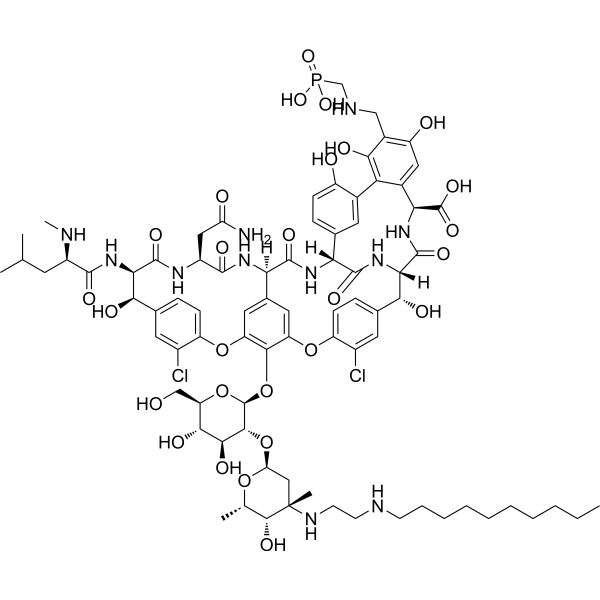
- Formula: C80H106Cl2N11O27P
- Molecular Weight: 1755.63
Telavancin (TD-6424) is a semisynthetic lipoglycopeptide vancomycin-derivative, is a novel antimicrobial agent developed by Theravance for overcoming resistant Gram-positive bacterial infections, specifically methicillin-resistant Staphylococcus aureus (MRSA). Telavancin disrupts cell membrane integrity, can be used for research of complicated skin and skin structure infections (cSSSIs) caused by Gram-positive bacteria.

- Formula: C40H48O4
- Molecular Weight: 592.81
7,8,7’,8’-Tetradehydroastaxanthin is a glycopeptide isolated from the carotenoid protein of red sea star (Asterias rubens).

- Formula: C83H88Cl2N8O29
- Molecular Weight: 1732.53
Parvodicin C2 is a glycopeptide antibiotic that can be isolated from parvosata. Parvodicin C2 has antibacterial activity.
- 1
- 2



