



Pesticide Standards
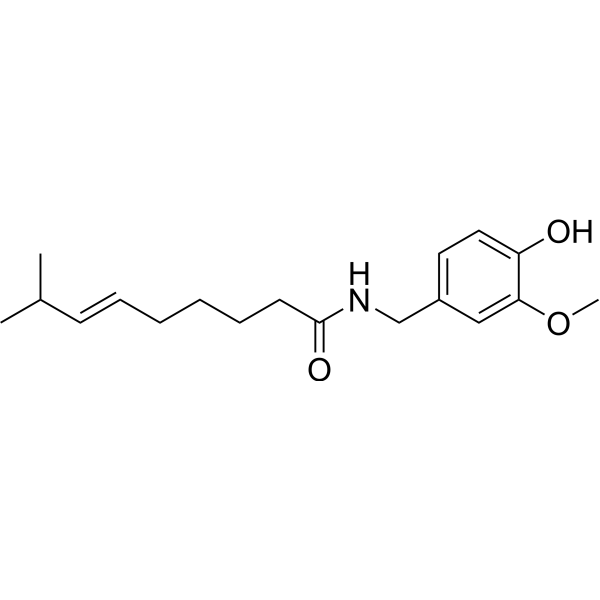
- Formula: C18H27NO3
- Molecular Weight: 305.41
Capsaicin (Standard) is the analytical standard of Capsaicin. This product is intended for research and analytical applications. Capsaicin ((E)-Capsaicin), an active component of chili peppers, is a TRPV1 agonist. Capsaicin induces a nociceptive response by binding to its receptors. Capsaicin has analgesic effects on neurological disorders. Capsaicin has antioxidant, anti-inflammatory, anti-cancer effects.

- Formula: C5H9NO4
- Molecular Weight: 147.13
L-Glutamic acid (Standard) is the analytical standard of L-Glutamic acid. This product is intended for research and analytical applications. L-Glutamic acid is an excitatory amino acid neurotransmitter that acts as an agonist for all subtypes of glutamate receptors (metabolic rhodophylline, NMDA, and AMPA). L-Glutamic acid has an agonist effect on the release of DA from dopaminergic nerve endings. L-Glutamic acid can be used in the study of neurological diseases.
IC50 & Target:DA.
In Vitro: L-Glutamic acid (120, 500, 750, 1000 mg/dL) can reduce the harmful effect of lithium on the embryonic development of Xenopus Xenopus.
L-Glutamic acid (2, 5, 10, 20 mM, 24-48 h) can induce neuroexcitotoxicity in neuroblastoma.
In Vivo: L-Glutamic acid (3 g/kg, subcutaneous injection) can promote excitotoxic degeneration of retinal ganglion cells in mice.
L-Glutamic acid (750 mg/kg, intraperitoneal injection) can reduce and inhibit oxidative stress induced by chlorpyrifos (CPF) in rats.

- Formula: C6H8O7
- Molecular Weight: 192.12
Citric acid (Standard) is the analytical standard of Citric acid (HY-N1428). This product is intended for research and analytical applications. Citric acid is a natural preservative and food tartness enhancer. Citric acid induces apoptosis and cell cycle arrest at G2/M phase and S phase in HaCaT cells. Citric acid cause oxidative damage of the liver by means of the decrease of antioxidative enzyme activities. Citric acid is also an acidulant, emulsifier, sequestrant and buffering agent widely used across many industries.

- Formula: C₂₃H₂₂O₆
- Molecular Weight: 394.42
Rotenone (Standard) is the analytical standard of Rotenone. This product is intended for research and analytical applications. Rotenone is a mitochondrial electron transport chain complex I inhibitor. Rotenone induces apoptosis through enhancing mitochondrial reactive oxygen species production.

- Formula: C10H9NO2
- Molecular Weight: 175.19
3-Indoleacetic acid (standard) (Indole-3-acetic acid (standard)) is the analytical standard of 3-Indoleacetic acid (HY-18569). This product is intended for research and analytical applications. 3-Indoleacetic acid is is an IAA hormone and growth regulator that can promote plant nutritional growth through processes such as cell expansion, differentiation, morphogenesis, and organogenesis.
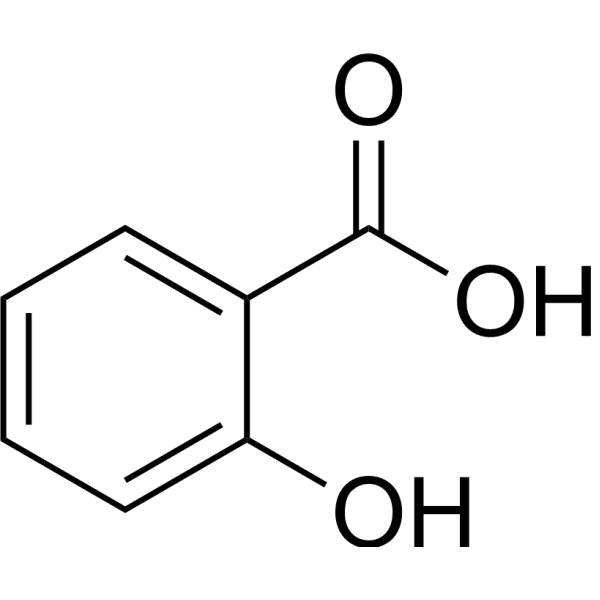
- Formula: C7H6O3
- Molecular Weight: 138.12

- Formula: C8H7N
- Molecular Weight: 117.15
Indole (Standard) is the analytical standard of Indole. This product is intended for research and analytical applications. Indole is an aromatic, heterocyclic, organic compound which widely distributed in the natural environment and can be produced by a variety of bacteria. Indole regulates various aspects of bacterial physiology, including spore formation, plasmid stability, resistance to drugs, biofilm formation, and virulence as an intercellular signal molecule.

- Formula: C9H9N3O2
- Molecular Weight: 191.19
Carbendazim (Standard) is the analytical standard of Carbendazim. This product is intended for research and analytical applications. Carbendazim is a potent and orally active broad-spectrum benzimidazole fungicide and can be acts as a pesticide for fungal diseases research, such as Seproria, Fusarium and Sclerotina. Carbendazim is a benzimidazole (HY-Y1825) derivative with antitumor activity and used for cancer research, especially advanced solid tumors and lymphoma.

- Formula: C₅H₁₄ClNO
- Molecular Weight: 139.62
Choline chloride (Standard) is the analytical standard of Choline chloride (HY-B1337). This product is intended for research and analytical applications. Choline chloride is an orally active methylxanthine derivative. Choline chloride exhibits weak antihistaminic and anticholinergic activities and potentiates the effects of histamine and acetylcholine. Choline chloride relaxes bronchial smooth muscle, dilates coronary and peripheral blood vessels, increases urine output and electrolyte excretion, stimulates locomotor activity in the central nervous system, and induces transient hypotension following a pressor phase. Choline chloride modulates sleep architecture by increasing wakefulness time and reducing slow-wave sleep, without altering the frequency or severity of nocturnal hypoxemia, apnea, or hypopnea events. Choline chloride is used in studies of bronchospasm, nocturnal asthma, and chronic asthma.
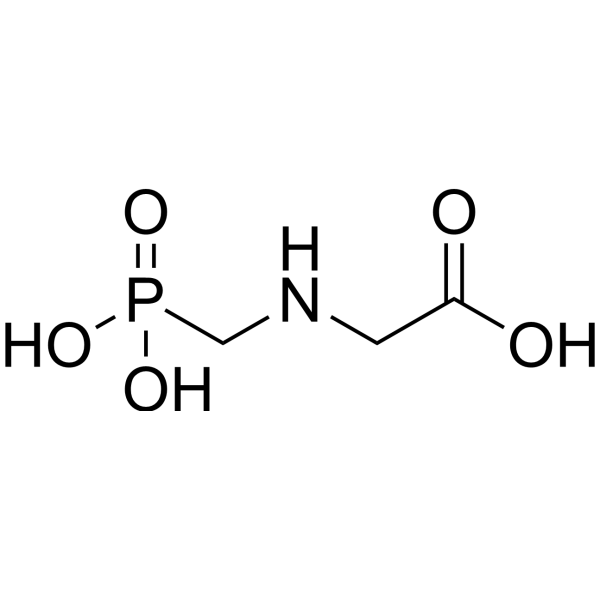
- Formula: C3H8NO5P
- Molecular Weight: 169.07
Glyphosate (Standard) is the analytical standard of Glyphosate. This product is intended for research and analytical applications. Glyphosate is an herbicidal derivative of the amino acid glycine. Glyphosate targets and blocks a plant metabolic pathway not found in animals, the shikimate pathway, required for the synthesis of aromatic amino acids in plants.

- Formula: CH4N2O
- Molecular Weight: 60.06
Urea (Standard) is the analytical standard of Urea. This product is intended for research and analytical applications. Urea is a powerful protein denaturant via both direct and indirect mechanisms. A potent emollient and keratolytic agent. Used as a diuretic agent. Blood urea nitrogen (BUN) has been utilized to evaluate renal function. Widely used in fertilizers as a source of nitrogen and is an important raw material for the chemical industry.
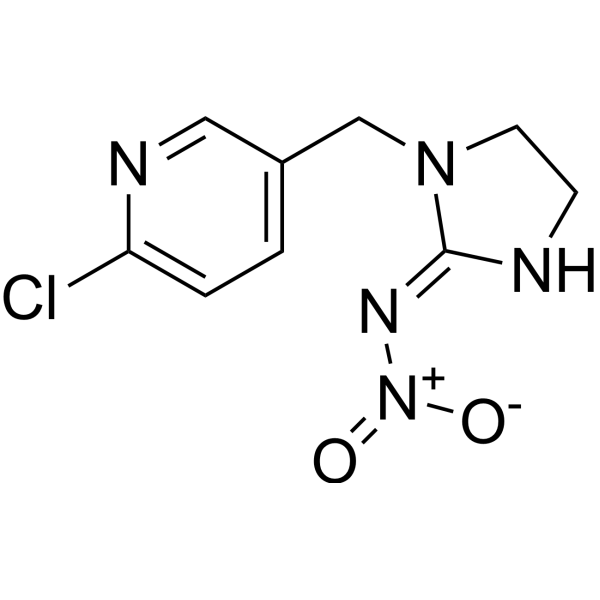
- Formula: C9H10ClN5O2
- Molecular Weight: 255.66
Imidacloprid (Standard) is the analytical standard of Imidacloprid. This product is intended for research and analytical applications. Imidacloprid is an effective and widely used neonicotinoid pesticide to control pests of cereals, vegetables, tea and cotton.

- Formula: C10H14O
- Molecular Weight: 150.22
Thymol (Standard) is the analytical standard of Thymol. This product is intended for research and analytical applications. Thymol is a TRPA1 agonist. Thymol induces cancer cell apoptosis. Thymol is the main monoterpene phenol occurring in essential oils isolated from plants belonging to the Lamiaceae family, and other plants such as those belonging to the Verbenaceae, Scrophulariaceae, Ranunculaceae and Apiaceae families. Thymol has antioxidant, anti-inflammatory, antibacterial and antifungal effects.

- Formula: C₇H₆O₂
- Molecular Weight: 122.12
Benzoic acid (Standard) is the analytical standard of Benzoic acid. This product is intended for research and analytical applications. Benzoic acid is an aromatic alcohol existing naturally in many plants and is a common additive to food, drinks, cosmetics and other products. It acts as preservatives through inhibiting both bacteria and fungi.

- Formula: C12H17NO
- Molecular Weight: 191.27
Diethyltoluamide (Standard) is the analytical standard of Diethyltoluamide. This product is intended for research and analytical applications. Diethyltoluamide (DEET) is the most common active ingredient in insect repellents. It is intended to provide protection against mosquitoes, ticks, fleas, chiggers, leeches, and many other biting insects. Diethyltoluamide is toxic to hepatocytes and can lead to many physiological, pharmacological, and behavioral abnormal ities, particularly motor deficits and learning and memory dysfunction.
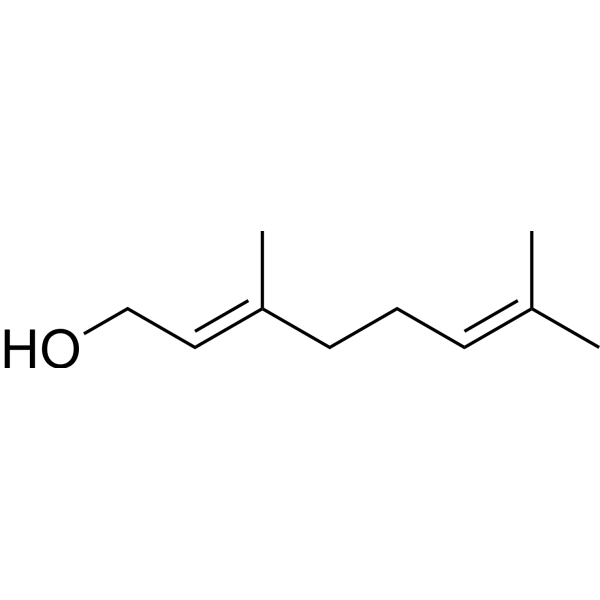
- Formula: C₁₀H₁₈O
- Molecular Weight: 154.25
Geraniol (Standard) is the analytical standard of Geraniol. This product is intended for research and analytical applications. Geraniol, an olefinic terpene, was found to inhibit growth of Candida albicans and Saccharomyces cerevisiae strains.

- Formula: C12H23NO3
- Molecular Weight: 229.32
Picaridin (Standard) is the analytical standard of Picaridin. This product is intended for research and analytical applications. Picaridin (Lcaridin) is a broad spectrum arthropod repellent. The repellent and deterrent activities of Picaridin involve olfactory sensing in mosquitoes, and ticks, via their interactions with odorant receptor proteins.

- Formula: C22H17Cl2F6N3O3
- Molecular Weight: 556.29
Fluralaner (Standard) is the analytical standard of Fluralaner. This product is intended for research and analytical applications. Fluralaner (INN) is a systemic insecticide and acaricide Fluralaner through potent blockage of GABA and L-glutamate gated chloride channels.
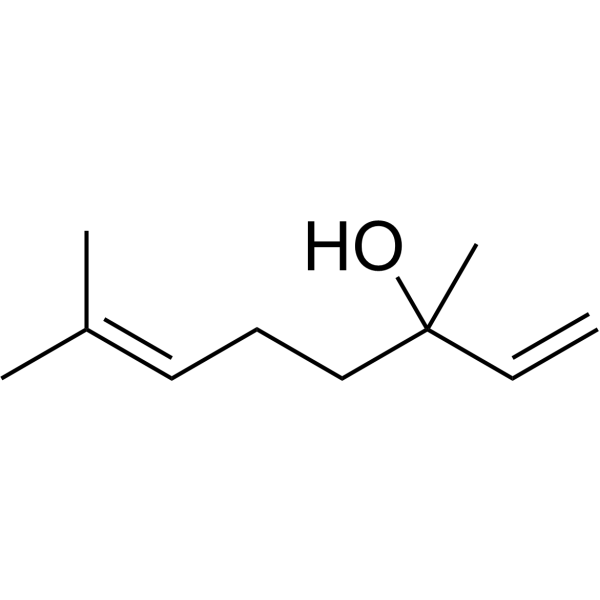
- Formula: C₁₀H₁₈O
- Molecular Weight: 154.25
Linalool (Standard) is the analytical standard of Linalool. This product is intended for research and analytical applications. Linalool is natural monoterpene in essential olis of coriander, acts as a competitive antagonist of Nmethyl d-aspartate (NMDA) receptor, with anti-tumor, anti-cardiotoxicity activity.Linalool is a PPARα ligand that reduces plasma TG levels and rewires the hepatic transcriptome and plasma metabolome.
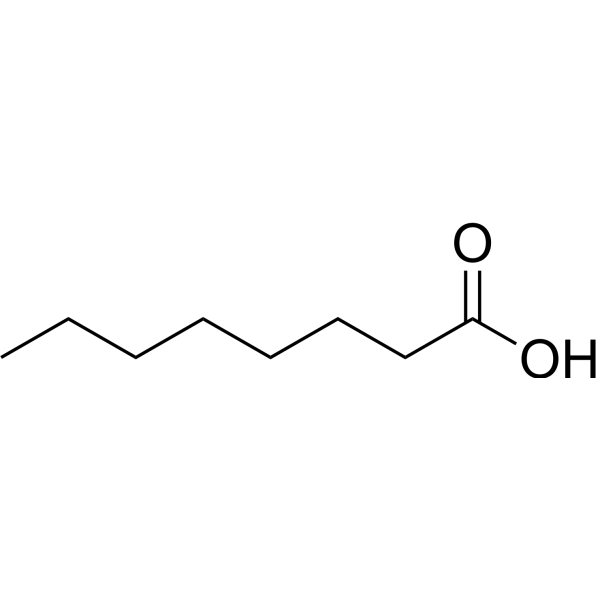
- Formula: C₈H₁₆O₂
- Molecular Weight: 144.21
Octanoic acid (Standard) is the analytical standard of Octanoic acid. This product is intended for research and analytical applications. Octanoic acid (Caprylic acid) is an oily liquid with a slightly unpleasant rancid taste and used commercially in the production of esters used in perfumery and also in the manufacture of dyes.



