



Scrophulariaceae
-
- Rehmannia glutinosa (Gaert.) Libosch. ex Fisch. et Mey (25)
- Bacopa monnieri (Linn.) Wettst. (20)
- Scrophularia ningpoensis Hemsl. (17)
- Picrorhiza scrophulariiflora Pennell (14)
- Digitalis purpurea Linn. (9)
- Paulownia tomentosa (Thunb.) Steud. (6)
- Brandisia hancei Hook. f. (5)
- Scoparia dulcis L (5)
- Picria felterrae Lour. (4)
- Scrophularia buergeriana Miq. (3)
- Buddleja lindleyana Fort. (2)
- Lagotis alutacea W. W. Smith (2)
- Lagotis yunnanensis W. W. Smith (2)
- Scrophularia ilwensis K.Koch (2)
- Verbascum phlomoides L. (2)
- Buddleja albiflora Hemsl. (1)
- Buddleja davidi Franch. (1)
- Buddleja officinalis Maxim. (1)
- Digitalis viridiflora Lindl. (1)
- Eremophila alternifolia (1)
- Hemiphragma heterophyllum Wall. (1)
- Lancea tibetica Hook. f. et Thoms. (1)
- Paulownia fortunei (Seem.) Hemsl. (1)
- Scrophularia auriculata L. (1)
- Scrophularia takesimensis (1)
- Verbascum songaricum Schrenk (1)
-
Scrophulariaceae (130)

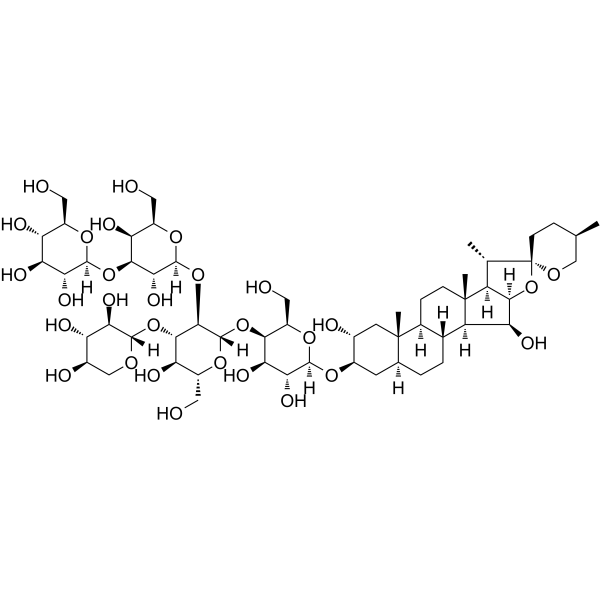
- Formula: C56H92O29
- Molecular Weight: 1229.31
Digitonin, a glycoside obtained from Digitalis purpurea, could increase cell permeability by binding to cholesterol molecules and reduce tumor growth. Digitonin is an natural detergent.
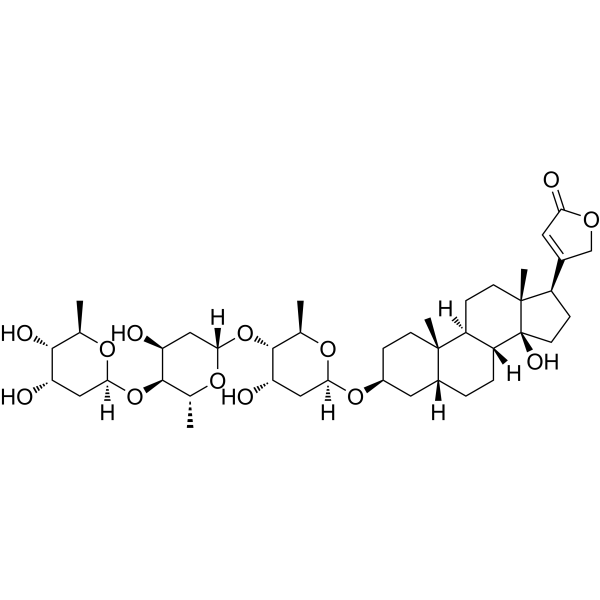
- Formula: C41H64O13
- Molecular Weight: 764.94
Digitoxin is an anti-cancer agent. Digitoxin induces apoptosis, inhibits influenza cytokine storm, causes DNA double-stranded breaks (DSBs) and blocks the cell cycle at the G2/M phase. Digitoxin induces calcium uptake into cells by forming transmembrane calcium channels and can be used for research of heart failure .
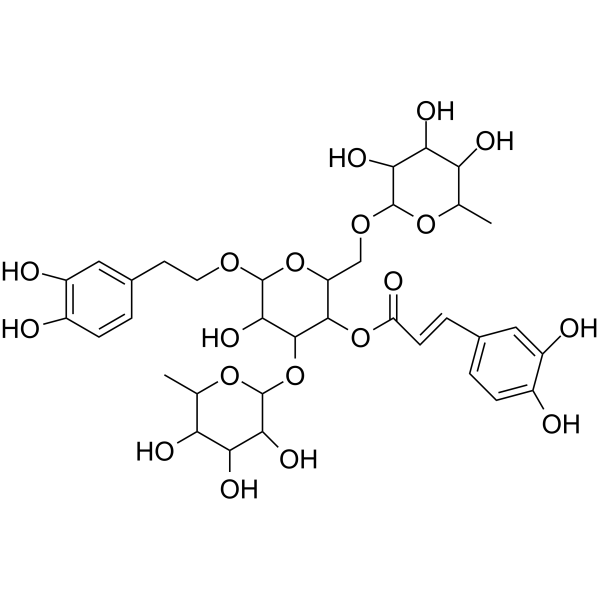
- Formula: C35H46O19
- Molecular Weight: 770.73
Poliumoside, a caffeoylated phenylpropanoid glycoside, is isolated from Brandisia hancei stems and leaves. Poliumoside is an advanced glycation end product (AGE) formation and rat lens aldose reductase (RLAR) inhibitor, with IC50s of 19.69 and 8.47 μM, respectively. Poliumoside also has antiinflammatory and antioxidant activity.
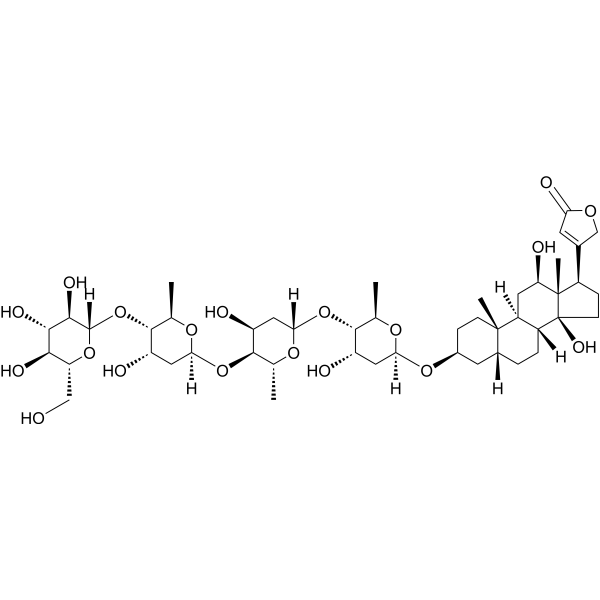
- Formula: C47H74O19
- Molecular Weight: 943.08
Deslanoside (Desacetyllanatoside C) is a rapidly acting cardiac glycoside used to treat congestive heart failure and supraventricular arrhythmias due to reentry mechanisms, and to control ventricular rate in the treatment of chronic atrial fibrillation. Deslanoside inhibits the Na-K-ATPase membrane pump, resulting in an increase in intracellular sodium and calcium concentrations .
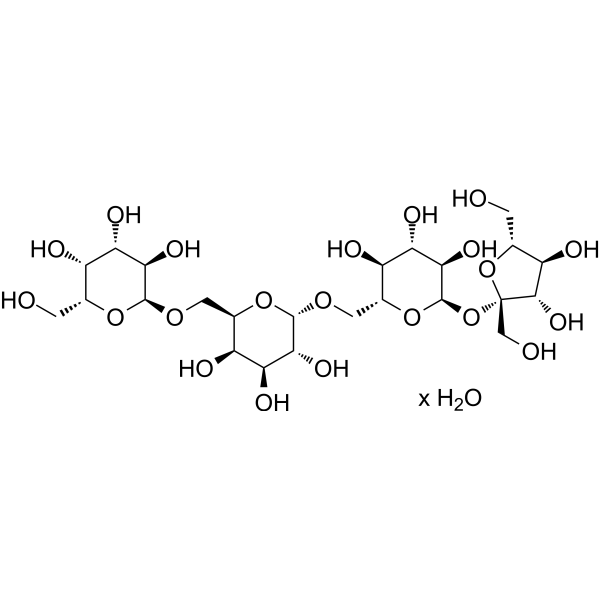
- Formula: C24H42O21.xH2O
Stachyose hydrate is an orally active prebiotic that enhances the growth and activity of beneficial bacteria. Stachyose hydrate has hypoglycemic effects and can improve inflammation by regulating gut microbiota. In addition, Stachyose hydrate can induce plant cell apoptosis (Apoptosis). Stachyose hydrate can be used in research on inflammation, gastrointestinal diseases, and agriculture .


- Formula: C47H76O18
- Molecular Weight: 929.10
Bacoside A3 (Standard) is the analytical standard of Bacoside A3. This product is intended for research and analytical applications. Bacoside A3, a triterpenoid saponin, is one of the major active constituents in Bacopa monnieri. Bacoside A3 has neuroprotective activity.
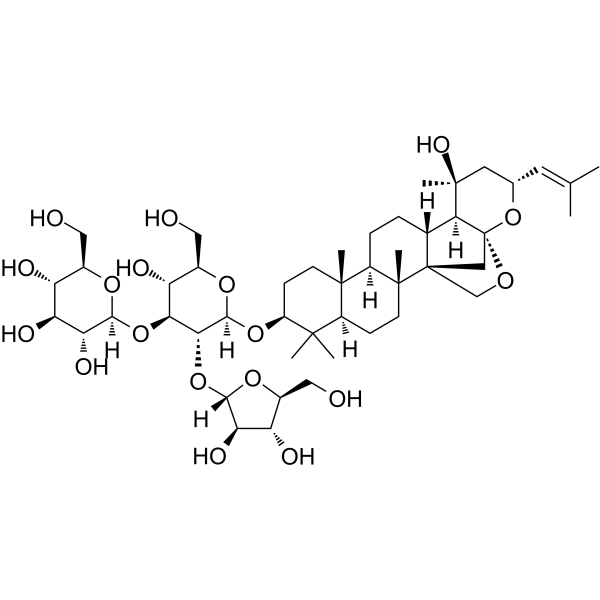
- Formula: C47H76O18
- Molecular Weight: 929.10
Bacoside A3 is a triterpenoid saponin isolated from Bacopa monnieri. Bacoside A3 has neuroprotective activity, downregulating β-amyloid-induced inflammatory responses and inhibiting neuronal apoptosis. Bacoside A3 can be used in the study of Alzheimer's disease.
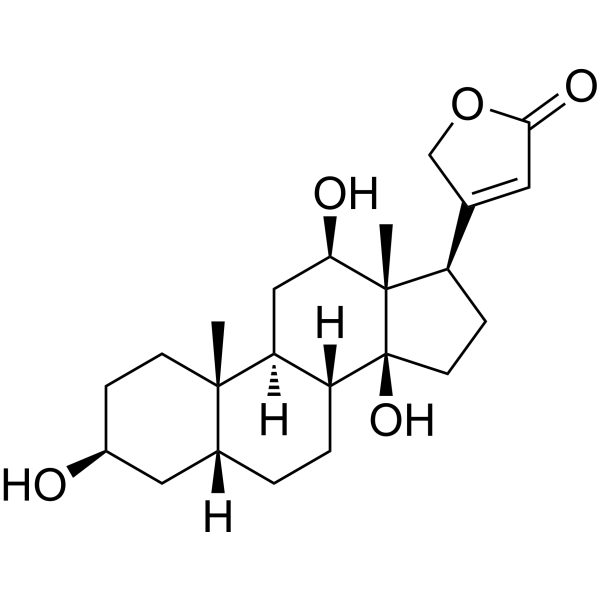
- Formula: C23H34O5
- Molecular Weight: 390.51
Digoxigenin (DIG) is a steroid. DIG is used for situ hybridization as a labeling molecule probe due to long shelf life and fast detection and high sensitivity of DIG-labeled riboprobes.
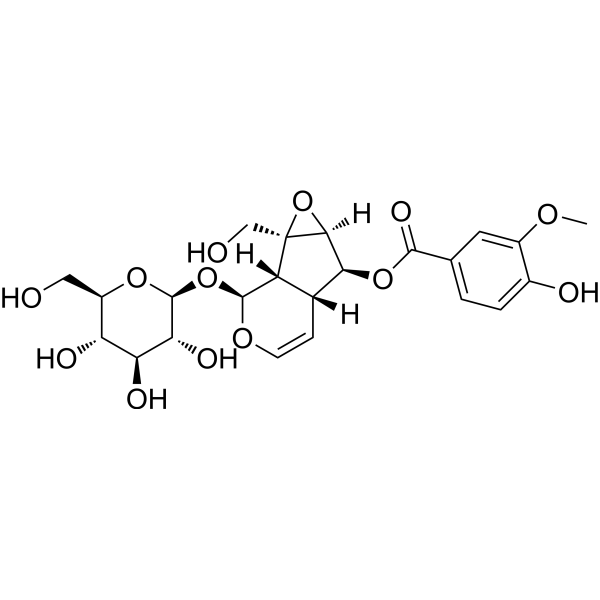
- Formula: C23H28O13
- Molecular Weight: 512.46
Picroside II is an antioxidant with oral activity that can reduce the production of ROS and protect the blood-brain barrier (BBB) after CI/R injury, offering neuroprotective effects. Picroside II has antioxidant, immune-regulating, antiviral properties, and inhibits apoptosis. Picroside II alleviates the inflammatory response in sepsis by suppressing the activation of the NLRP3 inflammasome and NF-κB pathways.
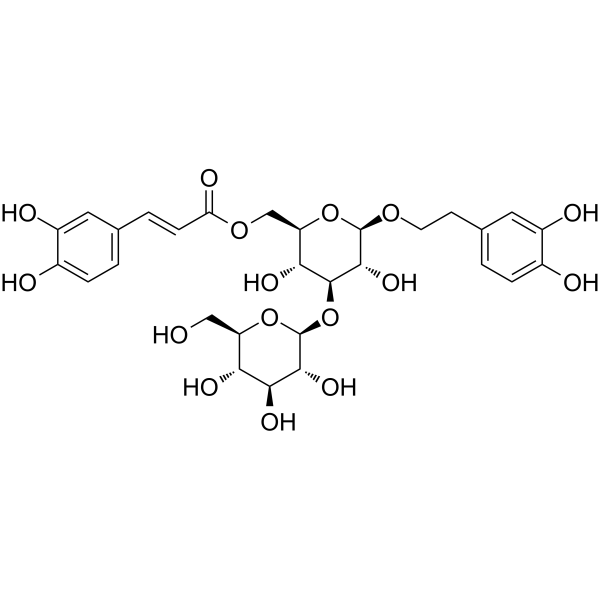
- Formula: C29H36O16
- Molecular Weight: 640.59
Plantainoside D, a phenylethanoid glycosides, is a IKK-β inhibitor with diverse biological activities. Plantainoside D shows inhibitory activity of angiotensin-converting enzyme (ACE) with an IC50 of 2.17 mM. Plantainoside D significantly reduces the release of glutamate from nerve terminals in the cerebral cortex of rats by inhibiting the voltage-dependent calcium channel (VDCCs) and protein kinase C (PKC) signaling cascade. Plantainoside D significantly alleviates cell apoptosis by inhibiting the generation of ROS and the activation of NF-κB. Plantainoside D significantly improves acute lung injury (ALI) induced by sepsis by regulating the Sirt3/NLRP3 signaling pathway. Plantainoside D can be used for the study of neuroprotection, antioxidant, anti-inflammation, antihypertension.
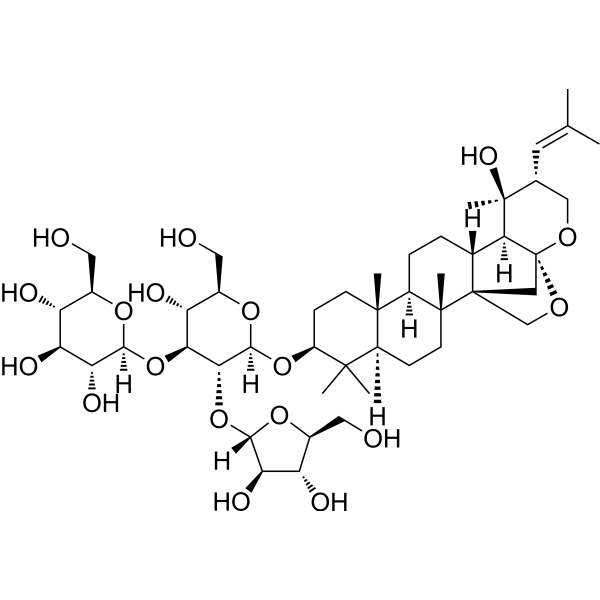
- Formula: C47H76O18
- Molecular Weight: 929.10
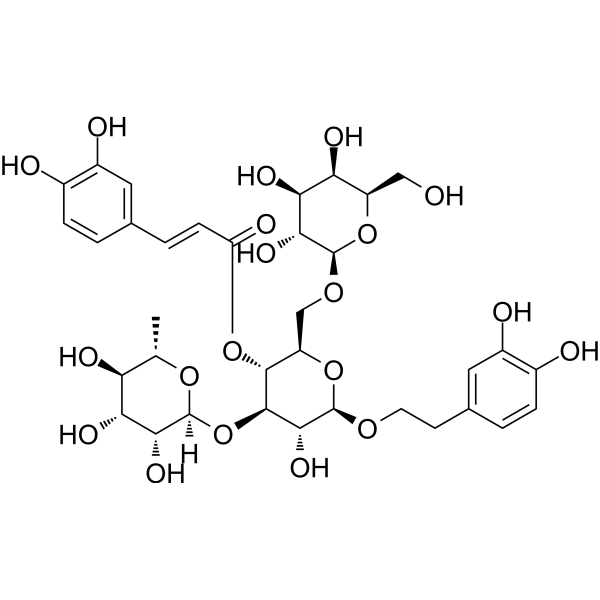
- Formula: C35H46O20
- Molecular Weight: 786.73
Purpureaside C, phenolic glycoside, is a minichromosome maintenance complex component 6 (MCM6) inhibitor. Purpureaside C binds to the ATP-pocket of MCM6, suppresses MCM6 protein expression in gastric cancer cells. Purpureaside C suppresses gastric cancer cell growth and induces apoptosis. Purpureaside C exerts antibacterial activity and proinflammatory activity. Purpureaside C can be used for the researches of gastric cancer, bacterial infection and inflammation.
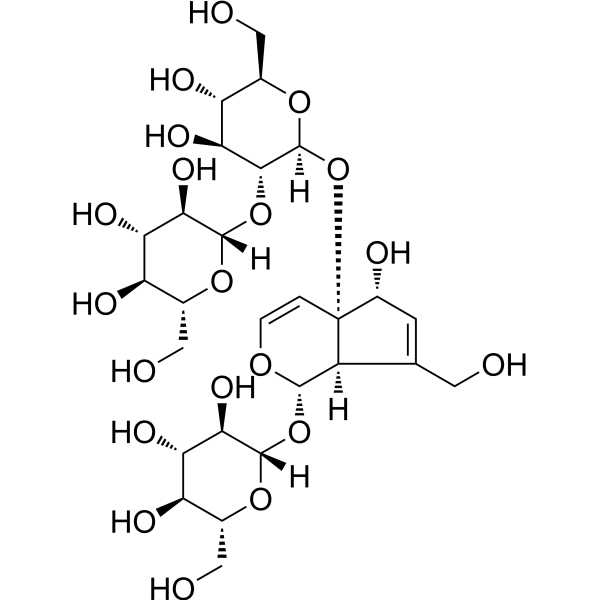
- Formula: C27H42O20
- Molecular Weight: 686.61
Rehmannioside D is an orally active Sirt7 modulator. Rehmannioside D upregulates Sirt7 expression, inhibits the level of acetylated p53, and blocks the activation of the p53 signaling pathway. Rehmannioside D alleviates liver injury, inflammatory response, collagen deposition and hepatocyte apoptosis. Rehmannioside D is applicable to research related to liver fibrosis.
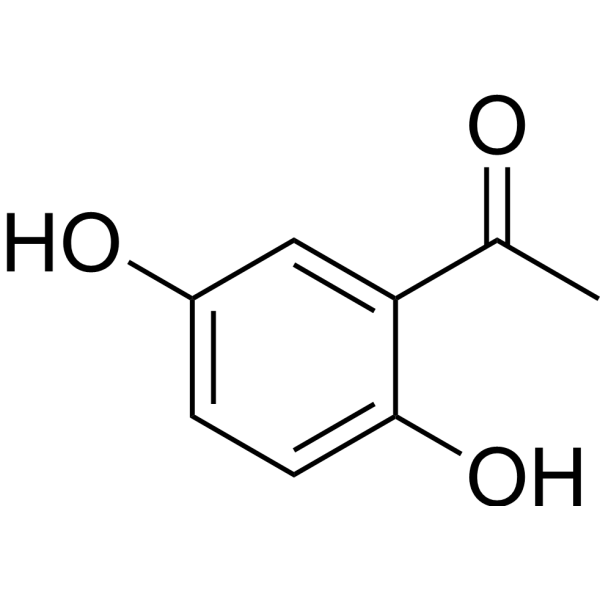
- Formula: C8H8O3
- Molecular Weight: 152.15
2,5-Dihydroxyacetophenone, isolated from Rehmannia glutinosa, inhibits the production of inflammatory mediators in activated macrophages by blocking the ERK1/2 and NF-κB signaling pathways.
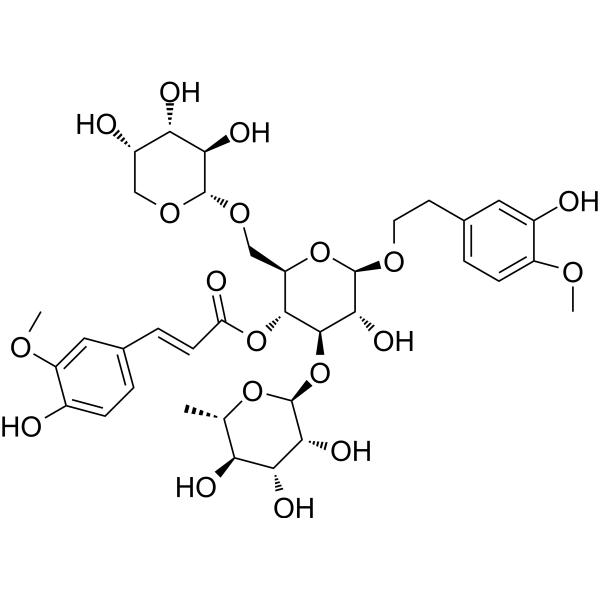
- Formula: C36H48O19
- Molecular Weight: 784.75
Angoroside C, a phenylpropanoid glycoside isolated from Scrophularia ningpoensis, has beneficial effects against ventricular remodeling.
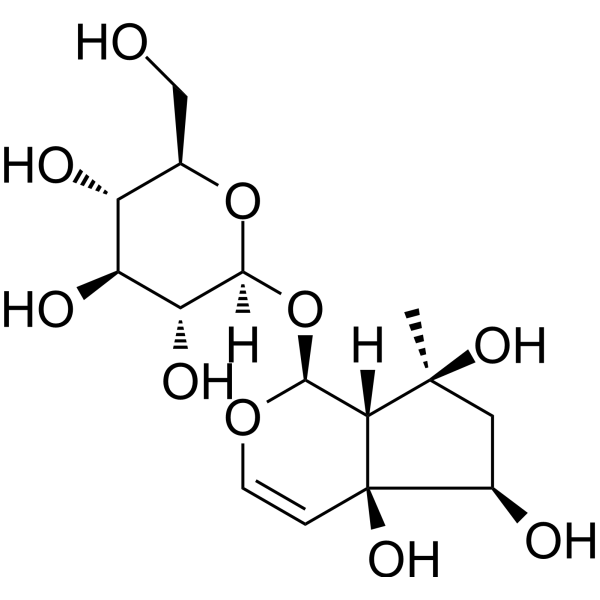
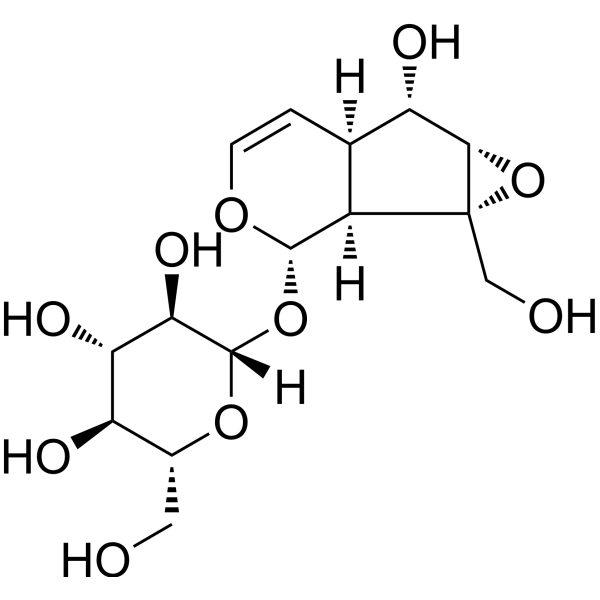
- Formula: C15H24O10
- Molecular Weight: 364.35
Harpagide is a class of iridoid glycoside isolated from Scrophularia ningpoensis and has antiparasitic activity, which exhibits good in vitro trypanocidal activities against African trypanosomes (T.b. rhodesiense) with an IC50 of 21 μg/mL. Harpagide exerts significant antileishmanial activity against L. donovani with an IC50 value of 2.0 μg/mL. Harpagide also possess significant anti-inflammatory activities.
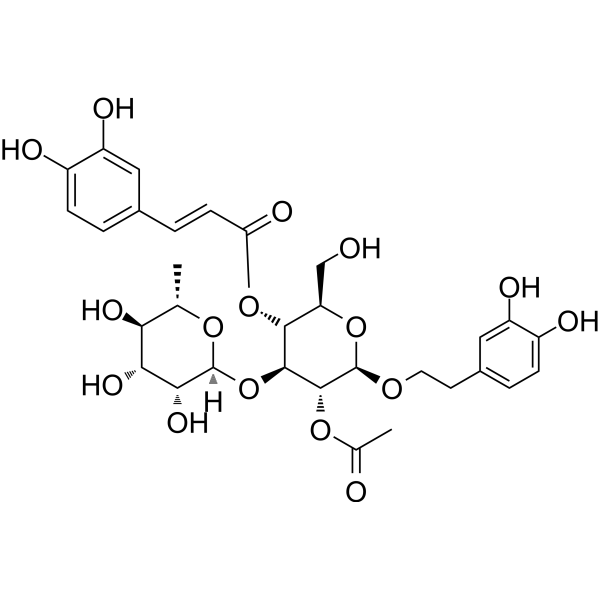
- Formula: C31H38O16
- Molecular Weight: 666.62
2'-Acetylacteoside (2'-AA) is a natural compound with oral activity and blood-brain barrier permeability. 2'-Acetylacteosideexhibits MAO‑B inhibitory activity (IC50 = 17.71 μM, Ki = 13.81 μM). 2'-Acetylacteoside downregulates the expression of RANK, TRAF6, NF‑κB, NFATc1 and IKKβ, disrupts the RANKL/RANK interaction, blocks downstream signaling pathways, and increases the level of phosphorylated Akt. 2'-Acetylacteoside possesses potent anti-osteoclastogenic, anti-bone resorptive, pro-neurogenic, neuroprotective and antioxidant activities. 2'-Acetylacteoside can be used in the research of osteoporosis, ischemic stroke and Parkinson's disease.



