



Catalpol
Based on 15 publication(s) in Google Scholar
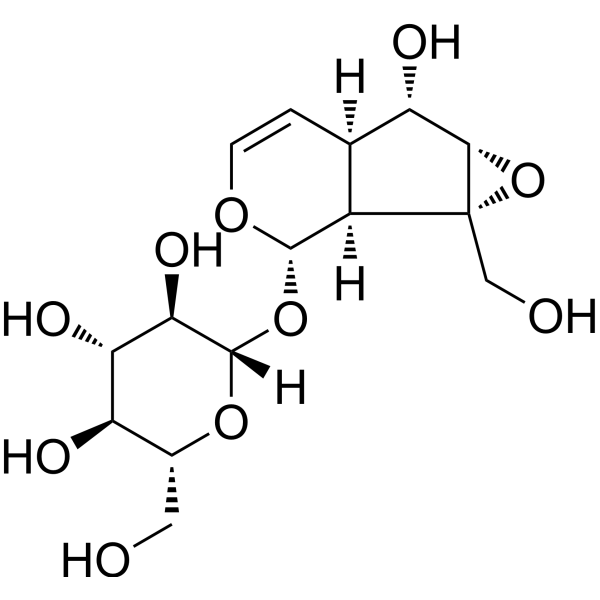
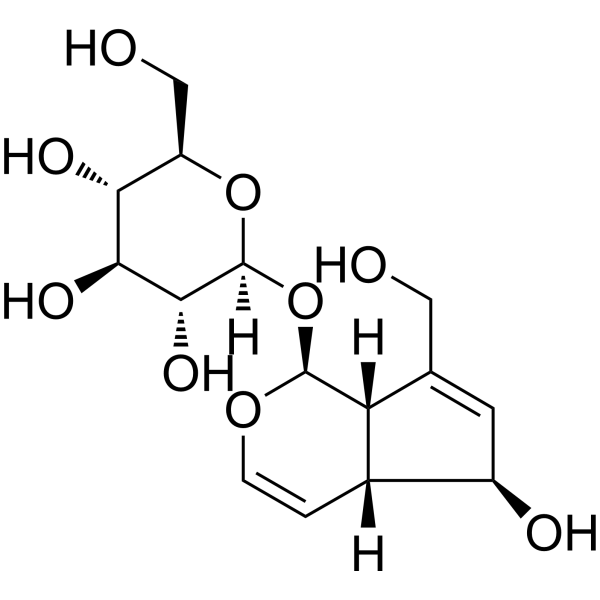
Catalpol (Catalpinoside), an iridoid glycoside found in Rehmannia glutinosa. Catalpol has neuroprotective, hypoglycemic, anti-inflammatory, anti-cancer, anti-spasmodic, anti-oxidant effects and anti-HBV effects.
Nur für Forschungszwecke. Wir verkaufen nicht an Patienten.
- Reinheit : 99.86%
- CAS. Nr.: 2415-24-9
- Formel: C15H22O10
- Molecular Weight:362.33
-
Speicherung:Powder -20°C, 3 years , 4°C, 2 years ; In solvent -80°C, 6 months , -20°C, 1 month

To place orders, for customer services and technical support, please contact: MedChemExpress USA
Tel: 609-228-6898 E-mail: [email protected] [email protected]


-
 Biologische Aktivität
-
Chemical Information
-
Lösungsmittel & Löslichkeit
- Protokoll
- Reinheit & Dokumentation
- Verweise
-
 Help & FAQs


-
HY-N0293
PaeoniflorinHSP Activator -
HY-N0021
VerbascosideBacterial Inhibitor -
HY-N0045
Ginsenoside Rg1Apoptosis Inducer -
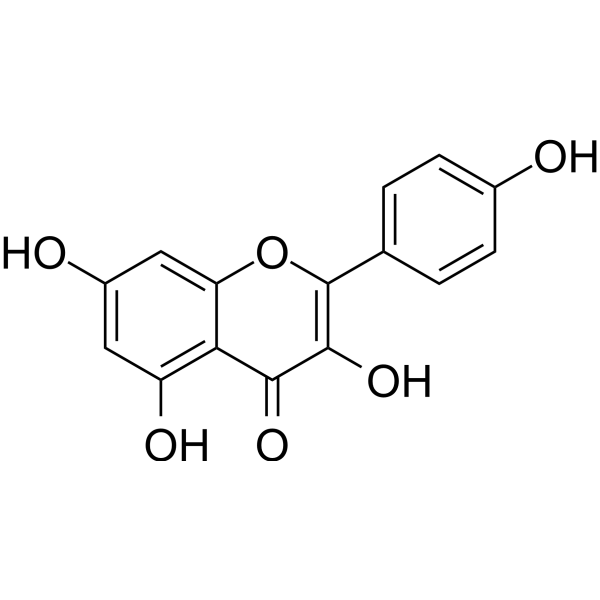
HY-14590
KaempferolEstrogen Receptor α Inhibitor -
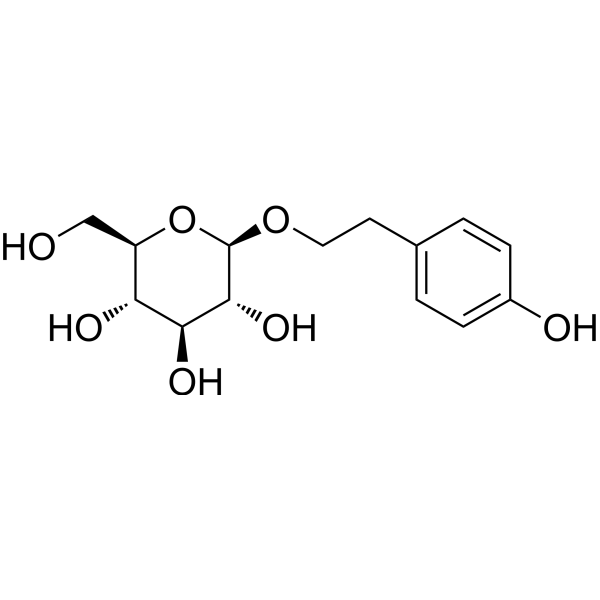
HY-N0109
SalidrosideProlyl Endopeptidase Inhibitor -
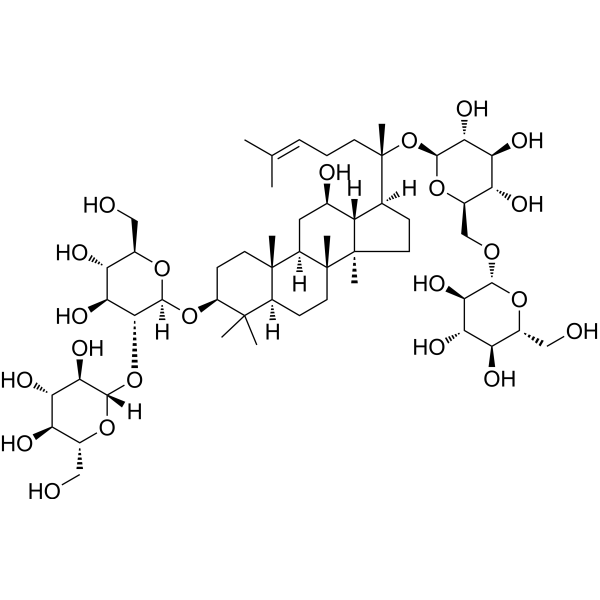
HY-N0039
Ginsenoside Rb1Autophagy Inducer -
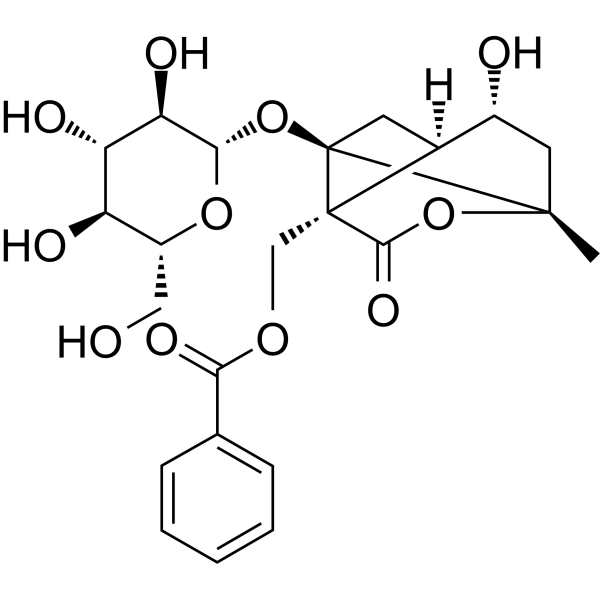
HY-N0037
AlbiflorinNeuroprotective Agent -
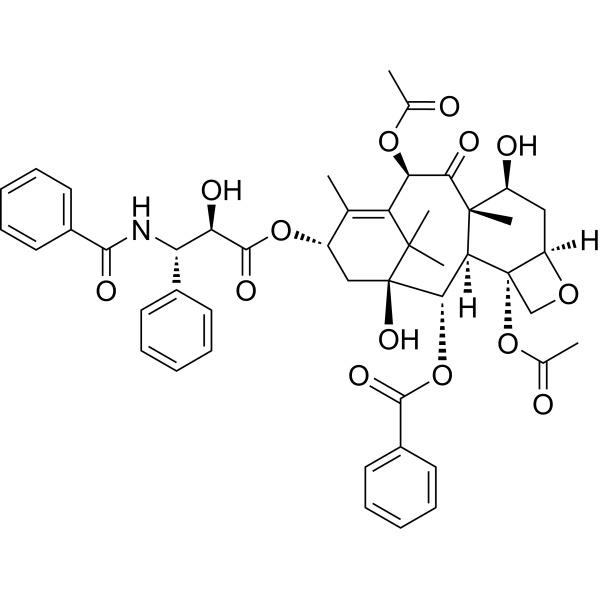
HY-B0015
PaclitaxelAntitumor Agent -
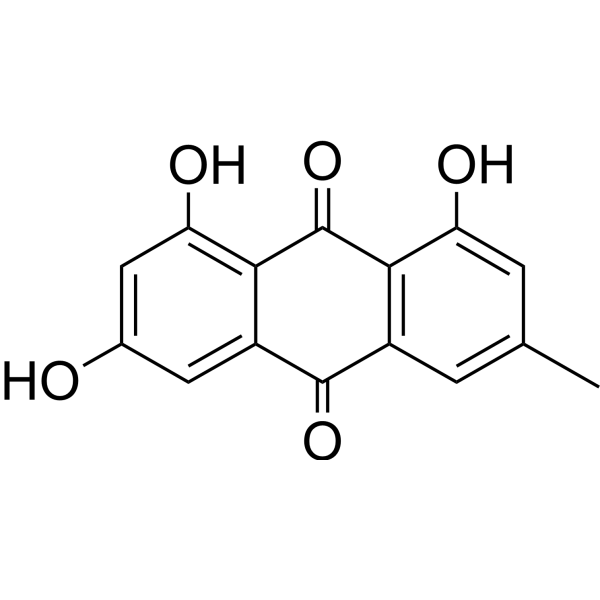
HY-14393
EmodinNatural Anthraquinone -
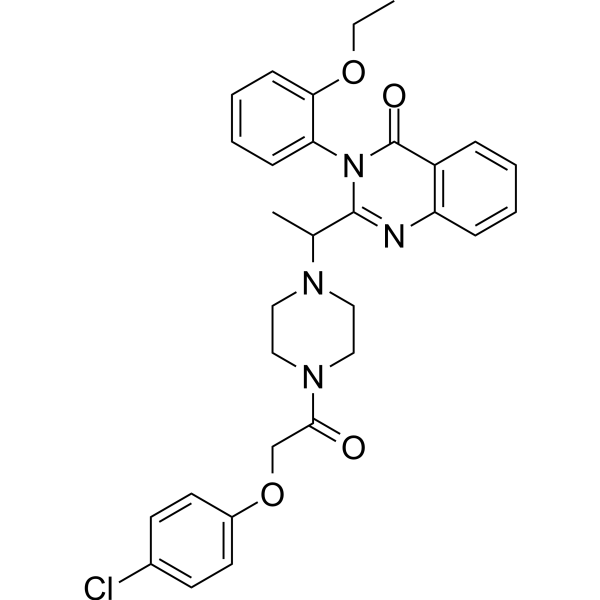
HY-15763
ErastinFerroptosis Inducer -
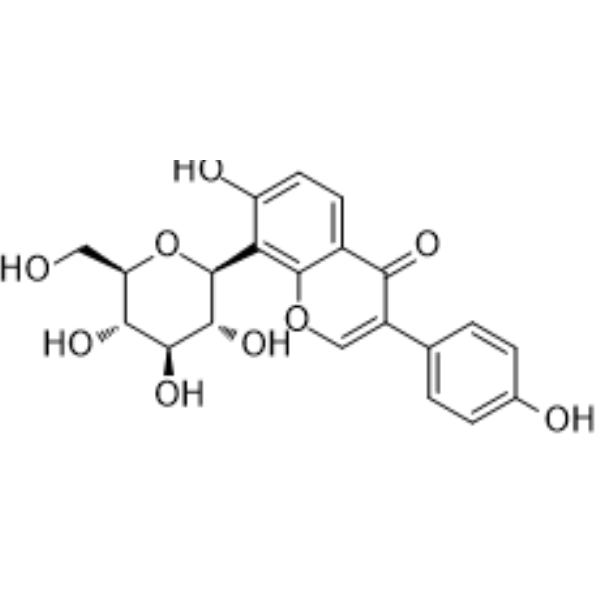
HY-N0145
Puerarin5-HT Receptor Antagonist -
HY-N0664
AucubinBacterial Inhibitor
Publications Citing Use of MedChemExpress (MCE) Catalpol
More- Pharmacol Res. 2020 May:155:104751. [Abstract]
- Phytomedicine. 2020 Nov:78:153300. [Abstract]
- Acta Pharmacol Sin. 2022 Jul;43(7):1670-1685. [Abstract]
- Int J Biol Macromol. 2026 Mar:352:151224. [Abstract]
- J Ethnopharmacol. 2025 Jul 29;353(Pt A):120329. [Abstract]
- J Ethnopharmacol. 2024 Sep 15:331:118272. [Abstract]
- Bioeng Transl Med. 2024 Dec 29;10(3):e10746. [Abstract]
- Neurochem Int. 2026 Oct:199:106235.
- Sci Rep. 2024 Nov 16;14(1):28327. [Abstract]
- Naunyn Schmiedebergs Arch Pharmacol. 2026 Jul 1.
- Chem Biol Drug Des. 2024 Aug;104(2):e14602. [Abstract]
- Microvasc Res. 2022 Mar:140:104302. [Abstract]
- Vet Microbiol. 2026 May:316:110992. [Abstract]
- SSRN. 2021 Oct.
- Research Square Preprint. 2021 Feb.
 Customer Validation & Images

-
Bio/Physico-chemical Assay
-
IF
-
WB
-
IF


Biologische Aktivität
Beschreibung
Cellular Effect
|
Cell Line

|
Type | Value | Description | References |
|---|---|---|---|---|
| A2780 | GI50 |
>100 μM
Compound: 1, catalpol
|
Antiproliferative activity against human A2780 cells after 48 hrs by SRB assay
Antiproliferative activity against human A2780 cells after 48 hrs by SRB assay
|
[PMID: 17178223] |
| A2780 | GI50 |
>100 μM
Compound: 2
|
Antiproliferative activity against human A2780 cells after 48 hrs by sulforhodamine B assay
Antiproliferative activity against human A2780 cells after 48 hrs by sulforhodamine B assay
|
[PMID: 20231098] |
| A2780 | IC50 |
>10 μM
Compound: 10
|
Cytotoxicity against human A2780 cells by MTT assay
Cytotoxicity against human A2780 cells by MTT assay
|
[PMID: 26859776] |
| A549 | IC50 |
>10 μM
Compound: 10
|
Cytotoxicity against human A549 cells by MTT assay
Cytotoxicity against human A549 cells by MTT assay
|
[PMID: 26859776] |
| Bel-7402 | IC50 |
>10 μM
Compound: 10
|
Cytotoxicity against human Bel7402 cells by MTT assay
Cytotoxicity against human Bel7402 cells by MTT assay
|
[PMID: 26859776] |
| BGC-823 | IC50 |
>10 μM
Compound: 10
|
Cytotoxicity against human BGC823 cells by MTT assay
Cytotoxicity against human BGC823 cells by MTT assay
|
[PMID: 26859776] |
| BV-2 | IC50 |
7.3 μM
Compound: 10
|
Inhibition of LPS-induced NO production in mouse BV2 cells assessed as reduction in nitrite level pretreated for 24 hrs before LPS treatment for additional 24 hrs by Griess reaction method
Inhibition of LPS-induced NO production in mouse BV2 cells assessed as reduction in nitrite level pretreated for 24 hrs before LPS treatment for additional 24 hrs by Griess reaction method
|
[PMID: 26859776] |
| HBL-100 | GI50 |
>100 μM
Compound: 2
|
Antiproliferative activity against human HBL100 cells after 48 hrs by sulforhodamine B assay
Antiproliferative activity against human HBL100 cells after 48 hrs by sulforhodamine B assay
|
[PMID: 20231098] |
| HeLa | GI50 |
>100 μM
Compound: 2
|
Antiproliferative activity against human HeLa cells after 48 hrs by sulforhodamine B assay
Antiproliferative activity against human HeLa cells after 48 hrs by sulforhodamine B assay
|
[PMID: 20231098] |
| HT-29 | IC50 |
>10 μM
Compound: 10
|
Cytotoxicity against human HT-29 cells by MTT assay
Cytotoxicity against human HT-29 cells by MTT assay
|
[PMID: 26859776] |
| SW1573 | GI50 |
>100 μM
Compound: 1, catalpol
|
Antiproliferative activity against human SW1573 cells after 48 hrs by SRB assay
Antiproliferative activity against human SW1573 cells after 48 hrs by SRB assay
|
[PMID: 17178223] |
| SW1573 | GI50 |
>100 μM
Compound: 2
|
Antiproliferative activity against human SW1573 cells after 48 hrs by sulforhodamine B assay
Antiproliferative activity against human SW1573 cells after 48 hrs by sulforhodamine B assay
|
[PMID: 20231098] |
| T47D | GI50 |
>100 μM
Compound: 1, catalpol
|
Antiproliferative activity against human T47D cells after 48 hrs by SRB assay
Antiproliferative activity against human T47D cells after 48 hrs by SRB assay
|
[PMID: 17178223] |
| T47D | GI50 |
>100 μM
Compound: 2
|
Antiproliferative activity against human T47D cells after 48 hrs by sulforhodamine B assay
Antiproliferative activity against human T47D cells after 48 hrs by sulforhodamine B assay
|
[PMID: 20231098] |
| WiDr | GI50 |
>100 μM
Compound: 1, catalpol
|
Antiproliferative activity against human WiDr cells after 48 hrs by SRB assay
Antiproliferative activity against human WiDr cells after 48 hrs by SRB assay
|
[PMID: 17178223] |
| WiDr | GI50 |
>100 μM
Compound: 2
|
Antiproliferative activity against human WiDr cells after 48 hrs by sulforhodamine B assay
Antiproliferative activity against human WiDr cells after 48 hrs by sulforhodamine B assay
|
[PMID: 20231098] |
In Vitro
Catalpol (0.1 μg/mL; for 3 days) can induce neuronal differentiation in PC12 cells through activation of the intracellular signal transduction pathway, and promote neurite length[2].
MedChemExpress (MCE) has not independently confirmed the accuracy of these methods. They are for reference only.
In Vivo
MedChemExpress (MCE) has not independently confirmed the accuracy of these methods. They are for reference only.
-
Animal Model:C57BL/6 mice treated with renal ischemia/reperfusion surgery[1]
-
Dosage:25 mg/kg, 50 mg/kg and 100 mg/kg
-
Administration:Intraperitoneal injection; once
-
Result:Clearly reduced blood urea nitrogen, serum creatinine levels and the expression of KIM-1 in renal IRI mice.


Chemical Information
-
CAS. Nr. 2415-24-9
-
Appearance Solid
-
Molecular Weight 362.33
-
Formel C15H22O10
-
Color White to off-white
-
SMILES
OC[C@@]12[C@]([C@@H]3O[C@]([C@@H]([C@@H](O)[C@@H]4O)O)([H])O[C@@H]4CO)([H])[C@](C=CO3)([H])[C@H](O)[C@@H]1O2
-
Synonyms
Catalpinoside
-
Structure Classification
-
Versand
Room temperature in continental US; may vary elsewhere.
-
Speicherung
Powder -20°C 3 years 4°C 2 years In solvent -80°C 6 months -20°C 1 month


Publications (15)
-
Journal Impact Factor
-
Most Recent
-
Pharmacol Res
Cardamonin retards progression of autosomal dominant polycystic kidney disease via inhibiting renal cyst growth and interstitial fibrosis. [Abstract]2020 May:155:104751. PMID: 32151678 -
Phytomedicine
Catalpol protects vascular structure and promotes angiogenesis in cerebral ischemic rats by targeting HIF-1α/VEGF. [Abstract]2020 Nov:78:153300. PMID: 32866905 -
Acta Pharmacol Sin
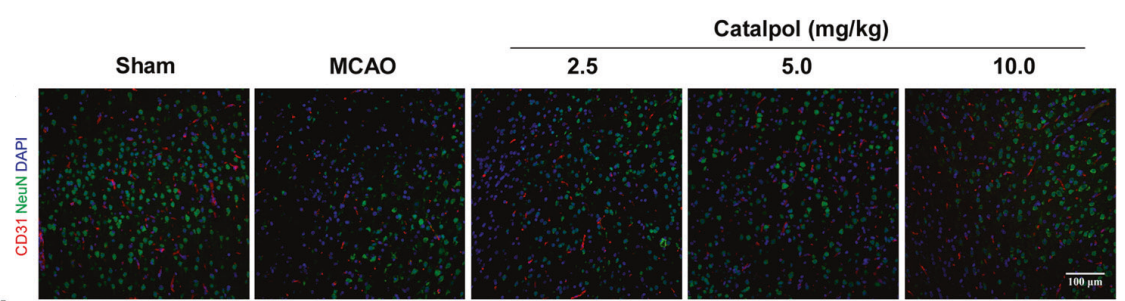
Catalpol improves impaired neurovascular unit in ischemic stroke rats via enhancing VEGF-PI3K/AKT and VEGF-MEK1/2/ERK1/2 signaling. [Abstract]2022 Jul;43(7):1670-1685. PMID: 34795412
Catalpol purchased from MedChemExpress. Usage Cited in: Acta Pharmacol Sin. 2022 Jul;43(7):1670-1685. [Abstract]
The numbers of vessels and neurons in the cortex near the infarcted area were up-regulated in Catalpol (Rat; i.v, 2.5, 5.0, 10.0 mg/kg/d; for 14 d) groups.
-
Int J Biol Macromol
Reticuline isomerase AKR1B1 with aldo-keto reductase activity and detoxification function from the insect Blaps rhynchopetera. [Abstract]2026 Mar:352:151224. PMID: 41791543 -
J Ethnopharmacol
Protecting the brain from stroke: Huoxue Rongluo formula (HXRLF) targets ferroptosis for neuroprotection. [Abstract]2025 Jul 29;353(Pt A):120329. PMID: 40744419 -
J Ethnopharmacol
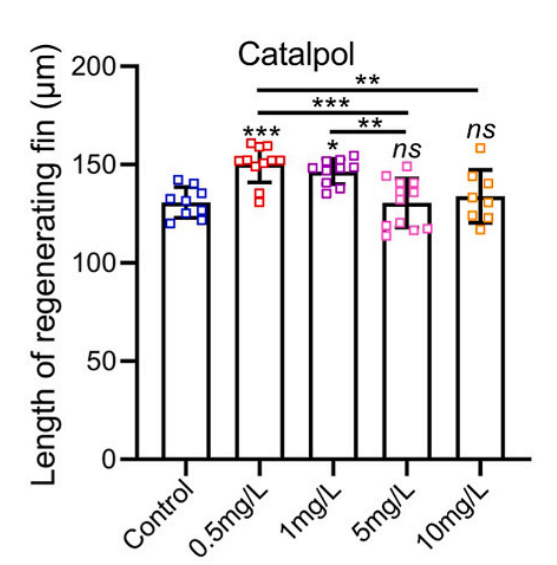
Radix Rehmanniae Praeparata promoted zebrafish fin regeneration through aryl hydrocarbon receptor-dependent autophagy. [Abstract]2024 Sep 15:331:118272. PMID: 38710459
Catalpol purchased from MedChemExpress. Usage Cited in: J Ethnopharmacol. 2024 Sep 15:331:118272. [Abstract]
Bar charts showing the length of the regenerating fin of zebrafish exposure to different concentrations of Catalpol (2 days) at 2 dpa, n = 8~20. The results indicated that 0.5 mg/L was the optimal concentration for Catalpol to exert its pro-regenerative effect.
-
Bioeng Transl Med
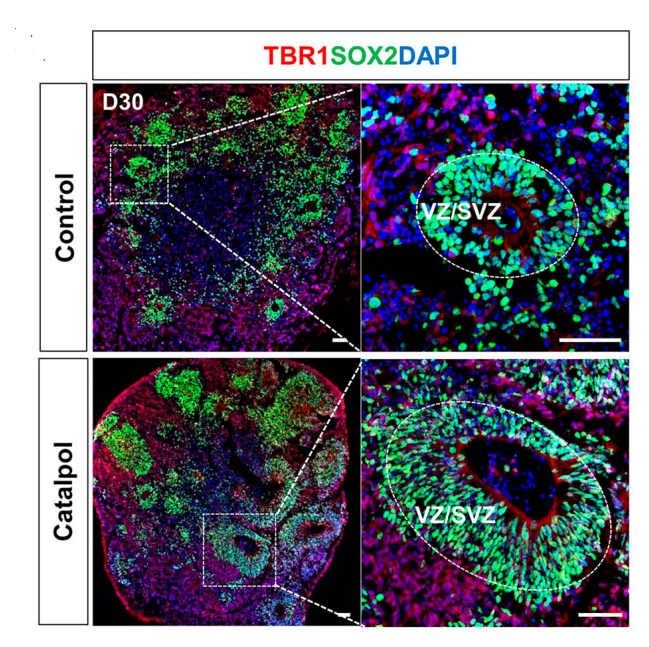
Catalpol promotes the generation of cerebral organoids with oRGs through activation of STAT3 signaling. [Abstract]2024 Dec 29;10(3):e10746. PMID: 40385540
Catalpol purchased from MedChemExpress. Usage Cited in: Bioeng Transl Med. 2024 Dec 29;10(3):e10746. [Abstract]
Organoids (generation of cerebral organoids; 22 D; 10 uM). Immunofluorescence staining for TBR1 (red), SOX2 (green), and DAPI (blue) in day 30 control and Catalpol-treated organoids.
-
-
Sci Rep
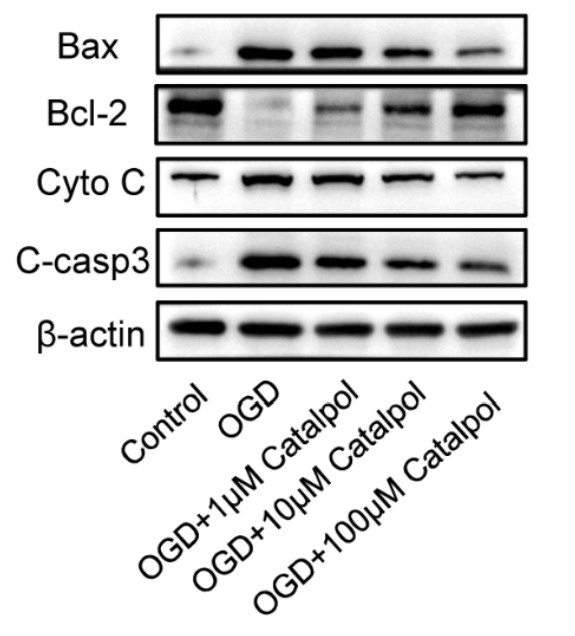
Catalpol regulates apoptosis and proliferation of endothelial cell via activating HIF-1α/VEGF signaling pathway. [Abstract]2024 Nov 16;14(1):28327. PMID: 39550364
Catalpol purchased from MedChemExpress. Usage Cited in: Sci Rep. 2024 Nov 16;14(1):28327. [Abstract]
Catalpol (HUVECs; 1, 10, 100 µM; for 24 h). Western blots were conducted to detect the Bax, Bcl2, Cyto C, C-casp3 expression level. β-Actin was used as the endogenous control.
-
-
Chem Biol Drug Des
Promotion Effect of Catalpol on Angiogenesis and Potential Mechanisms: A Research Based on Network Pharmacology. [Abstract]2024 Aug;104(2):e14602. PMID: 39134897 -
Microvasc Res
Catalpol alleviates myocardial ischemia reperfusion injury by activating the Nrf2/HO-1 signaling pathway. [Abstract]2022 Mar:140:104302. PMID: 34919942 -
Vet Microbiol
The Chinese medicine monomer Schisandrin C inhibits PRRSV infection by regulating the OGT-PI3K/AKT/mTOR signaling pathway. [Abstract]2026 May:316:110992. PMID: 41865607 -
-


Lösungsmittel & Löslichkeit
In Vitro:
DMSO : 100 mg/mL (275.99 mM; Need ultrasonic; Hygroscopic DMSO has a significant impact on the solubility of product, please use newly opened DMSO)
H2O : 7.14 mg/mL (19.71 mM; ultrasonic and warming and heat to 60°C)
Please refer to the solubility information to select the appropriate solvent. Once prepared, please aliquot and store the solution to prevent product inactivation from repeated freeze-thaw cycles.
Storage method and period of stock solution: -80°C, 6 months; -20°C, 1 month. When stored at -80°C, please use it within 6 months. When stored at -20°C, please use it within 1 month.
* Note: If you choose water as the stock solution, please dilute it to the working solution, then filter and sterilize it with a 0.22 μm filter before use.
Please refer to the solubility information to select the appropriate solvent. Once prepared, please aliquot and store the solution to prevent product inactivation from repeated freeze-thaw cycles.
Storage method and period of stock solution: -80°C, 6 months; -20°C, 1 month. When stored at -80°C, please use it within 6 months. When stored at -20°C, please use it within 1 month.
* Note: If you choose water as the stock solution, please dilute it to the working solution, then filter and sterilize it with a 0.22 μm filter before use.
Konzentration (Stammlösung) × Volumen (Stammlösung) = Konzentration (Ziellösung) × Volumen (Ziellösung)
In Vivo:
Select the appropriate dissolution method based on your experimental animal and administration route.
- For the following dissolution methods, please ensure to first prepare a clear stock solution using an In Vitro approach and then sequentially add co-solvents:
- To ensure reliable experimental results, the clarified stock solution can be appropriately stored based on storage conditions. As for the working solution for In Vivo experiments, it is recommended to prepare freshly and use it on the same day.
- The percentages shown for the solvents indicate their volumetric ratio in the final prepared solution. If precipitation or phase separation occurs during preparation, heat and/or sonication can be used to aid dissolution.
Add each solvent one by one: 10% DMSO 40% PEG300 5% Tween-80 45% Saline
Solubility: ≥ 2.08 mg/mL (5.74 mM); Clear solution
This protocol yields a clear solution of ≥ 2.08 mg/mL (saturation unknown).
Taking 1 mL working solution as an example, add 100 μL DMSO stock solution (20.8 mg/mL) to 400 μL PEG300, and mix evenly; then add 50 μL Tween-80 and mix evenly; then add 450 μL Saline to adjust the volume to 1 mL.
Preparation of Saline: Dissolve 0.9 g sodium chloride in ddH₂O and dilute to 100 mL to obtain a clear Saline solution.
Add each solvent one by one: 10% DMSO 90% (20% SBE-β-CD in Saline)
Solubility: ≥ 2.08 mg/mL (5.74 mM); Clear solution
This protocol yields a clear solution of ≥ 2.08 mg/mL (saturation unknown).
Taking 1 mL working solution as an example, add 100 μL DMSO stock solution (20.8 mg/mL) to 900 μL 20% SBE-β-CD in Saline, and mix evenly.
Preparation of 20% SBE-β-CD in Saline (4°C, storage for one week): 2 g SBE-β-CD powder is dissolved in 10 mL Saline, completely dissolve until clear.
In Vivo Dissolution Calculator
Please enter the basic information of animal experiments:
-
-
-
-
Recommended: Prepare an additional quantity of animals to account for potential losses during experiments.
Please enter your animal formula composition:
-
%DMSO +
Recommended: Keep the proportion of DMSO in working solution below 2% if your animal is weak.
-
%+
-
+%Tween-80 + +
-
%Saline +
The co-solvents required include: DMSO, . All of co-solvents are available by MedChemExpress (MCE). , Tween 80. All of co-solvents are available by MedChemExpress (MCE).
Working solution concentration: 0.22 mg/mL
Method for preparing stock solution: mg drug dissolved in μL DMSO. Stock solution concentration: mg/mL.
1. Take μL DMSO stock solution;
2. Add μL .
μL , mix evenly;
3. Then add μL Tween 80, mix evenly;
4. Then add μL
Please ensure that the stock solution in the first step is dissolved to a clear state, and add co-solvents in sequence. You can use ultrasonic heating (ultrasonic cleaner, recommended frequency 20-40 kHz), vortexing, etc. to assist dissolution.


Reinheit & Dokumentation
-
Data Sheet (281 KB)
-
SDS (393 KB)
- English - EN (393 KB)
- Français - FR (393 KB)
- Deutsch - DE (393 KB)
- Norwegian - NO (393 KB)
- Español - ES (393 KB)
- Swedish - SV (393 KB)
- Italian - IT (393 KB)
- Korean - KR (393 KB)
- Portuguese - PT (393 KB)
-
Handling Instructions (2659 KB)
Verweise
[1]. Jili Zhu, et al. Catalpol protects mice against renal ischemia/reperfusion injury via suppressing PI3K/Akt-eNOS signaling and inflammation. Int J Clin Exp Med. 2015 Feb 15;8(2):2038-44. [Content Brief]
[2]. M Yamazaki, et al. Neuritogenic effect of natural iridoid compounds on PC12h cells and its possible relation to signaling protein kinases. Biol Pharm Bull. 1996 Jun;19(6):791-5. [Content Brief]
[3]. R Mehrotra, et al. In vitro studies on the effect of certain natural products against hepatitis B virus. Indian J Med Res. 1990 Apr;92:133-8. [Content Brief]


Complete Stock Solution Preparation Table
Please refer to the solubility information to select the appropriate solvent. Once prepared, please aliquot and store the solution to prevent product inactivation from repeated freeze-thaw cycles.
Storage method and period of stock solution: -80°C, 6 months; -20°C, 1 month. When stored at -80°C, please use it within 6 months. When stored at -20°C, please use it within 1 month.
| Optional Solvent | Concentration Solvent Mass | 1 mg | 5 mg | 10 mg | 25 mg |
|---|---|---|---|---|---|
| H2O / DMSO | 1 mM | 2.7599 mL | 13.7996 mL | 27.5992 mL | 68.9979 mL |
| 5 mM | 0.5520 mL | 2.7599 mL | 5.5198 mL | 13.7996 mL | |
| 10 mM | 0.2760 mL | 1.3800 mL | 2.7599 mL | 6.8998 mL | |
| 15 mM | 0.1840 mL | 0.9200 mL | 1.8399 mL | 4.5999 mL | |
| DMSO | 20 mM | 0.1380 mL | 0.6900 mL | 1.3800 mL | 3.4499 mL |
| 25 mM | 0.1104 mL | 0.5520 mL | 1.1040 mL | 2.7599 mL | |
| 30 mM | 0.0920 mL | 0.4600 mL | 0.9200 mL | 2.2999 mL | |
| 40 mM | 0.0690 mL | 0.3450 mL | 0.6900 mL | 1.7249 mL | |
| 50 mM | 0.0552 mL | 0.2760 mL | 0.5520 mL | 1.3800 mL | |
| 60 mM | 0.0460 mL | 0.2300 mL | 0.4600 mL | 1.1500 mL | |
| 80 mM | 0.0345 mL | 0.1725 mL | 0.3450 mL | 0.8625 mL | |
| 100 mM | 0.0276 mL | 0.1380 mL | 0.2760 mL | 0.6900 mL |
* Note: If you choose water as the stock solution, please dilute it to the working solution, then filter and sterilize it with a 0.22 μm filter before use.


Catalpol Related Classifications
HY-N0820 Related Classifications
 Powered by Bioz