



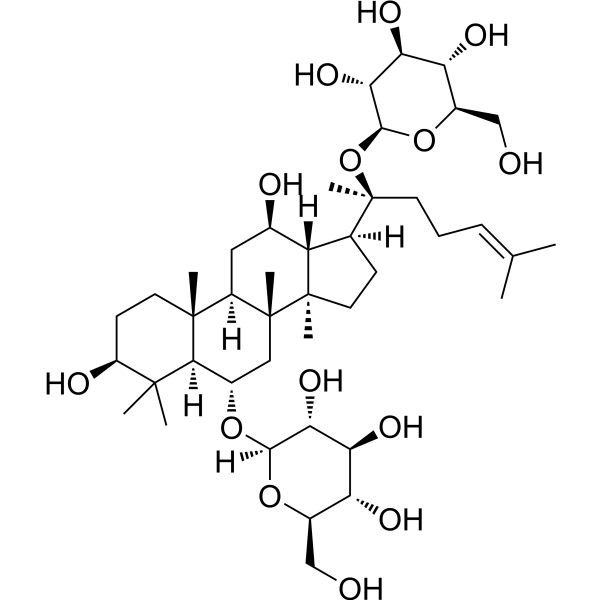
Ginsenoside Rg1
Based on 19 publication(s) in Google Scholar
Ginsenoside Rg1 is one of the major active components of Panax ginseng. Ginsenoside Rg1 ameliorates the impaired cognitive function, displays promising effects by reducing cerebral Aβ levels. Ginsenoside Rg1 also reduces NF-κB nuclear translocation.
Nur für Forschungszwecke. Wir verkaufen nicht an Patienten.
- Reinheit : 99.88%
- CAS. Nr.: 22427-39-0
- Formel: C42H72O14
- Molecular Weight:801.01
-
Speicherung:Powder -20°C, 3 years , 4°C, 2 years ; In solvent -80°C, 6 months , -20°C, 1 month

To place orders, for customer services and technical support, please contact: MedChemExpress USA
Tel: 609-228-6898 E-mail: [email protected] [email protected]


-
 Biologische Aktivität
-
Chemical Information
-
Lösungsmittel & Löslichkeit
- Protokoll
- Reinheit & Dokumentation
- Verweise
-
 Help & FAQs


-
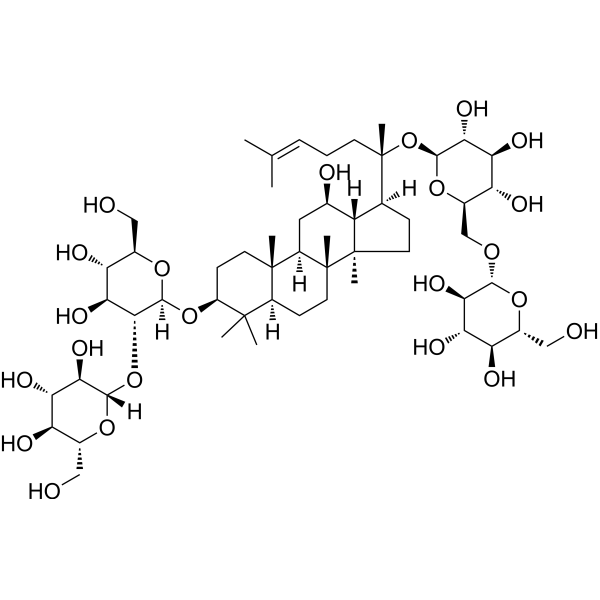
HY-N0039
Ginsenoside Rb1Autophagy Inducer -
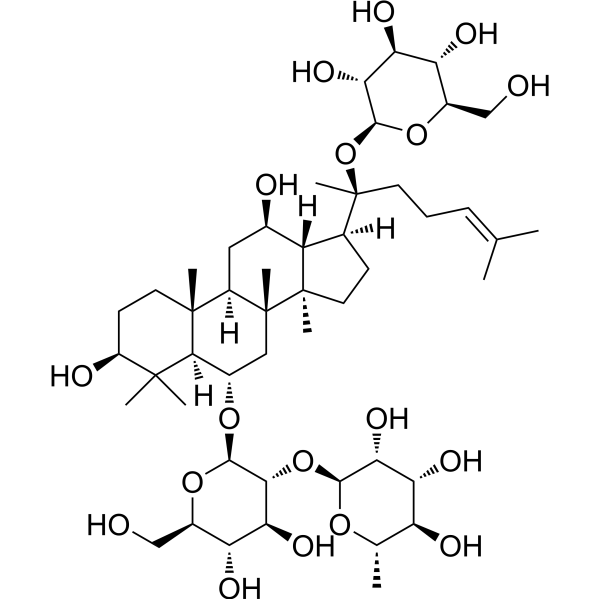
HY-N0044
Ginsenoside ReEndogenous Metabolite -
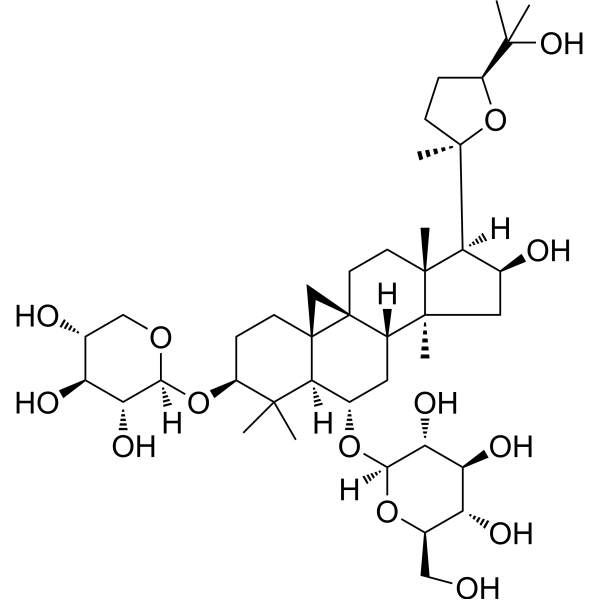
HY-N0431
Astragaloside IVMMP Inhibitor -
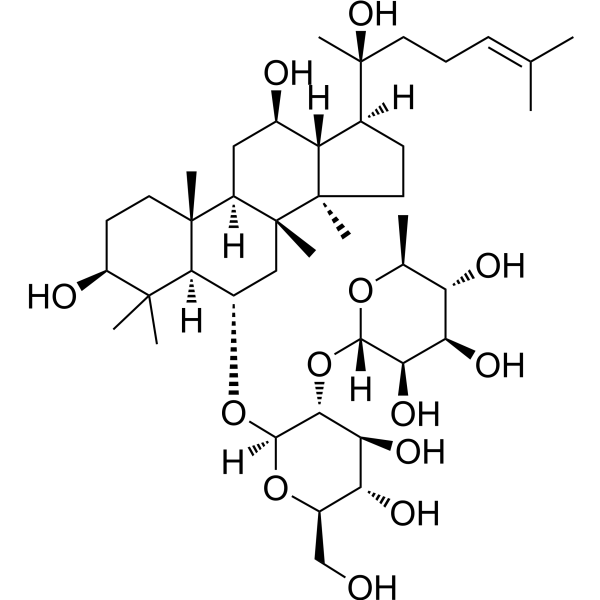
HY-N0602
Ginsenoside Rg2NF-κB Inhibitor -
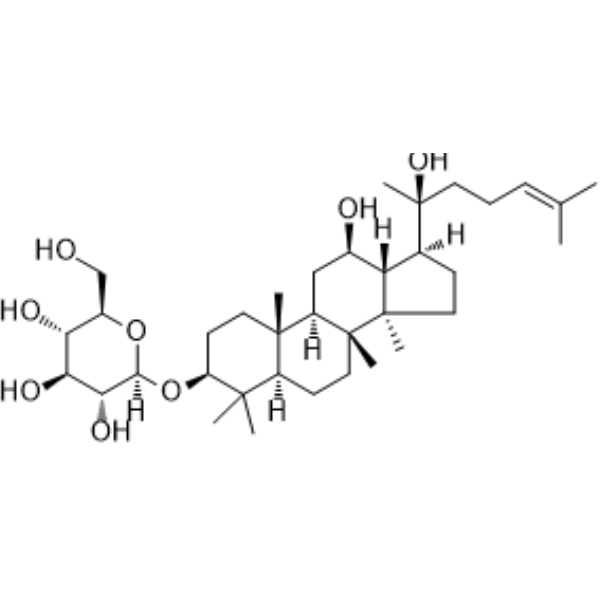
HY-N0605
Ginsenoside Rh2Caspase Activator -
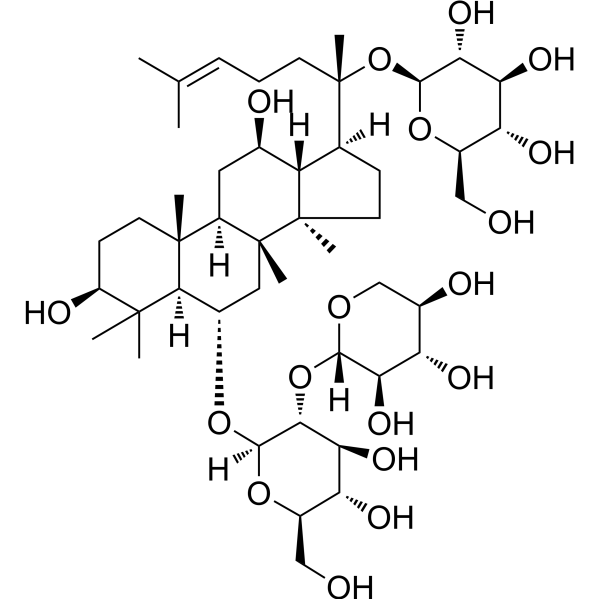
HY-N0615
Notoginsenoside R1Apoptosis Inhibitor -
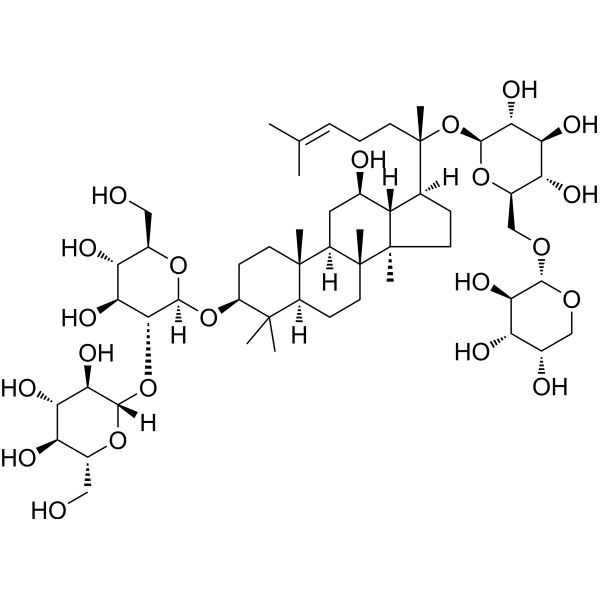
HY-N0040
Ginsenoside Rb2Influenza Virus Inhibitor -
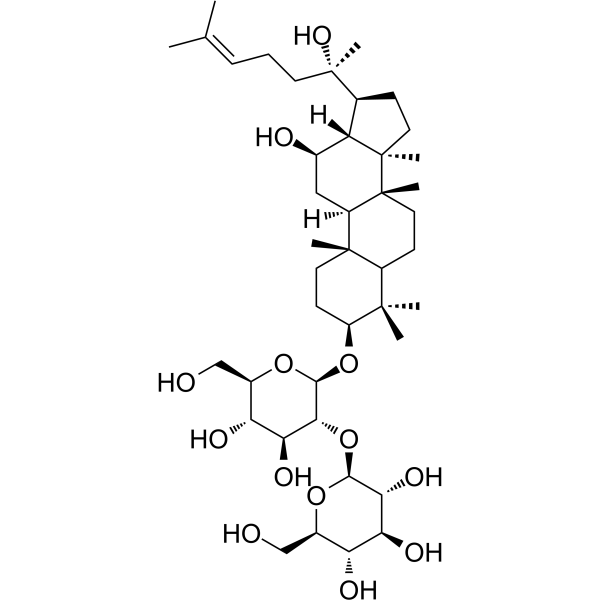
HY-N0603
20(S)-Ginsenoside Rg3Sodium Channel Inhibitor -
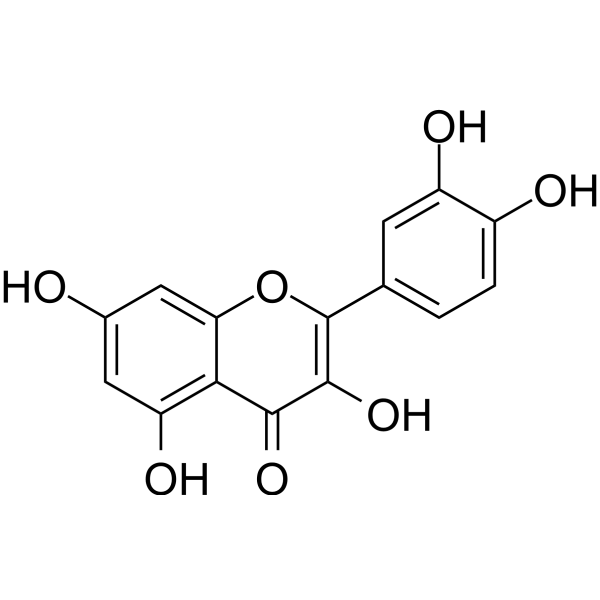
HY-18085
QuercetinFlavonoid Antioxidant -
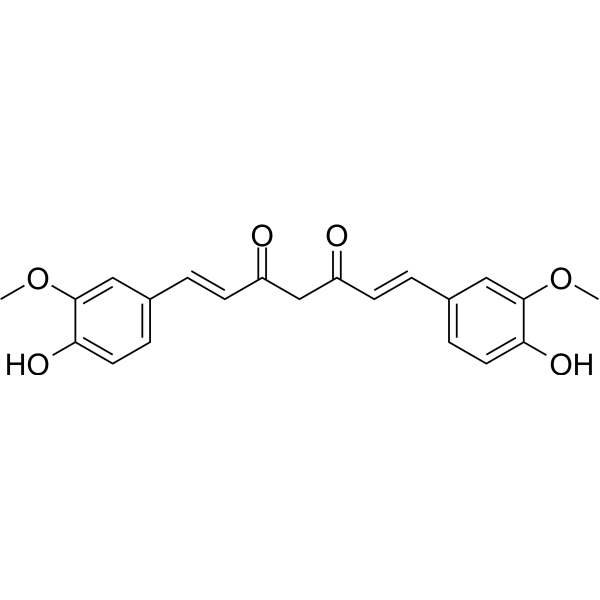
HY-N0005
Curcuminp300 Histone Acetylatransferase Inhibitor -
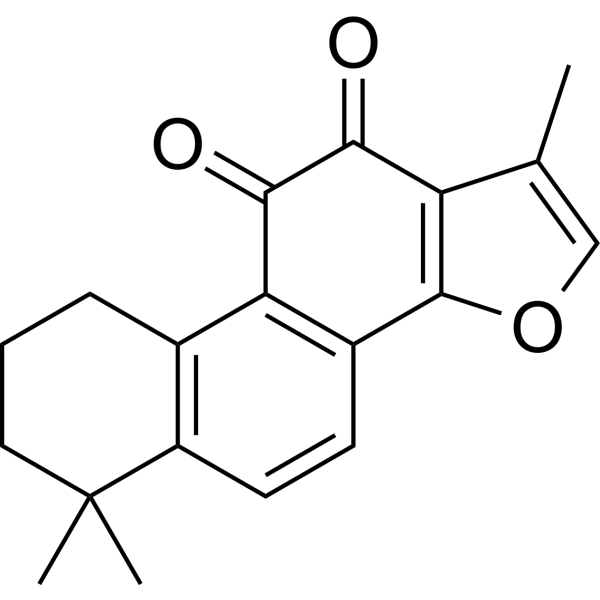
HY-N0135
Tanshinone IIAVEGFR Inhibitor -
HY-Y0320
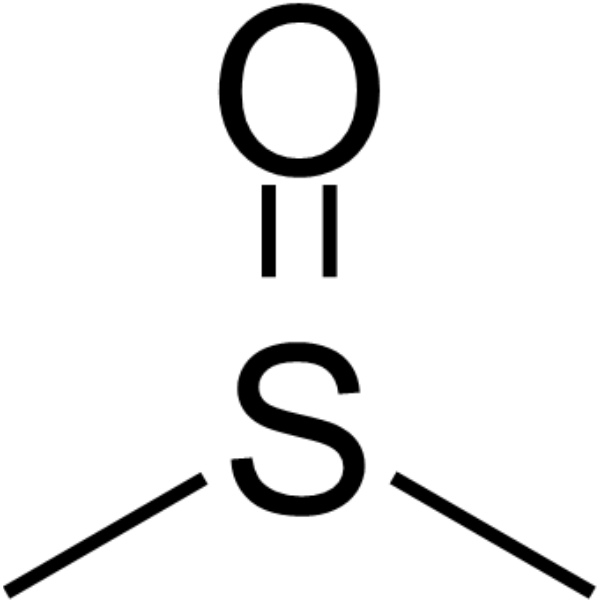
Dimethyl sulfoxide, meets analytical specification of Ch.P.Aprotic Solvent
Publications Citing Use of MedChemExpress (MCE) Ginsenoside Rg1
More- J Adv Res. 2026 Jul 3:S2090-1232(26)00527-8.
- Phytomedicine. 2026 Apr 26. [Abstract]
- Phytomedicine. 2025 Jul:142:156713. [Abstract]
- Antioxidants (Basel). 2024 Nov 24;13(12):1446. [Abstract]
- Free Radic Biol Med. 2021 Oct:174:182-194. [Abstract]
- ACS Appl Mater Interfaces. 2021 Dec 29;13(51):61638-61652. [Abstract]
- J Ginseng Res. 2025 Dec 19.
- Br J Pharmacol. 2024 Dec;181(23):4822-4844. [Abstract]
- J Ethnopharmacol. 2025 Jul 30;353(Pt A):120346. [Abstract]
- Int J Mol Sci. 2022 Sep 2;23(17):10045. [Abstract]
- Mol Neurobiol. 2025 Jun 6. [Abstract]
- Mol Neurobiol. 2022 May;59(5):2855-2873. [Abstract]
- Sci Rep. 2025 Nov 25. [Abstract]
- Toxics. 2022 May 27;10(6):285. [Abstract]
- Cell Signal. 2026 Dec:148:112811.
- J Diabetes Investig. 2025 May;16(5):791-806. [Abstract]
- Animals (Basel). 2023 Dec 1;13(23):3723. [Abstract]
- Pharmacol Res Perspect. 2026 Oct;14(5):e70324.
- Clin Exp Pharmacol Physiol. 2026 May;53(5):e70121. [Abstract]
 Customer Validation & Images

-
WB
-
Cell Imaging/Staining
-
WB
-
Histological Imaging/Staining
-
WB


Biologische Aktivität
Beschreibung
|
Aβ1-42 |
p65 |
Cellular Effect
|
Cell Line

|
Type | Value | Description | References |
|---|---|---|---|---|
| Hepatocyte | IC50 |
111 μM
Compound: 8
|
Hepatoprotective activity in mouse hepatocytes assessed inhibition of D-galactosamine/TNFalpha-induced cell death dosed administered before 30 mins of TNFalpha challenge measured after 18 hrs
Hepatoprotective activity in mouse hepatocytes assessed inhibition of D-galactosamine/TNFalpha-induced cell death dosed administered before 30 mins of TNFalpha challenge measured after 18 hrs
|
[PMID: 11325227] |
In Vitro
Ginsenoside Rg1 promotes the proliferation and differentiation of human dental pulp cells (hDPCs). The proliferative ability of hDPCs in Ginsenoside Rg1 is significantly enhanced (p<0.05), especially in the Ginsenoside Rg1 (5 μM) group. ALP activity and gene expressions of DSPP and DMP1 are increased in the induction group, Ginsenoside Rg1 group, and their combination group compared with the control group (p<0.05)[3].
In the RAW264.7 cells stimulated by lipopolysaccharides (LPS) , the level of p-IκBα and p-p65 is significantly higher than in controls and PPAR-γ levels are significantly lower. Treatment with Rg1 vitro inhibits IκBα phosphorylation, reduces NF-κB nuclear translocation and upregulates PPAR-γ expression[2].
MedChemExpress (MCE) has not independently confirmed the accuracy of these methods. They are for reference only.
In Vivo
MedChemExpress (MCE) has not independently confirmed the accuracy of these methods. They are for reference only.


Chemical Information
-
CAS. Nr. 22427-39-0
-
Appearance Solid
-
Molecular Weight 801.01
-
Formel C42H72O14
-
Color White to off-white
-
SMILES
[H][C@]12C(C)(C)[C@@H](O)CC[C@]1(C)[C@]3([H])[C@@]([C@@](CC[C@]4([H])[C@@](CC/C=C(C)/C)(C)O[C@@H]5O[C@H](CO)[C@@H](O)[C@H](O)[C@H]5O)(C)[C@]4([H])[C@H](O)C3)(C)C[C@@H]2O[C@]6([H])O[C@H](CO)[C@@H](O)[C@H](O)[C@H]6O
-
Synonyms
Panaxoside A; Panaxoside Rg1
-
Structure Classification
-
Initial Source
-
Versand
Room temperature in continental US; may vary elsewhere.
-
Speicherung
Powder -20°C 3 years 4°C 2 years In solvent -80°C 6 months -20°C 1 month


Publications (19)
-
Journal Impact Factor
-
Most Recent
-
-
Phytomedicine
Rare ginsenoside Rk1 protects against cisplatin-induced auditory damage by regulating the MST1/LONP1 pathway. [Abstract]2026 Apr 26. PMID: 42097003 -
Phytomedicine
Bioactive equivalent combinatorial components of Xiao-Xu-Ming decoction inhibit the calmodulin-mediated MLCK/MLC axis to attenuate coronary artery spasm. [Abstract]2025 Jul:142:156713. PMID: 40349422 -
Antioxidants (Basel)
Ginsenoside Rg1 Alleviates Blood-Milk Barrier Disruption in Subclinical Bovine Mastitis by Regulating Oxidative Stress-Induced Excessive Autophagy. [Abstract]2024 Nov 24;13(12):1446. PMID: 39765775
Ginsenoside Rg1 purchased from MedChemExpress. Usage Cited in: Antioxidants (Basel). 2024 Nov 24;13(12):1446. [Abstract]
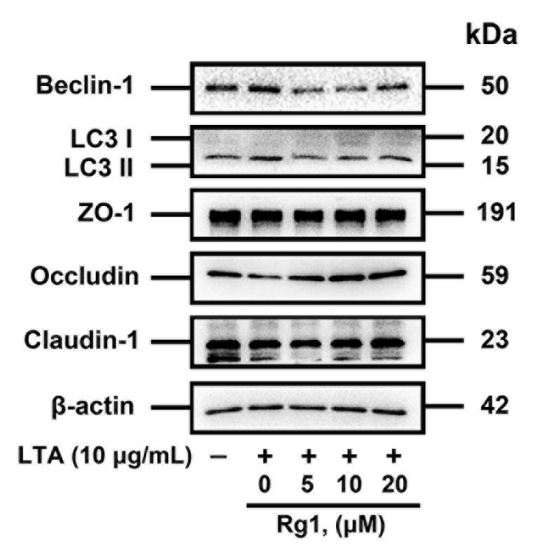
MAC-T cells undergoing 24 h LTA (10 μg/mL) and/or Ginsenoside Rg1 (0-20 μM) treatment. Western blotting for proteins in relation to autophagy and TJs.
Ginsenoside Rg1 purchased from MedChemExpress. Usage Cited in: Antioxidants (Basel). 2024 Nov 24;13(12):1446. [Abstract]
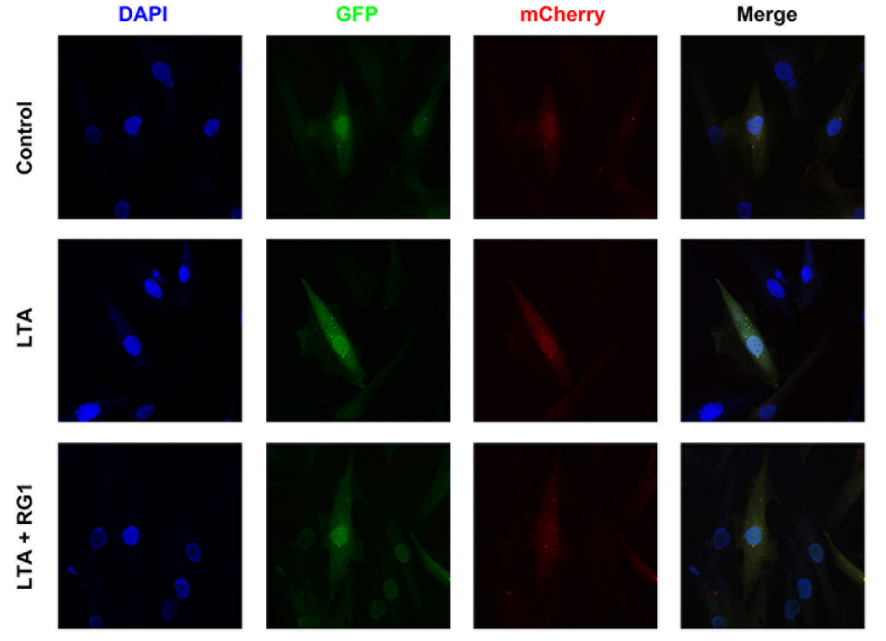
MAC-T cells subjected to 24 h of LTA (10 μg/mL) and/or Ginsenoside Rg1 (20 μM) processing. After the transfection of MAC-T cells with adenovirus plus autolysosome quantitation via mCherry-GFP-LC3, autophagy was visually observable.
Ginsenoside Rg1 purchased from MedChemExpress. Usage Cited in: Antioxidants (Basel). 2024 Nov 24;13(12):1446. [Abstract]
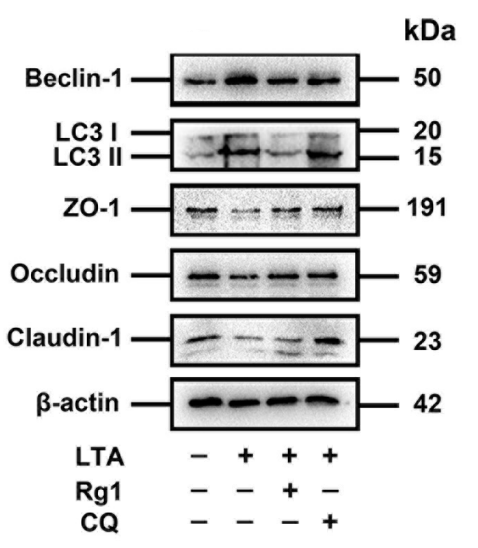
MAC-T cells under 24 h of treatment by LTA (10 μg/mL), Ginsenoside Rg1 (20 μM), and/or CQ (50 μM). Western blotting for proteins correlated with autophagy and TJs.
Ginsenoside Rg1 purchased from MedChemExpress. Usage Cited in: Antioxidants (Basel). 2024 Nov 24;13(12):1446. [Abstract]
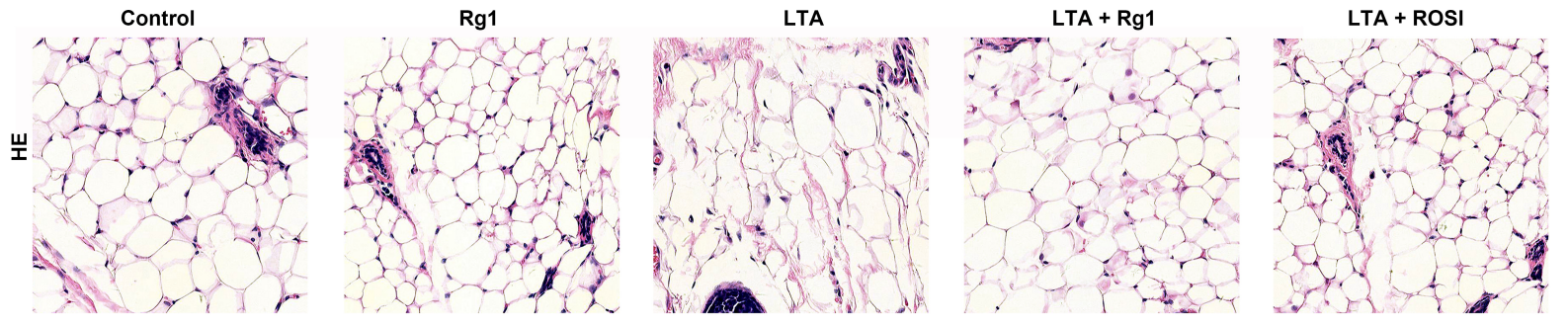
Rg1 alleviated BMB disruption through regulating autophagy signaling in organisms. Five groups were set up for the mice: control group (no treatment with LTA), Rg1 (no LTA, 200 mg/kg) group, model group (LTA injection, no treatment), Ginsenoside Rg1 (200 mg/kg) + LTA treatment group, and Rosiglitazone (10 mg/kg) + LTA treatment group. Hematoxylin-eosin (HE) staining for general examination of mammary glands (original magnification = 200×, scale bar = 100 μm), together with immunofluorescence images for LC3, ZO-1, occludin and claudin-1 (original magnification = 400×, scale bar = 50 μm).
Ginsenoside Rg1 purchased from MedChemExpress. Usage Cited in: Antioxidants (Basel). 2024 Nov 24;13(12):1446. [Abstract]
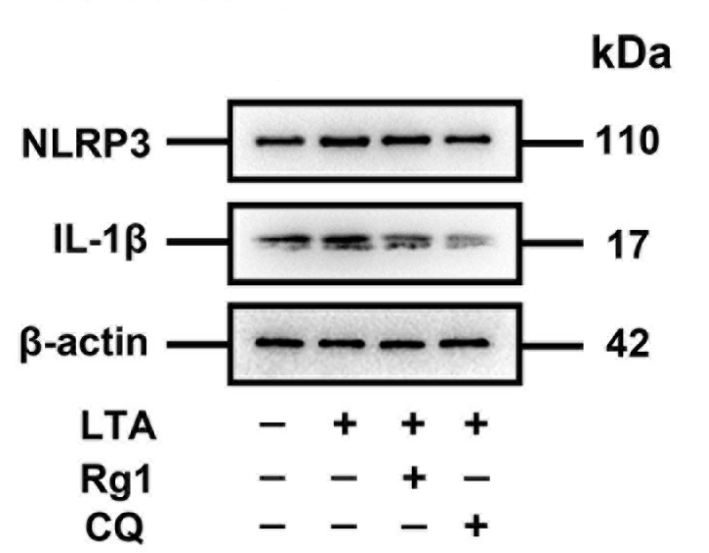
MAC-T cells under LTA (10 μg/mL), Ginsenoside Rg1 (20 μM), and/or CQ (50 μM) treatment for 24 h. Western blotting for NLRP3 and IL-1β proteins.
-
Free Radic Biol Med
Ginsenoside Rg1 prevents bone marrow mesenchymal stem cell senescence via NRF2 and PI3K/Akt signaling. [Abstract]2021 Oct:174:182-194. PMID: 34364981 -
ACS Appl Mater Interfaces
Injectable and Self-Healing Hydrogels with Double-Dynamic Bond Tunable Mechanical, Gel-Sol Transition and Drug Delivery Properties for Promoting Periodontium Regeneration in Periodontitis. [Abstract]2021 Dec 29;13(51):61638-61652. PMID: 34908393 -
-
Br J Pharmacol
The plant extract PNS mitigates atherosclerosis via promoting Nrf2-mediated inhibition of ferroptosis through reducing USP2-mediated Keap1 deubiquitination. [Abstract]2024 Dec;181(23):4822-4844. PMID: 39228119 -
J Ethnopharmacol
Ginsenoside Rg1 improves chronic neuropathic pain by inhibiting NLRP3 inflammasome activation and cell pyroptosis in microglia. [Abstract]2025 Jul 30;353(Pt A):120346. PMID: 40750033 -
Int J Mol Sci
Revealing the Therapeutic Targets and Mechanism of Ginsenoside Rg1 for Liver Damage Related to Anti-Oxidative Stress Using Proteomic Analysis. [Abstract]2022 Sep 2;23(17):10045. PMID: 36077440 -
Mol Neurobiol
Ginsenoside Rg1 Downregulates miR-9-5p Expression to Modulate SIRT1-Mediated Mitochondrial Dysfunction and Ameliorate Alzheimer's Disease. [Abstract]2025 Jun 6. PMID: 40478516 -
Mol Neurobiol
Ginsenoside Rg1 Reduced Microglial Activation and Mitochondrial Dysfunction to Alleviate Depression-Like Behaviour Via the GAS5/EZH2/SOCS3/NRF2 Axis. [Abstract]2022 May;59(5):2855-2873. PMID: 35230663 -
Sci Rep
Ginsenoside Rg1 alleviates HG-induced autophagy of retinal microvascular endothelial cells by activating ACE2/Ang1-7/Mas in vitro. [Abstract]2025 Nov 25. PMID: 41290961 -
Toxics
Ginsenoside Rg1 Mitigates Porcine Intestinal Tight Junction Disruptions Induced by LPS through the p38 MAPK/ NLRP3 Inflammasome Pathway. [Abstract]2022 May 27;10(6):285. PMID: 35736894 -
-
J Diabetes Investig
Ginsenoside Rg1 inhibits angiogenesis in diabetic retinopathy through the miR-100-3p/FBXW7/c-MYC molecular axis. [Abstract]2025 May;16(5):791-806. PMID: 40033576 -
Animals (Basel)
Ginsenoside Rg1 Alleviates Lipopolysaccharide-Induced Fibrosis of Endometrial Epithelial Cells in Dairy Cows by Inhibiting Reactive Oxygen Species-Activated NLRP3. [Abstract]2023 Dec 1;13(23):3723. PMID: 38067074 -
-
Clin Exp Pharmacol Physiol
Ginsenoside Rg1 Improves Cardiac Function and Ventricular Remodelling by Down-Regulating SH2B Adaptor Protein 1 Expression in Rats With Myocardial Infarction. [Abstract]2026 May;53(5):e70121. PMID: 42020201


Lösungsmittel & Löslichkeit
In Vitro:
DMSO : ≥ 100 mg/mL (124.84 mM; Hygroscopic DMSO has a significant impact on the solubility of product, please use newly opened DMSO)
H2O : 10 mg/mL (12.48 mM; Need ultrasonic)
* "≥" means soluble, but saturation unknown.
Please refer to the solubility information to select the appropriate solvent. Once prepared, please aliquot and store the solution to prevent product inactivation from repeated freeze-thaw cycles.
Storage method and period of stock solution: -80°C, 6 months; -20°C, 1 month. When stored at -80°C, please use it within 6 months. When stored at -20°C, please use it within 1 month.
* Note: If you choose water as the stock solution, please dilute it to the working solution, then filter and sterilize it with a 0.22 μm filter before use.
Please refer to the solubility information to select the appropriate solvent. Once prepared, please aliquot and store the solution to prevent product inactivation from repeated freeze-thaw cycles.
Storage method and period of stock solution: -80°C, 6 months; -20°C, 1 month. When stored at -80°C, please use it within 6 months. When stored at -20°C, please use it within 1 month.
* Note: If you choose water as the stock solution, please dilute it to the working solution, then filter and sterilize it with a 0.22 μm filter before use.
Konzentration (Stammlösung) × Volumen (Stammlösung) = Konzentration (Ziellösung) × Volumen (Ziellösung)
In Vivo:
Select the appropriate dissolution method based on your experimental animal and administration route.
- For the following dissolution methods, please ensure to first prepare a clear stock solution using an In Vitro approach and then sequentially add co-solvents:
- To ensure reliable experimental results, the clarified stock solution can be appropriately stored based on storage conditions. As for the working solution for In Vivo experiments, it is recommended to prepare freshly and use it on the same day.
- The percentages shown for the solvents indicate their volumetric ratio in the final prepared solution. If precipitation or phase separation occurs during preparation, heat and/or sonication can be used to aid dissolution.
Add each solvent one by one: 10% DMSO 40% PEG300 5% Tween-80 45% Saline
Solubility: ≥ 2.5 mg/mL (3.12 mM); Clear solution
This protocol yields a clear solution of ≥ 2.5 mg/mL (saturation unknown).
Taking 1 mL working solution as an example, add 100 μL DMSO stock solution (25.0 mg/mL) to 400 μL PEG300, and mix evenly; then add 50 μL Tween-80 and mix evenly; then add 450 μL Saline to adjust the volume to 1 mL.
Preparation of Saline: Dissolve 0.9 g sodium chloride in ddH₂O and dilute to 100 mL to obtain a clear Saline solution.
Add each solvent one by one: 10% DMSO 90% (20% SBE-β-CD in Saline)
Solubility: ≥ 2.5 mg/mL (3.12 mM); Clear solution
This protocol yields a clear solution of ≥ 2.5 mg/mL (saturation unknown).
Taking 1 mL working solution as an example, add 100 μL DMSO stock solution (25.0 mg/mL) to 900 μL 20% SBE-β-CD in Saline, and mix evenly.
Preparation of 20% SBE-β-CD in Saline (4°C, storage for one week): 2 g SBE-β-CD powder is dissolved in 10 mL Saline, completely dissolve until clear.
For the following dissolution methods, please prepare the working solution directly:
It is recommended to prepare fresh solutions and use them promptly within a short period of time.
The percentages shown for the solvents indicate their volumetric ratio in the final prepared solution. If precipitation or phase separation occurs during preparation, heat and/or sonication can be used to aid dissolution.
Add each solvent one by one: Saline
Solubility: 10 mg/mL (12.48 mM); Clear solution; Need ultrasonic
In Vivo Dissolution Calculator
Please enter the basic information of animal experiments:
-
-
-
-
Recommended: Prepare an additional quantity of animals to account for potential losses during experiments.
Please enter your animal formula composition:
-
%DMSO +
Recommended: Keep the proportion of DMSO in working solution below 2% if your animal is weak.
-
%+
-
+%Tween-80 + +
-
%Saline +
The co-solvents required include: DMSO, . All of co-solvents are available by MedChemExpress (MCE). , Tween 80. All of co-solvents are available by MedChemExpress (MCE).
Working solution concentration: 0.22 mg/mL
Method for preparing stock solution: mg drug dissolved in μL DMSO. Stock solution concentration: mg/mL.
1. Take μL DMSO stock solution;
2. Add μL .
μL , mix evenly;
3. Then add μL Tween 80, mix evenly;
4. Then add μL
Please ensure that the stock solution in the first step is dissolved to a clear state, and add co-solvents in sequence. You can use ultrasonic heating (ultrasonic cleaner, recommended frequency 20-40 kHz), vortexing, etc. to assist dissolution.


Reinheit & Dokumentation
-
Data Sheet (289 KB)
-
SDS (393 KB)
- English - EN (393 KB)
- Français - FR (393 KB)
- Deutsch - DE (393 KB)
- Norwegian - NO (393 KB)
- Español - ES (393 KB)
- Swedish - SV (393 KB)
- Italian - IT (393 KB)
- Korean - KR (393 KB)
- Portuguese - PT (393 KB)
-
Handling Instructions (2659 KB)
Verweise
[1]. Li N, et al. A UPLC/MS-based metabolomics investigation of the protective effect of ginsenosides Rg1 and Rg2 in mice with Alzheimer's disease. J Ginseng Res. 2016 Jan;40(1):9-17. [Content Brief]
[2]. Wang P, et al. Effect of ginsenoside Rg1 on proliferation and differentiation of human dental pulp cells in vitro. Aust Dent J. 2012 Jun;57(2):157-65. [Content Brief]
[3]. Zhang L, et al. Ginsenoside Rg1 attenuates adjuvant-induced arthritis in rats via modulation of PPAR-γ/NF-κB signal pathway. Oncotarget. 2017 Jul 24;8(33):55384-55393. [Content Brief]


Complete Stock Solution Preparation Table
Please refer to the solubility information to select the appropriate solvent. Once prepared, please aliquot and store the solution to prevent product inactivation from repeated freeze-thaw cycles.
Storage method and period of stock solution: -80°C, 6 months; -20°C, 1 month. When stored at -80°C, please use it within 6 months. When stored at -20°C, please use it within 1 month.
| Optional Solvent | Concentration Solvent Mass | 1 mg | 5 mg | 10 mg | 25 mg |
|---|---|---|---|---|---|
| H2O / DMSO | 1 mM | 1.2484 mL | 6.2421 mL | 12.4842 mL | 31.2106 mL |
| 5 mM | 0.2497 mL | 1.2484 mL | 2.4968 mL | 6.2421 mL | |
| 10 mM | 0.1248 mL | 0.6242 mL | 1.2484 mL | 3.1211 mL | |
| DMSO | 15 mM | 0.0832 mL | 0.4161 mL | 0.8323 mL | 2.0807 mL |
| 20 mM | 0.0624 mL | 0.3121 mL | 0.6242 mL | 1.5605 mL | |
| 25 mM | 0.0499 mL | 0.2497 mL | 0.4994 mL | 1.2484 mL | |
| 30 mM | 0.0416 mL | 0.2081 mL | 0.4161 mL | 1.0404 mL | |
| 40 mM | 0.0312 mL | 0.1561 mL | 0.3121 mL | 0.7803 mL | |
| 50 mM | 0.0250 mL | 0.1248 mL | 0.2497 mL | 0.6242 mL | |
| 60 mM | 0.0208 mL | 0.1040 mL | 0.2081 mL | 0.5202 mL | |
| 80 mM | 0.0156 mL | 0.0780 mL | 0.1561 mL | 0.3901 mL | |
| 100 mM | 0.0125 mL | 0.0624 mL | 0.1248 mL | 0.3121 mL |
* Note: If you choose water as the stock solution, please dilute it to the working solution, then filter and sterilize it with a 0.22 μm filter before use.


Ginsenoside Rg1 Related Classifications
HY-N0045 Related Classifications
 Powered by Bioz