



Alzheimer's Disease
-
Alzheimer's Disease (2370)

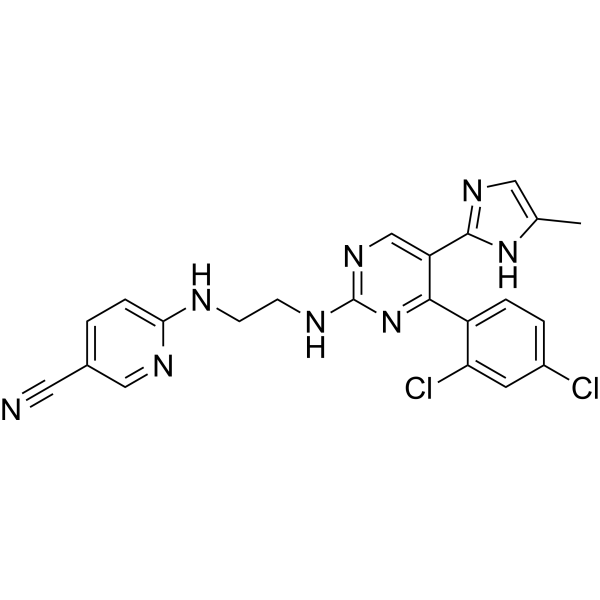
- Formula: C22H18Cl2N8
- Molecular Weight: 465.34
Laduviglusib (CHIR-99021) is a potent, selective and orally active GSK-3α/β inhibitor with IC50s of 10 nM and 6.7 nM. Laduviglusib shows >500-fold selectivity for GSK-3 over CDC2, ERK2 and other protein kinases. Laduviglusib is also a potent Wnt/β-catenin signaling pathway activator. Laduviglusib enhances mouse and human embryonic stem cells self-renewal. Laduviglusib induces autophagy.
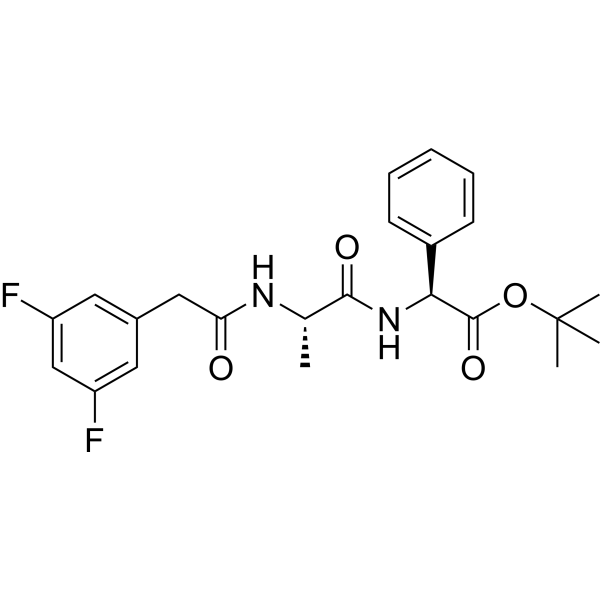
- Formula: C23H26F2N2O4
- Molecular Weight: 432.46
DAPT (GSI-IX) is a potent and orally active γ-secretase inhibitor with IC50s of 115 nM and 200 nM for total amyloid-β (Aβ) and Aβ42, respectively. DAPT inhibits the activation of Notch 1 signaling and induces cell differentiation. DAPT also induces autophagy and apoptosis. DAPT has neuroprotection activity and has the potential for autoimmune and lymphoproliferative diseases, degenerative disease and cancers treatment.

- Formula: C21H16ClF3N4O3
- Molecular Weight: 464.83
Sorafenib (Bay 43-9006) is a potent oral active multikinase inhibitor. Sorafenib blocks autophosphorylation and activity of receptor tyrosine kinases (VEGFR-2, VEGFR-3) and RAF family kinases, thereby suppressing the RAF/MEK/ERK and PI3K/Akt pathways, inhibiting STAT3 phosphorylation, and selectively inhibiting the MAPK pathway in cancer cells. Sorafenib induces cell cycle arrest, autophagy, apoptosis, and PARP cleavage, reduces Bcl-2, Bcl-XL, cyclin D1 levels, and activates Bak and Bax. Sorafenib inhibits tumor growth and metastasis in mouse and rat models. Sorafenib can be used for cancer research, such as colon, breast, non-small-cell lung cancer (NSCLC), ovarian, pancreatic, melanoma, colorectal and hepatocellular carcinoma.
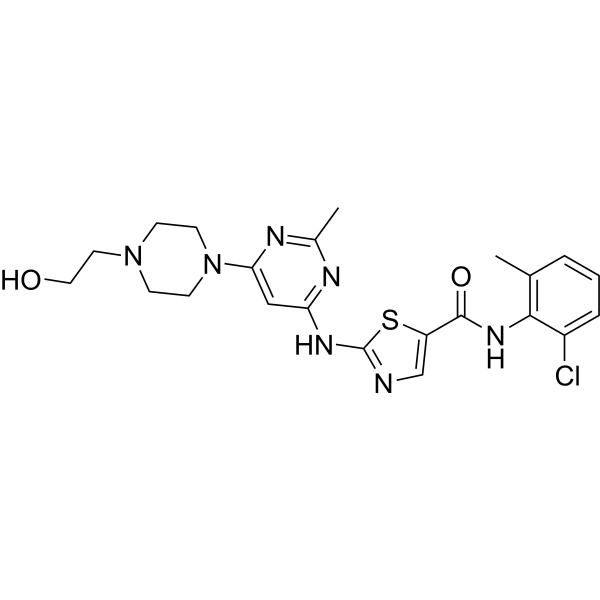
- Formula: C22H26ClN7O2S
- Molecular Weight: 488.02
Dasatinib (BMS-354825) is a highly potent, ATP competitive, orally active dual Src/Bcr-Abl inhibitor with potent antitumor activity. The Kis are 16 pM and 30 pM for Src and Bcr-Abl, respectively. Dasatinib inhibits Bcr-Abl and Src with IC50s of <1.0 nM and 0.5 nM, respectively. Dasatinib also induces apoptosis and autophagy, and can cross the blood-brain barrier.
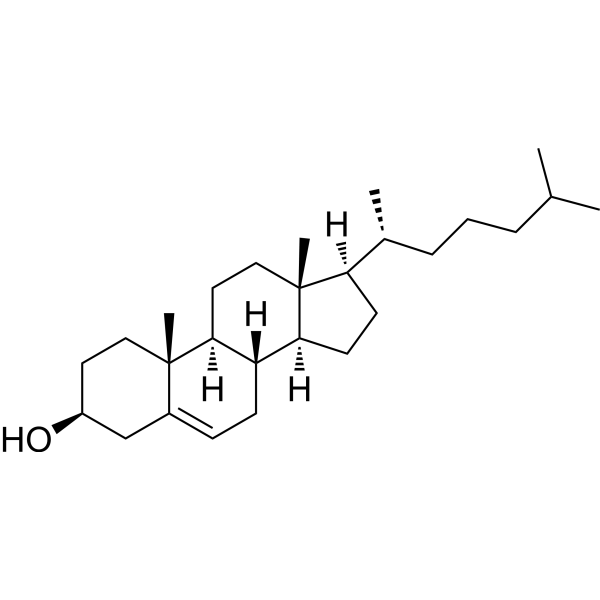
- Formula: C27H46O
- Molecular Weight: 386.65
Cholesterol (from animal) is the major sterol in mammals. It is making up 20-25% of structural component of the plasma membrane. Plasma membranes are highly permeable to water but relatively impermeable to ions and protons. Cholesterol (from animal) plays an important role in determining the fluidity and permeability characteristics of the membrane as well as the function of both the transporters and signaling proteins. Cholesterol (from animal) is also an endogenous estrogen-related receptor α (ERRα) agonist.
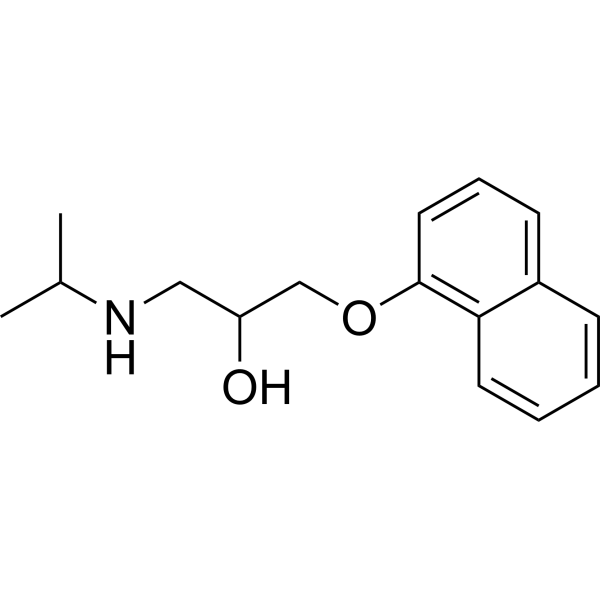
- Formula: C16H21NO2
- Molecular Weight: 259.34
Propranolol is a nonselective and BBB-permeable β-adrenergic receptor (βAR) antagonist, has high affinity for the β1AR and β2AR with Ki values of 1.8 nM and 0.8 nM, respectively. Propranolol inhibits [3H]-DHA binding to rat brain membrane preparation with an IC50 of 12 nM. Propranolol is used for the study of hypertension, pheochromocytoma, myocardial infarction, cardiac arrhythmias, angina pectoris, and hypertrophic cardiomyopathy.
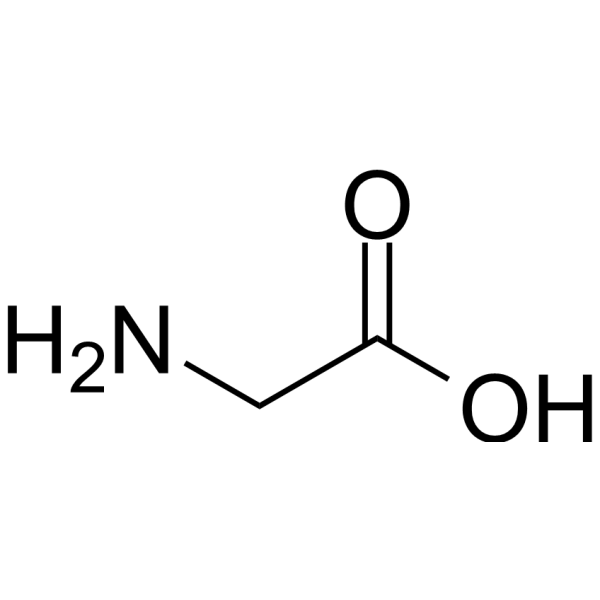
- Formula: C2H5NO2
- Molecular Weight: 75.07
Glycine is an inhibitory neurotransmitter in the CNS and also acts as a co-agonist along with glutamate, facilitating an excitatory potential at the glutaminergic N-methyl-D-aspartic acid (NMDA) receptors. Glycine is orally active. Glycine inhibits the membrane aggregation of NINJ1 and prevents plasma membrane rupture during cell death. Glycine can be used to study cell protection, cancer, neurological diseases, and angiogenesis.
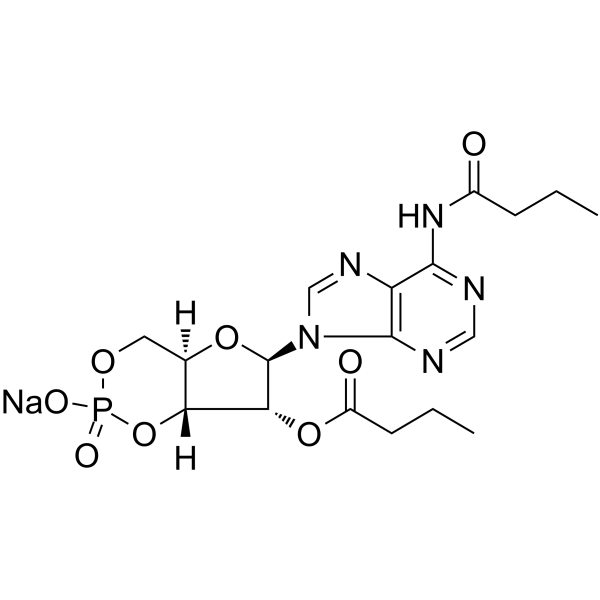
- Formula: C18H23N5NaO8P
- Molecular Weight: 491.37
Bucladesine (Dibutyryl cAMP; DBcAMP) sodium is a membrane-permeable 3′, 5′-cyclic adenosine monophosphate (cAMP) analog. Bucladesine selectively activates cAMP dependent protein kinase (PKA) by increasing the intracellular level of cAMP. Bucladesine significantly attenuates MDMA-induced increases in hippocampal mitochondrial ROS formation, mitochondrial outer membrane damage, cytochrome c release, and hippocampal ADP/ATP ratio, thereby improving spatial learning and memory impairments. Bucladesine exhibit anti-nociceptive and anti-inflammation effect. Bucladesine can inhibit cancer cells proliferation, induce apoptosis. Bucladesine can be used for the researches of neurological disease, cancer, inflammation.
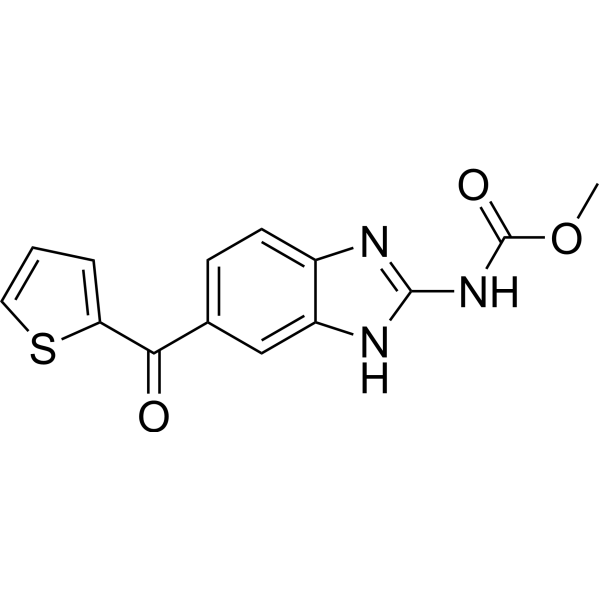
- Formula: C14H11N3O3S
- Molecular Weight: 301.32
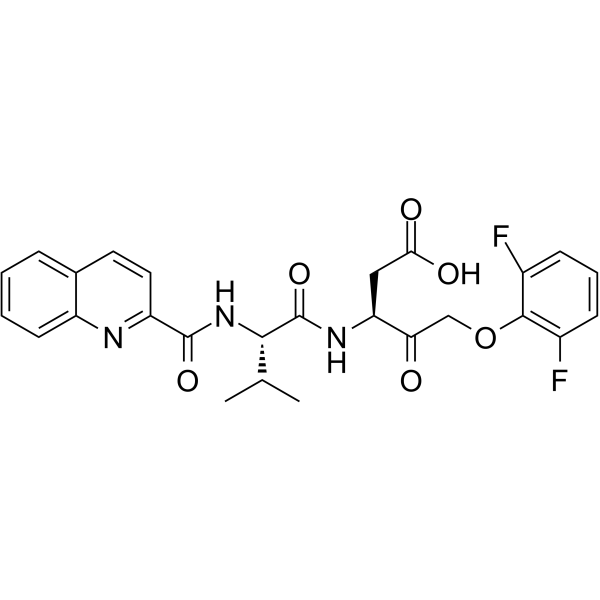
- Formula: C26H25F2N3O6
- Molecular Weight: 513.49
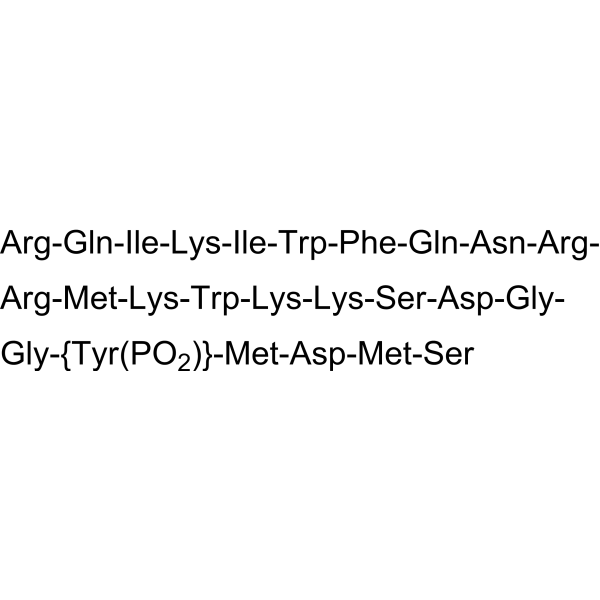
- Formula: C141H222N43O39PS3
- Molecular Weight: 3270.70
740 Y-P (740YPDGFR; PDGFR 740Y-P) is a potent and cell-permeable PI3K activator. 740 Y-P readily binds GST fusion proteins containing both the N- and C- terminal SH2 domains of p85 but fails to bind GST alone.
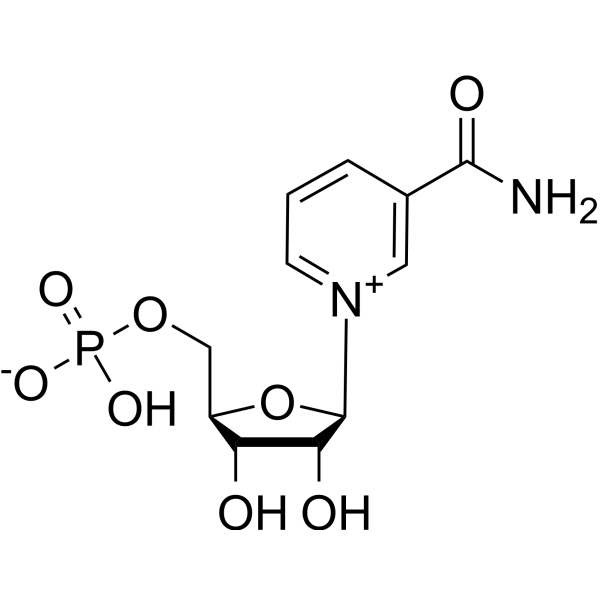
- Formula: C11H15N2O8P
- Molecular Weight: 334.22
Fosribnicotinamide (β-nicotinamide mononucleotide) is a product of the nicotinamide phosphoribosyltransferase (NAMPT) reaction and a key NAD+ intermediate. The pharmacological activities of Fosribnicotinamide include its role in cellular biochemical functions, cardioprotection, diabetes, Alzheimer's disease, and complications associated with obesity.
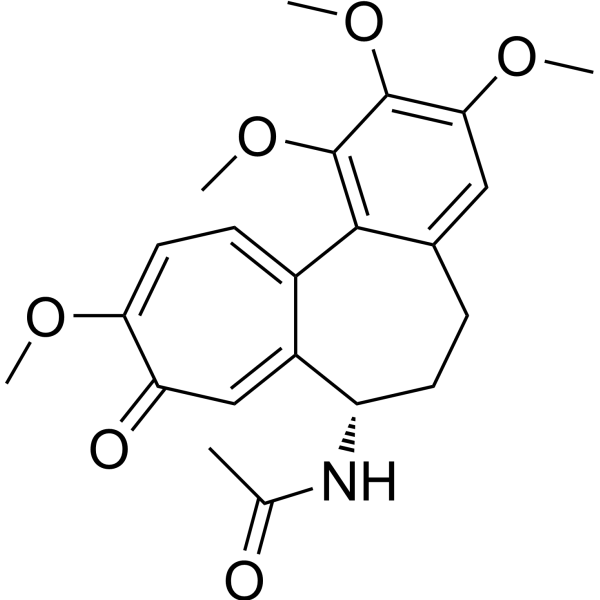
- Formula: C22H25NO6
- Molecular Weight: 399.44
Colchicine, an orally active alkaloid, is a potent tubulin inhibitor and a microtubule disrupting agent. Colchicine inhibits microtubule polymerization with an IC50 of 3 nM. Colchicine is also a competitive antagonist of the α3 glycine receptors (GlyRs). Colchicine prevents non-steroidal anti-inflammatory drug (NSAID)-induced small intestinal injury by inhibiting activation of the NLRP3 inflammasome. Colchicine has extensive anti-inflammatory, immunosuppressive and strong anti-fibrosis effects and has the potential for gouty arthritis research.
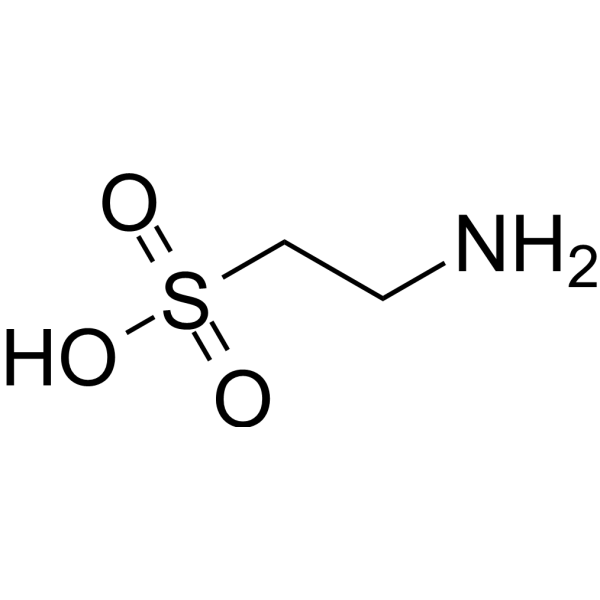
- Formula: C2H7NO3S
- Molecular Weight: 125.15
Taurine, a sulphur-containing amino acid and an organic osmolyte involved in cell volume regulation, provides a substrate for the formation of bile salts, and plays a role in the modulation of intracellular free calcium concentration. Taurine has the ability to activate autophagy in adipocytes.
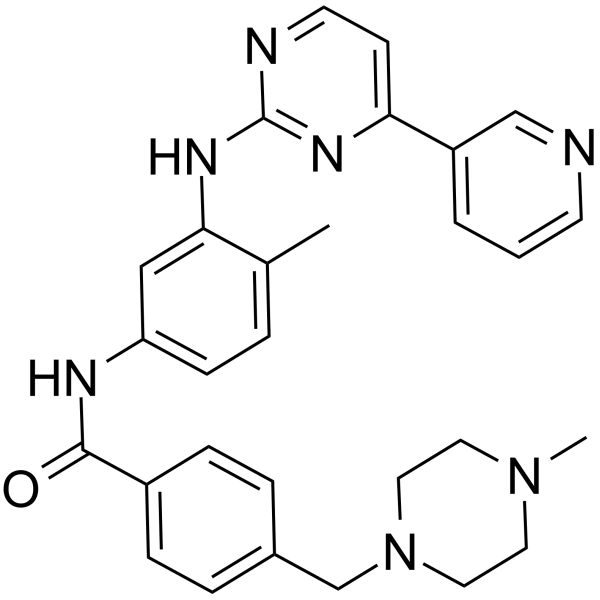
- Formula: C29H31N7O
- Molecular Weight: 493.60
Imatinib (STI571) is an orally bioavailable tyrosine kinases inhibitor that selectively inhibits BCR/ABL, v-Abl, PDGFR and c-kit kinase activity. Imatinib (STI571) works by binding close to the ATP binding site, locking it in a closed or self-inhibited conformation, therefore inhibiting the enzyme activity of the protein semicompetitively. Imatinib also is an inhibitor of SARS-CoV and MERS-CoV.
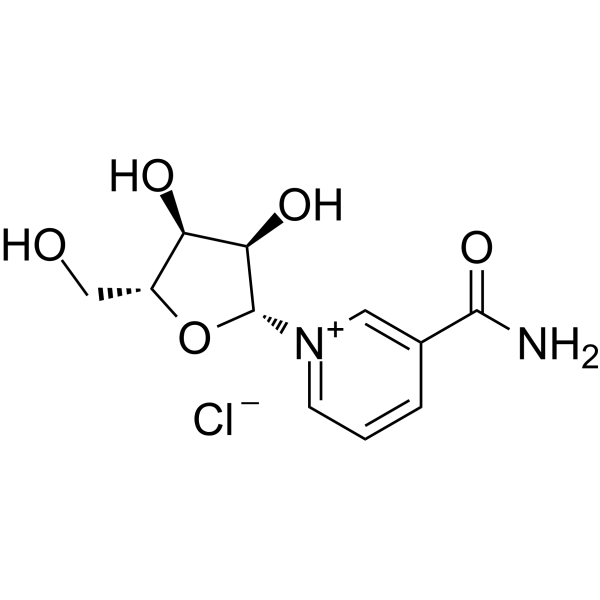
- Formula: C11H15ClN2O5
- Molecular Weight: 290.70
Nicotinamide riboside Chloride, an orally active NAD+ precursor, increases NAD+ levels and activates SIRT1 and SIRT3. Nicotinamide riboside Chloride is a source of vitamin B3 (niacin) and enhances oxidative metabolism, protection against high fat diet-induced metabolic abnormalities. Nicotinamide riboside Chloride reduces cognitive deterioration in a transgenic mouse model of Alzheimer’s disease.
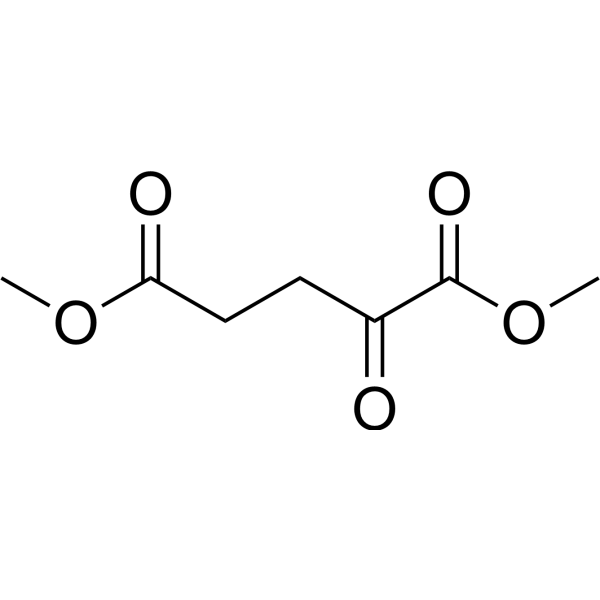
- Formula: C7H10O5
- Molecular Weight: 174.15
Dimethyl 2-oxoglutarate (Dimethyl α-ketoglutarate) is a cell-permeable derivative of 2-oxoglutarate and tricarboxylic acid cycle metabolite with antioxidant properties. Dimethyl 2-oxoglutarate inhibits Autophagy. Dimethyl 2-oxoglutarate prevents mitochondrial damage and reduces ROS production. Dimethyl 2-oxoglutarate alleviates Carbon tetrachloride (HY-Y0298)-induced liver fibrosis. Dimethyl-2-oxoglutaric acid can be used in the research of diseases such as Alzheimer's disease, diabetes, and cardiomyopathy.
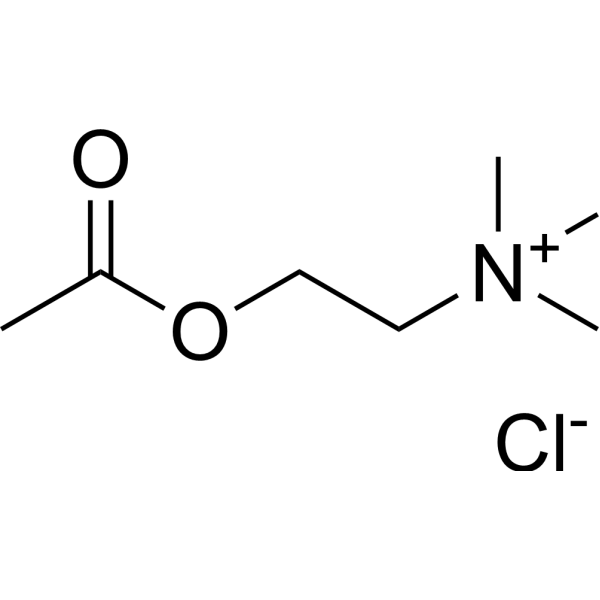
- Formula: C7H16ClNO2
- Molecular Weight: 181.66
Acetylcholine chloride (ACh chloride), a neurotransmitter, is a potent and BBB-permeable cholinergic agonist. Acetylcholine chloride is a modulator of the activity of dopaminergic (DAergic) neurons through the stimulation of nicotinic acetylcholine receptors (nAChRs). Acetylcholine chloride inhibits p53 mutant peptide aggregation in vitro.
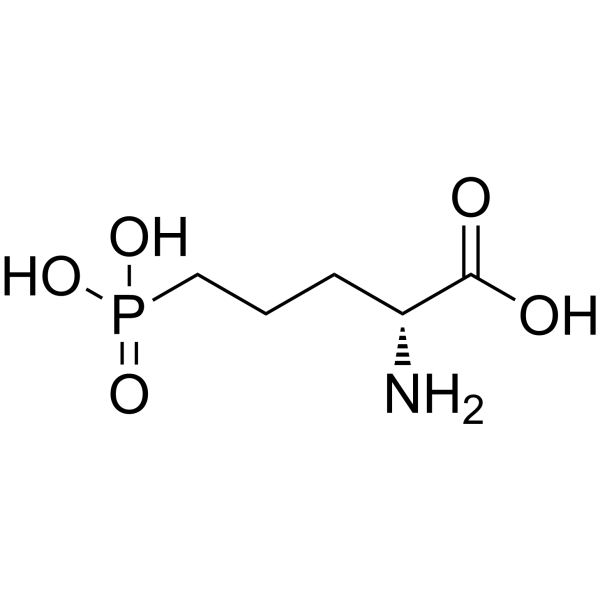
- Formula: C5H12NO5P
- Molecular Weight: 197.13
D-AP5 (D-APV) is a selective and competitive NMDA receptor antagonist with a Kd of 1.4 μM. D-AP5 (D-APV) inhibits the glutamate binding site of NMDA receptors.



