



ADAM10
ADAM10 is a membrane-bound ectodomain sheddase that cleaves cell-surface proteins and regulates signaling, adhesion, and proteolytic release of soluble ectodomains[1]. Mechanistically, ADAM10 drives ligand-dependent Notch activation, and Adam10-deficient mice show embryonic defects resembling impaired Notch signaling[2]. In primary neurons, ADAM10 acts as the physiologically relevant constitutive α-secretase for amyloid precursor protein, linking its activity to non-amyloidogenic APP processing[3]. In disease models, ADAM10 substrates connect the enzyme to neurodegeneration, inflammation, autoimmunity, and cancer biology[1][4]. Compared with ADAM17, ADAM10 shows distinct substrate use: ligand-induced Notch1 cleavage depends on ADAM10, whereas EDTA-induced ligand-independent Notch1 processing depends on ADAM17[5]. This isoform distinction supports experimental designs that combine genetic loss-of-function with selective inhibitors to separate ADAM10-mediated shedding from overlapping ADAM17 activity[4][6]. For pharmacological studies, GI254023X preferentially inhibits ADAM10 over ADAM17 and blocks ADAM10-mediated shedding of substrates including CX3CL1, CXCL16, IL-6R, and Notch[4][6]. Newer exosite inhibitors such as CID 3117694 provide substrate-selective ADAM10 inhibition without zinc binding, offering tools to dissect ADAM10 biology beyond broad active-site blockade[7].
References:
- [1]. Rosenbaum D, et al. New insights into the function and pathophysiology of the ectodomain sheddase A Disintegrin And Metalloproteinase 10 (ADAM10). FEBS J. 2024 Jul;291(13):2733-2766. [Content Brief]
- [2]. Hartmann D, et al. The disintegrin/metalloprotease ADAM 10 is essential for Notch signalling but not for alpha-secretase activity in fibroblasts. Hum Mol Genet. 2002 Oct 1;11(21):2615-24. [Content Brief]
- [3]. Kuhn PH, et al. ADAM10 is the physiologically relevant, constitutive alpha-secretase of the amyloid precursor protein in primary neurons. EMBO J. 2010 Sep 1;29(17):3020-32. [Content Brief]
- [4]. McLaren JE, et al. Interferon gamma: a master regulator of atherosclerosis. Cytokine Growth Factor Rev. 2009 Apr;20(2):125-35. [Content Brief]
- [5]. Alabi RO, et al. Analysis of the Conditions That Affect the Selective Processing of Endogenous Notch1 by ADAM10 and ADAM17. Int J Mol Sci. 2021 Feb 12;22(4):1846. [Content Brief]
- [6]. Seifert A, et al. The metalloproteinase ADAM10 requires its activity to sustain surface expression. Cell Mol Life Sci. 2021 Jan;78(2):715-732. [Content Brief]
- [7]. Yuan HY, et al. Skyrmion Creation and Manipulation by Nano-Second Current Pulses. Sci Rep. 2016 Mar 3;6:22638. [Content Brief]
-
ADAM10 Related Products (9)
Related Products (9)

-
Recombinant Proteins (1)
-
TAPI-1
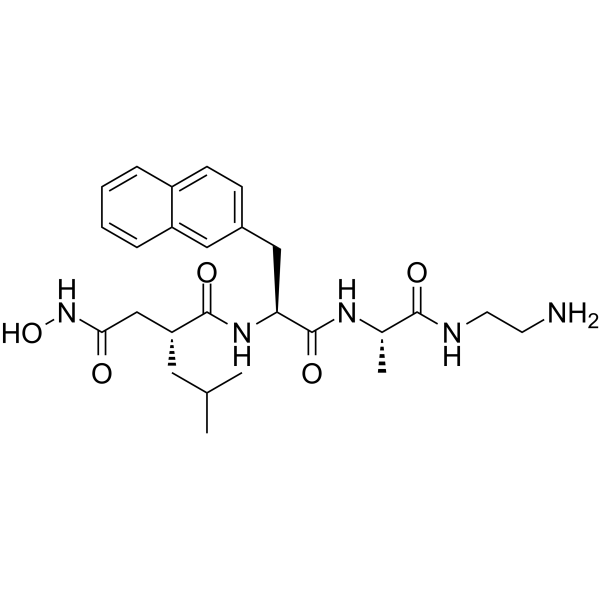 0 ImagesTAPI-1 is a broad-spectrum MMP inhibitor and NF-κB p65 inhibitor that targets ADAM17/TACE, ADAM10 and other proteins. TAPI-1 reduces the proteolytic cleavage of membrane-bound TNF-α, decreases TNF-α levels, inhibits NF-κB pathway activation, and downregulates profibrotic markers. TAPI-1 reduces the proportion of proinflammatory immune cells, alleviates cardiac and airway fibrosis, and improves cardiac function after myocardial infarction. Meanwhile, TAPI-1 inhibits the viability, migration and invasion of esophageal squamous cell carcinoma cells, enhances the chemosensitivity of Cisplatin (HY-17394), induces apoptosis, and shows low toxicity to normal esophageal epithelial cells. TAPI-1 can be widely used in studies related to myocardial infarction-induced heart failure, severe traumatic tracheal stenosis, esophageal squamous cell carcinoma and other conditions.
-
KP-457
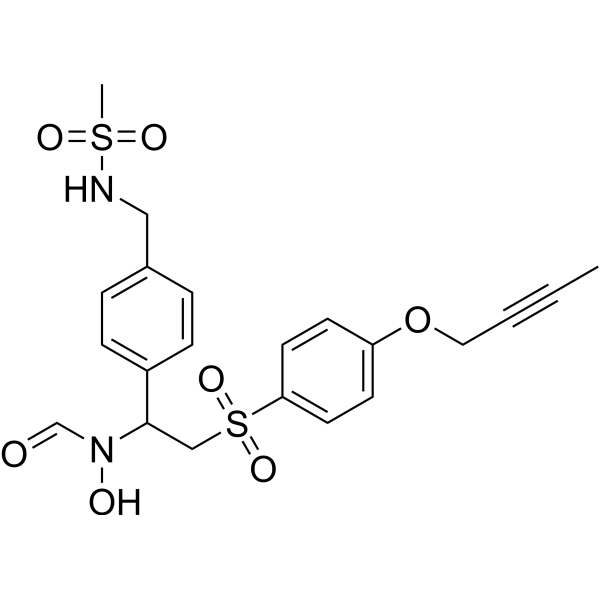 0 ImagesKP-457 is a selective a disintegrin and metalloproteinase 17 (ADAM17) inhibitor, with higher selectivity for ADAM17 than for other MMPs and ADAM10, and IC50s are 11.1 nM (ADAM17), 748 nM (ADAM10), 717 nM (MMP2), 9760 nM (MMP3), 2200 nM (MMP8), 5410 nM (MMP9), 930 nM (MMP13), 2140 nM (MMP14), and 7100 nM (MMP17), respectively.
-
Aderbasib
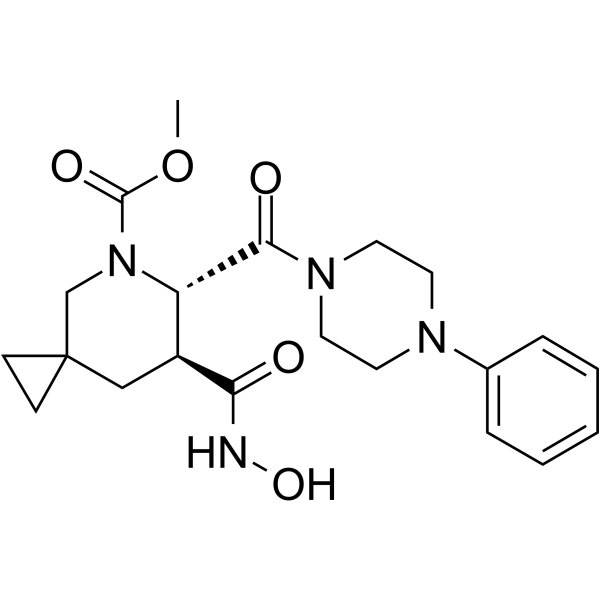 0 ImagesSynonyms: INCB007839; INCB7839Aderbasib (INCB007839) is a potent, orally active and target specific low nanomolar hydroxamate-based inhibitor of ADAM10 and ADAM17. Aderbasib exhibits robust antineoplastic activity and can be used for cancer research, including diffuse large B-cell non-Hodgkin lymphoma, HER2+ breast cancer, gliomas, et al.
-
JG26
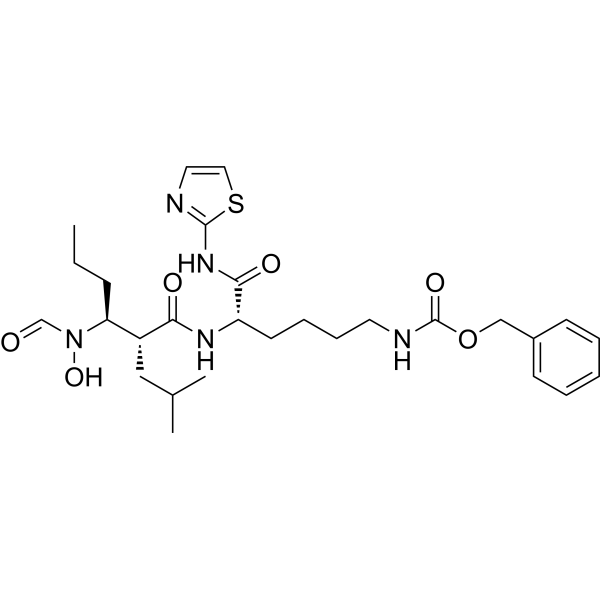
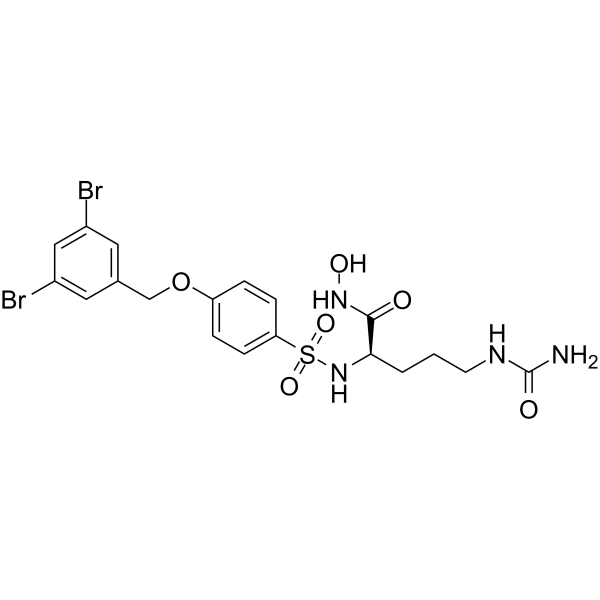 0 ImagesJG26 is an ADAM inhibitor with IC50 values of 12 nM, 1.9 nM, and 150 nM for ADAM8, ADAM17, and ADAM10, respectively. JG26 inhibits MMP-12 with an IC50 value of 9.4 nM. JG26 inhibits AngII (HY-13948)-induced EGFR transactivation and ERK activation. JG26 increases the expression of ACE2, inhibits the cleavage of CD23, reduces the infection of SARS-CoV-2. JG26 inhibits colorectal cancer metastasis. JG26 can be used for research on Hodgkin lymphoma and vascular diseases.
-
Mca-PLAQAV-Dpa-RSSSR-NH2 TFA
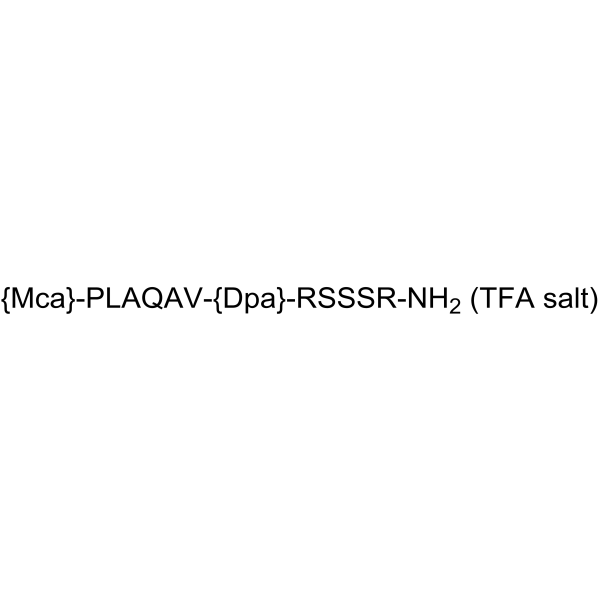 0 ImagesCat. No.: HY-P3722APurity: 99.54%Mca-PLAQAV-Dpa-RSSSR-NH2 TFA is a fluorescent substrate peptide that can be used to detect ADAM9, ADAM10, and tumor necrosis factor-α converting enzyme (TACE/ADAM17). Mca-PLAQAV-Dpa-RSSSR-NH2 TFA is a fluorescence resonance energy transfer-based substrate, and its activity can be determined by changes in fluorescence intensity upon cleavage (Ex = 320 nm ; Em = 405 nm).
-
PPNDS tetrasodium
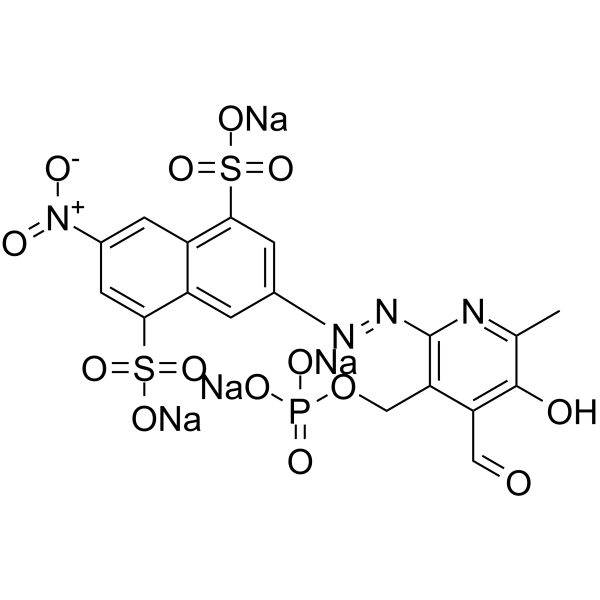 0 ImagesCat. No.: HY-108675CAS No.: 1021868-77-8PPNDS tetrasodium is a selective and competitive meprin β inhibitor (IC50: 80 nM, Ki: 8 nM), and also inhibits ADAM10 (IC50: 1.2 μM). PPNDS tetrasodium is also a P2X1 receptor antagonist. PPNDS is an agonist for the ATP receptor of Paramecium. PPNDS tetrasodium potently inhibits polymerases from viruses. PPNDS tetrasodium can be used in the research of infection and cancers.
-
CCKBR agonist-1
 0 ImagesCCKBR agonist-1 (Compound 3r1) is a Gq-protein-preferring cholecystokinin B receptor (CCKBR) agonist with an EC50 of 35 pM. CCKBR agonist-1 significantly increases the survival rate of neurons, with an EC50 of 37 pM. CCKBR agonist-1 can improve the cognitive decline in mice by upregulating α-secretase (ADAM10) and calcium signaling molecule PLCB4, reduce the number of amyloid β (Aβ) plaques, and promote long-term potentiation (LTP). CCKBR agonist-1 can be used for the study of Alzheimer's disease.
-
Mca-PLAQAV-Dpa-RSSSR-NH2
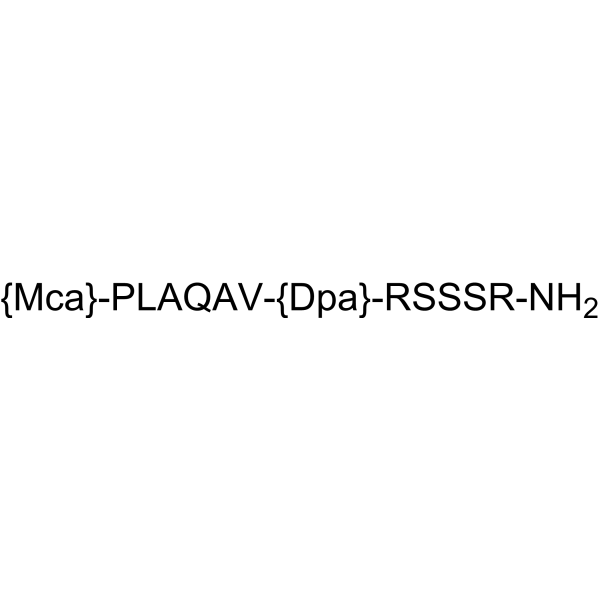 0 ImagesMca-PLAQAV-Dpa-RSSSR-NH2 is a fluorescent substrate peptide that can be used to detect ADAM9, ADAM10, and tumor necrosis factor-α converting enzyme (TACE/ADAM17). Mca-PLAQAV-Dpa-RSSSR-NH2 is a fluorescence resonance energy transfer-based substrate, and its activity can be determined by changes in fluorescence intensity upon cleavage (Ex = 320 nm ; Em = 405 nm).




