



ADAM17
ADAM17 (A Disintegrin and Metalloprotease 17), also known as TNF-α-converting enzyme (TACE), is a membrane-associated metalloprotease that regulates cell-cell communication through ectodomain shedding of cytokines, receptors, adhesion molecules, and growth factor ligands[1][2]. Mechanistically, ADAM17 is a major sheddase for tumor necrosis factor-α (TNF-α), interleukin-6 receptor (IL-6R), and multiple epidermal growth factor receptor (EGFR) ligands, thereby coordinating inflammatory, regenerative, and proliferative signaling pathways[2][3][4]. Through the generation of soluble TNF-α and soluble IL-6R, ADAM17 functions as a central signaling hub linking immune activation with systemic inflammatory responses[2][4]. In addition, ADAM17-dependent shedding of EGFR ligands regulates EGFR signaling in epithelial tissues and contributes to processes associated with tissue homeostasis, development, and tumor progression[3][5][6]. Disease studies further demonstrate that ADAM17 participates in inflammation, cancer, and other pathological conditions through its broad substrate repertoire and downstream signaling effects[1][2][6]. Compared with the closely related metalloprotease ADAM10, ADAM17 displays distinct substrate specificity and serves as the predominant sheddase for amphiregulin, transforming growth factor-α (TGF-α), epiregulin, and heparin-binding EGF-like growth factor (HB-EGF), whereas ADAM10 preferentially processes other EGFR ligands[7][8]. This functional distinction is important for experimental design because selective modulation of ADAM17 can differentially affect TNF-α, IL-6, and EGFR signaling networks[2][7]. For research applications, ADAM17 inhibitors and blocking antibodies are widely used to investigate cytokine release, inflammatory signaling, EGFR activation, and tumor-associated microenvironmental interactions in cellular and animal models[2][9].
Références:
- [1]. Zunke F, et al. The shedding protease ADAM17: Physiology and pathophysiology. Biochim Biophys Acta Mol Cell Res. 2017 Nov;1864(11 Pt B):2059-2070. [Content Brief]
- [2]. Schumacher N, et al. ADAM17 orchestrates Interleukin-6, TNFα and EGF-R signaling in inflammation and cancer. Biochim Biophys Acta Mol Cell Res. 2022 Jan;1869(1):119141. [Content Brief]
- [3]. Rose-John S. ADAM17, et al. Pharmacol Res. 2013;71:19-22.
- [4]. Liu L, et al. ADAM17 as a promising therapeutic target: from structural basis to inhibitor discovery in human diseases. Front Pharmacol. 2025 Sep 19;16:1640090. [Content Brief]
- [5]. Lee DC, et al. TACE/ADAM17 processing of EGFR ligands indicates a role as a physiological convertase. Ann N Y Acad Sci. 2003 May;995:22-38. [Content Brief]
- [6]. Gnosa SP, et al. ADAM17-mediated EGFR ligand shedding directs macrophage-promoted cancer cell invasion. JCI Insight. 2022 Sep 22;7(18):e155296. [Content Brief]
- [7]. Sahin U, et al. Distinct roles for ADAM10 and ADAM17 in ectodomain shedding of six EGFR ligands. J Cell Biol. 2004 Mar 1;164(5):769-79. [Content Brief]
- [8]. Hosur V, et al. ADAM17 is essential for ectodomain shedding of the EGF-receptor ligand amphiregulin. FEBS Open Bio. 2018 Mar 12;8(4):702-710. [Content Brief]
- [9]. Moss ML, et al. Recent Advances in ADAM17 Research: A Promising Target for Cancer and Inflammation. Mediators Inflamm. 2017;2017:9673537. [Content Brief]
-
ADAM17 Produits associés (10)
Produits associés (10)

-
Protéines Recombinantes (3)
-
TAPI-1
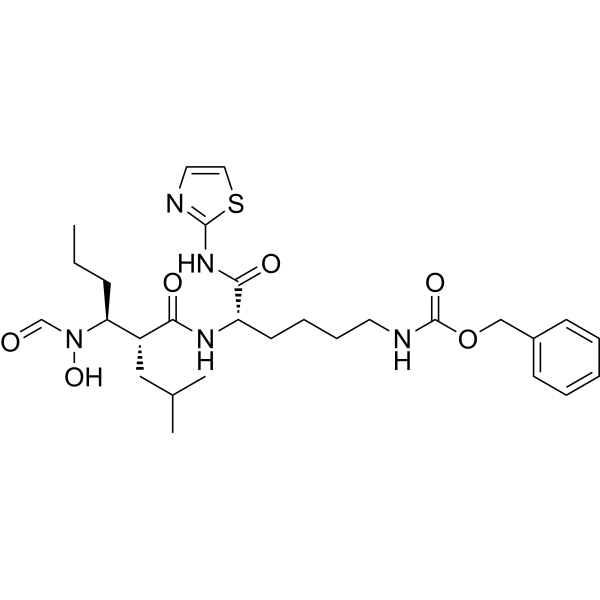
 0 ImagesTAPI-1 is a broad-spectrum MMP inhibitor and NF-κB p65 inhibitor that targets ADAM17/TACE, ADAM10 and other proteins. TAPI-1 reduces the proteolytic cleavage of membrane-bound TNF-α, decreases TNF-α levels, inhibits NF-κB pathway activation, and downregulates profibrotic markers. TAPI-1 reduces the proportion of proinflammatory immune cells, alleviates cardiac and airway fibrosis, and improves cardiac function after myocardial infarction. Meanwhile, TAPI-1 inhibits the viability, migration and invasion of esophageal squamous cell carcinoma cells, enhances the chemosensitivity of Cisplatin (HY-17394), induces apoptosis, and shows low toxicity to normal esophageal epithelial cells. TAPI-1 can be widely used in studies related to myocardial infarction-induced heart failure, severe traumatic tracheal stenosis, esophageal squamous cell carcinoma and other conditions.
-
KP-457
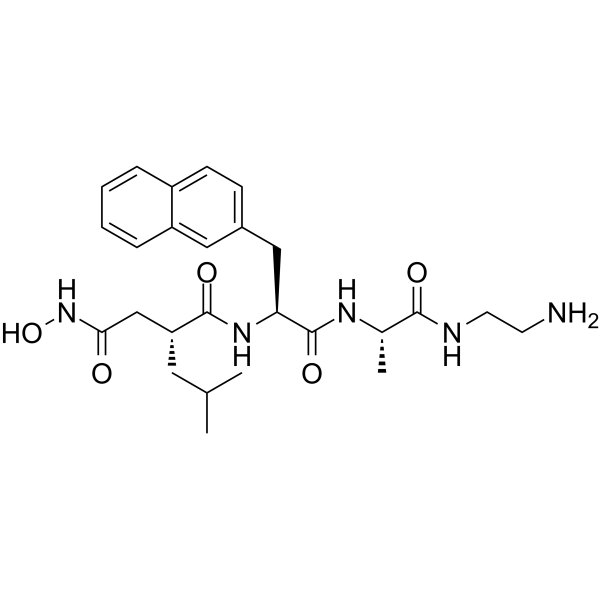
 0 ImagesKP-457 is a selective a disintegrin and metalloproteinase 17 (ADAM17) inhibitor, with higher selectivity for ADAM17 than for other MMPs and ADAM10, and IC50s are 11.1 nM (ADAM17), 748 nM (ADAM10), 717 nM (MMP2), 9760 nM (MMP3), 2200 nM (MMP8), 5410 nM (MMP9), 930 nM (MMP13), 2140 nM (MMP14), and 7100 nM (MMP17), respectively.
-
Aderbasib
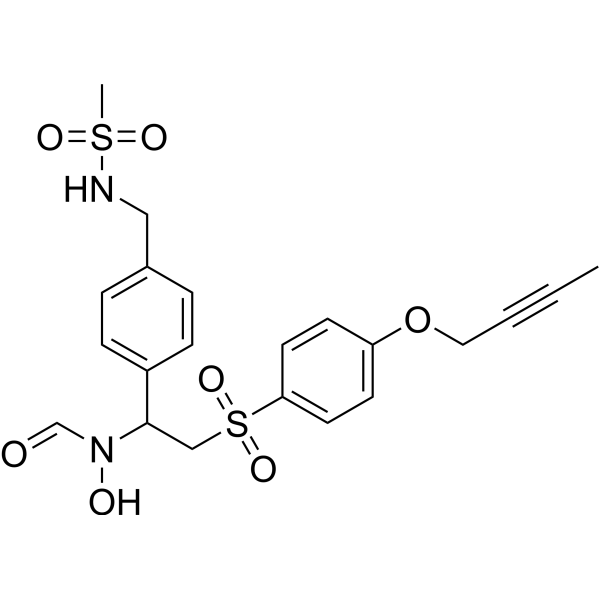
 0 ImagesSynonyms: INCB007839; INCB7839Aderbasib (INCB007839) is a potent, orally active and target specific low nanomolar hydroxamate-based inhibitor of ADAM10 and ADAM17. Aderbasib exhibits robust antineoplastic activity and can be used for cancer research, including diffuse large B-cell non-Hodgkin lymphoma, HER2+ breast cancer, gliomas, et al.
-
JG26
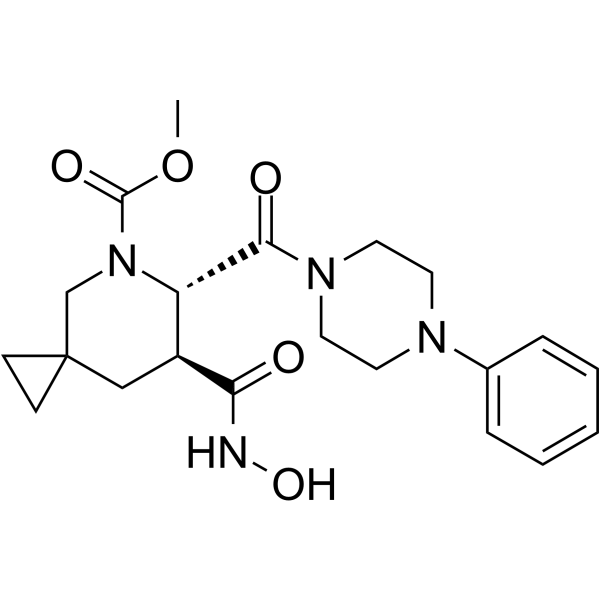
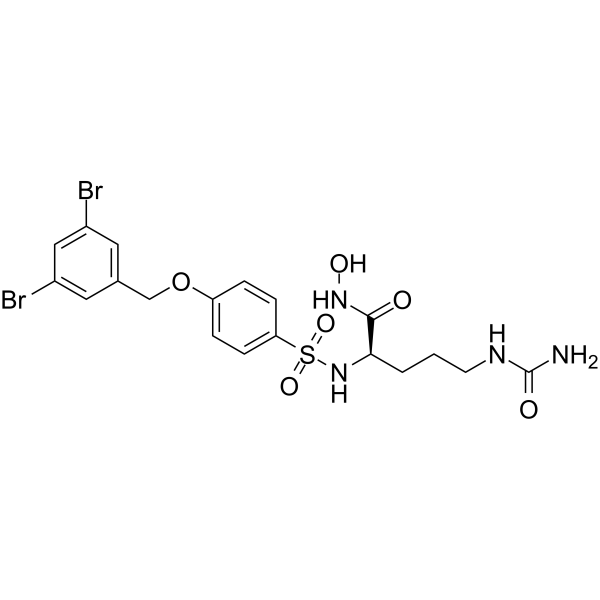 0 ImagesJG26 is an ADAM inhibitor with IC50 values of 12 nM, 1.9 nM, and 150 nM for ADAM8, ADAM17, and ADAM10, respectively. JG26 inhibits MMP-12 with an IC50 value of 9.4 nM. JG26 inhibits AngII (HY-13948)-induced EGFR transactivation and ERK activation. JG26 increases the expression of ACE2, inhibits the cleavage of CD23, reduces the infection of SARS-CoV-2. JG26 inhibits colorectal cancer metastasis. JG26 can be used for research on Hodgkin lymphoma and vascular diseases.
-
D8P1C1
 0 ImagesCat. No.: HY-P992341D8P1C1 is a high-affinity ADAM17 inhibitor (with a Kd of 180 pM targeting ADAM17-ECD) that reduces the shedding and phosphorylation of EGFR ligands. D8P1C1 inhibits cancer cell proliferation in vitro and tumor growth in xenograft models. 89Zr-DFO-D8P1C1 radioimmunological PET imaging shows its substantial accumulation in ovarian tumor xenografts, serving as a platform for generating bispecific T-cell engager derivatives. D8P1C1 can be applied to research on related diseases including triple-negative breast cancer, various types of ovarian cancer, lung adenocarcinoma, glioma, and colon cancer.
-
MEDI-3622
 0 ImagesCat. No.: HY-P992406MEDI-3622 is a human monoclonal antibody against ADAM17. MEDI-3622 blocks the ADAM17-mediated shedding of CD16A and CD62L on NK cells, and binds with high specificity to a surface loop unique to the metalloprotease catalytic domain of ADAM17. MEDI-3622 enhances IFNγ production by NK cells when they bind to antibody-coated tumor cells. MEDI-3622 can be used in the research of ovarian cancer, Burkitt lymphoma, head and neck cancer, and colorectal cancer.
-
Mca-PLAQAV-Dpa-RSSSR-NH2 TFA
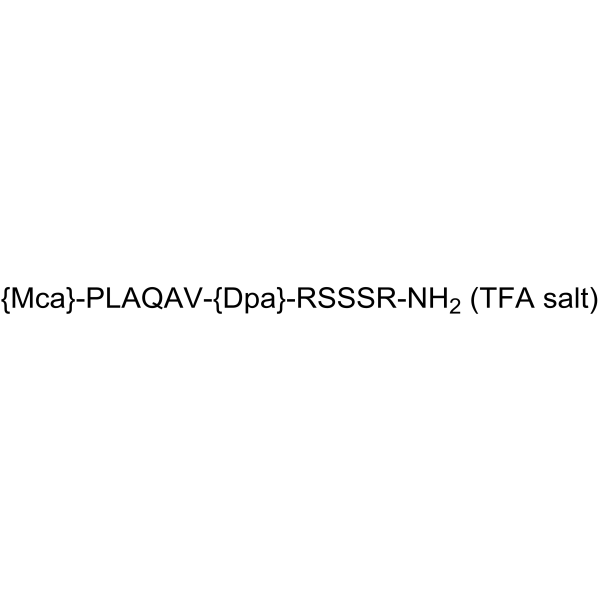 0 ImagesCat. No.: HY-P3722APureté: 99.54%Mca-PLAQAV-Dpa-RSSSR-NH2 TFA is a fluorescent substrate peptide that can be used to detect ADAM9, ADAM10, and tumor necrosis factor-α converting enzyme (TACE/ADAM17). Mca-PLAQAV-Dpa-RSSSR-NH2 TFA is a fluorescence resonance energy transfer-based substrate, and its activity can be determined by changes in fluorescence intensity upon cleavage (Ex = 320 nm ; Em = 405 nm).
-
Mca-PLAQAV-Dpa-RSSSR-NH2
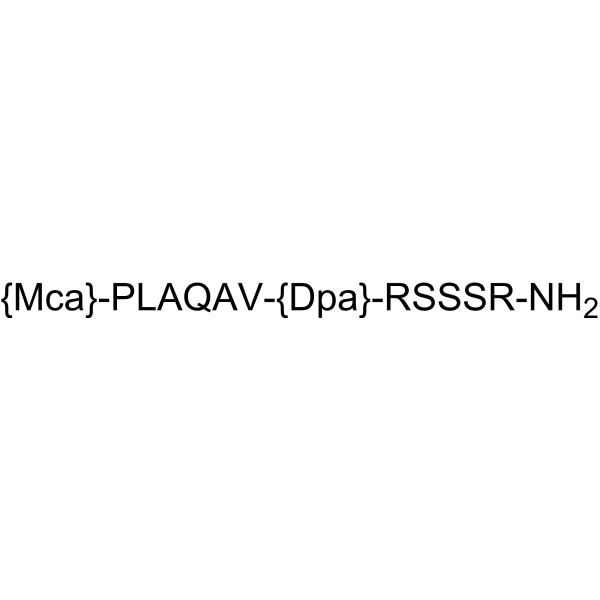 0 ImagesMca-PLAQAV-Dpa-RSSSR-NH2 is a fluorescent substrate peptide that can be used to detect ADAM9, ADAM10, and tumor necrosis factor-α converting enzyme (TACE/ADAM17). Mca-PLAQAV-Dpa-RSSSR-NH2 is a fluorescence resonance energy transfer-based substrate, and its activity can be determined by changes in fluorescence intensity upon cleavage (Ex = 320 nm ; Em = 405 nm).
-
ADAM17-IN-1
 0 ImagesCat. No.: HY-175876CAS No.: 1802395-34-1ADAM17-IN-1 is a selective inhibitor of ADAM17. ADAM17-IN-1 inhibits ADAM17 activity to reduce metabolic activity of dendritic cells (DCs), impair DC antigen-presenting function, suppress allergen-specific Th2 cell polarization, and reduce Th2 cytokine (IL-4, IL-5, IL-13) secretion. ADAM17-IN-1 demonstrates protective efficacy against house dust mite (HDM)-induced type 2/eosinophilic airway inflammation in mice. ADAM17-IN-1 can be used for the study of type 2-high allergic asthma.




