



MMP-12
MMP-12, also known as macrophage metalloelastase, is a zinc-dependent extracellular matrix protease predominantly produced by activated macrophages and is characterized by potent elastolytic activity involved in tissue injury and remodeling processes[1][2]. Mechanistically, MMP-12 participates in extracellular matrix degradation, macrophage migration, inflammatory signaling, and tissue remodeling, thereby linking innate immune responses to structural alterations in affected tissues[2][3]. In disease settings, elevated MMP-12 activity has been associated with chronic pulmonary disorders, including chronic obstructive pulmonary disease and emphysema, where elastin degradation contributes directly to pathological lung remodeling[2][4]. Experimental studies further demonstrate that MMP-12 regulates macrophage infiltration, inflammatory cytokine expression, vascular dysfunction, and pathological angiogenesis in ischemic retinopathy models, supporting its broader role in inflammatory and remodeling-associated diseases[3]. Compared with several related matrix metalloproteinases that display broader substrate repertoires, MMP-12 is distinguished by its strong elastase activity and prominent expression in inflammatory macrophages, making it particularly relevant to elastin-rich tissue remodeling and macrophage-driven pathology[1][2]. For experimental applications, genetic deletion or pharmacological inhibition of MMP-12 reduces inflammatory responses, macrophage recruitment, and pathological tissue remodeling in multiple disease models, supporting its utility as a mechanistic target for studying inflammation, extracellular matrix turnover, and disease progression[3][4].
References:
- [1]. Garbacki N, et al. Matrix metalloproteinase 12 silencing: a therapeutic approach to treat pathological lung tissue remodeling? Pulm Pharmacol Ther. 2009 Aug;22(4):267-78. [Content Brief]
- [2]. Uniprotkb.
- [3]. Li J, et al. Macrophage metalloelastase (MMP-12) deficiency mitigates retinal inflammation and pathological angiogenesis in ischemic retinopathy. PLoS One. 2012;7(12):e52699. [Content Brief]
- [4]. Bhaskaran R, et al. Solution structure of inhibitor-free human metalloelastase (MMP-12) indicates an internal conformational adjustment. J Mol Biol. 2007 Dec 14;374(5):1333-44. [Content Brief]
All Product Categories
-
MMP-12 Related Products (19)
Related Products (19)

-
Recombinant Proteins (2)
-
Antibodies (1)
- 1
-
Aderamastat
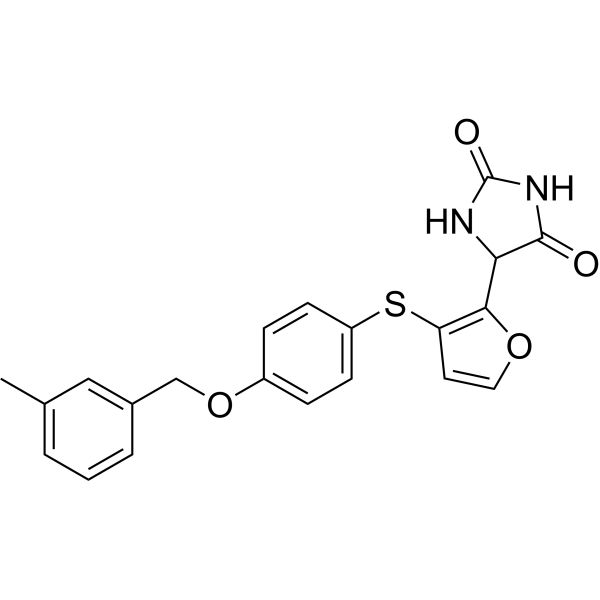 0 ImagesSynonyms: FP-025
-
JG26
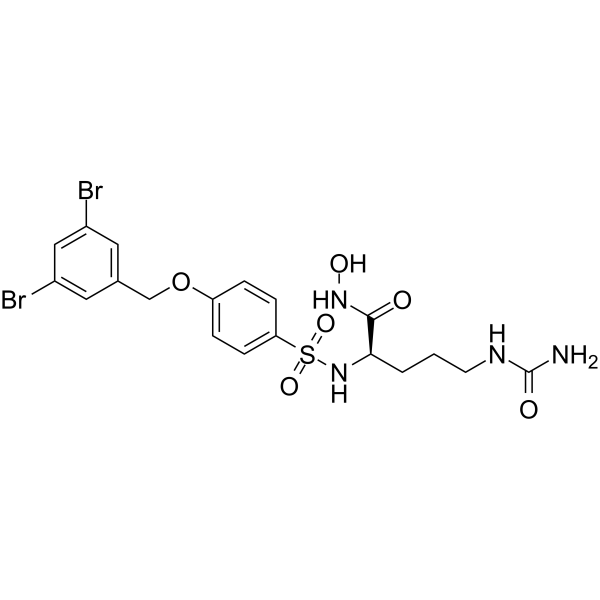 0 ImagesJG26 is an ADAM inhibitor with IC50 values of 12 nM, 1.9 nM, and 150 nM for ADAM8, ADAM17, and ADAM10, respectively. JG26 inhibits MMP-12 with an IC50 value of 9.4 nM. JG26 inhibits AngII (HY-13948)-induced EGFR transactivation and ERK activation. JG26 increases the expression of ACE2, inhibits the cleavage of CD23, reduces the infection of SARS-CoV-2. JG26 inhibits colorectal cancer metastasis. JG26 can be used for research on Hodgkin lymphoma and vascular diseases.
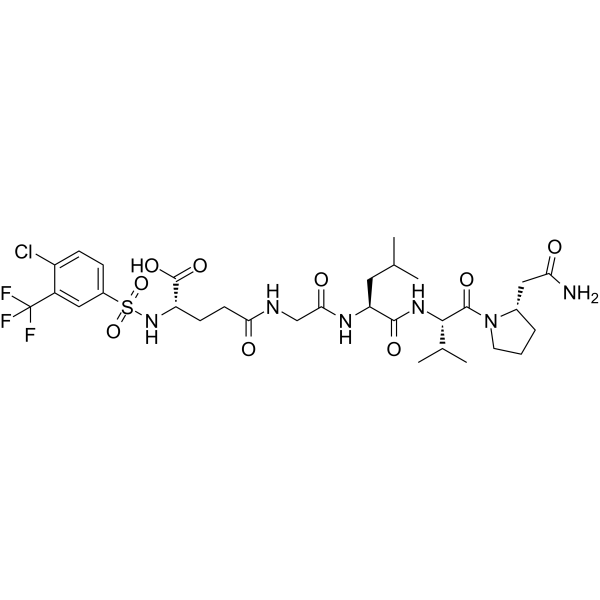
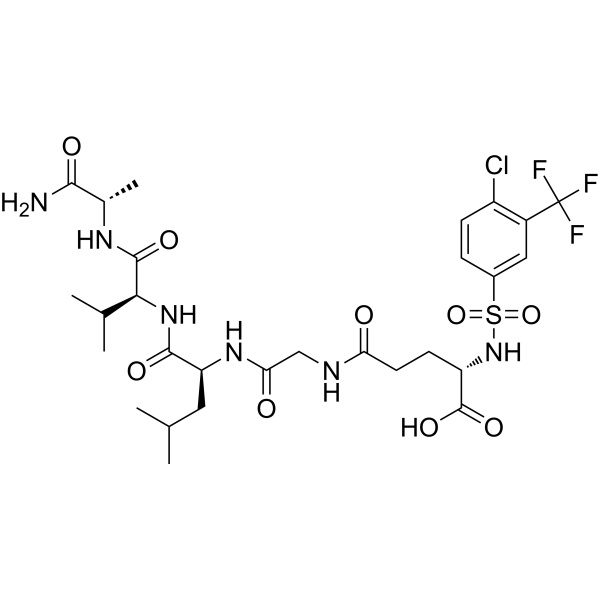
-
UK-370106
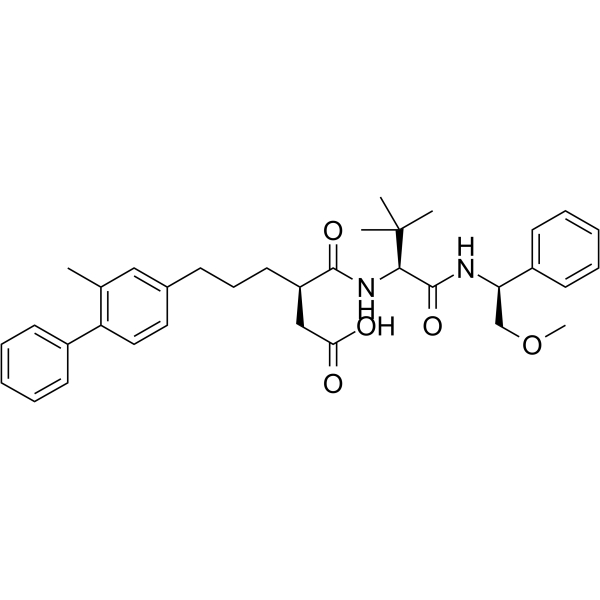 0 ImagesCat. No.: HY-107639CAS No.: 230961-21-4UK-370106 is a potent and highly selective MMP-3 (IC50 of 23 nM) and MMP-12 (IC50 of 42 nM) inhibitor with >1200-fold higher potency than MMP-1, MMP-2, MMP-9, and MMP-14, and about 100-fold than MMP-13 and MMP-8. UK-370106 potently inhibits cleavage of [3H]-fibronectin by MMP-3 (IC50 of 320 nM) and has little effect on keratinocyte migration in vitro.
-
AZD-1236
 0 ImagesAZD-1236 is a dual inhibitor of MMP-9 and MMP-12. AZD-1236 selectively inhibits the activities of MMP-9 and MMP-12. AZD-1236 regulates biomarkers, reduces elastin degradation, and decreases lymphocyte levels in sputum and blood. AZD-1236 can be used for research related to chronic obstructive pulmonary disease.
-
PI3Kδ-IN-28
 0 ImagesCat. No.: HY-184125PI3Kδ-IN-28 is an orally active and selective PI3Kδ inhibitor with an IC50 of 6.1 nM. PI3Kδ-IN-28 inhibits pro-inflammatory M1 macrophage polarization, promotes anti-inflammatory M2 phenotype, and alleviates pulmonary edema and inflammatory infiltration. PI3Kδ-IN-28 is applicable to research related to acute lung injury.
-
RXP470.1
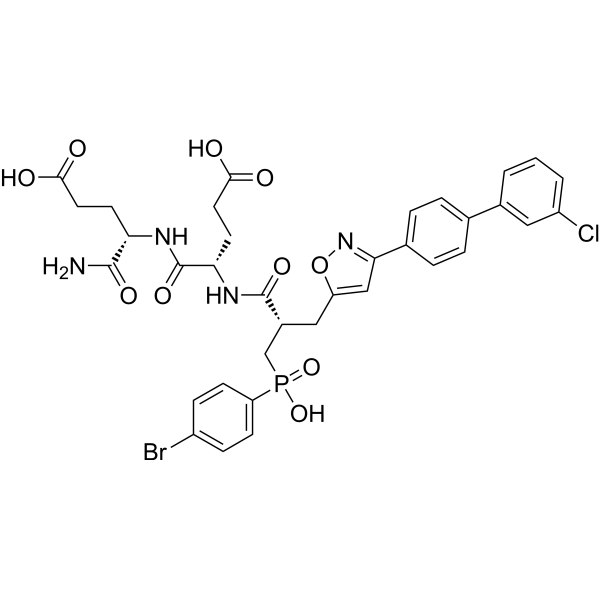 0 ImagesSynonyms: RXP-470RXP470.1 (RXP-470) is a potent, selective MMP-12 inhibitor with a Ki of 0.2 nM against human MMP-12. RXP470.1 is 2 to 4 orders of magnitude less potent against other MMPs. RXP470.1 significantly reduces atherosclerotic plaque cross-sectional area in mouse. RXP470.1 results in less complex plaques with increased smooth muscle cell:macrophage ratio, less macrophage apoptosis, increased cap thickness, smaller necrotic cores, and decreased incidence of calcification.
-
MMP408
 0 ImagesMMP408 is a selective and orally effective inhibitor of MMP-12 with IC50 values for human, mouse and rat MMP-12 of 2 nM, 160 nM and 3 μM respectively. MMP408 exhibits IC50 value for human MMP-13 of 120 nM, and its activity against other MMPs is weak. MMP408 can alleviate inflammation, fibrosis and tissue remodeling by inhibiting MMP-12. MMP408 can be used in the research of chronic obstructive pulmonary disease and chronic sinusitis with nasal polyps.
-
AGG-523
 0 ImagesSynonyms: PF-5212371AGG-523 (PF-5212371) is an orally active, reversible, non-hydroxamate, zinc-binding selective inhibitor of ADAMTS4 and ADAMTS5 with IC50 of <0.03 and 0.04 μM. AGG-523 also inhibits MMP-2, -8, 12 activity AGG-523 attenuates release of aggrecanase-generated ARG-aggrecan fragments into synovial fluid, reduces surgery-induced ARG-aggrecan release in rat joint models, and inhibits aggrecanase activity to slow cartilage degradation. AGG-523 can be used for the research of osteoarthritis.
-
CMC2.24
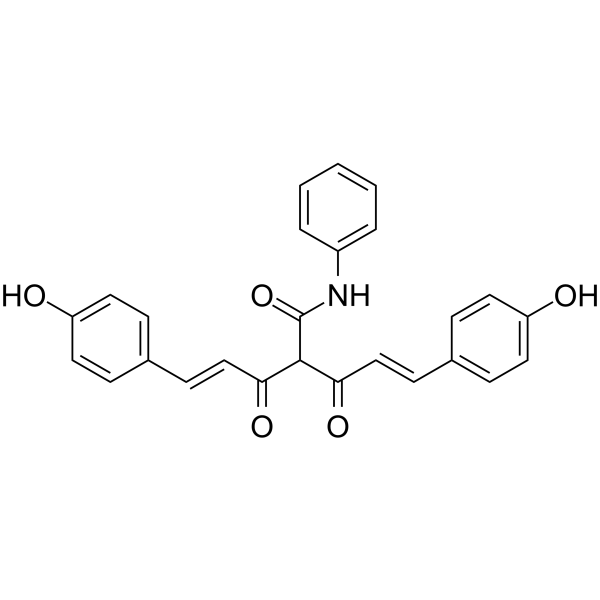 0 ImagesCat. No.: HY-120793CAS No.: 1255639-43-0Synonyms: TRB-N0224CMC2.24 (TRB-N0224), an orally active tricarbonylmethane agent, is effective against pancreatic tumor in mice by inhibiting Ras activation and its downstream effector ERK1/2 pathway. CMC2.24 is also a potent inhibitor of zinc-dependent MMPs with IC50s ranging from 2.0-69 μM. CMC2.24 alleviates osteoarthritis progression by restoring cartilage homeostasis and inhibiting chondrocyte apoptosis via the NF-κB/HIF-2α axis.
-
PF-00356231 hydrochloride
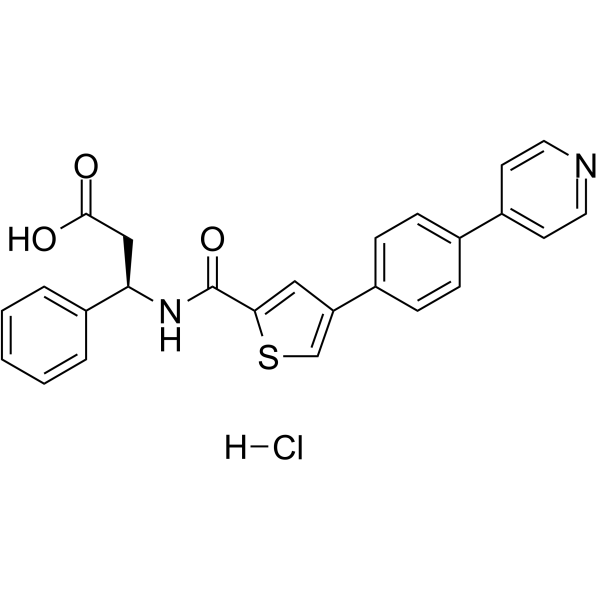 0 ImagesPF-00356231 hydrochloride is a specific, non-peptidic, non-zinc chelating ligand and inhibitor of matrix metalloproteinase MMP-12 (IC50=1.4 μM). PF-00356231 hydrochloride binds to MMP-12 and forms PF-00356231/MMP-12 complex. PF-00356231 hydrochloride shows potency against MMP-13, MMP-8, MMP-9, MMP-3 with IC50s of 0.00065, 1.7, 0.98, 0.39 μM, respectively.
-
TP0597850
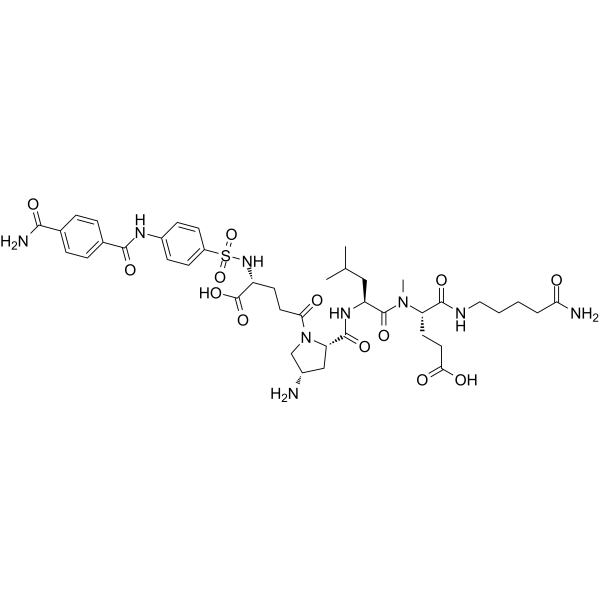 0 ImagesTP0597850 is a selective inhibitor of MMP2 (IC50=0.22 nM). TP0597850 has a long MMP2 dissociation half-life (t1/2=265 min).
-
Linvemastat
 0 ImagesSynonyms: FP-020Linvemastat (Compound FC-4) is an orally active MMP-12 inhibitor (IC50: < 10 nM) with high selectivity of MMP-1, -2, -3, -7, -9, -10 and -14. Linvemastat significantly attenuates lung fibrosis in Bleomycin (HY-108345) induced unilateral lung fibrosis mice model and potently reduces kidney damage, interstitial inflammation or fibrosis in kidney fibrosis model of unilateral ureteral occlusion. Linvemastat can be used for inflammatory diseases research, such as idiopathie pulmonary fibrosis (IPF), inflammatory bowel disease (IBD) and asthma.
-
MMP12-IN-3
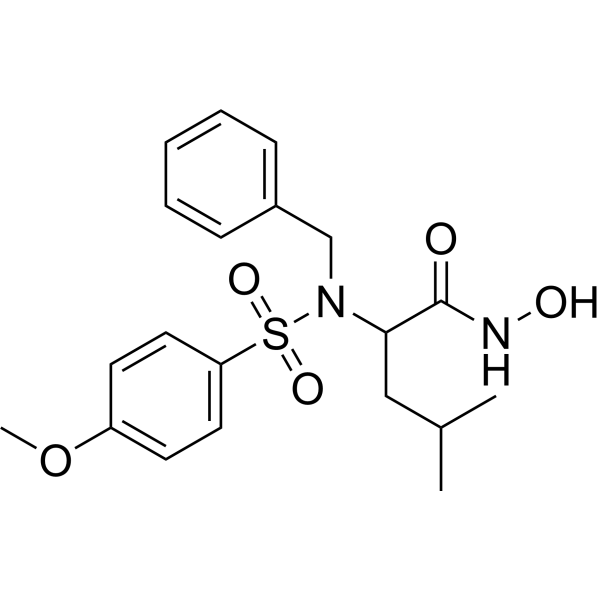 0 ImagesCat. No.: HY-130391CAS No.: 208663-26-7MMP12-IN-3 (compound 32) is a potent MMP12 inhibitor with an IC50 value of 4.9 nM. MMP12-IN-3 has the potential for the research of chronic respiratory diseases such as emphysema.
-
(R)-MMP408
 0 Images(R)-MMP408 is an isomer of MMP408 (HY-12093). MMP408 is an orally active MMP-12 inhibitor (IC50=2.0 nM for hMMP-12) that effectively interferes with the epithelial-mesenchymal transition (EMT) process. MMP408 significantly upregulates the expression of E-cadherin in nasal epithelial cells, while inhibiting mesenchymal markers such as vimentin, α-smooth muscle actin and fibronectin, thereby reversing the EMT phenotype. MMP408 is used in studies of airway remodeling-related diseases, including chronic rhinosinusitis with nasal polyps, chronic obstructive pulmonary disease (COPD) and asthma.
-
CP-544439
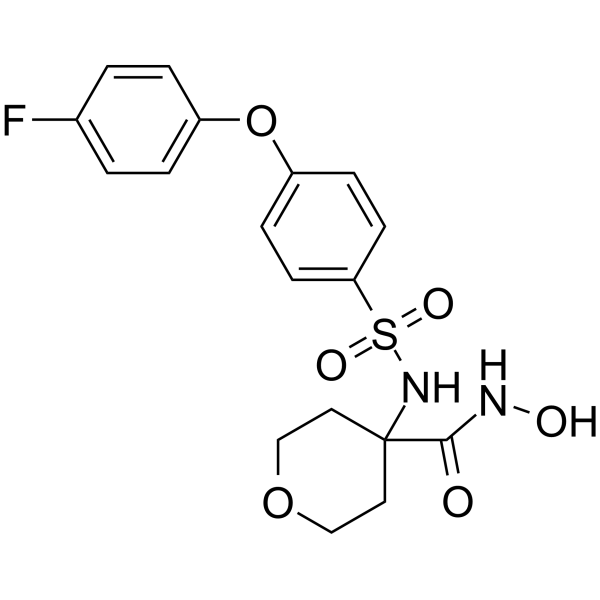 0 ImagesCat. No.: HY-107013CAS No.: 230954-09-3CP-544439 is a potent and orally active matrix metalloproteinase-13 (MMP-13) inhibitor with an IC50 of 0.75 nM.
-
Ageladine A dihydrochloride
 0 ImagesCat. No.: HY-113621BCAS No.: 2757574-06-2Ageladine A dihydrochloride is an inhibitor of matrix metalloproteinase (MMP) isolated from the marine sponge Agelas nakamurai, possessing anti-angiogenic activity. Ageladine A dihydrochloride not only inhibits MMP-2 but also MMP-1, MMP-8, MMP-9, MMP-12, and MMP-13, with IC50 values of 4.65 μM, 2.79 μM, 907.12 nM, 1.83 μM, 767.57 nM, and 1.09 μM, respectively. Additionally, Ageladine A dihydrochloride is a pH-sensitive membrane-permeable dye that emits fluorescence in the blue-green range upon UV excitation, featuring a maximum absorption peak at 370 nm. Furthermore, Ageladine A dihydrochloride serves as a reliable and stable fluorescent pH sensor for detecting changes in intracellular pH values.
-
Homorisedronate
 0 ImagesCat. No.: HY-165186CAS No.: 104261-69-0Synonyms: NE-58051Homorisedronate (NE-58051) is a MMP inhibitor with high bone mineral affinity but low bone antiresorptive activity in vivo. Homorisedronate inhibits the proteolytic activity of MMP-2, MMP-9, and MMP-12 through zinc chelation and phosphonate groups, with IC50 values of 40 μM, 160 μM, and 80 μM for human MMP-2, mouse MMP-9, and rabbit MMP-12, respectively. Homorisedronate inhibits breast cancer and melanoma cell proliferation without inducing MRONJ-like lesions, altering osteoclast activity, or changing serum TRAcP-5b levels. Homorisedronate is suitable for research related to breast cancer and melanoma.
- 1




