



Inflammatory Bowel Disease
-
Inflammatory Bowel Disease (58)

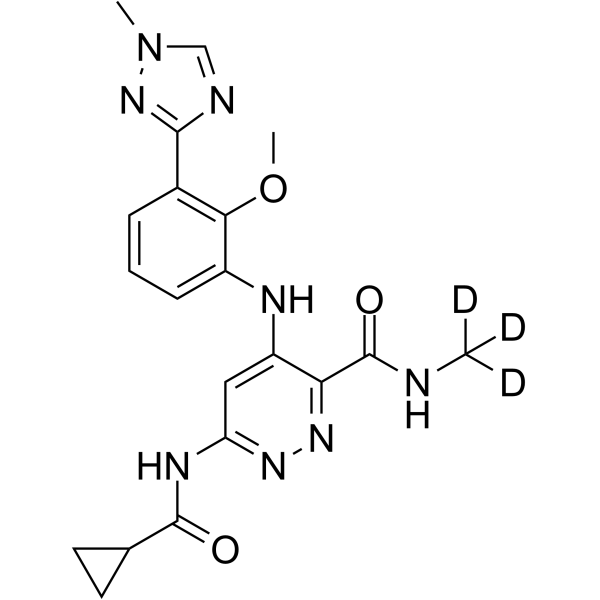
- Formula: C20H19D3N8O3
- Molecular Weight: 425.46
Deucravacitinib (BMS-986165) is an orally active allosteric inhibitor of tyrosine kinase 2 (TYK2), with an IC50 of 0.2 nM and a Ki of 0.02 nM against the JH2 domain of TYK2, and it exhibits selectivity over other JAK subtypes and most of the kinome. Deucravacitinib blocks IL-23, IL-12, p-STAT1/3 and Type I IFN signaling, and inhibits Th17/Th1-mediated psoriasis inflammation. Deucravacitinib can be used in research related to moderate-to-severe plaque psoriasis, inflammatory bowel disease and systemic lupus erythematosus.

Olive oil (Cropure OL) is an oleaginous compound found in the fruit of the Olea europaea tree. Olive oil contains many phenolic components and exerts antioxidant activity. Olive oil exhibits hydroxyl radical scavenging, platelet aggregation inhibition and xanthine oxidase inhibitory activity. Olive oil can promote wound healing and relieve inflammation. Olive oil can be used for the research of inflammation, cancer, metabolic and cardiovascular disease, such as diabetic foot ulcers and inflammatory bowel disease.

- Molecular Weight: 145.63 kDa

- Molecular Weight: 146.54 kDa
Afimkibart (PF-06480605; RVT-3101) is a fully human monoclonal antibody that selectively inhibits trimeric tumor necrosis factor-like ligand 1A (TL1A). Afimkibart neutralizes active trimeric TL1A, blocks TL1A-induced signaling pathways. Afimkibart inhibits NF-κB activation and IFN-γ production. Afimkibart can be used for the research of inflammatory bowel disease.
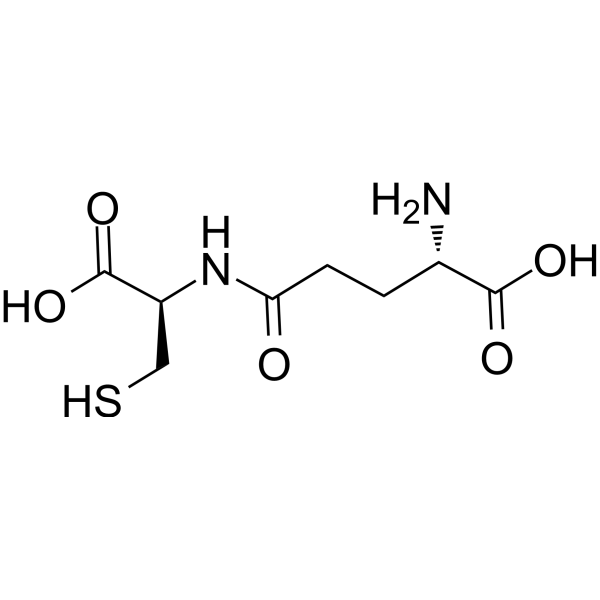
- Formula: C8H14N2O5S
- Molecular Weight: 250.27
Gamma-glutamylcysteine (γ-Glu-Cys) is an orally active, blood-brain barrier permeable dipeptide. Gamma-glutamylcysteine activates AMPK, SIRT1, IL-4/STAT6, AC/cAMP/PI3K, IGF-1R/IRS1/PI3K, and Nrf2 signaling pathways; it inhibits NF-κB, JAK1/STAT1/3, MAPKs, cadmium-induced p38 MAPK, JNK, and PI3K/Akt signaling pathways. Gamma-glutamylcysteine regulates macrophage polarization, modulates the trafficking of CD36 and GLUT4, induces glutathione synthesis, improves metabolic dysfunction, reduces lipid deposition, ameliorates glucose homeostasis, inhibits apoptosis (Apoptosis), stabilizes mitochondria, suppresses lipid peroxidation, iron accumulation and ferroptosis (Ferroptosis), reduces ds-HMGB1 levels, reverses mechanical hyperalgesia, and alleviates hepatic lipid droplet formation. Gamma-glutamylcysteine is applicable to research related to inflammatory bowel disease, type 2 diabetes, cadmium-induced neurotoxicity, Alzheimer's disease, cerebral ischemia/reperfusion injury, neuropathy, and alcoholic liver disease.
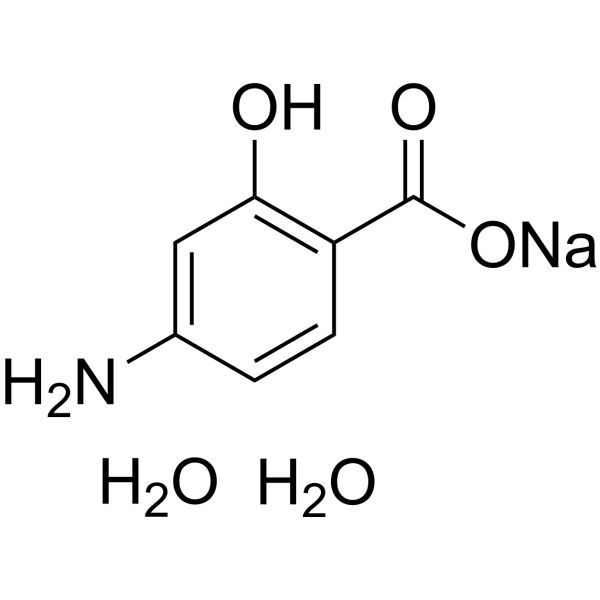
- Formula: C7H10NNaO5
- Molecular Weight: 211.15
Sodium 4-aminosalicylate dihydrate (4-Aminosalicylic acid sodium salt dihydrate) is an inhibitor for dihydrofolate reductase (DHFR) and an antituberculous agent. Sodium 4-aminosalicylate dihydrate exhibits anti-inflammatory activity and can be used in research of inflammatory bowel disease (IBD). Sodium 4-aminosalicylate dihydrate is orally active.

- Formula: C22H22F2N6O2
- Molecular Weight: 440.45
HW201877 enantiomer is the enantiomer of HW201877 (HY-174990) and is 15-hydroxyprostaglandin dehydrogenase (15-PGDH) inhibitor with an IC50 of 12.2 nM. HW201877 enantiomer can be used for the research of inflammatory bowel disease, idiopathic pulmonary fibrosis, ulcerative colitis, and Crohn's disease.

Phosphatidylcholines, egg are a type of phosphatidylcholine that can be isolated and extracted from eggs, primarily present in egg yolks. As a major phospholipid component of cell membranes, Phosphatidylcholines, egg play a key role in providing nutrition and protection to the body. Phosphatidylcholines, egg can inhibit oxidative stress and neurotoxicity, exerting neuroprotective effects. Additionally, Phosphatidylcholines, egg can suppress the lymphatic absorption of cholesterol in the intestine and are also used in research on intestinal lipid absorption.
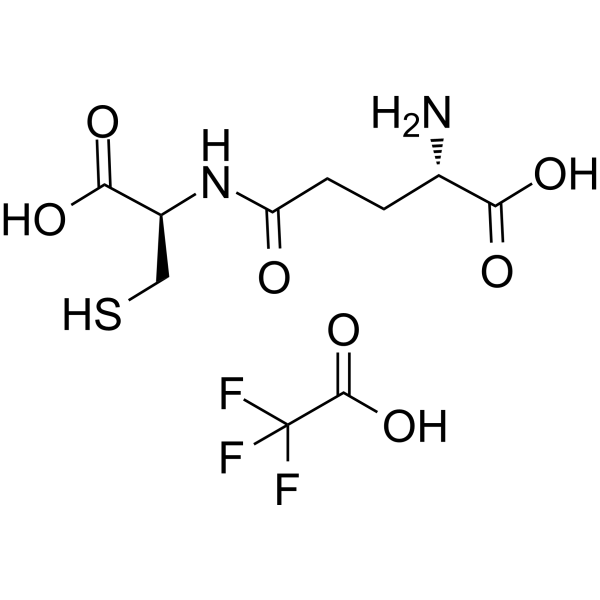
- Formula: C10H15F3N2O7S
- Molecular Weight: 364.30
Gamma-glutamylcysteine TFA (γ-Glu-Cys TFA) is an orally active, blood-brain barrier permeable dipeptide. Gamma-glutamylcysteine TFA activates AMPK, SIRT1, IL-4/STAT6, AC/cAMP/PI3K, IGF-1R/IRS1/PI3K, and Nrf2 signaling pathways; it inhibits NF-κB, JAK1/STAT1/3, MAPKs, cadmium-induced p38 MAPK, JNK, and PI3K/Akt signaling pathways. Gamma-glutamylcysteine TFA regulates macrophage polarization, modulates the trafficking of CD36 and GLUT4, induces glutathione synthesis, improves metabolic dysfunction, reduces lipid deposition, ameliorates glucose homeostasis, inhibits apoptosis (Apoptosis), stabilizes mitochondria, suppresses lipid peroxidation, iron accumulation and ferroptosis (Ferroptosis), reduces ds-HMGB1 levels, reverses mechanical hyperalgesia, and alleviates hepatic lipid droplet formation. Gamma-glutamylcysteine TFA is applicable to research related to inflammatory bowel disease, type 2 diabetes, cadmium-induced neurotoxicity, Alzheimer's disease, cerebral ischemia/reperfusion injury, neuropathy, and alcoholic liver disease.
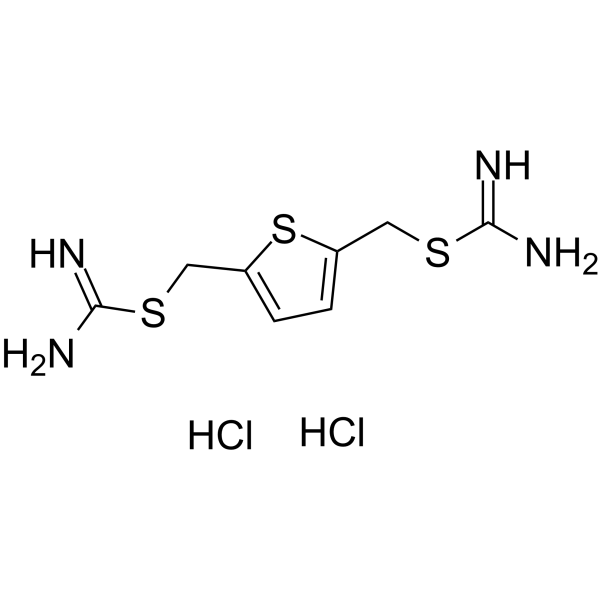
- Formula: C8H14Cl2N4S3
- Molecular Weight: 333.32
TPT-260 Dihydrochloride (NSC55712), a thiophene thiourea derivative, is a retromer complex stabilizer against thermal denaturation (Kd = ~5 µM). TPT-260 Dihydrochloride increases the levels of retromer proteins, shifts amyloid-precursor protein (APP) away from the endosome, and decreases the pathogenic processing of APP. TPT-260 Dihydrochloride inhibits TLR4 upregulation, IKKβ phosphorylation, NF-κB p65 nuclear translocation, and NLRP3 inflammasome formation. TPT-260 Dihydrochloride improves retromer-mediated cargo trafficking, reduces brain infarct area, and decreases amyloid plaque deposition. TPT-260 Dihydrochloride exhibits minimal cytotoxicity to primary microglia at tested concentrations. TPT-260 Dihydrochloride can be used for the research of inflammatory bowel disease, ischemic stroke and Alzheimer's disease.
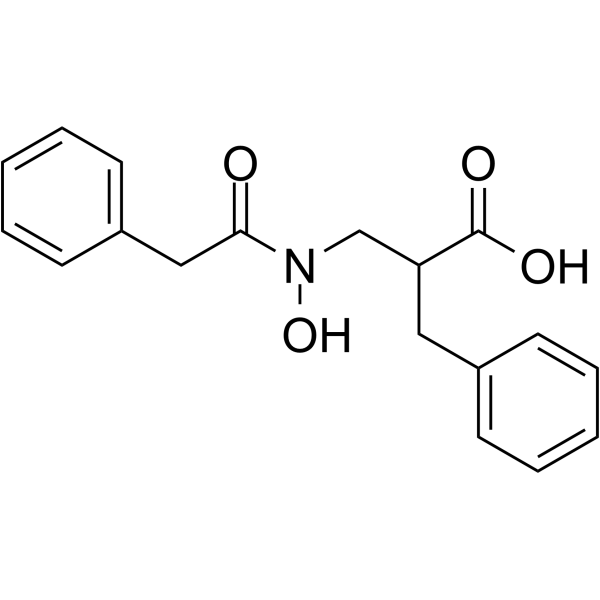
- Formula: C18H19NO4
- Molecular Weight: 313.35
CPA inhibitor (Compound 5) (Carboxypeptidase inhibitor) is an orally active competitive carboxypeptidase A (CPA) inhibitor with a Ki value of 0.32 μM. CPA inhibitor blocks the activity of carboxypeptidase A3 (CPA3). CPA activator activates the Wnt/Lrp6/β-catenin signaling pathway. CPA inhibitor reduces epithelial damage. CPA inhibitor is applicable to research related to inflammatory bowel disease, including ulcerative colitis and Crohn's disease.
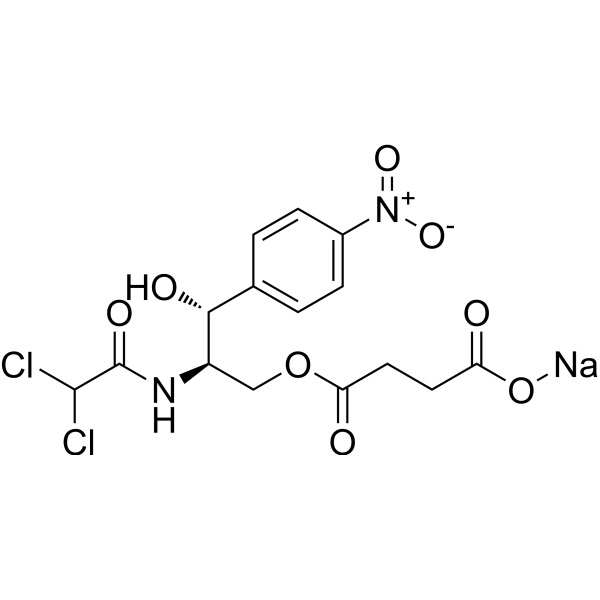
- Formula: C15H15Cl2N2NaO8
- Molecular Weight: 445.18
Chloramphenicol succinate sodium is a prodrug of Chloramphenicol (HY-B0239), acting as a P2Y14R inhibitor with an IC50 of 1.585 nM. Chloramphenicol succinate sodium serves as a competitive substrate and inhibitor of succinate dehydrogenase (SDH), which may account for its toxicity. Chloramphenicol succinate sodium exerts a significant inhibitory effect on colitis. Chloramphenicol succinate sodium can be used in research related to myelosuppression, gray baby syndrome, aplastic anemia, bacterial meningitis and inflammatory bowel disease.
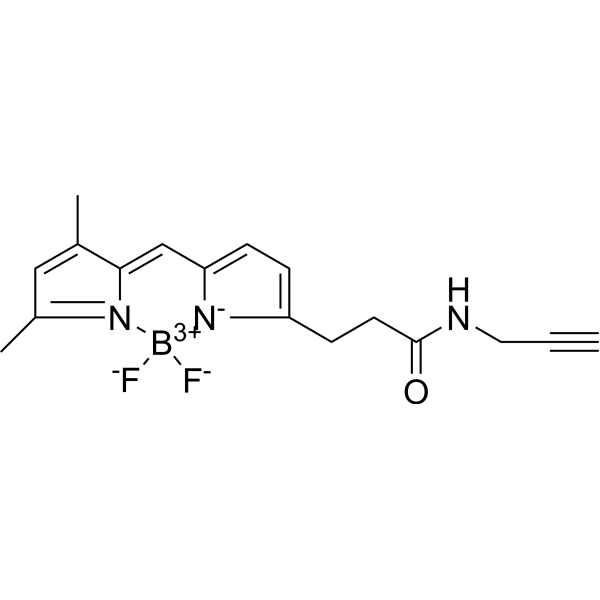
- Formula: C17H18BF2N3O
- Molecular Weight: 329.15
BODIPY (BOD) FL alkyne is an alkyne-containing BODIPY fluorophore derivative. BODIPY FL alkyne is a bioorthogonal labeling reagent with low toxicity and extremely low non-specific reactivity, and it is widely used in fluorescent bioimaging. BODIPY FL alkyne specifically labels azide groups on intracellular glycoconjugates mainly via strain-promoted azide-alkyne cycloaddition (SPAAC), or mediates site-specific conjugation with proteins such as IL-33, and supports positive cross-linking with other probes (e.g., DBCO-SCy5) for dual labeling. With the advantages of high specificity and low background interference, BODIPY FL alkyne can be used in the research of related diseases such as asthma, atopic dermatitis and inflammatory bowel disease.
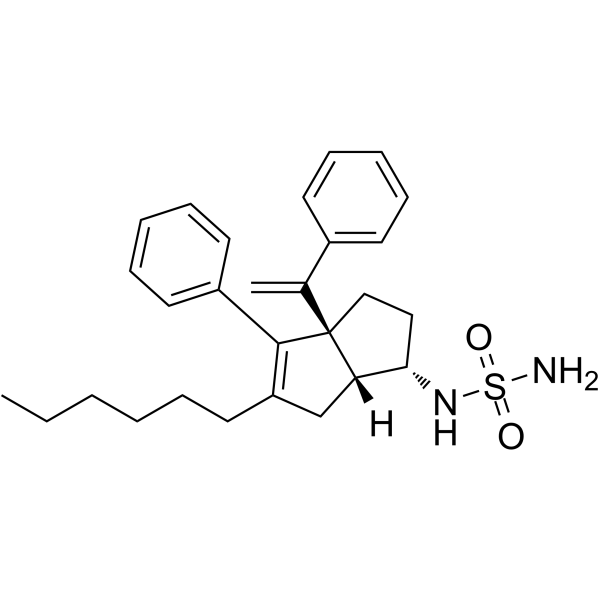
- Formula: C28H36N2O2S
- Molecular Weight: 464.66
LRH-1 agonist-2 (Compound 6N) is a selective, full LRH-1 agonist with an EC50 of 15.7 nM. LRH-1 agonist-2 directly interacts with the Thr352 and His390 residues in the LRH-1 binding pocket, promotes allosteric signaling to the activation function surface (AFS), stabilizes the AFS and enhances coactivator recruitment. LRH-1 agonist-2 induces the anti-inflammatory cytokine IL-10, and reduces the pro-inflammatory cytokines IL-1β and TNFα. LRH-1 modulator-1 exerts anti-inflammatory effects in intestinal organoids. LRH-1 modulator-1 can be used in studies related to inflammatory bowel disease.

- Formula: C20H15ClF2O4
- Molecular Weight: 392.78
IA-14069 is an orally active tumor necrosis factor-α (TNF-α) inhibitor. IA-14069 binds directly to TNF-α and TNF-α-triggered signaling (p-IκBα and NF-κB p65) activities. Additionally, IA-14069 exerts a suppressive effect on Dextran sodium sulfate (HY-116282C) (DSS)-induced colitis. IA-14069 can be used for the research of Rheumatoid arthritis (RA) and inflammatory bowel disease (IBD).

- Formula: C40H75NO9
- Molecular Weight: 714.02
Glucosylceramide, plant (GluCer (Soy)) is an orally active, plant-derived glucosylceramide. Glucosylceramide, plant inhibits lipopolysaccharide-induced cytokine production and Apoptosis. Glucosylceramide, plant suppresses DSS-induced body weight loss, colonic crypt damage and intestinal inflammation in mice. Glucosylceramide, plant can be used in research related to inflammatory bowel disease and colon cancer.

- Formula: C24H23FN4O3
- Molecular Weight: 434.46
BRD5080 is a GPR65 agonist. BRD5080 activates GPR65 to enhance the cAMP signaling pathway, reduce the expression of inflammatory cytokines and chemokines in dendritic cells, enhance the activity of human wild-type, mouse wild-type, and human GPR65I231L variant receptors in a pH-dependent manner, and mediate the recruitment of Gαs protein. BRD5080 can be used in the research of inflammatory bowel disease.

- Formula: C23H34O4
- Molecular Weight: 374.51
Calcitroic acid is a water-soluble terminal vitamin D metabolite and also a ligand for vitamin D receptor (VDR). Calcitroic acid binds to the ligand-binding domain of VDR, forms a retinoic X receptor complex, recruits the coactivator peptide MED1, mediates partial VDR-dependent transcription, inhibits Calcitriol (HY-10002)-induced VDR activation, and reduces the transcription level of CYP24A1 in the presence of 1α,25-dihydroxyvitamin D3. Calcitroic acid exerts selective activating effects on VDR, upregulates the expression of CYP24A1 and CYP3A4, decreases the transcription levels of iNOS and IL-1β, reduces the secretion of nitric oxide and IL-1β, and possesses metabolic stability due to its resistance to phase I oxidation and hepatic glucuronidation. Calcitroic acid can be used in research related to colon cancer, inflammatory bowel disease and rickets.
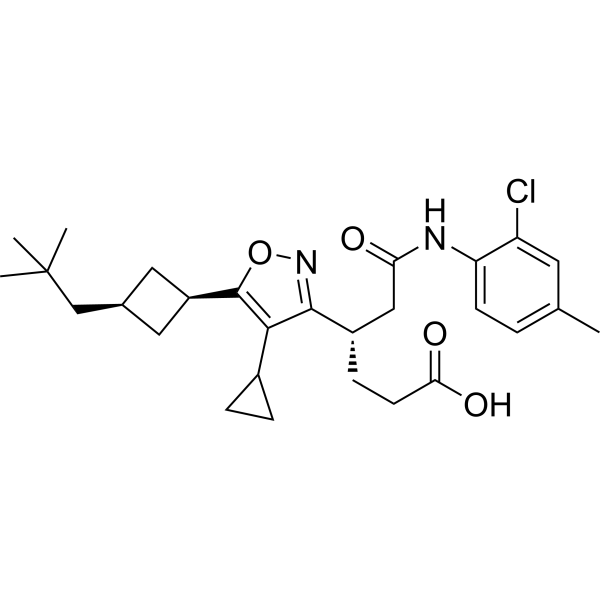
- Formula: C28H37ClN2O4
- Molecular Weight: 501.06
JTE-151 is an orally active, selective RORγ antagonist with IC50 values of 20.6 nM, 41.8 nM and 32.2 nM against hRORγ, rRORγ and mRORγ, respectively. JTE-151 reduces the production of IL-17. JTE-151 alleviates paw swelling and bone destruction in arthritis models. JTE-151 can be used in research related to rheumatoid arthritis, collagen-induced arthritis, experimental autoimmune encephalomyelitis, psoriasis, multiple sclerosis and inflammatory bowel disease.



