



SIRT1
SIRT1 is a NAD\\+-dependent deacetylase that functions as a central regulator of cellular metabolism, stress responses, genomic stability, and aging through deacetylation of histones and multiple transcriptional regulators[1][2]. Mechanistically, SIRT1 integrates nutrient and energy signals with transcriptional programs that control mitochondrial biogenesis, fatty acid oxidation, glucose metabolism, autophagy, and cellular adaptation to metabolic stress[1][3]. Through coordinated interactions with metabolic signaling networks, SIRT1 contributes to maintenance of metabolic health across liver, skeletal muscle, adipose tissue, heart, and other organs[1]. In disease-related contexts, altered SIRT1 activity has been associated with aging, chronic inflammatory conditions, obesity, metabolic dysfunction, cardiovascular disorders, neurodegenerative diseases, and cancer-related processes, making it a widely used experimental target in translational research[2][4][5]. Compared with related sirtuin isoforms, SIRT1 is the most extensively characterized mammalian sirtuin and primarily mediates transcriptional regulation through deacetylation of nuclear histone and non-histone substrates, whereas other family members display distinct cellular localization and substrate preferences[1][2][4]. For experimental applications, SIRT1 activity can be modulated by small-molecule activators and inhibitors, and naturally occurring polyphenols such as resveratrol have been reported to activate SIRT1 in multiple model systems, providing useful tools for mechanistic studies of metabolism, inflammation, oxidative stress, and aging biology[3][4].
References:
- [1]. Dijk W, et al. Regulation of lipoprotein lipase by Angptl4. Trends Endocrinol Metab. 2014 Mar;25(3):146-55. [Content Brief]
- [2]. Zhao L, et al. Sirtuins and their Biological Relevance in Aging and Age-Related Diseases. Aging Dis. 2020 Jul 23;11(4):927-945. [Content Brief]
- [3]. Chung S, et al. Regulation of SIRT1 in cellular functions: role of polyphenols. Arch Biochem Biophys. 2010 Sep 1;501(1):79-90. [Content Brief]
- [4]. Carafa V, et al. Sirtuins and disease: the road ahead. Front Pharmacol. 2012 Jan 31;3:4. [Content Brief]
- [5]. Herskovits AZ, et al. Sirtuin deacetylases in neurodegenerative diseases of aging. Cell Res. 2013 Jun;23(6):746-58. [Content Brief]
-
SIRT1 Related Products (106)
Related Products (106)

-
Antibodies (1)
-
Nicotinamide
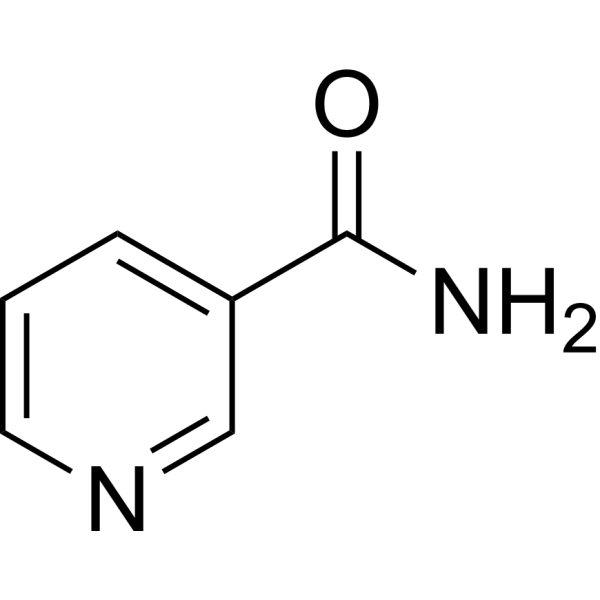 0 ImagesNicotinamide is a form of vitamin B3 or niacin. Nicotinamide Hydrochloride inhibits SIRT2 activity (IC50: 2 μM). Nicotinamide also inhibits SIRT1. Nicotinamide increases cellular NAD+, ATP, ROS levels. Nicotinamide inhibits tumor growth and improves survival. Nicotinamide also has anti-HBV activity.
-
Nicotinamide riboside chloride
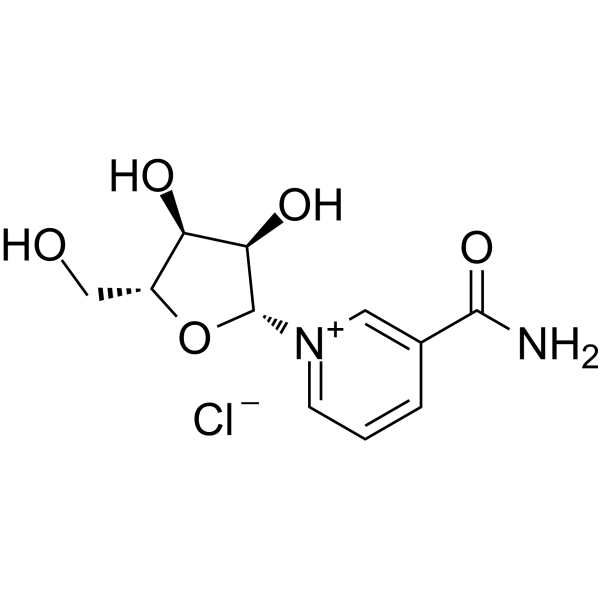 0 ImagesNicotinamide riboside Chloride, an orally active NAD+ precursor, increases NAD+ levels and activates SIRT1 and SIRT3. Nicotinamide riboside Chloride is a source of vitamin B3 (niacin) and enhances oxidative metabolism, protection against high fat diet-induced metabolic abnormalities. Nicotinamide riboside Chloride reduces cognitive deterioration in a transgenic mouse model of Alzheimer’s disease.
-
Suramin sodium salt
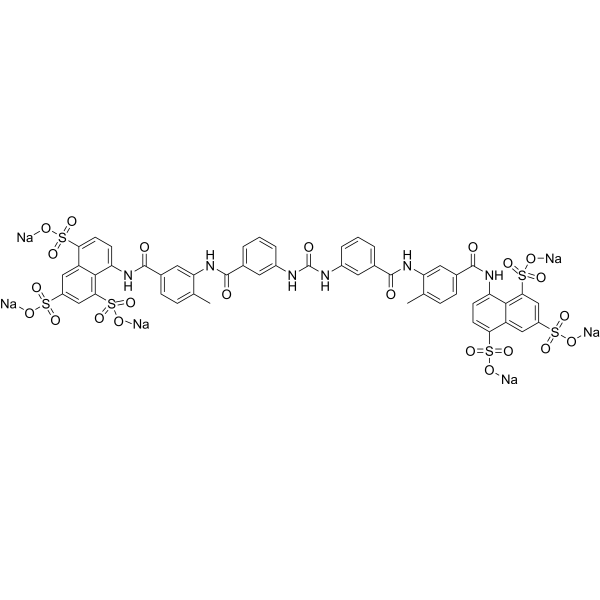 0 ImagesSuramin sodium salt (Suramin hexasodium salt) is a reversible and competitive protein-tyrosine phosphatases (PTPases) inhibitor. Suramin sodium salt is a potent inhibitor of sirtuins: SirT1 (IC50=297 nM), SirT2 (IC50=1.15 μM), and SirT5 (IC50=22 μM). Suramin sodium salt is a competitive inhibitor of reverse transcriptase (DNA topoisomerase II: IC50=5 μM). Suramin sodium salt is a potent SARS-CoV-2 RNA-dependent RNA polymerase (RdRp) inhibitor. Suramin sodium salt efficiently inhibits IP5K and is an antiparasitic, anti-neoplastic and anti-angiogenic agent.
-
Gamma-glutamylcysteine
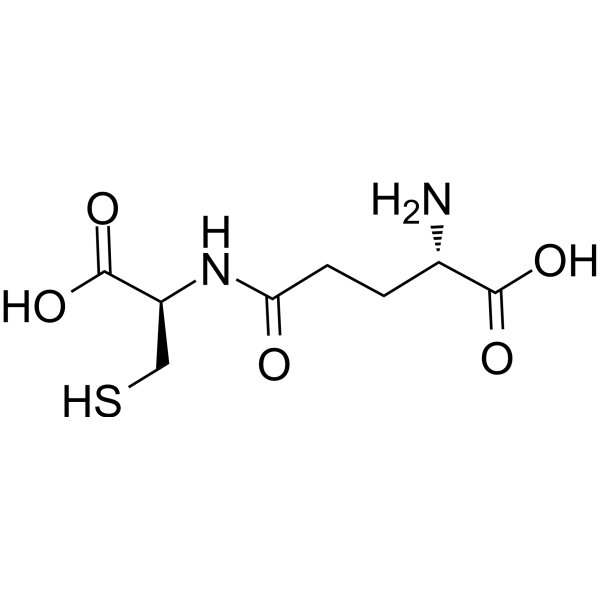 0 ImagesGamma-glutamylcysteine (γ-Glu-Cys) is an orally active, blood-brain barrier permeable dipeptide. Gamma-glutamylcysteine activates AMPK, SIRT1, IL-4/STAT6, AC/cAMP/PI3K, IGF-1R/IRS1/PI3K, and Nrf2 signaling pathways; it inhibits NF-κB, JAK1/STAT1/3, MAPKs, cadmium-induced p38 MAPK, JNK, and PI3K/Akt signaling pathways. Gamma-glutamylcysteine regulates macrophage polarization, modulates the trafficking of CD36 and GLUT4, induces glutathione synthesis, improves metabolic dysfunction, reduces lipid deposition, ameliorates glucose homeostasis, inhibits apoptosis (Apoptosis), stabilizes mitochondria, suppresses lipid peroxidation, iron accumulation and ferroptosis (Ferroptosis), reduces ds-HMGB1 levels, reverses mechanical hyperalgesia, and alleviates hepatic lipid droplet formation. Gamma-glutamylcysteine is applicable to research related to inflammatory bowel disease, type 2 diabetes, cadmium-induced neurotoxicity, Alzheimer's disease, cerebral ischemia/reperfusion injury, neuropathy, and alcoholic liver disease.
-
Phoenixin-20
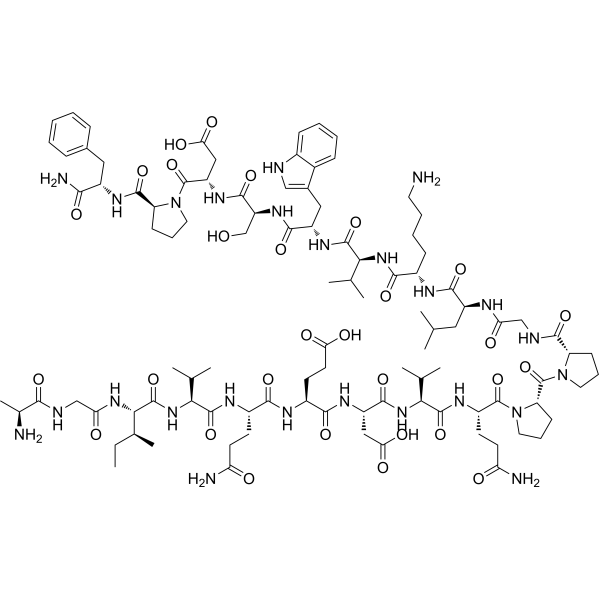 0 ImagesSynonyms: PNX-20Phoenixin-20 (PNX-20) is a neuropeptide that activates GPR173. Phoenixin-20 inhibits LPS-induced TLR-4/MyD88/NF-κB signaling, pro-inflammatory cytokines, adhesion molecules, MMPs, and cytotoxicity. Phoenixin-20 increases SIRT1 and inhibits NLRP3/ASC/caspase-1, oxidative stress, and IL-1β/IL-18. Phoenixin-20 alleviates ox-LDL-induced endothelial dysfunction, monocyte adhesion, adhesion molecules, cytokines, NADPH oxidase/NOX-4, and ROS. Phoenixin-20 promotes GPR173/STAT6-mediated anti-inflammatory polarization of microglia and neuroprotection. Phoenixin-20 can be used in research on dental pulp infection, pulmonary arterial hypertension, atherosclerosis, neuroinflammation, anxiety, and neurodegenerative diseases.
-
β-Zearalenol
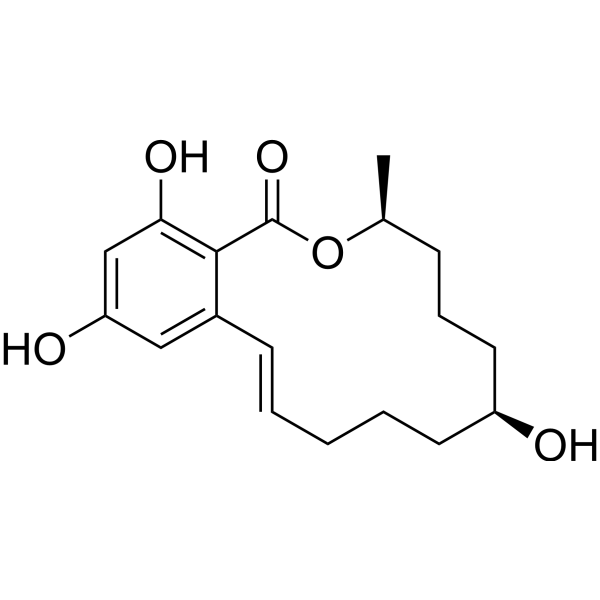 0 Imagesβ-Zearalenol is a zearalenone metabolite and Estrogen receptor binder (Kd = 0.406 nM) that induces apoptosis through activation of p53, JNK, and p38 kinases and the mitochondrial apoptosis pathway, while inhibiting CYP19A1 and inducing autophagy via SIRT1. β-Zearalenol is used in research on cardiotoxicity, mycotoxin-induced reproductive toxicity, and breast cancer.
-
Sweroside
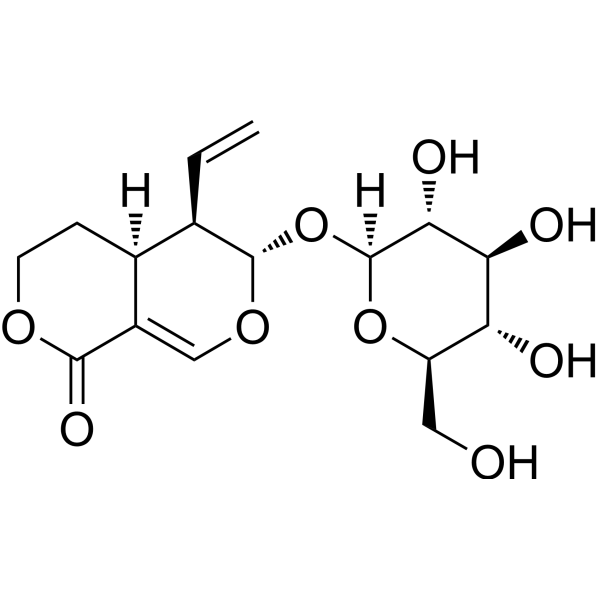 0 ImagesSweroside is an iridoid glycoside that targets multiple targets, including the Keap1/Nrf2 axis, NLRP3 inflammasome, SIRT1, NF-κB, AMPK/mTOR pathway, and caspase family. Sweroside promotes Nrf2 nuclear translocation by competitively binding to Keap1. Sweroside also inhibits oxidative stress and NLRP3-mediated pyroptosis by activating Nrf2, inhibits NF-κB inflammatory pathway by activating SIRT1, and promotes autophagy and induces caspase-dependent apoptosis via the AMPK/mTOR pathway. Sweroside has antioxidant, anti-inflammatory, anti-apoptotic, and lipid metabolism regulating activities, and can be used in the research of myocardial ischemia-reperfusion injury, leukemia, acute lung injury, non-alcoholic fatty liver disease, and other fields.
-
Agrimol B
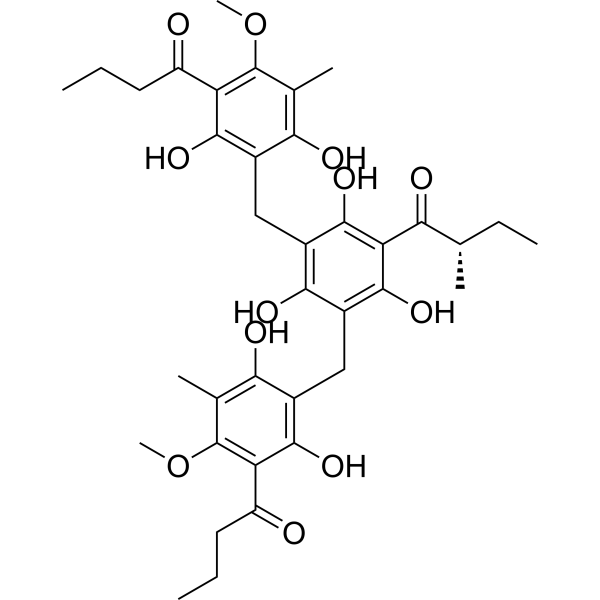 0 ImagesAgrimol B, a polyphenol, is an orally active and potent SIRT1 activator. Agrimol B shows anti-adipogenic and anticancer activity. Agrimol B shows antibacterial activity against plant pathogens. Agrimol B dramatically inhibits 3T3-L1 adipocyte differentiation by reducing PPARγ, C/EBPα, FAS, UCP-1, and apoE expression. The action of Agrimol B on the cancer cells is likely derived from its effect on c-MYC, SKP2 and p27.
-
Tenovin-6
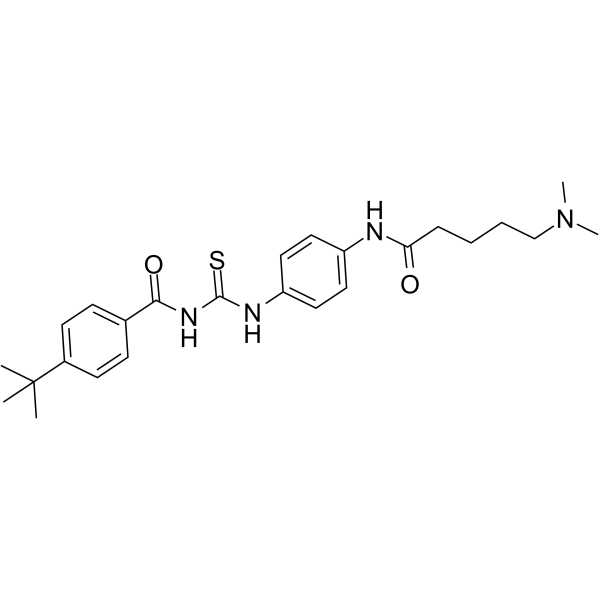 0 ImagesTenovin-6, an analog of Tenovin-1 (HY-13423), is an activator of p53 transcriptional activity. Tenovin-6 inhibits the protein deacetylase activities of purified human SIRT1, SIRT2, and SIRT3 with IC50s of 21 μM, 10 μM, and 67 μM, respectively. Tenovin-6 also inhibits dihydroorotate dehydrogenase (DHODH).
-
2"-O-Galloylhyperin
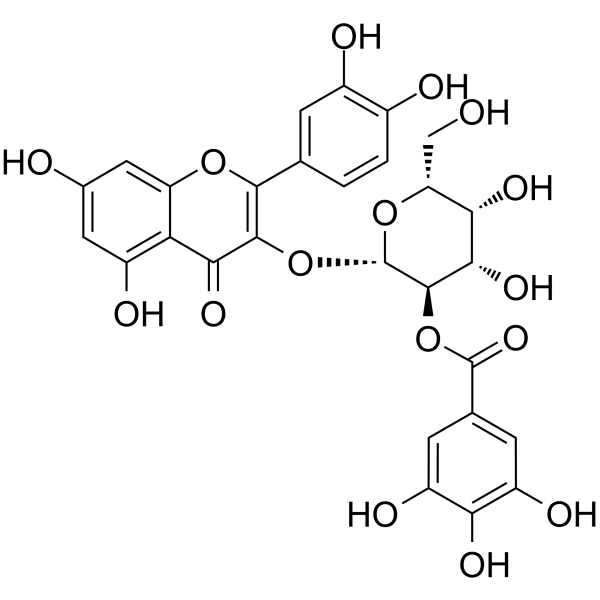 0 Images2''-O-Galloylhyperin is an active natural compound with anti‑inflammatory, antioxidant, anti‑adipogenic, antifibrotic, and cytostatic activities. 2''-O-Galloylhyperin upregulates SIRT1/Nrf2 signaling, inhibits NF-κB and MAPK (ERK1/2, p38, JNK) phosphorylation, suppresses TSHR activation, reduces ROS accumulation, and enhances SOD and GSH-Px activities. 2''-O-Galloylhyperin protects against LPS-induced tissue injury, enhances survival, and inhibits adipogenesis and fibrosis. 2"-O-Galloylhyperin can be used for the research of sepsis, acute lung injury, and thyroid eye disease.




