



SIRT5
SIRT5 is an NAD+-dependent mitochondrial sirtuin that functions primarily as a lysine desuccinylase, demalonylase, and deglutarylase rather than a classical deacetylase, thereby regulating post-translational acyl modifications on metabolic proteins[1][2][3]. Mechanistically, SIRT5 preferentially removes negatively charged acyl groups from lysine residues and controls the activity of numerous enzymes involved in mitochondrial metabolism, including pathways linked to the tricarboxylic acid cycle, fatty acid oxidation, ketogenesis, and the urea cycle[1][2][4]. Through broad regulation of the mitochondrial succinylome and related acylomes, SIRT5 contributes to cellular energy homeostasis, oxidative metabolism, and redox balance[4][5][6]. In disease-associated models, altered SIRT5 activity has been linked to cardiac physiology, metabolic disorders, neurodegenerative conditions, and cancer, highlighting its role in metabolic adaptation under physiological and pathological stress[5][6][7]. Experimental studies further demonstrate that SIRT5 deficiency impairs mitochondrial ATP production, increases the AMP/ATP ratio, and activates AMPK signaling during energy stress, supporting a direct role in mitochondrial bioenergetics[8]. Compared with related sirtuin isoforms, SIRT5 is distinguished by its strong preference for negatively charged acyl substrates and its relatively weak deacetylase activity, establishing a unique enzymatic profile within the mammalian sirtuin family[2][3]. For experimental applications, SIRT5 has emerged as a pharmacologically relevant target, and both inhibitors and activity modulators are being investigated to dissect mitochondrial metabolic regulation and disease-associated acylation networks[9].
All Product Categories
-
SIRT5 Related Products (9)
Related Products (9)

-
Antibodies (1)
-
Suramin sodium salt
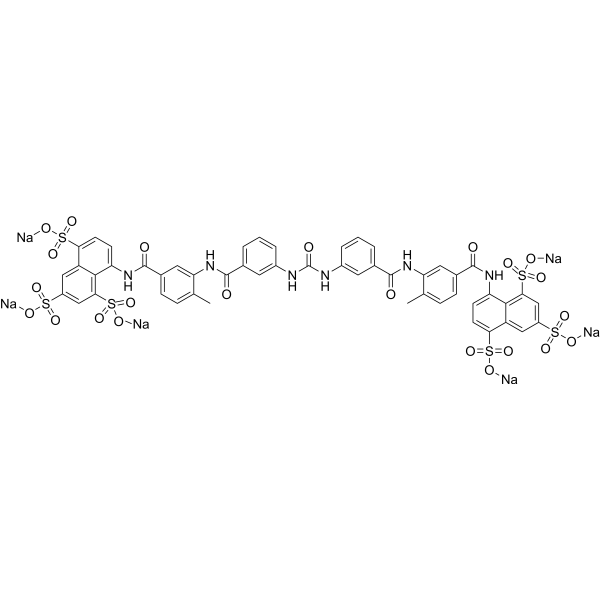 0 ImagesSuramin sodium salt (Suramin hexasodium salt) is a reversible and competitive protein-tyrosine phosphatases (PTPases) inhibitor. Suramin sodium salt is a potent inhibitor of sirtuins: SirT1 (IC50=297 nM), SirT2 (IC50=1.15 μM), and SirT5 (IC50=22 μM). Suramin sodium salt is a competitive inhibitor of reverse transcriptase (DNA topoisomerase II: IC50=5 μM). Suramin sodium salt is a potent SARS-CoV-2 RNA-dependent RNA polymerase (RdRp) inhibitor. Suramin sodium salt efficiently inhibits IP5K and is an antiparasitic, anti-neoplastic and anti-angiogenic agent.
-
Et-29
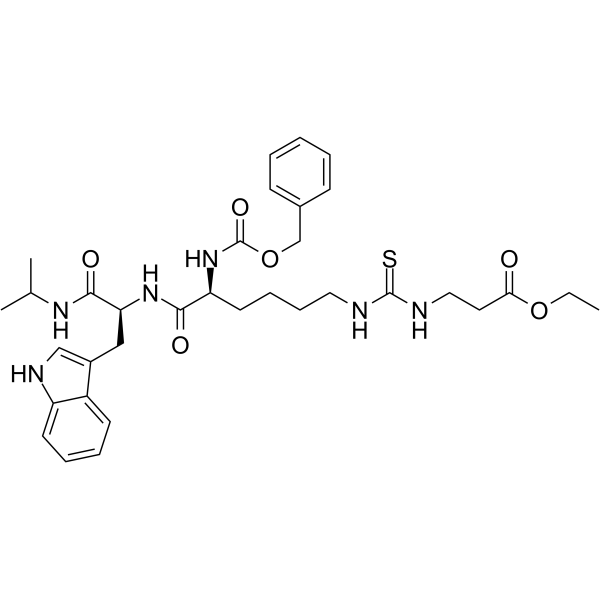 0 ImagesSynonyms: NRD167Et-29 (NRD167) is a selective SIRT5 inhibitor. Et-29 increases the levels of total protein succinylation and citrate synthase succinylation in cells. Et-29 reduces serum CTX-I levels and blocks Ferroptosis by downregulating the SIRT5/ACSL4/LPCAT3/ALOX15 axis and restoring antioxidant defense. Et-29 decreases bone resorption and improves trabecular bone mass and microarchitecture. Et-29 is applicable for research related to osteoporosis and hepatocellular carcinoma.
-
SIRT5 inhibitor 3
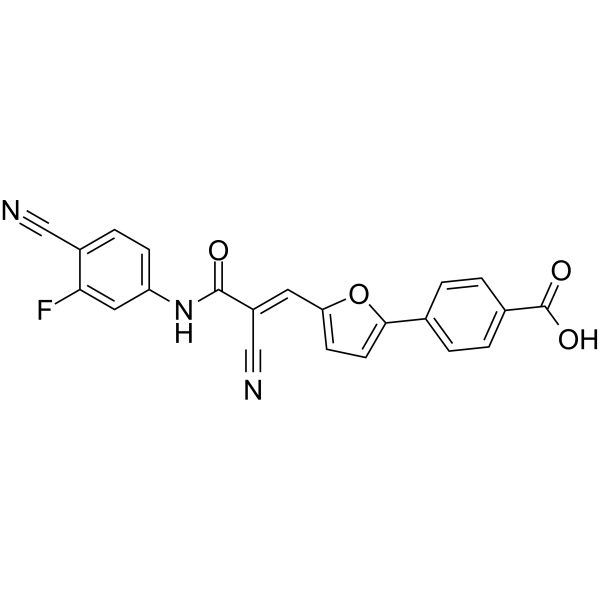 0 ImagesSIRT5 inhibitor 3 (compound 46) is a potent and competitive SIRT5 inhibitor with an IC50 value of 5.9 μM. SIRT5 inhibitor 3 can inhibit SIRT5 desuccinylation. SIRT5 inhibitor 3 can be used for researching cancer and neurodegenerative diseases.
-
Suramin
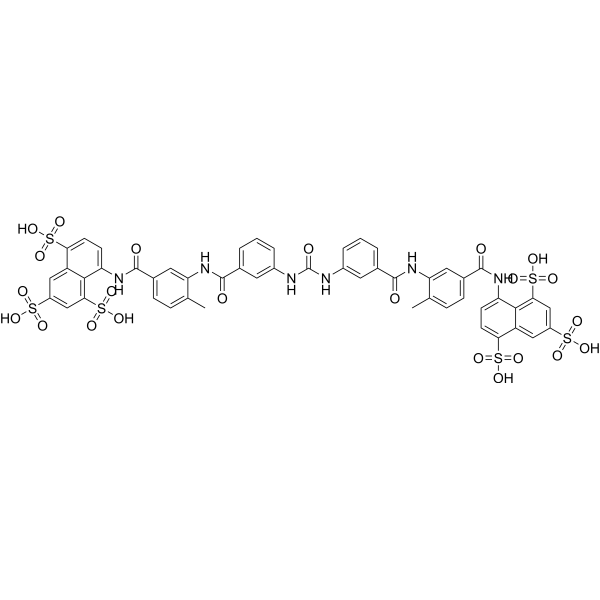 0 ImagesSuramin is a reversible and competitive protein-tyrosine phosphatases (PTPases) inhibitor. Suramin is a potent inhibitor of sirtuins: SirT1 (IC50=297 nM), SirT2 (IC50=1.15 μM), and SirT5 (IC50=22 μM). Suramin is a competitive inhibitor of reverse transcriptase (DNA topoisomerase II: IC50=5 μM). Suramin is a potent SARS-CoV-2 RNA-dependent RNA polymerase (RdRp) inhibitor.Suramin efficiently inhibits IP5K and is an antiparasitic, anti-neoplastic and anti-angiogenic agent.
-
SIRT5 inhibitor 4
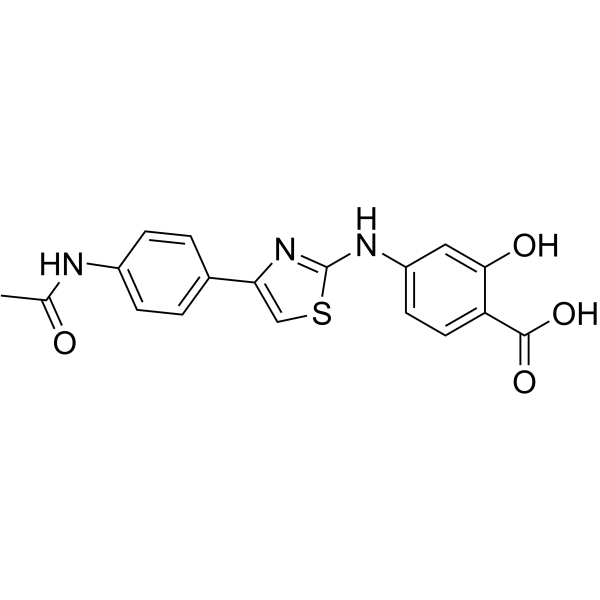 0 ImagesSIRT5 inhibitor 4 (compound 11) is a potent, selective SIRT5 inhibitor with IC50 values of 26.4 and >400μM for SIRT5 and other SIRT subtype, respectively.

-
SIRT5 inhibitor 5
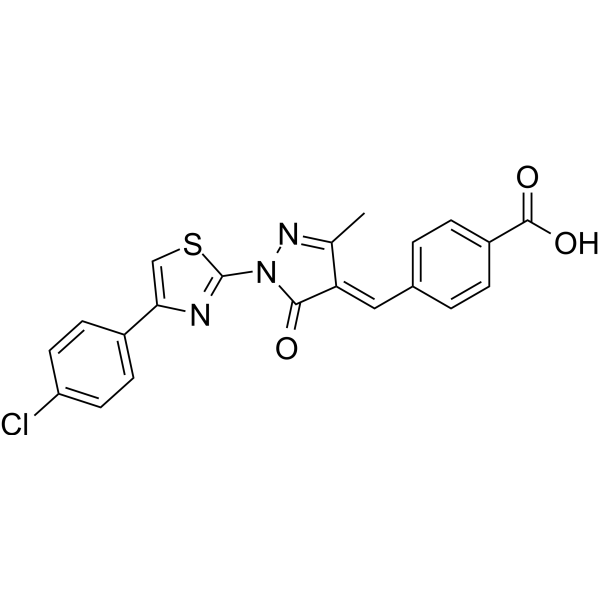 0 ImagesCat. No.: HY-152214CAS No.: 2883730-60-5SIRT5 inhibitor 5 is a potent SIRT5 inhibitor with an IC50 value of 0.21 µM. SIRT5 inhibitor 5 does not occupy the NNAD+ -binding pocket and acts as a substrate-competitive inhibitor.
-
SIRT5 inhibitor 2
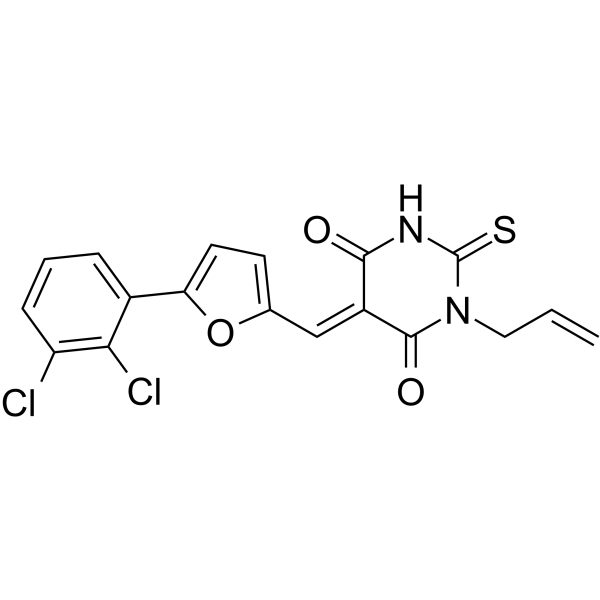 0 ImagesCat. No.: HY-146386CAS No.: 340306-87-8SIRT5 inhibitor 2 (compound 49) is a potent SIRT5 inhibitor with an IC50 value of 2.3 μM. SIRT5 inhibitor 2 has inhibitory activity against the SIRT5-dependent desuccinylation. SIRT5 inhibitor 2 can be used for researching cancer and neurodegenerative diseases.




