



Glutaminase
Glutaminase is the initial enzyme in glutamine metabolism, which catalyzes the hydrolysis of glutamine to glutamate in cells. Glutaminase plays a key role in cancer cell metabolism, growth, and proliferation. In mammalian cells, there are two paralogous GLS genes, GLS1 (or GLS) and GLS2. GLS1 encodes two alternatively spliced isozymes: kidney glutaminase (KGA) and glutaminase C (GAC). GLS2 also encodes two isozymes: liver glutaminase (LGA) and glutaminase B.
GLS1 is ubiquitously expressed in various tissues, and its expression can be induced by the oncogene MYC. GLS1 is frequently activated and/or overexpressed in various types of cancer, including hepatocellular carcinoma (HCC). GLS1 has been reported to promote tumorigenesis in different types of cancer, including HCC, which is mainly attributable to its glutaminase activity and role in promoting glutamine metabolism. GLS has emerged as a critical enzyme in a number of cancer types. Elevated GLS2 enzymatic activity has also been correlated with tumor cell growth in vitro and in vivo. N-Myc activates GLS2 to promote conversion of glutamine to glutamate in MYCN-amplified neuroblastoma cells. Abrogation of GLS2 function profoundly inhibits glutaminolysis and dramatically decreases cell proliferation and survival in vitro and in vivo. However, there is controversy over the role of GLS2 as a tumor suppressor. Enzymatic activity independent of GLS2 is up-regulated via p53 or p63 and plays a role of tumor suppressor.
All Product Categories
-
Glutaminase Verwandte Produkte (76)
Verwandte Produkte (76)

-
Antibodies (6)
-
Telaglenastat
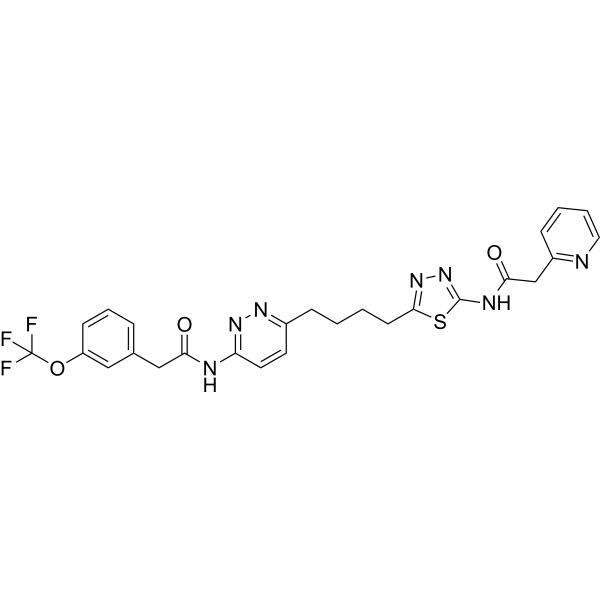 0 ImagesSynonyms: CB-839Telaglenastat (CB-839) is a first-in-class, selective, reversible and orally active glutaminase 1 (GLS1) inhibitor. Telaglenastat selectively inhibits GLS1 splice variants KGA (kidney-type glutaminase) and GAC (glutaminase C) compared to GLS2. The IC50s are 23 nM and 28 nM for endogenous glutaminase in mouse kidney and brain, respectively. Telaglenastat inuduces autophagy and has antitumor activity.
-
BPTES
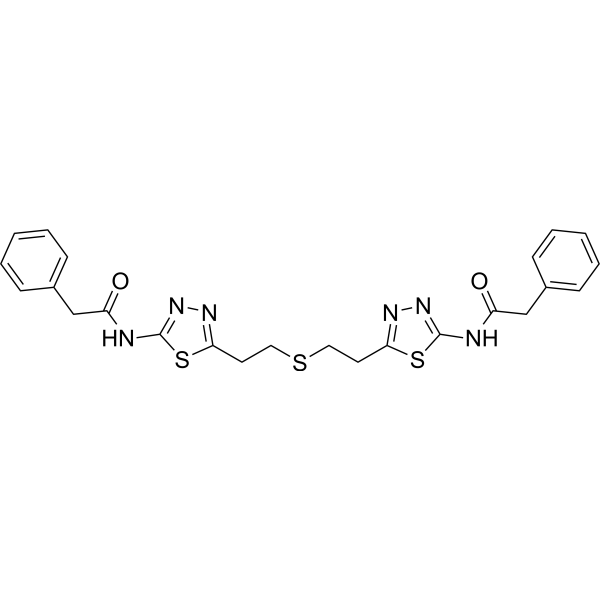 0 ImagesBPTES is an allosteric and selective glutaminase inhibitor with an IC50 of 0.16 μM.
-
6-Diazo-5-oxo-L-nor-Leucine
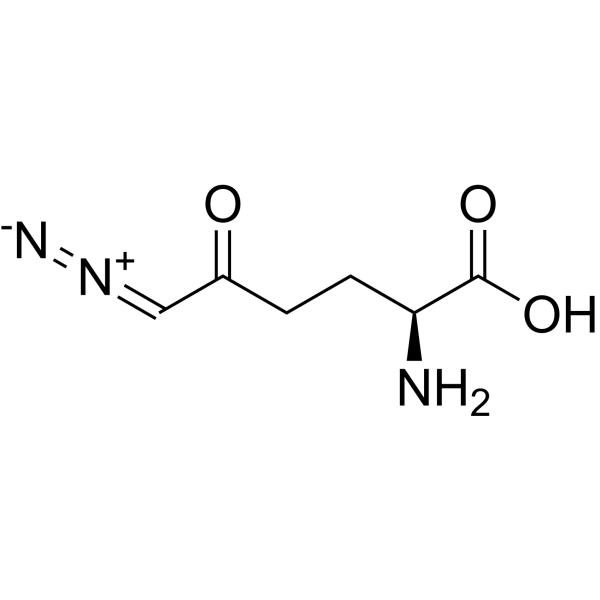 0 Images6-Diazo-5-oxo-L-nor-Leucine (L-6-Diazo-5-oxonorleucine; DON) is a glutamine antagonist that irreversibly inhibits the catabolic effect of glutamine. 6-Diazo-5-oxo-L-nor-Leucine shows good anticancer activity (especially in pancreatic cancer) and reduces the self-renewal potential and metastatic capacity of tumour cells. 6-Diazo-5-oxo-L-nor-Leucine also possesses antibacterial and antiviral activity.
-
L-Methionine-DL-sulfoximine
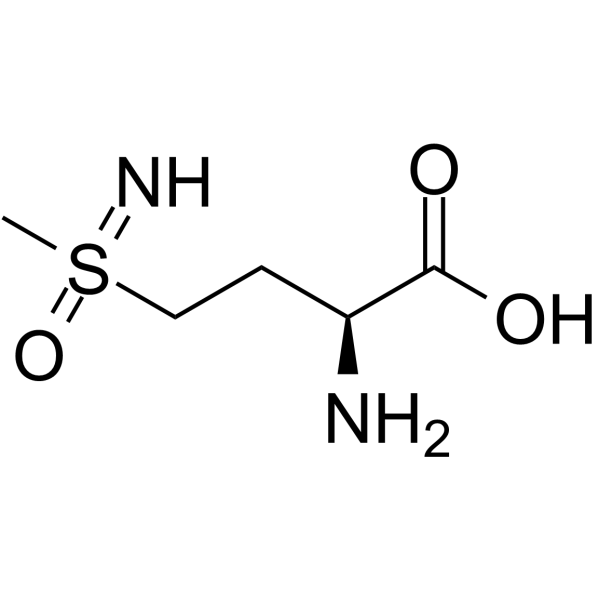 0 ImagesSynonyms: MSX; MSOL-Methionine-DL-sulfoximine (MSX; MSO), a highly specific and irreversible inhibitor of Glutamine synthetase (GS), is also a potent convulsant which metabolically and morphologically primarily affects astroglia. L-Methionine-DL-sulfoximine has been employed to inhibit the Gln-dependent ammonia-stimulated neuronal toxicity in vitro, potentiating Gln deficit-dependent depression. L-Methionine-DL-sulfoximine tremendously increases the rate of release of fixed nitrogen in cyanobacteria. L-Methionine-DL-sulfoximine is a promising candidate for research in biofertilizers and convulsive seizures (CS).
-
GK921
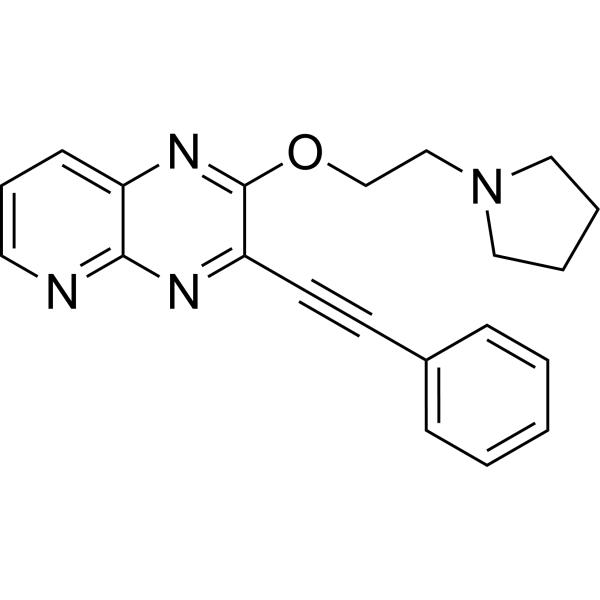 0 ImagesGK921 is a transglutaminase 2 (TGase) inhibitor with an IC50 of 7.71 μM for human recombinant TGase 2.
-
Zampilimab
 0 ImagesSynonyms: UCB7858Zampilimab (UCB7858) is a monoclonal antibody against transglutaminase 2 (TG2). Zampilimab inhibits TG2 crosslinking transamidation activity with an IC50 of 0.25 nM and a Kd of <50 pM. Zampilimab improves renal fibrosis.
-
Puzerinostat mesylate
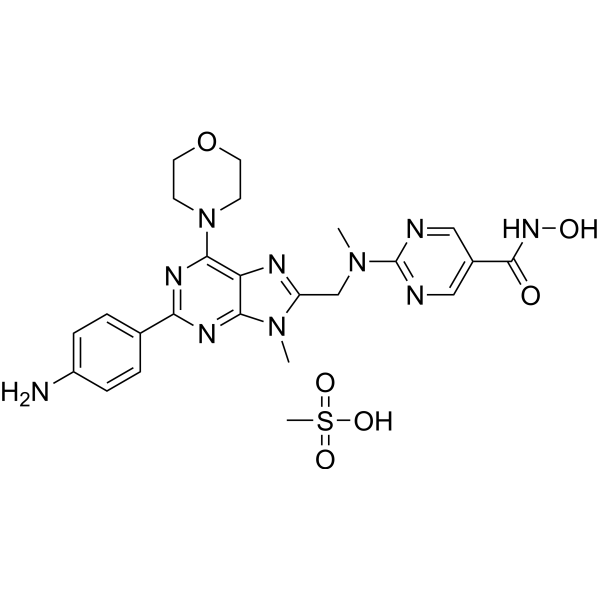 0 ImagesSynonyms: Purinostat mesylatePuzerinostat mesylate (Purinostat mesylate) is a highly selective class I/IIb histone deacetylase (HDAC) inhibitor, with IC50 values of 0.81 nM, 1.4 nM, 1.7 nM, 3.8 nM, 11.5 nM, and 1.1 nM against HDAC1, HDAC2, HDAC3, HDAC8, HDAC6, and HDAC10, respectively. Puzerinostat mesylate enhances glutamine metabolism by upregulating GLS1. Puzerinostat mesylate induces cell Apoptosis and downregulates the expression of BCR-ABL and c-MYC. Puzerinostat mesylate delays the progression of Ph+ B-cell acute lymphoblastic leukemia and prolongs the survival of relevant mouse models. Puzerinostat mesylate regulates the immune microenvironment. Puzerinostat mesylate can be used in research related to chronic myeloid leukemia, Philadelphia chromosome-positive B-cell acute lymphoblastic leukemia, relapsed/refractory multiple myeloma, relapsed/refractory lymphoma, diffuse large B-cell lymphoma, and double-expression lymphoma.
-
Decanoic acid
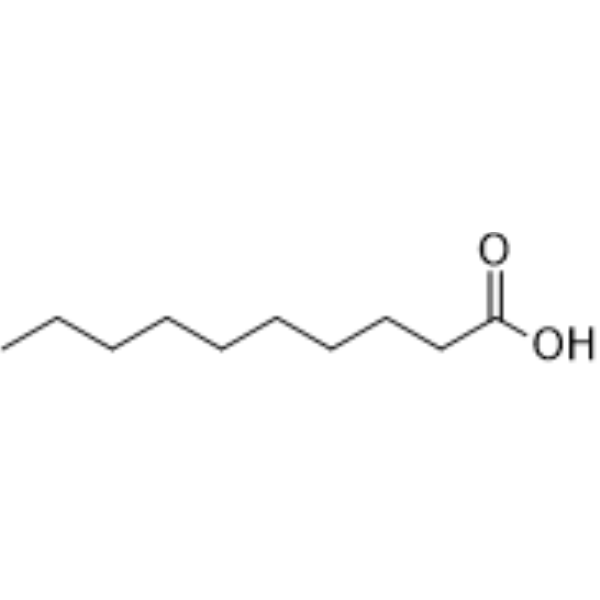 0 ImagesDecanoic acid is a key component of the medium-chain triglyceride (MCT) found in coconut oil. Decanoic acid is a brain-penetrant and non-competitive inhibitor of AMPA receptor showing antiseizure activity in rats. Decanoic acid reduces tyrosinase activity and inhibits melanosome maturation. Decanoic acid suppresses the phosphorylation of c-Met and induced apoptosis in hepatocellular carcinoma (HCC) cells by inhibiting the expression of various oncogenic proteins, which is promising for research in the field of mTORC1 signaling, HCC and epilepsy.
-
JHU-083
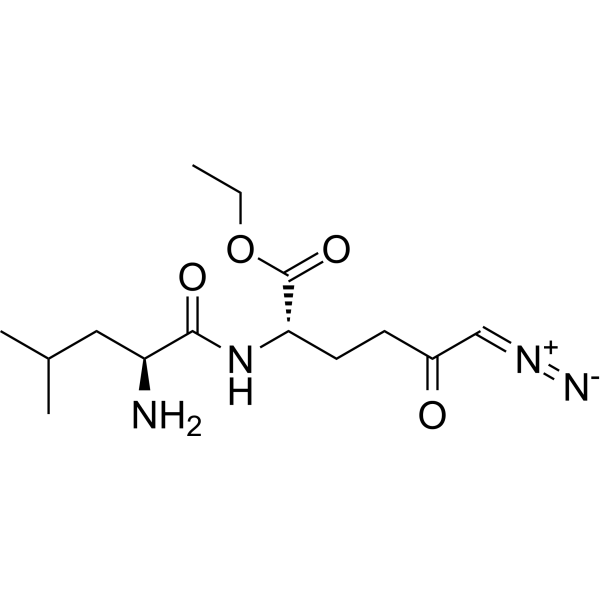 0 ImagesJHU-083, a proagent of 6-diazo-5-oxo-L-norleucine (DON; HY-108357), is an orally active and selective glutaminase antagonist. JHU-083 blocks glutaminase activity in brain CD11b+ cells and experimental cerebral malaria (ECM) resulting in a net decrease of glutamate levels in the animals.
-
Cystamine
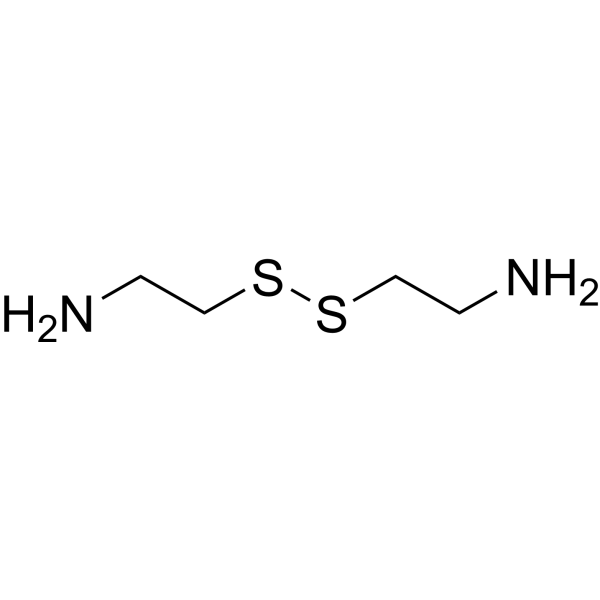 0 ImagesCystamine is the disulfide form of the free thiol, cysteamine. Cystamine is an orally active transglutaminase (Tgase) inhibitor. Cystamine also has inhibition activity for caspase-3 with an IC50 value of 23.6 μM. Cystamine can be used for the research of severals diseases including Huntington's disease (HD) .
-
LDN-27219
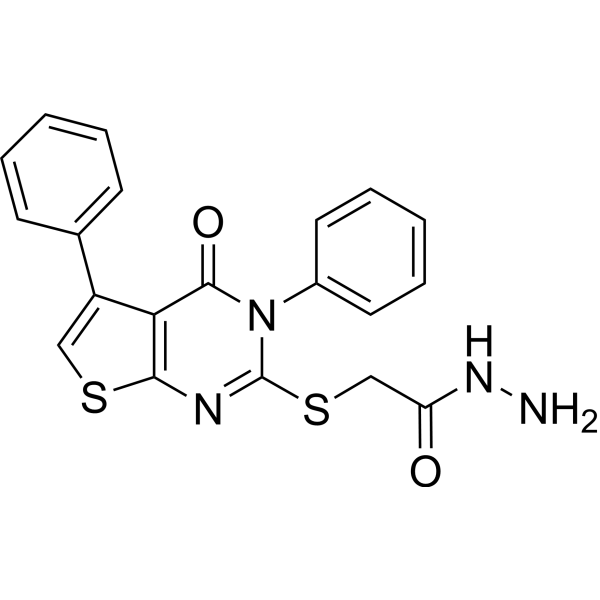 0 ImagesLDN-27219 is a reversible, slow-binding inhibitor of TGase. LDN-27219 inhibits human TGase with an IC50 value of 0.6 μM. LDN-27219 effectively decreases blood pressure and induces vasodilation, it can be used for the research of cardiovascular disease.
-
Glutaminase C-IN-1
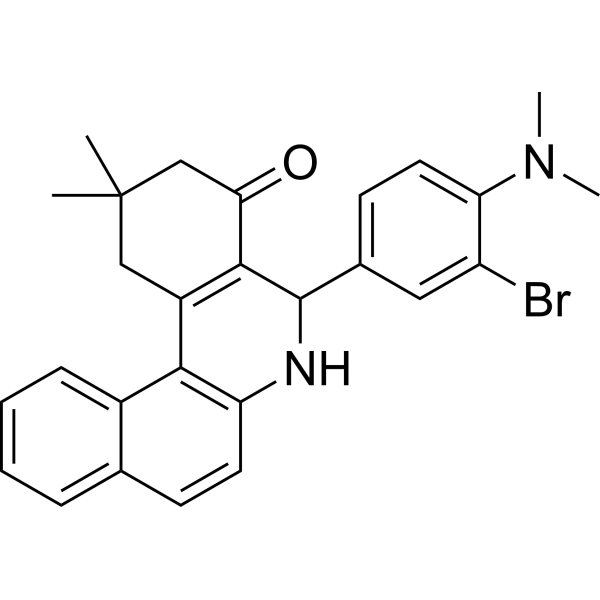 0 ImagesSynonyms: Compound 968Glutaminase C-IN-1 (Compound 968) is an allosteric inhibitor of Glutaminase C that inhibits cancer cell growth without affecting their normal cellular counterparts.
-
Vilagletistat
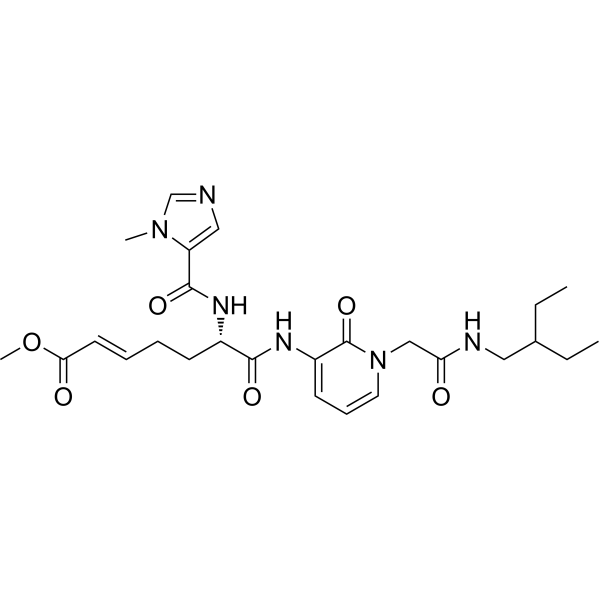 0 ImagesSynonyms: ZED-1227ZED-1227 is a specific and orally active transglutaminase 2 (TG2) inhibitor, with an IC50 of 45 nM. ZED-1227 can block inflammation-induced TG2 expression and activity. ZED-1227 can be used for the research of celiac disease (CeD).
-
Cystamine dihydrochloride
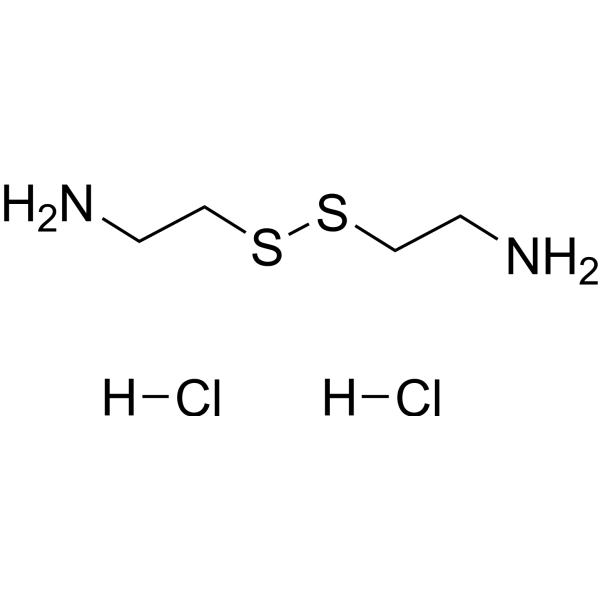 0 ImagesCystamine (dihydrochloride) is the disulfide form of the free thiol, cysteamine. Cystamine is an orally active transglutaminase (Tgase) inhibitor. Cystamine also has inhibition activity for caspase-3 with an IC50 value of 23.6 μM. Cystamine can be used for the research of severals diseases including Huntington's disease (HD) .
-
TG-2-IN-1
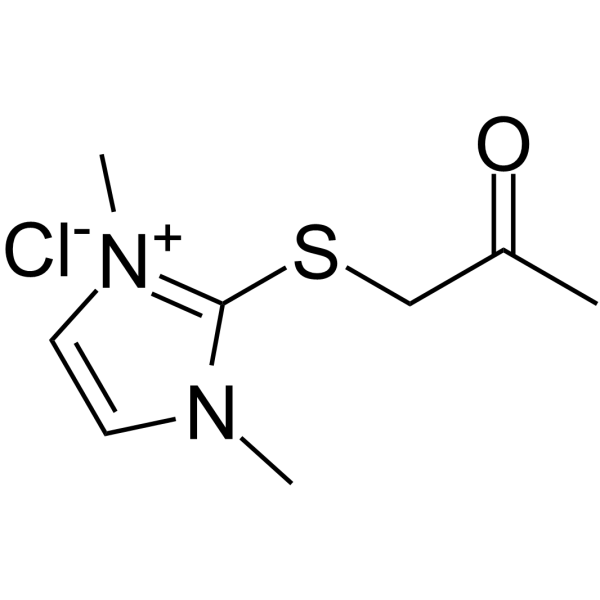 0 ImagesTG-2-IN-1 (Compound D003) is a transglutaminase-2 (TGM-2) inhibitor. TG-2-IN-1 can be used for the research of myopia.
-
KCC009
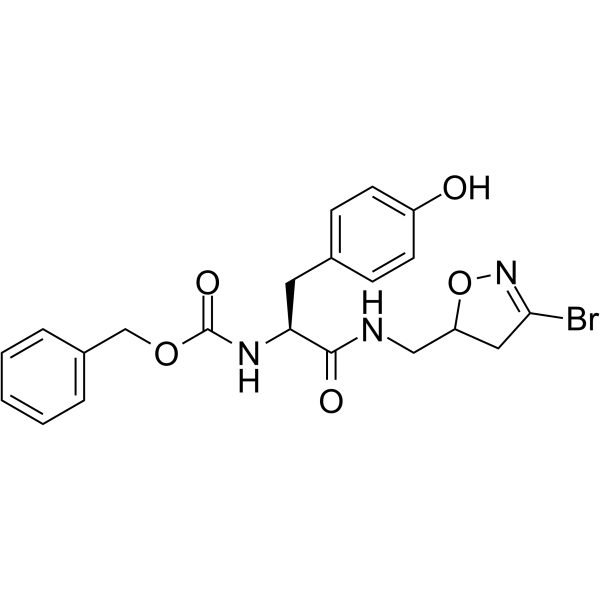 0 ImagesKCC009, a transglutaminase 2 (TG2) inhibitor, induces p53-independent radiosensitization.
-
NC9
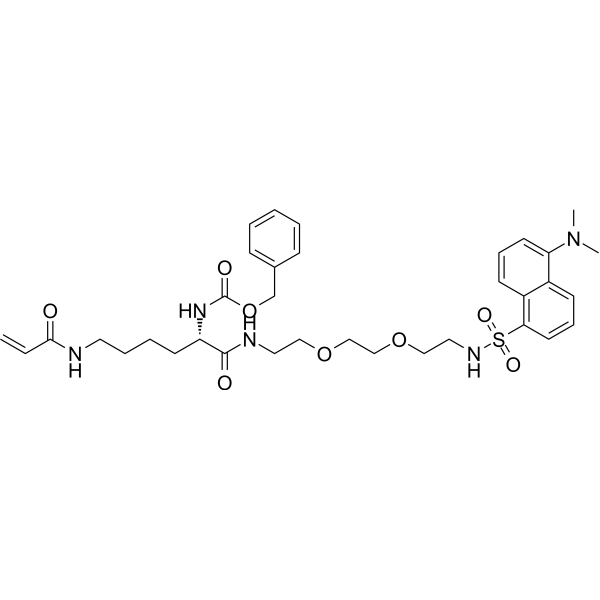 0 ImagesSynonyms: Cbz-Lys(Acr)-PEG2-dansylNC9 (Cbz-Lys(Acr)-PEG2-dansyl) is an irreversible transglutaminase (TG) inhibitor. NC9 inhibits osteoblast differentiation and mineralization. NC9 destabilizes microtubules. NC9 can be used for the research of osteoblast differentiation.
-
BJJF078
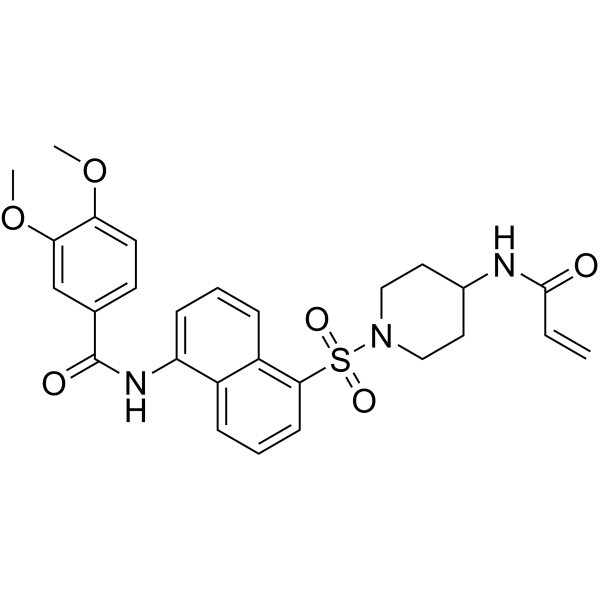 0 ImagesBJJF078 is an aminopiperidine derivative. BJJF078 is a potent inhibitor of recombinant human and mouse Transglutaminase enzyme (TG2) activity, IC50 values of 41 and 54 nM, respectively. BJJF078 also inhibits the close related enzyme TG1, with an IC50 of 0.16 μM. BJJF078 can be used for Multiple sclerosis (MS) research.
-
HYL001
 0 ImagesHYL001 is an orally active, selective ALK4/ALK5 inhibitor with Kd values of 13 nM and 22.5 nM for ALK4 and ALK5, respectively. HYL001 inhibits GLS expression. HYL001 impairs glutamine metabolism, mitochondrial respiration, the TCA cycle, oxidative phosphorylation, ATP production, and redox balance, while selectively targeting mitochondria, disrupting mitochondrial structure, and inducing Apoptosis and ROS. HYL001 inhibits tumor growth and liver metastasis. HYL001 can be used in research on breast cancer, hepatocellular carcinoma, and microsatellite-stable colorectal cancer metastasis.




