



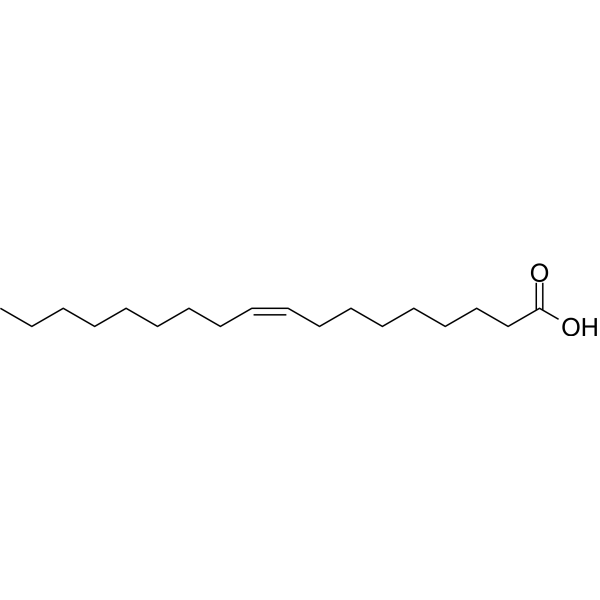
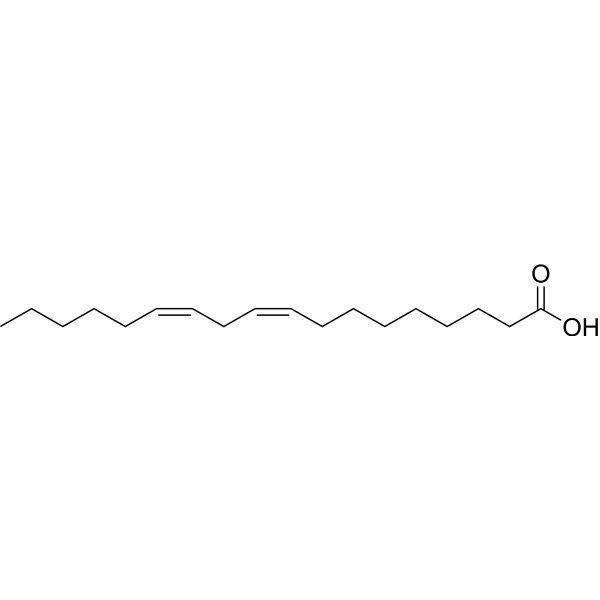
- Formula: C18H32O2
- Molecular Weight: 280.45
Linoleic acid is a common polyunsaturated (PUFA) found in plant-based oils, nuts and seeds. Linoleic acid is a part of membrane phospholipids, and functions as a structural component to maintain a certain level of membrane fluidity of the transdermal water barrier of the epidermis. Linoleic acid induces red blood cells and hemoglobin damage via oxidative mechanism .
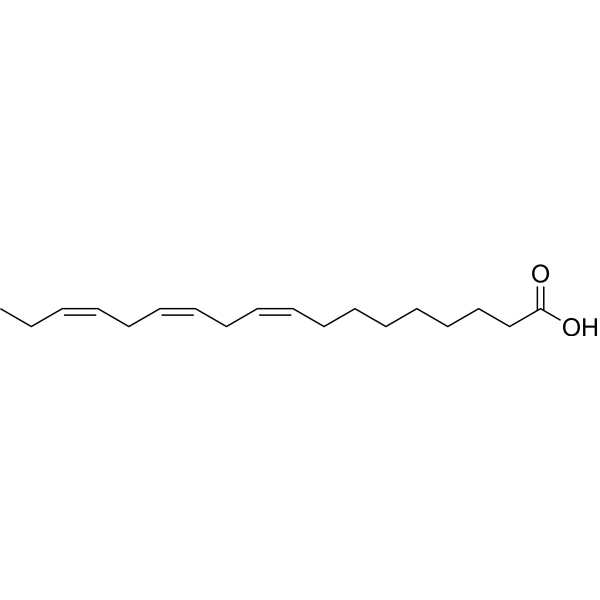
- Formula: C18H30O2
- Molecular Weight: 278.43
α-Linolenic acid (ALA (free base); C18:3 (9Z,12Z,15Z) (free base); C18:3 n-3 (free base)) is an essential fatty acid that cannot be synthesized by humans. α-Linolenic acid can affect the process of thrombotic through the modulation of PI3K/Akt signaling. α-Linolenic acid possess the anti-arrhythmic properties and is related to cardiovascular disease and cancer.
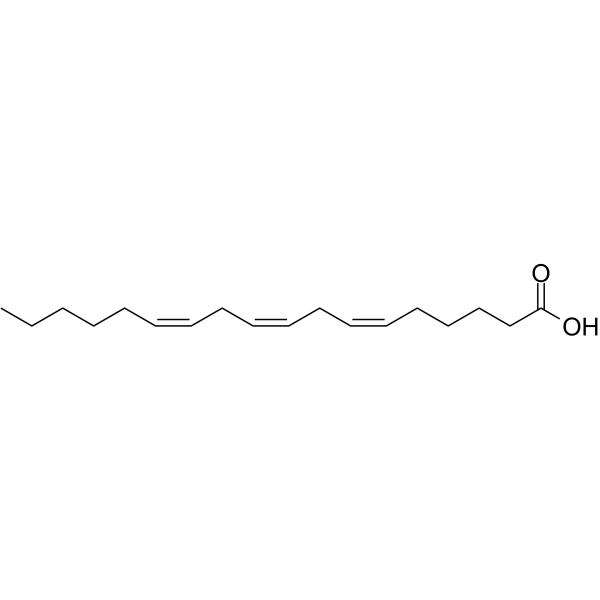
- Formula: C18H30O2
- Molecular Weight: 278.43
Gamma-linolenic acid (γ-Linolenic acid) is an orally active unsaturated fatty acid. Gamma-linolenic acid exerts anti-inflammatory effects by inhibiting the NF-κB pathway and the phosphorylation of ERK1/2 and JNK. At the same time, it exerts anticancer effects by inducing apoptosis (Apoptosis) in cancer cells. Additionally, Gamma-linolenic acid also has antioxidant and memory-improving effects. It holds promise for research in the fields of inflammation, neurology, and cancer diseases.
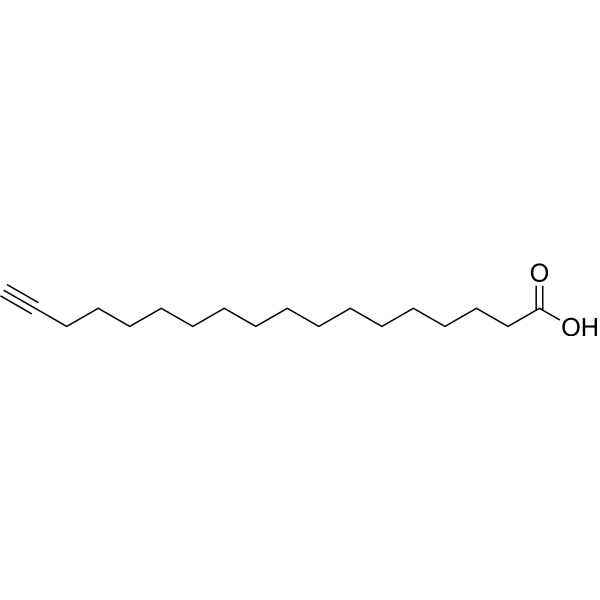
- Formula: C18H32O2
- Molecular Weight: 280.45
17-ODYA is a CYP450 ω-hydroxylase inhibitor. 17-ODYA is also a potent inhibitor (IC50<100 nM) of the formation of 20-hydroxyeicosatetraenoic acid (20-HETE), epoxyeicosatrienoic acids and dihydroxyeicosatrienoic acids by rat renal cortical microsomes incubated with arachidonic acid. 17-ODYA completely attenuates the isoproterenol (ISO)-induced apoptosis, and necrosis in cultured cardiomyocytes. 17-ODYA is a click chemistry reagent, it contains an Alkyne group and can undergo copper-catalyzed azide-alkyne cycloaddition (CuAAc) with molecules containing Azide groups.
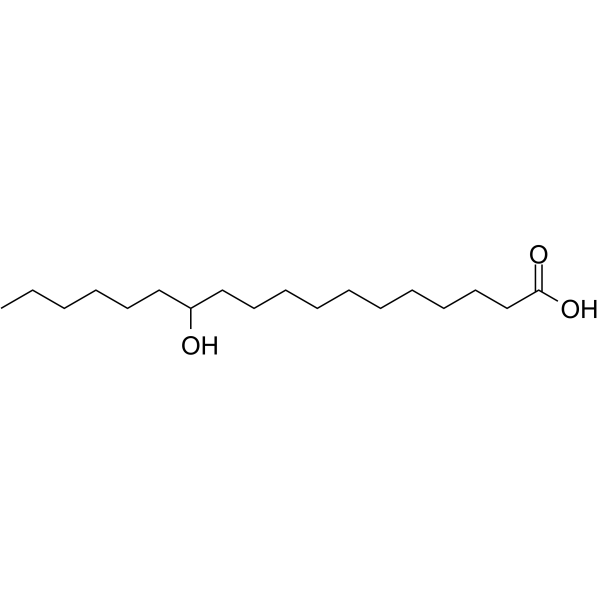
- Formula: C18H36O3
- Molecular Weight: 300.48
12-Hydroxystearic acid is a structurally simple and cost-effective low molecular weight organogelator, and its metal salts and derivatives find roles in many important applications.
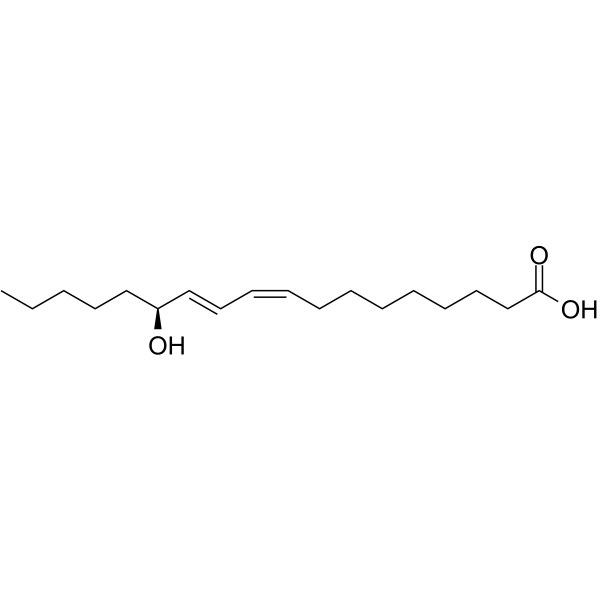
- Formula: C18H32O3
- Molecular Weight: 296.44
(S)-Coriolic acid (13(S)-HODE), the product of 15-lipoxygenase (15-LOX) metabolism of linoleic acid, functions as the endogenous ligand to activate PPARγ. (S)-Coriolic acid is an important intracellular signal agent and is involved in cell proliferation and differentiation in various biological systems. (S)-Coriolic acid induces mitochondrial dysfunction and airway epithelial injury.
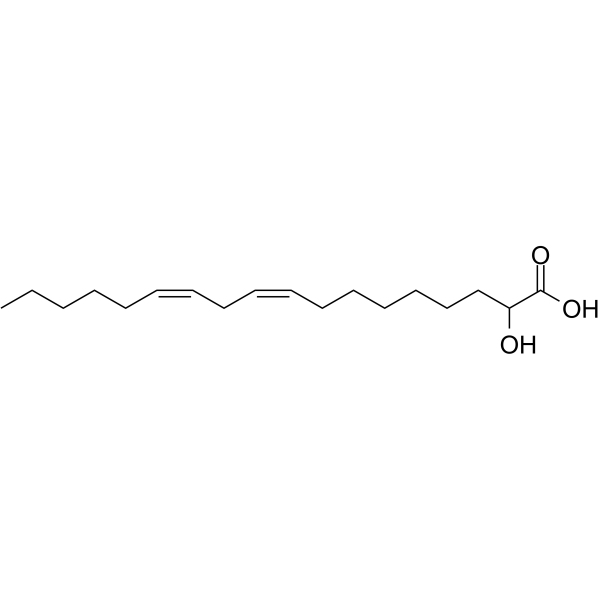
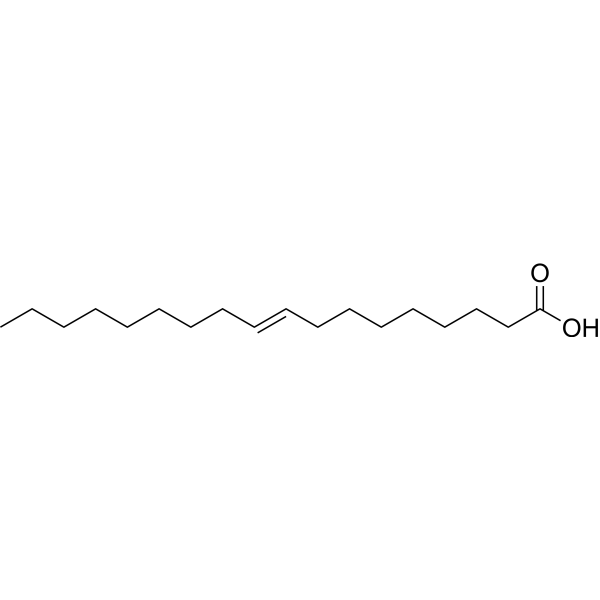
- Formula: C18H34O2
- Molecular Weight: 282.46
Elaidic acid is an orally active trans fatty acid. Elaidic acid enhances the stemness of colorectal cancer cells by activating the Wnt/ERK1/2 pathway, thereby promoting cell proliferation, invasion and metastasis, and inhibiting apoptosis. Elaidic acid also inhibits the growth of Lactobacillus and alters the cell surface hydrophobicity of Lactobacillus. Elaidic acid reduces basal 2-deoxyglucose uptake in muscle cells and adipocytes. Elaidic acid can be used in research on colorectal cancer, insulin and other related areas.
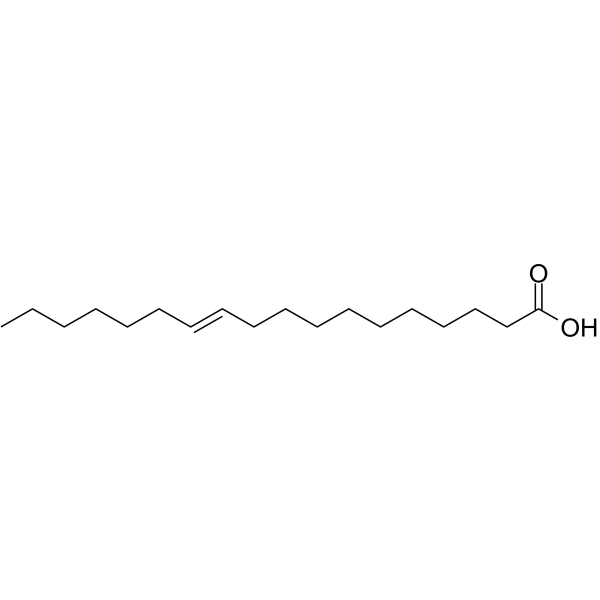
- Formula: C18H34O2
- Molecular Weight: 282.46
trans-Vaccenic acid is a naturally occurring trans fatty acid (TFA). trans-Vaccenic acid inhibits nasopharyngeal carcinoma (NPC) cell growth and induces apoptosis through the inhibition of Bad/Akt phosphorylation. trans-Vaccenic acid is a precursor for the synthesis of saturated fatty acid in the rumen and of conjugated Linoleic acid (CLA) at the tissue level. trans-Vaccenic acid exerts hypolipidemic effects in a rat model of obesity.
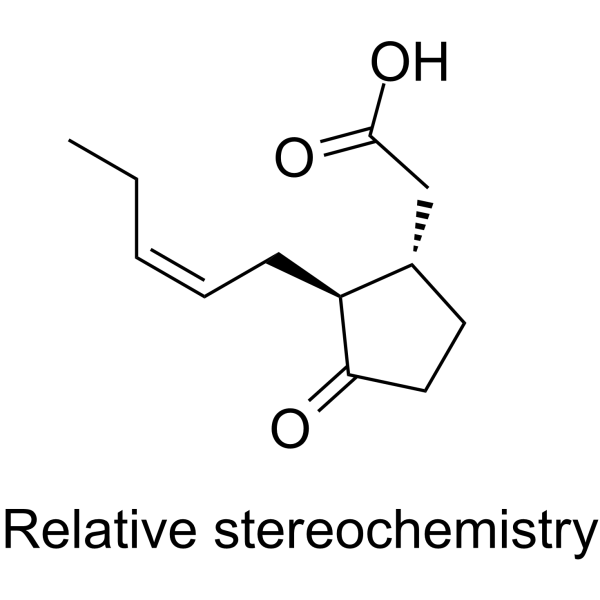
- Formula: C12H18O3
- Molecular Weight: 210.27
(±)-Jasmonic acid is an endogenous growth regulator closely related to plant resistance to abiotic stresses, used to activate defense responses to wounding, herbivory, and pathogen attacks. (±)-Jasmonic acid does not play an independent regulatory role, but works in a complex signaling network with other plant hormone signaling pathways. In addition, (±)-Jasmonic acid can also reduce chlorophyll levels in green and etiolated barley leaf segments and inhibit the elongation of rice seedlings.
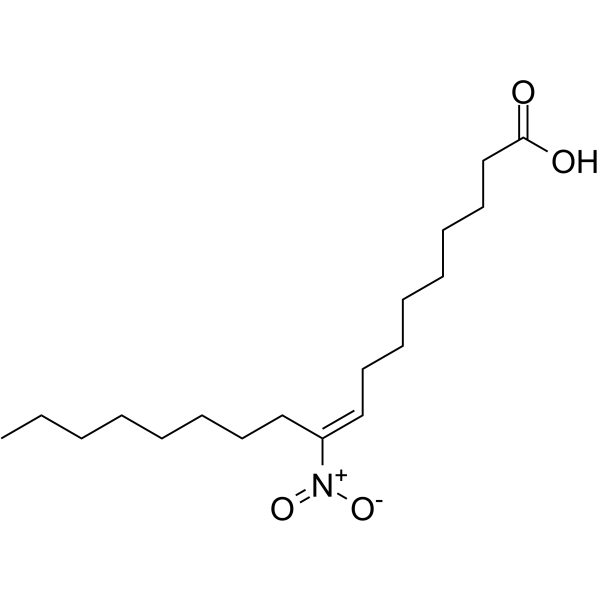
- Formula: C18H33NO4
- Molecular Weight: 327.46
10-Nitrooleic acid (CXA-10), a nitro fatty acid, has potential effects in disease states in which oxidative stress, inflammation, fibrosis, and/or direct tissue toxicity play significant roles.
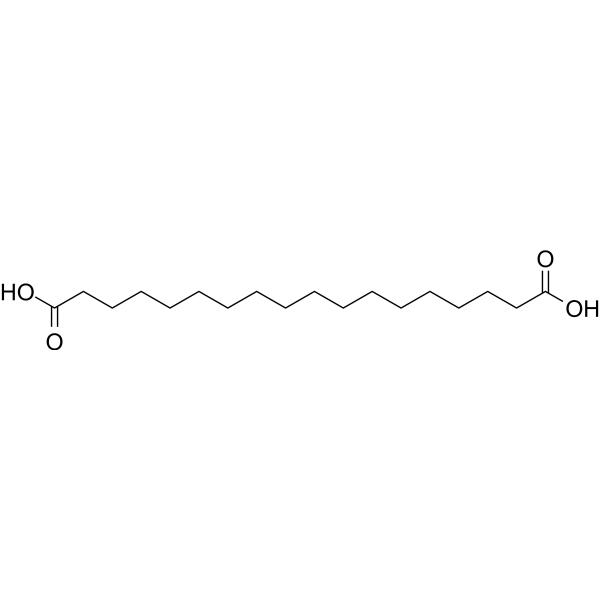
- Formula: C18H34O4
- Molecular Weight: 314.46
Octadecanedioic acid is an endogenous metabolite. Octadecanedioic acid can be used in the research of Reye's syndrome.
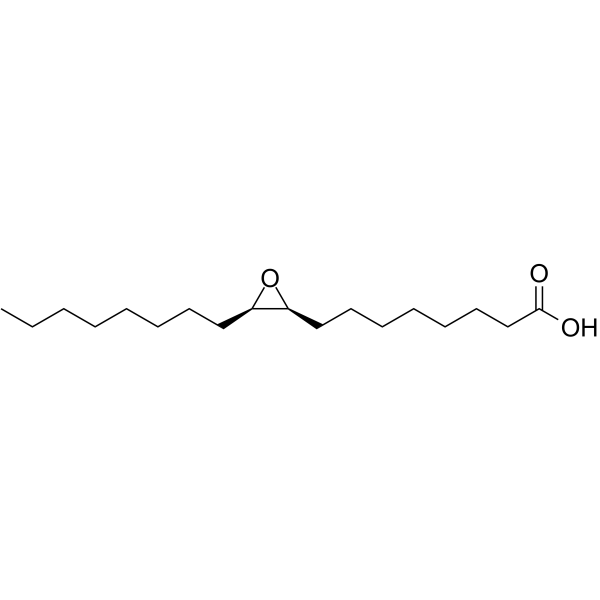
- Formula: C18H34O3
- Molecular Weight: 298.46
cis-9,10-Epoxystearic acid (cis-9,10-Epoxyoctadecanoic acid) is an endogenous metabolite that can be found in plasma and urine.
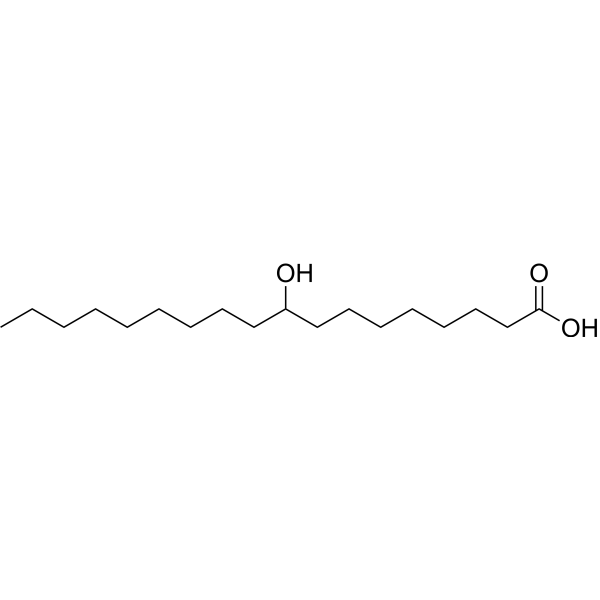
- Formula: C18H36O3
- Molecular Weight: 300.48
9-Hydroxyoctadecanoic acid (9-HSA) is an HDAC1 inhibitor that inhibits ∼66.4% HDAC1 enzymatic activity at 5 μM. 9-Hydroxyoctadecanoic acid shows anticancer activity.
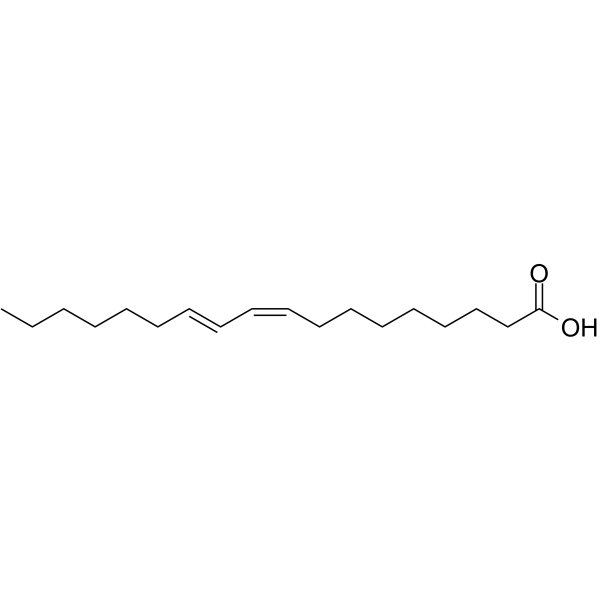
- Formula: C18H32O2
- Molecular Weight: 280.45
Bovinic acid is an orally active anti-inflammatory agent. Bovinic acid inhibits oxidative stress and ferroptosis by regulating the Keap1-Nrf2 signaling pathway. Bovinic acid exerts hepatoprotective effects against alcohol-associated liver disease. Bovinic acid can be used for the research of alcohol-associated liver disease.
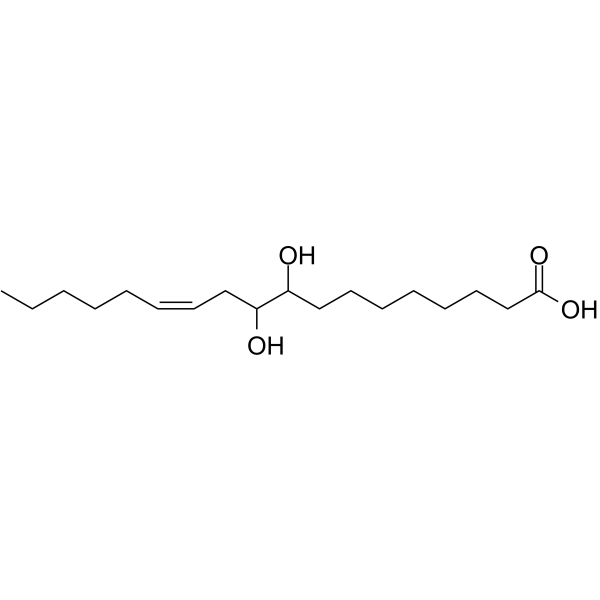
- Formula: C18H34O4
- Molecular Weight: 314.46
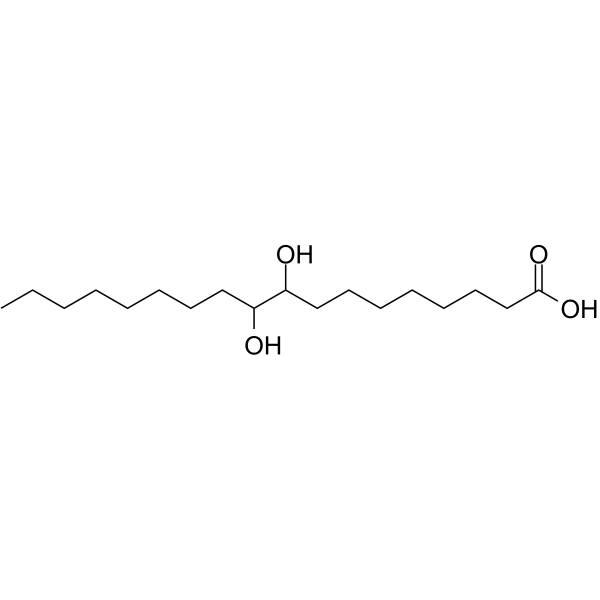
(±)9,10-DiHOME is the racemate of 9,10-DiHOME.
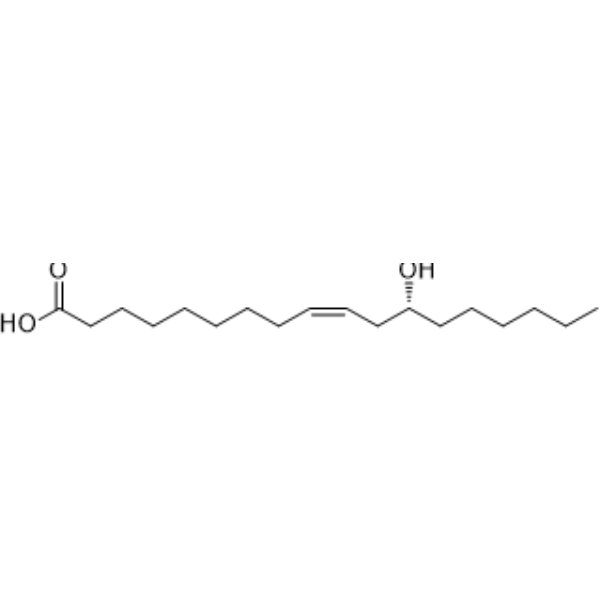
- Formula: C18H34O3
- Molecular Weight: 298.46
Ricinoleic acid (purity≥99%), a hydroxy fatty acid, is an attractive feedstock for the production of high-performance lubricants, cosmetics, polymers, surfactants, and coatings. Ricinoleic acid is the main active ingredient of Castor oil (HY-107799). Ricinoleic acid is the agonist for prostaglandin EP3 receptor (EP3 receptor) (EC50 in MEG-01 is 0.5 μM), that causes laxative effects and uterine contraction. Ricinoleic acid exhibits antianxiety-like, anti-inflammatory and pro-inflammatory properties.
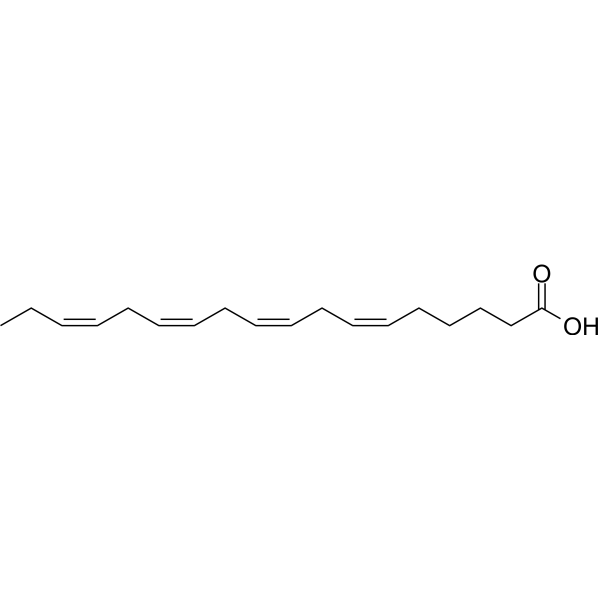
- Formula: C18H28O2
- Molecular Weight: 276.41
Stearidonic acid (6Z,9Z,12Z,15Z-Octadecatetraenoic acid) is an orally active polyunsaturated fatty acid found in blackcurrant seed oil. Stearidonic acid can inhibit 5-lipoxygenase and reduce leukotriene and 5-HETE synthesis. Stearidonic acid can increase the content of eicosapentaenoic acid (EPA) in red blood cells. Stearidonic acid can be used for the research of metabolic disease.



