



Stearidonic acid

Based on 1 Customer Validation
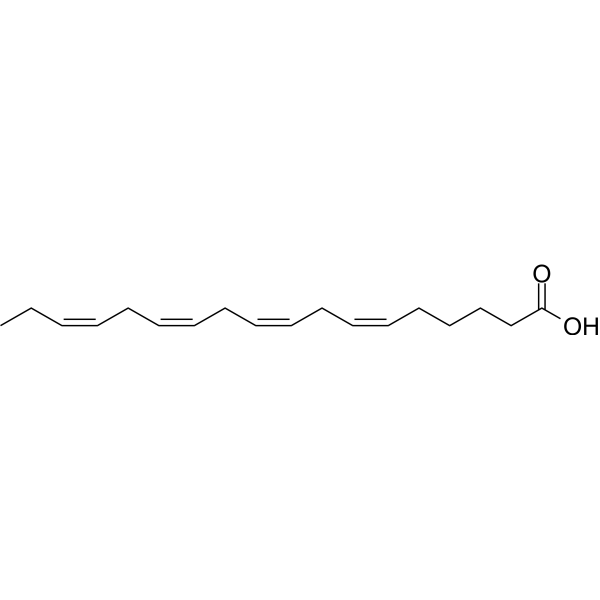
Stearidonic acid (6Z,9Z,12Z,15Z-Octadecatetraenoic acid) is an orally active polyunsaturated fatty acid found in blackcurrant seed oil. Stearidonic acid can inhibit 5-lipoxygenase and reduce leukotriene and 5-HETE synthesis. Stearidonic acid can increase the content of eicosapentaenoic acid (EPA) in red blood cells. Stearidonic acid can be used for the research of metabolic disease.
For research use only. We do not sell to patients.
- Purity : 99.72%
- CAS No.: 20290-75-9
- Formula: C18H28O2
- Molecular Weight:276.41
-
Storage:
Solution, -20°C, 2 years

To place orders, for customer services and technical support, please contact: MedChemExpress USA
Tel: 609-228-6898 E-mail: [email protected] [email protected]


-
 Biological Activity
-
Chemical Information
- Protocols
- Purity & Documentation
- References
-
 Help & FAQs


-
HY-N0728
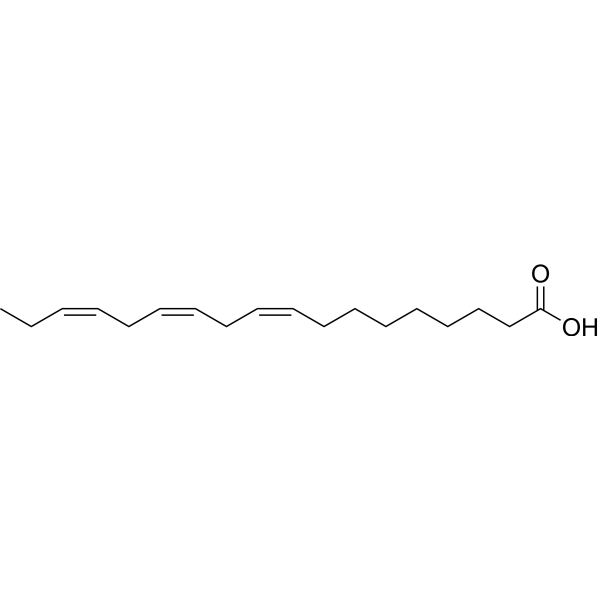
α-Linolenic acidEssential Fatty Acid -
HY-N0729
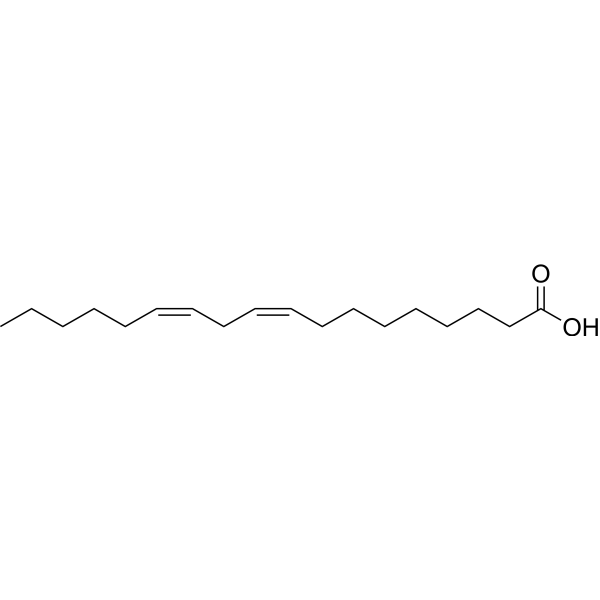
Linoleic acidHuman Endogenous Metabolite -
HY-N7140
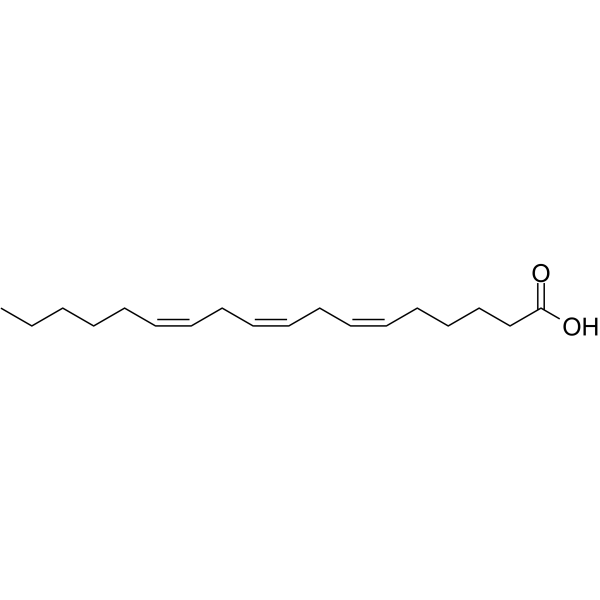
Gamma-Linolenic acidEndogenous Metabolite -
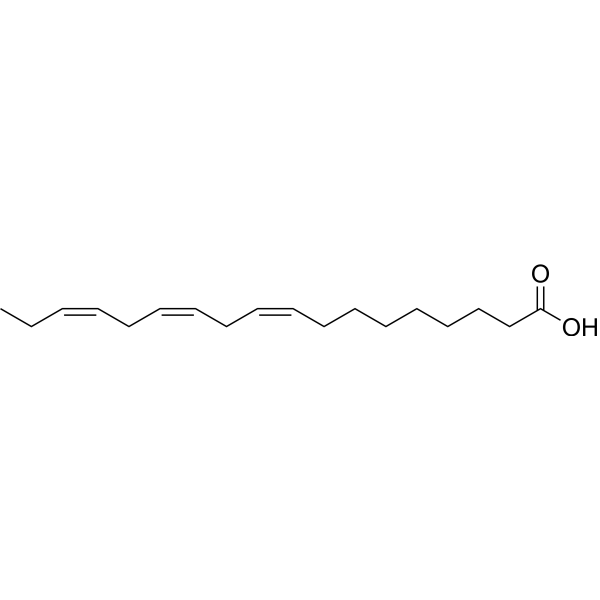
HY-N0728R
α-Linolenic acid (Standard)Essential Fatty Acid -
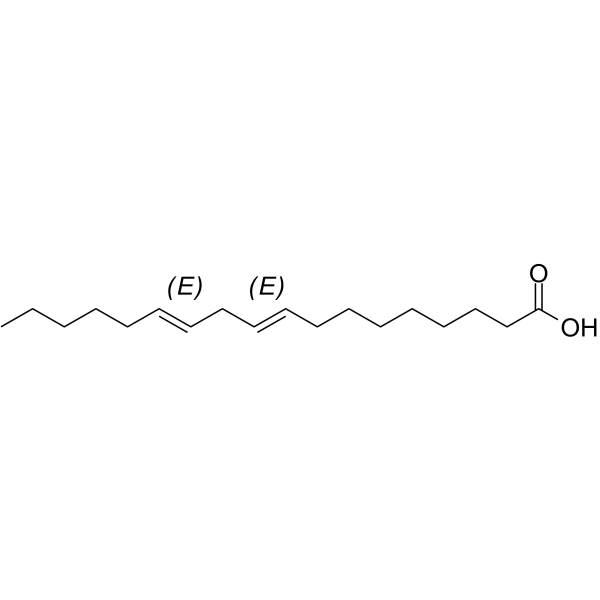
HY-W071746
Linolelaidic acidEndogenous Metabolite -
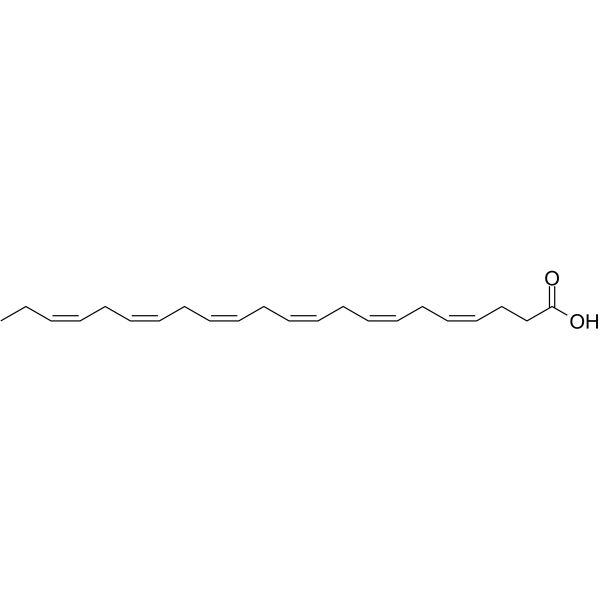
HY-B2167
Docosahexaenoic acidomega-3 Fatty Acid -
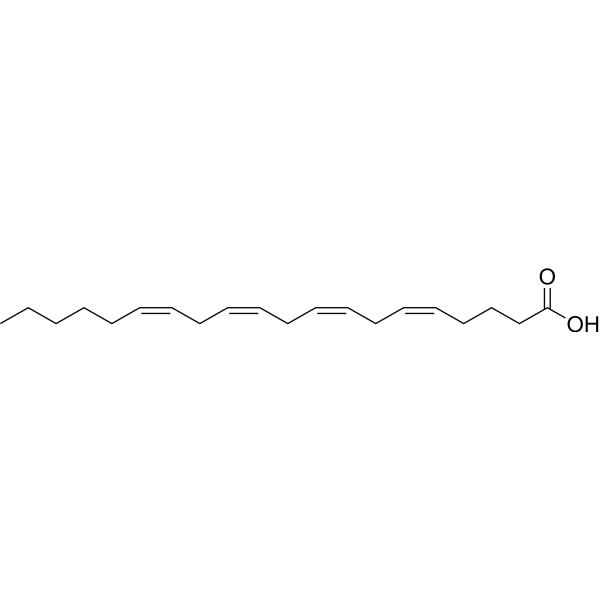
HY-109590
Arachidonic acidPolyunsaturated Fatty Acid -

HY-W071746R
Linolelaidic acid (Standard)Endogenous Metabolite -

HY-N0729D
Linoleic acid,suitable for cell cultureNo Target-Effect Identified -
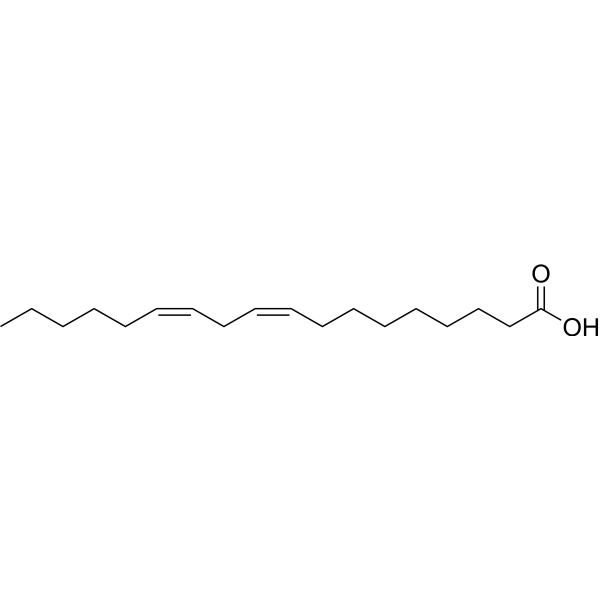
HY-N0729R
Linoleic acid (Standard)Standard of Linoleic acid -
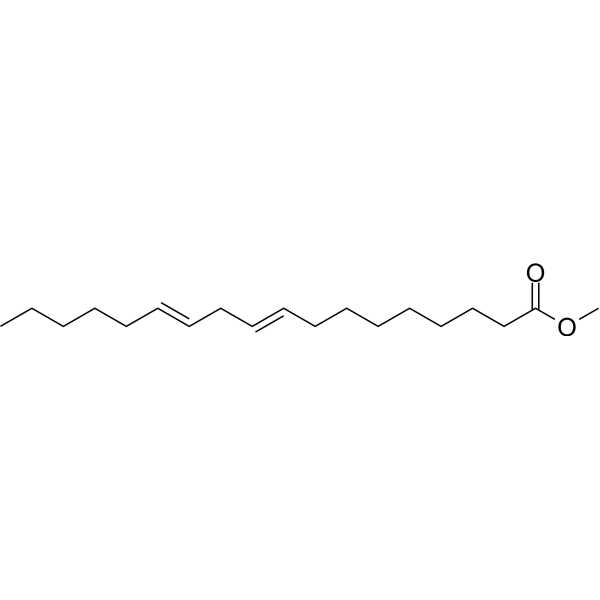
HY-W053516
(9E,12E)-Methyl octadeca-9,12-dienoateBiochemical Assay Reagent -
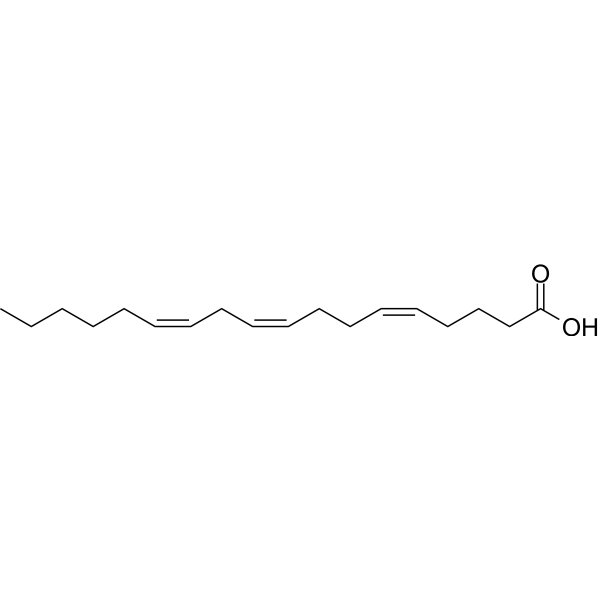
HY-119546
Pinolenic acidAnti-inflammatory agent


Biological Activity
Description
IC50 & Target
[1]|
5-LOX |
In Vitro
Stearidonic acid (10-20 μM; 30 min) inhibits 5-lipoxygenase pathway product formation in isolated human leukocytes, with 20 μM reducing leukotriene synthesis by 50% and 10 μM reducing leukotriene synthesis by 35%[1].
Stearidonic acid (10-100 μM; 30 min) induces dose-dependent inhibition of 5-HETE formation in isolated human leukocytes, with 100 μM reducing 5-HETE levels by 45%[1].
MedChemExpress (MCE) has not independently confirmed the accuracy of these methods. They are for reference only.
In Vivo
MedChemExpress (MCE) has not independently confirmed the accuracy of these methods. They are for reference only.
-
Animal Model:Rat (healthy)[2]
-
Dosage:1% of diet
-
Administration:Oral; daily; 21 days
-
Result:Produced a two-fold greater enrichment in plasma eicosapentaenoic acid (EPA) compared to rats fed an α-Linolenic acid-containing diet of the same concentration.


Chemical Information
-
CAS No. 20290-75-9
-
Appearance Liquid
-
Molecular Weight 276.41
-
Formula C18H28O2
-
Color Colorless to light yellow
-
SMILES
CC/C=C\C/C=C\C/C=C\C/C=C\CCCCC(O)=O
-
Synonyms
6Z,9Z,12Z,15Z-Octadecatetraenoic acid
-
Structure Classification
-
Initial Source
-
Shipping
Room temperature in continental US; may vary elsewhere.
-
Storage
Solution, -20°C, 2 years


Purity & Documentation
-
Data Sheet (264 KB)
-
SDS (467 KB)
- English - EN (467 KB)
- Français - FR (467 KB)
- Deutsch - DE (467 KB)
- Norwegian - NO (467 KB)
- Español - ES (467 KB)
- Swedish - SV (467 KB)
- Italian - IT (467 KB)
- Korean - KR (467 KB)
- Portuguese - PT (467 KB)
-
Handling Instructions (2659 KB)
References
[1]. Guichardant M, et al. Stearidonic acid, an inhibitor of the 5-lipoxygenase pathway. A comparison with timnodonic and dihomogammalinolenic acid. Lipids. 1993;28(4):321-324. [Content Brief]
[2]. Walker CG, et al. Stearidonic acid as a supplemental source of ω-3 polyunsaturated fatty acids to enhance status for improved human health. Nutrition. 2013;29(2):363-369. [Content Brief]

Calculators
Concentration (start) × Volume (start) = Concentration (final) × Volume (final)


Stearidonic acid Related Classifications
HY-113120 Related Classifications
 Powered by Bioz