



5-LOX
5-LOX (ALOX5) catalyzes two steps in leukotriene biosynthesis from arachidonic acid, placing it at the center of inflammatory lipid mediator production[1]. Mechanistically, 5-LOX converts arachidonic acid toward LTA4, which supports formation of LTB4 and cysteinyl leukotrienes linked to leukocyte recruitment, bronchoconstriction, mucus secretion, vascular permeability, and acute inflammation[2]. In disease models, FLAP-deficient and 5-LO-deficient mice showed impaired leukotriene production and reduced responses in arachidonic acid- and zymosan A-induced inflammation, supporting 5-LOX pathway relevance for experimental inflammation design[2]. Compared with 12/15-lipoxygenase enzymes, which oxidize fatty acids to bioactive lipid metabolites across multiple disease states, 5-LOX is distinguished by its FLAP-dependent leukotriene pathway and direct role in intact-cell leukotriene synthesis[3][4]. For experimental applications, direct 5-LOX inhibitors and FLAP-targeting compounds help test whether leukotriene biosynthesis drives inflammatory phenotypes in cellular or animal models[1][4].
References:
- [1]. Rådmark O, et al. 5-Lipoxygenase, a key enzyme for leukotriene biosynthesis in health and disease. Biochim Biophys Acta. 2015 Apr;1851(4):331-9. [Content Brief]
- [2]. Byrum RS, et al. Role of the 5-lipoxygenase-activating protein (FLAP) in murine acute inflammatory responses. J Exp Med. 1997 Mar 17;185(6):1065-75. [Content Brief]
- [3]. Dobrian AD, et al. Functional and pathological roles of the 12- and 15-lipoxygenases. Prog Lipid Res. 2011 Jan;50(1):115-31. [Content Brief]
- [4]. Dixon RA, et al. Requirement of a 5-lipoxygenase-activating protein for leukotriene synthesis. Nature. 1990 Jan 18;343(6255):282-4. [Content Brief]
-
5-LOX Related Products (99)
Related Products (99)

-
U-73122
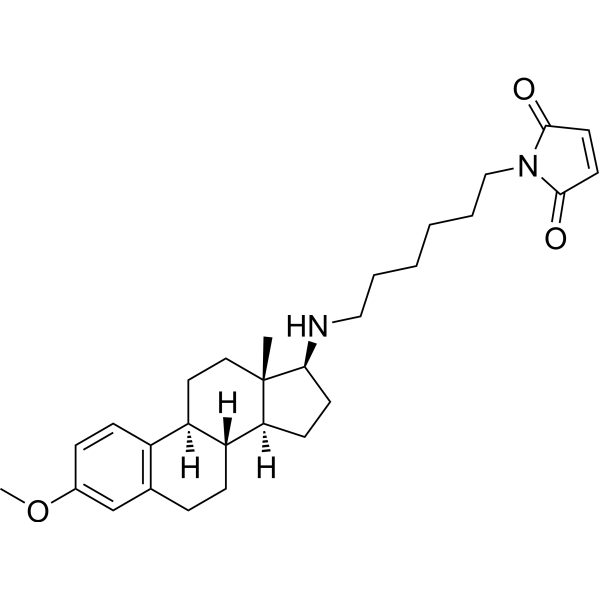 0 ImagesU-73122 is a phospholipase C (PLC) and 5-LO (5-lipoxygenase) inhibitor with an IC50of 1-2.1 µM for PLC.
-
Zileuton
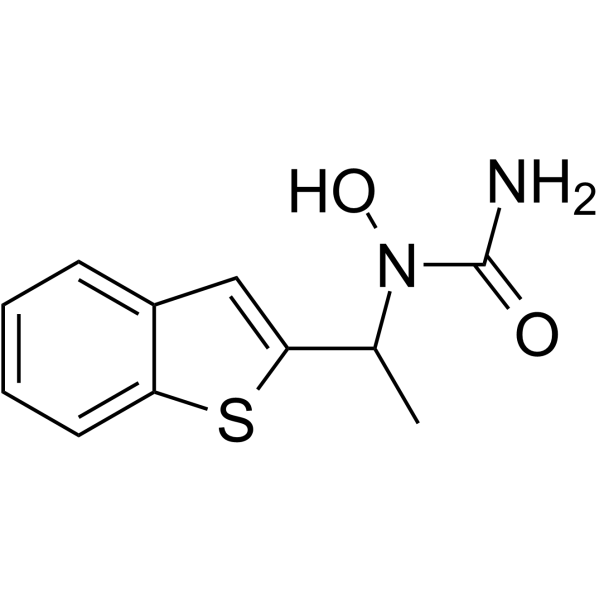 0 ImagesSynonyms: A 64077; Abbott 64077Zileuton is a potent and selective inhibitor of 5-lipoxygenase with antiasthmatic properties.
-
Wedelolactone
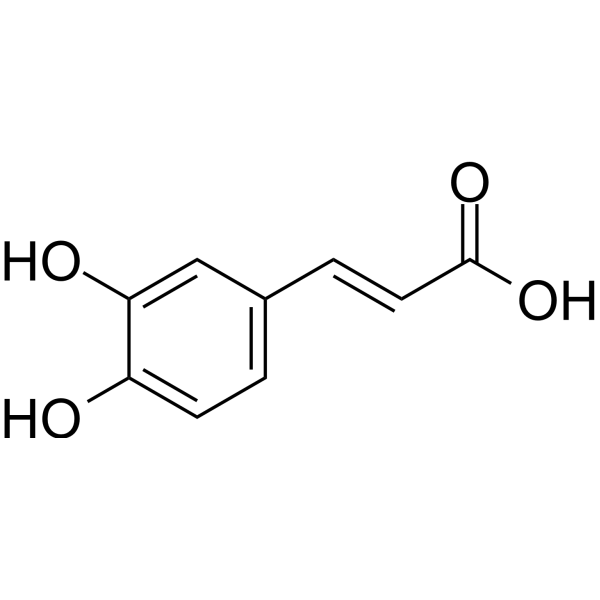
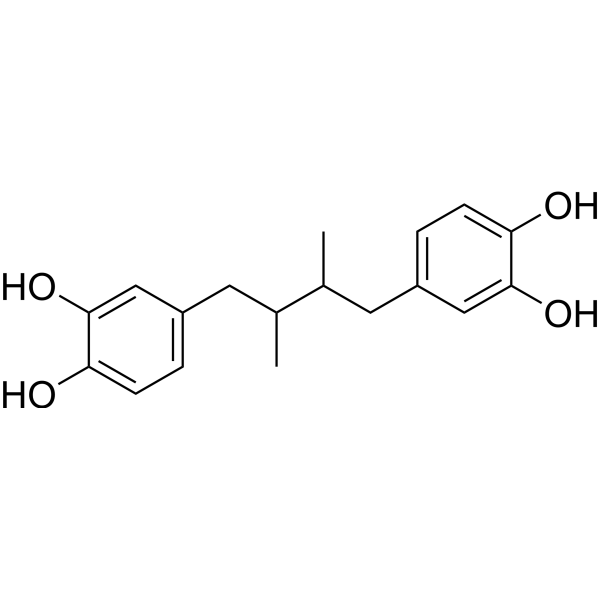
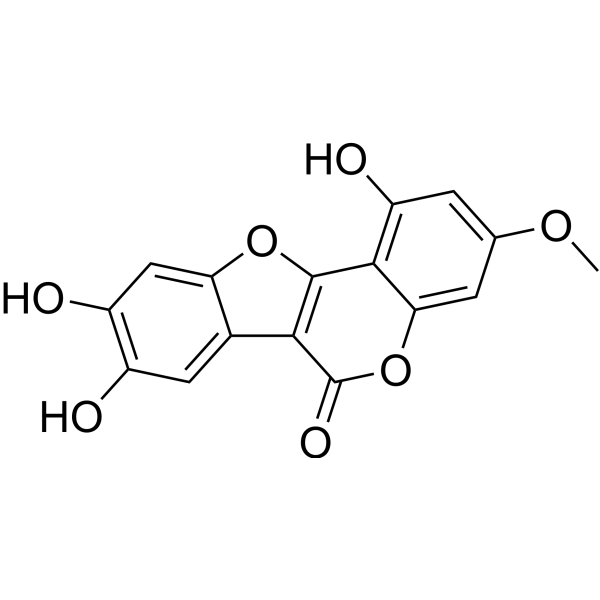 0 ImagesWedelolactone suppresses LPS-induced caspase-11 expression by directly inhibits the IKK Complex. Wedelolactone also inhibits 5-lipoxygenase (5-Lox) with an IC50 of 2.5 μM. Wedelolactone induces caspase-dependent apoptosis in prostate cancer cells via downregulation of PKCε without inhibiting Akt. Wedelolactone can extract from Eclipta alba, and it can be used for the research of cancer.
-
CGS 23885
 0 ImagesCat. No.: HY-182422CAS No.: 134822-78-9CGS 23885 is an orally active 5-lipoxygenase (5-lipoxygenase) inhibitor. CGS 23885 reduces the production of 5-hydroxyeicosatetraenoic acid (5-hydroxyeicosatetraenoic acid), LTB4, and LTC4/D4/E4. CGS 23885 inhibits cell infiltration in rat pleurisy. CGS 23885 can be used in pleurisy-related research.
-
COX-2/5-LOX-IN-8
 0 ImagesCat. No.: HY-183764COX-2/5-LOX-IN-8 is an orally active dual COX-2/5-LOX inhibitor, with an IC50 of 6.30 μM against sheep-derived COX-2 and an IC50 of 8.09 μM against 5-LOX. COX-2/5-LOX-IN-8 acts as a membrane stabilizer that stabilizes erythrocyte membranes against hypotonicity-induced hemolysis. COX-2/5-LOX-IN-8 functions as a protein stabilizer that inhibits heat-induced denaturation of bovine serum albumin. COX-2/5-LOX-IN-8 reduces paw swelling, improves hind limb weight-bearing function, decreases serum levels of pro-inflammatory cytokines (TNF-α, IL-1β, IL-6, CRP), and lowers serum levels of cartilage degradation biomarkers (COMP, MMP-3, CTX-II). COX-2/5-LOX-IN-8 can be used in the research of osteoarthritis.
-
Buddledin A
 0 ImagesCat. No.: HY-N19724CAS No.: 62346-20-7Buddledin A is a 5-LOX inhibitor (IC50 = 50.4 μM) and a COX inhibitor (IC50 = 13.7 μM). Buddedin A inhibits arachidonic acid metabolism via the 5-LOX and COX pathways, suppresses fungal growth, and exerts toxic effects on fish. Buddedin A may play an ecological role in protecting plant roots and stem barks from fungal infection. Buddedin A can be used in studies related to fungal infections.
-
Osavampator
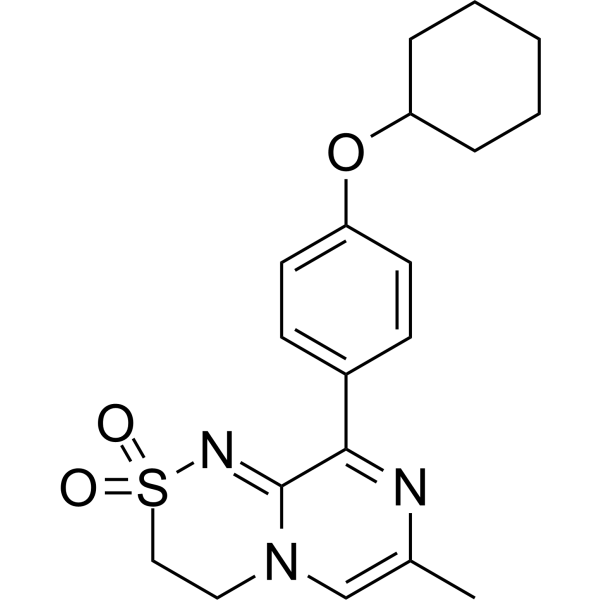 0 ImagesSynonyms: TAK-653; NBI-1065845Osavampator (TAK-653) is a AMPA receptor positive allosteric modulator. Osavampator selectively binds to AMPA-R in a glutamate-dependent manner and induces Ca2+ influx in hGluA1i CHO cells (EC50 = 3.3 μM). Osavampator improves learning and memory in many models. Osavampator is can be used for the research of depressive disorders.
-
S-(+)-Marmesin
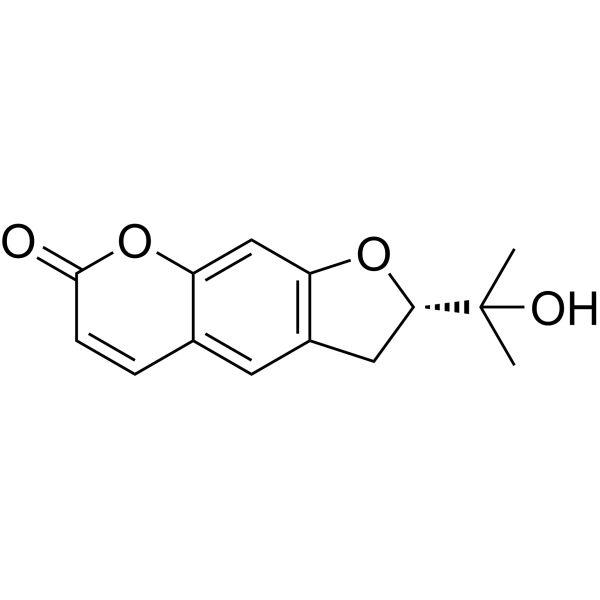 0 ImagesSynonyms: (+)-Marmesin; (S)-MarmesinS-(+)-Marmesin is a natural coumarin, exhibiting COX-2/5-LOX dual inhibitory activity.
-
N-Oleoyldopamine
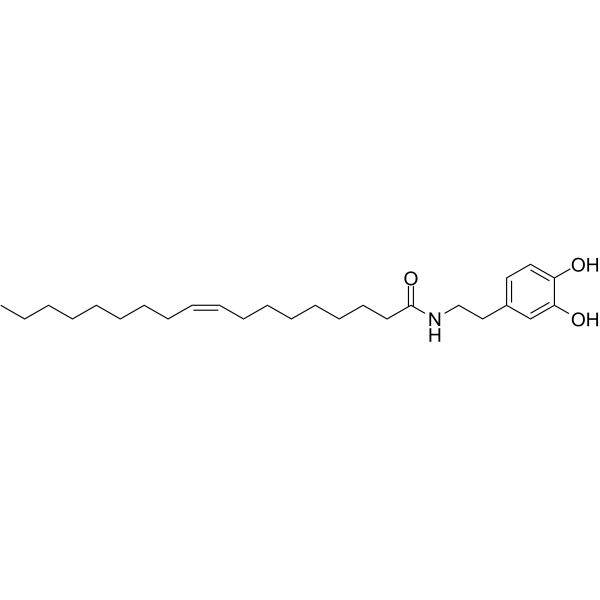 0 ImagesSynonyms: OLDAN-Oleoyldopamine (OLDA) is an orally active TRPV1 activator and 5-LOX inhibitor with blood-brain barrier permeability. N-Oleoyldopamine excites histaminergic neurons in the tuberomammillary nucleus via a dopamine receptor mechanism, a process independent of TRPV1 and cannabinoid receptors. On one hand, N-Oleoyldopamine promotes the release of insulin and glucose-dependent insulinotropic polypeptide through a GPR119-dependent pathway to improve glucose tolerance; on the other hand, N-Oleoyldopamine improves left ventricular function and reduces myocardial infarction size by triggering the release of substance P and calcitonin gene-related peptide. N-Oleoyldopamine is used in studies related to glycemic abnormalities and myocardial ischemia-reperfusion injury.
-
Pectolinarigenin
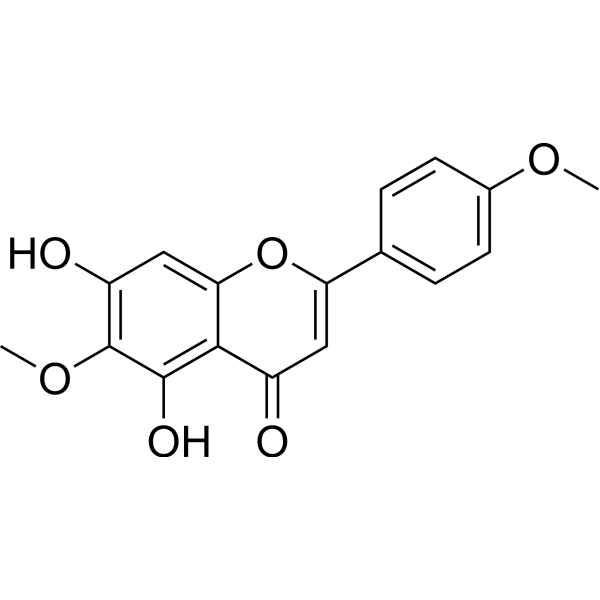 0 ImagesPectolinarigenin is an orally active dual inhibitor of COX-2/5-LOX with anti-inflammatory, antioxidant, antitumor and neuroprotective activities. Pectolinarigenin exerts neuroprotective and anti-inflammatory effects on astrocyte inflammation via the NFκB and MAPK pathways. Pectolinarigenin inhibits LPS-induced phosphorylation of ERK1/2, N-FκB and p38MAPK, directly inhibits the enzymatic activity or binding of COX-2, 5-LOX and HIF-1α, and reduces the level of XIAP. Pectolinarigenin modifies Keap1 to promote nuclear accumulation of Nrf2, induces ARE-mediated antioxidant enzyme expression, and possesses direct free radical scavenging activity. Pectolinarigenin reduces the release of NO, proinflammatory mediators and leukotrienes, and increases the level of IL-10. Pectolinarigenin induces G2/M cell cycle arrest, apoptosis (Apoptosis) and autophagy (Autophagy) via the PI3K/AKT/mTOR signaling pathway. Pectolinarigenin reduces renal crystal deposition and inhibits melanin synthesis. Pectolinarigenin inhibits inflammation and alleviates allergy in mouse models of inflammation. Pectolinarigenin alleviates renal injury, inflammation and oxidative stress in mice by inhibiting HIF-1α activity. Pectolinarigenin can be used for the research of neurodegenerative diseases, inflammatory/allergic diseases, calcium oxalate nephrocalcinosis, gastric cancer, melasma, post-inflammatory diseases and chloasma.
-
Malotilate
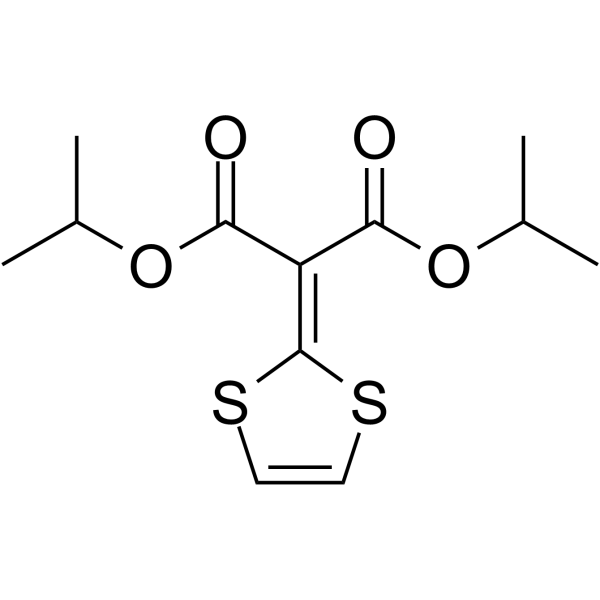 0 ImagesSynonyms: NKK 105Malotilate (NKK 105), an orally active hepatotropic agent and an anti-fibrotic substance, selectively inhibits the 5-lipoxygenase (5-LOX) (IC50=4.7 μM). Malotilate prevents the development of hepatocytic injury in alcohol-pyrazole hepatitis by decreasing hepatic acetaldehyde levels and preventing the retention of transferrin in the hepatocytes.
-
Licofelone
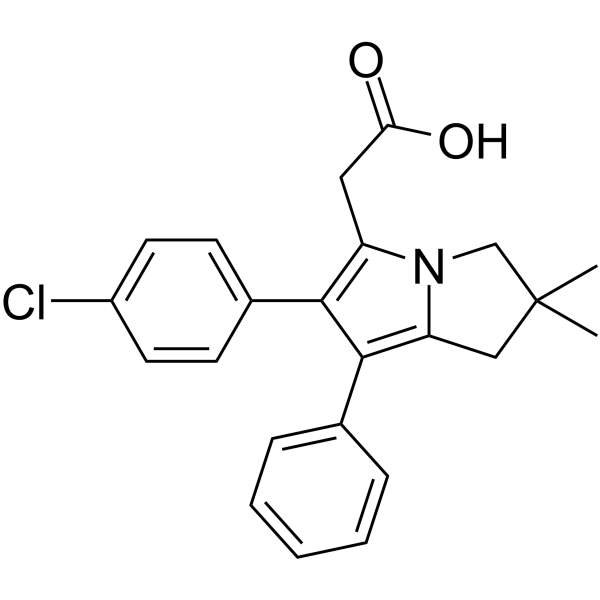 0 ImagesSynonyms: ML-3000Licofelone (ML-3000) is a dual COX/5-lipoxygenase (5-LOX) inhibitor (IC50=0.21/0.18 μM, respectively) for the treatment of osteoarthritis. Licofelone exerts anti-inflammatory and anti-proliferative effects. Licofelone induces apoptosis, and decreases the production of proinflammatory leukotrienes and prostaglandins.
-
β-Boswellic acid
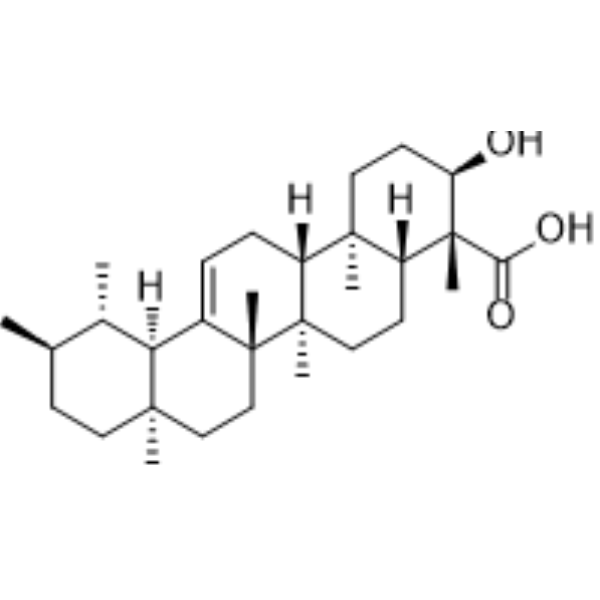 0 Imagesβ-Boswellic acid is isolated from the gum resin of Boswellia serrata with anticancer, antioxidant activity, anti-inflammatory activity and anti-arthritic pain.β-Boswellic acid is an orally active nonreducing-type inhibitor of the 5-lipoxygenase (5-LO) product formation either interacting directly with the 5-LO or blocking its translocation. β-Boswellic acid inhibits the synthesis of DNA, RNA and protein in human leukemia HL-60 cells with IC50 values ranging from 0.6 to 7.1 μM. β-Boswellic acid is promising for research of diabetes, inflammatory and arthritic diseases.
-
11-Keto-beta-boswellic acid
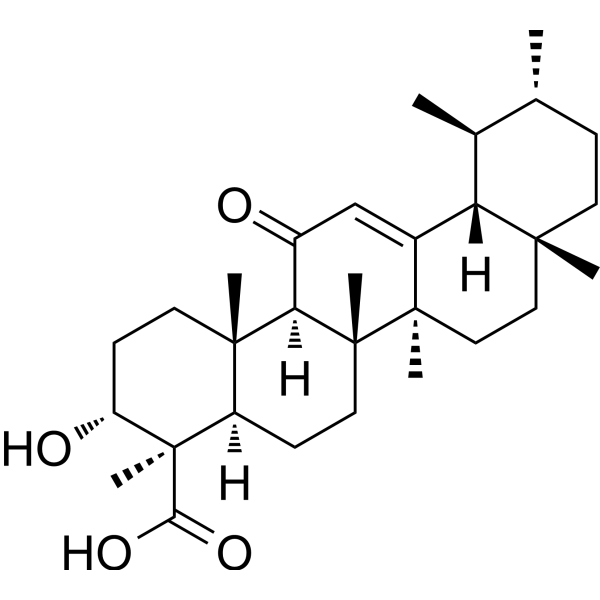 0 ImagesSynonyms: 11-Keto-β-boswellic acid11-Keto-beta-boswellic acid (11-Keto-β-boswellic acid) is a pentacyclic triterpenic acid of the oleogum resin from the bark of the Boswellia serrate tree, popularly known as Indian Frankincense. 11-Keto-beta-boswellic acid has the anti-inflammatory activity is primarily due to inhibit 5-lipoxygenase (5-LOX) and subsequent leukotriene and nuclear factor-kappa B (NF-κB) activation and tumor necrosis factor alpha generation production.
-
Stearidonic acid
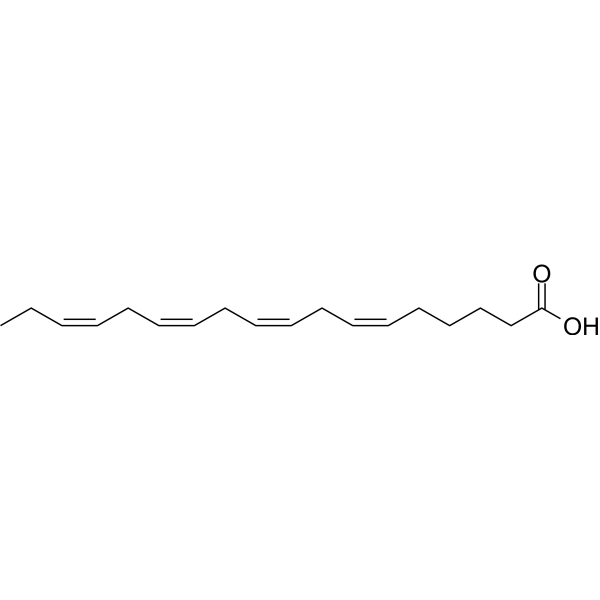 0 ImagesSynonyms: 6Z,9Z,12Z,15Z-Octadecatetraenoic acidStearidonic acid (6Z,9Z,12Z,15Z-Octadecatetraenoic acid) is an orally active polyunsaturated fatty acid found in blackcurrant seed oil. Stearidonic acid can inhibit 5-lipoxygenase and reduce leukotriene and 5-HETE synthesis. Stearidonic acid can increase the content of eicosapentaenoic acid (EPA) in red blood cells. Stearidonic acid can be used for the research of metabolic disease.
-
Zileuton sodium
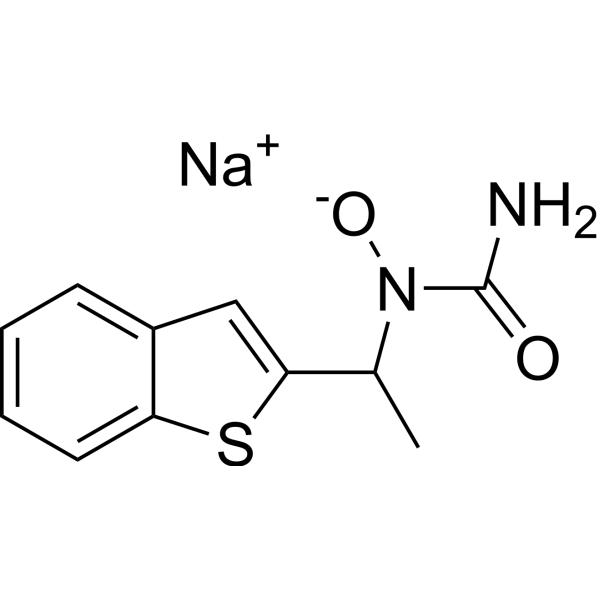 0 ImagesSynonyms: A 64077 sodium; Abbott 64077 sodiumZileuton sodium (A 64077 sodium) is a potent and selective inhibitor of 5-lipoxygenase, exhibiting inflammatory activities.



