



Renal Disease
-
Renal Disease (205)

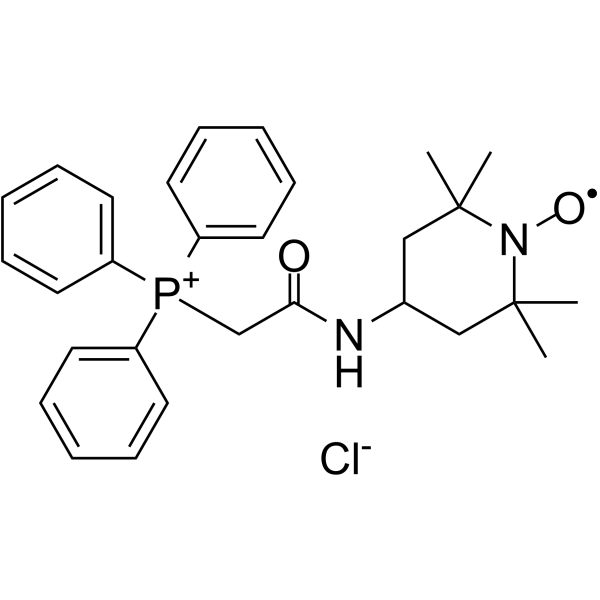
- Formula: C29H35ClN2O2P
- Molecular Weight: 510.03
Mito-TEMPO is a mitochondria-targeted antioxidant. Mito-TEMPO induces mitophagy by activating the PINK1/Parkin pathway, inhibits NLRP3 inflammasome activation, restores mitochondrial membrane potential, and improves renal function and podocyte injury. Mito-TEMPO regulates Ca2+ homeostasis, inhibits Bnip3 overexpression, shortens action potential duration, and exerts antiarrhythmic effects. Mito-TEMPO reverses premature senescence, reduces trabecular bone loss, and decreases cell apoptosis. Mito-TEMPO can be used in studies of chronic kidney disease, age-related cardiac dysfunction, postmenopausal osteoporosis, and ischemic stroke.
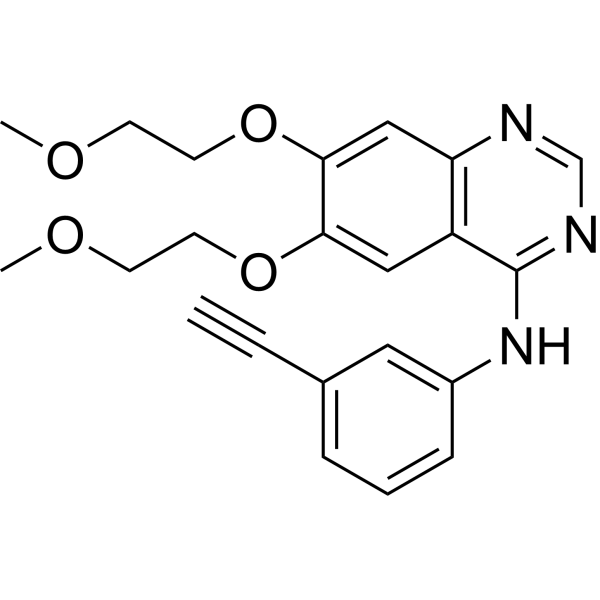
- Formula: C22H23N3O4
- Molecular Weight: 393.44
Erlotinib (CP-358774) is a selective, orally active EGFR tyrosine kinase inhibitor. Erlotinib also acts as a substrate and inhibitor of OATP2B1, with an IC50 of approximately 0.079 μM for inhibiting OATP2B1-mediated uptake of estrone 3-sulfate. Erlotinib blocks EGFR phosphorylation, downstream signal transduction, as well as the growth and proliferation of cancer cells. Erlotinib inhibits MMP-10-mediated renal injury, fibrotic lesions, the ERK1/2, GSK-3β and β-catenin signaling pathways, fibronectin, α-SMA, collagen deposition, and renal injury markers. Erlotinib is metabolized via CYP3A to produce the active metabolite OSI-420. Erlotinib can be used in research related to non-small cell lung cancer, gastric cancer, papillary renal cell carcinoma, pancreatic cancer, renal fibrosis, and other conditions.
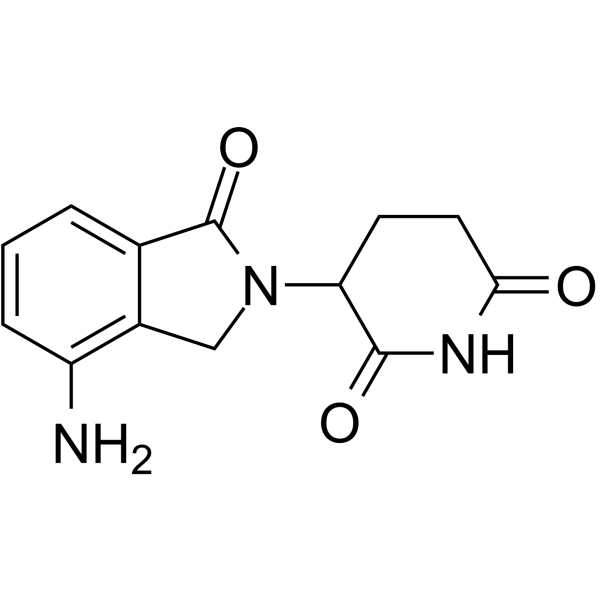
- Formula: C13H13N3O3
- Molecular Weight: 259.26
Lenalidomide (CC-5013) is an orally active immunomodulatory agent that binds CRBN as a molecular glue to alter substrate specificity, inducing ubiquitination and proteasome-dependent degradation of IKZF1, IKZF3 and CK1α. Lenalidomide induces apoptosis by degrading IKZF1/3, and activates p53 by degrading CK1α. Lenalidomide promotes IL-2 release and effector functions of CD8+ T/NK cells, while inhibiting TNF-α secretion and M1-type pyroptosis. Lenalidomide can be used in research related to hematological malignancies, acute liver failure and acute kidney injury.
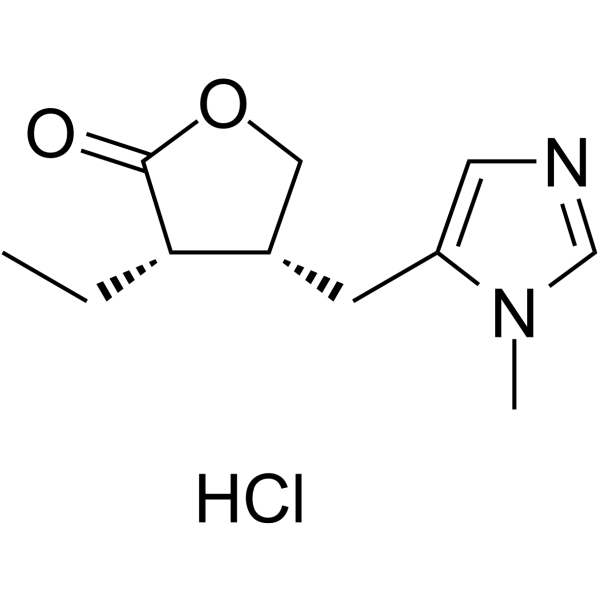
- Formula: C11H17ClN2O2
- Molecular Weight: 244.72
Pilocarpine Hydrochloride is an orally active, selective M3 muscarinic acetylcholine receptor agonist. Pilocarpine Hydrochloride can induce seizures and is used in research on conditions such as epilepsy, dry mouth (xerostomia), and elevated intraocular pressure.
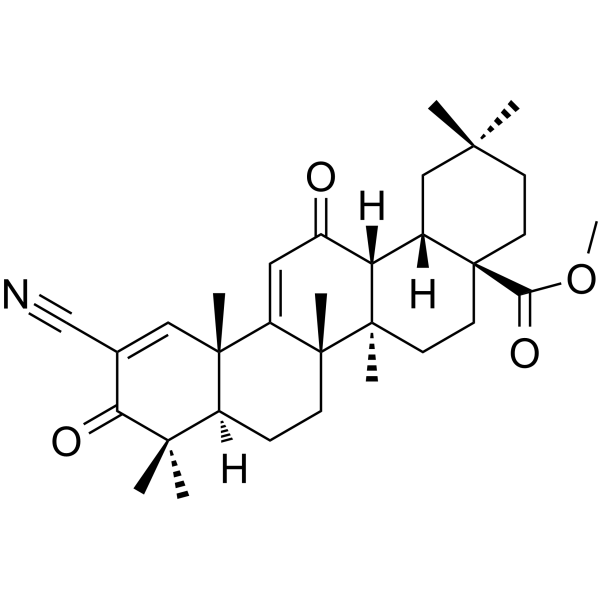
- Formula: C32H43NO4
- Molecular Weight: 505.69
Bardoxolone methyl (RTA 402) is an orally active and blood-brain-barrier-penetrant activator of Nrf2 and an inhibitor of SARS-CoV-2 3CL protease. Bardoxolone methyl inhibits SARS-CoV-2 replication in Vero cells with an EC50 value of 0.29 μM. Bardoxolone methyl increases levels of pNrf2 and HO-1, inhibits inflammatory mediators like pNFκB and MCP-1. Bardoxolone methyl activates the Nrf2 pathway to enhance antioxidant and anti-inflammatory responses, inhibits viral replication, and improves mitochondrial function. Bardoxolone methyl can be used in research on chemotherapy-induced neuropathic pain (CINP), COVID-19, and chronic kidney disease (CKD).
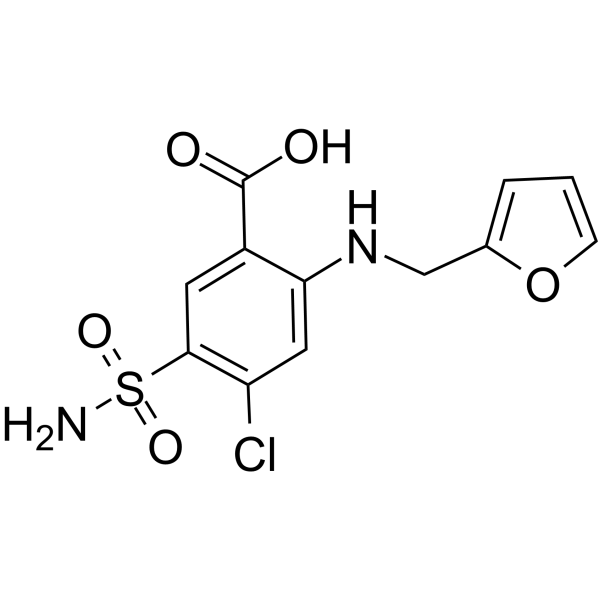
- Formula: C12H11ClN2O5S
- Molecular Weight: 330.74
Furosemide is an orally active GABAA receptor antagonist. Furosemide inhibits carbonic anhydrase, the sodium-chloride cotransporter, sodium reabsorption, tubuloglomerular feedback, and GABA-induced chloride flux. Furosemide can be used as a diuretic reagent. Furosemide is applied in the research of hepatic necrosis, sepsis-associated acute kidney injury, hypoalbuminemia-related fluid retention, and congestive heart failure.
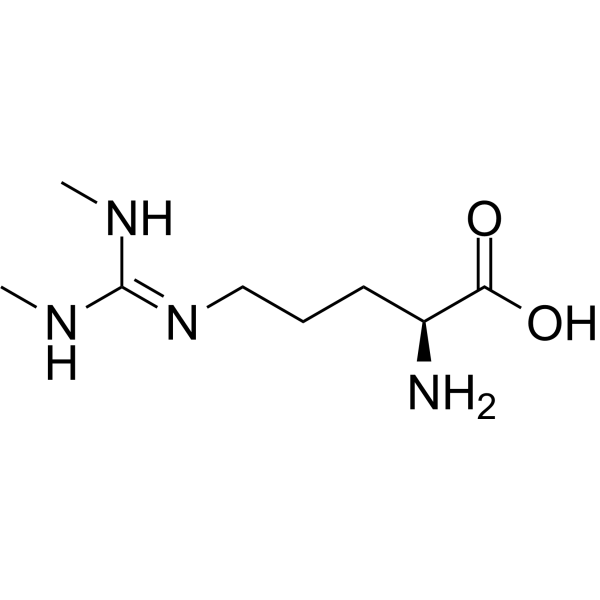
- Formula: C8H18N4O2
- Molecular Weight: 202.25
SDMA (Symmetric dimethylarginine) is an endogenous inhibitor of nitric oxide (NO) synthase activity. SDMA, a novel kidney biomarker, permits earlier diagnosis of kidney disease than traditional creatinine testing.
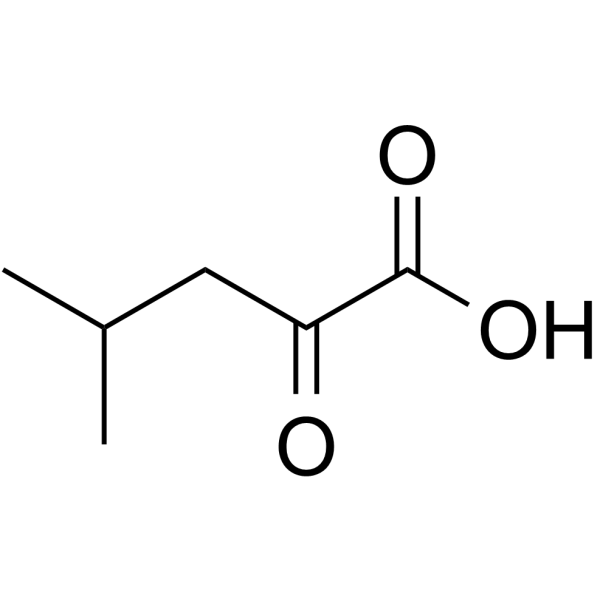
- Formula: C6H10O3
- Molecular Weight: 130.14
4-Methyl-2-oxopentanoic acid (α-Ketoisocaproic acid) is a metabolite of L-leucine and is involved in energy metabolism. 4-Methyl-2-oxopentanoic acid increases endoplasmic reticulum stress, promotes lipid accumulation in preadipocytes and insulin resistance by impairing mTOR and autophagy signaling pathways. 4-Methyl-2-oxopentanoic acid also causes oxidative damage, leading to cognitive deficits, inhibits α-ketoglutarate dehydrogenase activity, acts as an oxidative phosphorylation uncoupler and metabolic inhibitor. 4-Methyl-2-oxopentanoic acid acts as a nutrient signal and stimulates skeletal muscle protein synthesis. 4-Methyl-2-oxopentanoic acid can be used in the study of maple syrup urine disease.
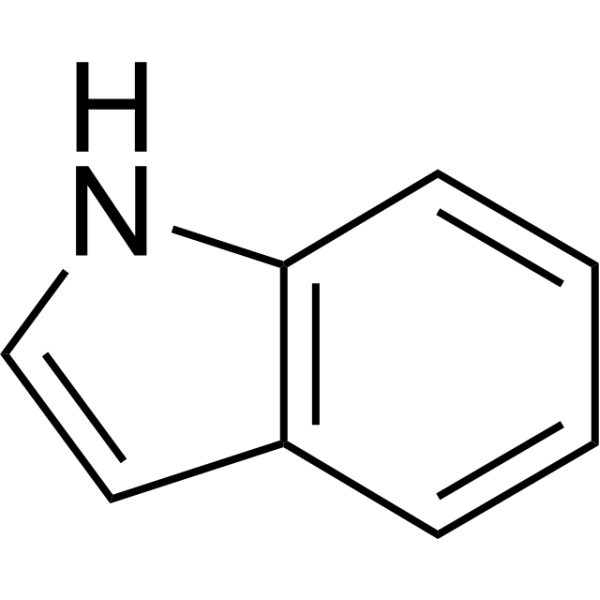
- Formula: C8H7N
- Molecular Weight: 117.15
Indole is an aromatic, heterocyclic, organic compound which widely distributed in the natural environment and can be produced by a variety of bacteria. Indole regulates various aspects of bacterial physiology, including spore formation, plasmid stability, resistance to drugs, biofilm formation, and virulence as an intercellular signal molecule.
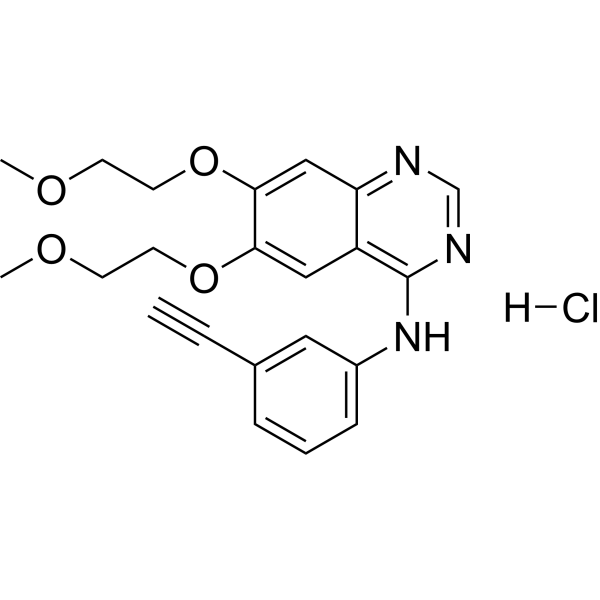
- Formula: C22H24ClN3O4
- Molecular Weight: 429.90
Erlotinib (CP-358774) Hydrochloride is a selective, orally active EGFR tyrosine kinase inhibitor. Erlotinib Hydrochloride also acts as a substrate and inhibitor of OATP2B1, with an IC50 of approximately 0.079 μM for inhibiting OATP2B1-mediated uptake of estrone 3-sulfate. Erlotinib Hydrochloride blocks EGFR phosphorylation, downstream signal transduction, as well as the growth and proliferation of cancer cells. Erlotinib Hydrochloride inhibits MMP-10-mediated renal injury, fibrotic lesions, the ERK1/2, GSK-3β and β-catenin signaling pathways, as well as the deposition of fibronectin, α-SMA, collagen and renal injury markers. Erlotinib Hydrochloride is metabolized via CYP3A to produce the active metabolite OSI-420. Erlotinib Hydrochloride can be used in research related to non-small cell lung cancer, gastric cancer, papillary renal cell carcinoma, EGFR inhibitor resistance and renal fibrosis.
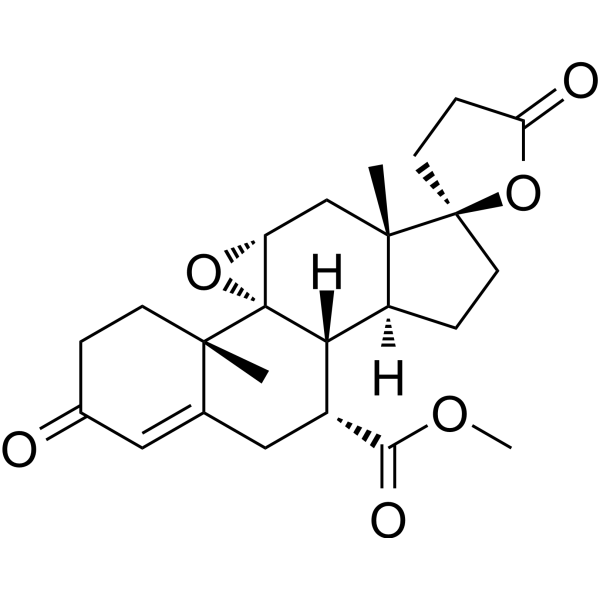
- Formula: C24H30O6
- Molecular Weight: 414.49
Eplerenone (Epoxymexrenone) is a selective, highly specific and orally active aldosterone blocker (SAB). Eplerenone also is a selective mineralocorticoid receptor antagonist (MRA) with IC50 value of 0.081 μM. Eplerenone can be used for the research of hypertension, atherosclerosis, chronic systolic heart failure (HF) and cardiovascular (CV).

- Formula: C3H2ClF5O
- Molecular Weight: 184.49
Isoflurane is a volatile anaesthetic. Isoflurane diminishs the effect of ROS activity. Isoflurane suppresses respiration. Isoflurane enables rapid anesthesia induction and emergence. Isoflurane protects against noise-induced hearing loss and tissue damage in mice. Isoflurane protects against renal ischemia and reperfusion injury and modulates leukocyte infiltration.
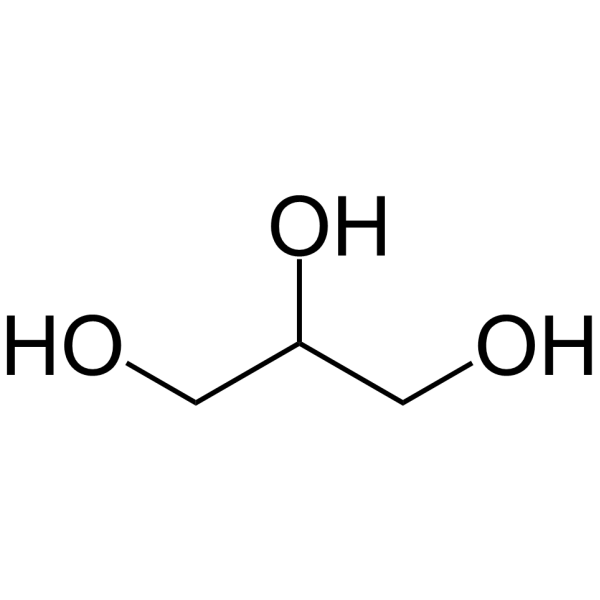
Cephalin form bovine brain is an orally active phospholipid widely present in organisms.Cephalin form bovine brain participates in the formation of autophagosome membrane as a lipid anchor of autophagy-related protein Atg8/LC3. Cephalin form bovine brain enhances Autophagic flux, promotes cell differentiation, regulates lipid droplet fusion, delays aging, and also affects lipid metabolism and membrane integrity.
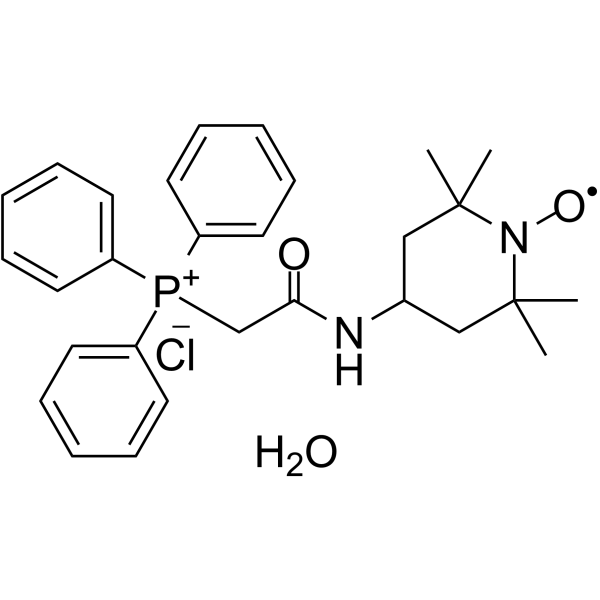
- Formula: C29H37ClN2O3P
- Molecular Weight: 528.04
MitoTEMPO hydrate is a mitochondria-targeted antioxidant. MitoTEMPO hydrate induces mitophagy by activating the PINK1/Parkin pathway, inhibits NLRP3 inflammasome activation, restores mitochondrial membrane potential, and improves renal function and podocyte injury. MitoTEMPO hydrate regulates Ca2+ homeostasis, inhibits Bnip3 overexpression, shortens action potential duration, and exerts antiarrhythmic effects. MitoTEMPO hydrate reverses premature senescence, reduces trabecular bone loss, and decreases cell apoptosis. MitoTEMPO hydrate can be used in studies of chronic kidney disease, age-related cardiac dysfunction, postmenopausal osteoporosis, and ischemic stroke.
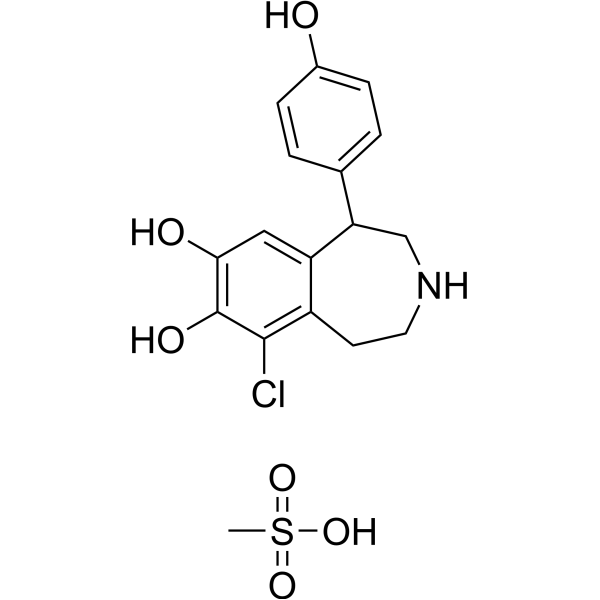
- Formula: C17H20ClNO6S
- Molecular Weight: 401.86
Fenoldopam (SKF-82526) mesylate is a selective dopamine D1 receptor agonist. Fenoldopam mesylate binds to rat D1B dopamine receptors (Kd = 11 nM) and human D1A receptors (Kd = 17 nM) in COS-7 cell membranes expressing the cloned receptors. Fenoldopam mesylate modulates dopamine receptor expression, induces vasorelaxation in vascular tissues, reverses glomerular hyperfiltration in rat models, increases intracellular cAMP levels, promotes DARPP-32 phosphorylation in small cell lung cancer (SCLC) cells, inhibits cytokine secretion, and downregulates T cell activation markers in activated human T cells. Fenoldopam mesylate can be used for research on hypertension, acute kidney injury, psoriasis, and small cell lung cancer.
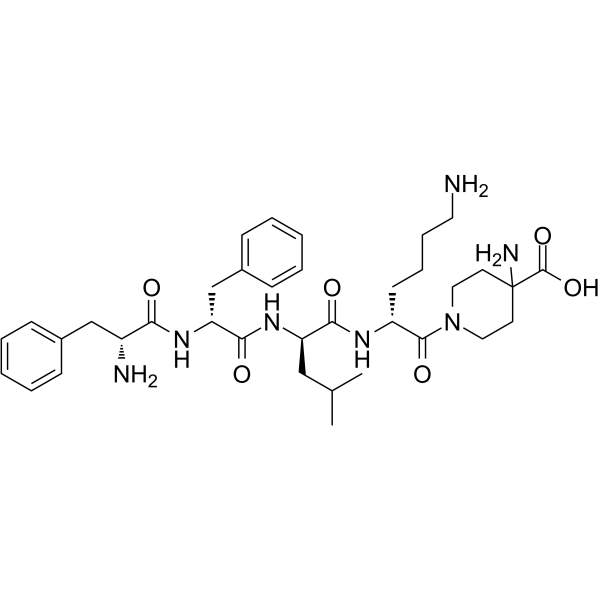
- Formula: C36H53N7O6
- Molecular Weight: 679.85
Difelikefalin (CR-845; FE-202845) is an orally active peripherally acting kappa opioid receptor agonist. Difelikefalin reduces acute kidney injury, decreases oliguria, maintains urine flow, inhibits cytokine expression, and improves survival in endotoxemia after ischemia/reperfusion. Difelikefalin suppresses pruritus signals and exhibits neuromodulatory antipruritic activity. Difelikefalin can be used in research related to acute kidney injury, chronic kidney disease-associated pruritus, and atopic dermatitis.

- Molecular Weight: 145.30 kDa
Alpitatug (IMC 3C5) is a fully human monoclonal antibody and also a VEGFR3 inhibitor. Alpitatug blocks renal lymphangiogenesis, prevents the formation of tubulointerstitial lymphatic vessels, and reduces the number of lymphatic vessels in rats. Alpitatug does not alter the proteinuria level, inflammatory cell infiltration, fibrosis markers or renal function parameters in proteinuric rats. Alpitatug can be used in research related to proteinuric nephropathy and advanced solid tumors.
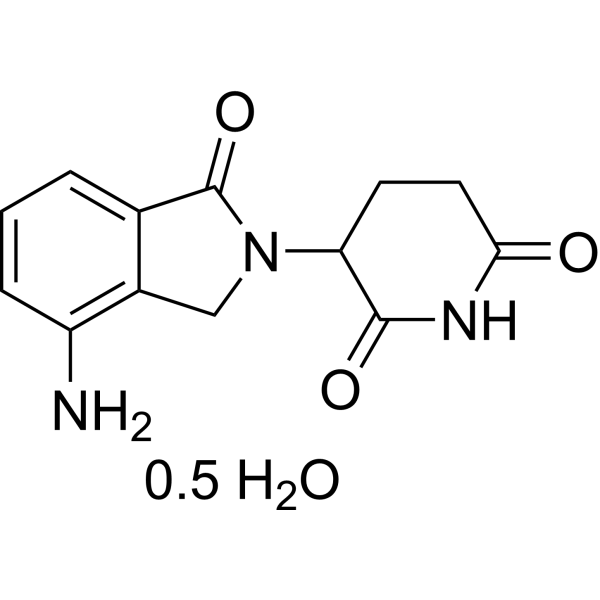
- Formula: C13H14N3O3.5
- Molecular Weight: 268.27
Lenalidomide hemihydrate (CC-5013 hemihydrate) is an orally active immunomodulatory agent that binds CRBN as a molecular glue to alter substrate specificity, inducing ubiquitination and proteasome-dependent degradation of IKZF1, IKZF3 and CK1α. Lenalidomide hemihydrate induces apoptosis by degrading IKZF1/3, and activates p53 by degrading CK1α. Lenalidomide hemihydrate promotes IL-2 release and effector functions of CD8+ T/NK cells, while inhibiting TNF-α secretion and M1-type pyroptosis. Lenalidomide hemihydrate can be used in research related to hematological malignancies, acute liver failure and acute kidney injury.
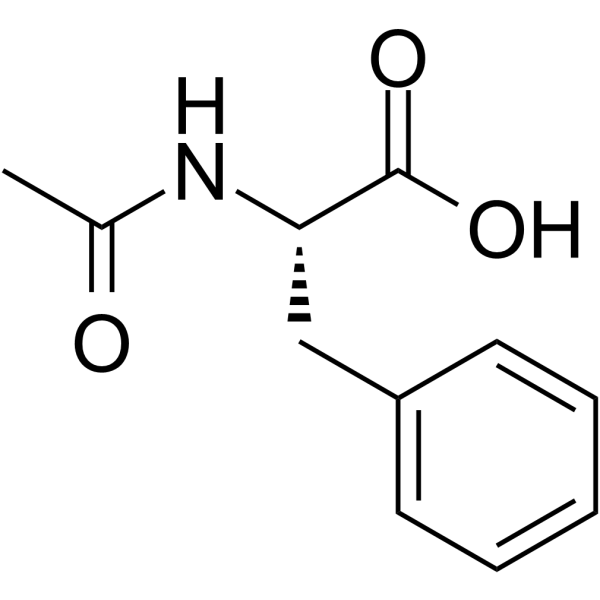
- Formula: C11H13NO3
- Molecular Weight: 207.23
N-Acetyl-L-phenylalanine (N-Acetylphenylalanine) is a principal acylamino acid. N-Acetyl-L-phenylalanine can be synthesized from L-phenylalanine and acetyl-CoA. N-Acetyl-L-phenylalanine can be used in kidney research.



