



N-(p-Coumaroyl) Serotonin

Based on 1 Customer Validation
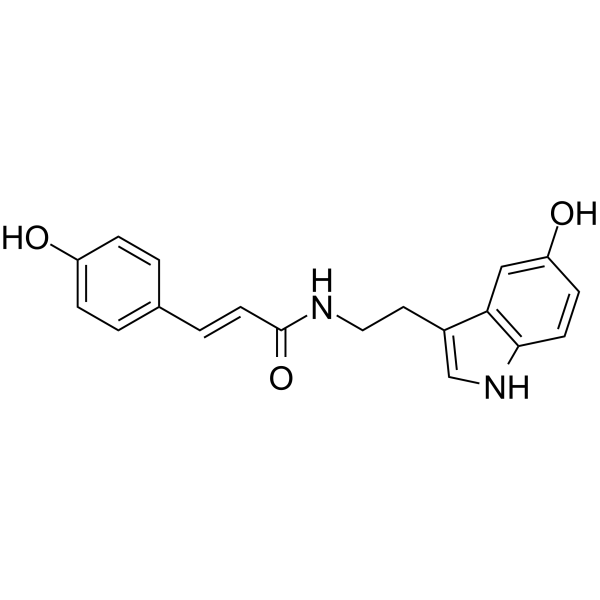
N-(p-Coumaroyl) Serotonin is an orally active polyphenol found in safflower seeds with potent anti-inflammatory, antioxidant, and antitumor activities. N-(p-Coumaroyl) Serotonin suppresses NF‑κB, TLR4/MyD88 and MAPK signaling, activates NQO1/HO‑1 pathways, and inhibits pro‑inflammatory cytokines, iNOS and COX‑2 and ROS production. N-(p-Coumaroyl) Serotonin induces S‑phase arrest and apoptosis in glioblastoma cells, reduces atherosclerotic lesions, and alleviates renal and vascular injuries. N-(p-Coumaroyl) Serotonin acts as a vasodilator, regulates calcium dynamics. N-(p-Coumaroyl) Serotonin can be used for the research of neurodegenerative diseases, atherosclerosis, glioblastoma, and acute renal failure.
For research use only. We do not sell to patients.
- Purity : 99.03%
- CAS No.: 68573-24-0
- Formula: C19H18N2O3
- Molecular Weight:322.36
-
Storage:Powder -20°C, 3 years , 4°C, 2 years ; In solvent -80°C, 6 months , -20°C, 1 month

To place orders, for customer services and technical support, please contact: MedChemExpress USA
Tel: 609-228-6898 E-mail: [email protected] [email protected]


-
 Biological Activity
-
Chemical Information
-
Solvent & Solubility
- Protocols
- Purity & Documentation
- References
-
 Help & FAQs


-
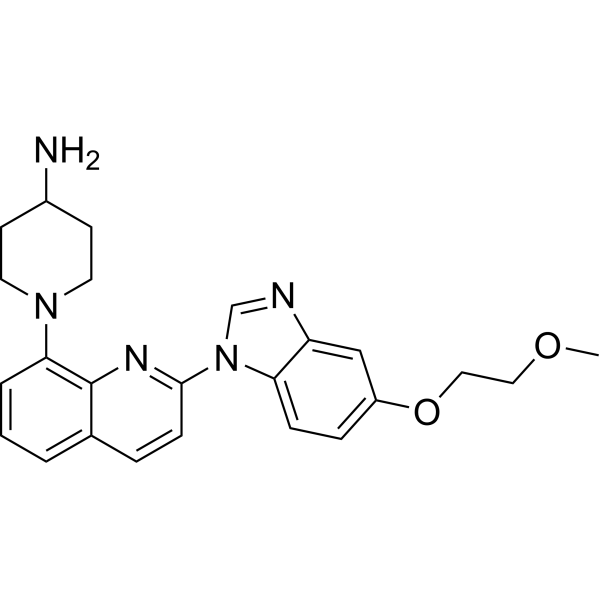
HY-12050
CP-673451PDGFR Inhibitor -
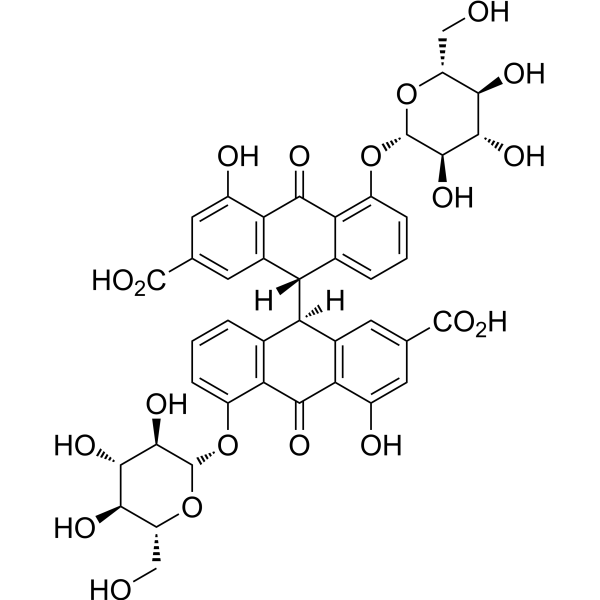
HY-N0366
Sennoside BPDGFR Inhibitor -
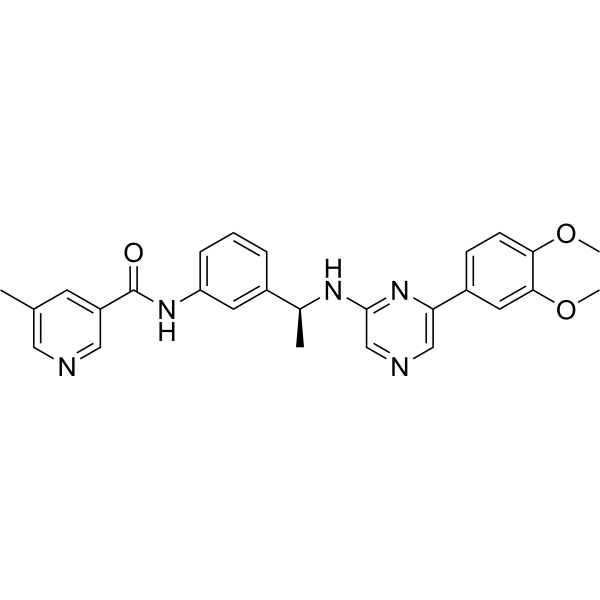
HY-109190
SeralutinibPDGFR Inhibitor -

HY-129440R
N-(p-Coumaroyl) Serotonin (Standard)Natural Product -
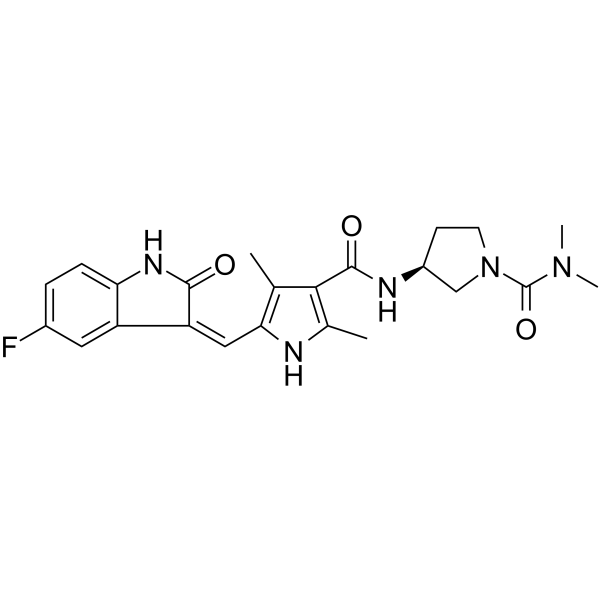
HY-109019
VorolanibVEGFR/PDGFR Inhibitor -
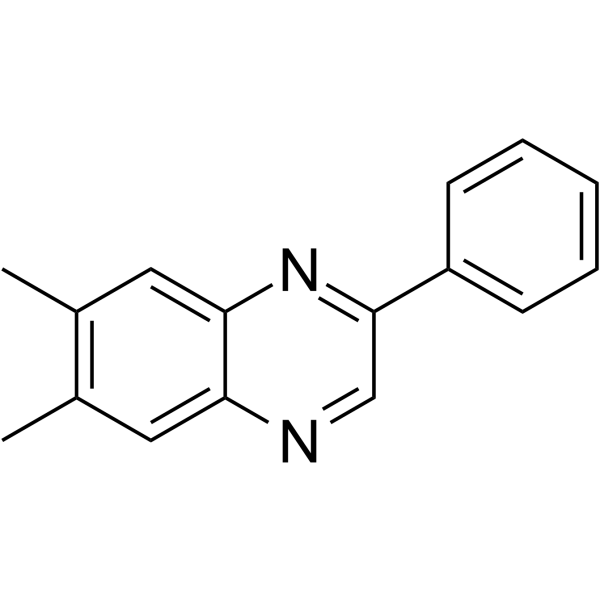
HY-101957
AG 1295PDGFR Inhibitor -
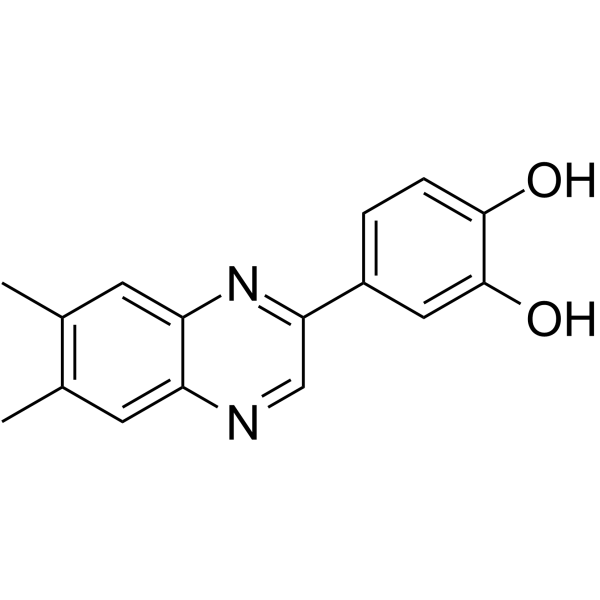
HY-119757
Tyrphostin AG1433PDGFRβ Inhibitor -
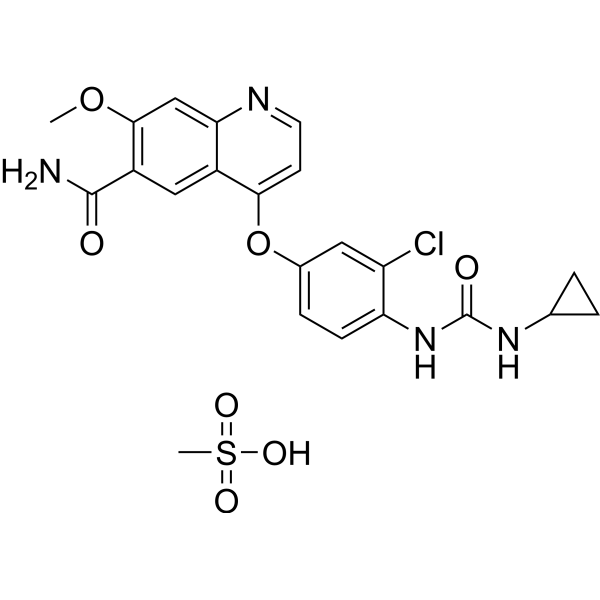
HY-10981A
Lenvatinib mesylatec-Kit Inhibitor -
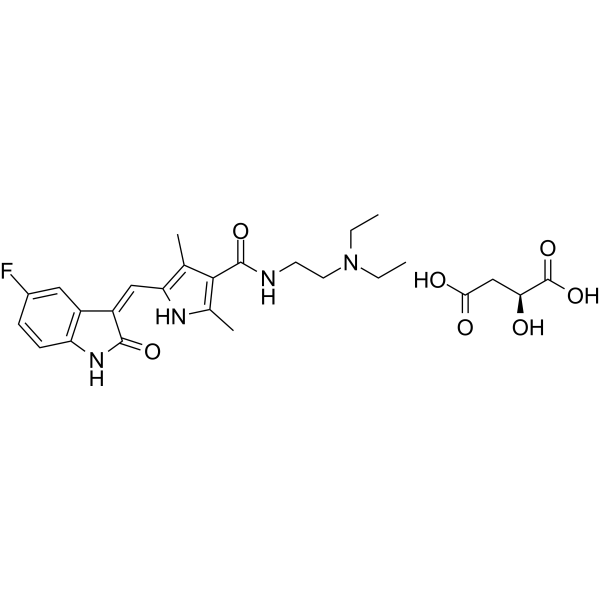
HY-10255
Sunitinib MalateTyrosine Kinase Inhibitor -
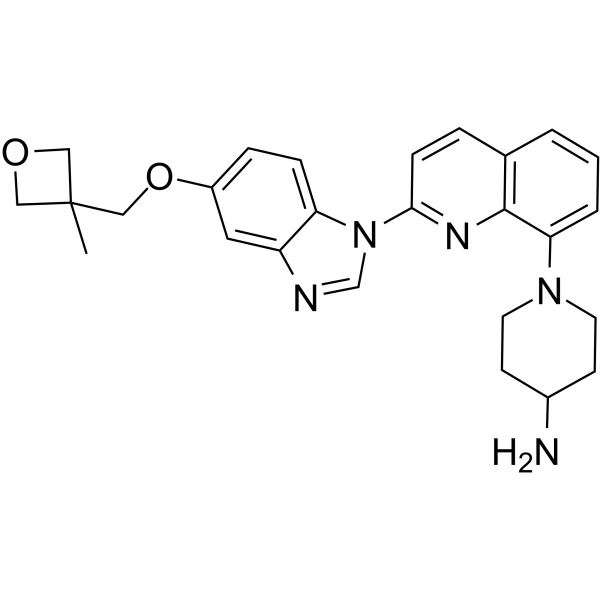
HY-13223
CrenolanibFLT3 Inhibitor -
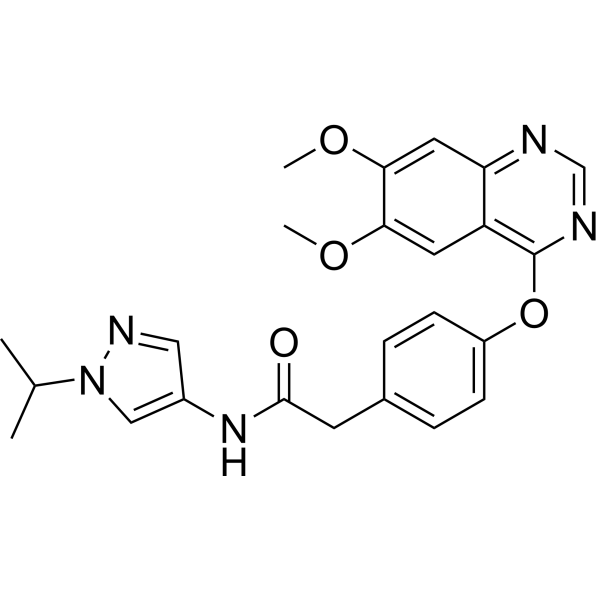
HY-18179
AZD2932c-Kit Inhibitor -
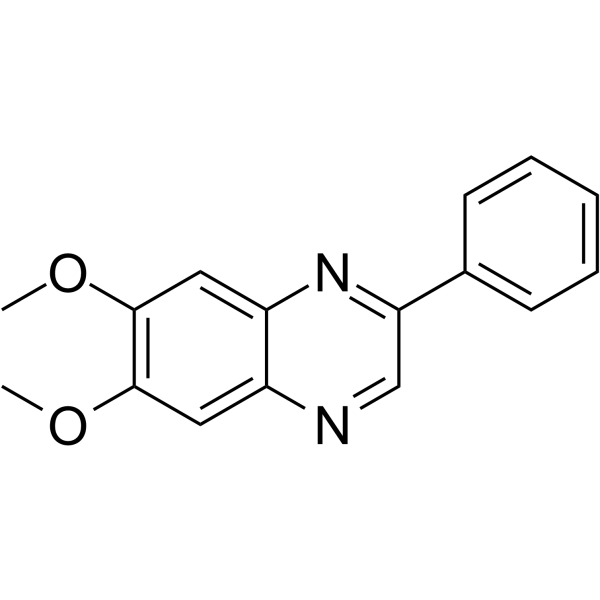
HY-13894
Tyrphostin AG1296PDGFR Inhibitor
All Caspase Isoforms
More

Biological Activity
Description
|
NF-κB |
p38 MAPK |
TLR4 |
COX-2 |
iNOS |
ERK1 |
ERK2 |
Caspase-8 |
PDGFRβ |
Cellular Effect
|
Cell Line

|
Type | Value | Description | References |
|---|---|---|---|---|
| RAW264.7 | IC50 |
164.43 μM
Compound: 9; CS
|
Antiinflammatory activity in mouse RAW264.7 cells assessed as inhibition of LPS-induced nitric oxide production measured after 24 hrs by Griess assay
Antiinflammatory activity in mouse RAW264.7 cells assessed as inhibition of LPS-induced nitric oxide production measured after 24 hrs by Griess assay
|
[PMID: 29102229] |
| RAW264.7 | IC50 |
43.22 μM
Compound: 9; CS
|
Antiinflammatory activity in mouse RAW264.7 cells assessed as inhibition of LPS-induced PGE2 production pretreated for 1 hr followed by LPS addition measured after 24 hrs
Antiinflammatory activity in mouse RAW264.7 cells assessed as inhibition of LPS-induced PGE2 production pretreated for 1 hr followed by LPS addition measured after 24 hrs
|
[PMID: 29102229] |
In Vitro
N-(p-Coumaroyl) Serotonin (CS) (12.5-100 μM, 1 h pre-incubation + 20 h LPS challenge) dose-dependently suppresses LPS-induced IL-6, TNF-α, MCP-1 secretion and NO production in BV2 microglia[1].
N-(p-Coumaroyl) Serotonin (12.5-100 μM) significantly inhibits LPS-induced signaling cascades in murine BV2 microglial cells. At 60 min post-LPS challenge, it dose-dependently suppresses the phosphorylation of p38, JNK, and ERK MAPKs, as well as the protein levels of TLR4 and MyD88. Furthermore, at 20 h post-LPS challenge, it robustly reduces the phosphorylation of IκBα and NF-κB p65 and inhibits the nuclear translocation of p65, thereby blocking the activation of the IκB/NF-κB signaling axis[1].
N-(p-Coumaroyl) Serotonin (12.5-100 μM; 20 h) dose-dependently upregulates HO-1 and NQO1 protein levels in murine BV2 microglial cells[1].
N-(p-Coumaroyl) Serotonin (1-100 μM, 15 s pre-treatment) concentration-dependently suppresses KCl- and 5-HT-induced [Ca2+] increases in A7r5 cells[2].
N-(p-Coumaroyl) Serotonin (1-100 μM; 24 hours) concentration-dependently inhibits FBS- and PDGF-BB-induced proliferation and PDGF-BB-induced migration in A7r5 cells[2].
N-(p-Coumaroyl) Serotonin (10-66 μM; 5 minutes (PDGF receptor β phosphorylation); 5, 10 minutes (ERK1/2 phosphorylation)) inhibits PDGF-BB-induced PDGF receptor β phosphorylation at 5 minutes and ERK1/2 phosphorylation at 5 and 10 minutes in A7r5 cells[2].
N-(p-Coumaroyl) Serotonin (50-1000 μM; 72 h) dose-dependently reduces viability in U251MG, A172, D54, U87MG and T98G glioblastoma cells (IC50: 48–81 μM), with T98G cells being more sensitive than U251MG cells; it shows markedly lower cytotoxicity in MRC-5 and HFL1 non-cancer fibroblasts[3].
N-(p-Coumaroyl) Serotonin (50-200 μM; 72 h) induces dose-dependent S-phase cell cycle arrest and sub-G0/G1 phase accumulation (apoptosis) in U251MG and T98G glioblastoma cells[3].
N-(p-Coumaroyl) Serotonin (77 μM; 24 h) activates caspase-8 in U251MG glioblastoma cells[3].
N-(p-Coumaroyl) Serotonin (150-200 μM; 24 h) induces mitochondrial membrane depolarization in U251MG glioblastoma cells[3].
N-(p-Coumaroyl) Serotonin (50-200 μM; 72 h) induces dose-dependent increases in CD71 and CD15 expression in U251MG and T98G glioblastoma cells after 72 hours of treatment, while leaving CD24, CD44, and CD56 expression unchanged[3].
MedChemExpress (MCE) has not independently confirmed the accuracy of these methods. They are for reference only. Further protocols information, click here.
-
Cell Line:murine BV2 microglial cells
-
Concentration:6.25, 12.5, 25, 50, 100 ,200 μM
-
Incubation Time:24 h
-
Result:Remained unaffected at concentrations up to 100 μM.
Reduced cellular viability at 200 μM.
-
Cell Line:LPS-challenged murine BV2 microglial cells
-
Concentration:12.5, 25, 50, 100 μM
-
Incubation Time:1 h pre-incubation, followed by 20 h LPS challenge
-
Result:Attenuated LPS-induced IL-6, TNF-α, and MCP-1 levels by 65.20%, 46.44%, and 30.36%, respectively.
-
Cell Line:LPS-challenged murine BV2 microglial cells
-
Concentration:12.5, 25, 50, 100 μM
-
Incubation Time:1 h pre-incubation, followed by 20 h LPS challenge
-
Result:Reduced LPS-induced increases in iNOS and COX-2 protein levels dose-dependently.
-
Cell Line:LPS-challenged murine BV2 microglial cells
-
Concentration:12.5, 25, 50, 100 μM
-
Incubation Time:1 h pre-incubation, followed by 60 min LPS challenge
-
Result:Reduced LPS-induced phosphorylation of p38, JNK, and ERK dose-dependently. Showed significant inhibition at all tested concentrations for p38 and JNK compared to LPS-only treated cells, and significant inhibition at 50 and 100 μM for ERK.
Reduced LPS-induced increases in TLR4 and MyD88 protein levels dose-dependently.
Reduced LPS-induced phosphorylation of IκBα and NF-κB p65 dose-dependently, with significant inhibition observed at 25, 50, and 100 μM compared to LPS-only treated cells.
-
Cell Line:LPS-challenged murine BV2 microglial cells
-
Concentration:100 μM
-
Incubation Time:1 h pre-incubation, followed by 60 min LPS challenge (Immunocytochemistry)
-
Result:Inhibited LPS-induced nuclear translocation of NF-κB p65 robustly at 100 μM, sequestering the protein in the cytoplasm.
-
Cell Line:murine BV2 microglial cells
-
Concentration:12.5, 25, 50, 100 μM
-
Incubation Time:20 h
-
Result:Increased protein levels of HO-1 and NQO1 dose-dependently.
-
Cell Line:A7r5 rat aortic vascular smooth muscle cells
-
Concentration:1, 10, 100 μM
-
Incubation Time:24 hours (with 10% FBS stimulation)
-
Result:Inhibited 10% FBS-induced proliferation in a concentration-dependent manner.
Achieved 40% inhibition at 100 μM.
-
Cell Line:A7r5 rat aortic vascular smooth muscle cells
-
Concentration:10, 100 μM
-
Incubation Time:24 hours (with PDGF-BB stimulation)
-
Result:Inhibited 10 ng/mL PDGF-BB-induced proliferation in a concentration-dependent manner.
Reduced proliferation activity to ~80% of control at 10 μM.
Reduced activity to ~40% of control at 100 μM.
-
Cell Line:A7r5 rat aortic vascular smooth muscle cells
-
Concentration:1, 10, 66 μM
-
Incubation Time:4 hours (with PDGF-BB stimulation)
-
Result:Attenuated 10 ng/mL PDGF-BB-induced migration in a concentration-dependent manner, reducing migration absorbance to ~40%, ~35%, and ~30% of the PDGF-BB-only control at 1, 10, and 66 μM, respectively.
-
Cell Line:A7r5 rat aortic vascular smooth muscle cells
-
Concentration:10, 66 μM
-
Incubation Time:5 minutes (PDGF receptor β phosphorylation); 5, 10 minutes (ERK1/2 phosphorylation) (with PDGF-BB stimulation)
-
Result:Attenuated PDGF-BB-induced PDGF receptor β and ERK1/2 phosphorylation in a concentration-dependent manner, with stronger inhibition observed at 5 minutes than at 10 minutes.
-
Cell Line:U251MG, A172, D54, U87MG, T98G (glioblastoma); MRC-5, HFL1 (non-cancer fibroblast)
-
Concentration:50, 150, 250, 500, 1000 μM
-
Incubation Time:72 h
-
Result:Reduced viability in all glioblastoma cell lines with IC50 values of 77 μM (U251MG), 62 μM (A172), 81 μM (D54), 48 μM (U87MG), and 68 μM (T98G).
Exhibited far lower cytotoxicity in non-cancer fibroblasts with an IC50 of 197 μM (MRC-5) and 181 μM (HFL1).
Showed dose-dependent sensitivity in both U251MG and T98G cells, with T98G cells more sensitive than U251MG cells.
Showed T98G cells greater sensitivity than U251MG cells.
-
Cell Line:U251MG, T98G (glioblastoma)
-
Concentration:50, 150, 200 μM
-
Incubation Time:72 h
-
Result:Induced a dose-dependent increase in the percentage of cells in the sub-G0/G1 phase, indicative of apoptosis, in both cell lines.
Caused dose-dependent S-phase cell cycle arrest in both U251MG and T98G cells.
-
Cell Line:U251MG (glioblastoma)
-
Concentration:150, 200 μM
-
Incubation Time:24 h
-
Result:Induced mitochondrial membrane depolarization in a concentration‑dependent manner.
In Vivo
N-(p-Coumaroyl) Serotonin (100-1000 μM; immersion; continuous; 96 hours) exhibits no acute toxicity in zebrafish embryos[3].
N-(p-coumaroyl) serotonin (7.5 mg/kg body weight per day; oral gavage; daily; 2 days) exerts a potent renoprotective effect against Cisplatin (HY-17394)-induced acute renal failure in male BALB/c mice, as evidenced by normalization of renal function biomarkers, reduction in oxidative stress, modulation of inflammatory and apoptotic protein expression, and improved renal histology[4].
MedChemExpress (MCE) has not independently confirmed the accuracy of these methods. They are for reference only.
-
Animal Model:Danio rerio (embryos, 24 hours post fertilization)[3]
-
Dosage:100 μM, 250 μM, 500 μM, 1000 μM
-
Administration:immersion; continuous; 96 hours
-
Result:Showed zero mortality at all tested concentrations up to 1 mM at 5 days post fertilization.
-
Animal Model:BALB/c (male, 7-week-old, acute renal failure model via cisplatin injection)[4]
-
Dosage:7.5 mg/kg body weight per day
-
Administration:oral gavage; daily; 2 days
-
Result:Attenuated cisplatin-induced body weight loss (mean change of -3.33 g over 3 days).
Prevented cisplatin-induced reduction in kidney weight (mean kidney weight of 0.44 g).
Significantly reduced serum urea nitrogen level to 22.7 mg/dl.
Significantly reduced serum creatinine level to 0.86 mg/dl.
Markedly decreased cisplatin-induced renal reactive oxygen species (ROS) production to near-normal levels.
Significantly upregulated cisplatin-reduced glutathione peroxidase (GPx) protein expression in the kidney.
Significantly decreased cisplatin-induced overexpression of p-p38, p-ERK1/2, and p-JNK proteins.
Significantly reduced cisplatin-induced overexpression of nuclear factor-kappa Bp65 (NF-κBp65), cyclooxygenase-2 (COX-2), and inducible nitric oxide synthase (iNOS) proteins.
Significantly suppressed cisplatin-induced upregulation of pro-apoptotic Bax protein and increased expression of anti-apoptotic Bcl-2 protein.
Showed significant reduction in cisplatin-induced renal histological damage, including less tubular necrosis, desquamation, and parenchymal degeneration compared to vehicle-treated cisplatin-exposed mice.


Chemical Information
-
CAS No. 68573-24-0
-
Appearance Solid
-
Molecular Weight 322.36
-
Formula C19H18N2O3
-
Color Off-white to light yellow
-
SMILES
O=C(NCCC1=CNC2=C1C=C(O)C=C2)/C=C/C3=CC=C(O)C=C3
-
Structure Classification
-
Initial Source
-
Shipping
Room temperature in continental US; may vary elsewhere.
-
Storage
Powder -20°C 3 years 4°C 2 years In solvent -80°C 6 months -20°C 1 month


Solvent & Solubility
In Vitro:
DMSO : 100 mg/mL (310.21 mM; Need ultrasonic; Hygroscopic DMSO has a significant impact on the solubility of product, please use newly opened DMSO)
Please refer to the solubility information to select the appropriate solvent. Once prepared, please aliquot and store the solution to prevent product inactivation from repeated freeze-thaw cycles.
Storage method and period of stock solution: -80°C, 6 months; -20°C, 1 month. When stored at -80°C, please use it within 6 months. When stored at -20°C, please use it within 1 month.
Please refer to the solubility information to select the appropriate solvent. Once prepared, please aliquot and store the solution to prevent product inactivation from repeated freeze-thaw cycles.
Storage method and period of stock solution: -80°C, 6 months; -20°C, 1 month. When stored at -80°C, please use it within 6 months. When stored at -20°C, please use it within 1 month.
Concentration (start) × Volume (start) = Concentration (final) × Volume (final)
In Vivo:
Select the appropriate dissolution method based on your experimental animal and administration route.
- For the following dissolution methods, please ensure to first prepare a clear stock solution using an In Vitro approach and then sequentially add co-solvents:
- To ensure reliable experimental results, the clarified stock solution can be appropriately stored based on storage conditions. As for the working solution for In Vivo experiments, it is recommended to prepare freshly and use it on the same day.
- The percentages shown for the solvents indicate their volumetric ratio in the final prepared solution. If precipitation or phase separation occurs during preparation, heat and/or sonication can be used to aid dissolution.
Add each solvent one by one: 10% DMSO 40% PEG300 5% Tween-80 45% Saline
Solubility: ≥ 2.08 mg/mL (6.45 mM); Clear solution
This protocol yields a clear solution of ≥ 2.08 mg/mL (saturation unknown).
Taking 1 mL working solution as an example, add 100 μL DMSO stock solution (20.8 mg/mL) to 400 μL PEG300, and mix evenly; then add 50 μL Tween-80 and mix evenly; then add 450 μL Saline to adjust the volume to 1 mL.
Preparation of Saline: Dissolve 0.9 g sodium chloride in ddH₂O and dilute to 100 mL to obtain a clear Saline solution.
Add each solvent one by one: 10% DMSO 90% (20% SBE-β-CD in Saline)
Solubility: ≥ 2.08 mg/mL (6.45 mM); Clear solution
This protocol yields a clear solution of ≥ 2.08 mg/mL (saturation unknown).
Taking 1 mL working solution as an example, add 100 μL DMSO stock solution (20.8 mg/mL) to 900 μL 20% SBE-β-CD in Saline, and mix evenly.
Preparation of 20% SBE-β-CD in Saline (4°C, storage for one week): 2 g SBE-β-CD powder is dissolved in 10 mL Saline, completely dissolve until clear.
In Vivo Dissolution Calculator
Please enter the basic information of animal experiments:
-
-
-
-
Recommended: Prepare an additional quantity of animals to account for potential losses during experiments.
Please enter your animal formula composition:
-
%DMSO +
Recommended: Keep the proportion of DMSO in working solution below 2% if your animal is weak.
-
%+
-
+%Tween-80 + +
-
%Saline +
The co-solvents required include: DMSO, . All of co-solvents are available by MedChemExpress (MCE). , Tween 80. All of co-solvents are available by MedChemExpress (MCE).
Working solution concentration: 0.22 mg/mL
Method for preparing stock solution: mg drug dissolved in μL DMSO. Stock solution concentration: mg/mL.
1. Take μL DMSO stock solution;
2. Add μL .
μL , mix evenly;
3. Then add μL Tween 80, mix evenly;
4. Then add μL
Please ensure that the stock solution in the first step is dissolved to a clear state, and add co-solvents in sequence. You can use ultrasonic heating (ultrasonic cleaner, recommended frequency 20-40 kHz), vortexing, etc. to assist dissolution.

Protocols
-
Apoptosis
Apoptosis, also called programmed cell death, is generally characterized by distinct morphological characteristics.
-
TUNEL staining for apoptotic DNA fragmentation
TUNEL staining detects DNA strand breaks by using terminal deoxynucleotidyl transferase to add labeled nucleotides to exposed 3′-OH DNA termini, generating either microscopic staining in fixed cells or tissue sections, or fluorescence/cytometric signal in cell suspensions. TUNEL positivity reflects DNA fragmentation but should not be interpreted alone as definitive apoptosis, because TUNEL can also label necrotic, autolytic, mechanically damaged, or DNA-repair-associated DNA breaks.
-
LPS-Induced Endotoxemia/Systemic Inflammation
Lipopolysaccharide (LPS)-induced endotoxemia is a widely used in vivo model of acute systemic inflammation in which LPS, a Gram-negative bacterial endotoxin, activates innate immune signaling primarily through TLR4, leading to rapid and transient induction of pro-inflammatory cytokines such as TNF-α, IL-6, and IL-1β in circulation and tissues. This cytokine surge is commonly used as a measurable readout of systemic inflammatory activation and immune dysregulation, and is typically assessed within hours after intraperitoneal LPS administration in mouse models of endotoxemia. The model captures key features of systemic inflammatory response syndrome, including cytokine release, immune cell activation, and downstream tissue responses, and has been used to evaluate anti-inflammatory interventions such as cytokine modulation, lipid mediators, and immune cell-targeting therapies.
-
Annexin V plus membrane-impermeant dye apoptosis staining
Annexin V-based apoptosis assays rely on the detection of phosphatidylserine (PS) externalization from the inner leaflet of the plasma membrane to the outer leaflet, an early biochemical hallmark of apoptosis. Fluorescently labeled Annexin V binds PS in a calcium-dependent manner, enabling identification of early apoptotic cells by flow cytometry or fluorescence microscopy. When combined with a membrane-impermeant DNA-binding dye (e. g. , propidium iodide), this approach allows discrimination between viable (Annexin V−/dye−), early apoptotic (Annexin V+/dye−), and late apoptotic or necrotic (Annexin V+/dye+) cell populations by assessing membrane integrity and PS exposure.
-
ROS/oxidative-stress fluorescent staining
ROS/oxidative-stress fluorescent staining uses cell-permeant fluorogenic probes that become fluorescent after oxidation inside cells or tissues; commonly used examples include DCFH-DA/DCFDA for broad cellular oxidant detection, DHE for superoxide-related signal detection, MitoSOX for mitochondrial superoxide-related signal detection, and CellROX probes for oxidative-stress-associated fluorescence readouts. The assay detects probe oxidation rather than a single ROS species unless the probe and analysis method have been chemically validated for that species. DCFH-DA enters cells, is deacetylated by intracellular esterases to DCFH, and produces fluorescent DCF after oxidation, so the readout is used as an operational measure of total cellular oxidative stress rather than a species-specific ROS measurement. DHE and MitoSOX can report superoxide-related oxidation, but red fluorescence alone can include non-specific ethidium-like oxidation products; HPLC or optimized spectral approaches are
-
Apoptosis Solutions
Apoptosis is a regulated, generally non-lytic cell-death pathway that removes unwanted, damaged, infected, or abnormal cells through coordinated morphological changes, caspase activation, DNA fragmentation, and membrane remodeling. The intrinsic apoptosis pathway is controlled mainly by mitochondrial outer membrane permeabilization, BCL-2 family proteins, cytochrome c release, apoptosome formation, caspase-9 activation, and downstream executioner caspase-3/7 activation. The extrinsic apoptosis pathway is initiated by death receptors such as Fas, TNFR, and TRAIL receptors, which recruit adaptor proteins and activate caspase-8 before engaging executioner caspases or mitochondrial amplification through BID cleavage. Apoptosis is linked to many phenotypes, including cancer cell killing, tissue homeostasis, immune regulation, neurodegeneration, infection response, and treatment-induced cytotoxicity; unresolved questions include how apoptosis interacts with necroptosis, pyroptosis, ferroptos
-
Research Protocol for Cardiovascular Diseases
Cardiovascular disease can be modeled as maladaptive cardiac remodeling, where ischemic injury or pressure overload activates inflammatory signaling, fibroblast activation, extracellular-matrix deposition, cardiomyocyte hypertrophy, vascular remodeling, and progressive ventricular dysfunction. The TGF-β/SMAD axis is a central profibrotic pathway after myocardial injury and pressure overload, while innate immune and cytokine pathways regulate leukocyte recruitment, scar formation, and adverse remodeling. Key unresolved questions include which inflammatory signals are reparative versus harmful, when fibrosis is protective versus maladaptive, and whether pathway inhibition improves function without weakening necessary infarct healing or compensatory remodeling.
-
Research Protocol for Inflammation-related Diseases
The NLRP3 inflammasome is a cytosolic innate immune signaling platform that integrates priming signals and danger-signal activation to promote caspase-1 activation, maturation of IL-1β and IL-18, and gasdermin D-mediated pyroptotic cell death. The core experimental logic is to determine whether inflammatory disease phenotypes are driven by increased NLRP3 expression, ASC-containing inflammasome assembly, caspase-1 cleavage, GSDMD cleavage, and extracellular release of IL-1β/IL-18 rather than by nonspecific cell injury alone. The pathway is strongly linked to inflammation-related disease phenotypes because monosodium urate crystals activate NALP3/NLRP3 inflammasome signaling in gout-like crystal inflammation, cholesterol crystals activate NLRP3 inflammasomes in atherogenesis models, and DSS-induced intestinal inflammation has been reported to involve NLRP3 inflammasome activity. However, experimental colitis studies also show context-dependent protective effects of NLRP3 inflammasome co


Purity & Documentation
-
Data Sheet (294 KB)
-
SDS (393 KB)
- English - EN (393 KB)
- Français - FR (393 KB)
- Deutsch - DE (393 KB)
- Norwegian - NO (393 KB)
- Español - ES (393 KB)
- Swedish - SV (393 KB)
- Italian - IT (393 KB)
- Korean - KR (393 KB)
- Portuguese - PT (393 KB)
-
Handling Instructions (2659 KB)
References
[1]. Jeon CH, et al. N-(p-Coumaroyl) Serotonin Ameliorates LPS-Induced Inflammation in BV2 Microglia via MAPK/NF-κB Inactivation and HO-1/NQO1 Upregulation. Curr Issues Mol Biol. 2026;48(2):232. Published 2026 Feb 21. [Content Brief]
[2]. Takimoto T, et al. Effect of N-(p-coumaroyl)serotonin and N-feruloylserotonin, major anti-atherogenic polyphenols in safflower seed, on vasodilation, proliferation and migration of vascular smooth muscle cells. Mol Nutr Food Res. 2011;55(10):1561-1571. [Content Brief]
[3]. Lazari D, et al. N-(p-coumaroyl) serotonin inhibits glioblastoma cells growth through triggering S-phase arrest and apoptosis. J Neurooncol. 2017;132(3):373-381. [Content Brief]
[4]. Park CH, et al. Protective Effects of Serotonin and its Derivatives, N-Feruloylserotonin and N-(p-Coumaroyl) Serotonin, Against Cisplatin-Induced Renal Damage in Mice. Am J Chin Med. 2019;47(2):369-383. [Content Brief]
[5]. Katsuda S, et al. Safflower seed polyphenols (N-(p-coumaroyl)serotonin and N-feruloylserotonin) ameliorate atherosclerosis and distensibility of the aortic wall in Kurosawa and Kusanagi-hypercholesterolemic (KHC) rabbits. Hypertens Res. 2009;32(11):944-949. [Content Brief]


Complete Stock Solution Preparation Table
Please refer to the solubility information to select the appropriate solvent. Once prepared, please aliquot and store the solution to prevent product inactivation from repeated freeze-thaw cycles.
Storage method and period of stock solution: -80°C, 6 months; -20°C, 1 month. When stored at -80°C, please use it within 6 months. When stored at -20°C, please use it within 1 month.
| Optional Solvent | Concentration Solvent Mass | 1 mg | 5 mg | 10 mg | 25 mg |
|---|---|---|---|---|---|
| DMSO | 1 mM | 3.1021 mL | 15.5106 mL | 31.0212 mL | 77.5530 mL |
| 5 mM | 0.6204 mL | 3.1021 mL | 6.2042 mL | 15.5106 mL | |
| 10 mM | 0.3102 mL | 1.5511 mL | 3.1021 mL | 7.7553 mL | |
| 15 mM | 0.2068 mL | 1.0340 mL | 2.0681 mL | 5.1702 mL | |
| 20 mM | 0.1551 mL | 0.7755 mL | 1.5511 mL | 3.8777 mL | |
| 25 mM | 0.1241 mL | 0.6204 mL | 1.2408 mL | 3.1021 mL | |
| 30 mM | 0.1034 mL | 0.5170 mL | 1.0340 mL | 2.5851 mL | |
| 40 mM | 0.0776 mL | 0.3878 mL | 0.7755 mL | 1.9388 mL | |
| 50 mM | 0.0620 mL | 0.3102 mL | 0.6204 mL | 1.5511 mL | |
| 60 mM | 0.0517 mL | 0.2585 mL | 0.5170 mL | 1.2926 mL | |
| 80 mM | 0.0388 mL | 0.1939 mL | 0.3878 mL | 0.9694 mL | |
| 100 mM | 0.0310 mL | 0.1551 mL | 0.3102 mL | 0.7755 mL |


N-(p-Coumaroyl) Serotonin Related Classifications
HY-129440 Related Classifications
 Powered by Bioz