RelA/p65
RelA/p65 is a transcriptionally active subunit of the NF-κB family and functions as a central regulator of inflammatory, immune, cell survival, and stress-response gene expression programs[1][2]. Upon activation of the canonical NF-κB pathway by pro-inflammatory cytokines, Toll-like receptor signaling, or other cellular stimuli, inhibitory IκB proteins are degraded, allowing RelA-containing NF-κB complexes to translocate into the nucleus and regulate target gene transcription[3][4]. The predominant NF-κB complex in most cell types is the p50-RelA (p65) heterodimer, which controls the expression of cytokines, chemokines, and survival-associated genes that coordinate innate and adaptive immune responses[5][6]. Mechanistically, RelA activity is further regulated by post-translational modifications, including phosphorylation, acetylation, methylation, and ubiquitination, which influence its transcriptional output across physiological and pathological conditions[2]. Dysregulated RelA signaling is strongly associated with chronic inflammation, immune disorders, metabolic disease, and cancer, making this pathway a major focus of translational research and therapeutic development[1][7][8]. In disease models, genetic or functional disruption of RelA alters inflammatory responses, cell survival, and immune activation, highlighting its essential biological role[9]. Compared with related NF-κB family members, RelA is distinguished by its prominent role in the canonical pathway and its widespread expression across tissues, whereas c-Rel is enriched in hematopoietic cells and RelB/p52 primarily mediates non-canonical NF-κB signaling[3][5]. For experimental applications, direct targeting of RelA/p65 and modulation of NF-κB nuclear activity are widely explored strategies for investigating inflammatory mechanisms and evaluating therapeutic interventions[1].
Références:
- [1]. Baño V, et al. Characterization and Structural Performance in Bending of CLT Panels Made from Small-Diameter Logs of Loblolly/Slash Pine. Materials (Basel). 2018 Nov 30;11(12):2436. [Content Brief]
- [2]. Huang Y, et al. The adjuvant treatment role of ω-3 fatty acids by regulating gut microbiota positively in the acne vulgaris. J Dermatolog Treat. 2024 Dec;35(1):2299107. [Content Brief]
- [3]. Wan F, et al. The nuclear signaling of NF-kappaB: current knowledge, new insights, and future perspectives. Cell Res. 2010 Jan;20(1):24-33. [Content Brief]
- [4]. Opheim E, et al. Changes in Risk Behaviour Among People With Recent Injecting Drug Use in Oslo 2002-2024. Drug Alcohol Rev. 2026 Jan;45(1):e70060. [Content Brief]
- [5]. Rabezanahary H, et al. Live virus neutralizing antibodies against pre and post Omicron strains in food and retail workers in Québec, Canada. Heliyon. 2024 May 21;10(10):e31026. [Content Brief]
- [6]. Sun SC. The non-canonical NF-κB pathway in immunity and inflammation. Nat Rev Immunol. 2017 Sep;17(9):545-558. doi: 10.1038/nri.2017.52. Epub 2017 Jun 5. PMID: 28580957; PMCID: PMC5753586. et al. The non-canonical NF-κB pathway in immunity and inflammation. Nat Rev Immunol. 2017 Sep;17(9):545-558. [Content Brief]
- [7]. Taniguchi K, et al. NF-κB, inflammation, immunity and cancer: coming of age. Nat Rev Immunol. 2018 May;18(5):309-324. [Content Brief]
- [8]. Frawley L, et al. Stem Cell Therapy for the Treatment of Amyotrophic Lateral Sclerosis: Comparison of the Efficacy of Mesenchymal Stem Cells, Neural Stem Cells, and Induced Pluripotent Stem Cells. Biomedicines. 2024 Dec 27;13(1):35. [Content Brief]
- [9]. Yu Y, et al. The biological functions of NF-kappaB1 (p50) and its potential as an anti-cancer target. Curr Cancer Drug Targets. 2009 Jun;9(4):566-71. [Content Brief]
-
RelA/p65 Produits associés (69)
Produits associés (69)

-
5-Aminosalicylic Acid
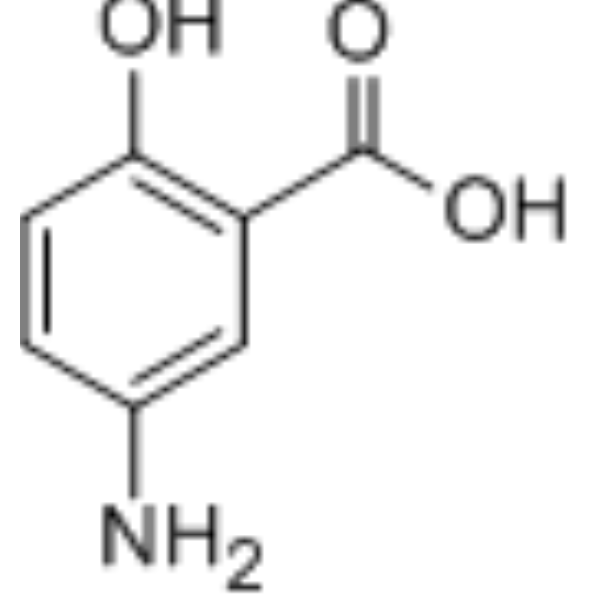 0 Images5-Aminosalicylic acid (Mesalamine) acts as a specific PPARγ agonist and also inhibits p21-activated kinase 1 (PAK1) and NF-κB. 5-Aminosalicylic acid can inhibit the activity of osteopontin (OPN).
-
Sulfasalazine
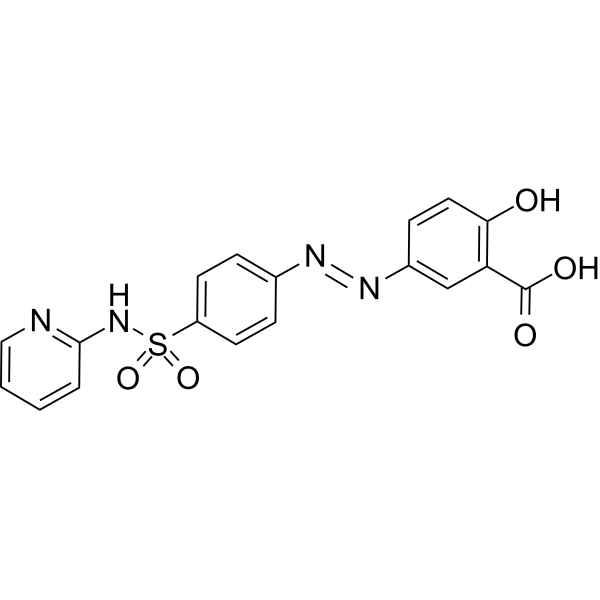 0 ImagesSulfasalazine (NSC 667219) is an anti-rheumatic agent for the research of rheumatoid arthritis and ulcerative colitis. Sulfasalazine can suppress NF-κB activity. Sulfasalazine is a type 1 ferroptosis inducer.
-
Fibrinogen (Bovine)
 0 ImagesFibrinogen (Bovine) is a selective proteolytic molecule that can be activated by thrombin to assemble fibrin clots. Fibrinogen can regulate the activation of NF-KB in endothelial cells and upregulate the expression of inflammatory chemokines MCP-1 and MCP-1. Fibrinogen plays a key role in blood clotting, thrombosis, atherosclerosis and the pathological development of venous grafts, and can be used in the study of blood clotting and vascular diseases.
-
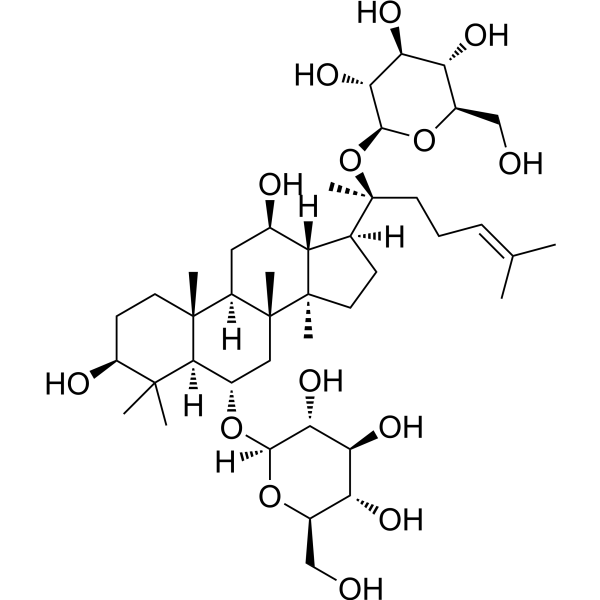
20(S)-Ginsenoside Rg3
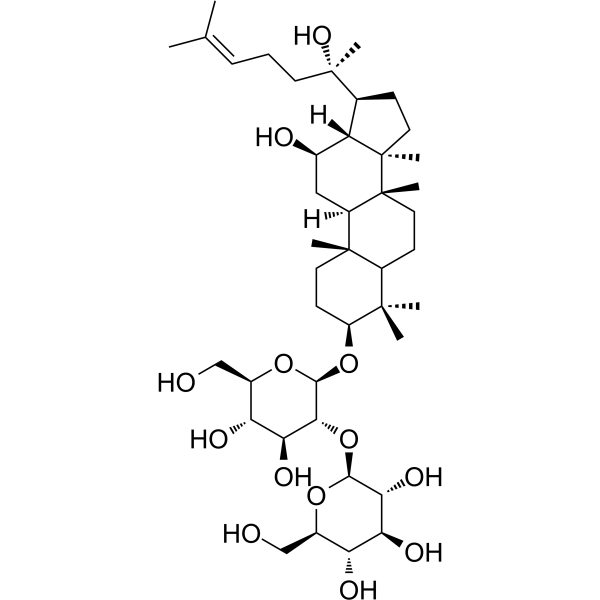 0 ImagesSynonyms: 20(S)-Propanaxadiol; S-ginsenoside Rg3
-
JP-163-16
 0 ImagesJP-163-16 is a NF-κB RelA/p65 PROTAC degrader that recruits CRBN. JP-163-16 selectively induces RelA/p65 degradation via the ubiquitin-proteasome pathway, exerts cytotoxicity and induces apoptosis in cancer cells, while showing low toxicity to non-malignant lymphocytes. JP-163-16 can be used for the research of chronic lymphocytic leukemia, triple-negative breast cancer and multiple myeloma.
-
Gomisin M2
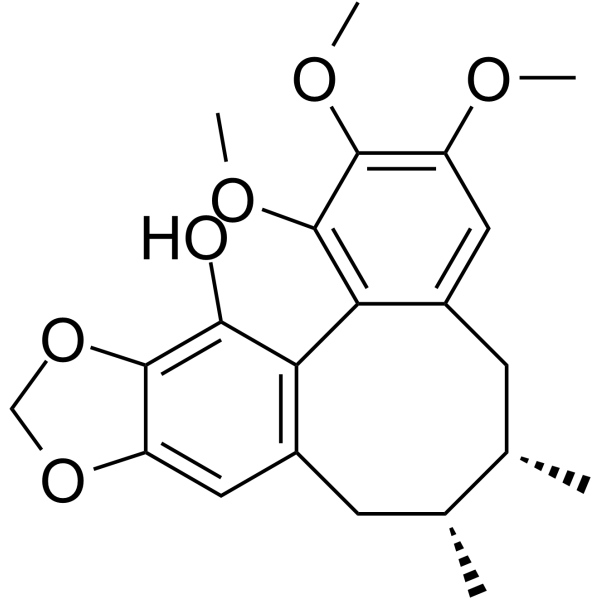 0 ImagesSynonyms: (+)-Gomisin M2Gomisin M2 ((+)-Gomisin M2) is a lignan isolated from the fruits of Schisandra chinensis with oral availability. Gomisin M2 inhibits STAT1 phosphorylation as well as NF-κB p65 phosphorylation and nuclear translocation. Gomisin M2 reduces inflammatory cell infiltration, cytokine and chemokine expression, and serum IgE and IgG2a levels. Gomisin M2 inhibits MAPK phosphorylation, IκBα degradation, and NF-κB nuclear translocation in keratinocytes. Gomisin M2 induces apoptosis, mitochondrial membrane potential disruption, and cytochrome c release, and inhibits DNA synthesis and mammosphere formation through downregulation of Wnt/β-catenin. Gomisin M2 can be used for research on atopic dermatitis, psoriasis, breast cancer, liver injury, and multidrug-resistant mammary adenocarcinoma.
-
Glutathione trisulfide
 0 ImagesCat. No.: HY-160906CAS No.: 32607-79-7Synonyms: GSSSGGlutathione trisulfide (GSSSG) is an orally active, blood-brain barrier permeable neuroprotective agent. Glutathione trisulfide inactivates intracellular tyrosinase, regulates the expression of Cars2, Cbs, MITF and TYR, inhibits α-MSH (HY-P0252)-induced melanogenesis, and restores intracellular persulfide levels reduced by α-MSH. Glutathione trisulfide scavenges free radicals, quenches ROS, reduces Paclitaxel (HY-B0015)-induced superoxide production, upregulates the expression of antioxidant protein genes, and inhibits oxidative stress-induced cell death. Glutathione trisulfide promotes ERK1/2 activation, prevents NF-κB p65 activation, inhibits TAK1 phosphorylation, reduces pro-inflammatory cytokine expression, and blocks microglial activation. Glutathione trisulfide can be used in research related to dry age-related macular degeneration, inflammation-associated eye diseases, Alzheimer's disease, Parkinson's disease, etc.
-
SC75741
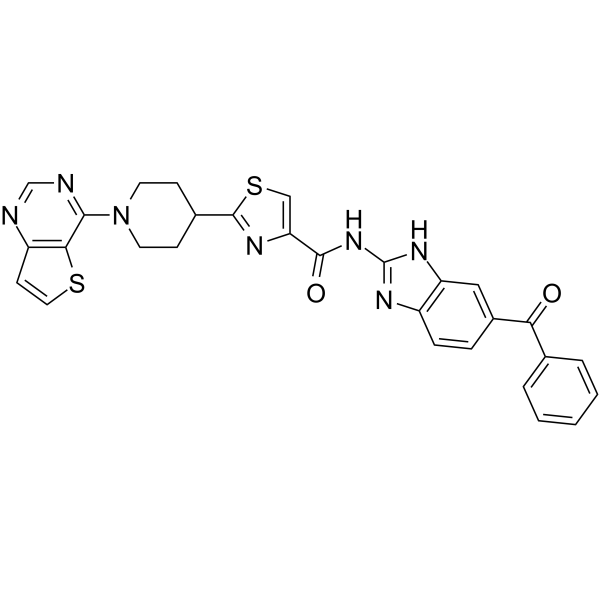 0 ImagesSC75741 is a broad and efficient NF-κB inhibitor with an IC50 of 200 nM for p65. SC75741 blocks influenza viruses (IV) replication. SC75741 impairs DNA binding of the NF-κB subunit p65, resulting in reduced expression of cytokines, chemokines, and pro-apoptotic factors. SC75741 subsequently inhibits caspase activation and blocks caspase-mediated nuclear export of viral ribonucleoproteins.
-
(-)-DHMEQ
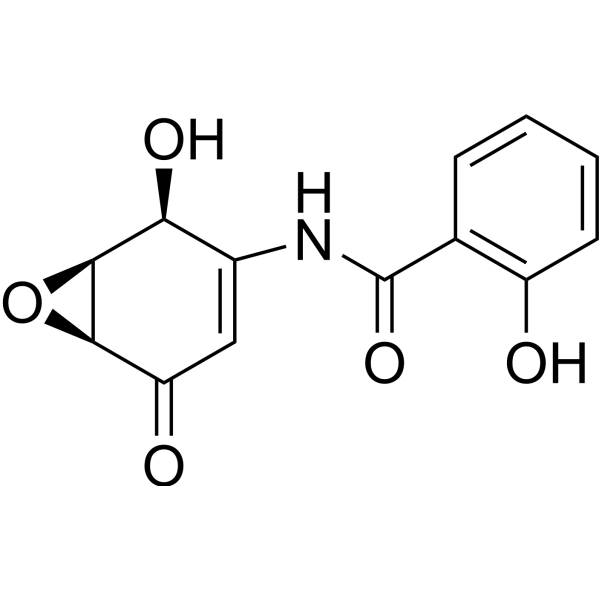 0 ImagesSynonyms: Dehydroxymethylepoxyquinomicin(-)-DHMEQ (Dehydroxymethylepoxyquinomicin) is a potent, selective and irreversible NF-κB inhibitor that covalently binds to a cysteine residue. (-)-DHMEQ inhibits nuclear translocation of NF-κB and shows anti-inflammatory and anticancer activity.
-
Astragalin
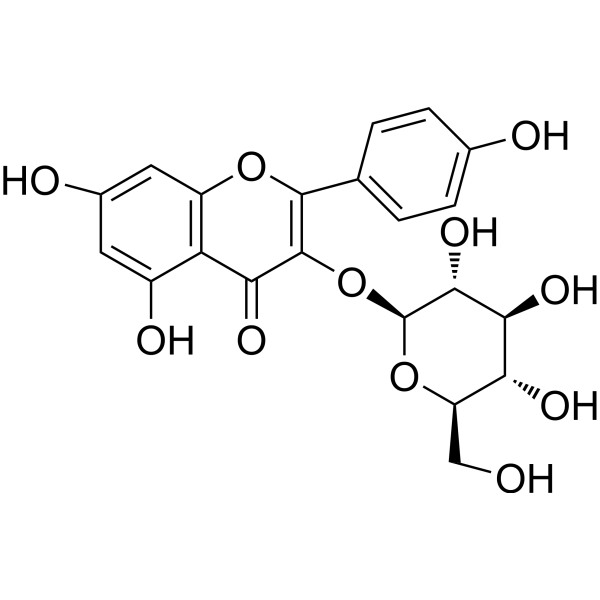 0 ImagesSynonyms: Astragaline; 3-Glucosylkaempferol; Kaempferol 3-β-D-glucopyranosideAstragalin (Astragaline) a flavonoid with anti-inflammatory, antioxidant, anticancer, bacteriostatic activity. Astragalin inhibits cancer cells proliferation and migration, induces apoptosis. Astragalin is orally active and provides nerve and heart protection, and resistance against and osteoporosis.
-
Neochlorogenic acid
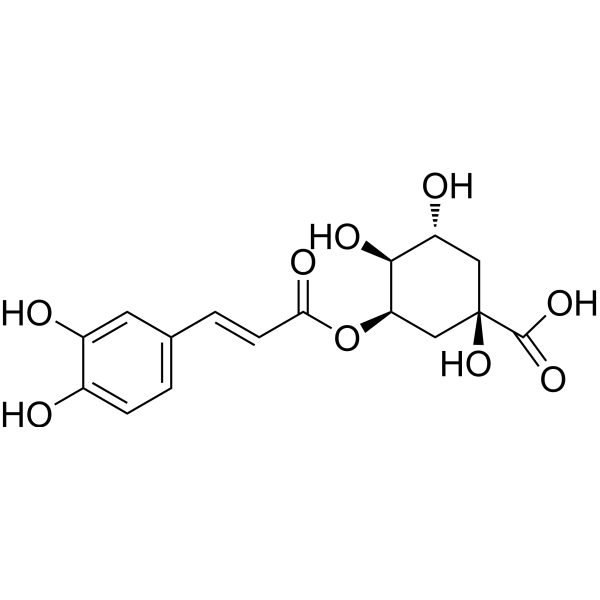 0 ImagesNeochlorogenic acid is a natural polyphenolic compound found in dried fruits and other plants. Neochlorogenic acid inhibits the production of TNF-α and IL-1β. Neochlorogenic acid suppresses iNOS and COX-2 protein expression. Neochlorogenic acid also inhibits phosphorylated NF-κB p65 and p38 MAPK activation.