



Astragalin
Based on 19 publication(s) in Google Scholar
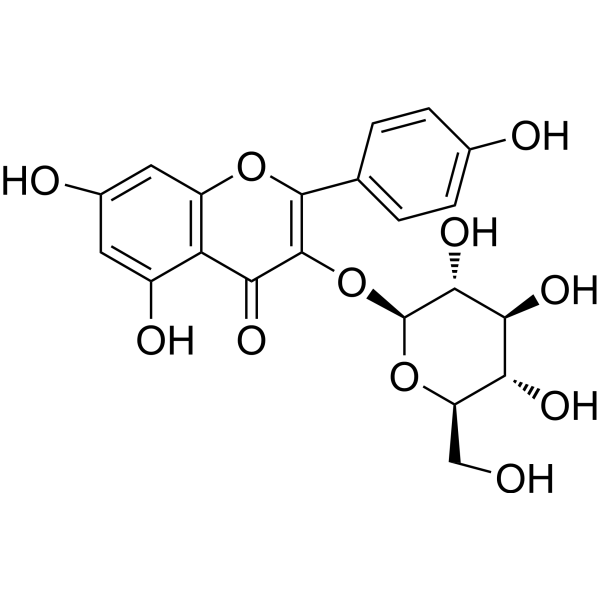
Astragalin (Astragaline) a flavonoid with anti-inflammatory, antioxidant, anticancer, bacteriostatic activity. Astragalin inhibits cancer cells proliferation and migration, induces apoptosis. Astragalin is orally active and provides nerve and heart protection, and resistance against and osteoporosis.
For research use only. We do not sell to patients.
- Purity : 99.94%
- CAS No.: 480-10-4
- Formula: C21H20O11
- Molecular Weight:448.38
-
Storage:Powder -20°C, 3 years , 4°C, 2 years ; In solvent -80°C, 2 years , -20°C, 1 year

To place orders, for customer services and technical support, please contact: MedChemExpress USA
Tel: 609-228-6898 E-mail: [email protected] [email protected]


-
 Biological Activity
-
Chemical Information
-
Solvent & Solubility
- Protocols
- Purity & Documentation
- References
-
 Help & FAQs


-
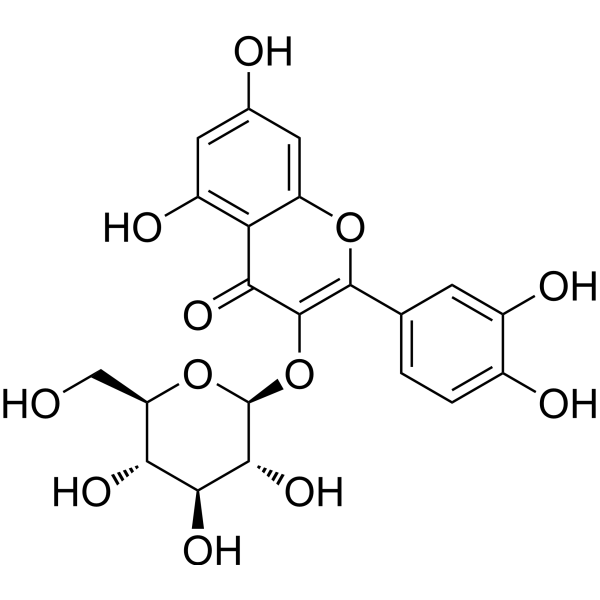
HY-N1445
IsoquercitrinNO Synthase Inhibitor -
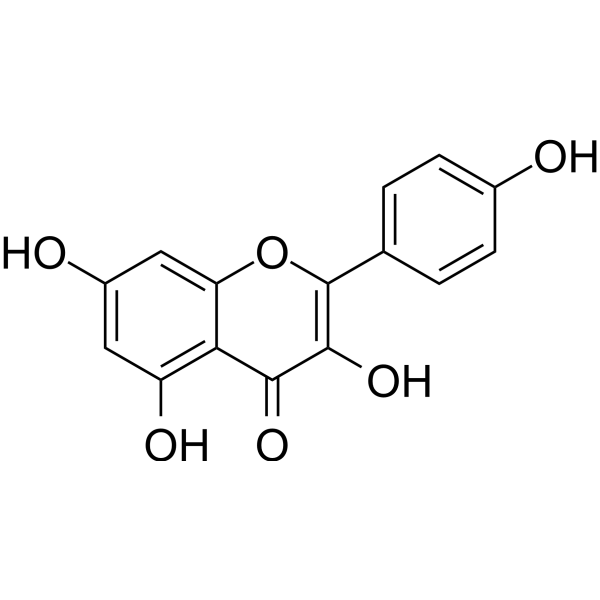
HY-14590
KaempferolEstrogen Receptor α Inhibitor -
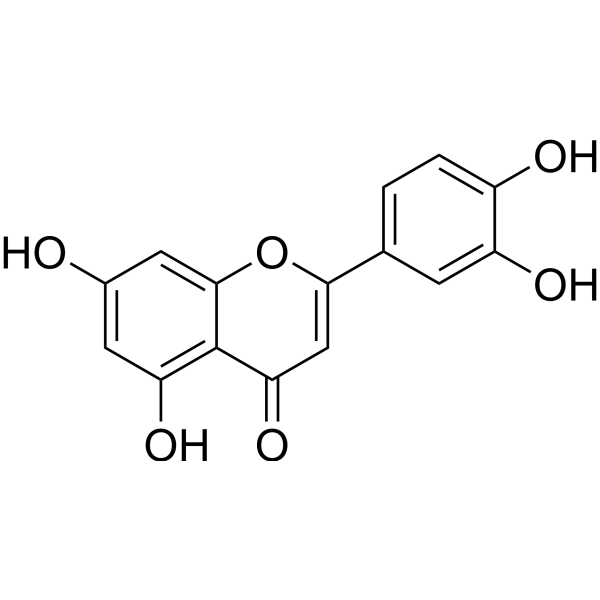
HY-N0162
LuteolinNrf2 Inhibitor -
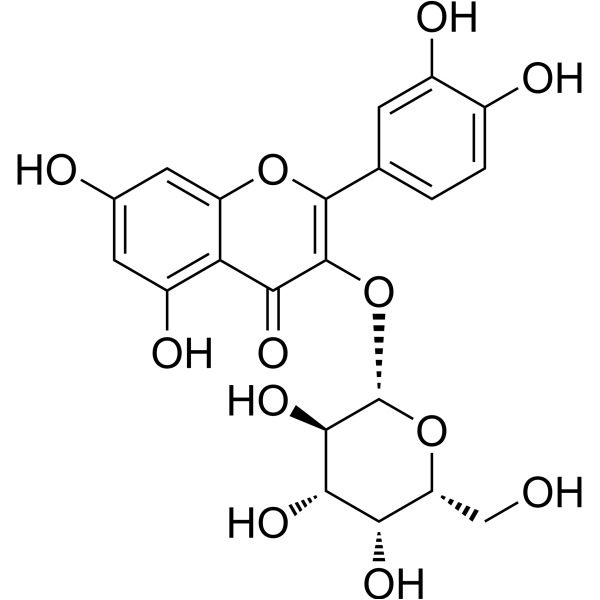
HY-N0452
HyperosideApoptosis Inducer -
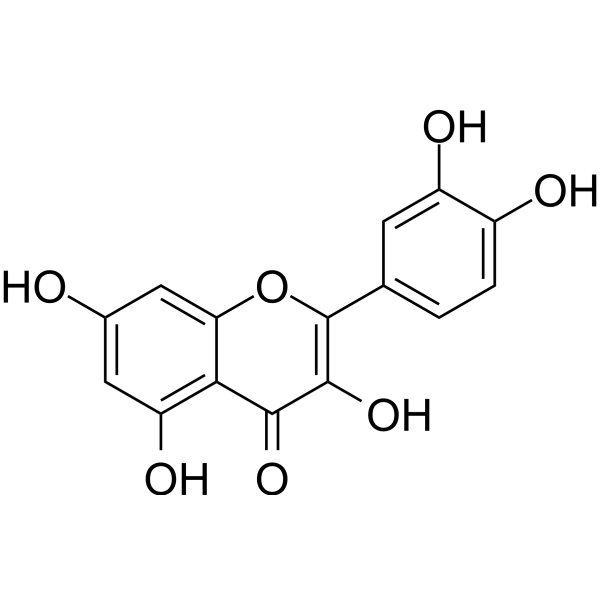
HY-18085
QuercetinFlavonoid Antioxidant -
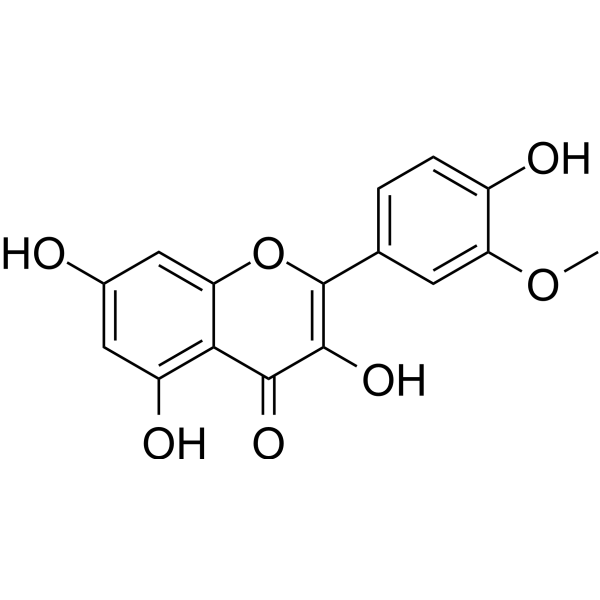
HY-N0776
IsorhamnetinEndogenous Metabolite -
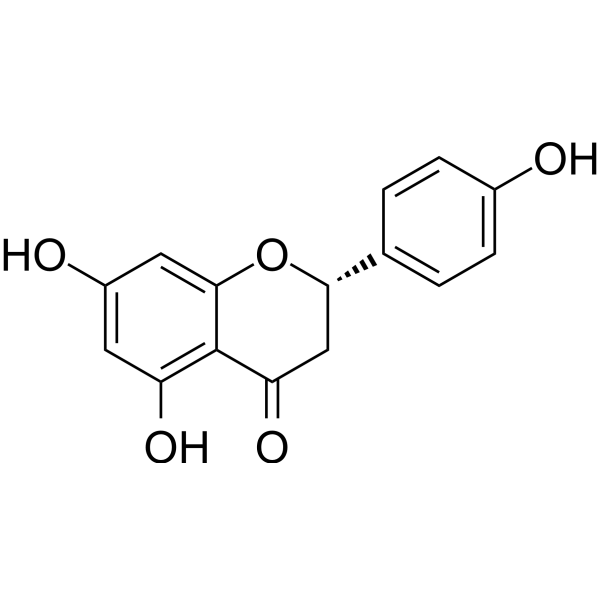
HY-N0100
NaringeninFlavonoid -
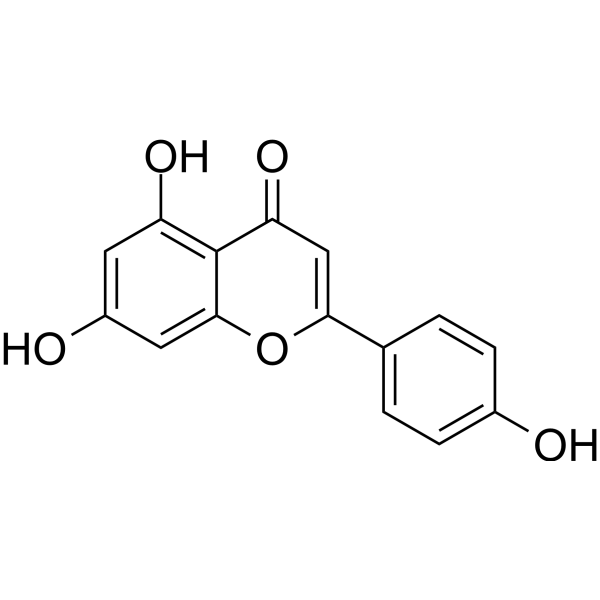
HY-N1201
ApigeninCytochrome P450 Inhibitor -

HY-N0015R
Astragalin (Standard)NF-κB Inhibitor -
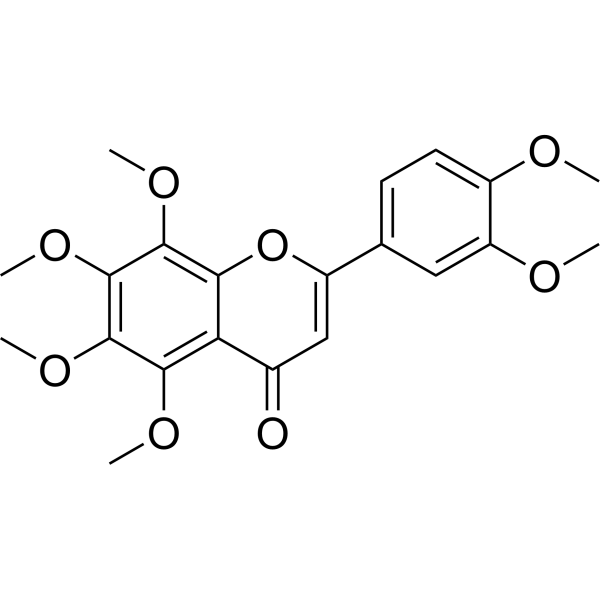
HY-N0155
NobiletinROR Agonist -
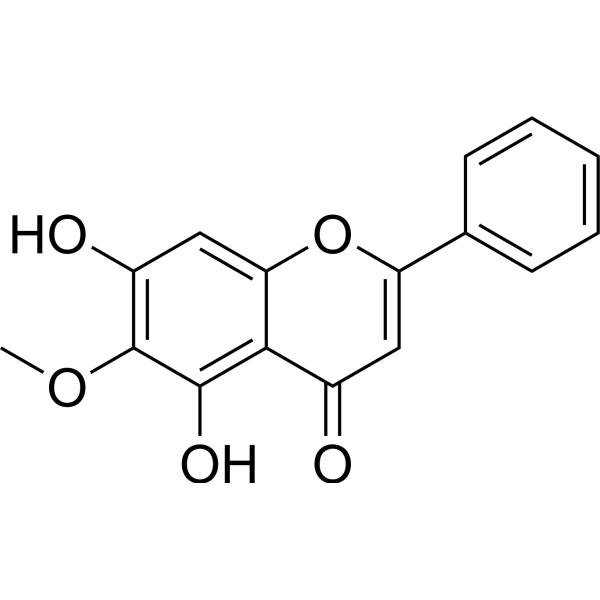
HY-N0560
Oroxylin AAutophagy Inducer -
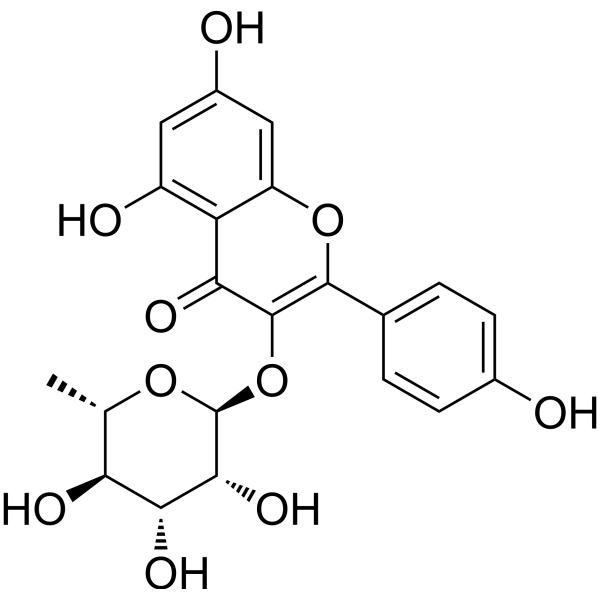
HY-N1441
AfzelinFlavonol Glycoside
Publications Citing Use of MedChemExpress (MCE) Astragalin
More- Adv Sci (Weinh). 2025 Nov 6:e15664. [Abstract]
- Phytomedicine. 2022 Jul:101:154113. [Abstract]
- Food Chem. 2025 Dec 25;496(Pt 2):146811. [Abstract]
- Food Chem. 2025 Dec 30:497:146992. [Abstract]
- Food Chem. 2025 Oct 15:489:144992. [Abstract]
- Food Chem X. 2024 Jul 18:23:101649. [Abstract]
- Curr Res Food Sci. 2023 Nov 6:7:100629. [Abstract]
- Talanta. 2026 Sep 1:307:129772. [Abstract]
- Ind Crops Prod. 2026 May 8;246:123392.
- Ind Crops Prod. 2025 Dec 11;239:122458.
- Bioresour Bioprocess. 2025 Dec 3;12(1):139. [Abstract]
- Eur J Pharmacol. 2025 Oct 15:1005:178108. [Abstract]
- Int Immunopharmacol. 2022 Nov:112:109278. [Abstract]
- Pestic Biochem Physiol. 2025 Dec:215:106655. [Abstract]
- Cancers (Basel). 2025 Oct 27;17(21):3442. [Abstract]
- Arch Dermatol Res. 2025 Mar 19;317(1):599. [Abstract]
- J Cardiovasc Pharmacol. 2021 Feb 1;77(2):217-227. [Abstract]
- Cytotechnology. 2025 Jun;77(3):80. [Abstract]
- SSRN. 2023 Feb 7.
 Customer Validation & Images

-
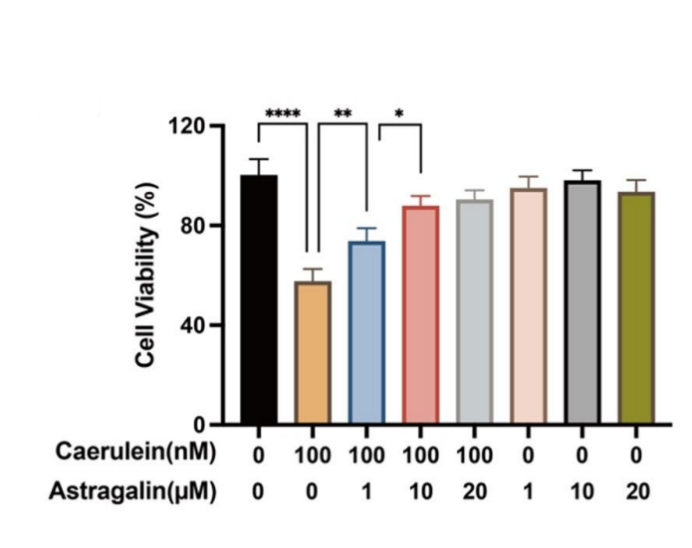
Cell Proliferation/Viability Assay
-
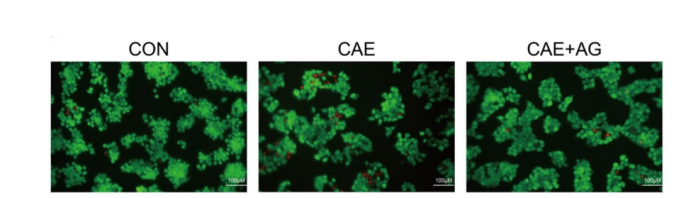
Cell Imaging/Staining
-
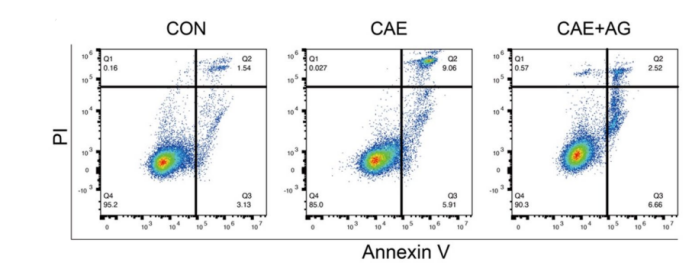
Apoptosis Analysis
-
Histological Imaging/Staining

-
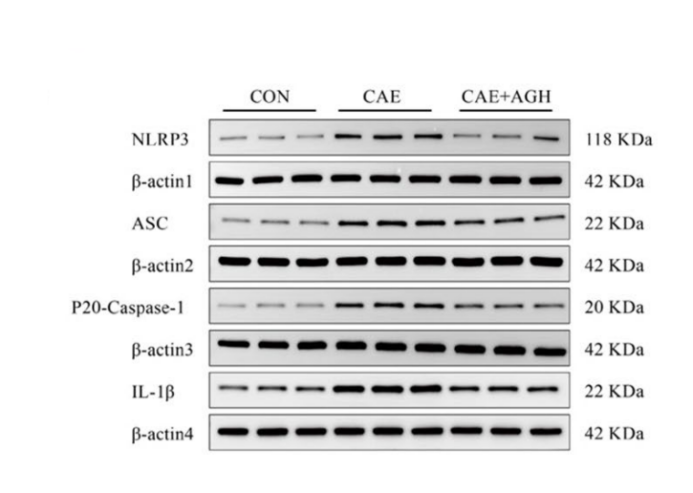
WB


Biological Activity
Description
IC50 & Target
|
p65 |
Cellular Effect
|
Cell Line

|
Type | Value | Description | References |
|---|---|---|---|---|
| A549 | IC50 |
>10 μM
Compound: 6
|
Cytotoxicity against human A549 cells after 48 hrs by SRB assay
Cytotoxicity against human A549 cells after 48 hrs by SRB assay
|
[PMID: 28165740] |
| BT-549 | IC50 |
>10 μM
Compound: 6
|
Cytotoxicity against human BT549 cells after 48 hrs by SRB assay
Cytotoxicity against human BT549 cells after 48 hrs by SRB assay
|
[PMID: 28165740] |
| BV-2 | IC50 |
23.5 μM
Compound: 6
|
Antiinflammatory activity in mouse BV2 cells assessed as inhibition of LPS-induced nitrite production after 24 hrs by Griess assay
Antiinflammatory activity in mouse BV2 cells assessed as inhibition of LPS-induced nitrite production after 24 hrs by Griess assay
|
[PMID: 28165740] |
| BV-2 | IC50 |
77.36 μM
Compound: 13
|
Antineuroinflammatory activity against mouse BV2 cells assessed as inhibition of LPS-induced nitric oxide production after 24 hrs by Griess method
Antineuroinflammatory activity against mouse BV2 cells assessed as inhibition of LPS-induced nitric oxide production after 24 hrs by Griess method
|
[PMID: 23149227] |
| H9 | EC50 |
80 μg/mL
Compound: 4
|
Inhibitory activity against HIV-1 IIIB replication in H9 cell line
Inhibitory activity against HIV-1 IIIB replication in H9 cell line
|
10.1016/0960-894X(94)80015-4 |
| H9 | IC50 |
<100 μg/mL
Compound: 4
|
Inhibitory activity against H9 cells uninfected with HIV-1
Inhibitory activity against H9 cells uninfected with HIV-1
|
10.1016/0960-894X(94)80015-4 |
| HCT-15 | IC50 |
23.5 μM
Compound: 11
|
Antiproliferative activity against human HCT15 cells after 72 hrs by sulforhodamine B assay
Antiproliferative activity against human HCT15 cells after 72 hrs by sulforhodamine B assay
|
[PMID: 25981689] |
| HL-60 | IC50 |
>50 μg/mL
Compound: 4
|
Antioxidant activity in human HL60 cells assessed as reduction of cytochrome-c release
Antioxidant activity in human HL60 cells assessed as reduction of cytochrome-c release
|
[PMID: 10650074] |
| Jurkat | IC50 |
>100 μg/mL
Compound: 9
|
Cytotoxicity against human Jurkat T cells after 36 hrs by MTT assay
Cytotoxicity against human Jurkat T cells after 36 hrs by MTT assay
|
[PMID: 21546250] |
| MDCK | CC50 |
>300 μM
Compound: 8
|
Cytotoxicity against MDCK cells after 48 hrs by MTT assay
Cytotoxicity against MDCK cells after 48 hrs by MTT assay
|
[PMID: 19729316] |
| MDCK | CC50 |
143.3 μg/mL
Compound: 8
|
Antiviral activity against PIV3 in MDCK cells assessed as inhibition of virus-induced cytopathic effect
Antiviral activity against PIV3 in MDCK cells assessed as inhibition of virus-induced cytopathic effect
|
[PMID: 15104496] |
| MDCK | CC50 |
392.5 μg/mL
Compound: 8
|
Antiviral activity against influenza virus type A H1N1 in MDCK cells assessed as inhibition of virus-induced cytopathic effect
Antiviral activity against influenza virus type A H1N1 in MDCK cells assessed as inhibition of virus-induced cytopathic effect
|
[PMID: 15104496] |
| MDCK | EC50 |
40 μM
Compound: 8
|
Antiviral activity against influenza A virus H1N1 A/PR/8/34 infected in MDCK cells assessed as reduction in virus-induced cytopathic effect
Antiviral activity against influenza A virus H1N1 A/PR/8/34 infected in MDCK cells assessed as reduction in virus-induced cytopathic effect
|
[PMID: 19729316] |
| MDCK | EC50 |
61.9 μM
Compound: 8
|
Antiviral activity against influenza A virus H9N2 A/Chicken/Korea/MS96/96 infected in MDCK cells assessed as reduction in virus-induced cytopathic effect
Antiviral activity against influenza A virus H9N2 A/Chicken/Korea/MS96/96 infected in MDCK cells assessed as reduction in virus-induced cytopathic effect
|
[PMID: 19729316] |
| MDCK | EC50 |
72.8 μM
Compound: 8
|
Inhibition of Influenza A virus A/PR/8/34 (H1N1) neuraminidase activity measured in infected MDCK cells using MUNANA as substrate assessed as fluorescence intensity after 48 hrs
Inhibition of Influenza A virus A/PR/8/34 (H1N1) neuraminidase activity measured in infected MDCK cells using MUNANA as substrate assessed as fluorescence intensity after 48 hrs
|
[PMID: 25927664] |
| MDCK | IC50 |
143.3 μg/mL
Compound: 8
|
Cytotoxicity against MDCK cells
Cytotoxicity against MDCK cells
|
[PMID: 15104496] |
| MDCK | IC50 |
24.5 μg/mL
Compound: 8
|
Antiviral activity against influenza virus type A H1N1 in MDCK cells assessed as inhibition of virus-induced cytopathic effect
Antiviral activity against influenza virus type A H1N1 in MDCK cells assessed as inhibition of virus-induced cytopathic effect
|
[PMID: 15104496] |
| MDCK | IC50 |
26.9 μg/mL
Compound: 8
|
Antiviral activity against RSV Long in MDCK cells assessed as inhibition of virus-induced cytopathic effect
Antiviral activity against RSV Long in MDCK cells assessed as inhibition of virus-induced cytopathic effect
|
[PMID: 15104496] |
| MDCK | IC50 |
35.8 μg/mL
Compound: 8
|
Antiviral activity against PIV3 in MDCK cells assessed as inhibition of virus-induced cytopathic effect
Antiviral activity against PIV3 in MDCK cells assessed as inhibition of virus-induced cytopathic effect
|
[PMID: 15104496] |
| P388 | ED50 |
8.2 μg/mL
Compound: Astragalin
|
Cytotoxicity against mouse P388 cells
Cytotoxicity against mouse P388 cells
|
[PMID: 3404159] |
| RAW264.7 | IC50 |
37.1 μM
Compound: 21
|
Antiinflammatory activity in mouse RAW264.7 cells assessed as inhibition of LPS-induced nitric oxide production after 18 hrs by griess reaction analysis
Antiinflammatory activity in mouse RAW264.7 cells assessed as inhibition of LPS-induced nitric oxide production after 18 hrs by griess reaction analysis
|
[PMID: 24679441] |
| RAW264.7 | IC50 |
40.6 μM
Compound: 21
|
Antiinflammatory activity in mouse RAW264.7 cells assessed as inhibition of LPS-induced TNF-alpha secretion after 18 hrs by sandwich ELISA
Antiinflammatory activity in mouse RAW264.7 cells assessed as inhibition of LPS-induced TNF-alpha secretion after 18 hrs by sandwich ELISA
|
[PMID: 24679441] |
| RAW264.7 | IC50 |
64 μM
Compound: 9
|
Antiinflammatory activity in mouse RAW264.7 cells assessed as inhibition of LPS-induced nitric oxide production after 24 hrs by Griess method
Antiinflammatory activity in mouse RAW264.7 cells assessed as inhibition of LPS-induced nitric oxide production after 24 hrs by Griess method
|
[PMID: 21353543] |
| RAW264.7 | IC50 |
67.1 μM
Compound: 9
|
Antiinflammatory activity in mouse RAW264.7 cells assessed as inhibition of LPS-induced TNF-alpha secretion after 18 hrs
Antiinflammatory activity in mouse RAW264.7 cells assessed as inhibition of LPS-induced TNF-alpha secretion after 18 hrs
|
[PMID: 21353543] |
| SK-MEL-2 | IC50 |
>10 μM
Compound: 6
|
Cytotoxicity against human SK-MEL-2 cells after 48 hrs by SRB assay
Cytotoxicity against human SK-MEL-2 cells after 48 hrs by SRB assay
|
[PMID: 28165740] |
| SK-OV-3 | IC50 |
>10 μM
Compound: 6
|
Cytotoxicity against human SKOV3 cells after 48 hrs by SRB assay
Cytotoxicity against human SKOV3 cells after 48 hrs by SRB assay
|
[PMID: 28165740] |
| SW-620 | IC50 |
4.6 μM
Compound: 11
|
Antiproliferative activity against human SW620 cells after 72 hrs by sulforhodamine B assay
Antiproliferative activity against human SW620 cells after 72 hrs by sulforhodamine B assay
|
[PMID: 25981689] |
| U-251 | IC50 |
37.6 μM
Compound: 11
|
Antiproliferative activity against human U251 cells after 72 hrs by sulforhodamine B assay
Antiproliferative activity against human U251 cells after 72 hrs by sulforhodamine B assay
|
[PMID: 25981689] |
| U-87MG ATCC | IC50 |
3.12 μM
Compound: 11
|
Antiproliferative activity against human U87MG cells after 72 hrs by sulforhodamine B assay
Antiproliferative activity against human U87MG cells after 72 hrs by sulforhodamine B assay
|
[PMID: 25981689] |
| Vero | IC50 |
174.3 μM
Compound: 1
|
Cytotoxicity against african green monkey Vero cells assessed as cell viability after 72 hrs by FACS analysis
Cytotoxicity against african green monkey Vero cells assessed as cell viability after 72 hrs by FACS analysis
|
[PMID: 21466157] |
In Vitro
Astragalin (0-80 μg/mL; 24 h, 48 h, 72 h) inhibits cancer cells viability and migration at 20, 40, 80 μM, and shows no cytotoxicity to normal human colon epithelial cell lines NCM460[1].
Astragalin (80 μg/mL; 4 h, 8 h) interrupts the NF-κB signaling pathway and inhibits NF-κB P65 transcriptional activity in HCT116 cells stimulated by TNF-α[1].
Astragalin (20, 40, 80 μg/mL; 48 h) induces HCT116 cells apoptosis and arrests cell cycle at G0/G1 phase[1].
Astragalin (20, 40, 80 μg/mL; 48 h) increases the level of apoptin in HCT116 and decreases the level of anti-apoptotic proteins in a dose-dependent manner[1].
MedChemExpress (MCE) has not independently confirmed the accuracy of these methods. They are for reference only.
-
Cell Line:Human colon cancer cell lines (HCT116, LoVo, SW620, SW480, Caco2) and human colon epithelial cell lines NCM460
-
Concentration:0, 5, 10, 20, 40, 80 μg/mL
-
Incubation Time:24, 48, 72 hours
-
Result:Inhibits cancer cells (LoVo, SW620, SW480, Caco2, HCT116) activity at 20, 40, 80 μM.
Inhibited HCT116 cells with IC50s of 121.845, 87.908, 18.883 μg/mL at 24, 48, 72 hours, respectively.
Showed no cytotoxicity with NCM460 cells.
-
Cell Line:Human colon cancer cell HCT116
-
Concentration:0, 20, 40, 80 μg/mL
-
Incubation Time:48 hours
-
Result:Arrested cell cycle at G0/G1.
-
Cell Line:Human colon cancer cell HCT116
-
Concentration:80 μg/mL; pre-treated with 20 ng/mL TNF-α
-
Incubation Time:4 or 8 hours
-
Result:Increased the expression of pro-apoptotic proteins (caspase 3, caspase 6, caspase 7, caspase 8, caspase 9, P53, and Bax) and decreased the expression of anti-apoptotic proteins (cleaved caspase-3 and Bcl-2) in a dose-dependent manner.
-
Cell Line:Human colon cancer cell HCT116
-
Concentration:0, 20, 40, 80 μg/mL
-
Incubation Time:24, 48, 72 hours
-
Result:Reduced release of MMP-2 and MMP-9 enzymes.
Inhibited cell migration with mobilities of 14.38, 13.44, and 5.29% with 20, 40, and 80 μg/mL concentrations, respectively.
In Vivo
MedChemExpress (MCE) has not independently confirmed the accuracy of these methods. They are for reference only.
-
Animal Model:Male BALB/c nude mice (4-week-old) with HCT116 cells (s.c.)[1]
-
Dosage:0 mg/kg, 25 mg/kg, 50 mg/kg, 75 mg/kg
-
Administration:Oral gavage; once every two days; for 25 days
-
Result:Resulted tumor inhibition rates of 17.43%, 34.89% (p < 0.01), and 67.06% with 25 mg/kg, 50 mg/kg, 75 mg/kg dose administration.
Showed no effect on mouse weight.


Chemical Information
-
CAS No. 480-10-4
-
Appearance Solid
-
Molecular Weight 448.38
-
Formula C21H20O11
-
Color Light yellow to yellow
-
SMILES
OC1=CC2=C(C(C(O[C@@H]3O[C@H](CO)[C@@H](O)[C@H](O)[C@H]3O)=C(C4=CC=C(O)C=C4)O2)=O)C(O)=C1
-
Synonyms
Astragaline; 3-Glucosylkaempferol; Kaempferol 3-β-D-glucopyranoside
-
Structure Classification
-
Initial Source
-
Shipping
Room temperature in continental US; may vary elsewhere.
-
Storage
Powder -20°C 3 years 4°C 2 years In solvent -80°C 2 years -20°C 1 year


Publications (19)
-
Journal Impact Factor
-
Most Recent
-
Adv Sci (Weinh)
A pH-Responsive Biomimetic Antioxidant Nanoplatform with Dual Renal Targeting for Synergistic Therapy of Acute Kidney Injury. [Abstract]2025 Nov 6:e15664. PMID: 41199144 -
Phytomedicine
Protective effects of E Se tea extracts against alcoholic fatty liver disease induced by high fat/alcohol diet: In vivo biological evaluation and molecular docking study. [Abstract]2022 Jul:101:154113. PMID: 35490493 -
Food Chem
Integrated untargeted and targeted metabolomics and microbiome profiling reveal the effects of storage duration on the flavor quality of Rizhao Jinhua white tea. [Abstract]2025 Dec 25;496(Pt 2):146811. PMID: 41166814 -
Food Chem
Effects of sun drying combined with baking processes on the flavor quality of Chongqing Tuocha raw tea. [Abstract]2025 Dec 30:497:146992. PMID: 41285060 -
Food Chem
Flavonoid-mediated metabolic underpinning quality variation in red bud-sport pear mutants. [Abstract]2025 Oct 15:489:144992. PMID: 40466530 -
Food Chem X
Effects of anaerobic treatment on the non-volatile components and angiotensin-converting enzyme (ACE) inhibitory activity of purple-colored leaf tea. [Abstract]2024 Jul 18:23:101649. PMID: 39139484 -
Curr Res Food Sci
Natural pigments (anthocyanins and chlorophyll) and antioxidants profiling of European red and green gooseberry (Ribes uva-crispa L.) extracted using green techniques (UAE-citric acid-mediated extraction). [Abstract]2023 Nov 6:7:100629. PMID: 38034946 -
Talanta
A targeted strategy for screening bioactive inhibitors from Morus alba L.: Immobilized PTP1B affinity chromatography. [Abstract]2026 Sep 1:307:129772. PMID: 41955787 -
-
-
Bioresour Bioprocess
Astragalin attenuates caerulein-induced acute pancreatitis by targeting the NLRP3 signaling pathway and gut microbiota. [Abstract]2025 Dec 3;12(1):139. PMID: 41335362
Astragalin purchased from MedChemExpress. Usage Cited in: Bioresour Bioprocess. 2025 Dec 3;12(1):139. [Abstract]
CCK8 assay of Astragalin (1, 10, 20 μM) on AR42J cells.
Astragalin purchased from MedChemExpress. Usage Cited in: Bioresour Bioprocess. 2025 Dec 3;12(1):139. [Abstract]
Live/dead staining showing living (green) and dying/dead (red) cells treated with Astragalin (10 μM).
Astragalin purchased from MedChemExpress. Usage Cited in: Bioresour Bioprocess. 2025 Dec 3;12(1):139. [Abstract]
Apoptotic rate analyzed by Annexin V-FITC/PI staining and flow cytometry treated with Astragalin (10 μM).
Astragalin purchased from MedChemExpress. Usage Cited in: Bioresour Bioprocess. 2025 Dec 3;12(1):139. [Abstract]
Images of H&E staining in pancreatic tissue treated with Astragalin (50, 75, 100 mg/kg, i.g.).
Astragalin purchased from MedChemExpress. Usage Cited in: Bioresour Bioprocess. 2025 Dec 3;12(1):139. [Abstract]
Western blot of the NLRP3 signaling pathway treated with Astragalin (100 mg/kg, i.g.).
-
Eur J Pharmacol
Astragalin inhibits hepatitis B virus through functional reconstitution of CD8+ T cells and a direct effect on HBV control. [Abstract]2025 Oct 15:1005:178108. PMID: 40886877 -
Int Immunopharmacol
Astragalin mitigates inflammatory osteolysis by negatively modulating osteoclastogenesis via ROS and MAPK signaling pathway. [Abstract]2022 Nov:112:109278. PMID: 36215870 -
Pestic Biochem Physiol
Mechanistic insights into chlorogenic acid and caffeic acid as novel juvenile hormone antagonists. [Abstract]2025 Dec:215:106655. PMID: 41162045 -
Cancers (Basel)
Astragalin Attenuates Bone Destruction and the Progression of Bone Metastasis in Breast Cancer. [Abstract]2025 Oct 27;17(21):3442. PMID: 41228235 -
Arch Dermatol Res
Astragalin inhibits fibroblast proliferation, motion, and ECM synthesis and regulates the MAPK pathway in keloid. [Abstract]2025 Mar 19;317(1):599. PMID: 40105997 -
J Cardiovasc Pharmacol
Astragalin Retards Atherosclerosis by Promoting Cholesterol Efflux and Inhibiting the Inflammatory Response via Upregulating ABCA1 and ABCG1 Expression in Macrophages. [Abstract]2021 Feb 1;77(2):217-227. PMID: 33165140 -
Cytotechnology
Astragalin inhibits the proliferation of high-risk HPV-positive cervical epithelial cells and attenuates malignant cervical lesions. [Abstract]2025 Jun;77(3):80. PMID: 40124127 -


Solvent & Solubility
In Vitro:
DMSO : 100 mg/mL (223.03 mM; Need ultrasonic; Hygroscopic DMSO has a significant impact on the solubility of product, please use newly opened DMSO)
Please refer to the solubility information to select the appropriate solvent. Once prepared, please aliquot and store the solution to prevent product inactivation from repeated freeze-thaw cycles.
Storage method and period of stock solution: -80°C, 2 years; -20°C, 1 year. When stored at -80°C, please use it within 2 years. When stored at -20°C, please use it within 1 year.
Please refer to the solubility information to select the appropriate solvent. Once prepared, please aliquot and store the solution to prevent product inactivation from repeated freeze-thaw cycles.
Storage method and period of stock solution: -80°C, 2 years; -20°C, 1 year. When stored at -80°C, please use it within 2 years. When stored at -20°C, please use it within 1 year.
Concentration (start) × Volume (start) = Concentration (final) × Volume (final)
In Vivo:
Select the appropriate dissolution method based on your experimental animal and administration route.
- For the following dissolution methods, please ensure to first prepare a clear stock solution using an In Vitro approach and then sequentially add co-solvents:
- To ensure reliable experimental results, the clarified stock solution can be appropriately stored based on storage conditions. As for the working solution for In Vivo experiments, it is recommended to prepare freshly and use it on the same day.
- The percentages shown for the solvents indicate their volumetric ratio in the final prepared solution. If precipitation or phase separation occurs during preparation, heat and/or sonication can be used to aid dissolution.
Add each solvent one by one: 10% DMSO 40% PEG300 5% Tween-80 45% Saline
Solubility: ≥ 2.5 mg/mL (5.58 mM); Clear solution
This protocol yields a clear solution of ≥ 2.5 mg/mL (saturation unknown).
Taking 1 mL working solution as an example, add 100 μL DMSO stock solution (25.0 mg/mL) to 400 μL PEG300, and mix evenly; then add 50 μL Tween-80 and mix evenly; then add 450 μL Saline to adjust the volume to 1 mL.
Preparation of Saline: Dissolve 0.9 g sodium chloride in ddH₂O and dilute to 100 mL to obtain a clear Saline solution.
Add each solvent one by one: 10% DMSO 90% (20% SBE-β-CD in Saline)
Solubility: ≥ 2.5 mg/mL (5.58 mM); Clear solution
This protocol yields a clear solution of ≥ 2.5 mg/mL (saturation unknown).
Taking 1 mL working solution as an example, add 100 μL DMSO stock solution (25.0 mg/mL) to 900 μL 20% SBE-β-CD in Saline, and mix evenly.
Preparation of 20% SBE-β-CD in Saline (4°C, storage for one week): 2 g SBE-β-CD powder is dissolved in 10 mL Saline, completely dissolve until clear.
For the following dissolution methods, please prepare the working solution directly:
It is recommended to prepare fresh solutions and use them promptly within a short period of time.
The percentages shown for the solvents indicate their volumetric ratio in the final prepared solution. If precipitation or phase separation occurs during preparation, heat and/or sonication can be used to aid dissolution.
Add each solvent one by one: 1% CMC-Na/saline water
Solubility: 10 mg/mL (22.30 mM); Suspended solution; Need ultrasonic
In Vivo Dissolution Calculator
Please enter the basic information of animal experiments:
-
-
-
-
Recommended: Prepare an additional quantity of animals to account for potential losses during experiments.
Please enter your animal formula composition:
-
%DMSO +
Recommended: Keep the proportion of DMSO in working solution below 2% if your animal is weak.
-
%+
-
+%Tween-80 + +
-
%Saline +
The co-solvents required include: DMSO, . All of co-solvents are available by MedChemExpress (MCE). , Tween 80. All of co-solvents are available by MedChemExpress (MCE).
Working solution concentration: 0.22 mg/mL
Method for preparing stock solution: mg drug dissolved in μL DMSO. Stock solution concentration: mg/mL.
1. Take μL DMSO stock solution;
2. Add μL .
μL , mix evenly;
3. Then add μL Tween 80, mix evenly;
4. Then add μL
Please ensure that the stock solution in the first step is dissolved to a clear state, and add co-solvents in sequence. You can use ultrasonic heating (ultrasonic cleaner, recommended frequency 20-40 kHz), vortexing, etc. to assist dissolution.


Purity & Documentation
-
Data Sheet (284 KB)
-
SDS (394 KB)
- English - EN (394 KB)
- Français - FR (394 KB)
- Deutsch - DE (394 KB)
- Norwegian - NO (394 KB)
- Español - ES (394 KB)
- Swedish - SV (394 KB)
- Italian - IT (394 KB)
- Korean - KR (394 KB)
- Portuguese - PT (394 KB)
-
Handling Instructions (2659 KB)
References


Complete Stock Solution Preparation Table
Please refer to the solubility information to select the appropriate solvent. Once prepared, please aliquot and store the solution to prevent product inactivation from repeated freeze-thaw cycles.
Storage method and period of stock solution: -80°C, 2 years; -20°C, 1 year. When stored at -80°C, please use it within 2 years. When stored at -20°C, please use it within 1 year.
| Optional Solvent | Concentration Solvent Mass | 1 mg | 5 mg | 10 mg | 25 mg |
|---|---|---|---|---|---|
| DMSO | 1 mM | 2.2303 mL | 11.1513 mL | 22.3025 mL | 55.7563 mL |
| 5 mM | 0.4461 mL | 2.2303 mL | 4.4605 mL | 11.1513 mL | |
| 10 mM | 0.2230 mL | 1.1151 mL | 2.2303 mL | 5.5756 mL | |
| 15 mM | 0.1487 mL | 0.7434 mL | 1.4868 mL | 3.7171 mL | |
| 20 mM | 0.1115 mL | 0.5576 mL | 1.1151 mL | 2.7878 mL | |
| 25 mM | 0.0892 mL | 0.4461 mL | 0.8921 mL | 2.2303 mL | |
| 30 mM | 0.0743 mL | 0.3717 mL | 0.7434 mL | 1.8585 mL | |
| 40 mM | 0.0558 mL | 0.2788 mL | 0.5576 mL | 1.3939 mL | |
| 50 mM | 0.0446 mL | 0.2230 mL | 0.4461 mL | 1.1151 mL | |
| 60 mM | 0.0372 mL | 0.1859 mL | 0.3717 mL | 0.9293 mL | |
| 80 mM | 0.0279 mL | 0.1394 mL | 0.2788 mL | 0.6970 mL | |
| 100 mM | 0.0223 mL | 0.1115 mL | 0.2230 mL | 0.5576 mL |


Astragalin Related Classifications
HY-N0015 Related Classifications
 Powered by Bioz