



Cosmetic Peptides
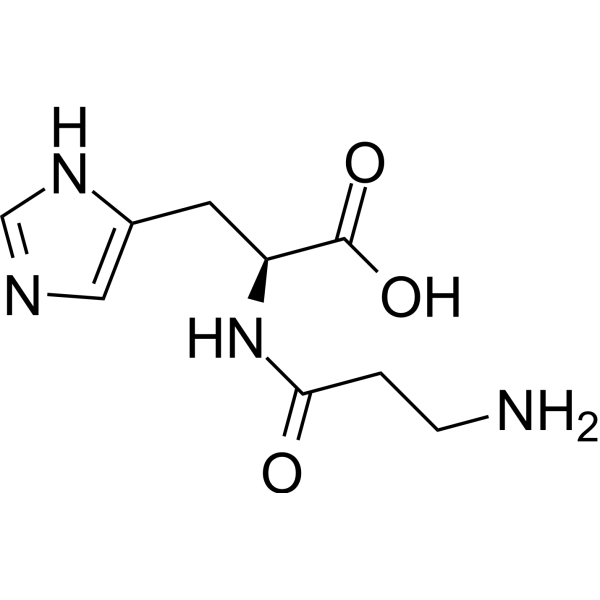
- Formula: C9H14N4O3
- Molecular Weight: 226.24
L-Carnosine is a dipeptide composed of beta-alanine and histidine. L-Carnosine is an endogenous metabolite found in human brain, muscle and gastrointestinal tissues and is present in all vertebrates. L-Carnosine is a non-enzymatic free radical scavenger and natural antioxidant with anti-inflammatory and neuroprotective properties that can inhibit biochemical changes associated with aging.
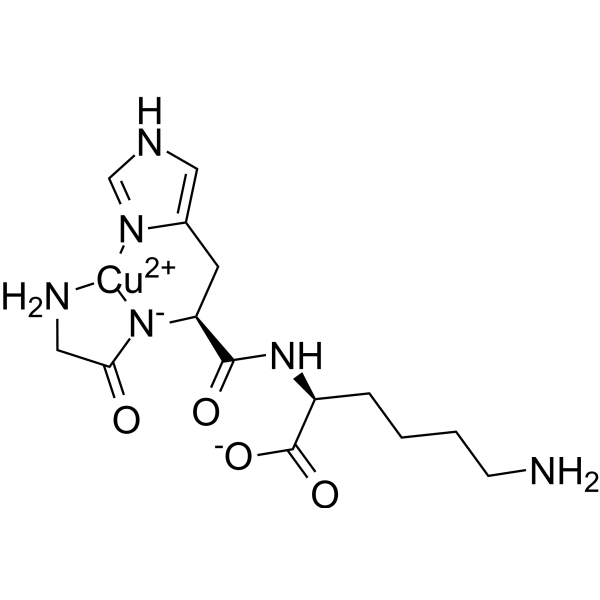
- Formula: C14H22CuN6O4
- Molecular Weight: 401.91
Copper tripeptide (GHK-Cu) is a tripeptide. During wound healing, Copper tripeptide may be freed from existing extracellular proteins via proteolysis and serves as a chemoattractant for inflammatory and endothelial cells. Copper tripeptide has been shown to increase messenger RNA production for collagen, elastin, proteoglycans, and glycosaminoglycans in fibroblasts. Copper tripeptide is a natural modulator of multiple cllular pathways in skin regeneration.
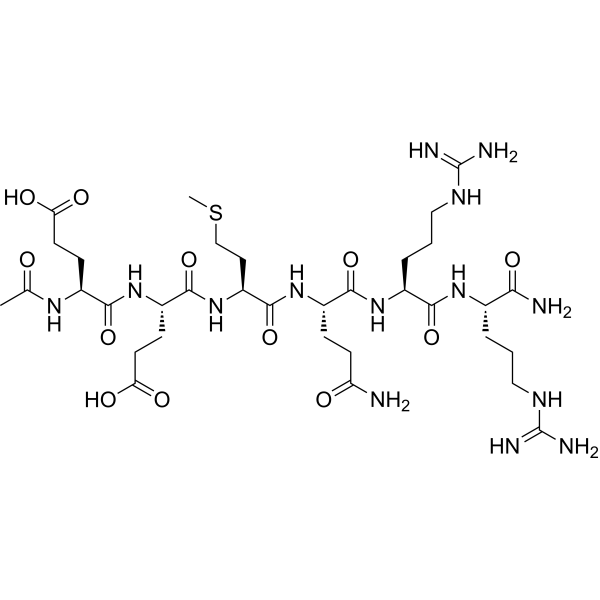
- Formula: C34H60N14O12S
- Molecular Weight: 888.99
Argireline (Acetyl hexapeptide-3) is a non-toxic, skin-permeable, antiwrinkle peptide. Argireline significantly inhibits Ca2+ dependent neurotransmitter release (acetylcholine) at the neuromuscular junction. Argireline has antiwrinkle and anti-aging activity.
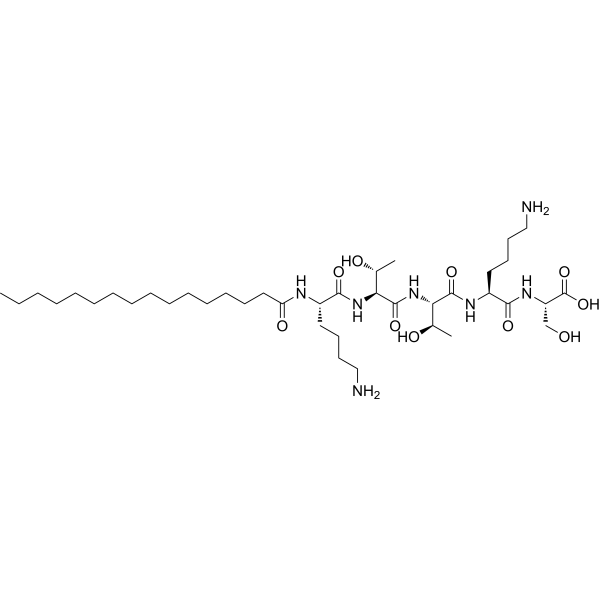
- Formula: C39H75N7O10
- Molecular Weight: 802.05
Palmitoyl pentapeptide 4 (Matrixyl; Palmitoyl pentapeptide 3; Matrixyl (Palmitoyl Pentapeptide) is a bioactive peptide with anti-ageing effect and has been reported used as a cosmetic ingredient[1]
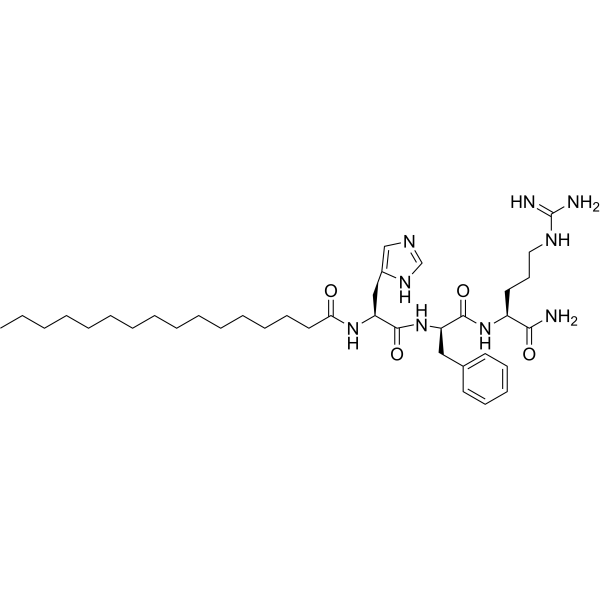
- Formula: C37H61N9O4
- Molecular Weight: 695.94
Palmitoyl tripeptide-8 is an immunomodulatory peptide and neurotransmitter inhibitory peptide. Palmitoyl tripeptide-8 inhibits the activation of the NF-κB pathway and the production of pro-inflammatory cytokines (IL-8, IL-6, and TNF-α). Palmitoyl tripeptide-8 activates the cutaneous opioid system and reduces CGRP release. Palmitoyl tripeptide-8 decreases the number of dilated capillaries, the size of dilated vessels, and the degree of edema in skin explants treated with Substance P (HY-P0201). Palmitoyl tripeptide-8 is used as an active ingredient in cosmetics for sensitive skin. Palmitoyl tripeptide-8 is utilized in research related to sensitive skin.

- Formula: C22H36N6O8
- Molecular Weight: 512.56
GPVGPS is a low-molecular-weight fish collagen peptide. GPVGPS upregulates the expression of vascular endothelial growth factor (VEGF), PCNA, hepatocyte growth factor, epidermal growth factor (EGF) , and insulin-like growth factor 1 (IGF-1), and downregulates the expression of negative regulatory proteins associated with hair health. GPVGPS inhibits MMP-1, MMP-2, and MMP-9, increases skin water content, reduces wrinkles, and improves oxidative stress status and pro-inflammatory cytokine levels. GPVGPS can be used in studies related to hair loss and UVB-induced skin photoaging.
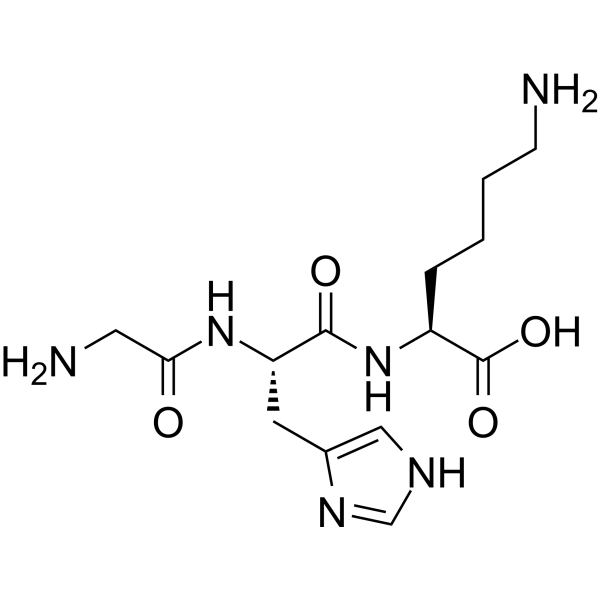
- Formula: C14H24N6O4
- Molecular Weight: 340.38
Glycyl-L-histidyl-L-lysine is a tripeptide consisting of glycine, L-histidine and L-lysine residues joined in sequence. Glycyl-L-histidyl-L-lysine is a hepatotropic immunosuppressor and shows anxiolytic effect. Glycyl-L-histidyl-L-lysine and its copper complexes show good skin tolerance.
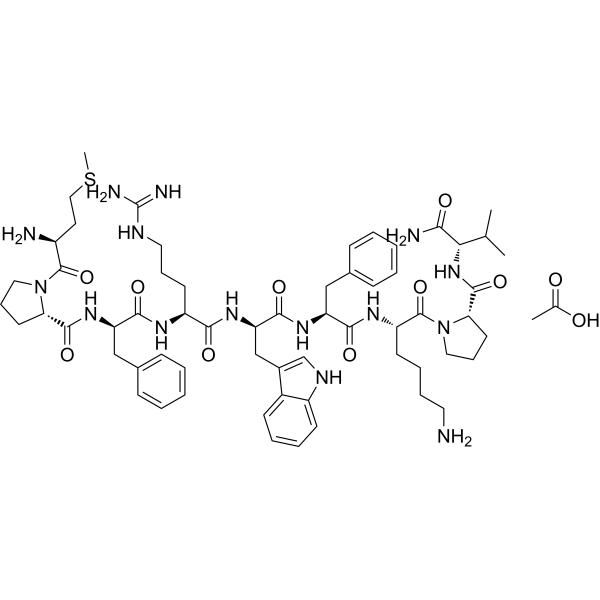
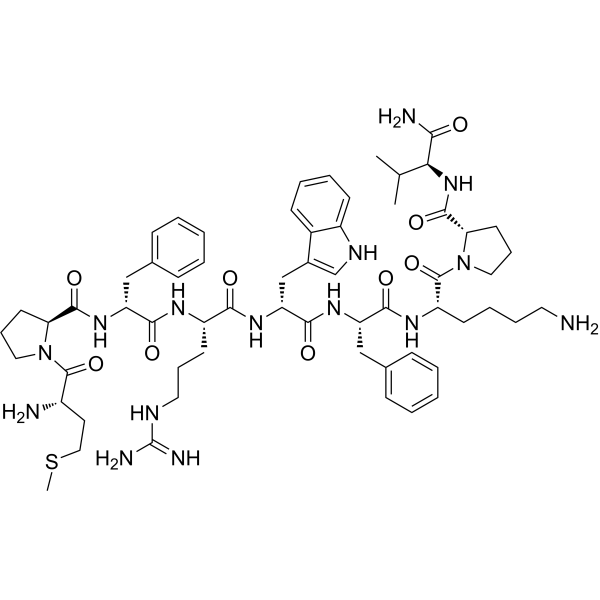
- Formula: C63H91N15O11S
- Molecular Weight: 1266.56
Nonapeptide-1 (Melanostatine-5) acetate salt, a peptide hormone, is a selective antagonist of MC1R (Ki: 40 nM). Nonapeptide-1 acetate salt is a competitive α-MSH antagonist that potently inhibits intracellular cAMP and melanosome dispersion induced by α-MSH in melanocytes (IC50: 2.5 nM and 11 nM, respectively). Nonapeptide-1 acetate salt inhibits melanin synthesis, and can be used in the research of skin pigmentation and regulation of steroid production in the adrenal gland, skin cancer.
- Formula: C61H87N15O9S
- Molecular Weight: 1206.50
Nonapeptide-1 (Melanostatine-5), a peptide hormone, is a selective antagonist of MC1R (Ki: 40 nM). Nonapeptide-1 is a competitive α-MSH antagonist that potently inhibits intracellular cAMP and melanosome dispersion induced by α-MSH in melanocytes (IC50: 2.5 nM and 11 nM, respectively). Nonapeptide-1 inhibits melanin synthesis, and can be used in the research of skin pigmentation and regulation of steroid production in the adrenal gland, skin cancer.
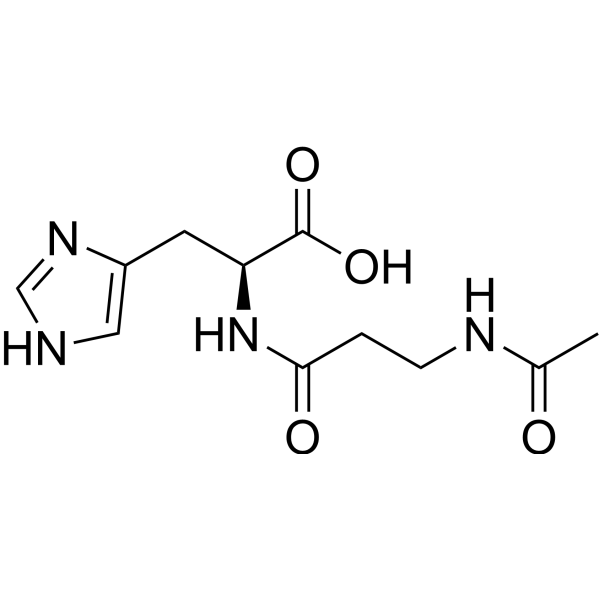
- Formula: C11H16N4O4
- Molecular Weight: 268.27
N-Acetylcarnosine, a natural histidine-containing dipeptide, is a source of pharmacological principal L-carnosine. N-Acetylcarnosine is a potent ophthalmic agent in human cataracts.
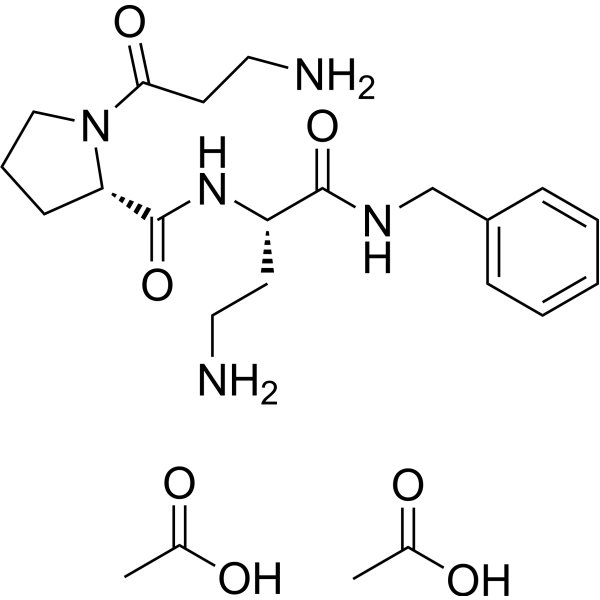
- Formula: C23H37N5O7
- Molecular Weight: 495.57
Dipeptide diaminobutyroyl benzylamide diacetate, a Wagerlin-1-mimicking peptide, is a nAChR antagonist. Dipeptide diaminobutyroyl benzylamide diacetate mimics Waglerin-1 to block neuromuscular junction nicotinic acetylcholine receptors, partially inhibits neuronal signal transduction, and relaxes muscles. Dipeptide diaminobutyroyl benzylamide diacetate reduces appearance of facial wrinkles linked to repeated muscle movement.Dipeptide diaminobutyroyl benzylamide diacetate can be used for the research of mild-to-moderate fine and coarse periocular and perioral wrinkles and periorbital ageing.
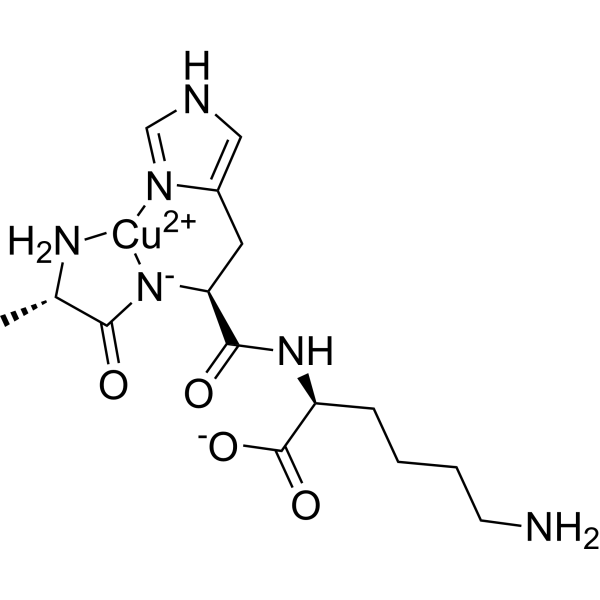
- Formula: C15H24CuN6O4
- Molecular Weight: 415.93
Copper tripeptide-3 (AHK-Cu) is a bioactive peptide with promotion of hair growth effect. Copper tripeptide-3 increases dermal cell proliferation and viability while increasing the deposition of collagen to renew the extracellular matrix. Copper tripeptide-3 stimulates the elongation of human hair follicles and proliferation of dermal papilla cells.
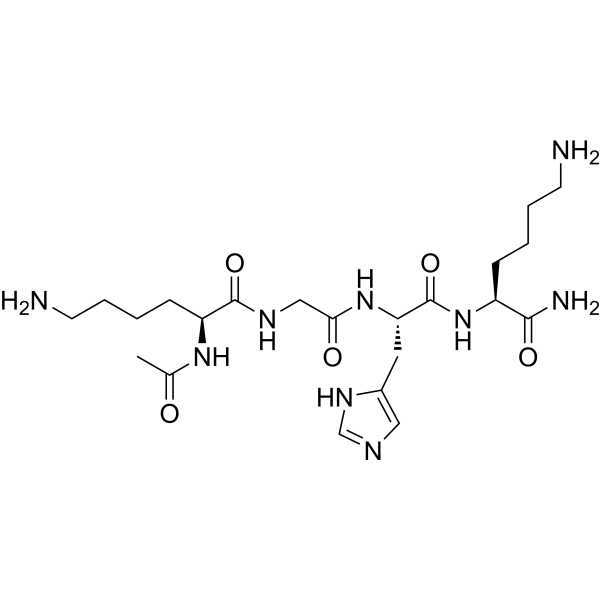
- Formula: C22H39N9O5
- Molecular Weight: 509.60
Acetyl tetrapeptide-3 is a synthetic peptide. Acetyl tetrapeptide-3 enhances the adhesion of hair follicles to the scalp but also promotes the development of new hair follicles. Acetyl tetrapeptide-3 stimulates the synthesis of collagen III in hair follicles. Acetyl tetrapeptide-3 combined with Biochanin A (HY-14595) and ginseng extracts, can stimulate dermal papilla extracellular matrix (ECM) proteins by increasing hydroxyproline, Collagen Type 3, and laminin, yielding a significant improvement in hair follicle size and hair anchoring.
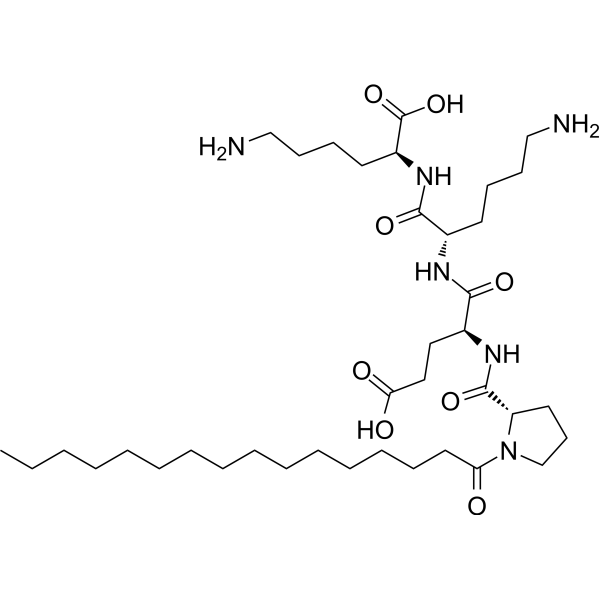
- Formula: C38H70N6O8
- Molecular Weight: 739.00
Palmitoyl tetrapeptide-20 (PTP20) is a biomimetic peptide agonist of α-MSH. Palmitoyl tetrapeptide-20 promotes hair pigmentation and delays hair graying by activating the MC1-R pathway (AC50: 0.16 nM), enhancing catalase activity to reduce H2O2 accumulation, and upregulating SIRT1 activity. Palmitoyl tetrapeptide-20 can be used in research on preventing hair loss and improving hair graying.
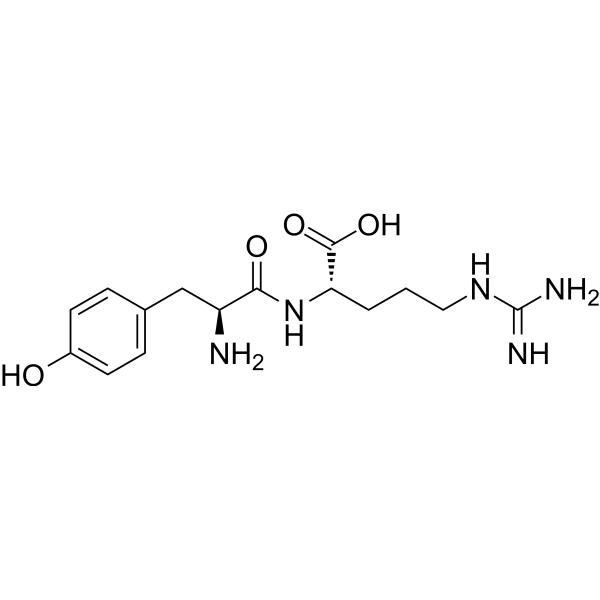
- Formula: C15H23N5O4
- Molecular Weight: 337.37
Kyotorphin is an endogenou neuroactive dipeptide with analgesic properties. Kyotorphin possesses anti-inflammatory and antimicrobial activity. Kyotorphin levels in cerebro-spinal fluid correlate negatively with the progression of neurodegeneration in Alzheimer's Disease patients.
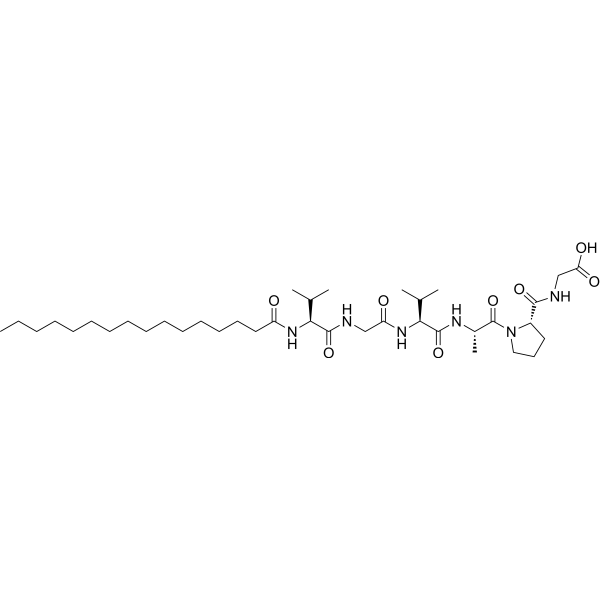
- Formula: C38H68N6O8
- Molecular Weight: 736.98
Palmitoyl hexapeptide-12 is a bioactive peptide. Palmitoyl hexapeptide-12 reduces IL-6. Palmitoyl hexapeptide-12 has anti-aging effects. Palmitoyl hexapeptide-12 can be used in the research of photoaging and related aging skin problems.
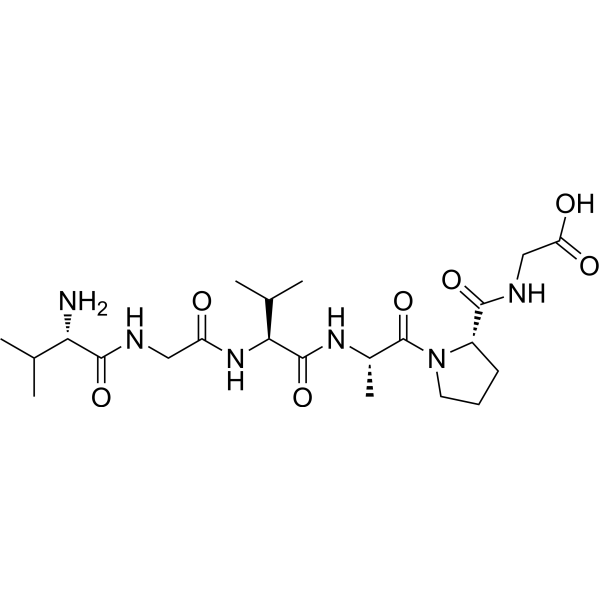
- Formula: C22H38N6O7
- Molecular Weight: 498.57
Chemotactic Domain of Elastin is an elastin-derived peptide with chemotactic effects on certain tumor cells, such as M27 tumor cells. Chemotactic Domain of Elastin can be used in cancer research.
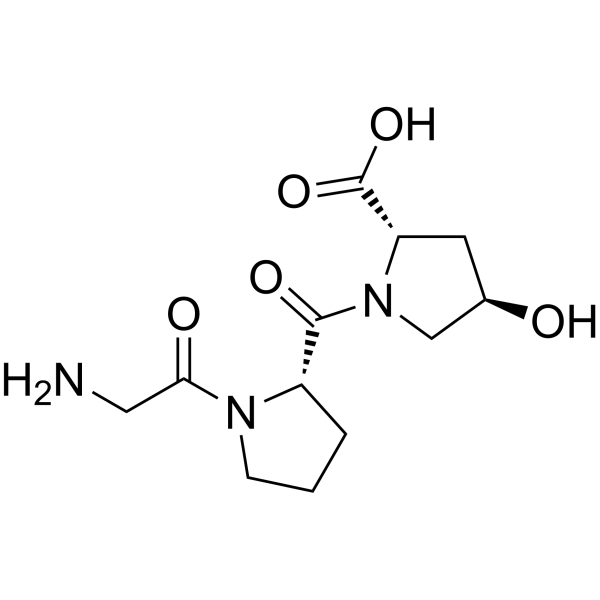
- Formula: C12H19N3O5
- Molecular Weight: 285.30
H-Gly-Pro-Hyp-OH is a collagen-derived peptide and also a dipeptidyl peptidase-4 inhibitor.\nH-Gly-Pro-Hyp-OH inhibits the activity of dipeptidyl peptidase-4 in vitro. H-Gly-Pro-Hyp-OH binds to the DNA-binding site of the JUN/FOS complex, blocks the formation of the DNA-JUN/FOS complex, and inhibits transcriptional activity. H-Gly-Pro-Hyp-OH is applicable to research related to skin photoaging, UVB-induced skin aging/photoaging, and thrombosis.
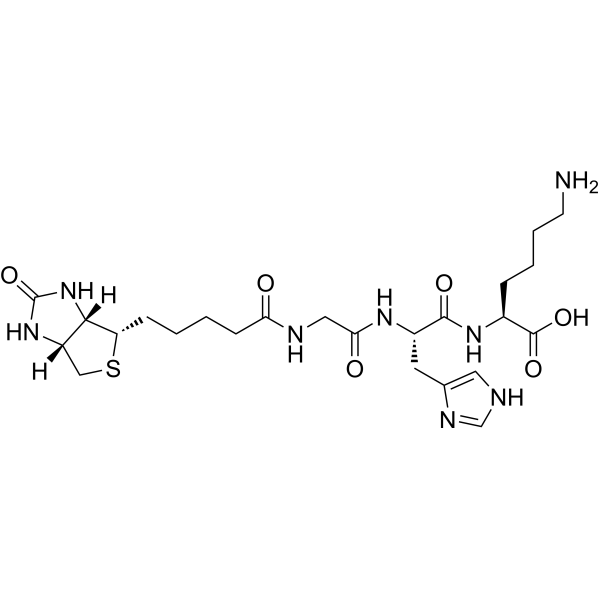
- Formula: C24H38N8O6S
- Molecular Weight: 566.67
Biotinoyl tripeptide-1 (Biotinyl-GHK) is a biotinylating reagent linked to a GHK (glycyl-L-histidyl-L-lysine) tripeptide. Biotin tripeptide-1 is a bioactive peptide with hair care (improves the appearance and feel of hair) and hair growth effects. Biotinoyl tripeptide-1 has a certain affinity for streptavidin. Biotinoyl tripeptide-1 inhibits the production of ROS and has antioxidant effects. Biotinoyl tripeptide-1 reduces the production of carbonylated amyloid-β (Aβ) and inhibits Aβ aggregation. Biotinoyl tripeptide-1 can be used in the study of neurodegenerative diseases.



