



Eicosanoids
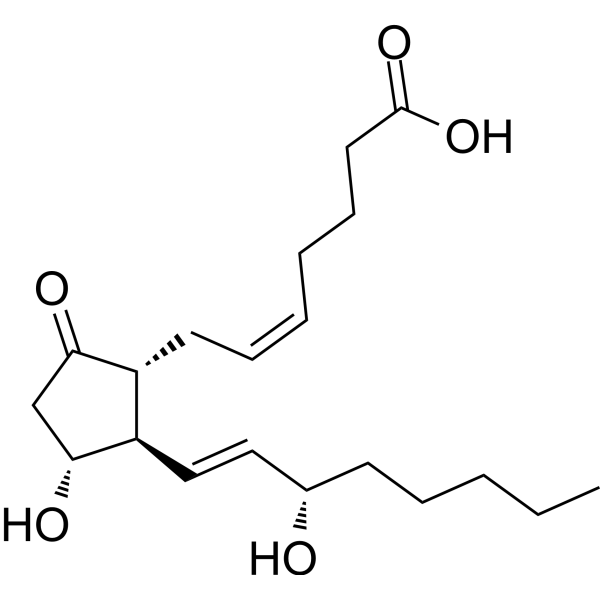
- 화학식: C20H32O5
- 분자량: 352.47
Prostaglandin E2 (PGE2) is a hormone-like substance that participate in a wide range of body functions such as the contraction and relaxation of smooth muscle, the dilation and constriction of blood vessels, control of blood pressure, and modulation of inflammation.
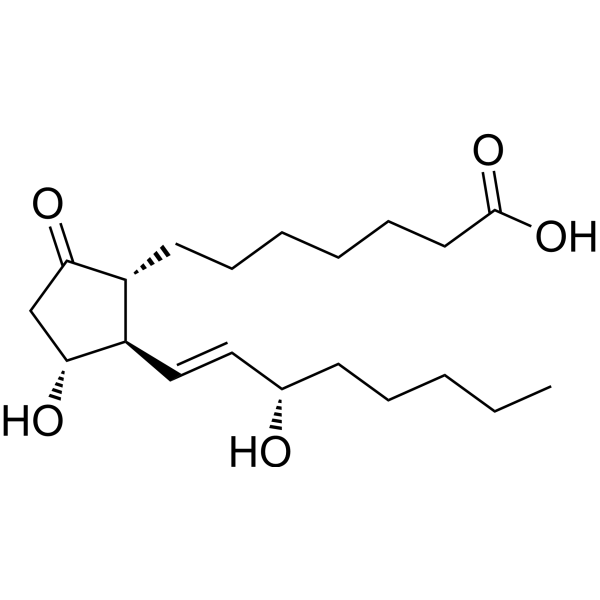
- 화학식: C20H34O5
- 분자량: 354.48
Prostaglandin E1 (Alprostadil) is a prostanoid receptor ligand, with Kis of 1.1 nM, 2.1 nM, 10 nM, 33 nM and 36 nM for mouse EP3, EP4, EP2, IP and EP1, respectively. Prostaglandin E1 induces vasodilation and inhibits platelet aggregation. Prostaglandin E1 can be used as a vasodilator for the research of peripheral vascular diseases.
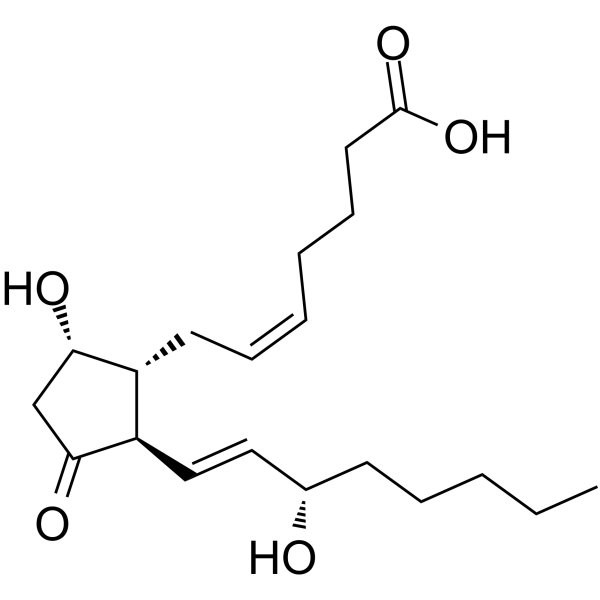
- 화학식: C20H32O5
- 분자량: 352.47
Prostaglandin D2 (PGD2) is one of the major PGs actively produced in the brain of various mammals. Prostaglandin D2 is one of the most potent endogenous sleep promoting substances. PGD2 plays a protective role by suppressing inflammation.
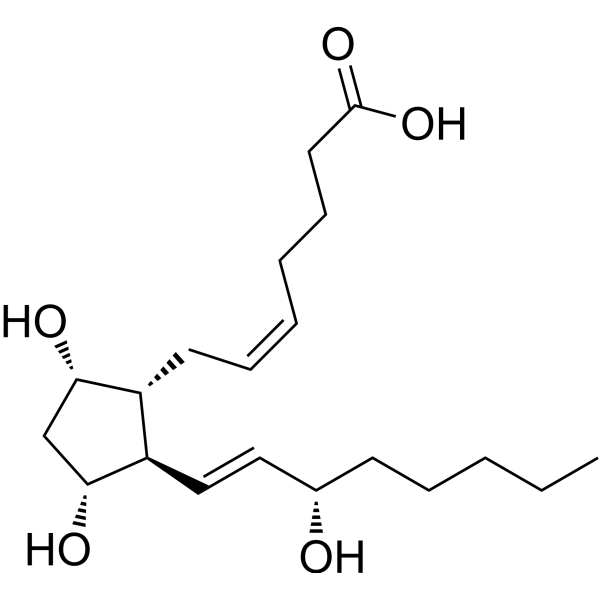
- 화학식: C20H34O5
- 분자량: 354.48
Dinoprost (Prostaglandin F2α) is an orally active, potent prostaglandin F (PGF) receptor (FP receptor) agonist. Dinoprost is a luteolytic hormone produced locally in the endometrial luminal epithelium and corpus luteum (CL). Dinoprost plays a key role in the onset and progression of labour.
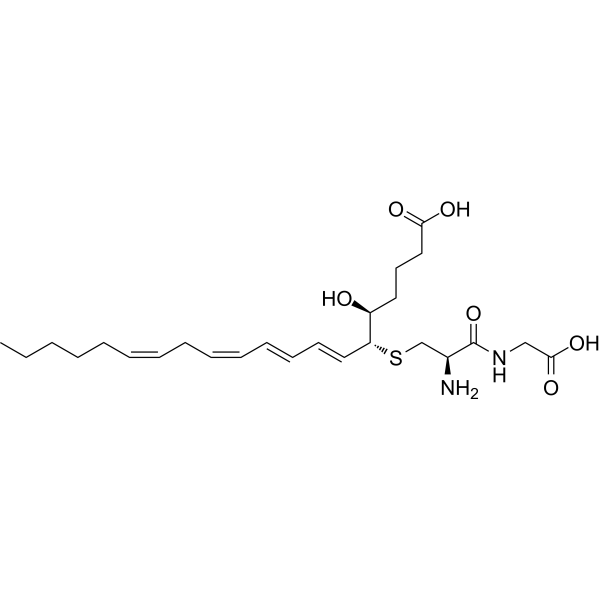
- 화학식: C25H40N2O6S
- 분자량: 496.66
Leukotriene D4 is a potent bronchoconstrictor. Leukotriene D4 has the potential for the research of asthma. Leukotriene D4 induces edema and increases capillary permeability.
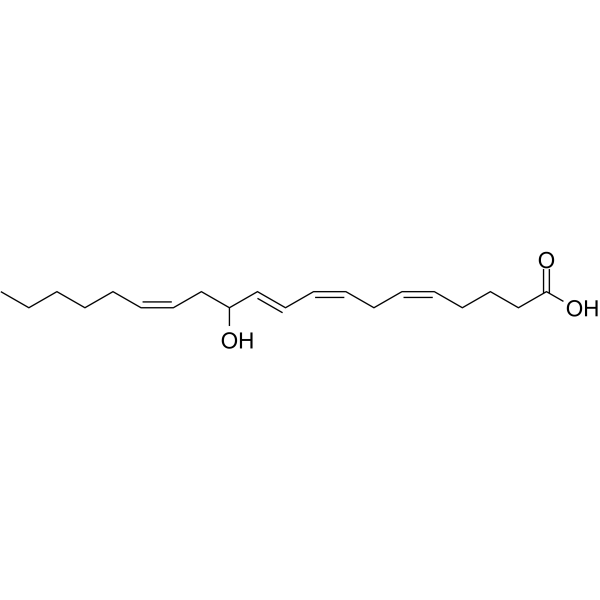
- 화학식: C20H32O3
- 분자량: 320.47
12-HETE, a major metabolic product of arachidonic acid using 12-LOX catalysis, inhibits cell apoptosis in a dose-dependent manner. 12-HETE promotes the activation and nuclear translocation of NF-κB through the integrin-linked kinase (ILK) pathway.12-HETE has both anti-thrombotic and pro-thrombotic effects. 12-HETE is a neuromodulator.

- 화학식: C20H32O4
- 분자량: 336.47
15(S)-HPETE is a precursor of 15(S)-HETE (HY-113336). 15(S)-HPETE is a product of Arachidonic acid (HY-109590) in the 15-lipoxygenase pathway. 15(S)-HPETE reduces Bcl-2, Akt, and phosphorylated Akt protein levels. 15(S)-HPETE induces Apoptosis. 15(S)-HPETE antagonizes the angiogenic effects of 15(S)-HETE. 15(S)-HPETE exhibits antitumor effects against chronic myeloid leukemia. 15(S)-HPETE can be used in adipose tissue explant studies.
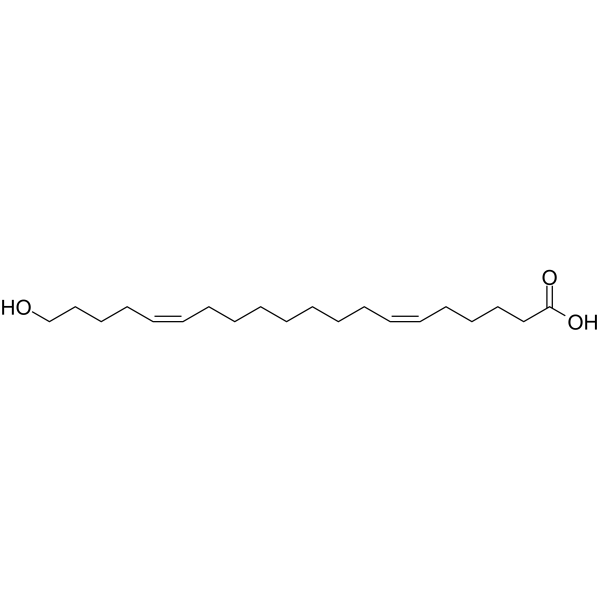
- 화학식: C20H36O3
- 분자량: 324.50
20-HEDE (WIT 002) is an antagonist of 20-hydroxyeicosatetraenoic acid (20-HETE).
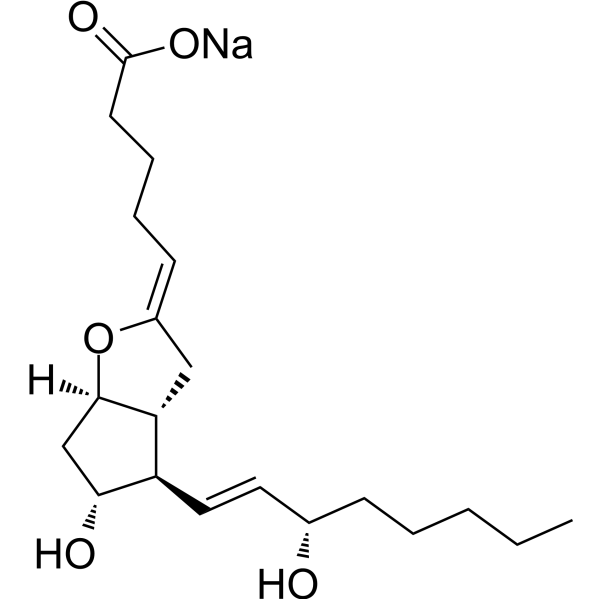
- 화학식: C20H31NaO5
- 분자량: 374.45
Epoprostenol sodium (Prostaglandin I2) sodium salt, the synthetic form of the natural prostaglandin derivative prostacyclin (prostaglandin I2), is registered worldwide for the treatment of Pulmonary arterial hypertension (PAH). Epoprostenol sodium is used in pulmonary hypertension and transplantation as a potent inhibitor of platelet aggregation.
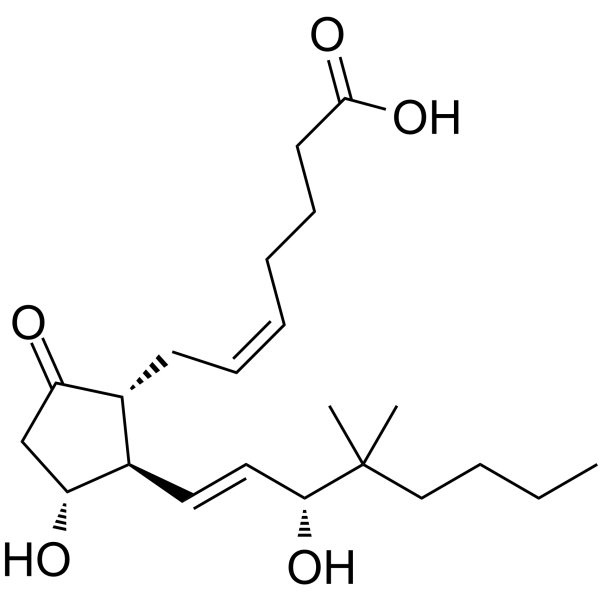
- 화학식: C22H36O5
- 분자량: 380.52
16,16-Dimethyl prostaglandin E2 (16,16-dimethyl PGE2) is an orally active vertebrate Hematopoietic stem cells (HSCs) homeostasis critical regulator. 16,16-Dimethyl prostaglandin E2 can act through EP2/EP4 and has an interaction with the Wnt pathway.
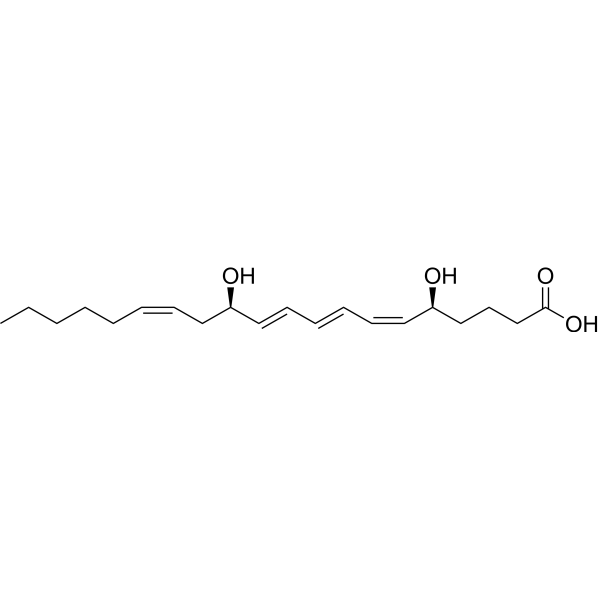
- 화학식: C20H32O4
- 분자량: 336.47
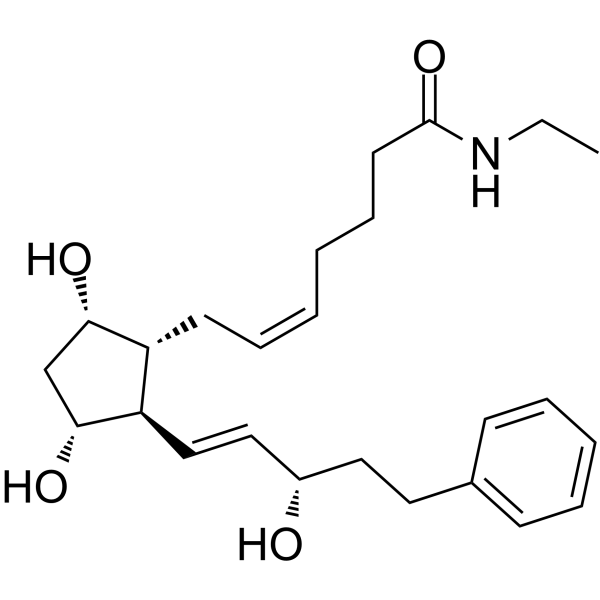
- 화학식: C25H37NO4
- 분자량: 415.57
Bimatoprost is a prostaglandin analog that reduces intraocular pressure by regulating scleral and trabecular outflow. Bimatoprost is used in the study of open-angle glaucoma, ocular hypertension, and other forms of glaucoma. Topical application of bimatoprost induces fat atrophy and causes a deepening of the eyelid sulcus.
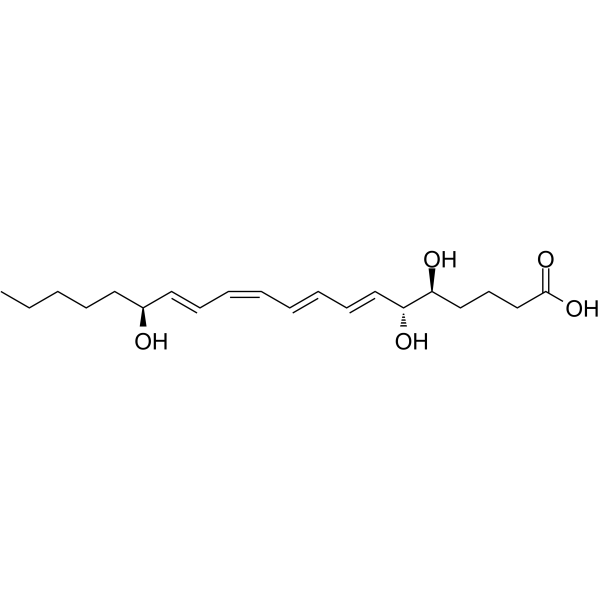
- 화학식: C20H32O5
- 분자량: 352.47
Lipoxin A4 (LXA4), an endogenous lipoxygenase-derived eicosanoid mediator, has potent dual pro-resolving and anti-inflammatory properties. Lipoxin A4 inhibits proliferation and inflammatory cytokine/chemokine production of human epidermal keratinocytes (NHEKs) associated with the ERK1/2 and NF-kB pathways. Lipoxin A4 inhibits serum amyloid A (SAA)-mediated IL-8 release with an IC50 value of 25.74 nM.
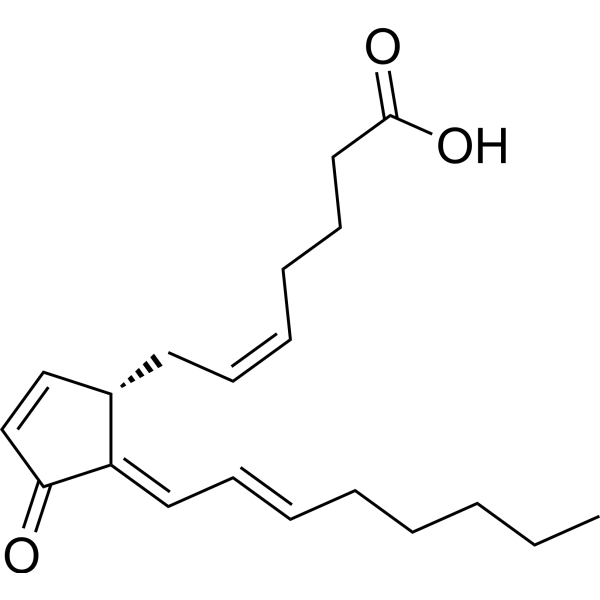
- 화학식: C20H28O3
- 분자량: 316.43
15-Deoxy-Δ-12,14-prostaglandin J2 (15d-PGJ2) is a cyclopentenone prostaglandin and a metabolite of PGD2. 15-Deoxy-Δ-12,14-prostaglandin J2 is a selective PPARγ (EC50 of 2 µM) and a covalent PPARδ agonist. 15-Deoxy-Δ-12,14-prostaglandin J2 promotes efficient differentiation of C3H10T1/2 fibroblasts to adipocytes with an EC50 of 7 μM.
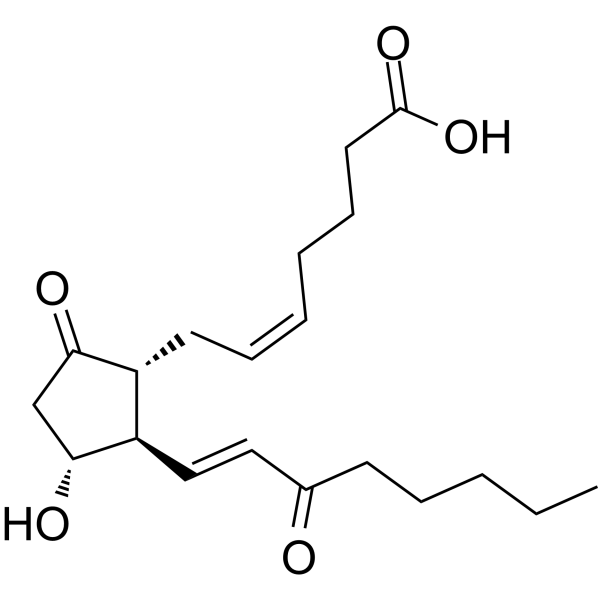
- 화학식: C20H30O5
- 분자량: 350.45
15-keto-Prostaglandin E2 (15-keto-PGE2) is an endogenous PGE2 metabolite. 15-keto-Prostaglandin E2 inhibits STAT3 activation by binding to the Cys259 residue of STAT3. 15-keto-Prostaglandin E2 binds to and stabilizes EP2 and EP4 receptors. 15-keto-Prostaglandin E2 inhibits the growth and progression of breast cancer cells. 15-keto-Prostaglandin E2 activates PPAR-γ and promotes fungal growth. 15-keto-Prostaglandin E2 disrupts glomerular vascularization during zebrafish development and reduces the surface area of the glomerular filtration barrier.
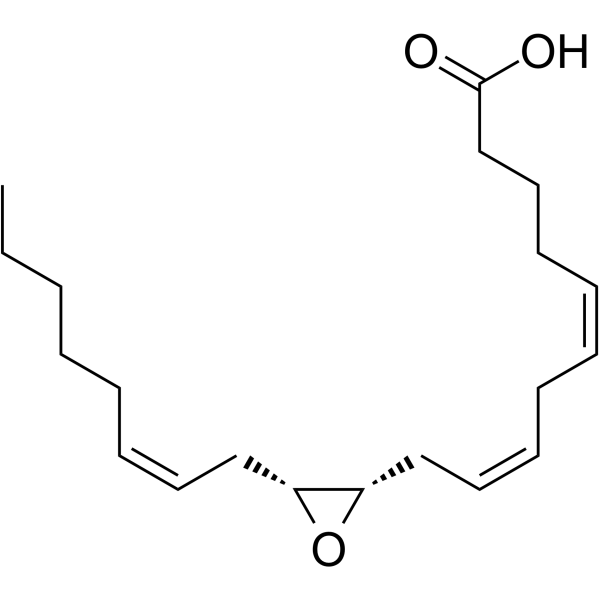
- 화학식: C20H32O3
- 분자량: 320.47
(±)11(12)-EET is a NLRP3 inflammasome inhibitor. (±)11(12)-EET can be used for the research of anti-inflammatory, angiogenic and cardioprotective.

- 화학식: C20H32O3
- 분자량: 320.47
5,6-Epoxyeicosatrienoic acid (5,6-EET; (±)5,6-EpETrE) is a fully racemic version of the enantiomeric forms biosynthesized from arachidonic acid by cytochrome P450 enzymes. In solution, 5,6-Epoxyeicosatrienoic acid degrades into 5,6-DiHET and 5,6-δ-lactone, which can be converted to 5,6-DiHET and quantified by GC-MS. In neuroendocrine cells, such as the anterior pituitary and pancreatic islets, 5,6-Epoxyeicosatrienoic acid has been implicated in the mobilization of calcium and hormone secretion. 5,6-Epoxyeicosatrienoic acid is an inhibitor of T-type voltage-gated calcium channels (Cav3) that inhibits isoforms Cav3.1, Cav3.2 (IC50=0.54 μM), and Cav3. and decreases nifedipine-resistant phenylephrine-induced vasoconstriction in isolated mouse mesenteric arteries via Cav3.2 blockade when used at a concentration of 3 μM. In addition, it is a substrate of COX-1 and COX-2.
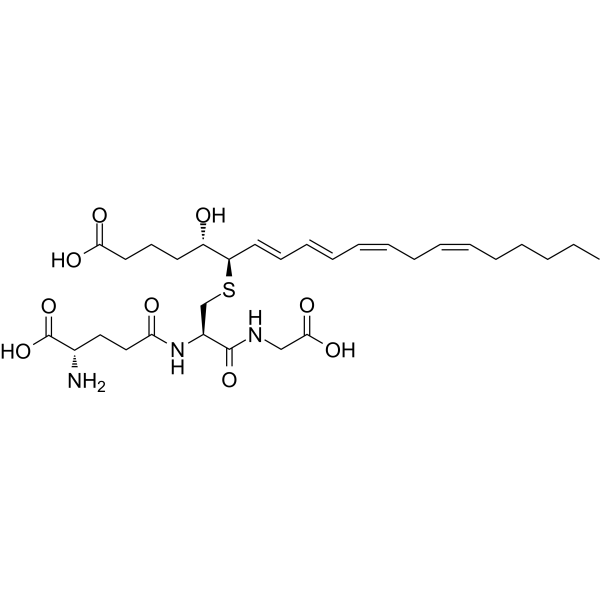
- 화학식: C30H47N3O9S
- 분자량: 625.77
Leukotriene C4 is a eicosanoid lipid mediator and produced by immune cells during type 2 inflammation. Leukotriene C4 can mediate inflammation,allergy, bronchoconstriction, and vascular leakage.
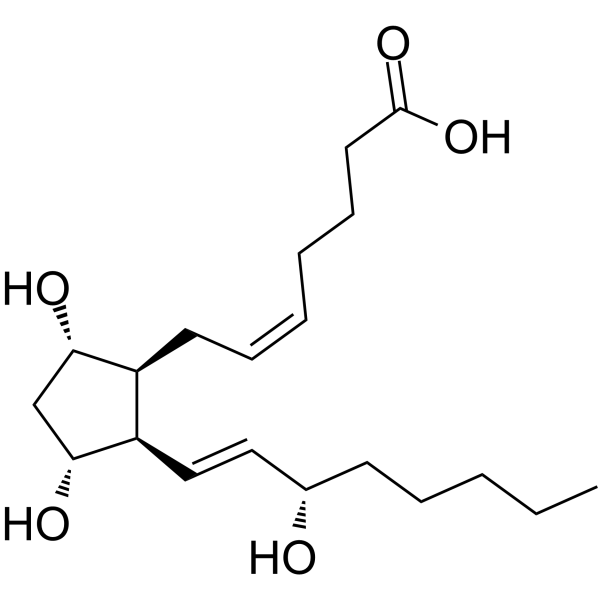
- 화학식: C20H34O5
- 분자량: 354.48
8-Isoprostaglandin F2α is an isoprostane produced by the non-enzymatic peroxidation of arachidonic acid in membrane phospholipids. 8-Isoprostaglandin F2α is present in human plasma in two distinct forms - esterified in phospholipids and as the free acid. 8-Isoprostaglandin F2α is a weak TP receptor agonist in vascular smooth muscle.
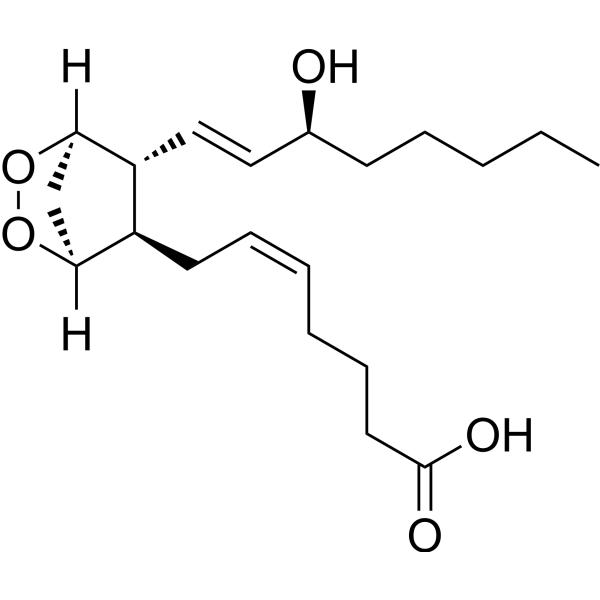
- 화학식: C20H32O5
- 분자량: 352.47
Prostaglandin H2 (PGH2) is an endothelium-derived contracting factor. Prostaglandin H2 can cause vasoconstriction. Prostaglandin H2 is the common precursor of all PGs and is produced by several cells that express cyclooxygen-ases. Prostaglandin H2 can activate PGD2 receptors CRTH2 and DP via interacting directly with the receptors and/or by giving rise to PGD2 after catalytic conversion by plasma proteins. Prostaglandin H2 can induce eosinophils migration and inhibit platelet aggregation. Prostaglandin H2 can accelerate the formation of dimers and higher oligomers of amyloid β1-42. Prostaglandin H2 can be used for the researches of inflammation and neurological disease, such as Alzheimer disease.



