



Thromboxanes
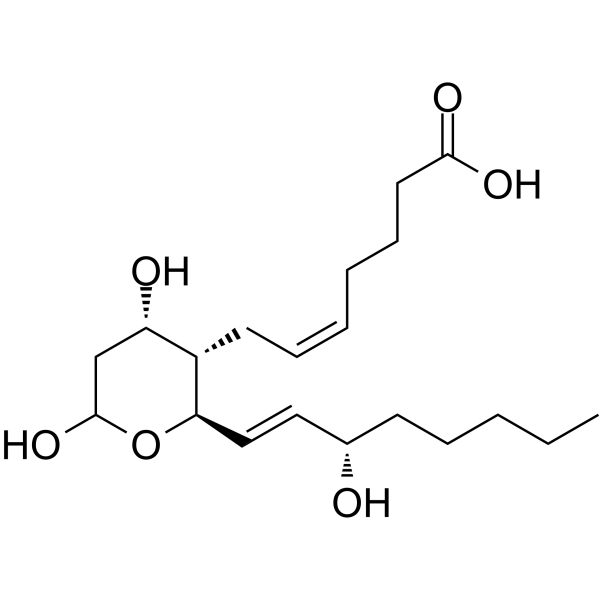
- Formula: C20H34O6
- Molecular Weight: 370.48
Thromboxane B2 is a prostaglandin derivative that is released during anaphylaxis. Thromboxane B2 induces arterial contraction and platelet aggregation. Thromboxane B2 is a biological inactive product and circulating catabolite of thromboxane A2. Thromboxane B2 levels in peripheral venous blood and coronary sinus blood can be used as a diagnostic marker for angina. Thromboxane B2 level in serum is also associated with inhibition of COX-1 activity inhibition in platelets. Thromboxane B2 is a major product of prostaglandin endoperoxide metabolism. Thromboxane B2 produces dose-related decreases in airflow rate, tidal volume and dynamic lung compliance, whilst simultaneously increasing pulmonary airway resistance in dog model. Thromboxane B2 appears to be a naturally occurring bronchoactive metabolite in the bioconversion of arachidonic acid.
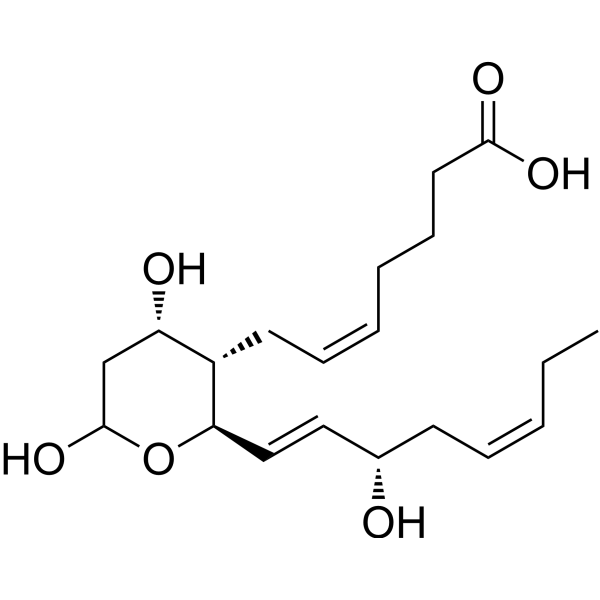
- Formula: C20H32O6
- Molecular Weight: 368.46
Thromboxane B3 is an eicosanoid and the stable hydrolysis product of thromboxane A3, which is synthesized from eicosapentaenoic acid by cyclooxygenase (COX) and thromboxane synthase. Thromboxane B3 participates in inflammatory cell regulation, tumorigenesis and cell proliferation processes. Elevated levels of Thromboxane B3 correlate with high-risk regions of esophageal cancer. Thromboxane B3 can be used in studies related to bladder cancer, renal cell carcinoma and esophageal squamous cell carcinoma.
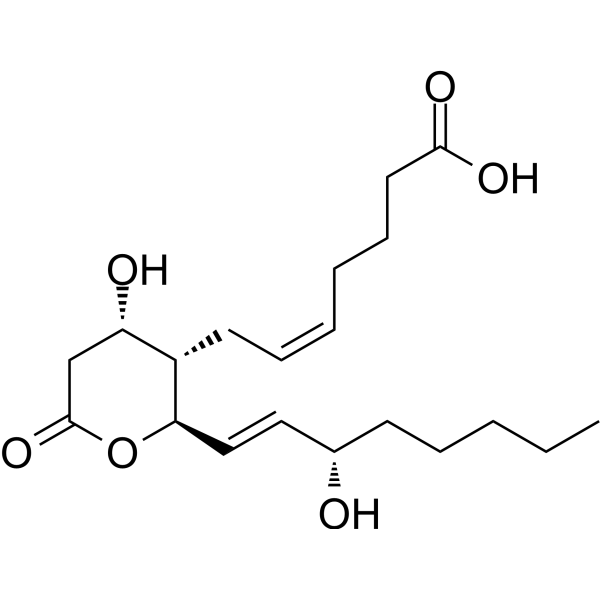
- Formula: C20H32O6
- Molecular Weight: 368.46
11-Dehydro-thromboxane B2 is a stable terminal metabolite of thromboxane A2 and an agonist of the CRTH2 receptor. 11-Dehydro-TXB2 activates human eosinophils, basophils, and CRTH2-transfected BaF/3 cells through a pertussis toxin-insensitive G protein-PLC pathway, inducing intracellular calcium mobilization, morphological changes, and chemotaxis, but does not affect platelet aggregation. 11-Dehydro-thromboxane B2 is involved in thrombosis and promotes eosinophil recruitment to the lungs in allergic inflammation, and its urinary levels are used to assess the inhibitory effect of Aspirin (HY-14654) on thromboxane production. 11-Dehydro-TXB2 serves as a biomarker for research related to asthma, atopic rhinitis, nephropathy, and coronary artery disease.

- Formula: C18H28O6
- Molecular Weight: 340.41
11-dehydro-2,3-dinor Thromboxane B2 (11-dehydro-2,3-dinor TXB2) is a metabolite of the TXA2 inactive metabolite TXB2 (Item No. 19030). It is formed from TXB2 by cytosolic aldehyde dehydrogenase (ALDH) and β-oxidation. Levels of 11-dehydro-2,3-dinor TXB2 are increased 5.2-fold in a surgery-induced rat model of tendon overuse.
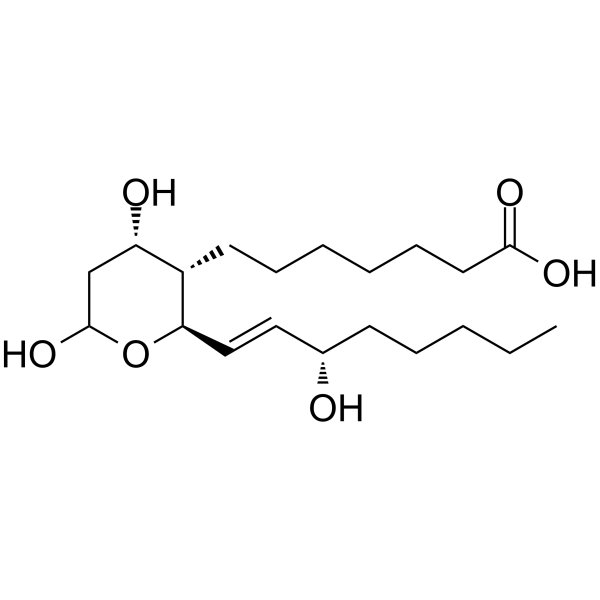
- Formula: C20H36O6
- Molecular Weight: 372.50
Thromboxane B1 (TXB1) is a stable, inactive endogenous metabolite of Thromboxane A1 (TXA1).

- Formula: C18H32O6
- Molecular Weight: 344.44
2,3-Dinor thromboxane b1 is an urinary metabolite of Thromboxane B2 (HY-113331).
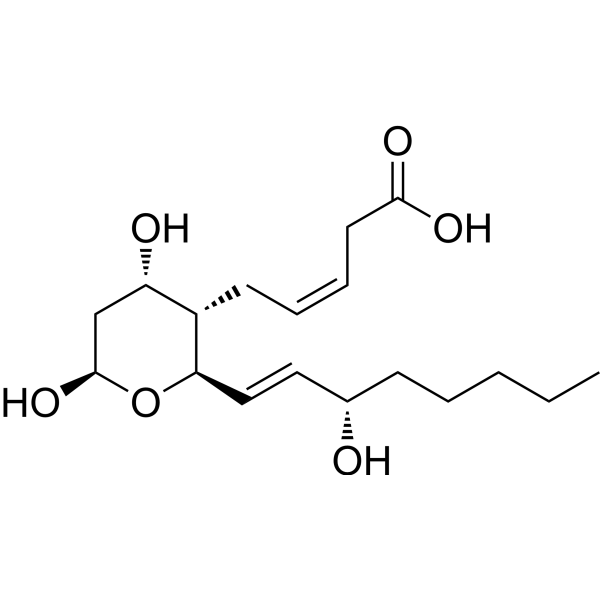
- Formula: C18H30O6
- Molecular Weight: 342.43
2,3-Dinor thromboxane B2 (2,3-Dinor-TXB2), a metabolite of urine, serves as an indicator of the production of thromboxane A2 (TxA2) in the body, and can be used as a tool to study the role of thromboxane in various pathophysiological processes in the human body.
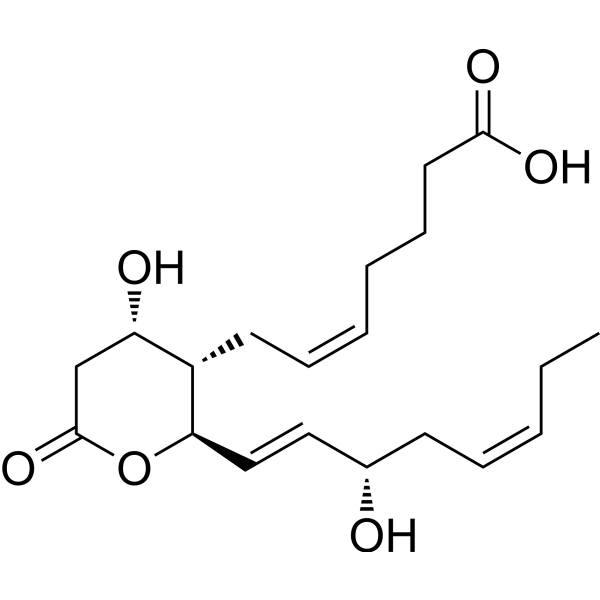
- Formula: C20H30O6
- Molecular Weight: 366.45
11-Dehydro thromboxane B3 (11-Dehydro-TXB3) is a pro-inflammatory thromboxane lipid mediator that the body generates following administration of eicosapentaenoic acid. 11-Dehydro thromboxane B3 is an enzymatic metabolite of Thromboxane B3 (HY-113445) and also serves as a biomarker for Thromboxane A3 biosynthesis in humans in vivo. 11-Dehydro thromboxane B3 is used in metabolism-related research.



