



Quinone Reductase
Quinone Reductase
Quinones, a class of organic compounds, are formally derived from aromatic compounds and are a subset of the quinoid family which also contains the quinone imines and the quinone methides. NQO1 (QR1, EC 1.6.99.2), also referred to as DT-diaphorase (formerly), nicotinamide quinone oxidoreductase 1, quinone reductase type 1, or menadione reductase, is a cytosolic flavoenzyme. Another member of the quinone oxidoreductases family is NQO2 (QR2, EC 1.10.99.2) which is also a FAD bound protein (25 kDa) and closely related to NQO1. In addition to NQO1 and NQO2 found in humans, an ancient NQO3 subfamily exists in eubacteria, NQO4 subfamily in fungi, and NQO5 subfamily in archaebacteria[1][2].
Références:
- [1]. Rashid MH, et al. Interactions of the antioxidant enzymes NAD(P)H: Quinone oxidoreductase 1 (NQO1) and NRH: Quinone oxidoreductase 2 (NQO2) with pharmacological agents, endogenous biochemicals and environmental contaminants. Chem Biol Interact. 2021 Aug 25;345:109574.
- [2]. Cuendet M, et al. Quinone reductase induction as a biomarker for cancer chemoprevention. J Nat Prod. 2006 Mar;69(3):460-3.
All Product Categories
-
Quinone Reductase Inhibitors
(25)
View all products
-
Quinone Reductase Activators
(27)
View all products
-
Quinone Reductase Modulator
(1)
View all products
-
Quinone Reductase Inducers
(9)
View all products
-
Quinone Reductase Control
(1)
View all products
-
Quinone Reductase Substrates
(7)
View all products
-
Quinone Reductase Produits associés (75)
Produits associés (75)

-
KI696
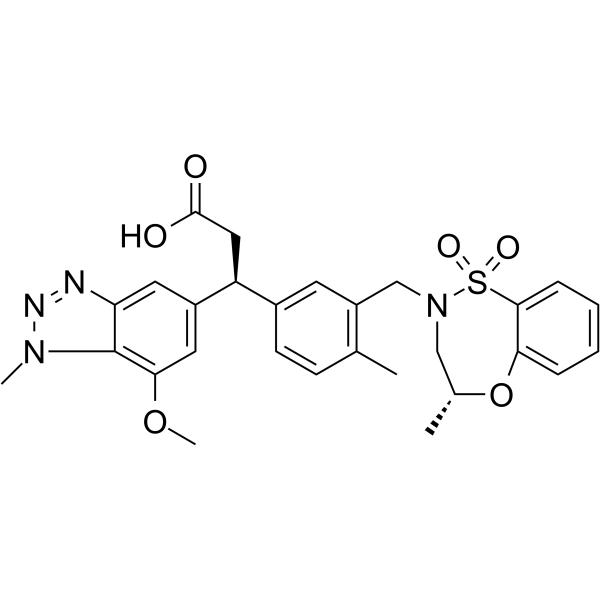 0 ImagesKI696 is a selective KEAP1/NRF2 protein-protein interaction inhibitor with a human Kd value of 1.3 nM. KI696 acts by competitively occupying the NRF2-binding pocket of the KEAP1 Kelch domain. KI696 blocks KEAP1-mediated ubiquitination and degradation of NRF2, promotes the translocation of NRF2 to the nucleus, activates the expression of downstream antioxidant genes, increases intracellular glutathione levels, and alleviates oxidative stress-induced cell damage and inflammatory cell infiltration in the lungs. KI696 reduces ozone-induced pulmonary oxidative damage and inflammatory cell accumulation in rats, and upregulates pulmonary antioxidant genes. KI696 can be used in research related to chronic obstructive pulmonary disease, oxidative stress and inflammation.
-
ML334
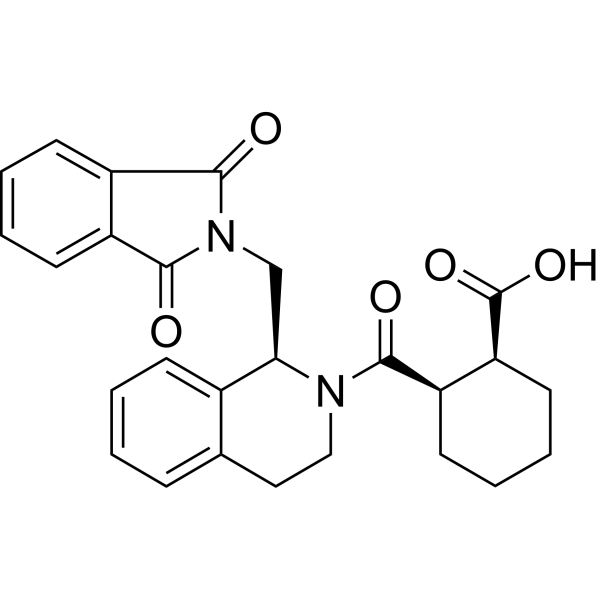 0 ImagesSynonyms: LH601AML334 is a potent, cell permeable activator of NRF2 by inhibition of Keap1-NRF2 protein-protein interaction. ML334 binds to Keap1 Kelch domain with a Kd of 1 μM. ML334 stimulates NRF2 expression and nuclear translocation and induces antioxidant response elements (ARE) activity.
-
ES 936
 0 ImagesES 936 is a potent and specific NQO1 inhibitor. ES 936 inhibits the growth of MIA PaCa-2 and BxPC-3 cells, with IC50 values of 108 nM and 365 nM, respectively. ES936 significantly inhitbits the growth rate of MIA PaCa-2 xenograft tumors in mice. ES 936 can be used for the study of pancreatic cancer.
-
NK-252
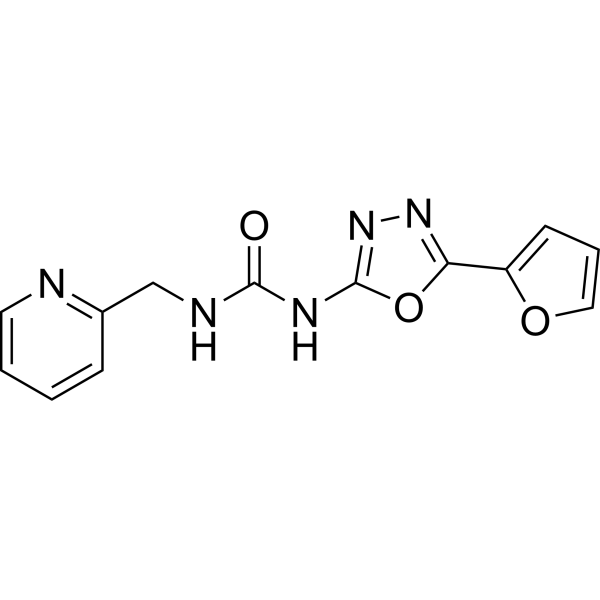 0 ImagesNK-252 is a potential Nrf2 activator, which exhibits a great Nrf2-activating potential.
-
Pelargonidin chloride
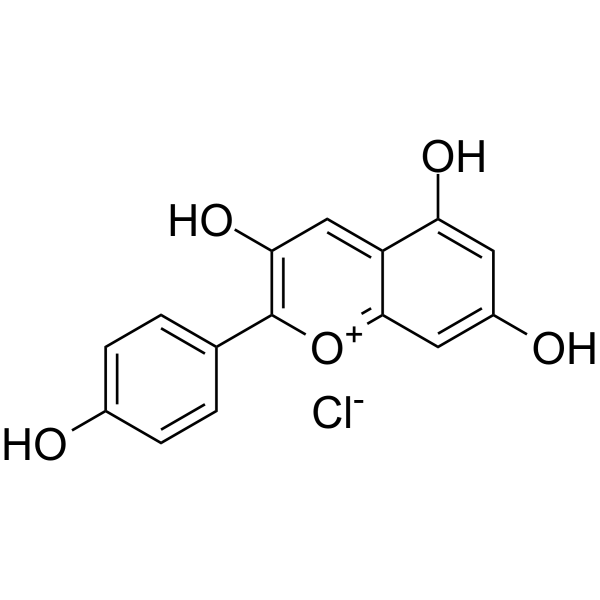 0 ImagesPelargonidin chloride is an anthocyanidin and also is a scavenger of nitric oxide radical and has antioxidant activities. Pelargonidin inhibits cell viability and induces cell cycle arrest at sub-G1 phase. Pelargonidin chloride increases the mRNA and protein expression of HO-1, NQO1, Nrf2. Pelargonidin chloride improves Aβ-induced memory and learning impairment.
-
Methylnissolin-3-O-glucoside
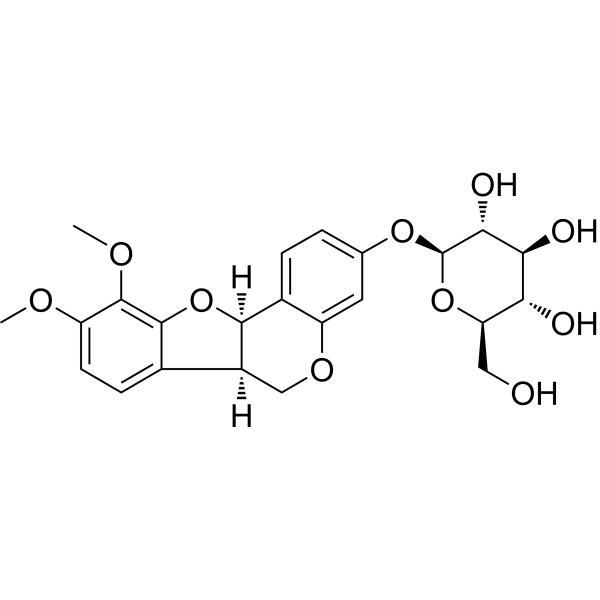 0 ImagesMethylnissolin-3-O-glucoside is a flavonoid glycoside derivative of Methylnissolin (HY-N2484). Methylnissolin-3-O-glucoside is isolated from plants of the genus Astragalus (Leguminosae). Methylnissolin-3-O-glucoside effectively induces the expression of AKT/Nrf2 and its downstream target genes HO-1 and NQO1. Methylnissolin-3-O-glucoside inhibits TNF-α-induced phosphorylation of MEK and ERK. Methylnissolin-3-O-glucoside exhibits free radical scavenging activity. Methylnissolin-3-O-glucoside inhibits cell proliferation and cell migration. Methylnissolin-3-O-glucoside is used in research on esophageal squamous cell carcinoma.
-
KL1333
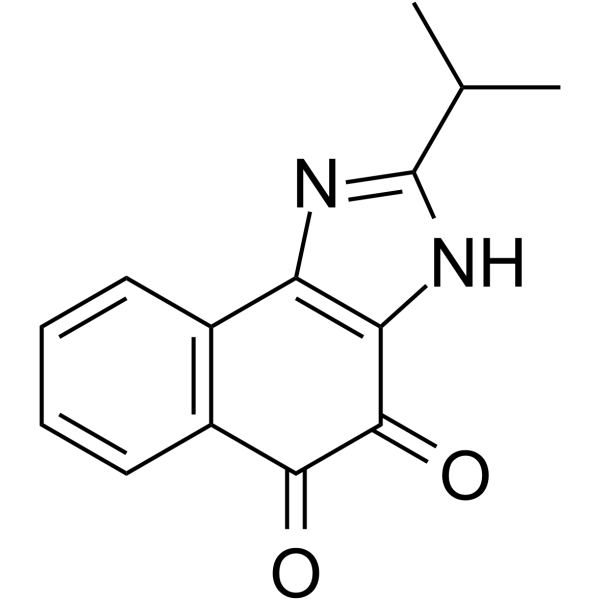 0 ImagesKL1333, a derivative of β-lapachone, is an orally available NAD+ modulator. KL1333 reacts with NAD(P)H:quinone oxidoreductase 1 (NQO1) as a substrate, resulting in increases in intracellular NAD+ levels via NADH oxidation. KL1333 improves energy metabolism and mitochondrial dysfunction in MELAS fibroblasts. KL1333 protects against Cisplatin-induced ototoxicity in mouse cochlear cultures.
-
4-Hydroxyphenyl acetate
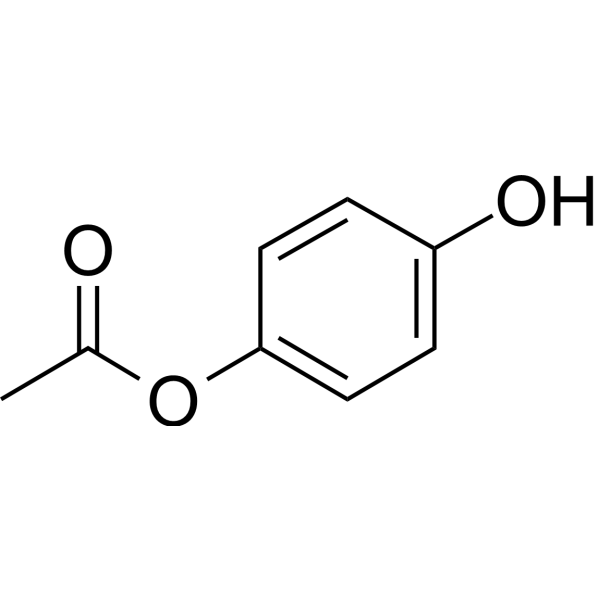 0 Images4-Hydroxyphenyl acetate (4-HPA) is a natural antioxidant and protects cells from oxidative stress-induced necrosis. 4-Hydroxyphenyl acetate blocks the increase of cellular ROS induced by oxidative stress, and up-regulates NQO1 and HO-1 genes by stabilizing and inducing the nuclear translocation of NRF2 transcription factor.
-
Tretazicar
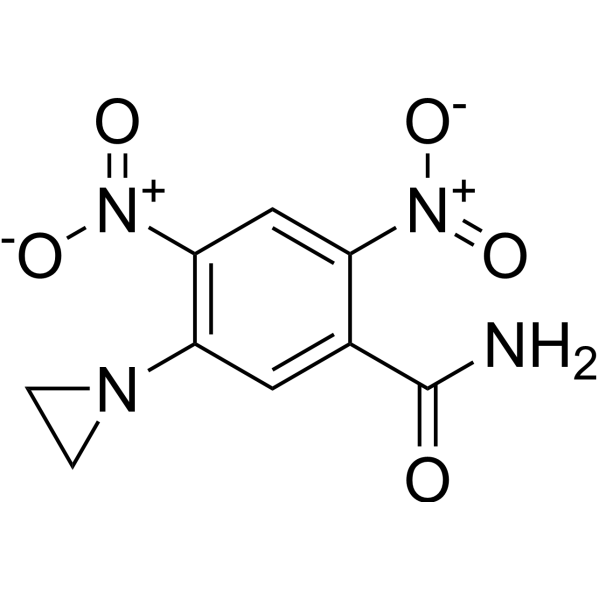 0 ImagesSynonyms: CB 1954Tretazicar (CB 1954), an antitumor proagent, is highly selective against the Walker 256 rat tumour line. Tretazicar is enzymatically activated to generate a bifunctional agent, which can form DNA-DNA interstrand cross-links. Tretazicar in rat cells involves the reduction of its 4-nitro group to a 4-hydroxylamine by the enzyme NAD(P)H:quinone oxidoreductase 1 (NQO1).
-
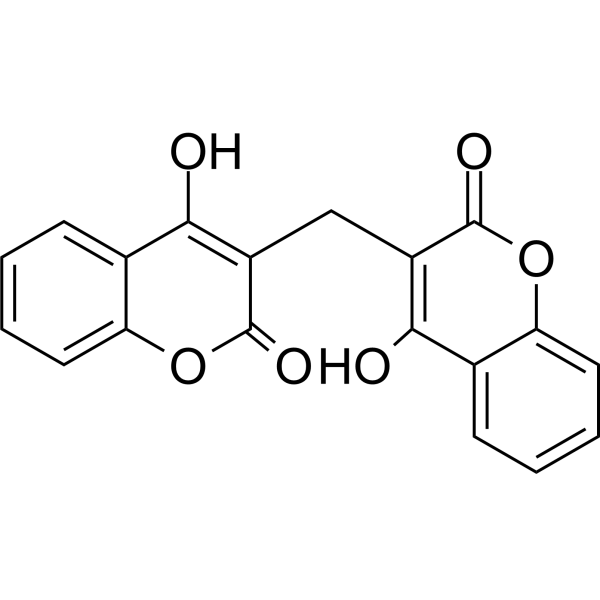
FH1
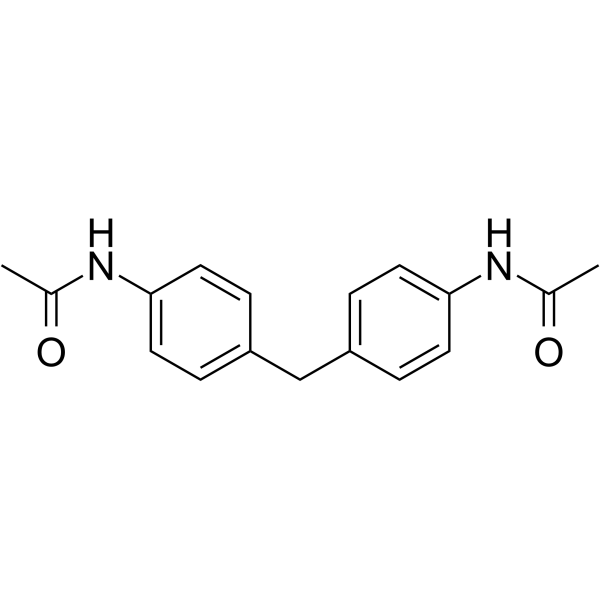 0 ImagesFH1 (NSC 12407) is a NQO2 inhibitor with hepatoprotective effects. FH1 enhances hepatocyte function and promotes differentiation of induced pluripotent stem (iPS)-derived hepatocytes to a more mature phenotype and maturation of well-differentiated hepatocyte-like cell (iHeps) cultures. FH1 protects against Acetaminophen (HY-66005)-induced hepatotoxicity in both embryos and adult zebrafish.
-
2-HBA
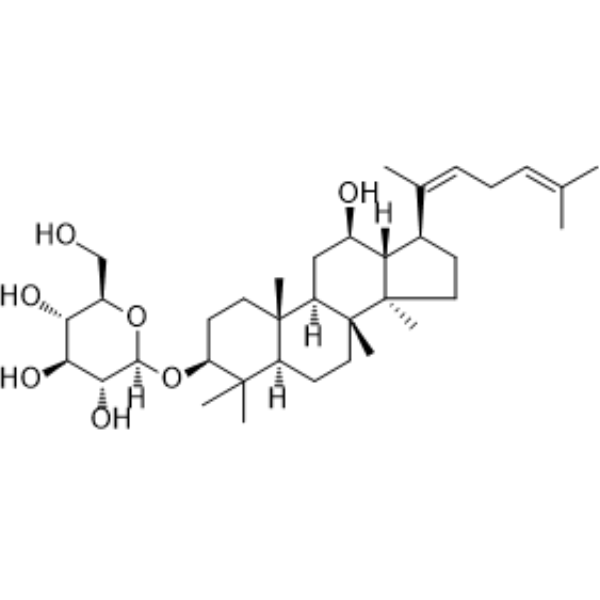
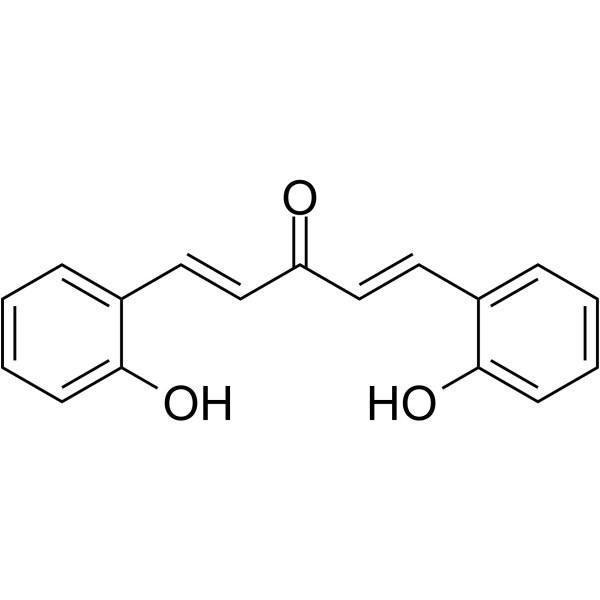 0 Images2-HBA is a potent inducer of NAD(P)H:quinone acceptor oxidoreductase 1 (NQO1) which can also activate caspase-3 and caspase-10.
-
KP372-1
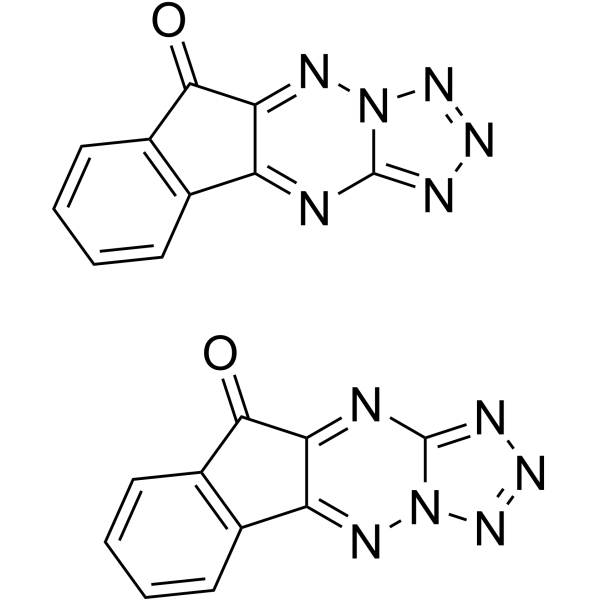 0 ImagesKP372-1 is an Akt inhibitor that inhibits proliferation and induces apoptosis and anoikis. KP372-1 is also an NQO1 redox cycling agent that causes DNA damage (including DNA breakage) by generating ROS. KP372-1 can be used in cancer research (such as head and neck squamous cell carcinoma (HNSCC) and pancreatic cancer).
-
Isobutyl-deoxynyboquinone
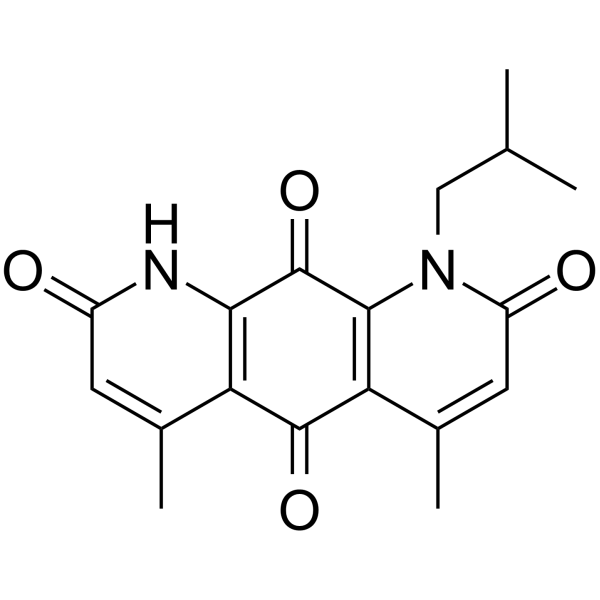 0 ImagesSynonyms: IB-DNQIsobutyl-deoxynyboquinone (IB-DNQ) is a selective substrate for NAD(P)H:quinone oxidoreductase (NQO1). Isobutyl-deoxynyboquinone can be used for the research of anticancer.
-
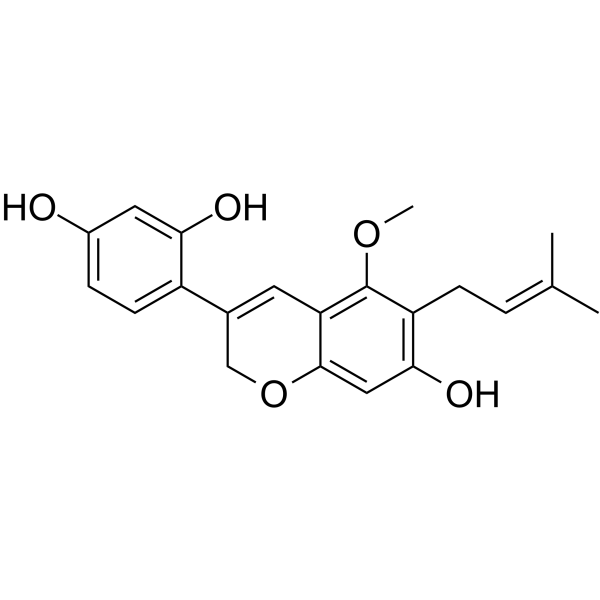
Deoxynyboquinone
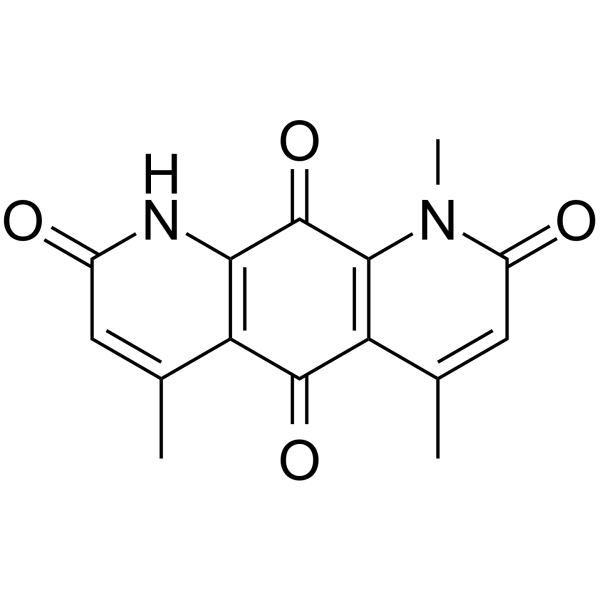 0 ImagesDeoxynyboquinone, an excellent NQO1 substrate, is a potent antineoplastic agent. Deoxynyboquinone induces apoptosis in cancer cell lines. Deoxynyboquinone kills cancer cells through oxidative stress and reactive oxygen species (ROS) formation.
-
Moringa Extract
 0 ImagesCat. No.: HY-N13254Moringa Extract is the extract of Moringa with antioxidative and antibacterial activity. Moringa Extract increases Nrf2 and NQO1 expression, scavenges radicals, reduces oxidative stress, inhibits growth of Staphylococcus aureus and Escherichia coli. Moringa Extract can be used for the research of dietary supplements, cosmetics, and natural water purification.
-
Methyl isoeugenol
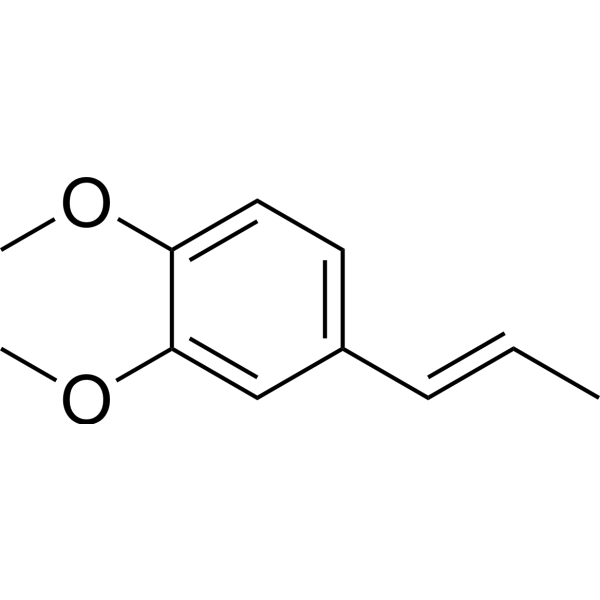 0 ImagesMethyl isoeugenol is an orally active, blood-brain barrier-permeable isoeugenol-type eugenol analog. Methyl isoeugenol promotes the nuclear translocation of Nrf2, upregulates the expressions of HO-1, NQO1 and SOD, and reduces the expression level of MDA. Methyl isoeugenol decreases the nuclear translocation of NF-κB. Methyl isoeugenol inhibits NLRP3 inflammasome-mediated pyroptosis. Methyl isoeugenol reduces cerebral infarction volume and regulates the M1/M2 phenotypic balance of microglia. Methyl isoeugenol can be used for the research of cerebral ischemia-reperfusion injury.



