



Methylnissolin
Based on 2 publication(s) in Google Scholar
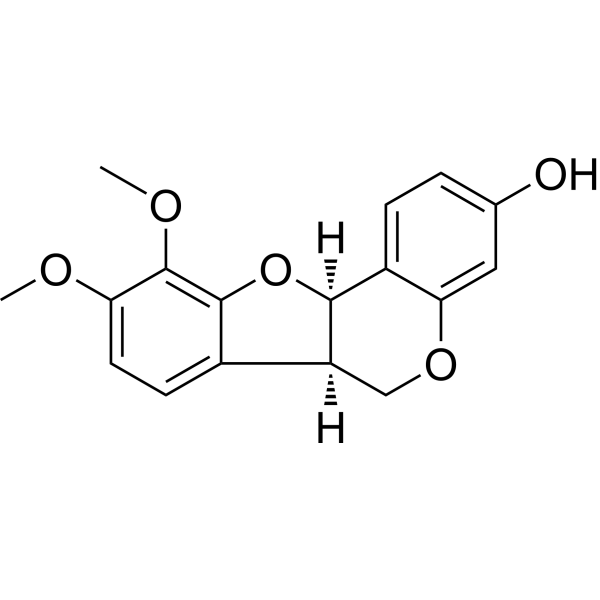
Methylnissolin (Astrapterocarpan) is an osteoclast inhibitor with anti-inflammatory, neuroprotective and antioxidant activities. Methylnissolin downregulates the activation of the MAPK and PI3K/AKT pathways, inhibits the phosphorylation of MAPK1 and AKT1, and blocks PDGF-BB-induced phosphorylation of ERK1/2. Methylnissolin reduces the expression and secretion of proinflammatory mediators, decreases intracellular ROS levels, upregulates antioxidant enzymes, and downregulates osteoclastogenesis markers. Methylnissolin is applicable to research related to ischemic stroke, osteoporosis, cardiovascular diseases, skin aging, etc.
For research use only. We do not sell to patients.
- Purity : 99.92%
- CAS No.: 73340-41-7
- Formula: C17H16O5
- Molecular Weight:300.31
-
Storage:
4°C, protect from light
* In solvent : -80°C, 6 months; -20°C, 1 month (protect from light)

To place orders, for customer services and technical support, please contact: MedChemExpress USA
Tel: 609-228-6898 E-mail: [email protected] [email protected]


-
 Biological Activity
-
Chemical Information
-
Solvent & Solubility
- Protocols
- Purity & Documentation
- References
-
 Help & FAQs


-
HY-N0519
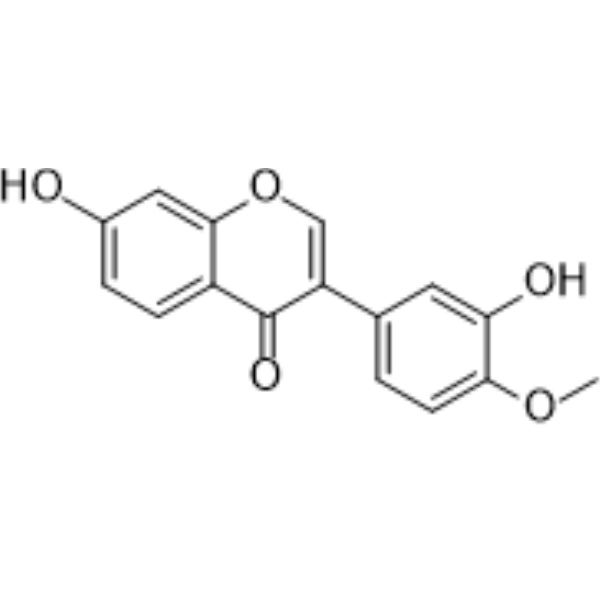
CalycosinPhytoestrogen -
HY-N0393
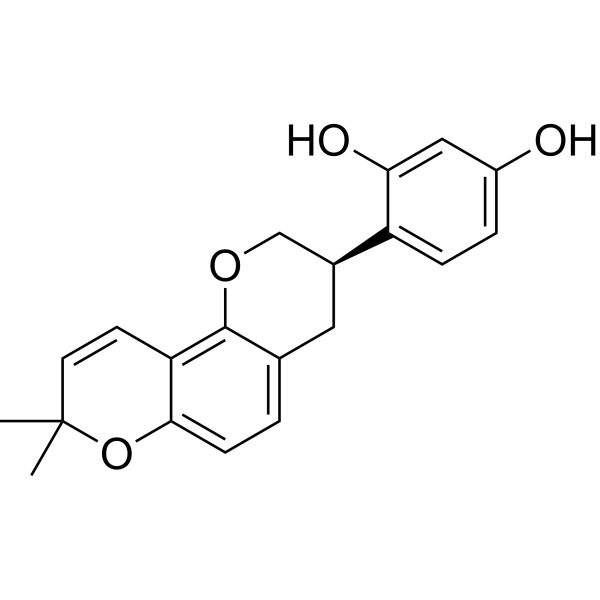
GlabridinPPARγ Activator -
HY-11106
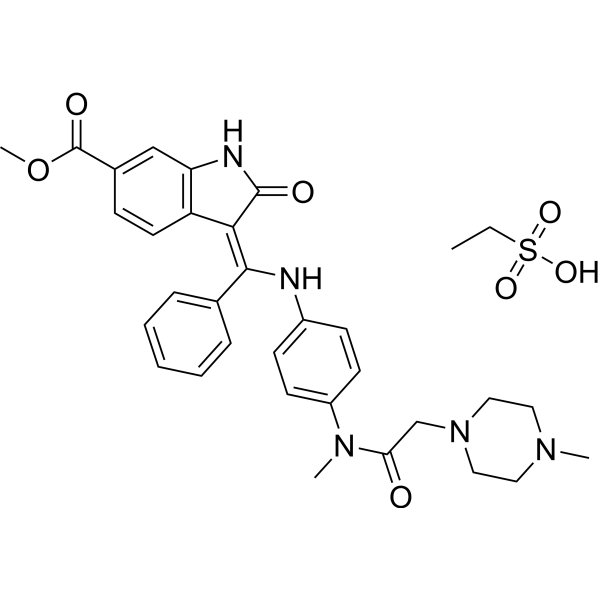
Nintedanib esylatePDGFR/VEGFR/FGFR Inhibitor -
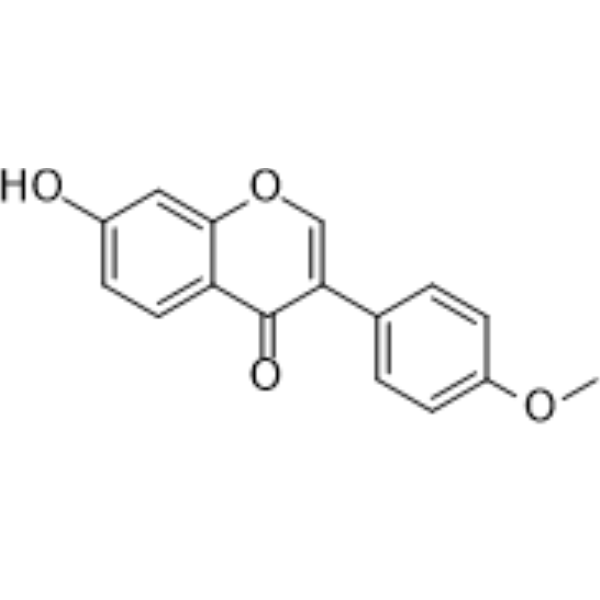
HY-N0183
FormononetinFGFR2 Inhibitor -
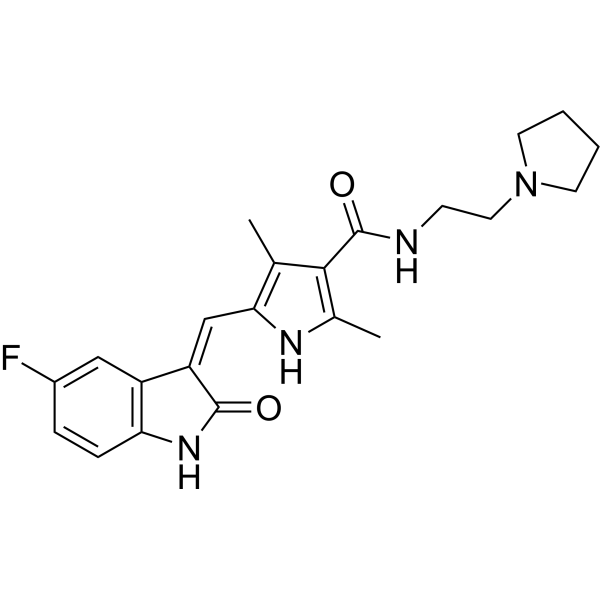
HY-10330
ToceranibRTK Inhibitor -
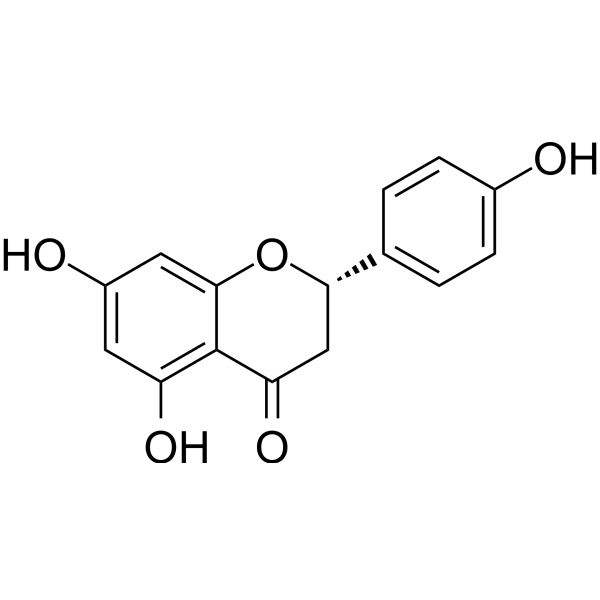
HY-N0100
NaringeninFlavonoid -
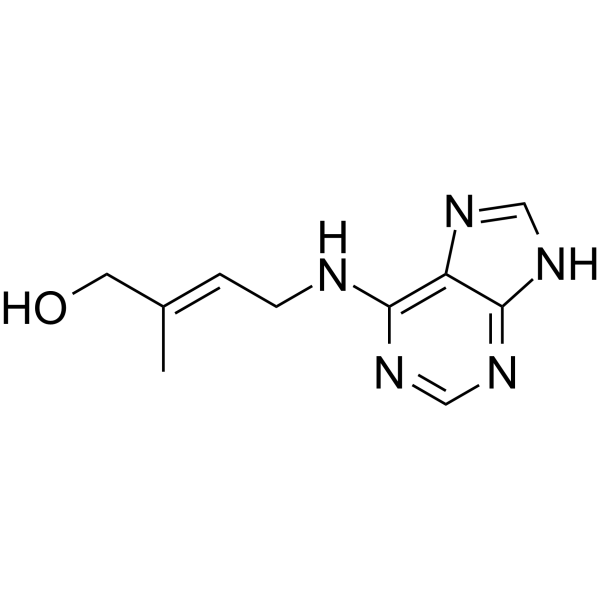
HY-19700
trans-ZeatinCytokinin -
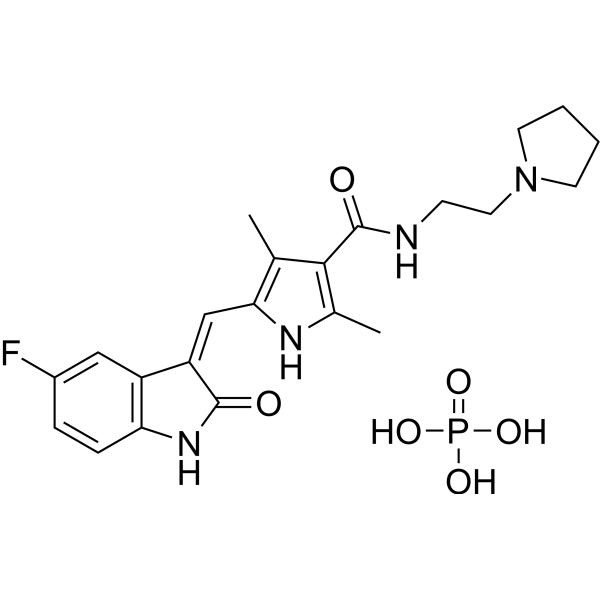
HY-10330A
Toceranib phosphateRTK Inhibitor -
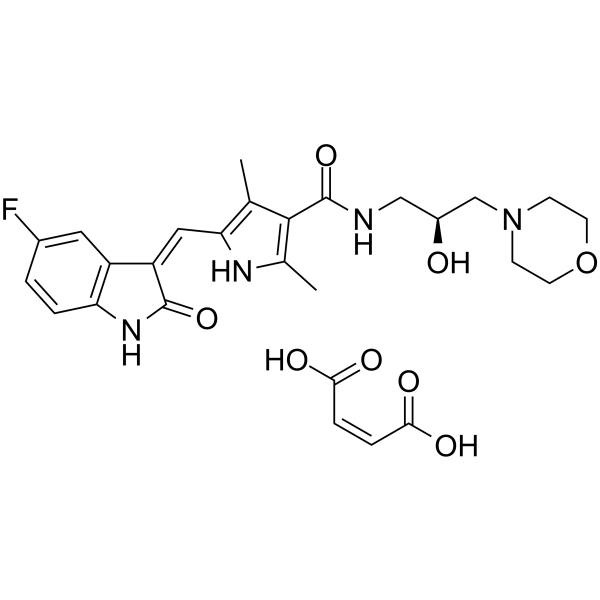
HY-10501A
SU14813 maleateMultiple RTK Inhibitor -
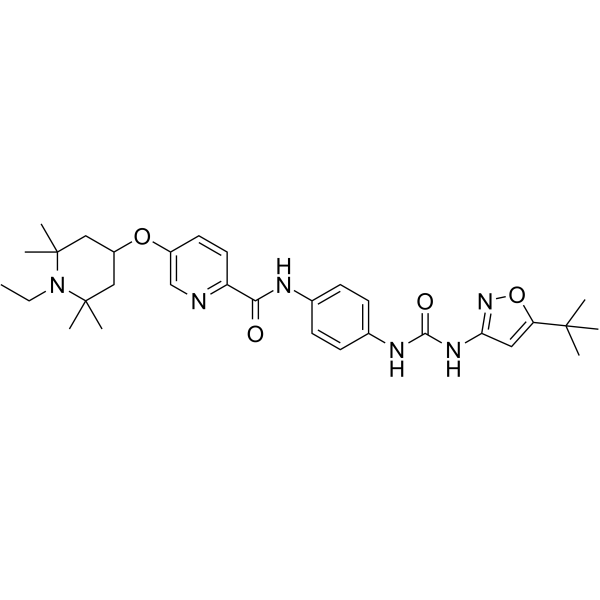
HY-13493
AC710PDGFR Inhibitor -
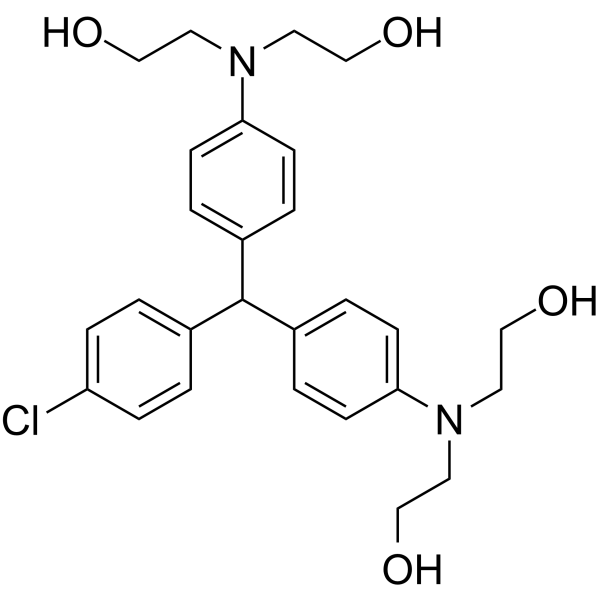
HY-104047
LM22B-10TrkB/TrkC Activator -
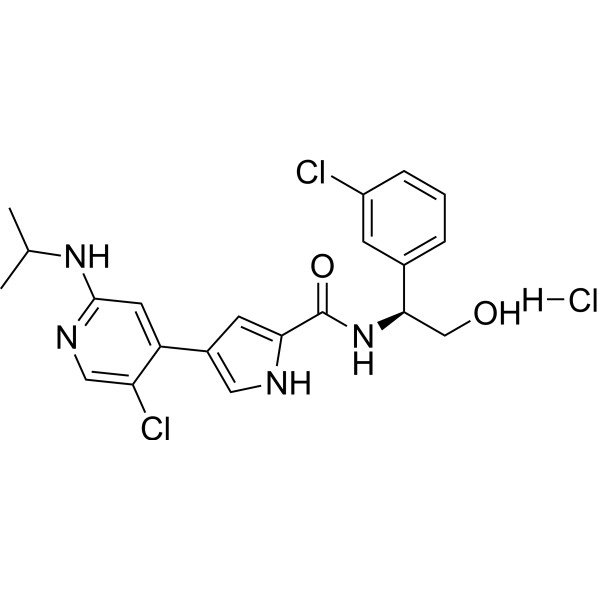
HY-15816A
Ulixertinib hydrochlorideERK1/2 Inhibitor
Publications Citing Use of MedChemExpress (MCE) Methylnissolin
More Customer Validation & Images

-
Cell Proliferation/Viability Assay

-
Cell Imaging/Staining

-
Histological Imaging/Staining

-
WB

-
RT-PCR


Biological Activity
Description
IC50 & Target
|
PDGFR 10 μM (IC50) |
ERK1 |
ERK2 |
In Vitro
Methylnissolin (Astrapterocarpan) (0.5-50 μM; 24 h) shows no significant cytotoxicity to primary mouse microglia at concentrations up to 10 μM after 24 h of incubation[1].
Methylnissolin (5-10 μM; 6 h/24 h) inhibits the pro-inflammatory response triggered by OGD/R in primary mouse microglia by reducing the expression and secretion of key pro-inflammatory mediators at concentrations of 5 and 10 μM[1].
Methylnissolin (5-10 μM) modulates the PI3K/AKT and MAPK signaling pathways in OGD/R-treated primary mouse microglia, reducing phosphorylation of key pathway proteins at concentrations of 5 and 10 μM[1].
Methylnissolin stably binds to purified MAPK1 and AKT1 proteins with high affinity, with binding energies of -7.302 kcal/mol and -7.734 kcal/mol, respectively[2].
Methylnissolin (0-100 μM; 48-96 h) does not reduce the viability of BMMs[2].
Methylnissolin (25-100 μM; 6 days) potently inhibits RANKL-induced osteoclast differentiation from BMMs in a dose- and time-dependent manner, with peak activity during days 3-6 of the 6-day differentiation period[2].
Methylnissolin (50-100 μM; 48 h) disrupts cytoskeletal organization of RANKL-stimulated BMM-derived osteoclasts in a concentration-dependent manner, reducing F-actin ring formation at 50 and 100 μM[2].
Methylnissolin (50-100 μM; 48 h) reduces intracellular ROS levels in RANKL-stimulated BMMs in a concentration-dependent manner, with significant effects observed at 50 and 100 μM after 48 h[2].
Methylnissolin (50-100 μM) activates the Nrf2-mediated antioxidant defense pathway in RANKL-stimulated BMMs, increasing the expression of Nrf2, CAT, and HO-1 proteins at 50 and 100 μM[2].
Methylnissolin (100 μM; days 1, 3, 5 of differentiation) suppresses the expression of critical osteoclastogenic proteins in RANKL-stimulated BMMs, with reduced NFATc1 at days 3 and 5, and reduced c-Fos at days 1 and 3 of differentiation[2].
Methylnissolin (100 μM; pre-treatment, 10-60 min post-RANKL stimulation) inhibits RANKL-induced activation of the MAPK and AKT signaling pathways in BMMs, reducing ERK phosphorylation at 10 and 20 min, and AKT phosphorylation at 20 min post-stimulation[2].
Methylnissolin (1-50 μM; 24 h) inhibits PDGF-BB-induced ERK1/2 phosphorylation in A10 vascular smooth muscle cells in vitro in a concentration-dependent manner with an IC50 of 10 μM after 24 h of pre-incubation, but does not affect PDGF-BB-induced phosphorylation of p38 MAPK or Akt[3].
Methylnissolin (25-100 μM; 24 h) is non-cytotoxic to human dermal fibroblasts[4].
Methylnissolin (25-100 μM; 1 h pre-incubation) dose-dependently inhibits TNF-α-induced intracellular ROS generation in human dermal fibroblasts, with significant suppression observed[4].
Methylnissolin (25-100 μM; 1 h pre-incubation, 24 h TNF-α exposure) dose-dependently inhibits TNF-α-induced MMP-1 secretion in human dermal fibroblasts, with significant suppression observed, but does not enhance COLIA1 secretion[4].
Methylnissolin (100 μM; 1 h pre-incubation, 24 h TNF-α exposure) inhibits TNF-α-induced MMP-1 mRNA expression in human dermal fibroblasts[4].
Methylnissolin demonstrates favorable oral drug-likeness properties, including high gastrointestinal absorption, but interacts with multiple CYP450 enzymes, and has higher skin permeability than its glucoside analog[4].
MedChemExpress (MCE) has not independently confirmed the accuracy of these methods. They are for reference only.
-
Cell Line:RANKL-stimulated bone marrow-derived macrophages (BMMs)
-
Concentration:25-100 μM; 100 μM (days 1-2, days 3-4, days 5-6, or days 1-6 of differentiation)
-
Incubation Time:6 days; variable time windows during 6-day differentiation period
-
Result:Caused dose-dependent suppression of multinucleated TRAP-positive osteoclast formation.
Showed peak inhibitory activity when added between days 3 and 6 of culture.
-
Cell Line:RANKL-stimulated bone marrow-derived macrophages (BMMs)
-
Concentration:50-100 μM
-
Incubation Time:6 days
-
Result:Coordinatedly downregulated the expression of osteoclastogenic genes including Nfatc1, Fos, Ctsk, Mmp9, Atp6v0d2, and Acp5.
-
Cell Line:RANKL-stimulated bone marrow-derived macrophages (BMMs)
-
Concentration:100 μM
-
Incubation Time:Analyzed at days 1, 3, and 5 of differentiation
-
Result:Suppressed NFATc1 protein expression during days 3 and 5 of differentiation, and reduced c-Fos protein expression at days 1 and 3.
-
Cell Line:RANKL-stimulated bone marrow-derived macrophages (BMMs)
-
Concentration:100 μM
-
Incubation Time:Pre-treatment, analyzed at 10, 20, 30, 60 min post-RANKL stimulation
-
Result:Significantly suppressed ERK phosphorylation at 10 and 20 min following RANKL stimulation, and reduced AKT phosphorylation at the 20-min activation window.
-
Cell Line:A10 vascular smooth muscle cells
-
Concentration:1-50 μM
-
Incubation Time:48 h
-
Result:Showed LDH release percentages of 12.9%, 13.2%, 12.3%, 12.5%, 12.1% at concentrations 1, 5, 10, 25, 50 μM respectively, which were not significantly different from the control group's 12.1% LDH release.
-
Cell Line:PDGF-BB-stimulated A10 vascular smooth muscle cells
-
Concentration:1-50 μM
-
Incubation Time:48 h (co-incubated with PDGF-BB)
-
Result:Inhibited PDGF-BB-stimulated cell proliferation in a concentration-dependent manner, with significant inhibition at 1 μM.
Reached an IC50 value of 10 μM for the inhibitory effect.
-
Cell Line:PDGF-BB-stimulated A10 vascular smooth muscle cells
-
Concentration:1-50 μM
-
Incubation Time:24 h (pre-incubation); 20 min (PDGF-BB stimulation)
-
Result:Did not reduce PDGF-BB-induced tyrosine phosphorylation of the PDGF-β-receptor, as measured by densitometric analysis of immunoblot bands.\nInhibited PDGF-BB-induced phosphorylation of ERK1/2 in a concentration-dependent manner, with significant inhibition at 5 μM and an IC50 value of 10 μM.
Did not inhibit PDGF-BB-induced phosphorylation of p38 MAPK or Akt at any tested concentration.
-
Cell Line:TNF-α-stimulated human dermal fibroblasts (HDFs)
-
Concentration:25, 50, 100 μM
-
Incubation Time:1 h (pre-incubation) + 24 h (TNF-α exposure)
-
Result:Reduced TNF-α-induced 2.71-fold MMP-1 secretion to 2.08-fold (25 μM), 1.88-fold (50 μM), and 0.86-fold (100 μM) relative to the control group.
Did not increase COLIA1 secretion in TNF-α-stimulated HDFs.
-
Cell Line:TNF-α-stimulated human dermal fibroblasts (HDFs)
-
Concentration:100 μM
-
Incubation Time:1 h (pre-incubation) + 24 h (TNF-α exposure)
-
Result:Reduced TNF-α-induced MMP-1 mRNA expression to 1.1-fold relative to the control group.
In Vivo
Methylnissolin (10-20 mg/kg; 6 continuous weeks) dose-dependently prevents ovariectomy-induced postmenopausal osteoporosis in female C57BL/6 mice by improving trabecular bone parameters and reducing osteoclast activity, with no detected toxicity[2].
MedChemExpress (MCE) has not independently confirmed the accuracy of these methods. They are for reference only.
-
Animal Model:C57BL/6 (female, 8 weeks old, 20±2 g, bilateral ovariectomy-induced)[2]
-
Dosage:10 mg/kg; 20 mg/kg
-
Administration:6 continuous weeks
-
Result:Restored trabecular bone volume fraction (BV/TV).
Increased trabecular number (Tb.N).
Increased trabecular thickness (Tb.Th).
Decreased trabecular separation (Tb.Sp).
Significantly restored bone surface/tissue surface (BS/TS) in femoral trabecular bone.
Reduced the number of osteoclasts per bone surface (N.OC/BS) in femoral trabecular bone.
Elevated Nrf2 and HO-1 expression in trabecular bone.
Showed no detectable toxicity in cardiac, hepatic, splenic, pulmonary, or renal tissues.


Chemical Information
-
CAS No. 73340-41-7
-
Appearance Solid
-
Molecular Weight 300.31
-
Formula C17H16O5
-
Color White to off-white
-
SMILES
COC1=C2O[C@]3([H])[C@](COC4=CC(O)=CC=C34)([H])C2=CC=C1OC
-
Synonyms
Astrapterocarpan
-
Structure Classification
-
Shipping
Room temperature in continental US; may vary elsewhere.
-
Storage
4°C, protect from light
* In solvent : -80°C, 6 months; -20°C, 1 month (protect from light)


Publications (2)
-
Journal Impact Factor
-
Most Recent
-
Int Immunopharmacol
Dual suppression of AKT/MAPK signaling and activation of Nrf2 by methylnissolin attenuates osteoclastogenesis and prevents postmenopausal osteoporosis. [Abstract]2026 Jan 15:169:115942. PMID: 41337836
Methylnissolin purchased from MedChemExpress. Usage Cited in: Int Immunopharmacol. 2026 Jan 15:169:115942. [Abstract]
Viability of BMMs treated with Methylnissolin (MN) (0–100 μM) for 48 h and 96 h.
Methylnissolin purchased from MedChemExpress. Usage Cited in: Int Immunopharmacol. 2026 Jan 15:169:115942. [Abstract]
TRAP staining of multinucleated osteoclasts differentiated from RANKL-stimulated BMMs under increasing Methylnissolin (MN) concentrations (0–100 μM).
Methylnissolin purchased from MedChemExpress. Usage Cited in: Int Immunopharmacol. 2026 Jan 15:169:115942. [Abstract]
Representative H&E staining of femoral sections treated with Methylnissolin (MN) (10, 20 mg/kg).
Methylnissolin purchased from MedChemExpress. Usage Cited in: Int Immunopharmacol. 2026 Jan 15:169:115942. [Abstract]
Representative Western blot of Nrf2, CAT, and HO-1 expression treated with Methylnissolin (MN) (50, 100 μM).
Methylnissolin purchased from MedChemExpress. Usage Cited in: Int Immunopharmacol. 2026 Jan 15:169:115942. [Abstract]
PCR analysis of osteoclast-specific genes (Nfatc1, Fos, Ctsk, Mmp9, Atp6v0d2, Acp5) treated with Methylnissolin (MN) (50, 100 μM).

Methylnissolin purchased from MedChemExpress. Usage Cited in: Int Immunopharmacol. 2026 Jan 15:169:115942. [Abstract]
Representative immunohistochemistry of HO-1/Nrf2 in trabecular bone treated with Methylnissolin (MN) (10, 20 mg/kg).
-
J Cell Mol Med
Jinbei Decoction Attenuates LPS-Induced Acute Lung Injury via Suppression of TRAF6-Dependent Inflammatory Response in Macrophage. [Abstract]2025 Nov;29(21):e70944. PMID: 41230791


Solvent & Solubility
In Vitro:
DMSO : 50 mg/mL (166.49 mM; Need ultrasonic; Hygroscopic DMSO has a significant impact on the solubility of product, please use newly opened DMSO)
Please refer to the solubility information to select the appropriate solvent. Once prepared, please aliquot and store the solution to prevent product inactivation from repeated freeze-thaw cycles.
Storage method and period of stock solution: -80°C, 6 months; -20°C, 1 month (protect from light). When stored at -80°C, please use it within 6 months. When stored at -20°C, please use it within 1 month.
Please refer to the solubility information to select the appropriate solvent. Once prepared, please aliquot and store the solution to prevent product inactivation from repeated freeze-thaw cycles.
Storage method and period of stock solution: -80°C, 6 months; -20°C, 1 month (protect from light). When stored at -80°C, please use it within 6 months. When stored at -20°C, please use it within 1 month.
Concentration (start) × Volume (start) = Concentration (final) × Volume (final)
In Vivo:
Select the appropriate dissolution method based on your experimental animal and administration route.
- For the following dissolution methods, please ensure to first prepare a clear stock solution using an In Vitro approach and then sequentially add co-solvents:
- To ensure reliable experimental results, the clarified stock solution can be appropriately stored based on storage conditions. As for the working solution for In Vivo experiments, it is recommended to prepare freshly and use it on the same day.
- The percentages shown for the solvents indicate their volumetric ratio in the final prepared solution. If precipitation or phase separation occurs during preparation, heat and/or sonication can be used to aid dissolution.
Add each solvent one by one: 10% DMSO 40% PEG300 5% Tween-80 45% Saline
Solubility: ≥ 2.5 mg/mL (8.32 mM); Clear solution
This protocol yields a clear solution of ≥ 2.5 mg/mL (saturation unknown).
Taking 1 mL working solution as an example, add 100 μL DMSO stock solution (25.0 mg/mL) to 400 μL PEG300, and mix evenly; then add 50 μL Tween-80 and mix evenly; then add 450 μL Saline to adjust the volume to 1 mL.
Preparation of Saline: Dissolve 0.9 g sodium chloride in ddH₂O and dilute to 100 mL to obtain a clear Saline solution.
Add each solvent one by one: 10% DMSO 90% (20% SBE-β-CD in Saline)
Solubility: ≥ 2.5 mg/mL (8.32 mM); Clear solution
This protocol yields a clear solution of ≥ 2.5 mg/mL (saturation unknown).
Taking 1 mL working solution as an example, add 100 μL DMSO stock solution (25.0 mg/mL) to 900 μL 20% SBE-β-CD in Saline, and mix evenly.
Preparation of 20% SBE-β-CD in Saline (4°C, storage for one week): 2 g SBE-β-CD powder is dissolved in 10 mL Saline, completely dissolve until clear.
In Vivo Dissolution Calculator
Please enter the basic information of animal experiments:
-
-
-
-
Recommended: Prepare an additional quantity of animals to account for potential losses during experiments.
Please enter your animal formula composition:
-
%DMSO +
Recommended: Keep the proportion of DMSO in working solution below 2% if your animal is weak.
-
%+
-
+%Tween-80 + +
-
%Saline +
The co-solvents required include: DMSO, . All of co-solvents are available by MedChemExpress (MCE). , Tween 80. All of co-solvents are available by MedChemExpress (MCE).
Working solution concentration: 0.22 mg/mL
Method for preparing stock solution: mg drug dissolved in μL DMSO. Stock solution concentration: mg/mL. * In solvent : -80°C, 6 months; -20°C, 1 month (protect from light)
1. Take μL DMSO stock solution;
2. Add μL .
μL , mix evenly;
3. Then add μL Tween 80, mix evenly;
4. Then add μL
Please ensure that the stock solution in the first step is dissolved to a clear state, and add co-solvents in sequence. You can use ultrasonic heating (ultrasonic cleaner, recommended frequency 20-40 kHz), vortexing, etc. to assist dissolution.


Purity & Documentation
-
Data Sheet (291 KB)
-
SDS (393 KB)
- English - EN (393 KB)
- Français - FR (393 KB)
- Deutsch - DE (393 KB)
- Norwegian - NO (393 KB)
- Español - ES (393 KB)
- Swedish - SV (393 KB)
- Italian - IT (393 KB)
- Korean - KR (393 KB)
- Portuguese - PT (393 KB)
-
Handling Instructions (2659 KB)
References
[1]. Wu J, et al. Methylnissolin mitigates microglia-mediated neuroinflammation and ischemic brain injury through PI3K/AKT and MAPK pathways. Eur J Pharmacol. 2026;1011:178431. [Content Brief]
[2]. Feng Y, et al. Dual suppression of AKT/MAPK signaling and activation of Nrf2 by methylnissolin attenuates osteoclastogenesis and prevents postmenopausal osteoporosis. Int Immunopharmacol. 2026;169:115942. [Content Brief]
[3]. Ohkawara S, et al. Astrapterocarpan isolated from Astragalus membranaceus inhibits proliferation of vascular smooth muscle cells. Eur J Pharmacol. 2005;525(1-3):41-47. [Content Brief]
[4]. Choi YJ, et al. Protective effects of methylnissolin and methylnissolin-3-O-β-d-glucopyranoside on TNF-α-induced inflammation in human dermal fibroblasts. Toxicol In Vitro. 2025;104:106005. [Content Brief]


Complete Stock Solution Preparation Table
Please refer to the solubility information to select the appropriate solvent. Once prepared, please aliquot and store the solution to prevent product inactivation from repeated freeze-thaw cycles.
Storage method and period of stock solution: -80°C, 6 months; -20°C, 1 month (protect from light). When stored at -80°C, please use it within 6 months. When stored at -20°C, please use it within 1 month.
| Optional Solvent | Concentration Solvent Mass | 1 mg | 5 mg | 10 mg | 25 mg |
|---|---|---|---|---|---|
| DMSO | 1 mM | 3.3299 mL | 16.6495 mL | 33.2989 mL | 83.2473 mL |
| 5 mM | 0.6660 mL | 3.3299 mL | 6.6598 mL | 16.6495 mL | |
| 10 mM | 0.3330 mL | 1.6649 mL | 3.3299 mL | 8.3247 mL | |
| 15 mM | 0.2220 mL | 1.1100 mL | 2.2199 mL | 5.5498 mL | |
| 20 mM | 0.1665 mL | 0.8325 mL | 1.6649 mL | 4.1624 mL | |
| 25 mM | 0.1332 mL | 0.6660 mL | 1.3320 mL | 3.3299 mL | |
| 30 mM | 0.1110 mL | 0.5550 mL | 1.1100 mL | 2.7749 mL | |
| 40 mM | 0.0832 mL | 0.4162 mL | 0.8325 mL | 2.0812 mL | |
| 50 mM | 0.0666 mL | 0.3330 mL | 0.6660 mL | 1.6649 mL | |
| 60 mM | 0.0555 mL | 0.2775 mL | 0.5550 mL | 1.3875 mL | |
| 80 mM | 0.0416 mL | 0.2081 mL | 0.4162 mL | 1.0406 mL | |
| 100 mM | 0.0333 mL | 0.1665 mL | 0.3330 mL | 0.8325 mL |


Methylnissolin Related Classifications
HY-N2484 Related Classifications
 Powered by Bioz