



Cellular Senescence
-
Cellular Senescence (26)

- 1
- 2
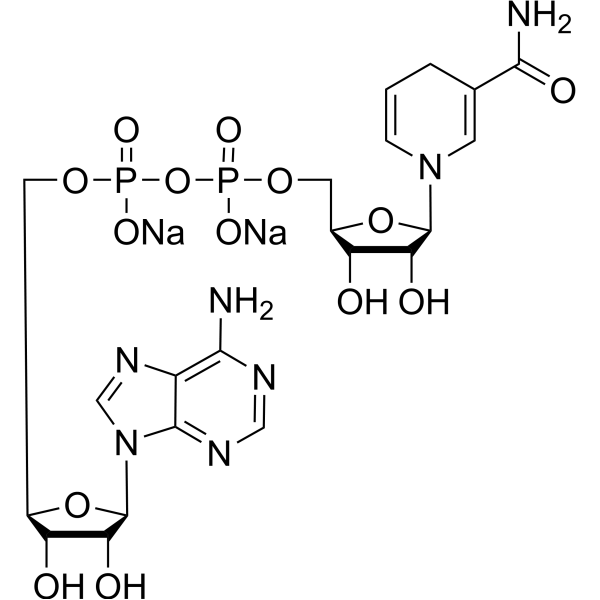
- Formula: C21H27N7Na2O14P2
- Molecular Weight: 709.40
NADH disodium salt (Disodium NADH) is an orally effective reduced coenzyme. NADH disodium salt plays a role in regenerating electron donors during cellular energy metabolism, including glycolysis, β-oxidation, and the tricarboxylic acid (TCA) cycle. NADH disodium salt regulates calcium homeostasis by promoting the opening of IP3-gated Ca2+ channels and inhibiting Ryanodine receptor, and affects mitochondrial function through direct interaction with VDAC. NADH disodium salt is used in cytoprotective studies related to cerebral ischemic injury, neurodegenerative diseases, aging, and signal transduction.
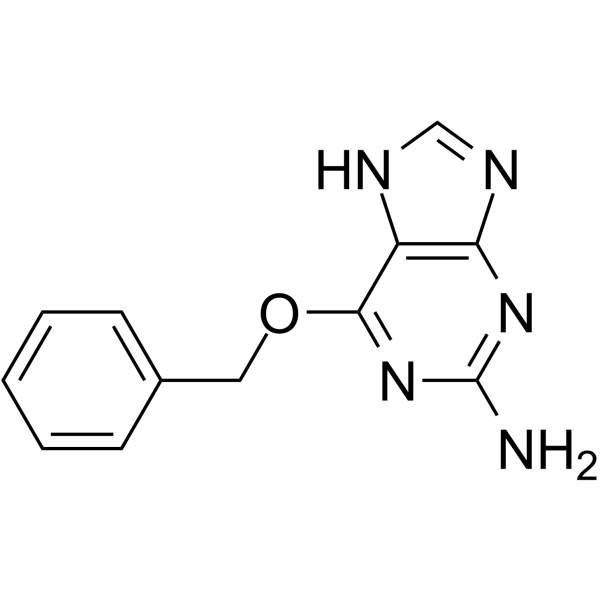
- Formula: C12H11N5O
- Molecular Weight: 241.25
O6-Benzylguanine is an orally active, blood-brain barrier-penetrant inhibitor of O6-methylguanine-DNA methyltransferase (MGMT/AGT). O6-Benzylguanine modulates p53 and its downstream p21 and cyclins to induce cell cycle arrest and apoptosis, and on the other hand activates mTORC1/MAPK and other signaling pathways to induce cellular senescence by inhibiting intracellular MGMT. O6-Benzylguanine is used in research related to various tumors, cellular senescence, and vascular smooth muscle dysfunction.

- Formula: C21H27N7Na2O14P2
- Molecular Weight: 709.40
NADH disodium salt (Disodium NADH) Standard is the analytical standard of NADH disodium salt (HY-F0001). This product is intended for research and analytical applications. NADH disodium salt (Disodium NADH) is an orally effective reduced coenzyme. NADH disodium salt plays a role in regenerating electron donors during cellular energy metabolism, including glycolysis, β-oxidation, and the tricarboxylic acid (TCA) cycle. NADH disodium salt regulates calcium homeostasis by promoting the opening of IP3-gated Ca2+ channels and inhibiting Ryanodine receptor, and affects mitochondrial function through direct interaction with VDAC. NADH disodium salt is used in cytoprotective studies related to cerebral ischemic injury, neurodegenerative diseases, aging, and signal transduction.
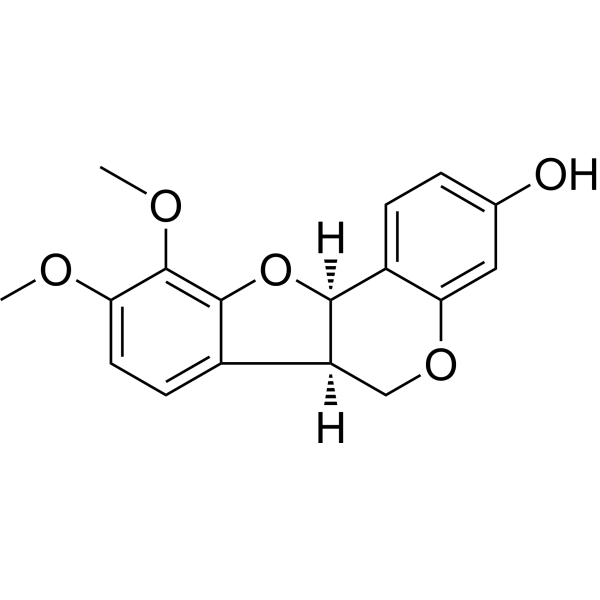
- Formula: C17H16O5
- Molecular Weight: 300.31
Methylnissolin (Astrapterocarpan) is an osteoclast inhibitor with anti-inflammatory, neuroprotective and antioxidant activities. Methylnissolin downregulates the activation of the MAPK and PI3K/AKT pathways, inhibits the phosphorylation of MAPK1 and AKT1, and blocks PDGF-BB-induced phosphorylation of ERK1/2. Methylnissolin reduces the expression and secretion of proinflammatory mediators, decreases intracellular ROS levels, upregulates antioxidant enzymes, and downregulates osteoclastogenesis markers. Methylnissolin is applicable to research related to ischemic stroke, osteoporosis, cardiovascular diseases, skin aging, etc.

PDRN (Polydeoxyribonucleotide) is a deoxynucleotide polymer mainly derived from the sperm of rainbow trout or salmon. PDRN inhibits pro-inflammatory factors and promotes VEGF expression via the cAMP-PKA pathway by activating the adenosine A2A receptor (A2AR), thereby driving angiogenesis and collagen deposition in fibroblasts. Degradation products of PDRN provide DNA raw materials for proliferating cells through the salvage synthesis pathway, accelerating re-epithelialization. PDRN reduces melanin synthesis and cell apoptosis by upregulating ERK/AKT phosphorylation and inhibiting the activities of MITF and tyrosinase, and resists skin aging by attenuating nuclear autophagy and blocking the interaction between LC3-SIRT1. PDRN is mainly used for wound repair, post-aesthetic surgery recovery and anti-aging research.

- Formula: C19H18N2O
- Molecular Weight: 290.36
QC-308 is a HO-1/HO-2 inhibitor, with an IC50 of 0.27 μM against rat HO-1 and an IC50 of 0.46 μM against rat HO-2. QC-308 inhibits the activities of rat HO-1 and HO-2 in carbon monoxide generation assays using spleen and brain microsomes, respectively. QC-308 also exhibits senolytic activity, reducing the survival rate of adipogenic progenitor cells in skeletal muscle fibers of senescent mice and human skeletal muscle myoblasts. QC-308 is applicable for senescence-related research.

- Formula: C19H19ClN2O
- Molecular Weight: 326.82
QC-308 hydrochloride is a HO-1/HO-2 inhibitor, with an IC50 of 0.27 μM against rat HO-1 and an IC50 of 0.46 μM against rat HO-2. QC-308 hydrochloride inhibits the activities of rat HO-1 and HO-2 in carbon monoxide generation assays using spleen and brain microsomes, respectively. QC-308 hydrochloride also exhibits senolytic activity, reducing the survival rate of adipogenic progenitor cells in skeletal muscle fibers of senescent mice and human skeletal muscle myoblasts. QC-308 hydrochloride is applicable for senescence-related research.
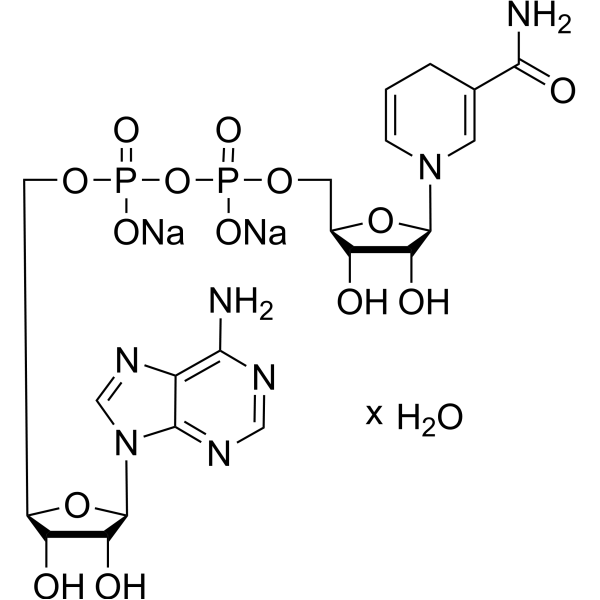
- Formula: C21H29N7O14P2.xH2O.2Na
NADH disodium hydrate (Disodium NADH hydrate) is an orally effective reduced coenzyme. NADH disodium hydrate plays a role in regenerating electron donors during cellular energy metabolism, including glycolysis, β-oxidation, and the tricarboxylic acid (TCA) cycle. NADH disodium hydrate regulates calcium homeostasis by promoting the opening of IP3-gated Ca2+ channels and inhibiting Ryanodine receptor, and affects mitochondrial function through direct interaction with VDAC. NADH disodium hydrate is used in cytoprotective studies related to cerebral ischemic injury, neurodegenerative diseases, aging, and signal transduction.
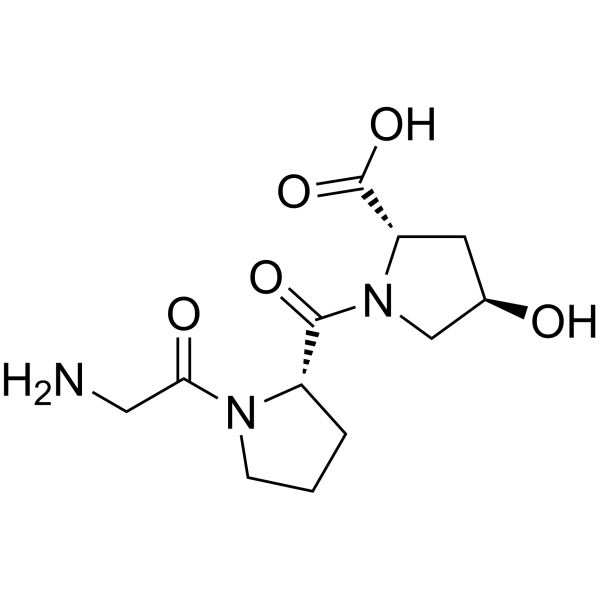
- Formula: C12H19N3O5
- Molecular Weight: 285.30
H-Gly-Pro-Hyp-OH is a collagen-derived peptide and also a dipeptidyl peptidase-4 inhibitor.\nH-Gly-Pro-Hyp-OH inhibits the activity of dipeptidyl peptidase-4 in vitro. H-Gly-Pro-Hyp-OH binds to the DNA-binding site of the JUN/FOS complex, blocks the formation of the DNA-JUN/FOS complex, and inhibits transcriptional activity. H-Gly-Pro-Hyp-OH is applicable to research related to skin photoaging, UVB-induced skin aging/photoaging, and thrombosis.

Carnitine acetyltransferase is a mitochondrial matrix enzyme that catalyzes the interconversion of Acetyl-CoA and Acetylcarnitine (HY-126358). Carnitine acetyltransferase functions as a positive regulator of total body glucose tolerance and muscle activity of pyruvate dehydrogenase. Carnitine acetyltransferase is responsible for mitochondrial acetyl-CoA balance and regulation of fatty acid oxidation by utilizing short- and medium- chain fatty acids and their corresponding acylcarnitines as substrates. Carnitine acetyltransferase plays a crucial role in regulating glucose homeostasis. Carnitine acetyltransferase can be utilized in the research of aging, obesity, and diabetes.

- Formula: C26H38O3
- Molecular Weight: 398.58
Hydroxypinacolone retinoate (HPR) is a direct-binding agonist of retinoic acid receptor (RAR). Hydroxypinacolone retinoate has low irritation and high stability; when formulated into nanoparticles, its transdermal efficiency is enhanced, allowing it to penetrate deep into the dermis and achieve sustained release. When used in combination with Retinyl propionate, hydroxypinacolone retinoate promotes fibroblast proliferation and upregulates the gene expression of type IV collagen, CRBP-I and RARB. Hydroxypinacolone retinoate can be used in research related to skin wrinkles and skin aging.

- Formula: C12H17NO6
- Molecular Weight: 271.27
4-Aminophenyl-β-D-galactopyranoside, 98% is a highly efficient substrate for β-galactosidase. It is specifically hydrolyzed by this enzyme to release galactose and electroactive p-aminophenol. 4-Aminophenyl-β-D-galactopyranoside, 98% is widely used in colorimetric and electrochemical assays for detecting β-galactosidase activity and determining enzyme kinetics, such as in biosensing fields including cellular senescence, pathogen and contaminant detection. In addition, since β-galactosidase is often overexpressed in primary ovarian cancer, 4-Aminophenyl-β-D-galactopyranoside, 98% can also be applied to related research on primary ovarian cancer.
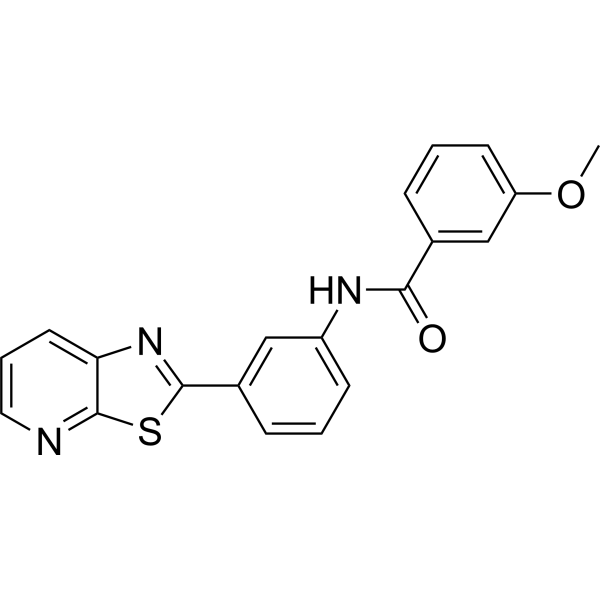
- Formula: C20H15N3O2S
- Molecular Weight: 361.42
SIRT1 activator 2 is a SIRT1 activator with an ED50 value <5 μM. SIRT1 activator 2 modulates SIRT1 deacetylase activity. SIRT1 activator 2 can be used for aging research.

- Formula: C31H40N2O4S
- Molecular Weight: 536.73
MDH2-IN-2 is an orally active MDH2 inhibitor with an IC50 of 5.9 μM. MDH2-IN-2 reduces the levels of senescence markers and senescence-associated secretory phenotype (SASP) factors in mammalian cell models. MDH2-IN-2 extends the lifespan and improves the healthspan of Caenorhabditis elegans. MDH2-IN-2 alleviates tissue senescence in aged mice, inhibits SASP factors, and restores liver and kidney functions. MDH2-IN-2 is applicable for senescence-related research.

- Formula: C41H53F2N5O18
- Molecular Weight: 941.88
Gal-dMor-Gem is a selective senescent cell scavenger, Apoptosis inducer, and a prodrug of Gemcitabine (HY-17026). Gal-dMor-Gem releases Gemcitabine upon activation by Esterases and β-gal. Gal-dMor-Gem reduces SA-β-gal, preferentially induces apoptosis in senescent cells, regulates apoptosis-related proteins, accumulates in senescent tissues, and ameliorates senescence-related organ phenotypes. Gal-dMor-Gem is applicable to research on chemotherapy-induced senescence.

- Formula: C71H82ClF3N12O12S3
- Molecular Weight: 1484.13
PZ15227 is a potent and selective Bcl-XL PROTAC degrader with a DC50 of 46 nM, and its Ki values for Bcl-XL, Bcl-2 and Bcl-w are 1.90 nM, 3.52 nM and >1 mM, respectively. PZ15227 recruits Bcl-XL to CRBN, induces polyubiquitination of Bcl-XL and promotes its proteasome-dependent degradation, thereby selectively killing senescent cells that rely on Bcl-XL for survival without causing severe thrombocytopenia. PZ15227 can be used for research related to age-related diseases, aging and renal cancer.

- Formula: C17H21NO3
- Molecular Weight: 287.35
Thesinine is a saturated pyrrolizidine alkaloid and the primary alkaloid found in the seeds and flowers of Borago officinalis. Thesinine binds to AKT1, MAPK3, MMP9, and MAPK14 proteins as predicted by in silico analysis. Thesinine is applicable to research related to skin aging


- Formula: C79H102ClN13O13
- Molecular Weight: 1477.19
HATC is a HIF-1α AUTAC degrader. HATC links HIF-1α to LC3 to form a ternary complex that undergoes degradation via the autophagy-lysosome fusion pathway. HATC induces dose-dependent HIF-1α degradation in multiple cell types. HATC reduces visceral fat accumulation, hepatic lipid deposition, senescent cell aggregation, and bone loss; alleviates age-related intervertebral disc degeneration, liver dysfunction, kyphosis, and alveolar dilation; decreases circulating lactic acid levels; improves physical performance; and reverses age-related changes in granulocyte proportions. HATC extends median and maximum lifespan, reduces transcriptomic age, and causes no obvious persistent toxicity. HATC can be used in the research of age-related diseases (pink: LC3 ligand (HY-50759); blue: HIF-1α ligand (HY-P10426); Linker: (HY-W008264)).

- Formula: C16H15N5O
- Molecular Weight: 293.32
mTOR/STAT3-IN-1 is a dual mTOR/STAT3 inhibitor. mTOR/STAT3-IN-1 exhibits potent mTOR inhibitory activity and moderate STAT3 inhibitory activity, while exerting cell type-dependent antiproliferative and senolytic activities in human cell lines. mTOR/STAT3-IN-1 can be used in the research of glioblastoma and aging-related diseases.
- 1
- 2



