



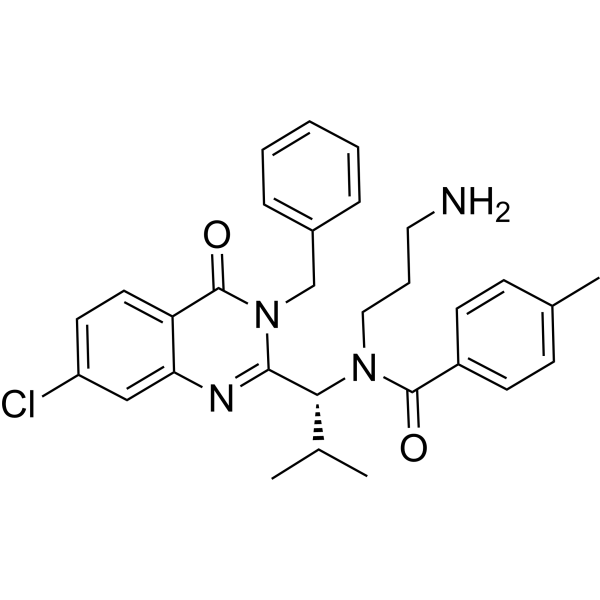
Ispinesib
Based on 7 publication(s) in Google Scholar
Ispinesib is a specific inhibitor of kinesin spindle protein (KSP), with a Ki app of 1.7 nM.
For research use only. We do not sell to patients.
- Purity : 99.62%
- CAS No.: 336113-53-2
- Formula: C30H33ClN4O2
- Molecular Weight:517.06
-
Storage:
4°C, protect from light
* In solvent : -80°C, 1 year; -20°C, 6 months (protect from light)

To place orders, for customer services and technical support, please contact: MedChemExpress USA
Tel: 609-228-6898 E-mail: [email protected] [email protected]


-
 Biological Activity
-
Chemical Information
-
Solvent & Solubility
- Purity & Documentation
- References
-
 Help & FAQs


-
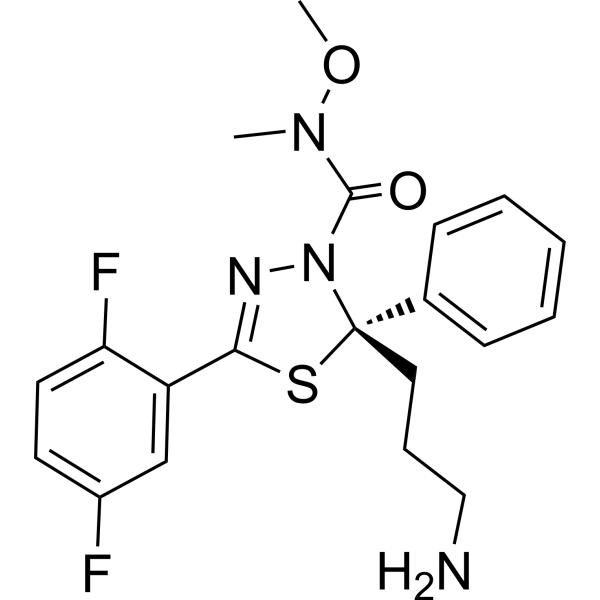
HY-15187
FilanesibKSP Inhibitor -
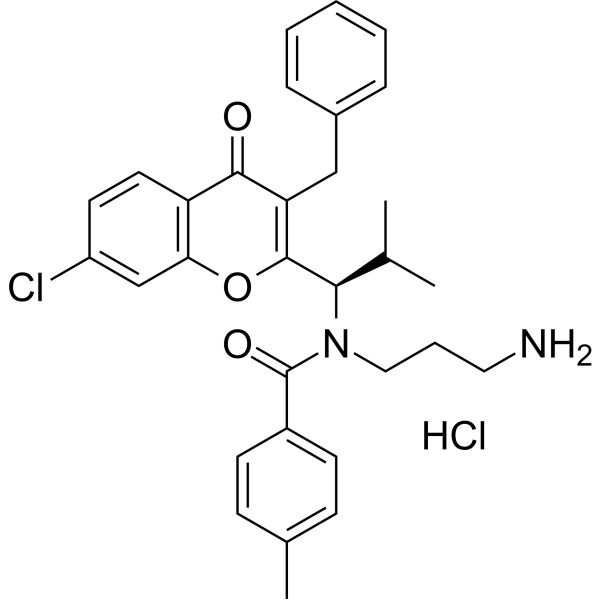
HY-12069
SB-743921 hydrochlorideEg5 Inhibitor -
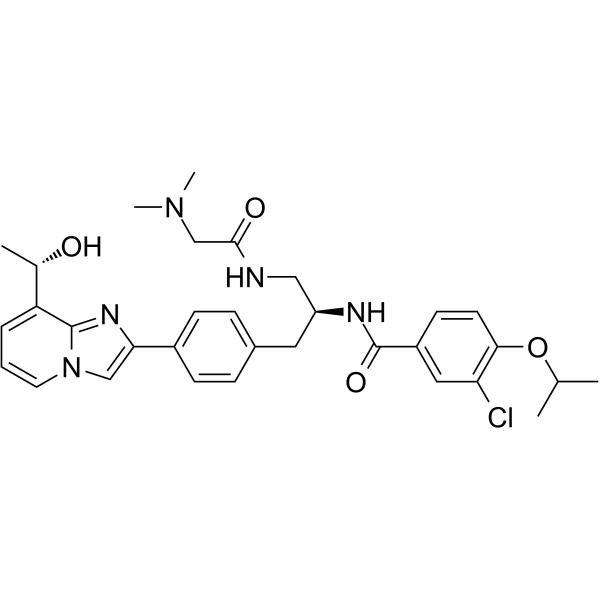
HY-10299
GSK-923295CENP-E Inhibitor -
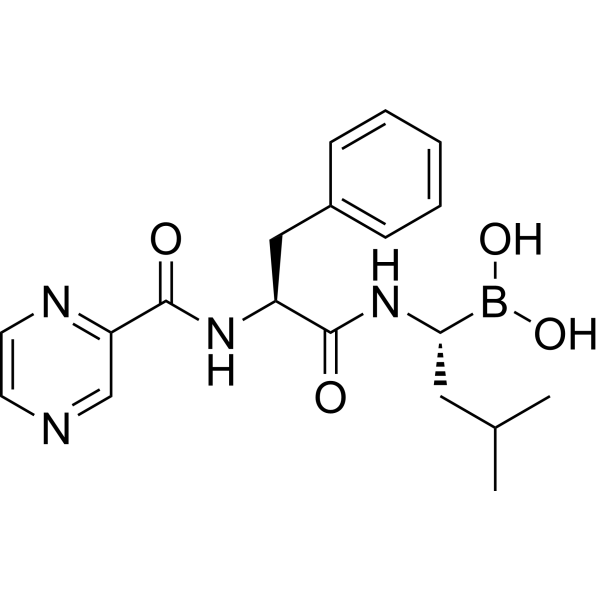
HY-10227
BortezomibProteasome Inhibitor -
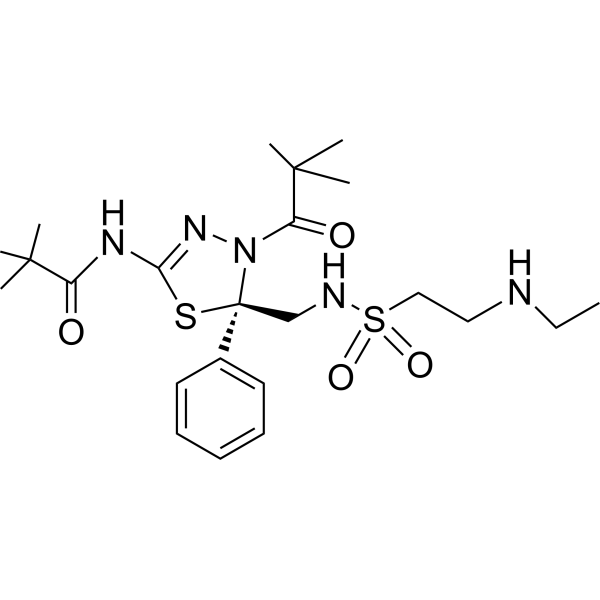
HY-14846
LitronesibKinesin Inhibitor -
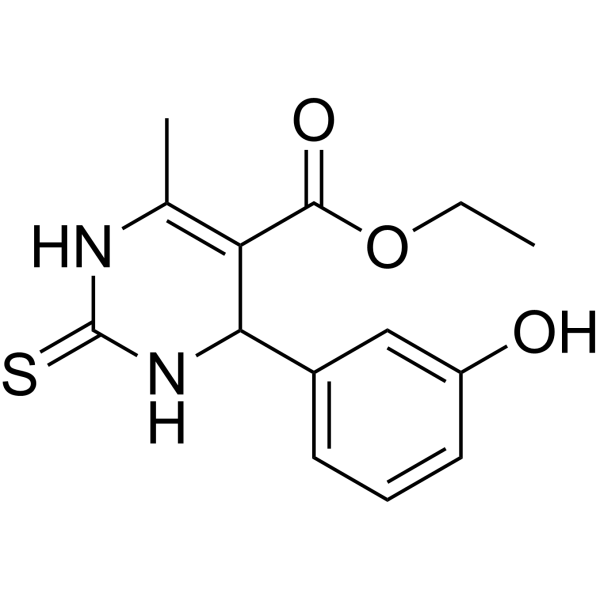
HY-101071A
MonastrolMitotic Kinesin Eg5 Inhibitor -
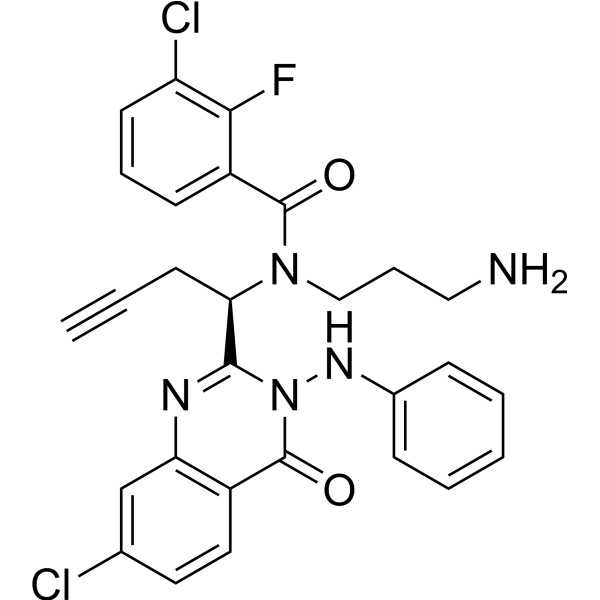
HY-16062
ARQ 621Eg5 Inhibitor -
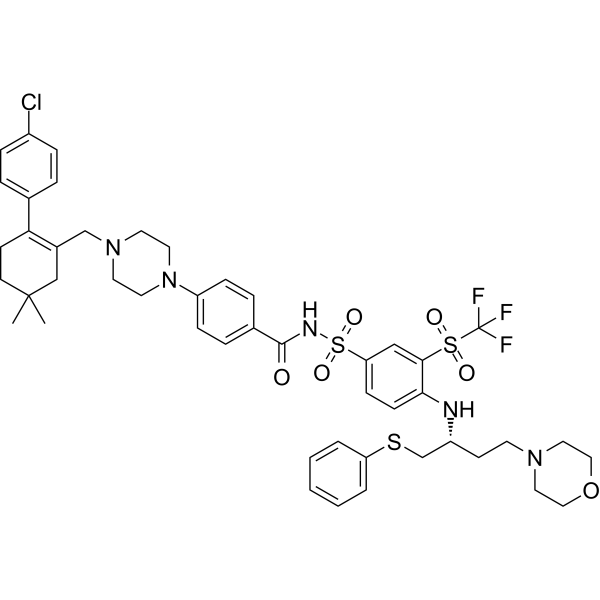
HY-10087
NavitoclaxBcl-2 Inhibitor -
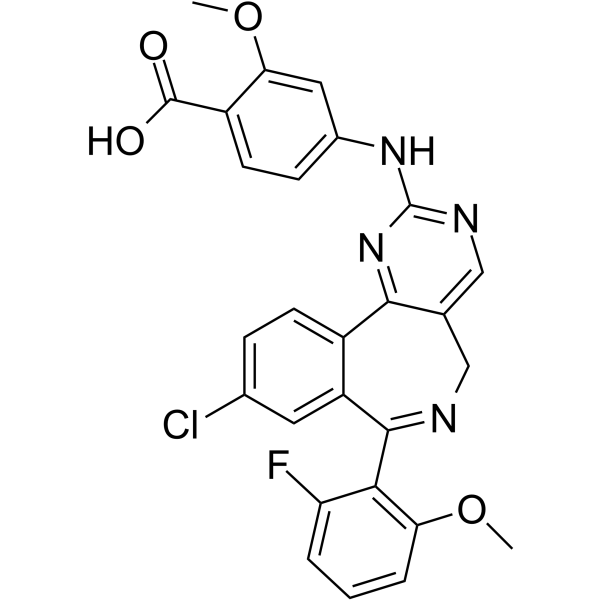
HY-10971
AlisertibAurora A Kinase Inhibitor -
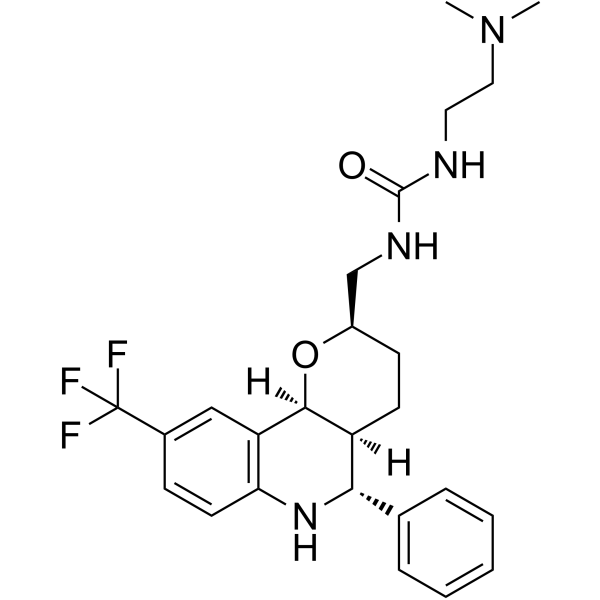
HY-15000
EMD534085Kinesin Inhibitor -
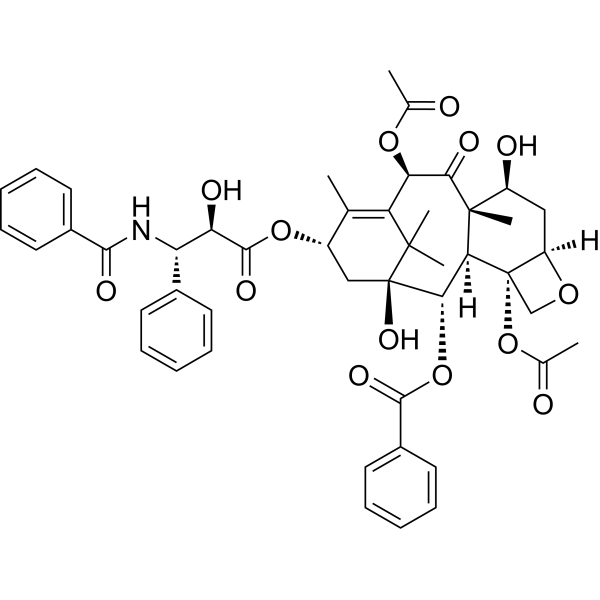
HY-B0015
PaclitaxelAntitumor Agent -
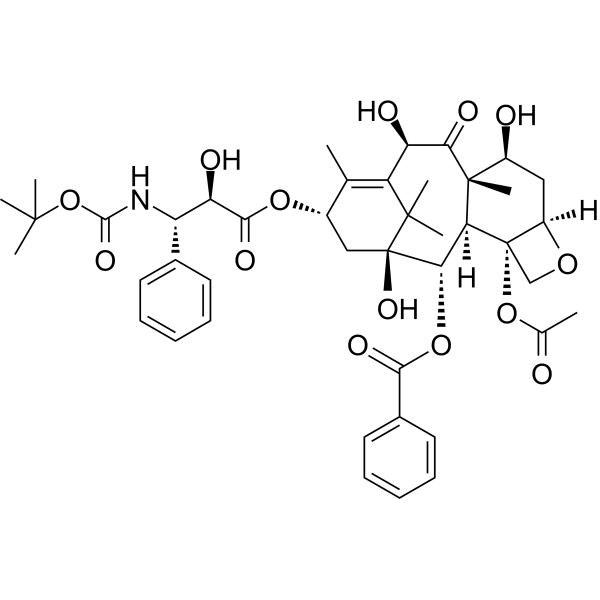
HY-B0011
DocetaxelTubulin Stabilizer
Publications Citing Use of MedChemExpress (MCE) Ispinesib
More- Redox Biol. 2019 Feb:21:101112. [Abstract]
- Cancer Lett. 2021 May 28:506:1-10. [Abstract]
- Cancers (Basel). 2024 Nov 5;16(22):3732. [Abstract]
- Urol Oncol. 2023 May;41(5):253.e11-253.e20. [Abstract]
- Gene. 2025 Jul 5:955:149458. [Abstract]
- Preprints. 2023 Sep 30.
- bioRxiv. 2023 Sep 12:2023.09.09.557001. [Abstract]
 Customer Validation & Images

-
Cell Proliferation/Viability Assay
-
Flow Cytometry
-
Flow Cytometry
-
Flow Cytometry
-
In Vivo Efficacy Study
All Kinesin Isoforms
More

Biological Activity
Description
IC50 & Target
[1]|
KSP 1.7 nM (Ki app) |
LC3 |
Cellular Effect
|
Cell Line

|
Type | Value | Description | References |
|---|---|---|---|---|
| BXPC-3 | GI50 |
80 nM
Compound: 1
|
Growth inhibition of human BxPC3 cells after 72 hrs by Alamar blue assay
Growth inhibition of human BxPC3 cells after 72 hrs by Alamar blue assay
|
[PMID: 23394180] |
| BXPC-3 | GI50 |
80 nM
Compound: 54
|
Antiproliferative activity against human BxPC3 cells after 72 hrs by Alamar blue assay
Antiproliferative activity against human BxPC3 cells after 72 hrs by Alamar blue assay
|
[PMID: 22248262] |
| HCT-116 | GI50 |
25 nM
Compound: 1
|
Growth inhibition of human HCT116 cells after 72 hrs by Alamar blue assay
Growth inhibition of human HCT116 cells after 72 hrs by Alamar blue assay
|
[PMID: 23394180] |
| HCT-116 | GI50 |
25 nM
Compound: 54
|
Antiproliferative activity against human HCT116 cells after 72 hrs by Alamar blue assay
Antiproliferative activity against human HCT116 cells after 72 hrs by Alamar blue assay
|
[PMID: 22248262] |
| HCT-116 | IC50 |
1.1 nM
Compound: 1
|
Growth inhibition of human HCT116 cells after 72 hrs by MTS assay
Growth inhibition of human HCT116 cells after 72 hrs by MTS assay
|
[PMID: 26396688] |
| HeLa | IC50 |
1 μM
Compound: SB715992
|
Antiproliferative activity against human HeLa cells after 48 hrs by MTT assay
Antiproliferative activity against human HeLa cells after 48 hrs by MTT assay
|
[PMID: 24184776] |
| K562 | GI50 |
71 nM
Compound: 54
|
Antiproliferative activity against human K562 cells after 72 hrs by Alamar blue assay
Antiproliferative activity against human K562 cells after 72 hrs by Alamar blue assay
|
[PMID: 22248262] |
| LNCaP | GI50 |
22 nM
Compound: 1
|
Growth inhibition of human LNCAP cells after 72 hrs by Alamar blue assay
Growth inhibition of human LNCAP cells after 72 hrs by Alamar blue assay
|
[PMID: 23394180] |
| MCF7 | IC50 |
1.3 μM
Compound: SB715992
|
Antiproliferative activity against human MCF7 cells after 48 hrs by MTT assay
Antiproliferative activity against human MCF7 cells after 48 hrs by MTT assay
|
[PMID: 24184776] |
| NCI-H1299 | GI50 |
82 nM
Compound: 1
|
Growth inhibition of human NCI-H1299 cells after 72 hrs by Alamar blue assay
Growth inhibition of human NCI-H1299 cells after 72 hrs by Alamar blue assay
|
[PMID: 23394180] |
| NCI-H1299 | GI50 |
82 nM
Compound: 54
|
Antiproliferative activity against human NCI-H1299 cells after 72 hrs by Alamar blue assay
Antiproliferative activity against human NCI-H1299 cells after 72 hrs by Alamar blue assay
|
[PMID: 22248262] |
| PC-3 | GI50 |
50 nM
Compound: 1
|
Growth inhibition of human PC3 cells after 72 hrs by Alamar blue assay
Growth inhibition of human PC3 cells after 72 hrs by Alamar blue assay
|
[PMID: 23394180] |
In Vitro
Ispinesib is a potent, highly specific inhibitor of KSP, with a Ki app of 1.7 nM[1].
Ispinesib (150 nM) inhibits BT-474 and MDA-MB-468 cell lines, with GI50s of 45 and 19 nM, respectively[2].
Ispinesib (SB715992, 15 and 30 nM) suppresses the proliferation of PC-3 prostate cancer cell by 48.65% and 52.16%, and induces apoptosis of prostate cancer cell by 1094.88% and 1516.70%, respectively. Ispinesib up regulates genes responsible for apoptosis and cell cycle arrest, and down regulates genes responsible for cell proliferation and survival. The anti-proliferation and pro-apoptotic activities of Ispinesib can be enhanced by genistein[3].
MedChemExpress (MCE) has not independently confirmed the accuracy of these methods. They are for reference only.
In Vivo
MedChemExpress (MCE) has not independently confirmed the accuracy of these methods. They are for reference only.
Clinical Trial
| NCT Number | Sponsor | Condition | Start Date |
Phase
|
|---|---|---|---|---|
| NCT01329991 | 2011-05 | PHASE1 |


Chemical Information
-
CAS No. 336113-53-2
-
Appearance Solid
-
Molecular Weight 517.06
-
Formula C30H33ClN4O2
-
Color White to light yellow
-
SMILES
O=C1N(CC2=CC=CC=C2)C([C@@H](C(C)C)N(CCCN)C(C3=CC=C(C)C=C3)=O)=NC4=CC(Cl)=CC=C14
-
Synonyms
SB-715992; CK-0238273
-
Shipping
Room temperature in continental US; may vary elsewhere.
-
Storage
4°C, protect from light
* In solvent : -80°C, 1 year; -20°C, 6 months (protect from light)


Publications (7)
-
Journal Impact Factor
-
Most Recent
-
Redox Biol
Intracellular ion and protein nanoparticle-induced osmotic pressure modify astrocyte swelling and brain edema in response to glutamate stimuli. [Abstract]2019 Feb:21:101112. PMID: 30685709 -
Cancer Lett
2021 May 28:506:1-10. PMID: 33652084
Ispinesib purchased from MedChemExpress. Usage Cited in: Cancer Lett. 2021 May 28:506:1-10. [Abstract]
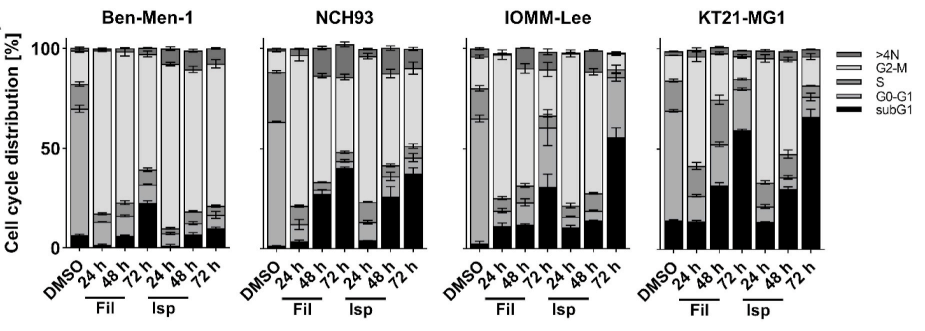
Ispinesib impaired cell cycle progression.Cell cycle distribution of MGM cells treated with 10 nM Filanesib (10 nM) or Ispinesib (10 nM) after 24, 48, and 72 h.
Ispinesib purchased from MedChemExpress. Usage Cited in: Cancer Lett. 2021 May 28:506:1-10. [Abstract]
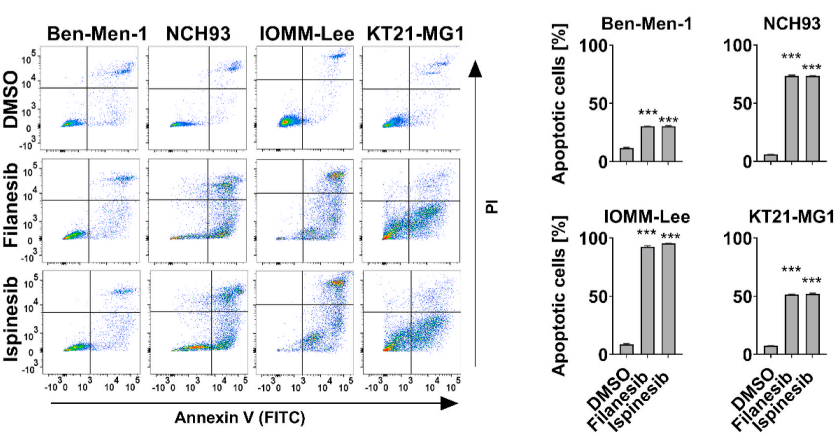
Ispinesib (10 nM; 72 h) induced cell apoptosis. Filanesib or ispinesib treatment induced cell death by the accumulation of cells in early and late-stage apoptosis in all MGM cell lines measured by Annexin V (FITC)/PI staining (left). Numbers indicate the percentage of Annexin V-positive cells (right).
Ispinesib purchased from MedChemExpress. Usage Cited in: Cancer Lett. 2021 May 28:506:1-10. [Abstract]
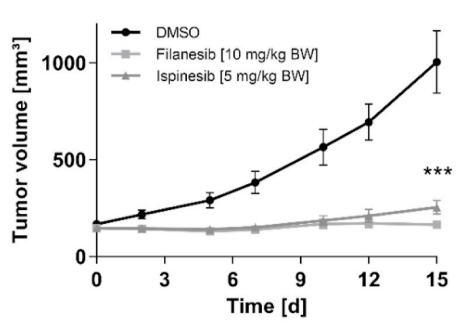
NCH93 tumor-bearing mice were randomized into three groups after reaching a tumor size of 200 mm³. Treatment with vehicle (DMSO), filanesib (10 mg/kg body weight), or Ispinesib (5 mg/kg; i.p.) was initiated on day 0. Mice were treated once every three days on five occasions. KIF11i significantly inhibited NCH93 tumor growth in SCID mice.
-
Cancers (Basel)
Targeting the EGFR and Spindle Assembly Checkpoint Pathways in Oral Cancer: A Plausible Alliance to Enhance Cell Death. [Abstract]2024 Nov 5;16(22):3732. PMID: 39594688
Ispinesib purchased from MedChemExpress. Usage Cited in: Cancers (Basel). 2024 Nov 5;16(22):3732. [Abstract]
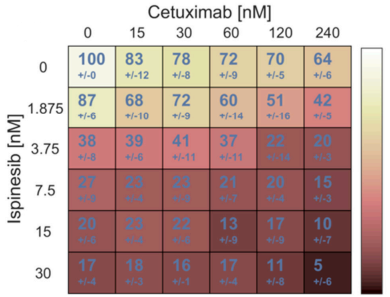
Ispinesib (1.875-30 nM) + Cetuximab (15-240 nM) combinations potentiate cytotoxicity in SCC-25 cell lines. Cell viability (%) after 48 h of exposure to single or combination therapies was determined by MTT assay based on three independent experiments.
Ispinesib purchased from MedChemExpress. Usage Cited in: Cancers (Basel). 2024 Nov 5;16(22):3732. [Abstract]
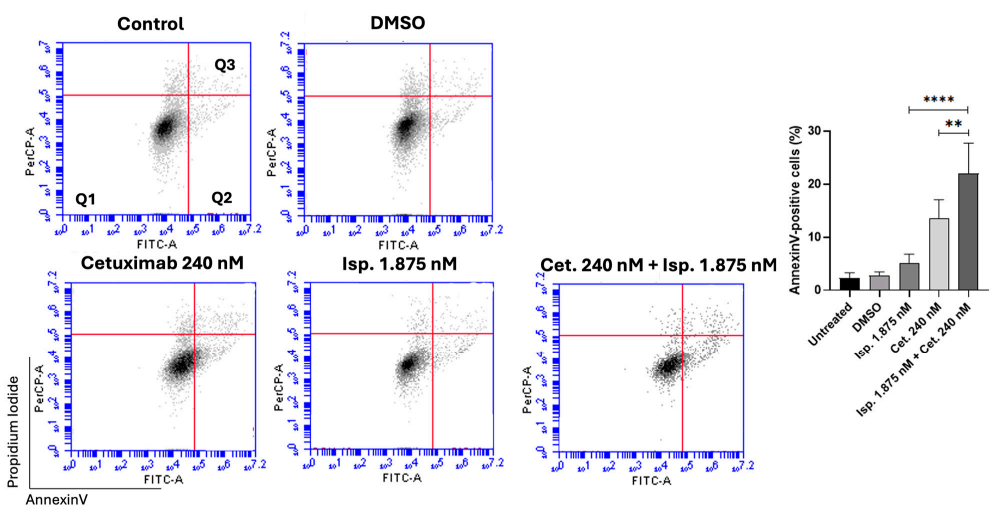
Ispinesib (1.875 nM; 24 h) + Cetuximab (240 nM; 24 h) promoted increased cell death in SCC-25 oral cancer cells.
-
Urol Oncol
Identification of the KIF and MCM protein families as novel targets for combination therapy with CDK4/6 inhibitors in bladder cancer. [Abstract]2023 May;41(5):253.e11-253.e20. PMID: 36813612 -
Gene
2025 Jul 5:955:149458. PMID: 40187619 -
-
bioRxiv
Multiplexed single-cell lineage tracing of mitotic kinesin inhibitor resistance in glioblastoma. [Abstract]2023 Sep 12:2023.09.09.557001. PMID: 37745469


Solvent & Solubility
In Vitro:
DMSO : 116.67 mg/mL (225.64 mM; Need ultrasonic; Hygroscopic DMSO has a significant impact on the solubility of product, please use newly opened DMSO)
Please refer to the solubility information to select the appropriate solvent. Once prepared, please aliquot and store the solution to prevent product inactivation from repeated freeze-thaw cycles.
Storage method and period of stock solution: -80°C, 1 year; -20°C, 6 months (protect from light). When stored at -80°C, please use it within 1 year. When stored at -20°C, please use it within 6 months.
Please refer to the solubility information to select the appropriate solvent. Once prepared, please aliquot and store the solution to prevent product inactivation from repeated freeze-thaw cycles.
Storage method and period of stock solution: -80°C, 1 year; -20°C, 6 months (protect from light). When stored at -80°C, please use it within 1 year. When stored at -20°C, please use it within 6 months.
Concentration (start) × Volume (start) = Concentration (final) × Volume (final)
In Vivo:
Select the appropriate dissolution method based on your experimental animal and administration route.
- For the following dissolution methods, please ensure to first prepare a clear stock solution using an In Vitro approach and then sequentially add co-solvents:
- To ensure reliable experimental results, the clarified stock solution can be appropriately stored based on storage conditions. As for the working solution for In Vivo experiments, it is recommended to prepare freshly and use it on the same day.
- The percentages shown for the solvents indicate their volumetric ratio in the final prepared solution. If precipitation or phase separation occurs during preparation, heat and/or sonication can be used to aid dissolution.
Add each solvent one by one: 10% DMSO 40% PEG300 5% Tween-80 45% Saline
Solubility: ≥ 2.5 mg/mL (4.84 mM); Clear solution
This protocol yields a clear solution of ≥ 2.5 mg/mL (saturation unknown).
Taking 1 mL working solution as an example, add 100 μL DMSO stock solution (25.0 mg/mL) to 400 μL PEG300, and mix evenly; then add 50 μL Tween-80 and mix evenly; then add 450 μL Saline to adjust the volume to 1 mL.
Preparation of Saline: Dissolve 0.9 g sodium chloride in ddH₂O and dilute to 100 mL to obtain a clear Saline solution.
In Vivo Dissolution Calculator
Please enter the basic information of animal experiments:
-
-
-
-
Recommended: Prepare an additional quantity of animals to account for potential losses during experiments.
Please enter your animal formula composition:
-
%DMSO +
Recommended: Keep the proportion of DMSO in working solution below 2% if your animal is weak.
-
%+
-
+%Tween-80 + +
-
%Saline +
The co-solvents required include: DMSO, . All of co-solvents are available by MedChemExpress (MCE). , Tween 80. All of co-solvents are available by MedChemExpress (MCE).
Working solution concentration: 0.22 mg/mL
Method for preparing stock solution: mg drug dissolved in μL DMSO. Stock solution concentration: mg/mL. * In solvent : -80°C, 1 year; -20°C, 6 months (protect from light)
1. Take μL DMSO stock solution;
2. Add μL .
μL , mix evenly;
3. Then add μL Tween 80, mix evenly;
4. Then add μL
Please ensure that the stock solution in the first step is dissolved to a clear state, and add co-solvents in sequence. You can use ultrasonic heating (ultrasonic cleaner, recommended frequency 20-40 kHz), vortexing, etc. to assist dissolution.


Purity & Documentation
-
Data Sheet (285 KB)
-
SDS (644 KB)
- English - EN (644 KB)
- Français - FR (644 KB)
- Deutsch - DE (644 KB)
- Norwegian - NO (644 KB)
- Español - ES (644 KB)
- Swedish - SV (644 KB)
- Italian - IT (644 KB)
- Korean - KR (644 KB)
- Portuguese - PT (644 KB)
-
Handling Instructions (2659 KB)
References
[1]. Lad L, et al. Mechanism of inhibition of human KSP by ispinesib. Biochemistry. 2008 Mar 18;47(11):3576-85. [Content Brief]
[2]. Purcell JW, et al. Activity of the kinesin spindle protein inhibitor ispinesib (SB-715992) in models of breast cancer. Clin Cancer Res. 2010 Jan 15;16(2):566-76. [Content Brief]
[3]. Davis DA, et al. Increased therapeutic potential of an experimental anti-mitotic inhibitor SB715992 by genistein in PC-3 human prostate cancer cell line. BMC Cancer. 2006 Jan 24;6:22. [Content Brief]


Complete Stock Solution Preparation Table
Please refer to the solubility information to select the appropriate solvent. Once prepared, please aliquot and store the solution to prevent product inactivation from repeated freeze-thaw cycles.
Storage method and period of stock solution: -80°C, 1 year; -20°C, 6 months (protect from light). When stored at -80°C, please use it within 1 year. When stored at -20°C, please use it within 6 months.
| Optional Solvent | Concentration Solvent Mass | 1 mg | 5 mg | 10 mg | 25 mg |
|---|---|---|---|---|---|
| DMSO | 1 mM | 1.9340 mL | 9.6701 mL | 19.3401 mL | 48.3503 mL |
| 5 mM | 0.3868 mL | 1.9340 mL | 3.8680 mL | 9.6701 mL | |
| 10 mM | 0.1934 mL | 0.9670 mL | 1.9340 mL | 4.8350 mL | |
| 15 mM | 0.1289 mL | 0.6447 mL | 1.2893 mL | 3.2234 mL | |
| 20 mM | 0.0967 mL | 0.4835 mL | 0.9670 mL | 2.4175 mL | |
| 25 mM | 0.0774 mL | 0.3868 mL | 0.7736 mL | 1.9340 mL | |
| 30 mM | 0.0645 mL | 0.3223 mL | 0.6447 mL | 1.6117 mL | |
| 40 mM | 0.0484 mL | 0.2418 mL | 0.4835 mL | 1.2088 mL | |
| 50 mM | 0.0387 mL | 0.1934 mL | 0.3868 mL | 0.9670 mL | |
| 60 mM | 0.0322 mL | 0.1612 mL | 0.3223 mL | 0.8058 mL | |
| 80 mM | 0.0242 mL | 0.1209 mL | 0.2418 mL | 0.6044 mL | |
| 100 mM | 0.0193 mL | 0.0967 mL | 0.1934 mL | 0.4835 mL |


Ispinesib Related Classifications
HY-50759 Related Classifications
 Powered by Bioz