



DGK
Diacylglycerol kinase;
DGK (Diacylglycerol Kinase) modulates the balance between DAG and phosphatidic acid (PA). DGK phorylates DAG to generate PA. DGK has ten mammalian DGK subtypes (α-κ) with subtype-specific tissue distribution, and they can be classified into 5 types. Among them, DGKα and DGKζ specifically regulate the pool of DAG that is generated as a second messenger after stimulation of the T cell receptor. Whereas, DGKζ is the dominant isoform in T cells. Dysregulation of certain DGK isoforms leads to DAG-activation of PKC, attenuation of insulin signaling, and dysregulation of glucose metabolism. DGK plays a role in many physiological events, including cell proliferation and migration, glucose intake, immunity and neuronal network construction[1][2][3].
References:
- [1]. Riese MJ, et al. Diacylglycerol Kinases (DGKs): Novel Targets for Improving T Cell Activity in Cancer. Front Cell Dev Biol. 2016 Oct 17;4:108. [Content Brief]
- [2]. Shirai Y, et al. Diacylglycerol kinase as a possible therapeutic target for neuronal diseases. J Biomed Sci. 2014 Apr 7;21(1):28. [Content Brief]
- [3]. Massart J, et al. Role of Diacylglycerol Kinases in Glucose and Energy Homeostasis. Trends Endocrinol Metab. 2019 Sep;30(9):603-617. [Content Brief]
All Product Categories
-
DGK Related Products (45)
Related Products (45)

-
Antibodies (2)
-
Veludacigib
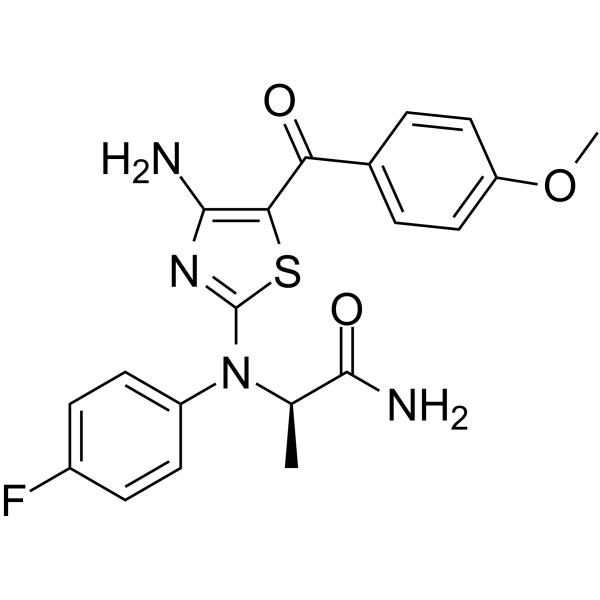 0 ImagesSynonyms: BAY 2965501BAY 2965501 is a potent and selective diacylglycerol kinase zeta (DGKζ) inhibitor. BAY 2965501 induces pERK activation. BAY 2965501 can be used for the research of cancer.
-
BMS-502
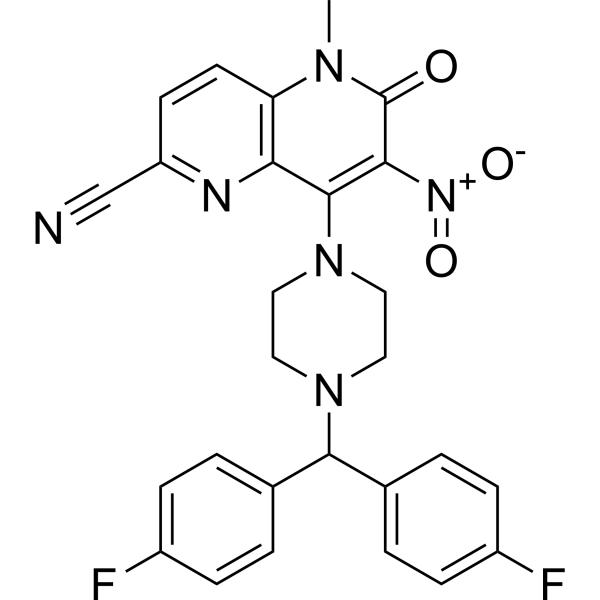 0 ImagesBMS-502 (Compound 22) is a potent dual inhibitor of diacylglycerol kinase (DGK) α and ζ with IC50 of 4.6 nM and 2.1 nM. BMS-502 enhanced T cell immune responses in mice. BMS-502 can be used in tumor immunity related research.
-
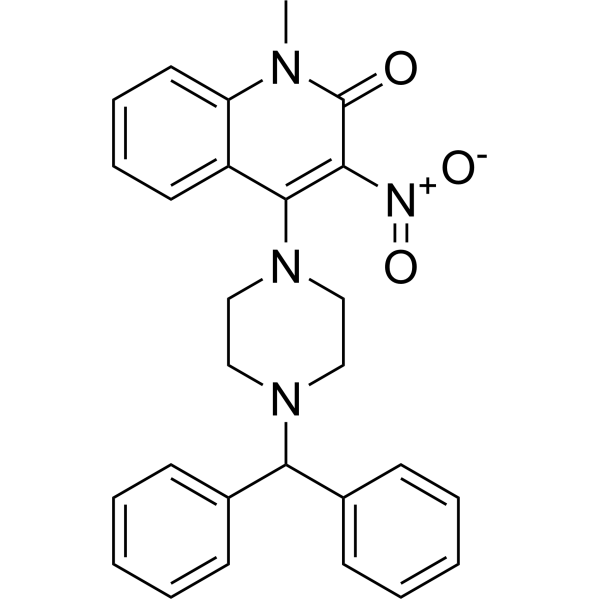
BMS-986408
 0 ImagesBMS-986408 is an orally active inhibitor of DGKα and DGKζ, with IC50 values of 0.0003 μM and 0.002 μM, respectively. BMS-986408 activates intratumoral T cell responses, enhances the priming and expansion of tumor-reactive T cells in tumor-draining lymph nodes, and functions as an immunostimulant. BMS-986408 can be used in the research of tumors.
-
Alcudacigib TFA
 0 ImagesCat. No.: HY-153793APurity: 99.13%Synonyms: DGKζ-IN-1 TFAAlcudacigib (ASP1570; DGKζ-IN-1) TFA is an orally active diacylglycerol kinase ζ (DGKζ) inhibitor, with an IC50 of 4.7 nM against human DGKζ and an IC50 of 3.0 nM against mouse DGKζ. Alcudacigib TFA selectively inhibits the kinase activity of DGKζ and induces proteasome-dependent degradation of DGKζ protein. Alcudacigib TFA enhances the anti-tumor functions of T cells and NK cells. Alcudacigib TFA can be used for the research of advanced/metastatic solid tumors.
-
AHL-7160
 0 ImagesCat. No.: HY-180898AHL-7160 is a molecular glue degrader targeting DGKα, with an IC50 value of 12 nM against the human protein. AHL-7160 rapidly recruits DGKα to the plasma membrane, blocks DGKα-mediated phosphatidic acid production, and induces proteasome-dependent degradation of DGKα with full proteome selectivity. AHL-7160 enhances primary T cell-mediated glioblastoma cell killing. AHL-7160 can be used in related research on glioblastoma.
-
1-NBD-Stearoyl-2-arachidonoyl-sn-glycerol
 0 ImagesCat. No.: HY-D3314Synonyms: NBD-SAG1-NBD-Stearoyl-2-arachidonoyl-sn-glycerol (NBD-SAG) is a fluorescently labeled 1-Stearoyl-2-arachidonoyl-sn-glycerol (HY-131897). 1-NBD-Stearoyl-2-arachidonoyl-sn-glycerol acts as a fluorescent probe for the measurement of DGKε enzymatic activity.
-
INCB191358
 0 ImagesCat. No.: HY-183539CAS No.: 3111036-70-2INCB191358 is a selective and orally active inhibitor of diacylglycerol kinase α/ζ/ι (DGKα/ζ/ι ) with IC50 values of 0.12, 0.36 and 0.36 nM. INCB191358 induces antigen-dependent T-cell activation, induces IL-2 production and enhances antitumor efficacy in combination with PD-1 blockade. INCB191358 can be used for the research of cancer, such as colon carcinoma.
-
(5Z,2E)-CU-3
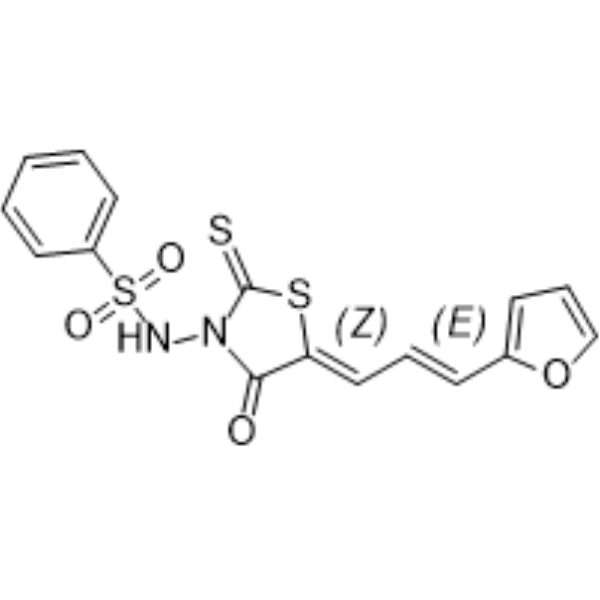 0 ImagesCat. No.: HY-121638ACAS No.: 1815598-71-0(5Z,2E)-CU-3 is an isomer of CU-3 (HY-121638). CU-3 is a DGKα inhibitor with an IC50 of 0.6 μM. CU-3 competitively reduces DGKα’s affinity for ATP via binding to the enzyme’s catalytic region. CU-3 induces apoptosis in cancer cells. CU-3 promotes T-cell activation and enhances IL-2 production. CU-3 can be used for the research of hepatocellular carcinoma and cervical cancer.
-
Dioctanoylglycol
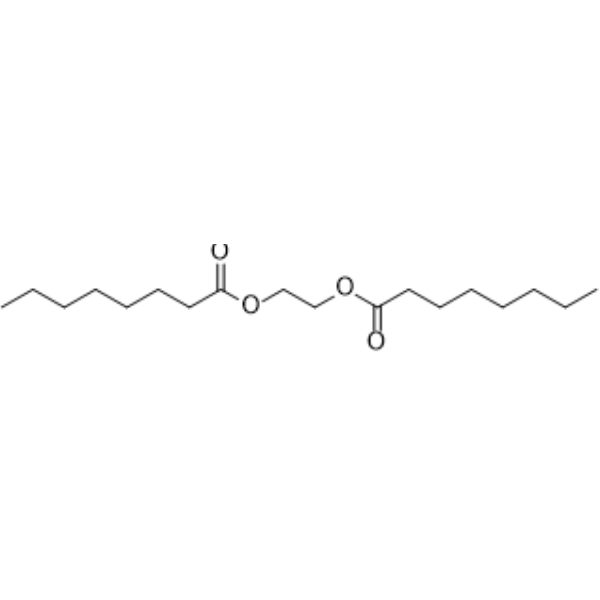 0 ImagesSynonyms: Ethylene glycol dicaprylate; Ethylene glycol dioctanoate; EthylenedioctanoateDioctanoylglycol (Ethylene glycol dicaprylate), a diacylglycerol analog, is a diacylglycerol kinase (DGK) inhibitor (Ki of 58 μM).
-
BMS-332
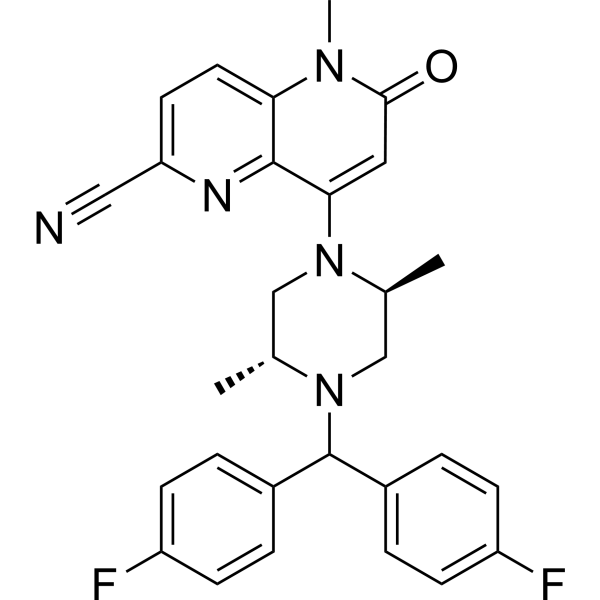 0 ImagesBMS-332 is a dual DGKα/ζ lipid kinase inhibitor, with IC50s of 5 and 1 nM against DGKα and DGKζ, respectively. BMS-332 enhances the antigen-specific T cell response. BMS-332 reduces the viral load in the liver and spleen when combined with anti-PD-1 in chronic infection models. BMS-332 can be used for the study of T cell immune checkpoint strategy.
-
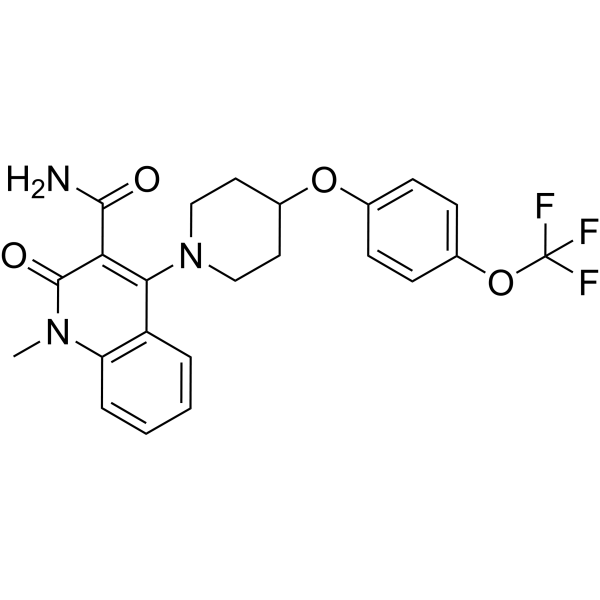
(S)-Veludacigib
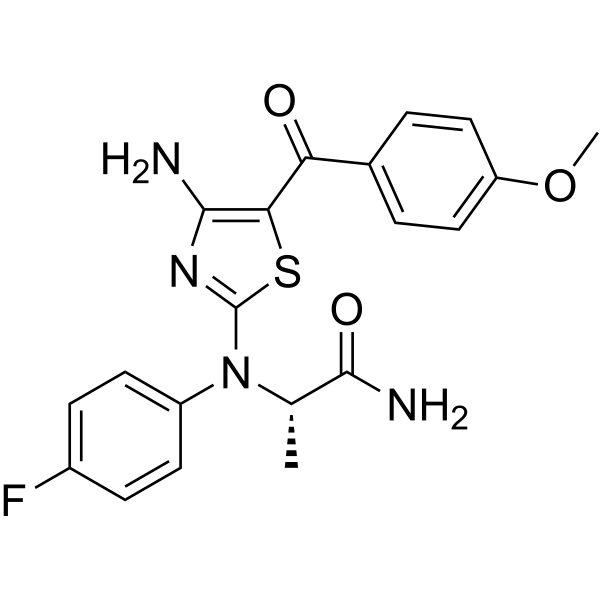 0 ImagesSynonyms: (S)-BAY 2965501(S)-BAY 2965501 is the left-handed isomer of BAY 2965501 (HY-153343). BAY 2965501 is a potent and selective diacylglycerol kinase zeta (DGKζ) inhibitor. BAY 2965501 induces pERK activation. BAY 2965501 can be used for the research of cancer.
-
AMB639752
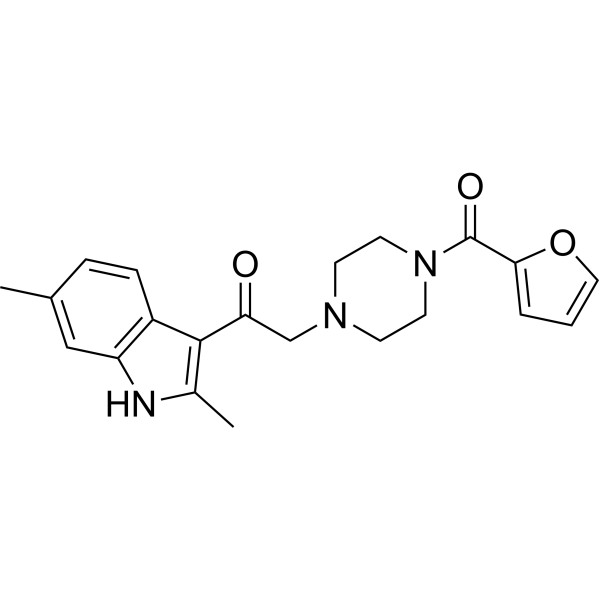 0 ImagesAMB639752 is a potent DGKα inhibitor. AMB639752 restores restimulation induced cell death (RICD) in SAP deficient lymphocytes by inhibiting DGKα in intact cells. AMB639752 can be used for X-linked lymphoproliferative disease 1(XLP-1) research.
-
Momordicine I
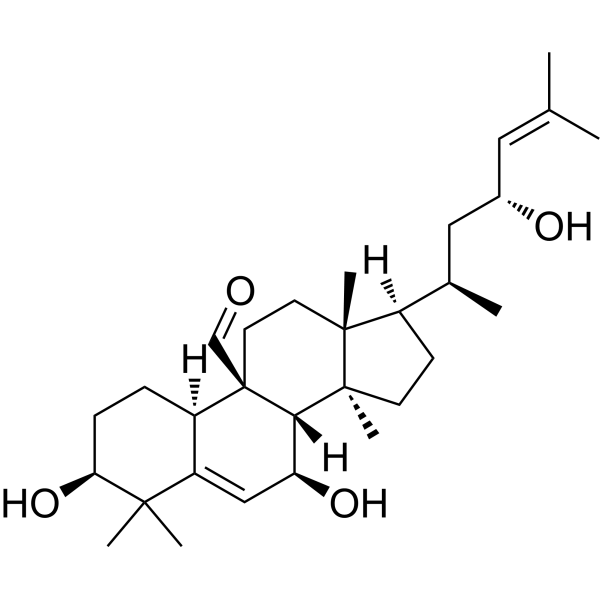 0 ImagesCat. No.: HY-122949CAS No.: 91590-76-0Momordicine I is a cucurbitane-type triterpenoids. Momordicine I suppresses glioma growth by promoting apoptosis and impairing mitochondrial oxidative phosphorylation. Momordicine I inhibits glycolysis, lipid metabolism, induces autophagy in HNC cells to suppress head and neck cancer growth. Momordicine I alleviates isoproterenol-induced cardiomyocyte hypertrophy through suppression of PLA2G6 and DGK-ζ. Momordicine I exerts its cardiovascular benefits by upregulating nitric oxide, inhibiting the activity of angiotensin-converting enzyme (ACE), activating the PI3K/Akt pathway, reducing oxidative stress and inflammation. Momordicine I inhibits AKT1, IL-6, and SRC, suggesting its potential application in type 2 diabetes.
-
DGKζ-IN-4
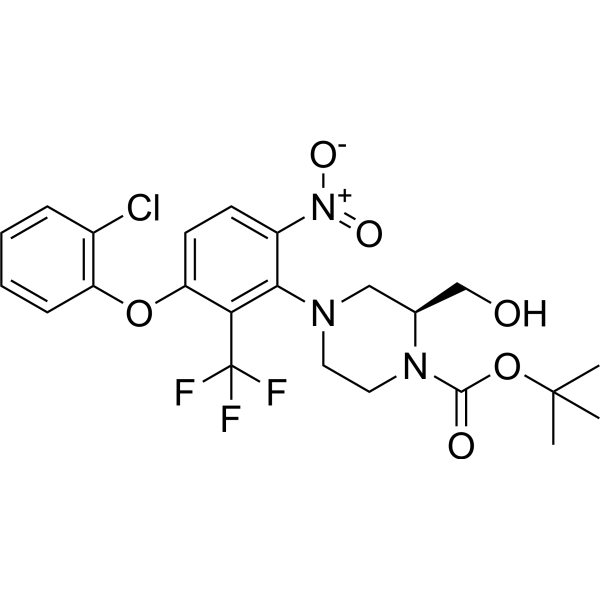 0 ImagesDGKζ-IN-4 is a DGK-zeta inhibitor. DGKζ-IN-4 can be used as an active component of pharmaceutical compositions. DGKζ-IN-4 is used to treat cancers associated with immune cell activation or cancers resistant to anti-PD-1 antibody/anti-PD-11 antibody research.
-
Alcudacigib
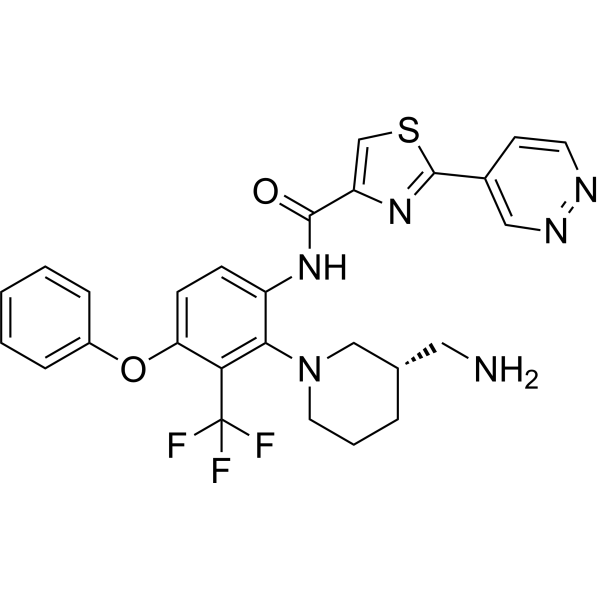 0 ImagesCat. No.: HY-153793CAS No.: 2660218-70-0Synonyms: DGKζ-IN-1Alcudacigib (ASP1570; DGKζ-IN-1) is an orally active diacylglycerol kinase ζ (DGKζ) inhibitor, with an IC50 of 4.7 nM against human DGKζ and an IC50 of 3.0 nM against mouse DGKζ. Alcudacigib selectively inhibits the kinase activity of DGKζ and induces proteasome-dependent degradation of DGKζ protein. Alcudacigib enhances the anti-tumor functions of T cells and NK cells. Alcudacigib can be used for the research of advanced/metastatic solid tumors.
-
BMS-496
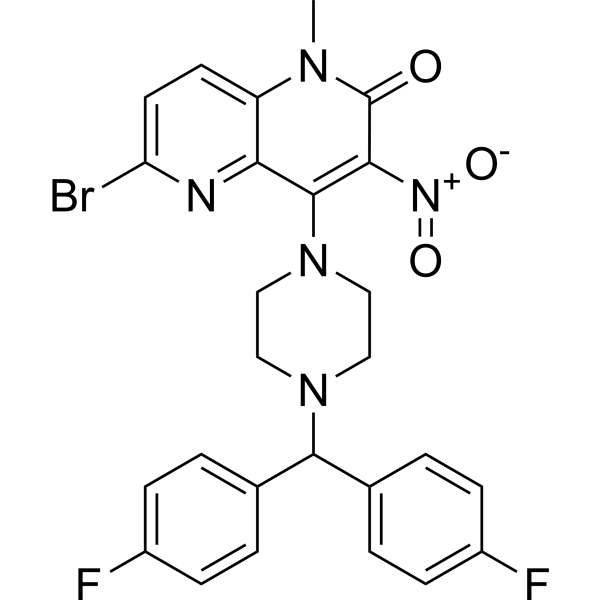 0 ImagesBMS-496 is adualDGKα/ζlipid kinase inhibitor, with theIC50of 0.09 (DGKα) and 0.006 μM (DGKζ).
-
Pasodacigib
 0 ImagesDGKα-IN-9 (example 298) is an inhibitor of DGKα.




