



Fatty Amides
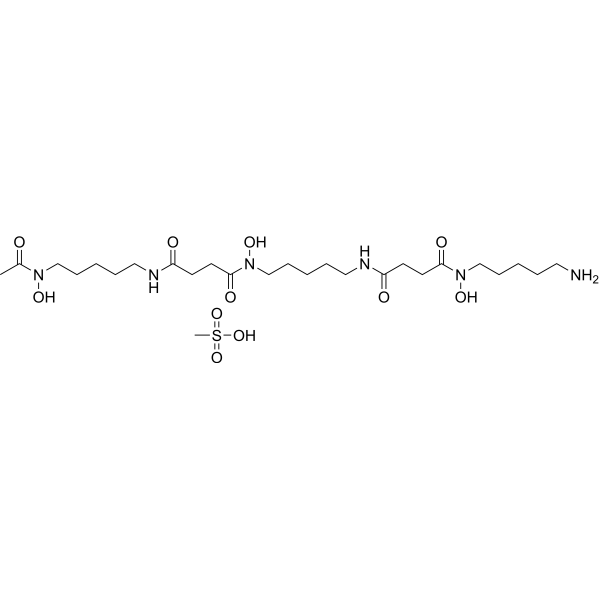
- Formula: C26H52N6O11S
- Molecular Weight: 656.79
Deferoxamine mesylate (Deferoxamine B mesylate) is an iron chelator (binds to Fe(III) and many other metal cations), is widely used to reduce iron accumulation and deposition in tissues. Deferoxamine mesylate upregulates HIF-1α levels with good antioxidant activity. Deferoxamine mesylate also shows anti-proliferative activity, can induce apoptosis and autophagy in cancer cells. Deferoxamine mesylate can be used in studies of diabetes, neurodegenerative diseases as well as anti-cancer and anti-COVID-19.
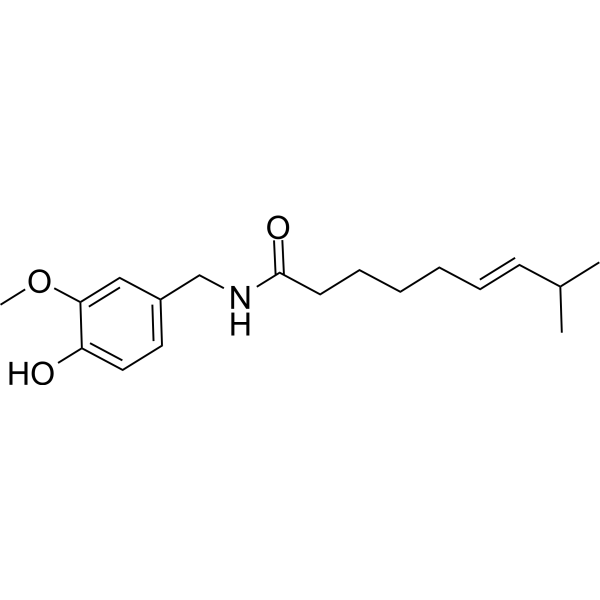
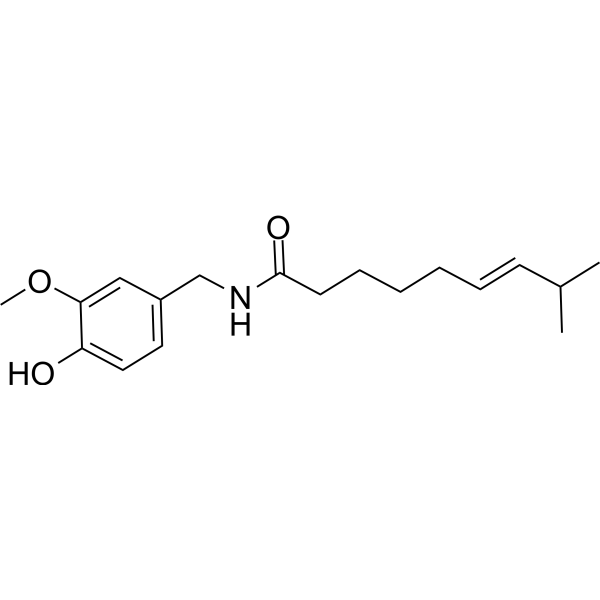
- Formula: C18H27NO3
- Molecular Weight: 305.41
Capsaicin ((E)-Capsaicin), an active component of chili peppers, is a TRPV1 agonist. Capsaicin induces a nociceptive response by binding to its receptors. Capsaicin has analgesic effects on neurological disorders. Capsaicin has antioxidant, anti-inflammatory, anti-cancer effects.
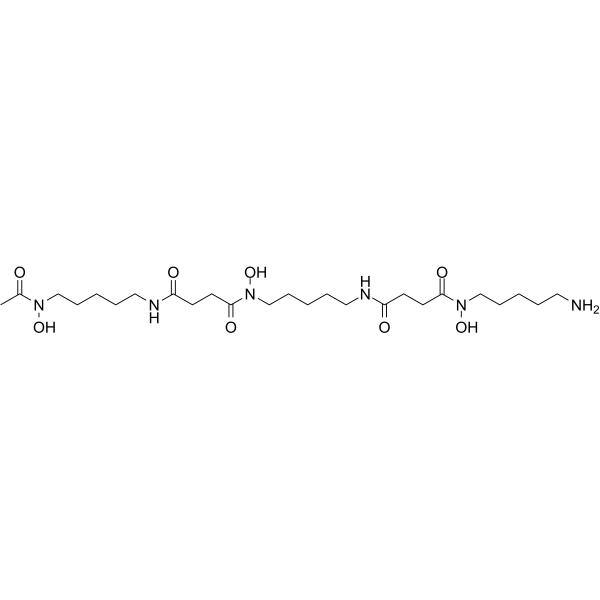
- Formula: C25H48N6O8
- Molecular Weight: 560.68
Deferoxamine (Deferoxamine B) is an iron chelator (binds to Fe(III) and many other metal cations), is widely used to reduce iron accumulation and deposition in tissues. Deferoxamine upregulates HIF-1α levels with good antioxidant activity. Deferoxamine also shows anti-proliferative activity, can induce apoptosis and autophagy in cancer cells. Deferoxamine can be used in studies of diabetes, neurodegenerative diseases as well as anti-cancer and anti-COVID-19.
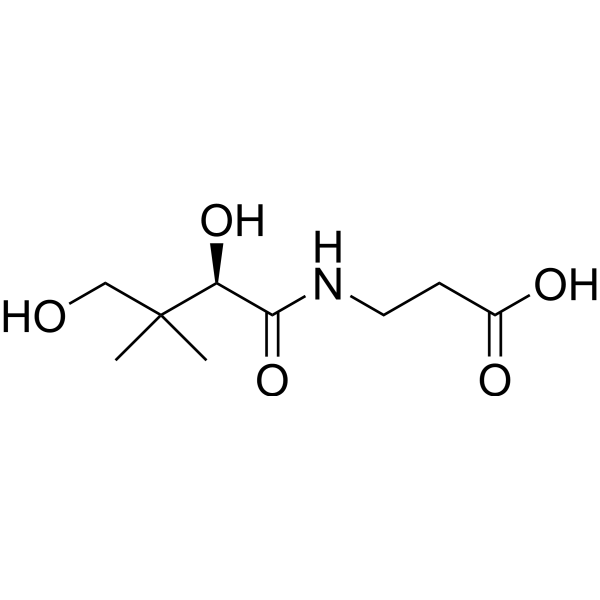
- Formula: C9H17NO5
- Molecular Weight: 219.24
D-Pantothenic acid (Pantothenate) is an essential trace nutrient that functions as the obligate precursor of coenzyme A (CoA). D-Pantothenic acid plays key roles in myriad biological processes, including many that regulate carbohydrate, lipid, protein, and nucleic acid metabolism.
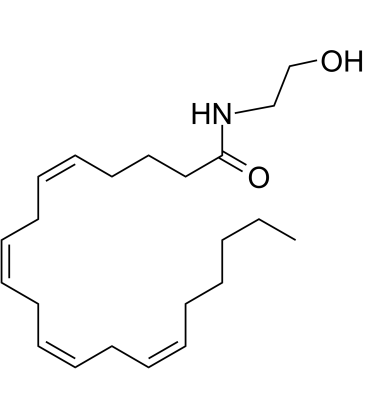
- Formula: C22H37NO2
- Molecular Weight: 347.53
Anandamide is an endocannabinoid. Anandamide modulates both neuronal and immune functions through two protein-coupled cannabinoid receptors (CB1 and CB2). Anandamide can activate numerous other receptors like PPARS, TRPV1, and GPR18/GPR55. Anandamide also has potential anti-fungal and anti-inflammatory activities. Anandamide can be used for the research of Alzheimer’s disease (AD) and ulcerative colitis.
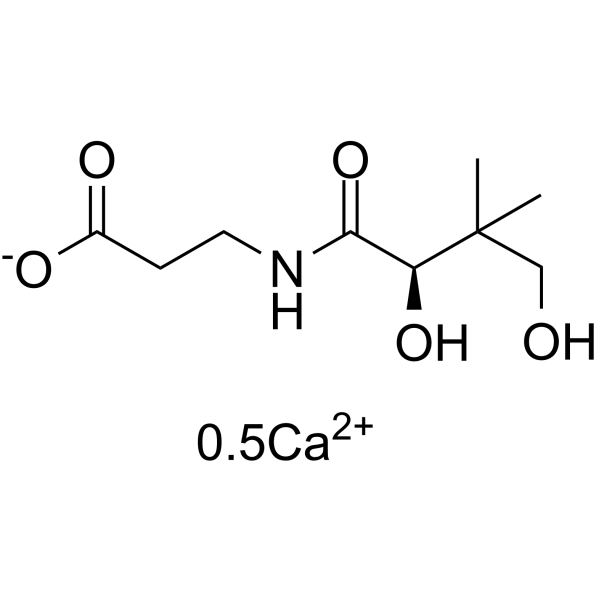
- Formula: C9H16NO5.1/2Ca
- Molecular Weight: 238.27
D-Pantothenic acid hemicalcium salt is an orally active vitamin that reduces patulin in apple juice. D-Pantothenic acid hemicalcium salt removes ROS. D-Pantothenic acid hemicalcium salt has antibacterial and immunomodulatory activities. D-Pantothenic acid hemicalcium salt also has the effect of improving osteoporosis and obesity.
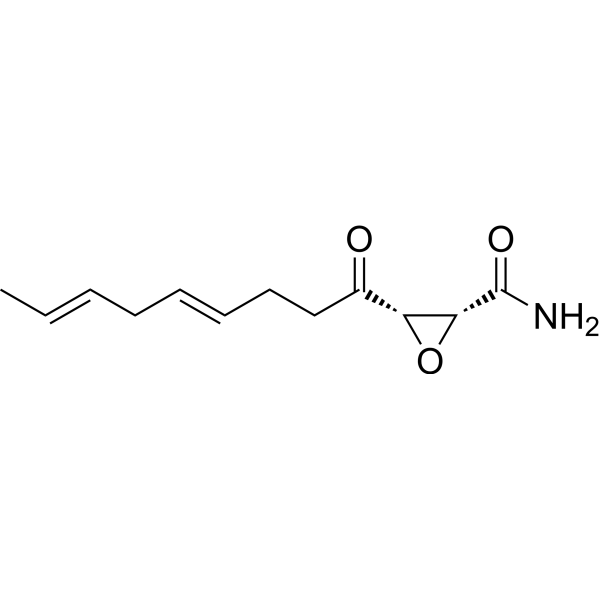
- Formula: C12H17NO3
- Molecular Weight: 223.27
Cerulenin, a potent, natural inhibitor of fatty acid synthase (FASN), is an epoxide produced by the fungus Cephalosporium caeruleus. Cerulenin inhibits topoisomerase I catalytic activity and augments SN-38-induced apoptosis. Cerulenin has antifungal and antitumor activies.
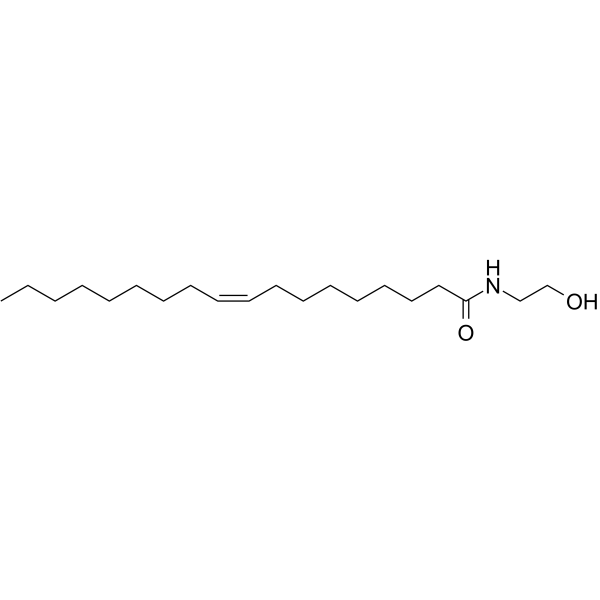
- Formula: C20H39NO2
- Molecular Weight: 325.53
Oleoylethanolamide is a high affinity endogenous PPAR-α agonist, which plays an important role in the treatment of obesity and arteriosclerosis.
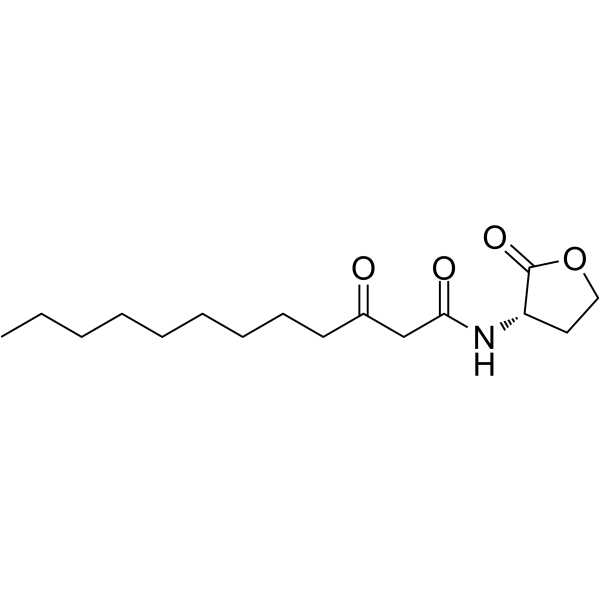
- Formula: C16H27NO4
- Molecular Weight: 297.39
N-3-oxo-dodecanoyl-L-Homoserine lactone (3-oxo-C12-HSL) is a bacterial quorum-sensing signaling molecule produced by P. aeruginosa and strains of the B. cepacia complex.Quorum sensing is a regulatory system used by bacteria for controlling gene expression in response to increasing cell density.N-3-oxo-dodecanoyl-L-Homoserine lactone induces the production of IL-8 in 16HBE human bronchial epithelial cells.
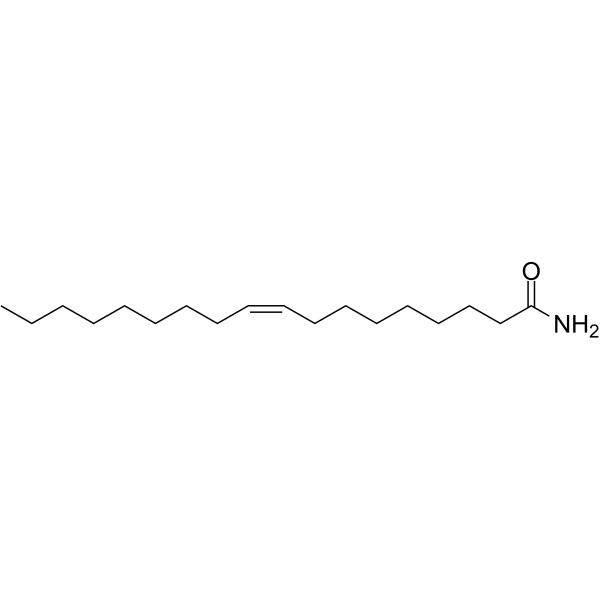
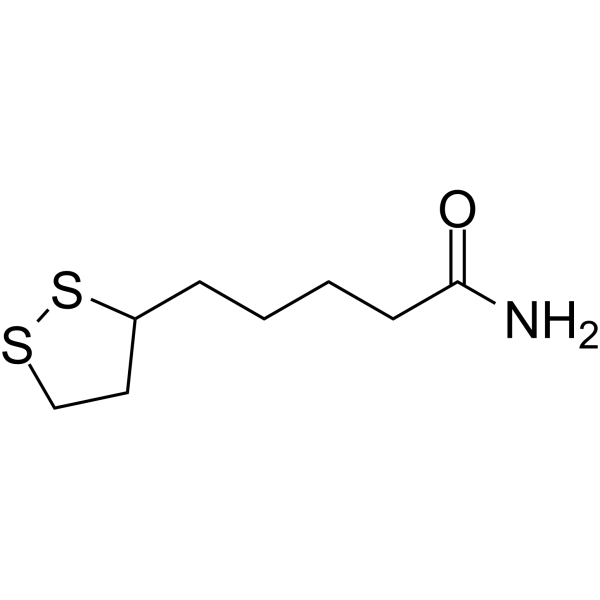
- Formula: C8H15NOS2
- Molecular Weight: 205.34
Lipoamide ((±)-α-Lipoamide) is a monocarboxylic acid derivative of a neutral amide, formed by the condensation of the carboxyl group of lipoic acid and ammonia. Lipoamide protects against oxidative stress-mediated neuronal cell damage and also acts as a coenzyme to transfer acetyl groups and hydrogen during pyruvate deacylation. Lipoamide also stimulates mitochondrial biogenesis in adipocytes through the endothelial NO synthase-cGMP-protein kinase G signaling pathway.
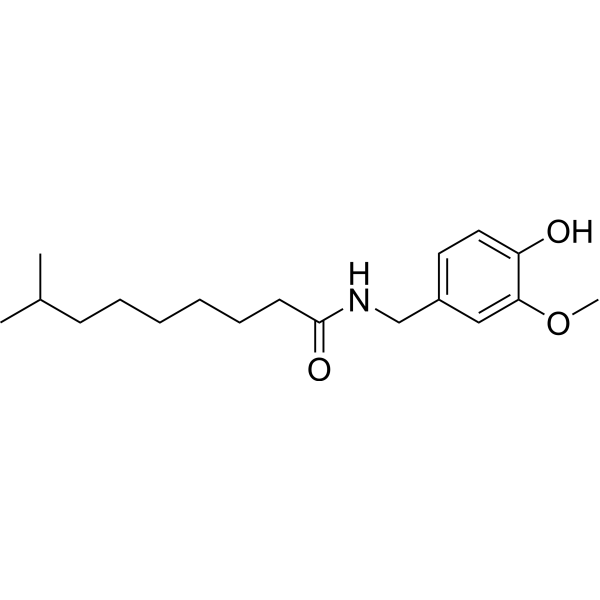
- Formula: C18H29NO3
- Molecular Weight: 307.43
Dihydrocapsaicin, a capsaicin, is a potent and selective TRPV1 (transient receptor potential vanilloid channel 1) agonist. Dihydrocapsaicin reduces AIF, Bax, and Caspase-3 expressions, and increased Bcl-2, Bcl-xL and p-Akt levels. Dihydrocapsaicin enhances the hypothermia-induced neuroprotection following ischemic stroke via PI3K/Akt regulation in rat.
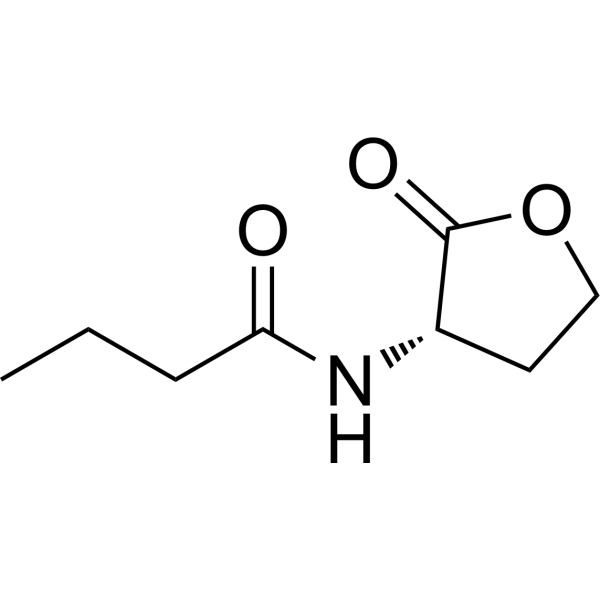
- Formula: C8H13NO3
- Molecular Weight: 171.20
N-Butanoyl-L-homoserine lactone (C4-HSL) is a cleavable ADC linker used in the synthesis of antibody-drug conjugates (ADCs). N-Butanoyl-L-homoserine lactone has antibacterial activity and is used in antibacterial biofilm. N-Butanoyl-L-homoserine lactone aptamers blocks qurom sensing and inhibits biofilm formation in Pseudomonas aeruginosa.
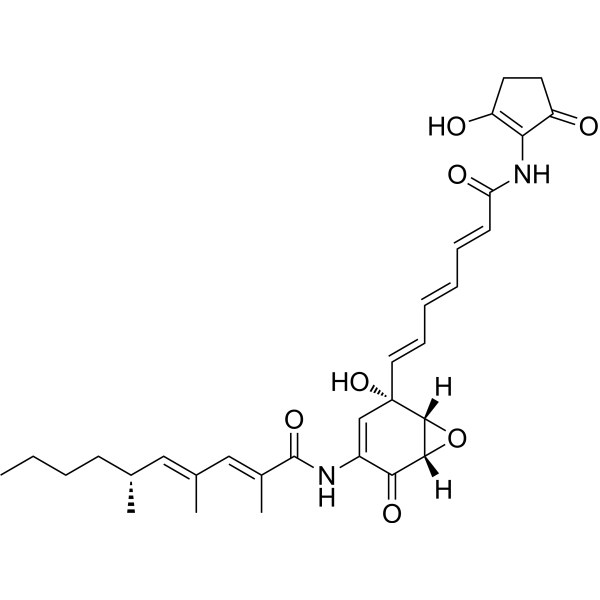
- Formula: C31H38N2O7
- Molecular Weight: 550.64
Manumycin A is a polyketide antibiotic and an inhibitor of thioredoxin reductase 1 (TrxR-1). Manumycin A can inhibit the growth of breast cancer cells and exert its anti-tumor activity through LC3. Manumycin A can downregulate the release of pro-inflammatory cytokines in human monocytes stimulated by TNF α, and has potential anti-inflammatory activity. Manumycin A can inhibit the Ras/Raf/ERK1/2 signaling and hnRNP H1 in castration resistant prostate cancer cells to suppress exosome biogenesis and secretion.
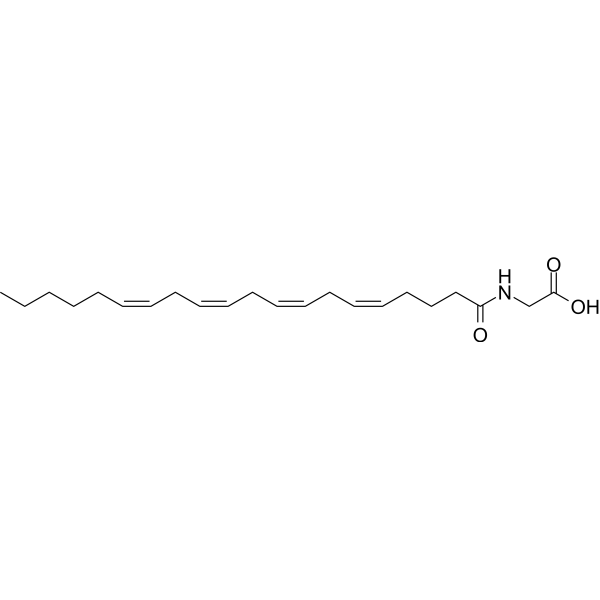
- Formula: C22H35NO3
- Molecular Weight: 361.52
N-Arachidonylglycine (NA-Gly), a carboxylic analog of the endocannabinoid anandamide (AEA), is a GPR18 agonist (EC50 = 44.5 nM). Unlike AEA, N-Arachidonylglycine has no activity at either CB1 or CB2 receptors. N-Arachidonylglycine inhibits GLYT2 (IC50 = 5.1 μM). N-Arachidonylglycine also is an effective activator of endometrial cell migration.
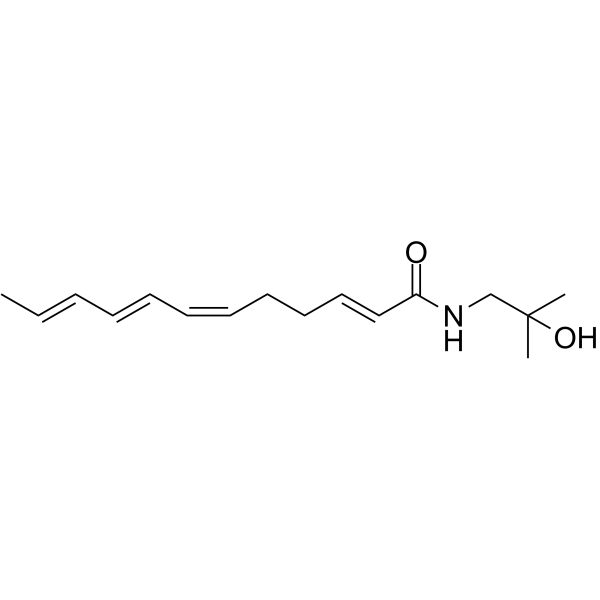
- Formula: C16H25NO2
- Molecular Weight: 263.38

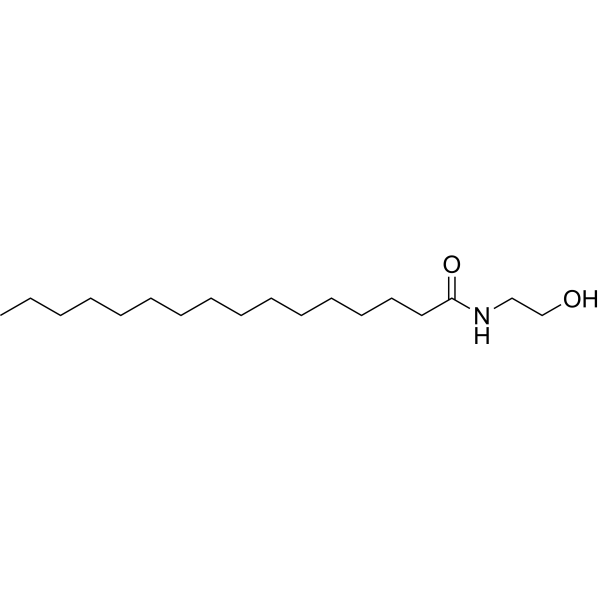
- Formula: C16H33NO
- Molecular Weight: 255.44
Hexadecanamide (Palmitamide) is a fatty acid amide that has orally active anti-allergic, antioxidant, and neuroprotective effects. Hexadecanamide exerts protective effects in Staphylococcus aureus- and SARA-induced mastitis. Hexadecanamide suppresses S. aureus-induced activation of the NF-κB pathway and improves blood-milk barrier integrity. Hexadecanamide activates PPARα. Hexadecanamide enhances sperm motility in vitro. Hexadecanamide can be studied in research for mastitis and asthenozoospermia.
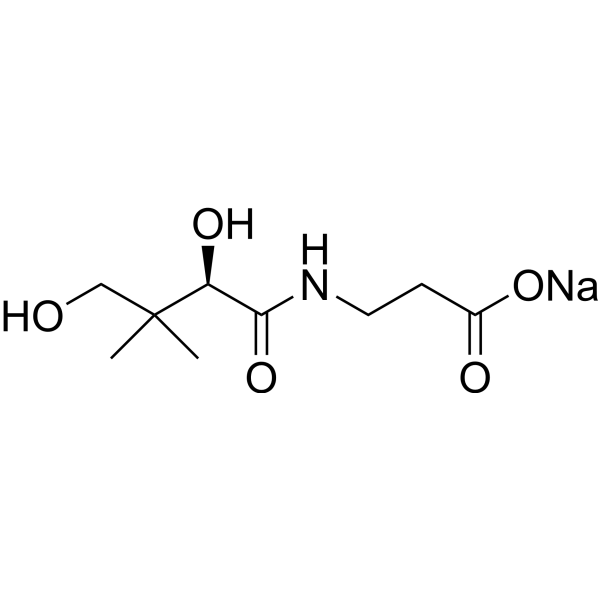
- Formula: C9H16NNaO5
- Molecular Weight: 241.22
D-Pantothenic acid sodium (Sodium pantothenate) is an essential trace nutrient that functions as the obligate precursor of coenzyme A (CoA). D-Pantothenic acid sodium plays key roles in myriad biological processes, including many that regulate carbohydrate, lipid, protein, and nucleic acid metabolism.



