



Capsaicin
Based on 91 publication(s) in Google Scholar
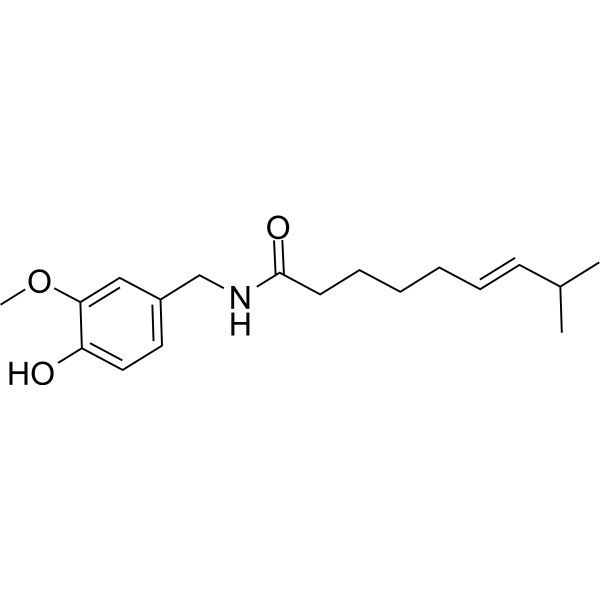
Capsaicin ((E)-Capsaicin), an active component of chili peppers, is a TRPV1 agonist. Capsaicin induces a nociceptive response by binding to its receptors. Capsaicin has analgesic effects on neurological disorders. Capsaicin has antioxidant, anti-inflammatory, anti-cancer effects.
For research use only. We do not sell to patients.
- Purity : 99.99%
- CAS No.: 404-86-4
- Formula: C18H27NO3
- Molecular Weight:305.41
-
Storage:
4°C, protect from light
* In solvent : -80°C, 1 year; -20°C, 6 months (protect from light)

To place orders, for customer services and technical support, please contact: MedChemExpress USA
Tel: 609-228-6898 E-mail: [email protected] [email protected]


-
 Biological Activity
-
Chemical Information
-
Solvent & Solubility
- Protocols
- Purity & Documentation
- References
-
 Help & FAQs


-
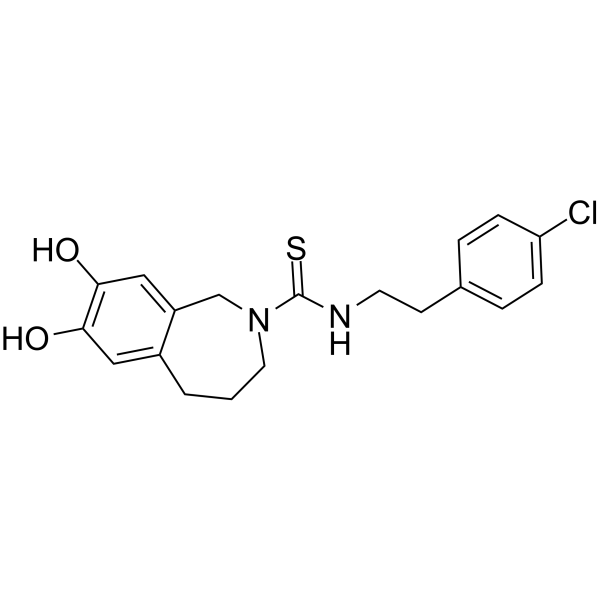
HY-15640
CapsazepineTRPV1 Antagonist -
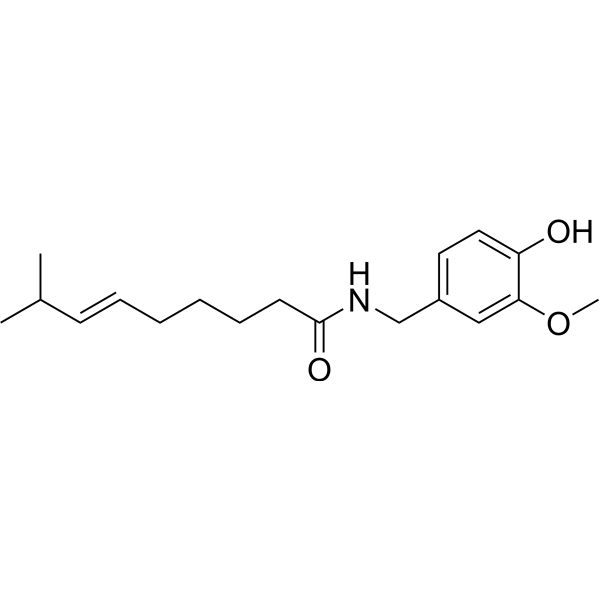
HY-10448R
Capsaicin (Standard)Analytical Standard -
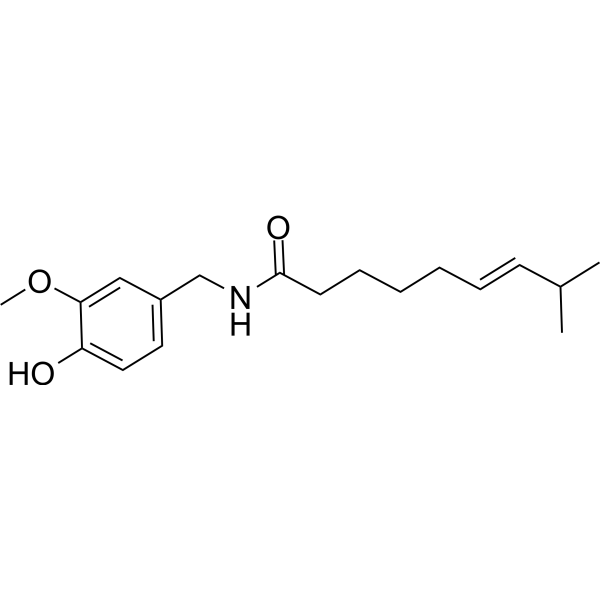
HY-10448A
Capsaicin (Purity 65%)TRPV1 Agonist -

HY-Y1891
Tween 80 -
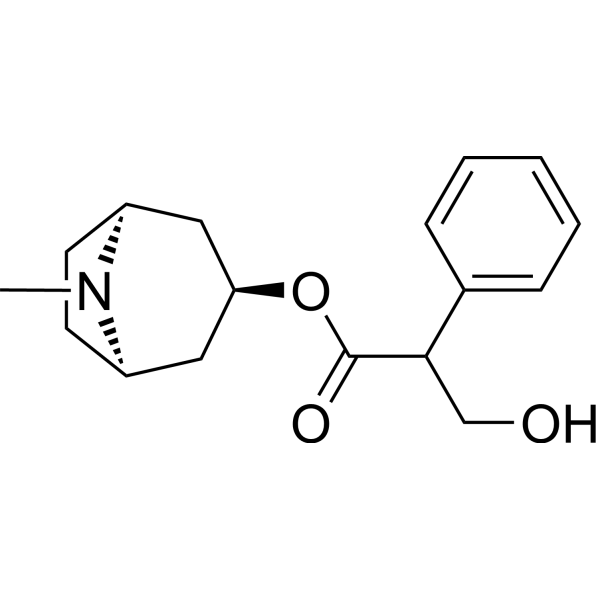
HY-B1205
AtropinemAChR Antagonist -
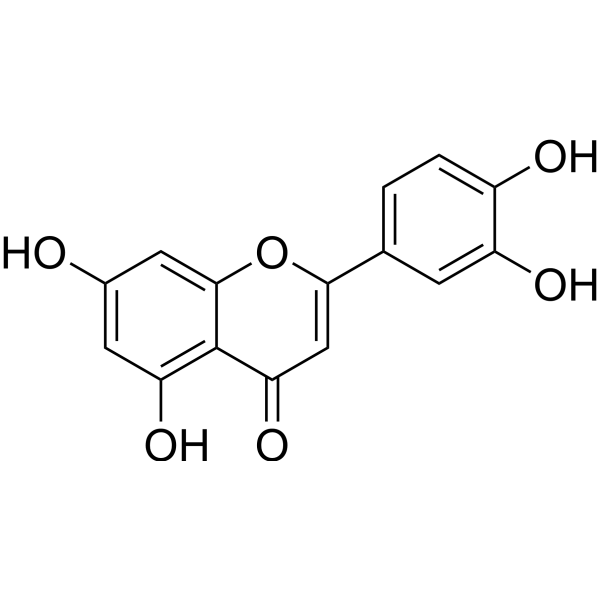
HY-N0162
LuteolinNrf2 Inhibitor -
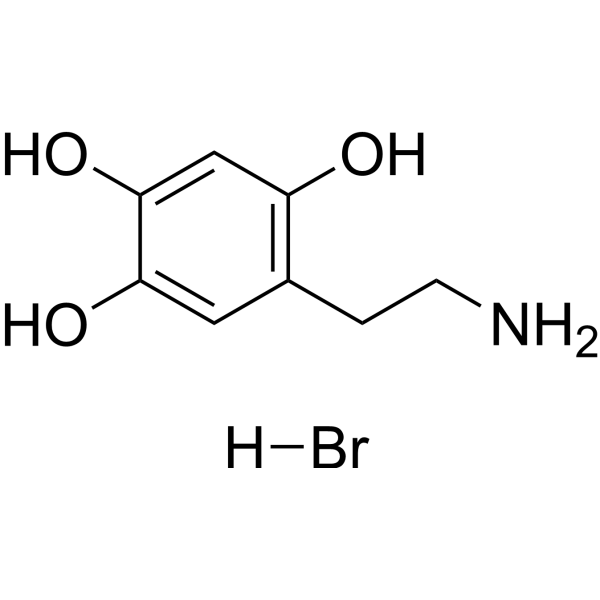
HY-B1081A
Oxidopamine hydrobromideNeurotoxin -
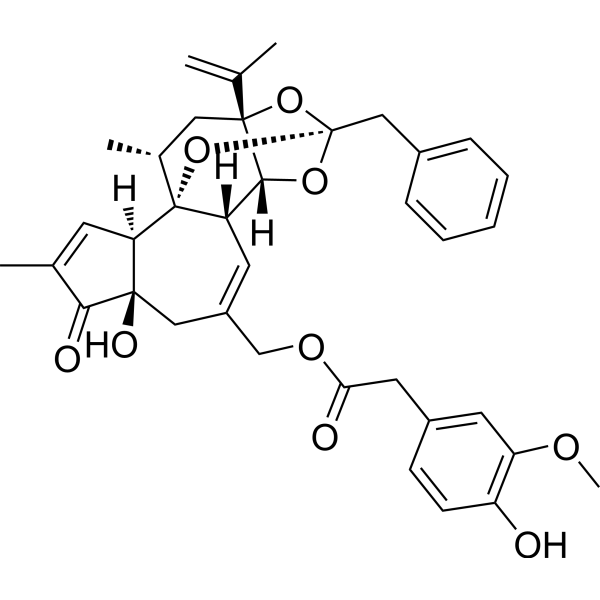
HY-N2333
ResiniferatoxinTRPV1 Receptor Agonist -
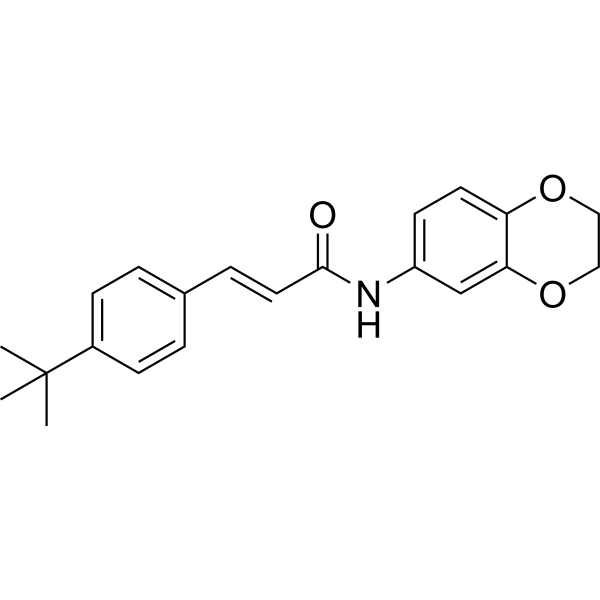
HY-101736
AMG9810TRPV1 Antagonist -
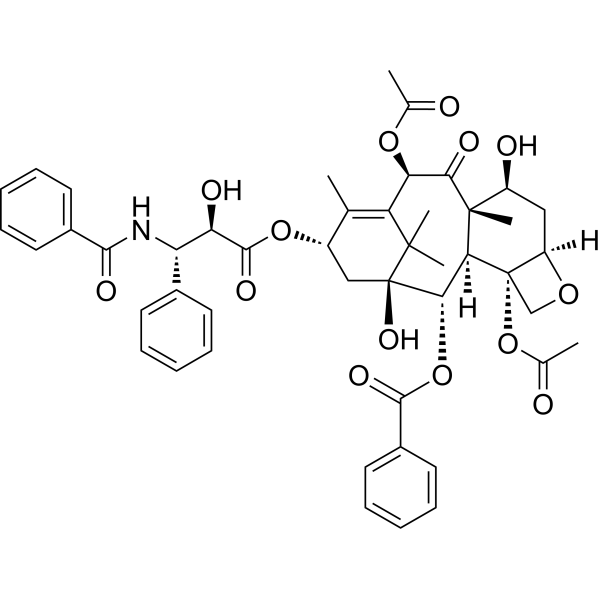
HY-B0015
PaclitaxelAntitumor Agent -
HY-Y0320
Dimethyl sulfoxide, meets analytical specification of Ch.P.Aprotic Solvent -
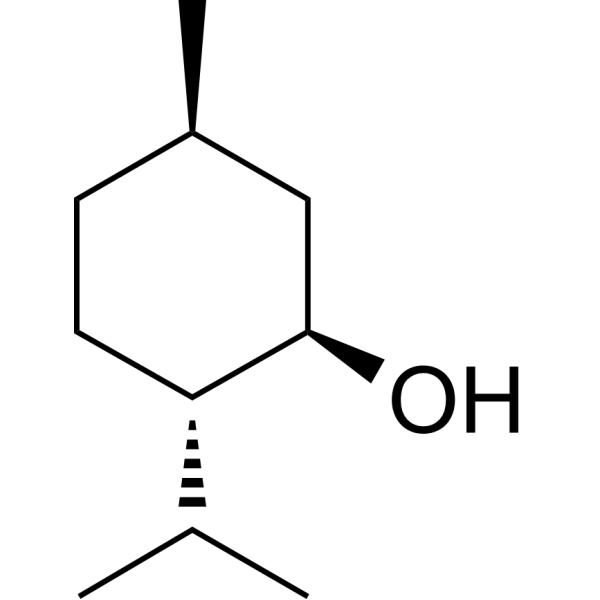
HY-75161
(-)-MentholEndogenous Metabolite
Publications Citing Use of MedChemExpress (MCE) Capsaicin
More- Cell. 2025 Nov 26;188(24):6754-6773.e29. [Abstract]
- Cell. 2024 Jun 6;187(12):2935-2951.e19. [Abstract]
- Cell Metab. 2022 Dec 6;34(12):1999-2017.e10. [Abstract]
- Adv Mater. 2022 Mar;34(11):e2108435. [Abstract]
- Mater Today. 2026 Jan 30.
- Nat Commun. 2023 Apr 17;14(1):2182. [Abstract]
- ACS Nano. 2026 Sep 8;20(35):24512-24530.
- Cell Discov. 2024 Nov 12;10(1):114. [Abstract]
- Mol Cell. 2026 Apr 2;86(7):1377-1396.e6. [Abstract]
- Adv Sci (Weinh). 2026 Jul;13(37):e19913. [Abstract]
- Adv Sci (Weinh). 2025 Sep 15:e10102. [Abstract]
- Phytomedicine. 2026 Aug:158:158406. [Abstract]
- Phytomedicine. 2026 Jul:156:158269. [Abstract]
- Phytomedicine. 2026 Jan:150:157740. [Abstract]
- Phytomedicine. 2025 Oct:146:157130. [Abstract]
- Phytomedicine. 2022 Mar 21;100:154067. [Abstract]
- Acta Pharmacol Sin. 2024 Jun;45(6):1160-1174. [Abstract]
- Acta Pharmacol Sin. 2023 Apr;44(4):766-779. [Abstract]
- BMC Med. 2024 Nov 4;22(1):504. [Abstract]
- Int J Nanomedicine. 2024 Jan 3:19:73-90. [Abstract]
- EMBO J. 2025 Aug;44(15):4222-4251. [Abstract]
- Mol Med. 2024 Sep 12;30(1):148. [Abstract]
- Antioxidants (Basel). 2022 May 20;11(5):1003. [Abstract]
- Phytother Res. 2024 Sep;38(9):4386-4405. [Abstract]
- Phytother Res. 2022 Feb;36(2):938-950. [Abstract]
- Cell Rep. 2026 Mar 24;45(3):117086. [Abstract]
- Cell Rep. 2023 Dec 2;42(12):113522. [Abstract]
- Neurotherapeutics. 2024 Jul;21(4):e00377. [Abstract]
- J Med Chem. 2025 Nov 27;68(22):24011-24023. [Abstract]
- Cancer Cell Int. 2025 Oct 3;25(1):328. [Abstract]
- Cancer Cell Int. 2024 Aug 28;24(1):300. [Abstract]
- PLoS Biol. 2026 Aug 3;24(8):e3003923.
- Ocul Surf. 2024 Oct:34:406-414. [Abstract]
- Biochem Pharmacol. 2026 Nov;253(Pt 1):118315.
- Cell Biosci. 2026 May 17;16(1):76. [Abstract]
- Inflammopharmacology. 2025 Jan;33(1):257-267. [Abstract]
- Eur J Pharmacol. 2026 Jun 3:1030:179053. [Abstract]
- Pharmaceuticals (Basel). 2024 Dec 15;17(12):1694. [Abstract]
- Eur J Pharmacol. 2024 Nov 5:982:176909. [Abstract]
- Int Immunopharmacol. 2025 Jun 17:158:114807. [Abstract]
- Invest Ophthalmol Vis Sci. 2025 Jun 2;66(6):28. [Abstract]
- Front Pharmacol. 2025 Sep 29:16:1671461. [Abstract]
- J Periodontal Res. 2024 Aug;59(4):798-811. [Abstract]
- ACS Omega. 2025 Aug 21;10(34):39192-39202. [Abstract]
- Mol Med Rep. 2025 Dec;32(6):322. [Abstract]
- Mol Med Rep. 2024 Jul;30(1):110. [Abstract]
- Sci Rep. 2026 Jul 23.
- Sci Rep. 2026 Feb 9;16(1):7851. [Abstract]
- Am J Pathol. 2023 May;193(5):548-557. [Abstract]
- J Cell Mol Med. 2026 Apr;30(8):e71157. [Abstract]
- J Neurochem. 2025 Jan;169(1):e16281. [Abstract]
- J Inflamm Res. 2024 Jul 2:17:4257-4275. [Abstract]
- J Inflamm Res. 2024 Apr 11:17:2245-2256. [Abstract]
- J Inflamm Res. 2024 Jan 9:17:153-170. [Abstract]
- Brain Res Bull. 2024 Jun 1:211:110950. [Abstract]
- FASEB J. 2025 Jul 15;39(13):e70778. [Abstract]
- FASEB J. 2025 May 31;39(10):e70657. [Abstract]
- J Neurosci. 2024 Aug 21;44(34):e0740242024. [Abstract]
- FASEB J. 2024 May 31;38(10):e23661. [Abstract]
- Microbiol Spectr. 2022 Dec 21;10(6):e0241022. [Abstract]
- J Biol Chem. 2022 May;298(5):101847. [Abstract]
- J Funct Foods. 2023 Nov , 110, 105823.
- Mol Pain. 2025 Dec 12:17448069251410754. [Abstract]
- Pathol Res Pract. 2025 Sep:273:156143. [Abstract]
- Toxicol Appl Pharmacol. 2026 Jan:506:117655. [Abstract]
- ChemMedChem. 2025 May 5;20(9):e202400913. [Abstract]
- Cell Biol Int. 2024 Aug;48(8):1097-1110. [Abstract]
- Exp Cell Res. 2023 Dec 15;433(2):113856. [Abstract]
- Front Oncol. 2022 Mar 25;12:773654. [Abstract]
- Tissue Cell. 2026 Apr:99:103243. [Abstract]
- Open Biol. 2025 Mar;15(3):240226. [Abstract]
- J Pharm Innov. 2025 Dec 3;21(1):62.
- J Cardiovasc Transl Res. 2024 Dec;17(6):1415-1426. [Abstract]
- Cells Dev. 2026 Mar:185:204073. [Abstract]
- J Cardiovasc Pharmacol. 2022 Sep 1;80(3):430-441. [Abstract]
- J Mol Neurosci. 2025 Oct 14;75(4):138. [Abstract]
- J Mol Neurosci. 2024 Aug 20;74(3):79. [Abstract]
- Cytotechnology. 2025 Aug;77(4):141. [Abstract]
- Exp Ther Med. 2023 May 15;26(1):318. [Abstract]
- J Vis Exp. 2025 Oct 3:(224). [Abstract]
- SSRN. 2026 Aug 25.
- Res Sq. 2026 May 27.
- bioRxiv. 2025 Dec 12:2025.12.12.693952. [Abstract]
- Res Sq. 2025 Oct 8.
- Patent. US20250127769A1.
- Research Square Preprint. 2024 Sep 03.
- Res Sq. 2024 Sep 22.
- bioRxiv. 2024 Jan 7.
- Research Square Preprint. 2023 Oct 13.
- SSRN. 2023 Sep 11.
- Research Square Print. 2022 Jun.
 Customer Validation & Images

-
Bio/Physico-chemical Assay
-
IP
-
Cell Imaging/Staining
-
In Vivo Efficacy Study
-
In Vivo Efficacy Study
All Endogenous Metabolite Isoforms
More

Biological Activity
Description
IC50 & Target
EC50: 290 nM (hTRPV1, in HEK293 cell)[1]
Cellular Effect
|
Cell Line

|
Type | Value | Description | References |
|---|---|---|---|---|
| A2058 | IC50 |
>100 μM
Compound: Capsaicin
|
Cytotoxicity against human A2058 cells assessed as decrease in cell viability incubated for 24 hrs by MTT assay
Cytotoxicity against human A2058 cells assessed as decrease in cell viability incubated for 24 hrs by MTT assay
|
[PMID: 31104785] |
| B16-F10 | IC50 |
>100 μM
Compound: Capsaicin
|
Cytotoxicity against mouse B16F10 cells assessed as decrease in cell viability incubated for 24 hrs by MTT assay
Cytotoxicity against mouse B16F10 cells assessed as decrease in cell viability incubated for 24 hrs by MTT assay
|
[PMID: 31104785] |
| B16-F10 | IC50 |
117 μM
Compound: 1
|
Antiproliferative activity against B16-F10 cells assessed as inhibition of cell growth measured after 24 hrs by MTT assay
Antiproliferative activity against B16-F10 cells assessed as inhibition of cell growth measured after 24 hrs by MTT assay
|
[PMID: 37000154] |
| BGC-823 | IC50 |
4.659 μM
Compound: 1
|
Antiproliferative activity against human BGC-823 cells assessed as reduction in cell viability incubated for 5 days by MTS assay
Antiproliferative activity against human BGC-823 cells assessed as reduction in cell viability incubated for 5 days by MTS assay
|
[PMID: 33581557] |
| CHO | EC50 |
25.9 nM
Compound: 1; CAP
|
Agonist activity at human TRPV1 expressed in CHO cells assessed as increase in 45Ca2+ uptake incubated for 5 mins by liquid scintillation counting method
Agonist activity at human TRPV1 expressed in CHO cells assessed as increase in 45Ca2+ uptake incubated for 5 mins by liquid scintillation counting method
|
[PMID: 31702924] |
| CHO | EC50 |
44.8 nM
Compound: 1; CAP
|
Agonist activity at rat TRPV1 expressed in CHO cells assessed as increase in 45Ca2+ uptake incubated for 5 mins by liquid scintillation counting method
Agonist activity at rat TRPV1 expressed in CHO cells assessed as increase in 45Ca2+ uptake incubated for 5 mins by liquid scintillation counting method
|
[PMID: 31702924] |
| CHO | EC50 |
44.8 nM
Compound: Capsaicin
|
In vitro [Ca2+] influx relative to capsaicin by Rat Vanilloid receptor (VR1) expressing CHO cells
In vitro [Ca2+] influx relative to capsaicin by Rat Vanilloid receptor (VR1) expressing CHO cells
|
[PMID: 12825950] |
| CHO | EC50 |
44.8 nM
Compound: Capsaicin
|
Agonist activity at rat TRPV1 receptor expressed in CHO cells assessed as calcium uptake
Agonist activity at rat TRPV1 receptor expressed in CHO cells assessed as calcium uptake
|
[PMID: 19135377] |
| HBMEC-2 | EC50 |
16.37 μM
Compound: Capsaicin
|
Neuroprotective activity against H2O2-induced cell damage in human HBMEC2 cells assessed as increase in cell viability preincubated for 24 hrs followed by H2O2 addition and measured after 4 hrs by MTT assay
Neuroprotective activity against H2O2-induced cell damage in human HBMEC2 cells assessed as increase in cell viability preincubated for 24 hrs followed by H2O2 addition and measured after 4 hrs by MTT assay
|
[PMID: 31541868] |
| HCT-116 | IC50 |
40.16 μM
Compound: Capsaicin
|
Antiproliferative activity against human HCT-116 cells assessed as cell growth inhibition measured after 72 hrs by crystal violet staining based assay
Antiproliferative activity against human HCT-116 cells assessed as cell growth inhibition measured after 72 hrs by crystal violet staining based assay
|
[PMID: 34795858] |
| HEK293 | EC50 |
0.0039 μM
Compound: Capsaicin
|
Agonist activity at human TRPV1 ion channel expressed in HEK293 cells assessed as calcium influx by fluo-4-Am-based fluorimetry
Agonist activity at human TRPV1 ion channel expressed in HEK293 cells assessed as calcium influx by fluo-4-Am-based fluorimetry
|
[PMID: 22257892] |
| HEK293 | EC50 |
0.0053 μM
Compound: 1a
|
Agonist activity at human recombinant TRPV1 expressed in HEK293 cells assessed as Ca2+ influx by Fluo-4 dye based assay
Agonist activity at human recombinant TRPV1 expressed in HEK293 cells assessed as Ca2+ influx by Fluo-4 dye based assay
|
[PMID: 25666822] |
| HEK293 | EC50 |
0.02 μM
Compound: capsaicin
|
Agonist activity at human recombinant TRPV1 expressed in HEK293 cells assessed as increase in intracellular calcium level
Agonist activity at human recombinant TRPV1 expressed in HEK293 cells assessed as increase in intracellular calcium level
|
[PMID: 19361197] |
| HEK293 | EC50 |
40 nM
Compound: 1a
|
Agonist activity at human TRPV1 expressed in HEK293 cells assessed as increase in intracellular calcium level
Agonist activity at human TRPV1 expressed in HEK293 cells assessed as increase in intracellular calcium level
|
[PMID: 19951840] |
| HEK293 | EC50 |
40 nM
Compound: capsaicin
|
Agonist activity at human recombinant TRPV1 expressed in human HEK293 cells
Agonist activity at human recombinant TRPV1 expressed in human HEK293 cells
|
[PMID: 17046253] |
| HEK293 | IC50 |
0.008 μM
Compound: 1a
|
Antagonist activity against human recombinant TRPV1 expressed in HEK293 cells assessed as inhibition of capsaicin-induced Ca2+ influx pre-treated 5 mins before capsaicin addition by Fluo-4 dye based assay
Antagonist activity against human recombinant TRPV1 expressed in HEK293 cells assessed as inhibition of capsaicin-induced Ca2+ influx pre-treated 5 mins before capsaicin addition by Fluo-4 dye based assay
|
[PMID: 25666822] |
| HeLa | IC50 |
>50 μM
Compound: CAP
|
Antiproliferative activity against human HeLa cells after 48 hrs by MTT assay
Antiproliferative activity against human HeLa cells after 48 hrs by MTT assay
|
[PMID: 29685681] |
| Jurkat | IC50 |
~ 128 μM
Compound: 1
|
Induction of apoptosis in human Jurkat cells assessed as increase in apoptotic cells by propidium iodide staining based flow cytometry
Induction of apoptosis in human Jurkat cells assessed as increase in apoptotic cells by propidium iodide staining based flow cytometry
|
[PMID: 37000154] |
| K562 | IC50 |
49.41 μM
Compound: CAP
|
Antiproliferative activity against human K562 cells after 48 hrs by MTT assay
Antiproliferative activity against human K562 cells after 48 hrs by MTT assay
|
[PMID: 29685681] |
| MCF7 | IC50 |
~ 53 μM
Compound: 1
|
Antiproliferative activity against human MCF7 cells assessed as inhibition of cell growth incubated for 24 hrs by MTT assay
Antiproliferative activity against human MCF7 cells assessed as inhibition of cell growth incubated for 24 hrs by MTT assay
|
[PMID: 37000154] |
| MCF7 | IC50 |
100 μM
Compound: Capsaicin
|
Antiproliferative activity in human MCF7 cells assessed as cell growth inhibition by MTT assay
Antiproliferative activity in human MCF7 cells assessed as cell growth inhibition by MTT assay
|
[PMID: 33508189] |
| MCF7 | IC50 |
49.97 μM
Compound: CAP
|
Antiproliferative activity against human MCF7 cells after 48 hrs by MTT assay
Antiproliferative activity against human MCF7 cells after 48 hrs by MTT assay
|
[PMID: 29685681] |
| MDA-MB-231 | IC50 |
120 μM
Compound: 24
|
Antiproliferative activity against human MDA-MB-231 cells incubated for 24 hrs by MTT assay
Antiproliferative activity against human MDA-MB-231 cells incubated for 24 hrs by MTT assay
|
[PMID: 32686940] |
| NCI-H1299 | IC50 |
>=200 μM
Compound: 1
|
Antiproliferative activity against human NCI-H1299 cells assessed as inhibition of cell growth measured after 24 hrs by MTT assay
Antiproliferative activity against human NCI-H1299 cells assessed as inhibition of cell growth measured after 24 hrs by MTT assay
|
[PMID: 37000154] |
| NCI-H460 | IC50 |
30.66 μM
Compound: Capsaicin
|
Antiproliferative activity against human NCI-H460 cells assessed as cell growth inhibition measured after 72 hrs by crystal violet staining based assay
Antiproliferative activity against human NCI-H460 cells assessed as cell growth inhibition measured after 72 hrs by crystal violet staining based assay
|
[PMID: 34795858] |
| SH-SY5Y | EC50 |
14.02 μM
Compound: Capsaicin
|
Neuroprotective activity against H2O2-induced cell damage in human SH-SY5Y cells assessed as increase in cell viability preincubated for 24 hrs followed by H2O2 addition and measured after 4 hrs by MTT assay
Neuroprotective activity against H2O2-induced cell damage in human SH-SY5Y cells assessed as increase in cell viability preincubated for 24 hrs followed by H2O2 addition and measured after 4 hrs by MTT assay
|
[PMID: 31541868] |
| SH-SY5Y | EC50 |
2.32 μM
Compound: Capsaicin
|
Agonist activity at rat TRPV1 expressed in human SH-SY5Y cells assessed as intracellular calcium accumulation by Fluo-4 NW dye based fluorescence assay
Agonist activity at rat TRPV1 expressed in human SH-SY5Y cells assessed as intracellular calcium accumulation by Fluo-4 NW dye based fluorescence assay
|
[PMID: 30783490] |
| SK-MEL-25 | IC50 |
>100 μM
Compound: Capsaicin
|
Cytotoxicity against human SK-MEL-25 cells assessed as decrease in cell viability incubated for 24 hrs by MTT assay
Cytotoxicity against human SK-MEL-25 cells assessed as decrease in cell viability incubated for 24 hrs by MTT assay
|
[PMID: 31104785] |
| SK-OV-3 | IC50 |
22.03 μM
Compound: Capsaicin
|
Antiproliferative activity against human SK-OV-3 cells assessed as cell growth inhibition measured after 72 hrs by crystal violet staining based assay
Antiproliferative activity against human SK-OV-3 cells assessed as cell growth inhibition measured after 72 hrs by crystal violet staining based assay
|
[PMID: 34795858] |
| T47D | IC50 |
100 μM
Compound: Capsaicin
|
Antiproliferative activity in human T47D cells assessed as cell growth inhibition by MTT assay
Antiproliferative activity in human T47D cells assessed as cell growth inhibition by MTT assay
|
[PMID: 33508189] |
| U-87MG ATCC | IC50 |
>100 μM
Compound: Capsaicin
|
Cytotoxicity against human U87 cells assessed as decrease in cell viability incubated for 24 hrs by MTT assay
Cytotoxicity against human U87 cells assessed as decrease in cell viability incubated for 24 hrs by MTT assay
|
[PMID: 31104785] |
In Vitro
Capsaicin (50-300 μM; 24-72 hours) shows an augmented decrease in cell growth in a dose- and time-dependent manner. The observed IC50 value is around 150 μM[2].
Capsaicin (50-300 μM; 24-72 hours) shows increase in cytosolic cytochrome c, activation of caspase 3 and PARP (p85) levels, and decreases anti-apoptotic Bcl-2 protein and increases pro-apoptotic Bad/Bax expression[2].
Capsaicin increases the nuclear condensation, nuclear DNA fragmentation and sub-G1 DNA content[2].
Capsaicin suppresses the cell cycle progression at the G1/S phase in FaDu cells by decreasing the expression of the regulators of cyclin B1 and D1, as well as cyclin-dependent protein kinases cdk-1, cdk-2 and cdk-4[2].
MedChemExpress (MCE) has not independently confirmed the accuracy of these methods. They are for reference only.
-
Cell Line:Human pharyngeal squamous carcinoma cells (FaDu) cells
-
Concentration:50 µM, 100 µM, 200 µM, and 300 µM
-
Incubation Time:24 hours, 48 hours and 72 hours
-
Result:Showed an augmented decrease in cell growth.
-
Cell Line:FaDu cells
-
Concentration:50 µM, 100 µM and 200 µM
-
Incubation Time:12 hours
-
Result:Increased the activity of caspase 3 in a time-dependent manner.
-
Cell Line:FaDu cells
-
Concentration:200 µM
-
Incubation Time:24 hours
-
Result:The observed activation of caspase 3 and PARP (p85) levels.
In Vivo
Please do not refer to only one article to determine the experimental conditions. It is recommended to determine the optimal experimental conditions (animal strain, age, dosage, frequency and cycle, detection time and indicators, etc.) through preliminary experiments before the formal experiment.
Capsaicin suppresses the development of lung carcinoma by amending the protein expressions of apoptotic regulators p53, Bcl-2, Bax and caspase-3[2]. Capsaicin (2 μg in 40 μL per mice, injected into the plantar surface of the left hind paw) induces pain-related behaviour in mice[4]. Capsaicin (3-30 μg in 10 μL per rat, plantar injection) induces secondary mechanical hypersensitivity (SMH) (used clinically as a model to potentially predict neuropathic pain) in rats[5]. Capsaicin (0-500 μg in 25 μL per rat, injected subcutaneously into the center of the right vibrissae pad) induces pain in the orofacial region or rats[6]. In high dose, Capsaicin may should be adminstered under anesthesia condition[7][8]. Capsaicin is more pungent than Dihydrocapsaicin (HY-N0361)[9]. Note: The spicy taste is choking, please take precautions.
MedChemExpress (MCE) has not independently confirmed the accuracy of these methods. They are for reference only.
-
Animal Model:Swiss albino mice (20-25 g; 8-10 weeks old) induced by Benzo(a)pyrene[3]
-
Dosage:10 mg/kg
-
Administration:Intraperitoneal administration; once in a week; for 14 weeks
-
Result:Inhibited the development of mice lung carcinogenesis.
Clinical Trial
| NCT Number | Sponsor | Condition | Start Date |
Phase
|
|---|---|---|---|---|
| NCT01329991 | Plexxikon| | 2011-05 | PHASE1 |


Chemical Information
-
CAS No. 404-86-4
-
Appearance Solid
-
Molecular Weight 305.41
-
Formula C18H27NO3
-
Color White to off-white
-
SMILES
CC(C)/C=C/CCCCC(NCC1=CC=C(O)C(OC)=C1)=O
-
Synonyms
(E)-Capsaicin
-
Structure Classification
-
Initial Source
-
Shipping
Room temperature in continental US; may vary elsewhere.
-
Storage
4°C, protect from light
* In solvent : -80°C, 1 year; -20°C, 6 months (protect from light)


Publications (91)
-
Journal Impact Factor
-
Most Recent
-
Cell
2025 Nov 26;188(24):6754-6773.e29. PMID: 41138728 -
Cell
Innervation of nociceptor neurons in the spleen promotes germinal center responses and humoral immunity. [Abstract]2024 Jun 6;187(12):2935-2951.e19. PMID: 38772371 -
Cell Metab
Cancer cells co-opt nociceptive nerves to thrive in nutrient-poor environments and upon nutrient-starvation therapies. [Abstract]2022 Dec 6;34(12):1999-2017.e10. PMID: 36395769 -
Adv Mater
Controlled Activation of TRPV1 Channels on Microglia to Boost Their Autophagy for Clearance of Alpha-Synuclein and Enhance Therapy of Parkinson's Disease. [Abstract]2022 Mar;34(11):e2108435. PMID: 35023596 -
-
Nat Commun
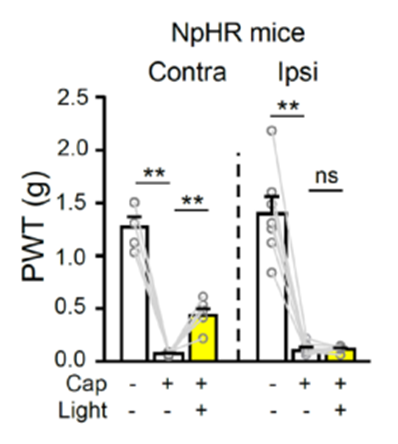
Plasticity in ventral pallidal cholinergic neuron-derived circuits contributes to comorbid chronic pain-like and depression-like behaviour in male mice. [Abstract]2023 Apr 17;14(1):2182. PMID: 37069246
Capsaicin purchased from MedChemExpress. Usage Cited in: Nat Commun. 2023 Apr 17;14(1):2182. [Abstract]
VPChAT-BLA-projected light inhibits Capsaicin (0.01%, 20 µl in 10% DMSO/saline)-induced acute inflammatory pain in mice with PWT.
-
-
Cell Discov
Cancer cells sense solid stress to enhance metastasis by CKAP4 phase separation-mediated microtubule branching. [Abstract]2024 Nov 12;10(1):114. PMID: 39528501 -
Mol Cell
Mechanosensory channels mediate ER Ca2+ transients to trigger assembly of autophagosome initiation sites for degradation of ER subdomains. [Abstract]2026 Apr 2;86(7):1377-1396.e6. PMID: 41932312 -
Adv Sci (Weinh)
Nigra-Subthalamic Dopaminergic Circuitry Modulates and Represents Distinct Pain Modality in Physiological and Pain States in Mice. [Abstract]2026 Jul;13(37):e19913. PMID: 41944312 -
Adv Sci (Weinh)
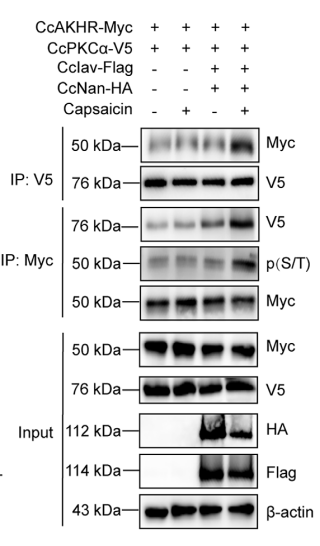
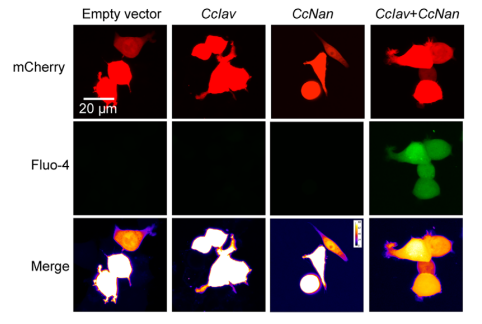
Thermosensory TRPV Heterotetramers Drive Seasonal Polyphenism: Molecular Basis of CcIav/CcNan-PKCα-AKH/AKHR Signaling in Pear Psyllid Morph Transition. [Abstract]2025 Sep 15:e10102. PMID: 40953294
Capsaicin purchased from MedChemExpress. Usage Cited in: Adv Sci (Weinh). 2025 Sep 15:e10102. [Abstract]
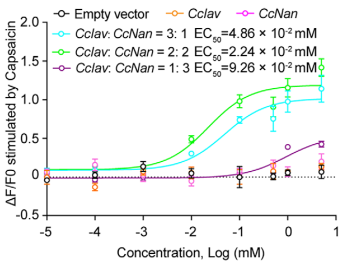
Capsaicin (1-100 μM) dose‐response curves in HEK293T cells expressing CcIav/CcNan (EC50 indicated; empty vector control).
Capsaicin purchased from MedChemExpress. Usage Cited in: Adv Sci (Weinh). 2025 Sep 15:e10102. [Abstract]
Capsaicin (100 μM, 10 min) activation of p‐CcAKHR in HEK293T cells co‐expressing CcIav/CcNan, CcPKCα, and CcAKHR.
Capsaicin purchased from MedChemExpress. Usage Cited in: Adv Sci (Weinh). 2025 Sep 15:e10102. [Abstract]
Ca2+ imaging (Fluo‐4, green) in HEK293T cells expressing CcIav, CcNan, or both to capsaicin (100 μM) treatments (mCherry vector control). The negative control involved HEK293T cells expressing an empty plasmid (pcDNA3.1(+)‐mCherry) treated with capsaicin.
-
Phytomedicine
Bioactive compound emodin from clinical formula Zhi-Lou-Xun-Xi decoction exerts rapid analgesic effects by targeting TRPV1. [Abstract]2026 Aug:158:158406. PMID: 42275875 -
Phytomedicine
Dietary capsaicin attenuates aortic dissection by inhibiting M1 macrophage polarisation and modulating the gut microbiota. [Abstract]2026 Jul:156:158269. PMID: 42102790 -
Phytomedicine
Bruceantin inhibits the c-Myc/RL27A axis to suppress tumor progression in hepatocellular carcinoma. [Abstract]2026 Jan:150:157740. PMID: 41477978 -
Phytomedicine
Capsaicin ameliorates cholestasis through modulation of the FXR-SHP and FXR-FGF15 gut-liver axis in mice. [Abstract]2025 Oct:146:157130. PMID: 40782765 -
Phytomedicine
2022 Mar 21;100:154067. PMID: 35349832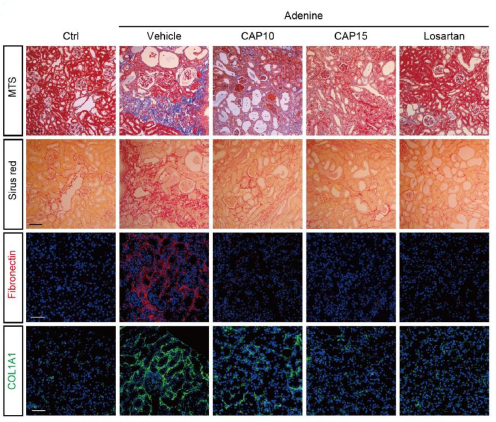
Capsaicin purchased from MedChemExpress. Usage Cited in: Phytomedicine. 2022 Mar 21;100:154067. [Abstract]
Capsaicin (10 and 15mg/kg, i.p.,once per week for 8 weeks) treatment lessened the deposition of ECM proteins in the kidneys from Adenine (0.25% w/w)-fed mice. Representative images of MTS (blue color), Picrosirius Red staining (red color), and IF staining of fibronectin (red color) and COL1A1 (green color) for kidney sections from adenine-fed (Adenine) or normal-fed (Ctrl) mice. Scale bars are 50 μm.
Capsaicin purchased from MedChemExpress. Usage Cited in: Phytomedicine. 2022 Mar 21;100:154067. [Abstract]
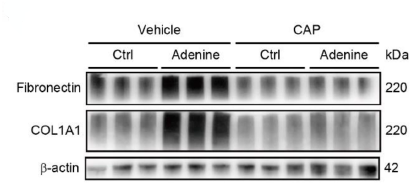
Capsaicin (10 and 15 mg/kg, i.p., once per week for 8 weeks) treatment lessened the deposition of ECM proteins in the kidneys from Adenine (0.25% w/w)-fed mice. WB images of fibronectin and COL1A1 expressions in kidney lysates from mice.
Capsaicin purchased from MedChemExpress. Usage Cited in: Phytomedicine. 2022 Mar 21;100:154067. [Abstract]
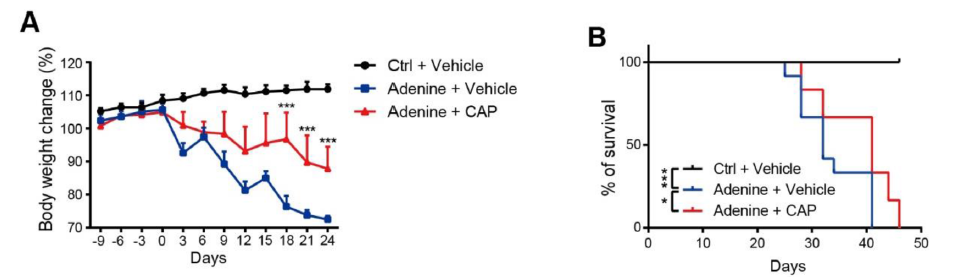
Capsaicin(10 or 15 mg/kg, i.p., once per week for 8 weeks) improved survival rate of Adenine (0.25% w/w)-fed mice. (A) Relative weight curves of indicated mice as described in A (n = 6). Mouse weight is measured once per 3 days, the initial weight is set to 1, and day 0 means the time point starting Adenine-rich diet. (B) Kaplan-Meier survival analysis of indicated mice as described in A (n = 12). Data are means ± SEM. *p < 0.05; **p < 0.01; ***p < 0.001.
Capsaicin purchased from MedChemExpress. Usage Cited in: Phytomedicine. 2022 Mar 21;100:154067. [Abstract]
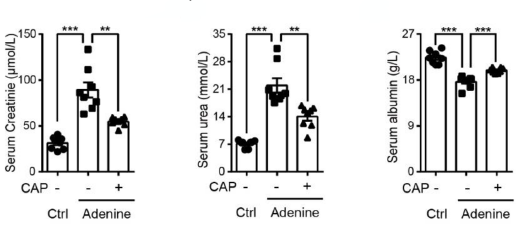
Capsaicin(10 or 15 mg/kg, i.p., once per week for 8 weeks) improved survival rate and kidney function of Adenine (0.25% w/w)-fed mice. Concentrations of serum creatinine, urea, and albumin from mice (n = 8). Data are means ± SEM. *p < 0.05; **p < 0.01; ***p < 0.001.
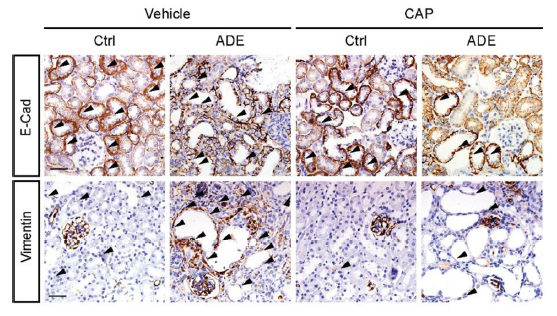
Capsaicin purchased from MedChemExpress. Usage Cited in: Phytomedicine. 2022 Mar 21;100:154067. [Abstract]
Capsaicin(10 or 15 mg/kg, i.p., once per week for 8 weeks) treatment prevented phenotypic alteration of tubular epithelial cells in the kidneys from Adenine (ADE) (0.25% w/w)-fed mice. Representative IHC staining images of E-cadherin and vimentin kidney sections from mice. Scale bars are 25 μm.
-
Acta Pharmacol Sin
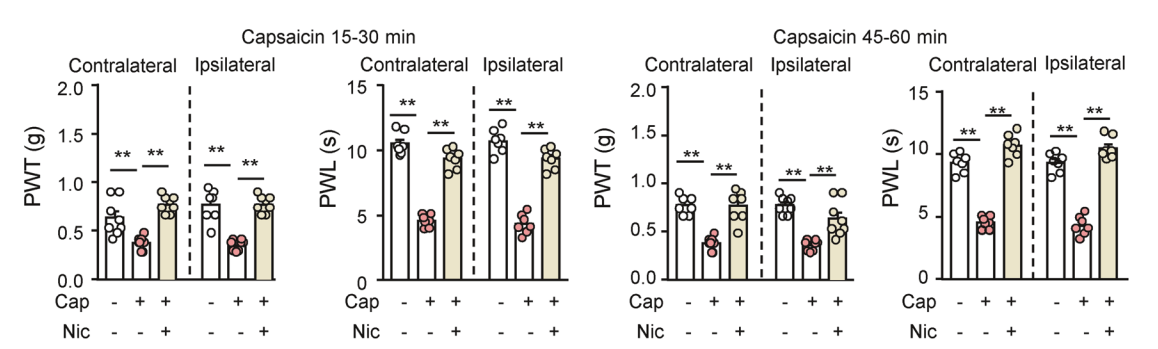
α4 nicotinic receptors on GABAergic neurons mediate a cholinergic analgesic circuit in the substantia nigra pars reticulata. [Abstract]2024 Jun;45(6):1160-1174. PMID: 38438581
Capsaicin purchased from MedChemExpress. Usage Cited in: Acta Pharmacol Sin. 2024 Jun;45(6):1160-1174. [Abstract]
An acute pain mouse model was established by injecting Capsaicin (0.01%, 20 µL in 10% DMSO/saline) into the lower left or right hind leg of mice. Following injection of nicotine into the substantia nigra (SNr) of the right hemisphere in Cap mice, both the partial thromboplasty (PWT) and partial thromboplasty (PWL) of the bilateral hind paws increased.
-
Acta Pharmacol Sin
Activation of TRPV1 receptor facilitates myelin repair following demyelination via the regulation of microglial function. [Abstract]2023 Apr;44(4):766-779. PMID: 36229601 -
BMC Med
Involvement of sphingosine-1-phosphate receptor 1 in pain insensitivity in a BTBR mouse model of autism spectrum disorder. [Abstract]2024 Nov 4;22(1):504. PMID: 39497100 -
Int J Nanomedicine
2024 Jan 3:19:73-90. PMID: 38187907 -
EMBO J
Copine-6 is a TRPM3 escort protein controlling the sensitivity of sensory neurons to noxious heat. [Abstract]2025 Aug;44(15):4222-4251. PMID: 40537608 -
Mol Med
Capsaicin mitigates ventilator-induced lung injury by suppressing ferroptosis and maintaining mitochondrial redox homeostasis through SIRT3-dependent mechanisms. [Abstract]2024 Sep 12;30(1):148. PMID: 39266965 -
Antioxidants (Basel)
Impact of Selective Renal Afferent Denervation on Oxidative Stress and Vascular Remodeling in Spontaneously Hypertensive Rats. [Abstract]2022 May 20;11(5):1003. PMID: 35624870 -
Phytother Res
Phytochemicals targeting ferroptosis in cardiovascular diseases: Recent advances and therapeutic perspectives. [Abstract]2024 Sep;38(9):4386-4405. PMID: 38973263 -
Phytother Res
Capsaicin inhibits the stemness of anaplastic thyroid carcinoma cells by triggering autophagy-lysosome mediated OCT4A degradation. [Abstract]2022 Feb;36(2):938-950. PMID: 35076979 -
Cell Rep
2026 Mar 24;45(3):117086. PMID: 41831232 -
Cell Rep
Cell-cell and cell-matrix adhesion regulated by Piezo1 is critical for stiffness-dependent DRG neuron aggregation. [Abstract]2023 Dec 2;42(12):113522. PMID: 38048221 -
Neurotherapeutics
A synthetic peptide exerts nontolerance-forming antihyperalgesic and antidepressant effects in mice. [Abstract]2024 Jul;21(4):e00377. PMID: 38777742 -
J Med Chem
2025 Nov 27;68(22):24011-24023. PMID: 41188058 -
Cancer Cell Int
Tetrahydropalmatine has analgesic role in mouse model of bone cancer pain by inactivating the TNF-α/uPA/PAR2/TRPV1 pathway in dorsal root ganglia. [Abstract]2025 Oct 3;25(1):328. PMID: 41044542 -
Cancer Cell Int
Capsaicin combined with cisplatin inhibits TGF-β1-induced EMT and TSCC cells migration via the Claudin-1/PI3K/AKT/mTOR signaling pathway. [Abstract]2024 Aug 28;24(1):300. PMID: 39198820 -
-
Ocul Surf
Preventing and treating neurotrophic keratopathy by a single intrastromal injection of AAV-mediated gene therapy. [Abstract]2024 Oct:34:406-414. PMID: 39362525 -
-
Cell Biosci
2026 May 17;16(1):76. PMID: 42144657 -
Inflammopharmacology
Epidural injection of varying doses of capsaicin alleviates inflammatory pain in rats via the TLR4/AKT/NF-κB pathway. [Abstract]2025 Jan;33(1):257-267. PMID: 39690361 -
Eur J Pharmacol
Capsaicin attenuates DSS-induced IBD by suppressing macrophage M1 polarization via inhibition of the TRAF1/NF-κB pathway. [Abstract]2026 Jun 3:1030:179053. PMID: 42242492 -
Pharmaceuticals (Basel)
Nerelimomab Alleviates Capsaicin-Induced Acute Lung Injury by Inhibiting TNF Signaling and Apoptosis. [Abstract]2024 Dec 15;17(12):1694. PMID: 39770536 -
Eur J Pharmacol
The serotonin(5-HT)2A receptor is involved in the hypersensitivity of bladder afferent neurons in cyclophosphamide-induced cystitis. [Abstract]2024 Nov 5:982:176909. PMID: 39154826 -
Int Immunopharmacol
Inhibition of TRPV1 attenuates innate nasal epithelial responses via NF-κB signaling pathway in allergic rhinitis. [Abstract]2025 Jun 17:158:114807. PMID: 40367690 -
Invest Ophthalmol Vis Sci
2025 Jun 2;66(6):28. PMID: 40488714 -
Front Pharmacol
Desensitization of TRPA1 by dimethyl itaconate attenuates acute and chronic pain in mice. [Abstract]2025 Sep 29:16:1671461. PMID: 41089843 -
J Periodontal Res
Capsaicin attenuates Porphyromonas gingivalis-suppressed osteogenesis of periodontal ligament stem cells via regulating mitochondrial function and activating PI3K/AKT/mTOR pathway. [Abstract]2024 Aug;59(4):798-811. PMID: 38699845 -
ACS Omega
2025 Aug 21;10(34):39192-39202. PMID: 40918390 -
Mol Med Rep
Capsaicin attenuates sepsis‑associated encephalopathy by inhibiting neuroinflammation and apoptosis whilst activating mitophagy through the BNIP3/NIX pathway. [Abstract]2025 Dec;32(6):322. PMID: 40970326 -
Mol Med Rep
Calcitonin gene‑related peptide alleviates hyperoxia‑induced human alveolar cell injury via the CGRPR/TRPV1/Ca2+ axis. [Abstract]2024 Jul;30(1):110. PMID: 38695251 -
-
Sci Rep
2026 Feb 9;16(1):7851. PMID: 41663512 -
Am J Pathol
TRPV1 dysfunction impairs gastric nitrergic neuromuscular relaxation in high fat diet induced diabetic gastroparesis mice. [Abstract]2023 May;193(5):548-557. PMID: 36740184 -
J Cell Mol Med
Capsaicin Receptor TRPV1 Delays Aortic Aging in Atherosclerotic Mice by Inhibiting the ISG15-p53 Pathway. [Abstract]2026 Apr;30(8):e71157. PMID: 42033162 -
J Neurochem
Neuronal TRPV1-CGRP axis regulates peripheral nerve regeneration through ERK/HIF-1 signaling pathway. [Abstract]2025 Jan;169(1):e16281. PMID: 39792906 -
J Inflamm Res
2024 Jul 2:17:4257-4275. PMID: 38979434 -
J Inflamm Res
Reactive Oxygen Species Induced Upregulation of TRPV1 in Dorsal Root Ganglia Results in Low Back Pain in Rats. [Abstract]2024 Apr 11:17:2245-2256. PMID: 38623469 -
J Inflamm Res
Capsaicin Attenuates LPS-Induced Acute Lung Injury by Inhibiting Inflammation and Autophagy Through Regulation of the TRPV1/AKT Pathway. [Abstract]2024 Jan 9:17:153-170. PMID: 38223422 -
Brain Res Bull
Transient receptor potential vanilloid-1 (TRPV1) channels act as suppressors of the growth of glioma. [Abstract]2024 Jun 1:211:110950. PMID: 38631651 -
FASEB J
MRGPRX2 Mediates Mast Cell-Induced Endometriosis Pain Through the Sensitization of Sensory Neurons via Histamine/HRH1/TRPV1 Signaling Pathway. [Abstract]2025 Jul 15;39(13):e70778. PMID: 40600649 -
FASEB J
Capsazepine Inhibits Astrocyte Activation and Attenuates Neuroinflammation by Targeting Syntaxin 7. [Abstract]2025 May 31;39(10):e70657. PMID: 40386937 -
J Neurosci
Acute Ongoing Nociception Delays Recovery of Consciousness from Sevoflurane Anesthesia via a Midbrain Circuit. [Abstract]2024 Aug 21;44(34):e0740242024. PMID: 39019613 -
FASEB J
FGF13 enhances the function of TRPV1 by stabilizing microtubules and regulates acute and chronic itch. [Abstract]2024 May 31;38(10):e23661. PMID: 38733310 -
Microbiol Spectr
C-Fiber Degeneration Enhances Alveolar Macrophage-Mediated IFN-α/β Response to Respiratory Syncytial Virus. [Abstract]2022 Dec 21;10(6):e0241022. PMID: 36350149 -
J Biol Chem
Capsaicin inhibits intestinal Cl- secretion and promotes Na+ absorption by blocking TRPV4 channels in healthy and colitic mice. [Abstract]2022 May;298(5):101847. PMID: 35314195 -
-
Mol Pain
EXPRESS: Piezo1-mediated neuroexcitation via collaboration with KCa1.1 and Nav1.9 currents in myelinated Ah-type of trigeminal ganglion neurons in rats: mechanistic insights with sex-specific effects. [Abstract]2025 Dec 12:17448069251410754. PMID: 41384612 -
Pathol Res Pract
Polydatin alleviates oxidative stress and pro-inflammatory activation of alveolar macrophages in chronic cough by reducing PTGS2 levels. [Abstract]2025 Sep:273:156143. PMID: 40752447 -
Toxicol Appl Pharmacol
Capsaicin alleviates DEHP-induced testicular dysfunction by suppressing oxidative stress in mice. [Abstract]2026 Jan:506:117655. PMID: 41276025 -
ChemMedChem
Machine Learning-Driven Discovery of Structurally Related Natural Products as Activators of the Cardiac Calcium Pump SERCA2a. [Abstract]2025 May 5;20(9):e202400913. PMID: 39853697 -
Cell Biol Int
Capsaicin reverses cisplatin resistance in tongue squamous cell carcinoma by inhibiting the Warburg effect and facilitating mitochondrial-dependent apoptosis via the AMPK/AKT/mTOR axis. [Abstract]2024 Aug;48(8):1097-1110. PMID: 38706122 -
Exp Cell Res
2023 Dec 15;433(2):113856. PMID: 37995921 -
Front Oncol
Transient Receptor Potential Cation Channel Subfamily V Member 1 Expression Promotes Chemoresistance in Non-Small-Cell Lung Cancer. [Abstract]2022 Mar 25;12:773654. PMID: 35402237 -
Tissue Cell
Sensory neuron TRPV1-mediated macrophage polarization and immune response regulate dental implant osseointegration. [Abstract]2026 Apr:99:103243. PMID: 41297248 -
Open Biol
2025 Mar;15(3):240226. PMID: 40068815 -
-
J Cardiovasc Transl Res
TMAO Impairs Mouse Aortic Vasodilation by Inhibiting TRPV4 Channels in Endothelial Cells. [Abstract]2024 Dec;17(6):1415-1426. PMID: 38980653 -
Cells Dev
Small molecules induces dorsal root ganglion satellite glial cells to differentiate into sensory neuron-like cells. [Abstract]2026 Mar:185:204073. PMID: 41690597 -
J Cardiovasc Pharmacol
Transient Receptor Potential Vanilloid Type 1 Protects Against Pressure Overload-Induced Cardiac Hypertrophy by Promoting Mitochondria-Associated Endoplasmic Reticulum Membranes. [Abstract]2022 Sep 1;80(3):430-441. PMID: 35881904 -
J Mol Neurosci
Transcriptome Profiling Across Multiple Organs Unveils Potential Regulatory Effects of C-Fibers on Host in Mice. [Abstract]2025 Oct 14;75(4):138. PMID: 41085775 -
J Mol Neurosci
Electroacupuncture Alleviates Streptozotocin-Induced Diabetic Neuropathic Pain via the TRPV1-Mediated CaMKII/CREB Pathway in Rats. [Abstract]2024 Aug 20;74(3):79. PMID: 39162890 -
Cytotechnology
S1P receptor 1 antagonist ponesimod alleviates postherpetic neuralgia in rats by normalizing spinal TRPV1 expression and inhibiting MAPK-mediated glial activation. [Abstract]2025 Aug;77(4):141. PMID: 40642600 -
Exp Ther Med
Potential mechanism of transient receptor potential cation channel subfamily V member 1 combined with an ATP‑sensitive potassium channel in severe preeclampsia. [Abstract]2023 May 15;26(1):318. PMID: 37273761 -
J Vis Exp
2025 Oct 3:(224). PMID: 41115142 -
-
-
bioRxiv
A human sensory neuron model for varicella-zoster virus latency and reactivation in vitro. [Abstract]2025 Dec 12:2025.12.12.693952. PMID: 41415445 -
-
-
-
-
-
-
-


Solvent & Solubility
In Vitro:
DMSO : 100 mg/mL (327.43 mM; Need ultrasonic; Hygroscopic DMSO has a significant impact on the solubility of product, please use newly opened DMSO)
Ethanol : 100 mg/mL (327.43 mM; Need ultrasonic)
Please refer to the solubility information to select the appropriate solvent. Once prepared, please aliquot and store the solution to prevent product inactivation from repeated freeze-thaw cycles.
Storage method and period of stock solution: -80°C, 1 year; -20°C, 6 months (protect from light). When stored at -80°C, please use it within 1 year. When stored at -20°C, please use it within 6 months.
Please refer to the solubility information to select the appropriate solvent. Once prepared, please aliquot and store the solution to prevent product inactivation from repeated freeze-thaw cycles.
Storage method and period of stock solution: -80°C, 1 year; -20°C, 6 months (protect from light). When stored at -80°C, please use it within 1 year. When stored at -20°C, please use it within 6 months.
Concentration (start) × Volume (start) = Concentration (final) × Volume (final)
In Vivo:
Select the appropriate dissolution method based on your experimental animal and administration route.
- For the following dissolution methods, please ensure to first prepare a clear stock solution using an In Vitro approach and then sequentially add co-solvents:
- To ensure reliable experimental results, the clarified stock solution can be appropriately stored based on storage conditions. As for the working solution for In Vivo experiments, it is recommended to prepare freshly and use it on the same day.
- The percentages shown for the solvents indicate their volumetric ratio in the final prepared solution. If precipitation or phase separation occurs during preparation, heat and/or sonication can be used to aid dissolution.
Add each solvent one by one: 10% EtOH 90% Corn Oil
Solubility: 20 mg/mL (65.49 mM); Suspended solution; Need ultrasonic
This protocol yields a suspended solution of 20 mg/mL. Suspended solution can be used for oral and intraperitoneal injection.
Taking 1 mL working solution as an example, add 100 μL EtOH stock solution (200.0 mg/mL) to 900 μL Corn oil, and mix evenly.
Add each solvent one by one: 10% DMSO 40% PEG300 5% Tween-80 45% Saline
Solubility: ≥ 2.5 mg/mL (8.19 mM); Clear solution
This protocol yields a clear solution of ≥ 2.5 mg/mL (saturation unknown).
Taking 1 mL working solution as an example, add 100 μL DMSO stock solution (25.0 mg/mL) to 400 μL PEG300, and mix evenly; then add 50 μL Tween-80 and mix evenly; then add 450 μL Saline to adjust the volume to 1 mL.
Preparation of Saline: Dissolve 0.9 g sodium chloride in ddH₂O and dilute to 100 mL to obtain a clear Saline solution.
Add each solvent one by one: 10% DMSO 90% (20% SBE-β-CD in Saline)
Solubility: ≥ 2.5 mg/mL (8.19 mM); Clear solution
This protocol yields a clear solution of ≥ 2.5 mg/mL (saturation unknown).
Taking 1 mL working solution as an example, add 100 μL DMSO stock solution (25.0 mg/mL) to 900 μL 20% SBE-β-CD in Saline, and mix evenly.
Preparation of 20% SBE-β-CD in Saline (4°C, storage for one week): 2 g SBE-β-CD powder is dissolved in 10 mL Saline, completely dissolve until clear.
In Vivo Dissolution Calculator
Please enter the basic information of animal experiments:
-
-
-
-
Recommended: Prepare an additional quantity of animals to account for potential losses during experiments.
Please enter your animal formula composition:
-
%DMSO +
Recommended: Keep the proportion of DMSO in working solution below 2% if your animal is weak.
-
%+
-
+%Tween-80 + +
-
%Saline +
The co-solvents required include: DMSO, . All of co-solvents are available by MedChemExpress (MCE). , Tween 80. All of co-solvents are available by MedChemExpress (MCE).
Working solution concentration: 0.22 mg/mL
Method for preparing stock solution: mg drug dissolved in μL DMSO. Stock solution concentration: mg/mL. * In solvent : -80°C, 1 year; -20°C, 6 months (protect from light)
1. Take μL DMSO stock solution;
2. Add μL .
μL , mix evenly;
3. Then add μL Tween 80, mix evenly;
4. Then add μL
Please ensure that the stock solution in the first step is dissolved to a clear state, and add co-solvents in sequence. You can use ultrasonic heating (ultrasonic cleaner, recommended frequency 20-40 kHz), vortexing, etc. to assist dissolution.


Purity & Documentation
-
Data Sheet (278 KB)
-
SDS (476 KB)
- English - EN (476 KB)
- Français - FR (476 KB)
- Deutsch - DE (476 KB)
- Norwegian - NO (476 KB)
- Español - ES (476 KB)
- Swedish - SV (476 KB)
- Italian - IT (476 KB)
- Korean - KR (476 KB)
- Portuguese - PT (476 KB)
-
Handling Instructions (2659 KB)
References
[1]. McNamara FN, et al. Effects of piperine, the pungent component of black pepper, at the human vanilloid receptor (TRPV1). Br J Pharmacol. 2005 Mar;144(6):781-90. [Content Brief]
[2]. Shin YH, et al. The Effect of Capsaicin on Salivary Gland Dysfunction. Molecules. 2016 Jun 25;21(7). [Content Brief]
[3]. Anandakumar P, et al. Capsaicin provokes apoptosis and restricts benzo(a)pyrene induced lung tumorigenesis in Swiss albino mice. Int Immunopharmacol. 2013 Jun 6;17(2):254-259. [Content Brief]
[4]. Nah JJ, et al. Effect of ginsenosides, active components of ginseng, on capsaicin-induced pain-related behavior. Neuropharmacology. 2000 Aug 23;39(11):2180-4. [Content Brief]
[5]. Joshi SK, et al Comparison of antinociceptive actions of standard analgesics in attenuating capsaicin and nerve-injury-induced mechanical hypersensitivity. Neuroscience. 2006 Dec 1;143(2):587-96. [Content Brief]
[6]. Pelissier T, et al. The orofacial capsaicin test in rats: effects of different capsaicin concentrations and morphine. Pain. 2002 Mar;96(1-2):81-7. [Content Brief]
[7]. Matsuda H, et al. Roles of capsaicin-sensitive sensory nerves, endogenous nitric oxide, sulfhydryls, and prostaglandins in gastroprotection by momordin Ic, an oleanolic acid oligoglycoside, on ethanol-induced gastric mucosal lesions in rats. Life Sci. 1999;65(2):PL27-32. [Content Brief]
[8]. Demirbilek S, et al. Small-dose capsaicin reduces systemic inflammatory responses in septic rats. Anesth Analg. 2004 Nov;99(5):1501-1507. [Content Brief]
[9]. Friedman JR, et al. Anticancer Activity of Natural and Synthetic Capsaicin Analogs. J Pharmacol Exp Ther. 2018 Mar;364(3):462-473. [Content Brief]


Complete Stock Solution Preparation Table
Please refer to the solubility information to select the appropriate solvent. Once prepared, please aliquot and store the solution to prevent product inactivation from repeated freeze-thaw cycles.
Storage method and period of stock solution: -80°C, 1 year; -20°C, 6 months (protect from light). When stored at -80°C, please use it within 1 year. When stored at -20°C, please use it within 6 months.
| Optional Solvent | Concentration Solvent Mass | 1 mg | 5 mg | 10 mg | 25 mg |
|---|---|---|---|---|---|
| DMSO / Ethanol | 1 mM | 3.2743 mL | 16.3714 mL | 32.7429 mL | 81.8572 mL |
| 5 mM | 0.6549 mL | 3.2743 mL | 6.5486 mL | 16.3714 mL | |
| 10 mM | 0.3274 mL | 1.6371 mL | 3.2743 mL | 8.1857 mL | |
| 15 mM | 0.2183 mL | 1.0914 mL | 2.1829 mL | 5.4571 mL | |
| 20 mM | 0.1637 mL | 0.8186 mL | 1.6371 mL | 4.0929 mL | |
| 25 mM | 0.1310 mL | 0.6549 mL | 1.3097 mL | 3.2743 mL | |
| 30 mM | 0.1091 mL | 0.5457 mL | 1.0914 mL | 2.7286 mL | |
| 40 mM | 0.0819 mL | 0.4093 mL | 0.8186 mL | 2.0464 mL | |
| 50 mM | 0.0655 mL | 0.3274 mL | 0.6549 mL | 1.6371 mL | |
| 60 mM | 0.0546 mL | 0.2729 mL | 0.5457 mL | 1.3643 mL | |
| 80 mM | 0.0409 mL | 0.2046 mL | 0.4093 mL | 1.0232 mL | |
| 100 mM | 0.0327 mL | 0.1637 mL | 0.3274 mL | 0.8186 mL |


Capsaicin Related Classifications
HY-10448 Related Classifications
 Powered by Bioz