



Capsicum annuum L. Extract
-
Capsicum annuum L. Extract (39)

- 1
- 2
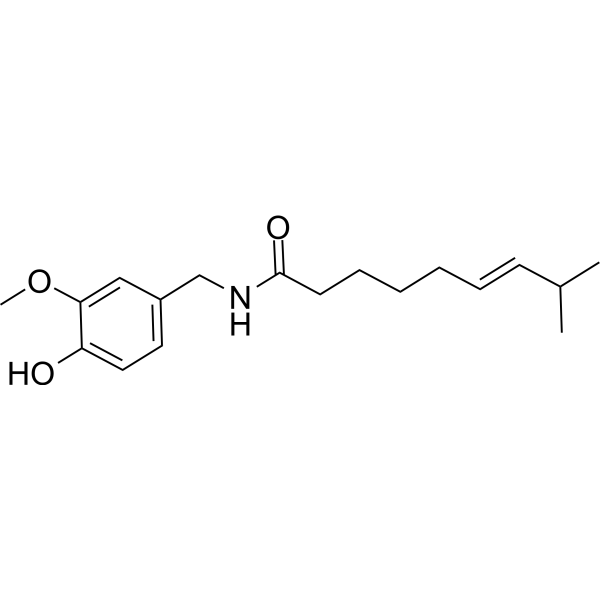
- Formula: C18H27NO3
- Molecular Weight: 305.41
Capsaicin ((E)-Capsaicin), an active component of chili peppers, is a TRPV1 agonist. Capsaicin induces a nociceptive response by binding to its receptors. Capsaicin has analgesic effects on neurological disorders. Capsaicin has antioxidant, anti-inflammatory, anti-cancer effects.
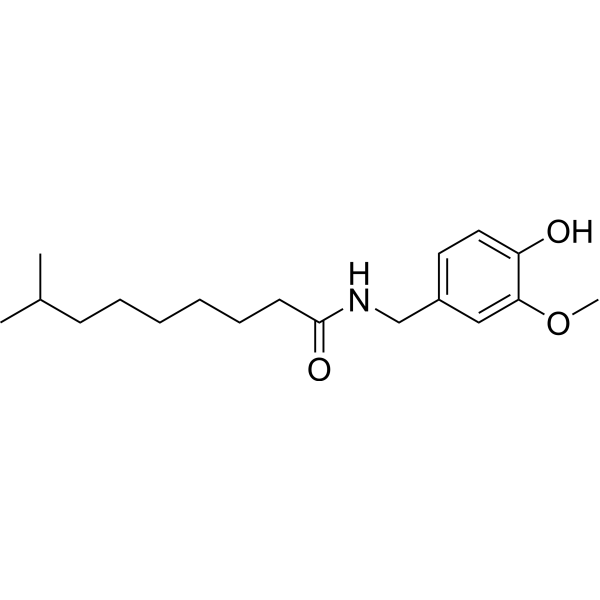
- Formula: C18H29NO3
- Molecular Weight: 307.43
Dihydrocapsaicin, a capsaicin, is a potent and selective TRPV1 (transient receptor potential vanilloid channel 1) agonist. Dihydrocapsaicin reduces AIF, Bax, and Caspase-3 expressions, and increased Bcl-2, Bcl-xL and p-Akt levels. Dihydrocapsaicin enhances the hypothermia-induced neuroprotection following ischemic stroke via PI3K/Akt regulation in rat.
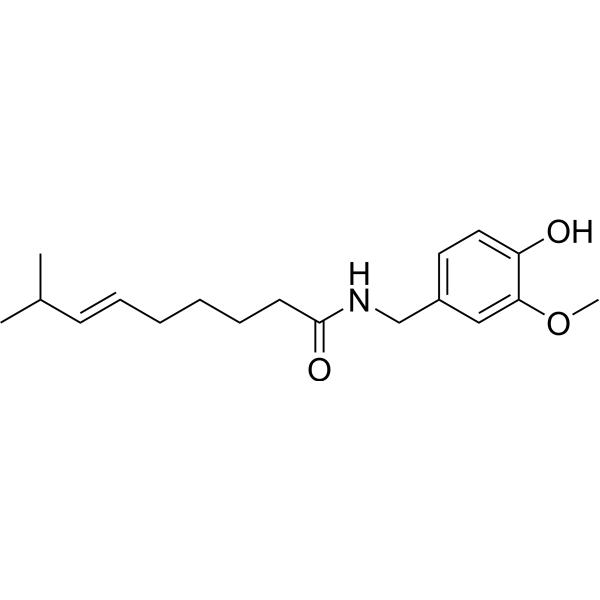
- Formula: C18H27NO3
- Molecular Weight: 305.41
Capsaicin (Standard) is the analytical standard of Capsaicin. This product is intended for research and analytical applications. Capsaicin ((E)-Capsaicin), an active component of chili peppers, is a TRPV1 agonist. Capsaicin induces a nociceptive response by binding to its receptors. Capsaicin has analgesic effects on neurological disorders. Capsaicin has antioxidant, anti-inflammatory, anti-cancer effects.
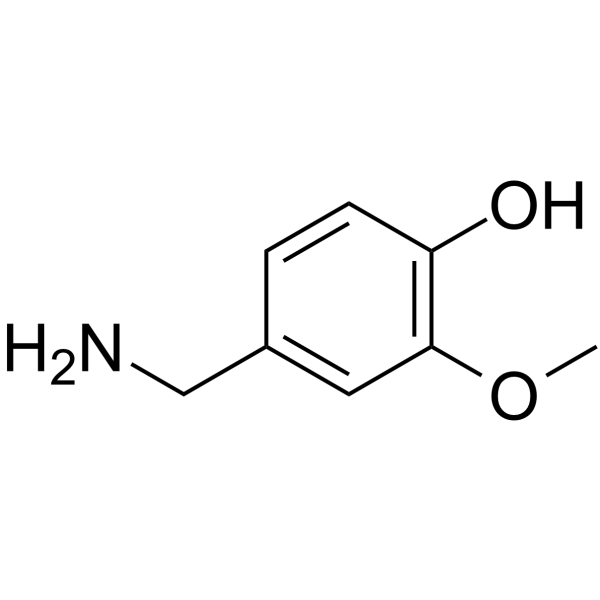
- Formula: C8H11NO2
- Molecular Weight: 153.18
Vanillylamine is an immediate precursor for capsaicinoids. Vanillylamine is a derivative of Vanillin (HY-N0098) is synthesized through a transaminase reaction in the phenylpropanoid pathway of capsaicinoid synthesis. Vanillylamine significantly alleviates myelosuppression caused by abdominal and pelvic tumor chemotherapy.
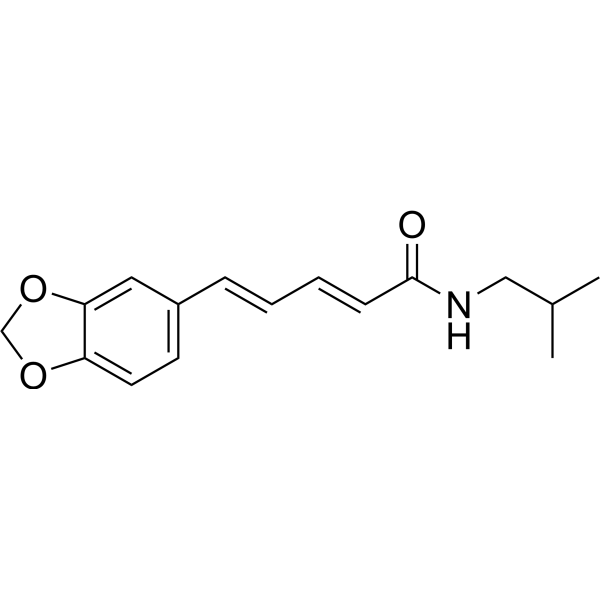
- Formula: C16H19NO3
- Molecular Weight: 273.33
Piperlonguminine is a cytochrome P450 (CYP450) inhibitor. Piperlonguminine also inhibits the growth of epimastigotes and intracellular amastigotes of Trypanosoma cruzi, with IC50 values of 53.8 and 33.9 μM, respectively. Piperlonguminine regulates HMGB1/TLR4-NF-κB/MAPK-related inflammatory responses, endothelial protein C receptor (EPCR) shedding, melanogenesis, glycolipid metabolism, ischemic brain injury and tumor growth. Piperlonguminine can be used in research on hyperlipidemia, sepsis, Chagas disease, ischemic stroke, sarcoma and severe acute pancreatitis-associated lung injury.

- Formula: C18H27NO3
- Molecular Weight: 305.41
Capsaicin (Purity 65%) (Standard) is the analytical standard of Capsaicin (Purity 65%). This product is intended for research and analytical applications. Capsaicin (Purity 65%) is a mixture of Capsaicin and Dihydrocapsaicin (Ratio >2:1).Capsaicin (Purity 65%) is an orally active capsaicin receptor (TRPV1) agonist.
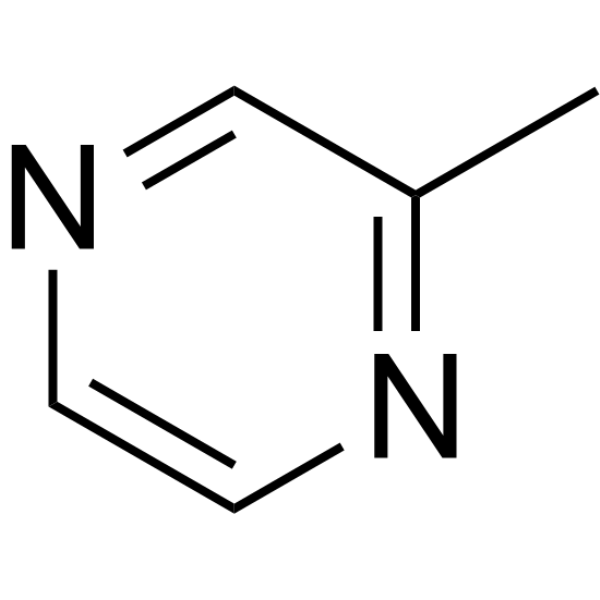
- Formula: C5H6N2
- Molecular Weight: 94.11
2-Methylpyrazine (Standard) is the analytical standard of 2-Methylpyrazine. This product is intended for research and analytical applications. 2-Methylpyrazine is a kind of alkylpyrazine that can be identified in roasted red pepper seed oils.
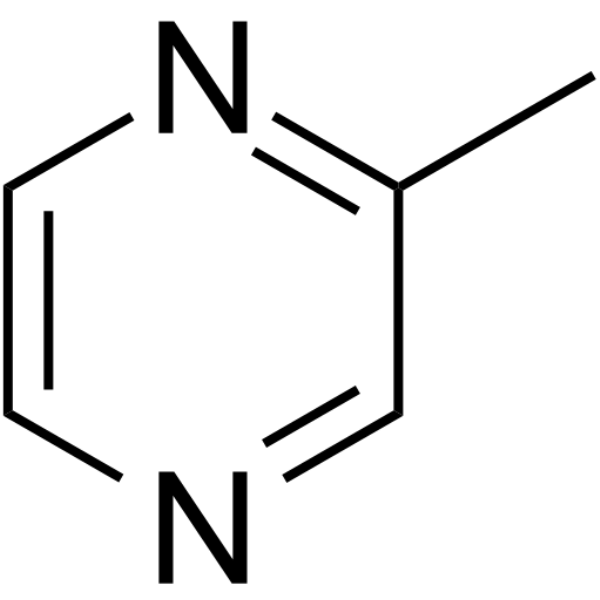
- Formula: C5H6N2
- Molecular Weight: 94.12
2-Methylpyrazine is a flavoring agent and also a green solvent used in the preparation of non-solvent induced phase separation membranes.
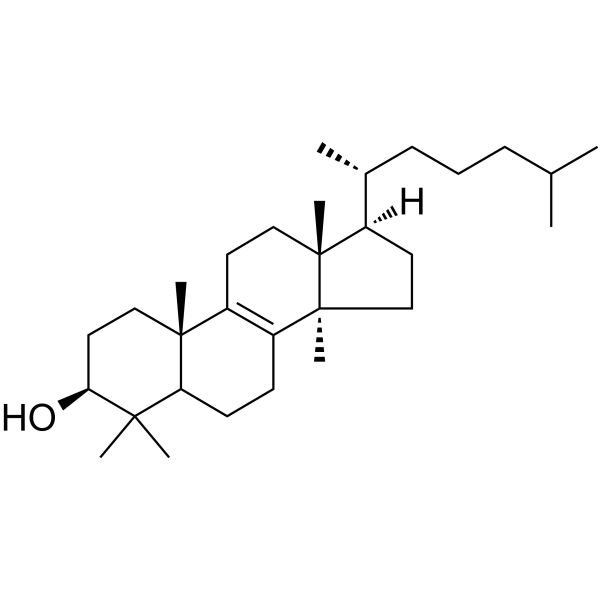
- Formula: C30H52O
- Molecular Weight: 428.73
24,25-Dihydrolanosterol is a naturally occurring tetracyclic Δ8-triterpene alcohol that can be found in the seeds of Capsicum annuum. 24,25-Dihydrolanosterol is the initial carbocyclic sterol precursor in animals, fungi, and trypanosomatids, and participates in sterol synthesis.
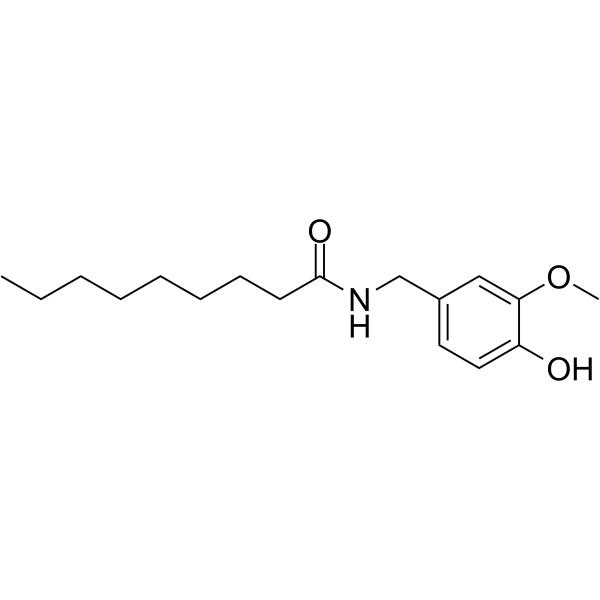
- Formula: C17H27NO3
- Molecular Weight: 293.40
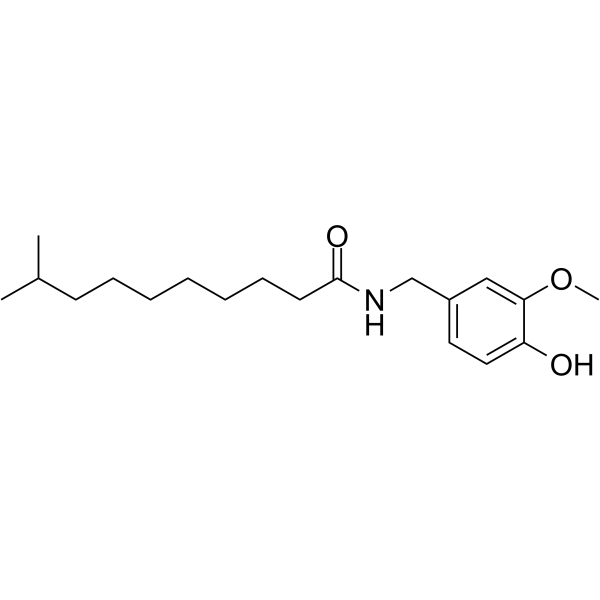
- Formula: C19H31NO3
- Molecular Weight: 321.45
Homodihydrocapsaicin I is a kind of capsaicinoid from the fruits of Capsicum annuum.
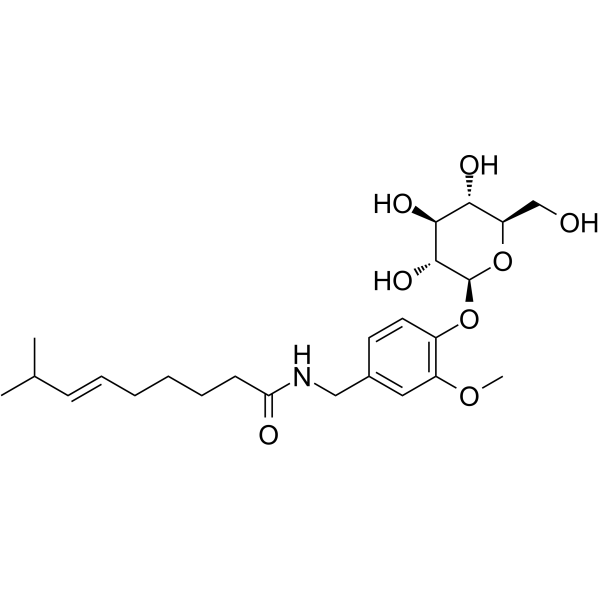
- Formula: C24H37NO8
- Molecular Weight: 467.55
Capsaicin β-D-glucopyranoside is a glucoside converted by Capsaicin. Capsaicin is the active ingredient of chili peppers and gives them the characteristic pungent flavor.
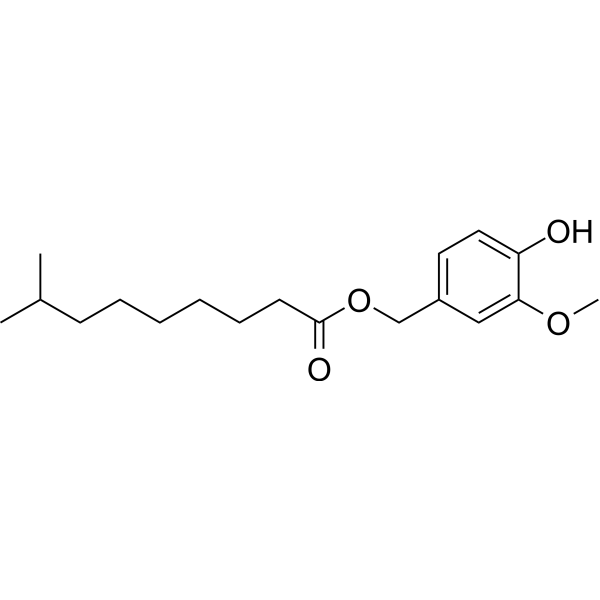
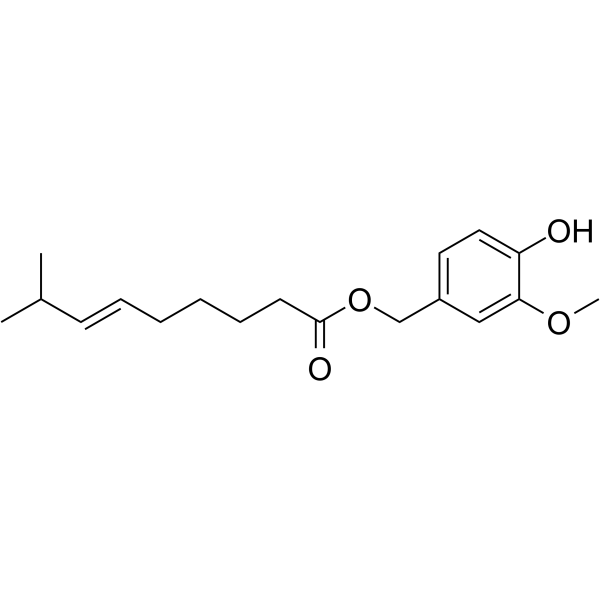
- Formula: C18H28O4
- Molecular Weight: 308.41
Dihydrocapsiate, as a compound of capsinoid family, is an orally active TRPV1 agonist. Dihydrocapsiate can be used for the research of metabolism disease.
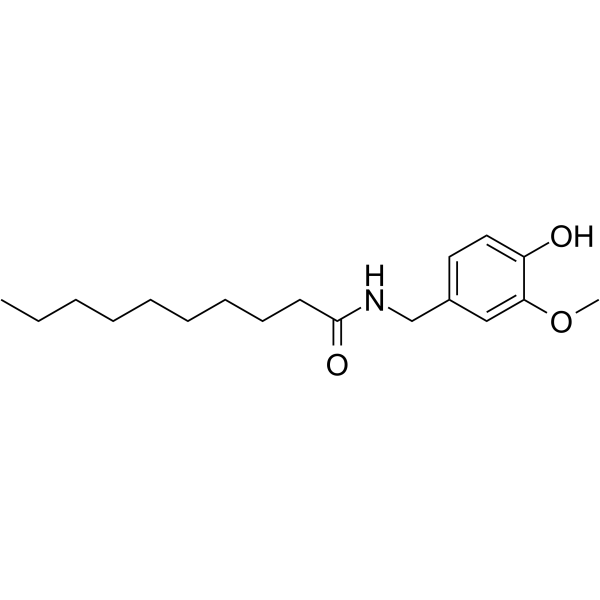
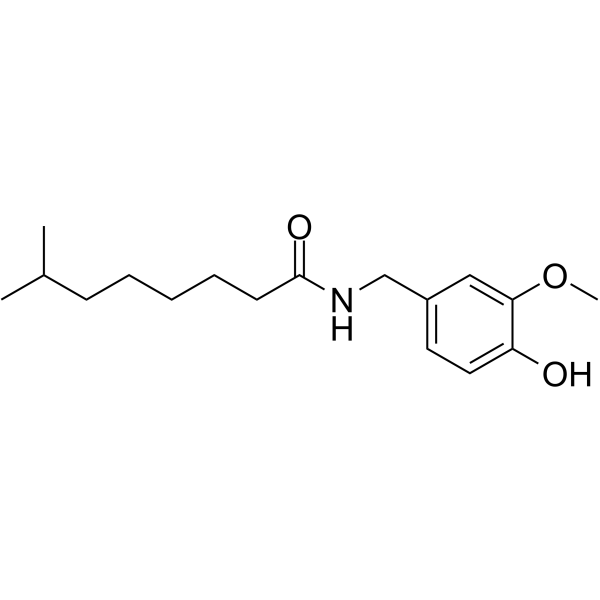
- Formula: C18H29NO3
- Molecular Weight: 307.43
N-Vanillyldecanamide, a capsaicinoid isolated from the fruits of Capsicum annuum, significantly reduced the radical length of Lactuca sativa seedling in a dose-dependent manner.
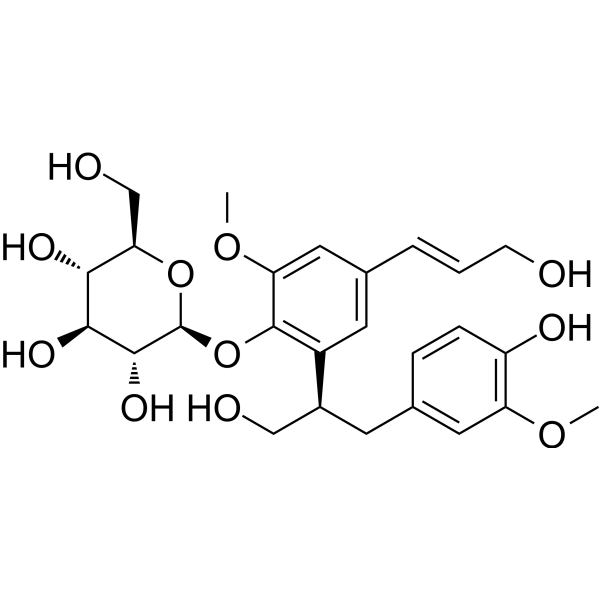
- Formula: C26H34O11
- Molecular Weight: 522.54
Icariside E5 is a lignan glycoside isolated from the Capsicum annuum. Icariside E5 promotes the proliferation of HUVECs without cytotoxicity. Icariside E5 has antioxidant properties.
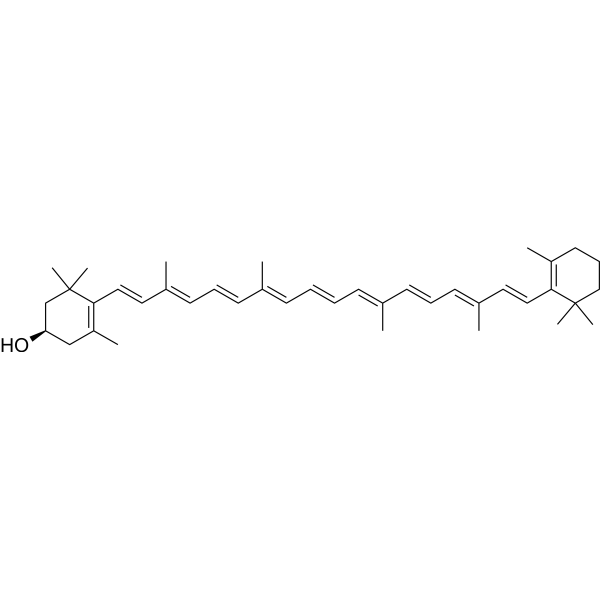
- Formula: C40H56O
- Molecular Weight: 552.87
β-Cryptoxanthin ((3R)-β-Cryptoxanthin) is an orally active carotenoid found in fruits and vegetables such as angerines, red peppers, and pumpkin. β-Cryptoxanthin inhibits prevents osteoclast formation and inhibits bone resorption. β-Cryptoxanthin maintains retinol status in vivo. β-cryptoxanthin shows anti-inflammation and anticancer activity. β-Cryptoxanthin can be used for the researches of osteoporosis and bladder carcer.

- Formula: C16H19NO3
- Molecular Weight: 273.33
Piperlonguminine (Standard) is the analytical standard of Piperlonguminine (HY-126562). This product is intended for research and analytical applications. Piperlonguminine is a cytochrome P450 (CYP450) inhibitor. Piperlonguminine also inhibits the growth of epimastigotes and intracellular amastigotes of Trypanosoma cruzi, with IC50 values of 53.8 and 33.9 μM, respectively. Piperlonguminine regulates HMGB1/TLR4-NF-κB/MAPK-related inflammatory responses, endothelial protein C receptor (EPCR) shedding, melanogenesis, glycolipid metabolism, ischemic brain injury and tumor growth. Piperlonguminine can be used in research on hyperlipidemia, sepsis, Chagas disease, ischemic stroke, sarcoma and severe acute pancreatitis-associated lung injury.
- 1
- 2



