



Capsaicin (Purity 65%)
Based on 21 publication(s) in Google Scholar
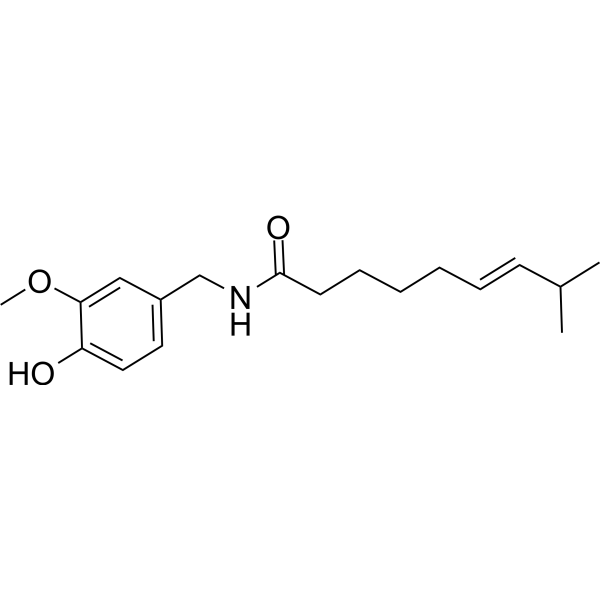
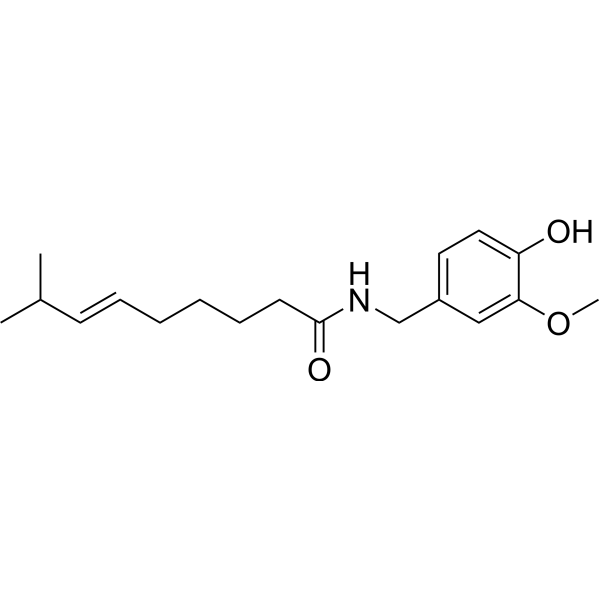
Capsaicin (Purity 65%) is a mixture of Capsaicin and Dihydrocapsaicin (Ratio >2:1). Capsaicin (Purity 65%) is an orally active capsaicin receptor (TRPV1) agonist.
For research use only. We do not sell to patients.
- Purity : 99.20%
- CAS No.: 404-86-4
- Formula: C18H27NO3
- Molecular Weight:305.41
-
Storage:
4°C, protect from light
* In solvent : -80°C, 2 years; -20°C, 1 year (protect from light)

To place orders, for customer services and technical support, please contact: MedChemExpress USA
Tel: 609-228-6898 E-mail: [email protected] [email protected]


-
 Biological Activity
-
Chemical Information
-
Solvent & Solubility
- Purity & Documentation
- References
-
 Help & FAQs


-
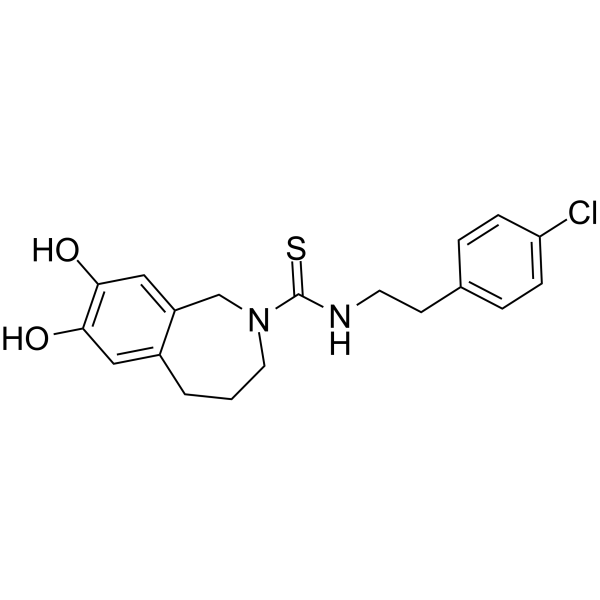
HY-15640
CapsazepineTRPV1 Antagonist -
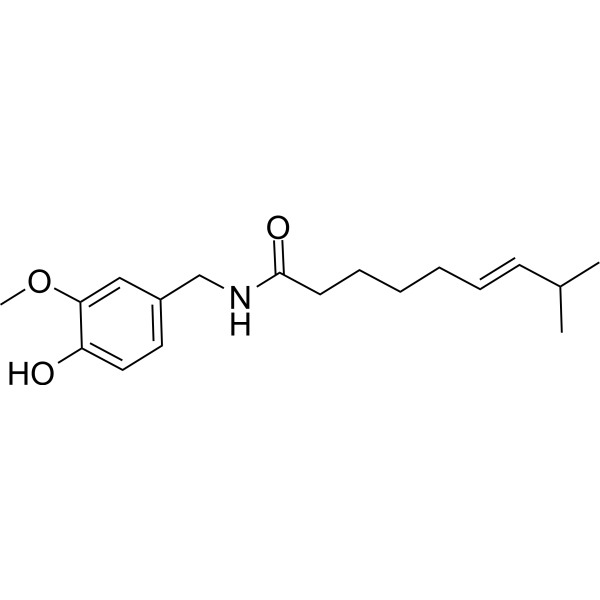
HY-10448
CapsaicinTRPV1 Agonist -
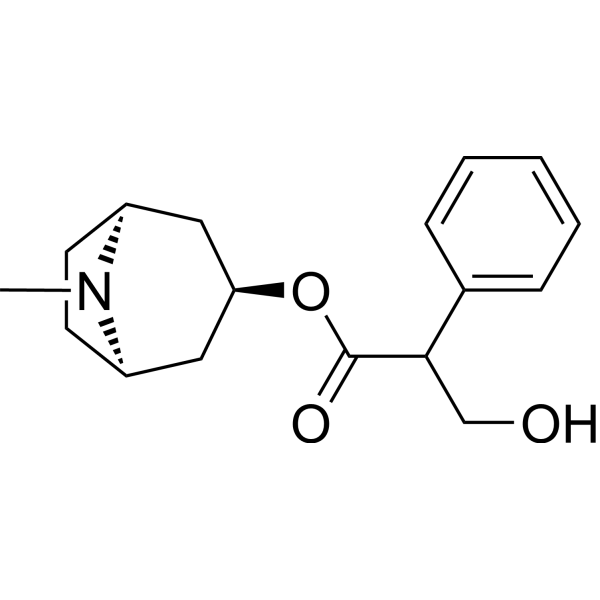
HY-B1205
AtropinemAChR Antagonist -
HY-10448R
Capsaicin (Standard)Analytical Standard -
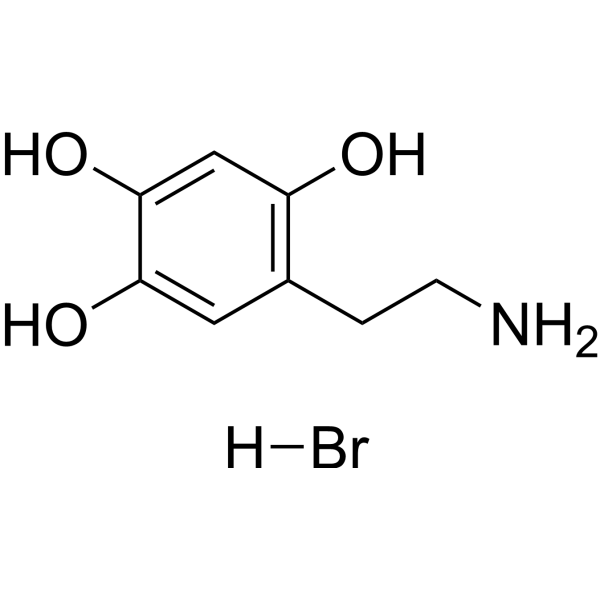
HY-B1081A
Oxidopamine hydrobromideNeurotoxin -
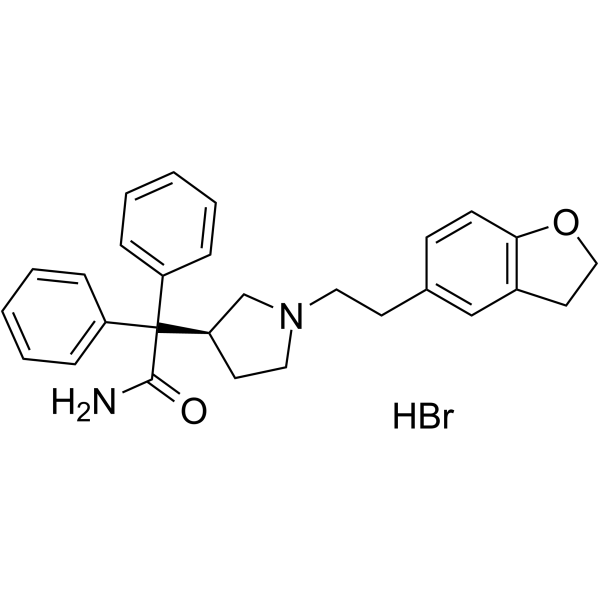
HY-A0012
Darifenacin hydrobromideM3 Muscarinic Receptor Antagonist -
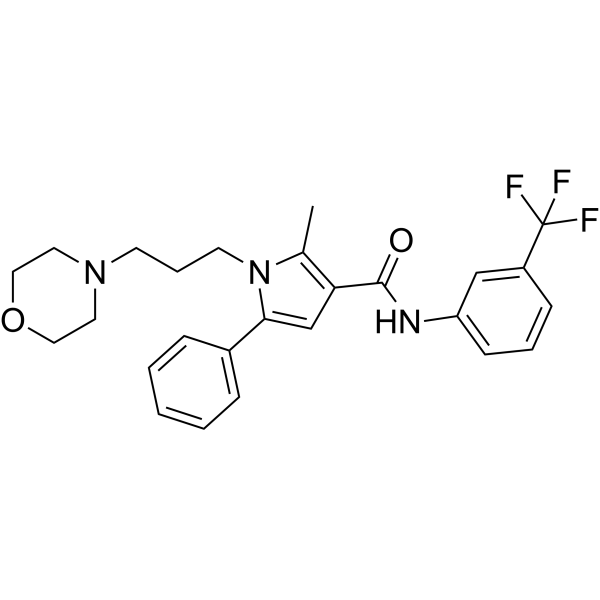
HY-100208
HC-067047TRPV4 Antagonist -
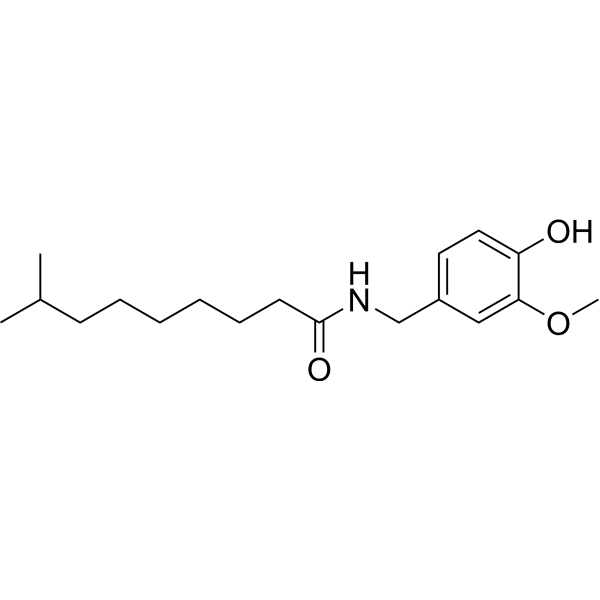
HY-N0361
DihydrocapsaicinTRPV1 Agonist -
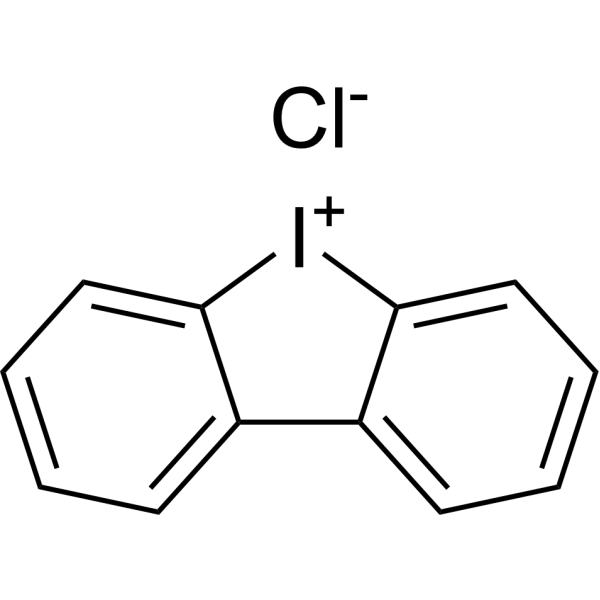
HY-100965
Diphenyleneiodonium chlorideNOX Inhibitor -

HY-10448AR
Capsaicin (Purity 65%) (Standard)TRPV1 Agonist -
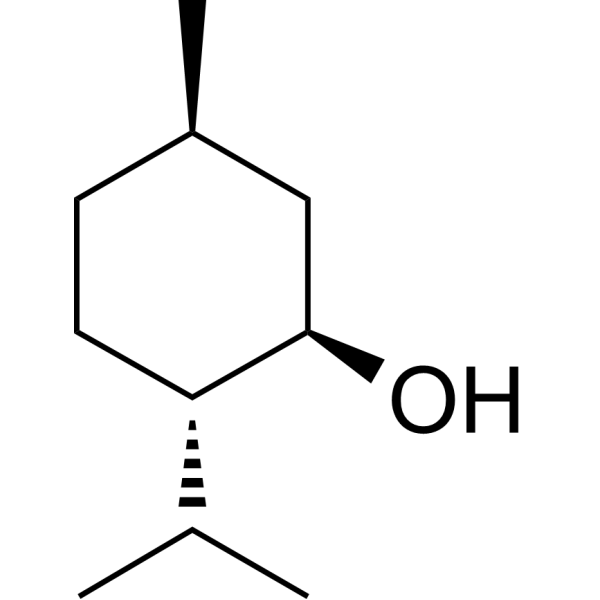
HY-75161
(-)-MentholEndogenous Metabolite -
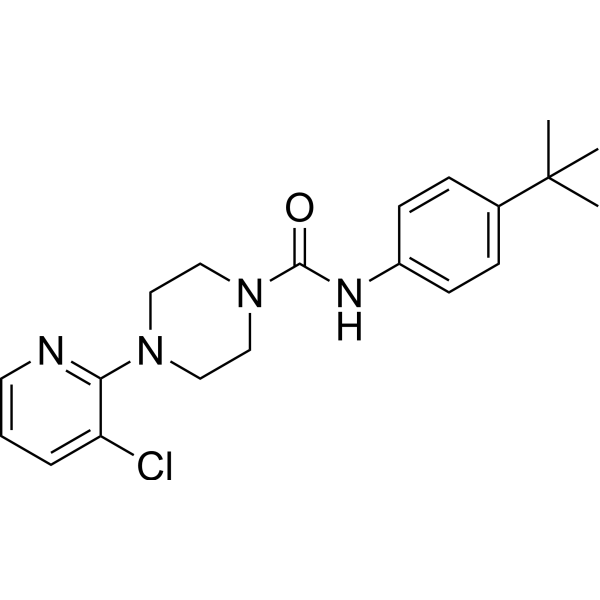
HY-19960
BCTCTRPV1/TRPM8 Antagonist
Publications Citing Use of MedChemExpress (MCE) Capsaicin (Purity 65%)
More- Neuron. 2020 Nov 25;108(4):707-721.e8. [Abstract]
- Theranostics. 2020 Jun 24;10(17):7906-7920. [Abstract]
- J Transl Med. 2025 Jan 23;23(1):112. [Abstract]
- Curr Biol. 2021 Jul 26;31(14):2995-3003.e4. [Abstract]
- J Ethnopharmacol. 2022 Feb 10:284:114780. [Abstract]
- Neurosci Bull. 2020 May;36(5):463-474. [Abstract]
- Neurosci Bull. 2020 Feb;36(2):143-152. [Abstract]
- Drug Des Devel Ther. 2021 Jan 12:15:125-140. [Abstract]
- Int Immunopharmacol. 2021 Dec;101(Pt B):108364. [Abstract]
- Stem Cell Rev Rep. 2021 Jun;17(3):999-1013. [Abstract]
- J Inflamm Res. 2021 Oct 14;14:5291-5304. [Abstract]
- Brain Res Bull. 2021 Apr:169:184-195. [Abstract]
- Front Physiol. 2021 Jun 3;12:673950. [Abstract]
- Clin Immunol. 2020 Nov:220:108578. [Abstract]
- J Endod. 2021 Sep;47(9):1409-1416. [Abstract]
- Pflugers Arch. 2020 Nov;472(11):1577-1586. [Abstract]
- J Mol Histol. 2021 Oct;52(5):1105-1114. [Abstract]
- Biochem Biophys Res Commun. 2019 Aug 20;516(2):365-372. [Abstract]
- Clin Exp Pharmacol Physiol. 2017 Jul;44(7):803-814. [Abstract]
- Eur Rev Med Pharmacol Sci. 2020 Jul;24(13):7399-7411. [Abstract]
- SSRN. 2020 Jun 25.
All Endogenous Metabolite Isoforms
More

Biological Activity
Description
Cellular Effect
|
Cell Line

|
Type | Value | Description | References |
|---|---|---|---|---|
| A2058 | IC50 |
>100 μM
Compound: Capsaicin
|
Cytotoxicity against human A2058 cells assessed as decrease in cell viability incubated for 24 hrs by MTT assay
Cytotoxicity against human A2058 cells assessed as decrease in cell viability incubated for 24 hrs by MTT assay
|
[PMID: 31104785] |
| B16-F10 | IC50 |
>100 μM
Compound: Capsaicin
|
Cytotoxicity against mouse B16F10 cells assessed as decrease in cell viability incubated for 24 hrs by MTT assay
Cytotoxicity against mouse B16F10 cells assessed as decrease in cell viability incubated for 24 hrs by MTT assay
|
[PMID: 31104785] |
| B16-F10 | IC50 |
117 μM
Compound: 1
|
Antiproliferative activity against B16-F10 cells assessed as inhibition of cell growth measured after 24 hrs by MTT assay
Antiproliferative activity against B16-F10 cells assessed as inhibition of cell growth measured after 24 hrs by MTT assay
|
[PMID: 37000154] |
| BGC-823 | IC50 |
4.659 μM
Compound: 1
|
Antiproliferative activity against human BGC-823 cells assessed as reduction in cell viability incubated for 5 days by MTS assay
Antiproliferative activity against human BGC-823 cells assessed as reduction in cell viability incubated for 5 days by MTS assay
|
[PMID: 33581557] |
| CHO | EC50 |
25.9 nM
Compound: 1; CAP
|
Agonist activity at human TRPV1 expressed in CHO cells assessed as increase in 45Ca2+ uptake incubated for 5 mins by liquid scintillation counting method
Agonist activity at human TRPV1 expressed in CHO cells assessed as increase in 45Ca2+ uptake incubated for 5 mins by liquid scintillation counting method
|
[PMID: 31702924] |
| CHO | EC50 |
44.8 nM
Compound: 1; CAP
|
Agonist activity at rat TRPV1 expressed in CHO cells assessed as increase in 45Ca2+ uptake incubated for 5 mins by liquid scintillation counting method
Agonist activity at rat TRPV1 expressed in CHO cells assessed as increase in 45Ca2+ uptake incubated for 5 mins by liquid scintillation counting method
|
[PMID: 31702924] |
| CHO | EC50 |
44.8 nM
Compound: Capsaicin
|
In vitro [Ca2+] influx relative to capsaicin by Rat Vanilloid receptor (VR1) expressing CHO cells
In vitro [Ca2+] influx relative to capsaicin by Rat Vanilloid receptor (VR1) expressing CHO cells
|
[PMID: 12825950] |
| CHO | EC50 |
44.8 nM
Compound: Capsaicin
|
Agonist activity at rat TRPV1 receptor expressed in CHO cells assessed as calcium uptake
Agonist activity at rat TRPV1 receptor expressed in CHO cells assessed as calcium uptake
|
[PMID: 19135377] |
| HBMEC-2 | EC50 |
16.37 μM
Compound: Capsaicin
|
Neuroprotective activity against H2O2-induced cell damage in human HBMEC2 cells assessed as increase in cell viability preincubated for 24 hrs followed by H2O2 addition and measured after 4 hrs by MTT assay
Neuroprotective activity against H2O2-induced cell damage in human HBMEC2 cells assessed as increase in cell viability preincubated for 24 hrs followed by H2O2 addition and measured after 4 hrs by MTT assay
|
[PMID: 31541868] |
| HCT-116 | IC50 |
40.16 μM
Compound: Capsaicin
|
Antiproliferative activity against human HCT-116 cells assessed as cell growth inhibition measured after 72 hrs by crystal violet staining based assay
Antiproliferative activity against human HCT-116 cells assessed as cell growth inhibition measured after 72 hrs by crystal violet staining based assay
|
[PMID: 34795858] |
| HEK293 | EC50 |
0.0039 μM
Compound: Capsaicin
|
Agonist activity at human TRPV1 ion channel expressed in HEK293 cells assessed as calcium influx by fluo-4-Am-based fluorimetry
Agonist activity at human TRPV1 ion channel expressed in HEK293 cells assessed as calcium influx by fluo-4-Am-based fluorimetry
|
[PMID: 22257892] |
| HEK293 | EC50 |
0.0053 μM
Compound: 1a
|
Agonist activity at human recombinant TRPV1 expressed in HEK293 cells assessed as Ca2+ influx by Fluo-4 dye based assay
Agonist activity at human recombinant TRPV1 expressed in HEK293 cells assessed as Ca2+ influx by Fluo-4 dye based assay
|
[PMID: 25666822] |
| HEK293 | EC50 |
0.02 μM
Compound: capsaicin
|
Agonist activity at human recombinant TRPV1 expressed in HEK293 cells assessed as increase in intracellular calcium level
Agonist activity at human recombinant TRPV1 expressed in HEK293 cells assessed as increase in intracellular calcium level
|
[PMID: 19361197] |
| HEK293 | EC50 |
40 nM
Compound: 1a
|
Agonist activity at human TRPV1 expressed in HEK293 cells assessed as increase in intracellular calcium level
Agonist activity at human TRPV1 expressed in HEK293 cells assessed as increase in intracellular calcium level
|
[PMID: 19951840] |
| HEK293 | EC50 |
40 nM
Compound: capsaicin
|
Agonist activity at human recombinant TRPV1 expressed in human HEK293 cells
Agonist activity at human recombinant TRPV1 expressed in human HEK293 cells
|
[PMID: 17046253] |
| HEK293 | IC50 |
0.008 μM
Compound: 1a
|
Antagonist activity against human recombinant TRPV1 expressed in HEK293 cells assessed as inhibition of capsaicin-induced Ca2+ influx pre-treated 5 mins before capsaicin addition by Fluo-4 dye based assay
Antagonist activity against human recombinant TRPV1 expressed in HEK293 cells assessed as inhibition of capsaicin-induced Ca2+ influx pre-treated 5 mins before capsaicin addition by Fluo-4 dye based assay
|
[PMID: 25666822] |
| HeLa | IC50 |
>50 μM
Compound: CAP
|
Antiproliferative activity against human HeLa cells after 48 hrs by MTT assay
Antiproliferative activity against human HeLa cells after 48 hrs by MTT assay
|
[PMID: 29685681] |
| Jurkat | IC50 |
~ 128 μM
Compound: 1
|
Induction of apoptosis in human Jurkat cells assessed as increase in apoptotic cells by propidium iodide staining based flow cytometry
Induction of apoptosis in human Jurkat cells assessed as increase in apoptotic cells by propidium iodide staining based flow cytometry
|
[PMID: 37000154] |
| K562 | IC50 |
49.41 μM
Compound: CAP
|
Antiproliferative activity against human K562 cells after 48 hrs by MTT assay
Antiproliferative activity against human K562 cells after 48 hrs by MTT assay
|
[PMID: 29685681] |
| MCF7 | IC50 |
~ 53 μM
Compound: 1
|
Antiproliferative activity against human MCF7 cells assessed as inhibition of cell growth incubated for 24 hrs by MTT assay
Antiproliferative activity against human MCF7 cells assessed as inhibition of cell growth incubated for 24 hrs by MTT assay
|
[PMID: 37000154] |
| MCF7 | IC50 |
100 μM
Compound: Capsaicin
|
Antiproliferative activity in human MCF7 cells assessed as cell growth inhibition by MTT assay
Antiproliferative activity in human MCF7 cells assessed as cell growth inhibition by MTT assay
|
[PMID: 33508189] |
| MCF7 | IC50 |
49.97 μM
Compound: CAP
|
Antiproliferative activity against human MCF7 cells after 48 hrs by MTT assay
Antiproliferative activity against human MCF7 cells after 48 hrs by MTT assay
|
[PMID: 29685681] |
| MDA-MB-231 | IC50 |
120 μM
Compound: 24
|
Antiproliferative activity against human MDA-MB-231 cells incubated for 24 hrs by MTT assay
Antiproliferative activity against human MDA-MB-231 cells incubated for 24 hrs by MTT assay
|
[PMID: 32686940] |
| NCI-H1299 | IC50 |
>=200 μM
Compound: 1
|
Antiproliferative activity against human NCI-H1299 cells assessed as inhibition of cell growth measured after 24 hrs by MTT assay
Antiproliferative activity against human NCI-H1299 cells assessed as inhibition of cell growth measured after 24 hrs by MTT assay
|
[PMID: 37000154] |
| NCI-H460 | IC50 |
30.66 μM
Compound: Capsaicin
|
Antiproliferative activity against human NCI-H460 cells assessed as cell growth inhibition measured after 72 hrs by crystal violet staining based assay
Antiproliferative activity against human NCI-H460 cells assessed as cell growth inhibition measured after 72 hrs by crystal violet staining based assay
|
[PMID: 34795858] |
| SH-SY5Y | EC50 |
14.02 μM
Compound: Capsaicin
|
Neuroprotective activity against H2O2-induced cell damage in human SH-SY5Y cells assessed as increase in cell viability preincubated for 24 hrs followed by H2O2 addition and measured after 4 hrs by MTT assay
Neuroprotective activity against H2O2-induced cell damage in human SH-SY5Y cells assessed as increase in cell viability preincubated for 24 hrs followed by H2O2 addition and measured after 4 hrs by MTT assay
|
[PMID: 31541868] |
| SH-SY5Y | EC50 |
2.32 μM
Compound: Capsaicin
|
Agonist activity at rat TRPV1 expressed in human SH-SY5Y cells assessed as intracellular calcium accumulation by Fluo-4 NW dye based fluorescence assay
Agonist activity at rat TRPV1 expressed in human SH-SY5Y cells assessed as intracellular calcium accumulation by Fluo-4 NW dye based fluorescence assay
|
[PMID: 30783490] |
| SK-MEL-25 | IC50 |
>100 μM
Compound: Capsaicin
|
Cytotoxicity against human SK-MEL-25 cells assessed as decrease in cell viability incubated for 24 hrs by MTT assay
Cytotoxicity against human SK-MEL-25 cells assessed as decrease in cell viability incubated for 24 hrs by MTT assay
|
[PMID: 31104785] |
| SK-OV-3 | IC50 |
22.03 μM
Compound: Capsaicin
|
Antiproliferative activity against human SK-OV-3 cells assessed as cell growth inhibition measured after 72 hrs by crystal violet staining based assay
Antiproliferative activity against human SK-OV-3 cells assessed as cell growth inhibition measured after 72 hrs by crystal violet staining based assay
|
[PMID: 34795858] |
| T47D | IC50 |
100 μM
Compound: Capsaicin
|
Antiproliferative activity in human T47D cells assessed as cell growth inhibition by MTT assay
Antiproliferative activity in human T47D cells assessed as cell growth inhibition by MTT assay
|
[PMID: 33508189] |
| U-87MG ATCC | IC50 |
>100 μM
Compound: Capsaicin
|
Cytotoxicity against human U87 cells assessed as decrease in cell viability incubated for 24 hrs by MTT assay
Cytotoxicity against human U87 cells assessed as decrease in cell viability incubated for 24 hrs by MTT assay
|
[PMID: 31104785] |
In Vitro
Capsaicin is the main Capsaicinoid in chili peppers, followed by Dihydrocapsaicin. These two compounds provide about twice hotness to the taste and nerves as the minor capsaicinoids[2].
MedChemExpress (MCE) has not independently confirmed the accuracy of these methods. They are for reference only. .
In Vivo
Please do not refer to only one article to determine the experimental conditions. It is recommended to determine the optimal experimental conditions (animal strain, age, dosage, frequency and cycle, detection time and indicators, etc.) through preliminary experiments before the formal experiment.
Note:
Please do not refer to only one article to determine the experimental conditions. It is recommended to determine the optimal experimental conditions (animal strain, age, dosage, frequency and cycle, detection time and indicators, etc.) through preliminary experiments before the formal experiment.
Capsaicin (Purity 65%) (1-10 mg/kg, oral gavage) increases chlorzoxazone 6-hydroxylase activity and the expression of CYP2E1 in liver microsomes of rats[4].
Capsaicin (Purity 65%) (10 mg/kg, s.c.) shows the Cmax of 104.9 ng/mL for Capsaicin and 54.3 ng/mL for Dihydrocapsaicin, the Tmax of 5 h for Capsaicin and 4 h for Dihydrocapsaicin[5].
Capsaicin is more pungent than Dihydrocapsaicin (HY-N0361)[6].
MedChemExpress (MCE) has not independently confirmed the accuracy of these methods. They are for reference only.


Chemical Information
-
CAS No. 404-86-4
-
Appearance Solid
-
Molecular Weight 305.41
-
Formula C18H27NO3
-
Color White to light yellow
-
SMILES
CC(C)/C=C/CCCCC(NCC1=CC=C(O)C(OC)=C1)=O
-
Structure Classification
-
Initial Source
-
Shipping
Room temperature in continental US; may vary elsewhere.
-
Storage
4°C, protect from light
* In solvent : -80°C, 2 years; -20°C, 1 year (protect from light)


Publications (21)
-
Journal Impact Factor
-
Most Recent
-
Neuron
2020 Nov 25;108(4):707-721.e8. PMID: 32970991 -
Theranostics
Therapeutic potential of targeting MKK3-p38 axis with Capsaicin for Nasopharyngeal Carcinoma. [Abstract]2020 Jun 24;10(17):7906-7920. PMID: 32685028 -
J Transl Med
Increased nerve density adversely affects outcome in colorectal cancer and denervation suppresses tumor growth. [Abstract]2025 Jan 23;23(1):112. PMID: 39849539 -
Curr Biol
Molecular sensors for temperature detection during behavioral thermoregulation in turtle embryos. [Abstract]2021 Jul 26;31(14):2995-3003.e4. PMID: 34015251 -
J Ethnopharmacol
SZAP exerts analgesic effects on rheumatalgia in CIA rats by suppressing pain hyperalgesia and inhibiting TRPV1 and P2X3. [Abstract]2022 Feb 10:284:114780. PMID: 34728318 -
Neurosci Bull
Angiotensin Type 1 Receptors and Superoxide Anion Production in Hypothalamic Paraventricular Nucleus Contribute to Capsaicin-Induced Excitatory Renal Reflex and Sympathetic Activation. [Abstract]2020 May;36(5):463-474. PMID: 31989424 -
Neurosci Bull
Chemical Stimulation of Renal Tissue Induces Sympathetic Activation and a Pressor Response via the Paraventricular Nucleus in Rats. [Abstract]2020 Feb;36(2):143-152. PMID: 31392556 -
Drug Des Devel Ther
Capsaicin Inhibits Proliferation and Induces Apoptosis in Breast Cancer by Down-Regulating FBI-1-Mediated NF-κB Pathway. [Abstract]2021 Jan 12:15:125-140. PMID: 33469265 -
Int Immunopharmacol
Paeoniflorin alleviates CFA-induced inflammatory pain by inhibiting TRPV1 and succinate/SUCNR1-HIF-1α/NLPR3 pathway. [Abstract]2021 Dec;101(Pt B):108364. PMID: 34844873 -
Stem Cell Rev Rep
2021 Jun;17(3):999-1013. PMID: 33389681 -
J Inflamm Res
Capsaicin Protects Against Lipopolysaccharide-Induced Acute Lung Injury Through the HMGB1/NF-κB and PI3K/AKT/mTOR Pathways. [Abstract]2021 Oct 14;14:5291-5304. PMID: 34703269 -
Brain Res Bull
Projecting neurons in spinal dorsal horn send collateral projections to dorsal midline/intralaminar thalamic complex and parabrachial nucleus. [Abstract]2021 Apr:169:184-195. PMID: 33508400 -
Front Physiol
Dysregulation of the Excitatory Renal Reflex in the Sympathetic Activation of Spontaneously Hypertensive Rat. [Abstract]2021 Jun 3;12:673950. PMID: 34149454 -
Clin Immunol
2020 Nov:220:108578. PMID: 32861810 -
J Endod
Activation of Transient Receptor Potential Ankyrin 1 and Vanilloid 1 Channels Promotes Odontogenic Differentiation of Human Dental Pulp Cells. [Abstract]2021 Sep;47(9):1409-1416. PMID: 34126160 -
Pflugers Arch
2020 Nov;472(11):1577-1586. PMID: 32915316 -
J Mol Histol
2021 Oct;52(5):1105-1114. PMID: 34514518 -
Biochem Biophys Res Commun
2019 Aug 20;516(2):365-372. PMID: 31213294 -
Clin Exp Pharmacol Physiol
Anti-inflammatory and retinal protective effects of capsaicin on ischaemia-induced injuries through the release of endogenous somatostatin. [Abstract]2017 Jul;44(7):803-814. PMID: 28429852 -
Eur Rev Med Pharmacol Sci
Involvement of nNOS in the antinociceptive activity of melatonin in inflammatory pain at the level of sensory neurons. [Abstract]2020 Jul;24(13):7399-7411. PMID: 32706079 -


Solvent & Solubility
In Vitro:
DMSO : 100 mg/mL (327.43 mM; Need ultrasonic; Hygroscopic DMSO has a significant impact on the solubility of product, please use newly opened DMSO)
Please refer to the solubility information to select the appropriate solvent. Once prepared, please aliquot and store the solution to prevent product inactivation from repeated freeze-thaw cycles.
Storage method and period of stock solution: -80°C, 2 years; -20°C, 1 year (protect from light). When stored at -80°C, please use it within 2 years. When stored at -20°C, please use it within 1 year.
Please refer to the solubility information to select the appropriate solvent. Once prepared, please aliquot and store the solution to prevent product inactivation from repeated freeze-thaw cycles.
Storage method and period of stock solution: -80°C, 2 years; -20°C, 1 year (protect from light). When stored at -80°C, please use it within 2 years. When stored at -20°C, please use it within 1 year.
Concentration (start) × Volume (start) = Concentration (final) × Volume (final)
In Vivo:
Select the appropriate dissolution method based on your experimental animal and administration route.
- For the following dissolution methods, please ensure to first prepare a clear stock solution using an In Vitro approach and then sequentially add co-solvents:
- To ensure reliable experimental results, the clarified stock solution can be appropriately stored based on storage conditions. As for the working solution for In Vivo experiments, it is recommended to prepare freshly and use it on the same day.
- The percentages shown for the solvents indicate their volumetric ratio in the final prepared solution. If precipitation or phase separation occurs during preparation, heat and/or sonication can be used to aid dissolution.
Add each solvent one by one: 10% DMSO 40% PEG300 5% Tween-80 45% Saline
Solubility: ≥ 2.5 mg/mL (8.19 mM); Clear solution
This protocol yields a clear solution of ≥ 2.5 mg/mL (saturation unknown).
Taking 1 mL working solution as an example, add 100 μL DMSO stock solution (25.0 mg/mL) to 400 μL PEG300, and mix evenly; then add 50 μL Tween-80 and mix evenly; then add 450 μL Saline to adjust the volume to 1 mL.
Preparation of Saline: Dissolve 0.9 g sodium chloride in ddH₂O and dilute to 100 mL to obtain a clear Saline solution.
Add each solvent one by one: 10% DMSO 90% (20% SBE-β-CD in Saline)
Solubility: ≥ 2.5 mg/mL (8.19 mM); Clear solution
This protocol yields a clear solution of ≥ 2.5 mg/mL (saturation unknown).
Taking 1 mL working solution as an example, add 100 μL DMSO stock solution (25.0 mg/mL) to 900 μL 20% SBE-β-CD in Saline, and mix evenly.
Preparation of 20% SBE-β-CD in Saline (4°C, storage for one week): 2 g SBE-β-CD powder is dissolved in 10 mL Saline, completely dissolve until clear.
In Vivo Dissolution Calculator
Please enter the basic information of animal experiments:
-
-
-
-
Recommended: Prepare an additional quantity of animals to account for potential losses during experiments.
Please enter your animal formula composition:
-
%DMSO +
Recommended: Keep the proportion of DMSO in working solution below 2% if your animal is weak.
-
%+
-
+%Tween-80 + +
-
%Saline +
The co-solvents required include: DMSO, . All of co-solvents are available by MedChemExpress (MCE). , Tween 80. All of co-solvents are available by MedChemExpress (MCE).
Working solution concentration: 0.22 mg/mL
Method for preparing stock solution: mg drug dissolved in μL DMSO. Stock solution concentration: mg/mL. * In solvent : -80°C, 2 years; -20°C, 1 year (protect from light)
1. Take μL DMSO stock solution;
2. Add μL .
μL , mix evenly;
3. Then add μL Tween 80, mix evenly;
4. Then add μL
Please ensure that the stock solution in the first step is dissolved to a clear state, and add co-solvents in sequence. You can use ultrasonic heating (ultrasonic cleaner, recommended frequency 20-40 kHz), vortexing, etc. to assist dissolution.


Purity & Documentation
-
Data Sheet (279 KB)
-
SDS (806 KB)
- English - EN (806 KB)
- Français - FR (806 KB)
- Deutsch - DE (806 KB)
- Norwegian - NO (806 KB)
- Español - ES (806 KB)
- Swedish - SV (806 KB)
- Italian - IT (806 KB)
- Korean - KR (806 KB)
- Portuguese - PT (806 KB)
-
Handling Instructions (2659 KB)
References
[1]. Hoyoun Cho, et al. Development of a database of capsaicinoid contents in foods commonly consumed in Korea. Food Sci Nutr. 2020 Jul 16;8(8):4611-4624. [Content Brief]
[2]. Krishnapura Srinivasan. Biological Activities of Red Pepper (Capsicum annuum) and Its Pungent Principle Capsaicin: A Review. Crit Rev Food Sci Nutr. 2016 Jul 3;56(9):1488-500. [Content Brief]
[3]. Zhang QH, et al. Effects of capsaicin and dihydrocapsaicin on human and rat liver microsomal CYP450 enzyme activities in vitro and in vivo. J Asian Nat Prod Res. 2012;14(4):382-95. [Content Brief]
[4]. Zhang Q, et al. Simultaneous quantification of capsaicin and dihydrocapsaicin in rat plasma using HPLC coupled with tandem mass spectrometry. J Chromatogr B Analyt Technol Biomed Life Sci. 2010 Aug 15;878(24):2292-7. [Content Brief]
[5]. Joshi SK, et al Comparison of antinociceptive actions of standard analgesics in attenuating capsaicin and nerve-injury-induced mechanical hypersensitivity. Neuroscience. 2006 Dec 1;143(2):587-96. [Content Brief]


Complete Stock Solution Preparation Table
Please refer to the solubility information to select the appropriate solvent. Once prepared, please aliquot and store the solution to prevent product inactivation from repeated freeze-thaw cycles.
Storage method and period of stock solution: -80°C, 2 years; -20°C, 1 year (protect from light). When stored at -80°C, please use it within 2 years. When stored at -20°C, please use it within 1 year.
| Optional Solvent | Concentration Solvent Mass | 1 mg | 5 mg | 10 mg | 25 mg |
|---|---|---|---|---|---|
| DMSO | 1 mM | 3.2743 mL | 16.3714 mL | 32.7429 mL | 81.8572 mL |
| 5 mM | 0.6549 mL | 3.2743 mL | 6.5486 mL | 16.3714 mL | |
| 10 mM | 0.3274 mL | 1.6371 mL | 3.2743 mL | 8.1857 mL | |
| 15 mM | 0.2183 mL | 1.0914 mL | 2.1829 mL | 5.4571 mL | |
| 20 mM | 0.1637 mL | 0.8186 mL | 1.6371 mL | 4.0929 mL | |
| 25 mM | 0.1310 mL | 0.6549 mL | 1.3097 mL | 3.2743 mL | |
| 30 mM | 0.1091 mL | 0.5457 mL | 1.0914 mL | 2.7286 mL | |
| 40 mM | 0.0819 mL | 0.4093 mL | 0.8186 mL | 2.0464 mL | |
| 50 mM | 0.0655 mL | 0.3274 mL | 0.6549 mL | 1.6371 mL | |
| 60 mM | 0.0546 mL | 0.2729 mL | 0.5457 mL | 1.3643 mL | |
| 80 mM | 0.0409 mL | 0.2046 mL | 0.4093 mL | 1.0232 mL | |
| 100 mM | 0.0327 mL | 0.1637 mL | 0.3274 mL | 0.8186 mL |


Capsaicin (Purity 65%) Related Classifications
HY-10448A Related Classifications
 Powered by Bioz