



Human Endogenous Metabolite
Human endogenous metabolites serve critical roles in maintaining cellular and systemic homeostasis through diverse biochemical pathways[1][2]. These metabolites participate in intercellular communication, modulating signaling cascades such as kinase activation, receptor engagement, and transcriptional regulation[1][3]. For instance, β-hydroxybutyrate functions not only as an energy substrate during fasting or exercise but also as an epigenetic modifier and agonist for G-protein-coupled receptor GPR109A, influencing inflammatory and neuroprotective pathways[4]. Similarly, indoxyl 3-sulfate (I3S), a uremic metabolite, selectively activates the human aryl hydrocarbon receptor (AHR), regulating genes including CYP1A1, CYP1A2, and IL6, and contributes to pathophysiology in renal disease[5][6]. Compared with related isoforms, I3S exhibits approximately 500-fold higher potency in human AHR activation than in mouse, highlighting species-specific isoform distinctions[5]. Other metabolites, such as shikimic acid, inhibit vascular smooth muscle cell proliferation and migration through modulation of ERK1/2, AKT, and AMPK pathways, illustrating their functional relevance in cardiovascular research models[2]. Endogenous hydrogen sulfide, generated by CBS and CSE, mediates tissue-specific physiological effects in the genito-urinary system and represents a potential therapeutic target for disorders such as erectile dysfunction and preeclampsia[7]. These findings collectively support the utility of endogenous metabolites as modulators of signaling, disease biomarkers, and candidates for experimental pharmacological studies[1][8][3].
References:
- [1]. Suresh VV, et al. Not Just an Alternative Energy Source: Diverse Biological Functions of Ketone Bodies and Relevance of HMGCS2 to Health and Disease. Biomolecules. 2025 Apr 14;15(4):580. [Content Brief]
- [2]. Schroeder JC, et al. The uremic toxin 3-indoxyl sulfate is a potent endogenous agonist for the human aryl hydrocarbon receptor. Biochemistry. 2010 Jan 19;49(2):393-400. [Content Brief]
- [3]. Kot M. Aryl Hydrocarbon Receptor Establishes a Delicate Balance between the Level of the Trace Amine Tryptamine and Monoamine Oxidase Activity in the Brain and Periphery in Health and Conditions such as Neurodegenerative, et al. Aryl Hydrocarbon Receptor Establishes a Delicate Balance between the Level of the Trace Amine Tryptamine and Monoamine Oxidase Activity in the Brain and Periphery in Health and Conditions such as Neurodegenerative, Neurodevelopmental, and Psychiatric Disorders. Curr Neuropharmacol. 2025;23(11):1328-1350. [Content Brief]
- [4]. Gao J, et al. MACC: a visual interactive knowledgebase of metabolite-associated cell communications. Nucleic Acids Res. 2024 Jan 5;52(D1):D633-D639. [Content Brief]
- [5]. d'Emmanuele di Villa Bianca R, et al. The Role of the Hydrogen Sulfide Pathway in Male and Female Urogenital System in Health and Disease. Antioxid Redox Signal. 2017 Oct 1;27(10):654-668. [Content Brief]
- [6]. Kumariya S, et al. Gut microbiota-derived Metabolite, Shikimic Acid, inhibits vascular smooth muscle cell proliferation and migration. Biochem Pharmacol. 2024 Nov;229:116524. [Content Brief]
- [7]. Hwang J, et al. Enhancement of endocannabinoid signaling by fatty acid amide hydrolase inhibition: a neuroprotective therapeutic modality. Life Sci. 2010 Apr 10;86(15-16):615-23. [Content Brief]
- [8]. Long MJC, et al. An Oculus to Profile and Probe Target Engagement In Vivo: How T-REX Was Born and Its Evolution into G-REX. Acc Chem Res. 2021 Feb 2;54(3):618-631. [Content Brief]
-
Human Endogenous Metabolite Related Products (1382)
Related Products (1382)

-
Antibodies (4)
-
Acetylcysteine
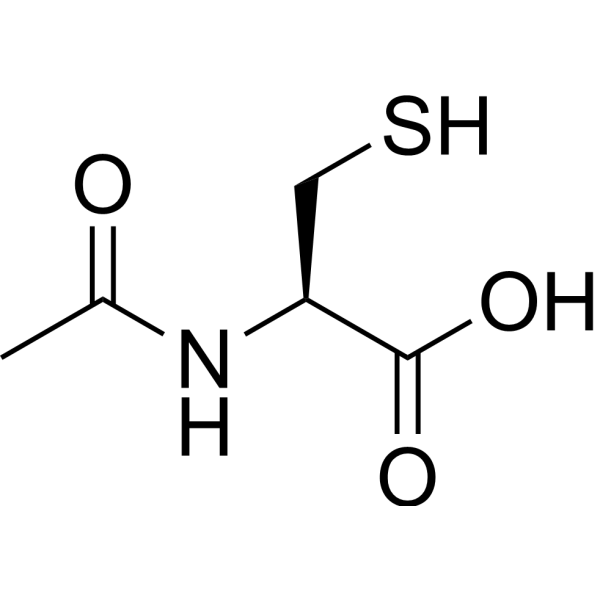 0 ImagesSynonyms: N-Acetylcysteine; N-Acetyl-L-cysteine; NACAcetylcysteine (N-Acetylcysteine) is a mucolytic agent that can cross the blood-brain barrier, which reduces the thickness of the mucus. Acetylcysteine is a ROS inhibitor. Acetylcysteine is a cysteine precursor, prevents hemin-induced ferroptosis by neutralizing toxic lipids generated by arachidonate-dependent activity of 5-lipoxygenases. Acetylcysteine induces cell apoptosis. Acetylcysteine also has anti-influenza virus activities. In addition, Acetylcysteine is the most stable form of cysteine during drug delivery and can be used in disulfidptosis studies.
-
Retinoic acid
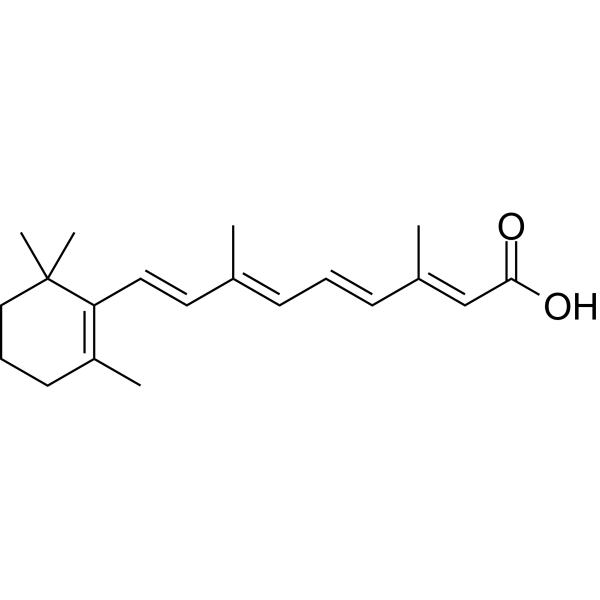 0 ImagesSynonyms: Vitamin A acid; all-trans-Retinoic acid; ATRARetinoic acid is a metabolite of vitamin A that plays important roles in cell growth, differentiation, and organogenesis. Retinoic acid is a natural agonist of RAR nuclear receptors, with IC50s of 14 nM for RARα/β/γ. Retinoic acid bind to PPARβ/δ with Kd of 17 nM. Retinoic acid acts as an inhibitor of transcription factor Nrf2 through activation of retinoic acid receptor alpha.
-
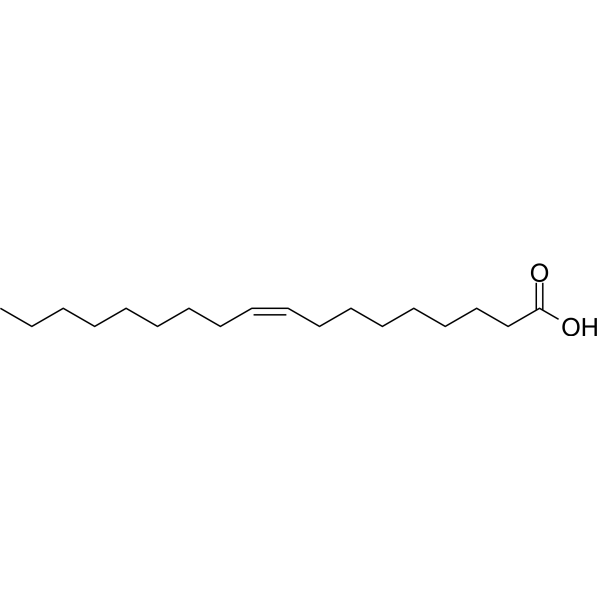
Palmitic acid
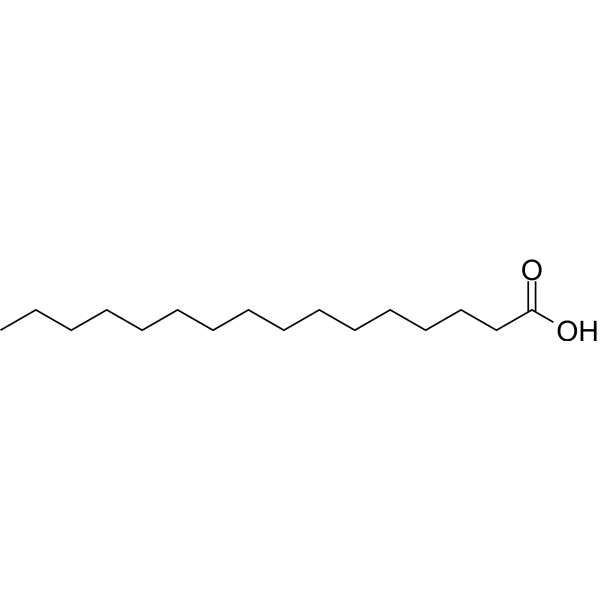 0 ImagesPalmitic acid is a long-chain saturated fatty acid commonly found in both animals and plants. PA can induce the expression of glucose-regulated protein 78 (GRP78) and CCAAT/enhancer binding protein homologous protein (CHOP) in in mouse granulosa cells. Palmitic acid is used to establish a cell steatosis model.
-
Cholesterol (from animal)
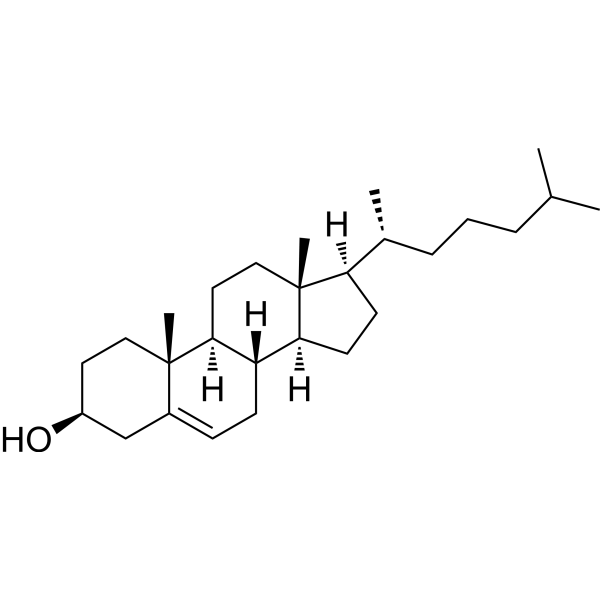 0 ImagesCholesterol (from animal) is the major sterol in mammals. It is making up 20-25% of structural component of the plasma membrane. Plasma membranes are highly permeable to water but relatively impermeable to ions and protons. Cholesterol (from animal) plays an important role in determining the fluidity and permeability characteristics of the membrane as well as the function of both the transporters and signaling proteins. Cholesterol (from animal) is also an endogenous estrogen-related receptor α (ERRα) agonist.
-
Lactic acid
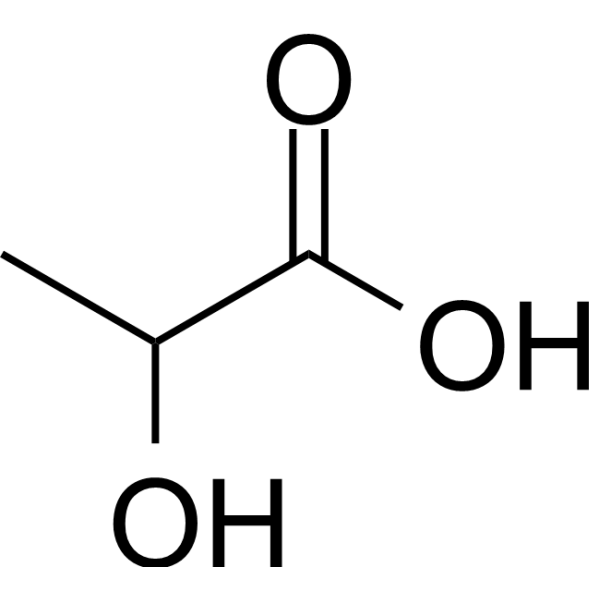 0 ImagesLactic acid (DL-Lactic acid) is a hydroxycarboxylic acid receptor 1 (HCAR1) activator and an epigenetic modulator inducing lysine residues lactylation. Lactic acid is a glycolysis end-product, bridging the gap between glycolysis and oxidative phosphorylation. Lactic acid is an oncometabolite and has immune protective role of lactate in anti-tumor immunity. Lactic acid also has antimicrobial activity, which can be used as a food preservative.
-
Estradiol
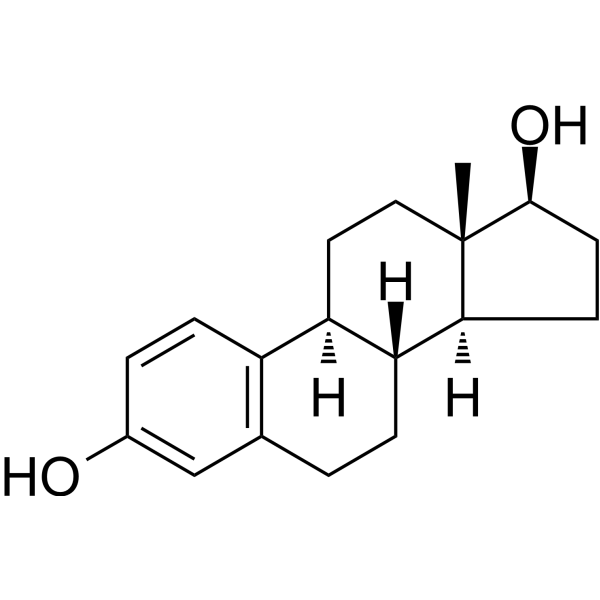 0 ImagesSynonyms: β-Estradiol; E2; 17β-Estradiol; 17β-OestradiolEstradiol (β-Estradiol) is a steroid hormone and the major female sex hormone. Estradiol can up-regulate the expression of neural markers of human endometrial stem cells (hEnSCs) and promote their neural differentiation. Estradiol can be used for the research of cancers, neurodegenerative diseases and neural tissue engineering.
-
Nicotinamide
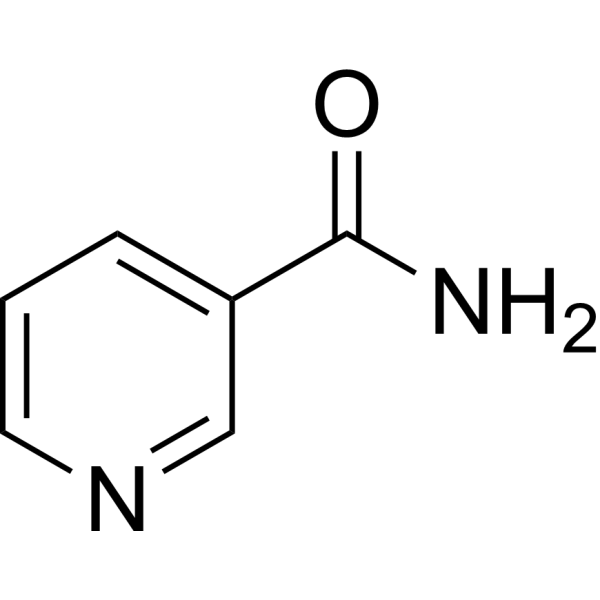 0 ImagesNicotinamide is a form of vitamin B3 or niacin. Nicotinamide Hydrochloride inhibits SIRT2 activity (IC50: 2 μM). Nicotinamide also inhibits SIRT1. Nicotinamide increases cellular NAD+, ATP, ROS levels. Nicotinamide inhibits tumor growth and improves survival. Nicotinamide also has anti-HBV activity.
-
Prostaglandin E2
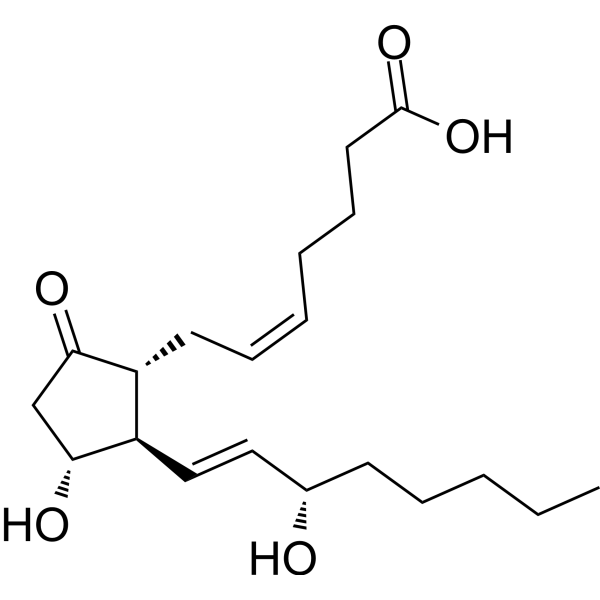 0 ImagesProstaglandin E2 (PGE2) is a hormone-like substance that participate in a wide range of body functions such as the contraction and relaxation of smooth muscle, the dilation and constriction of blood vessels, control of blood pressure, and modulation of inflammation.
-
Biotin
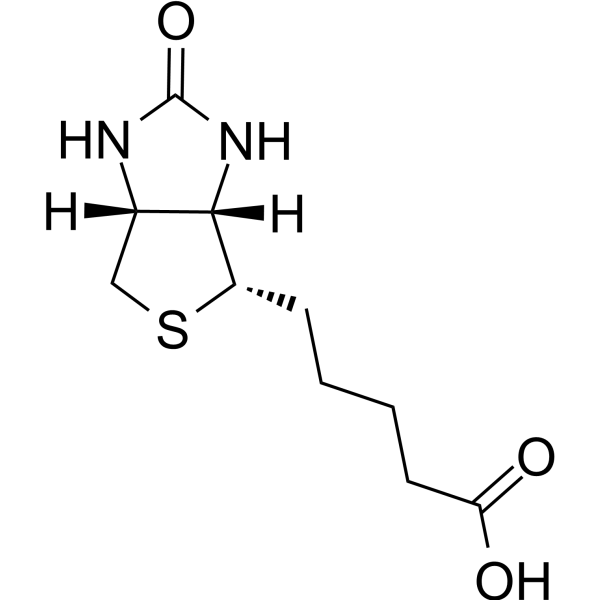 0 ImagesBiotin, vitamin B7 and serves as a coenzyme for five carboxylases in humans, involved in the synthesis of fatty acids, isoleucine, and valine, and in gluconeogenesis. Biotin is necessary for cell growth, the production of fatty acids, and the metabolism of fats and amino acids.
-
AICAR
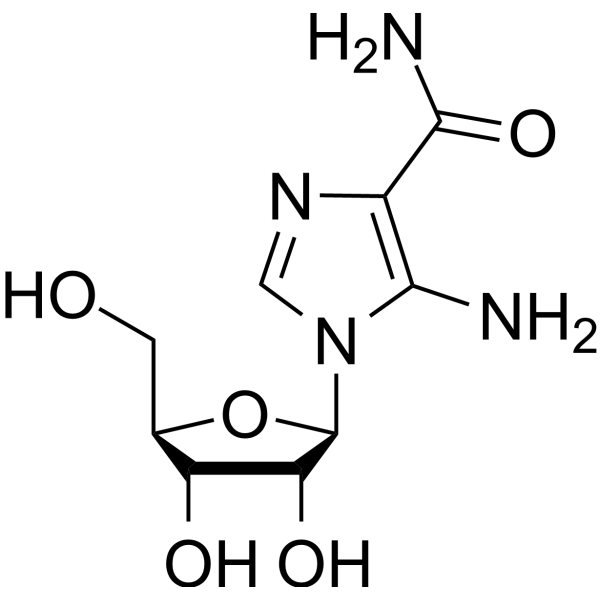 0 ImagesAICAR (Acadesine) is an adenosine analog and a AMPK activator. AICAR is also an autophagy, YAP and mitophagy inhibitor. AICAR regulates the glucose and lipid metabolism, and inhibits proinflammatory cytokines and iNOS production. AICAR inhibits autophagy through a mechanism independent of AMPK activity.
-
Arachidonic acid
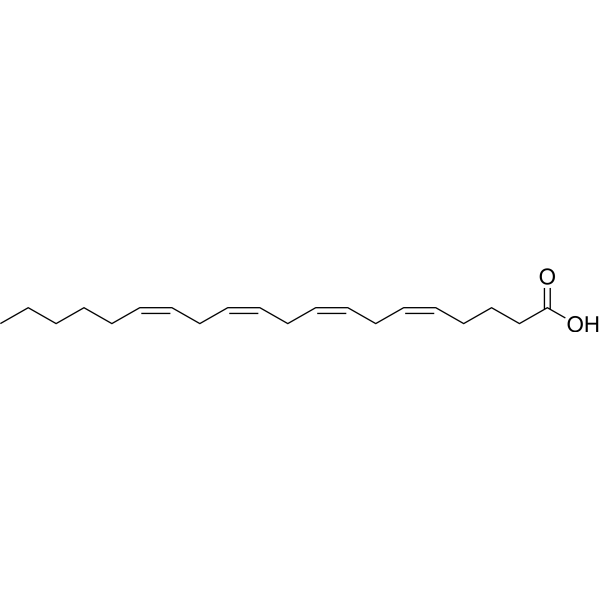 0 ImagesArachidonic acid (Immunocytophyt) is a polyunsaturated omega-6 fatty acid and a major constituent of biomembranes. Arachidonic acid also acts as the substrate for various lipid mediators, such as prostaglandins (PGs). Arachidonic acid improves cognitive response and cardiovascular function.
-
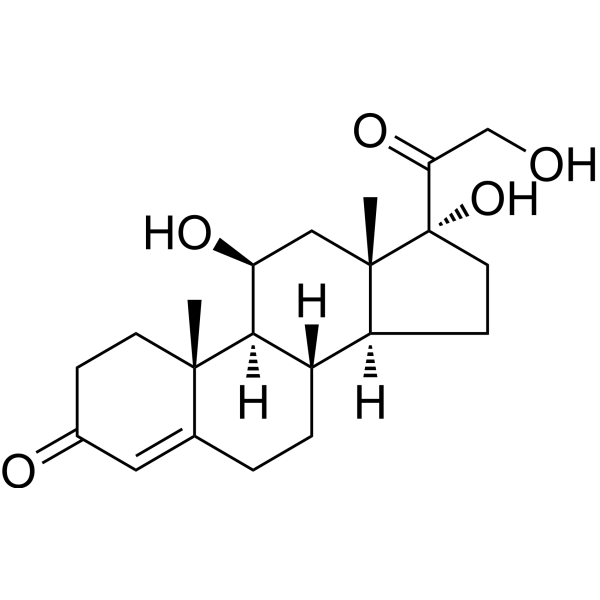
Corticosterone
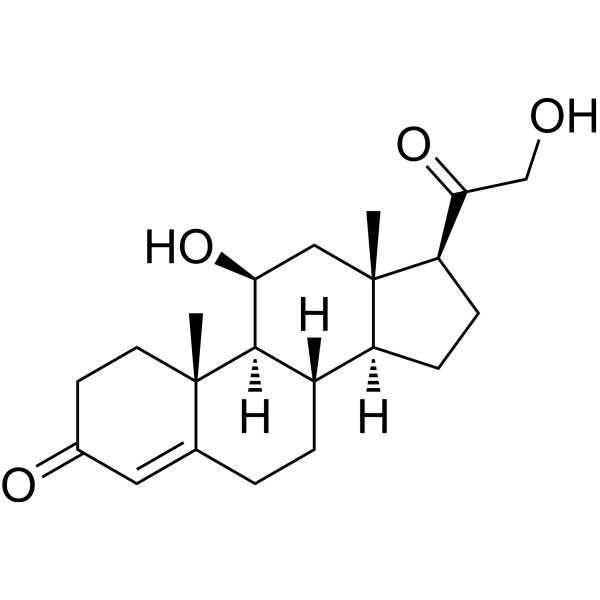 0 ImagesSynonyms: 17-Deoxycortisol; 11β,21-Dihydroxyprogesterone; Kendall's compound BCorticosterone (17-Deoxycortisol) is an orally active and adrenal cortex-produced glucocorticoid, which plays an important role in regulating neuronal functions of the limbic system (including hippocampus, prefrontal cortex, and amygdala). Corticosterone increases the Rab-mediated AMPAR membrane traffic via SGK-induced phosphorylation of GDI. Corticosterone also interferes with the maturation of dendritic cells and shows a good immunosuppressive effect.
-
Calcitriol
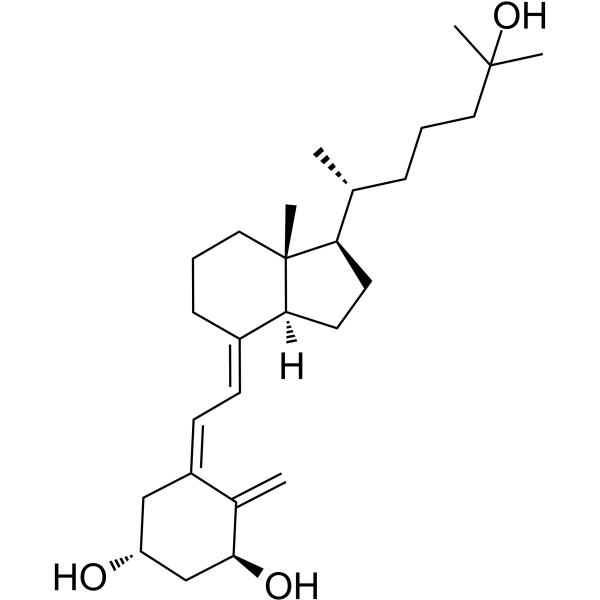 0 ImagesSynonyms: 1,25-Dihydroxyvitamin D3Calcitriol is the most active metabolite of vitamin D and also a vitamin D receptor (VDR) agonist.
-
DHEA
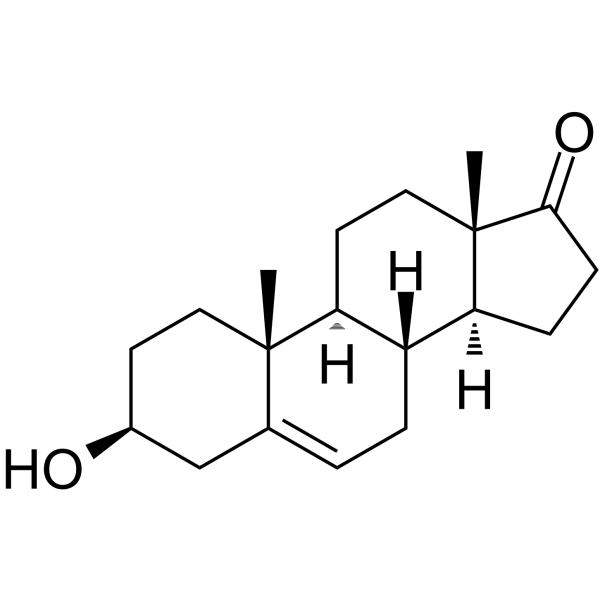 0 ImagesSynonyms: Prasterone; Dehydroisoandrosterone; DehydroepiandrosteroneDHEA (Prasterone) is one of the most abundant steroid hormones. DHEA (Prasterone) mediates its action via multiple signaling pathways involving specific membrane receptors and via transformation into androgen and estrogen derivatives (e.g., androgens, estrogens, 7α and 7β DHEA, and 7α and 7β epiandrosterone derivatives) acting through their specific receptors.
-
Fosribnicotinamide
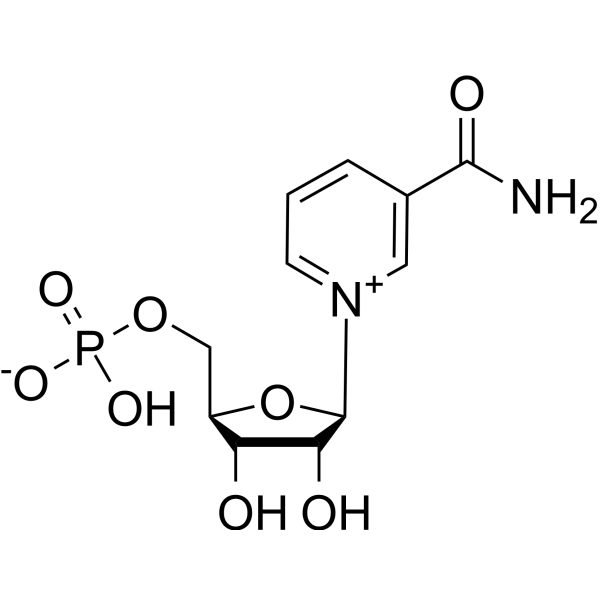 0 ImagesSynonyms: β-Nicotinamide mononucleotide; β-NM; NMNFosribnicotinamide (β-nicotinamide mononucleotide) is a product of the nicotinamide phosphoribosyltransferase (NAMPT) reaction and a key NAD+ intermediate. The pharmacological activities of Fosribnicotinamide include its role in cellular biochemical functions, cardioprotection, diabetes, Alzheimer's disease, and complications associated with obesity.




