



Glycolipids
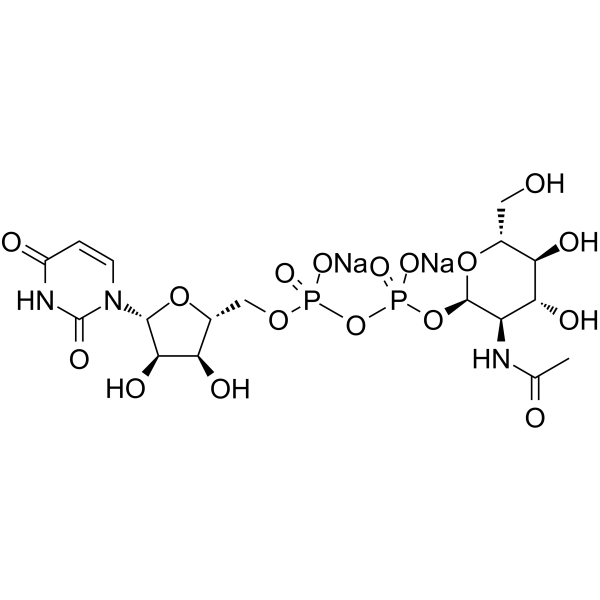
- Formula: C17H25N3Na2O17P2
- Molecular Weight: 651.32
UDP-GlcNAc Disodium Salt (UDP-α-D-N-Acetylglucosamine Disodium Salt) is a donor substrate of O-GlcNAc transferase (OGT).
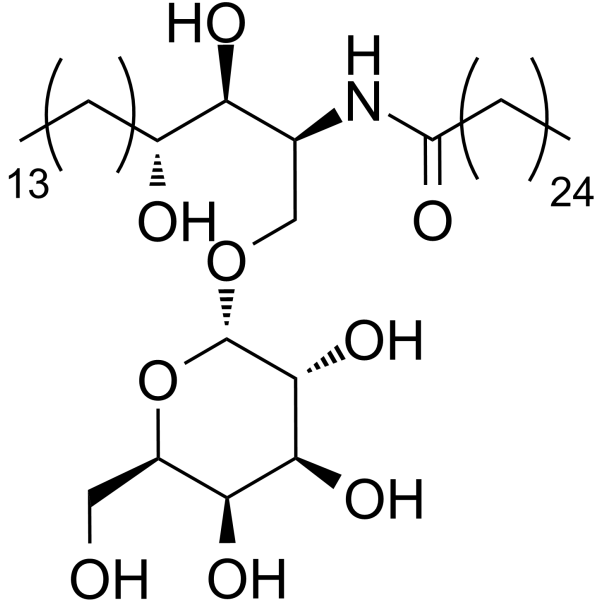
- Formula: C50H99NO9
- Molecular Weight: 858.34
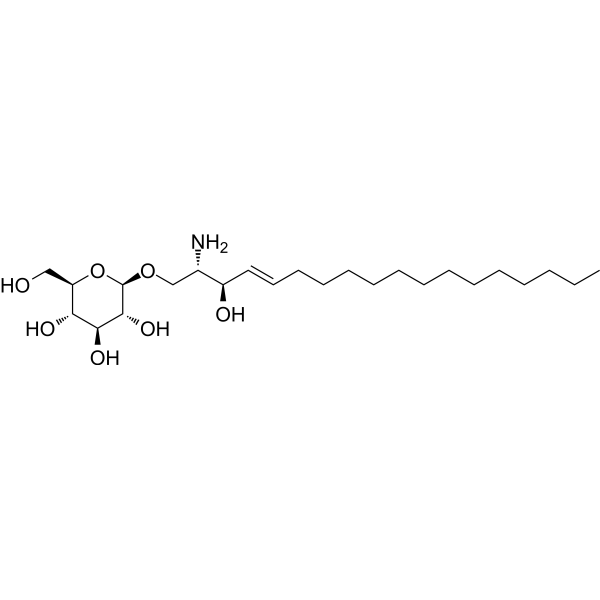
- Formula: C24H47NO7
- Molecular Weight: 461.63
Glucosylsphingosine (lyso-Gb1) is a deacylated form of glucosylceramide with neurotoxicity and is also a noncompetitively inhibitor of glucocerebrosidase with a Ki value of 30 μM. Glucosylsphingosine is promising for research of Krabbe and Gaucher disease.
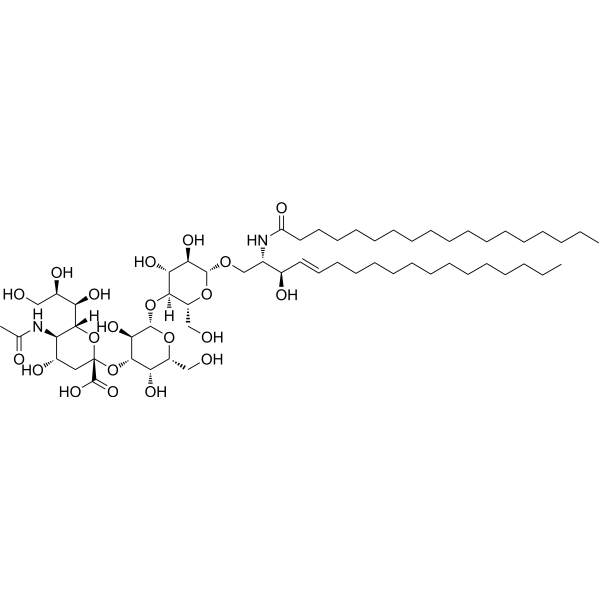
- Formula: C59H108N2O21
- Molecular Weight: 1181.49
Ganglioside GM3 is a precursor of a-, b-, and c-series gangliosides, interacts with transmembrane receptors such as the epidermal growth factor and insulin receptors, and regulates receptor functions by creating a specialized lipid environment. Ganglioside GM3 is synthesized by GM3 synthase and can be used for the research of hypercholesterolemia.
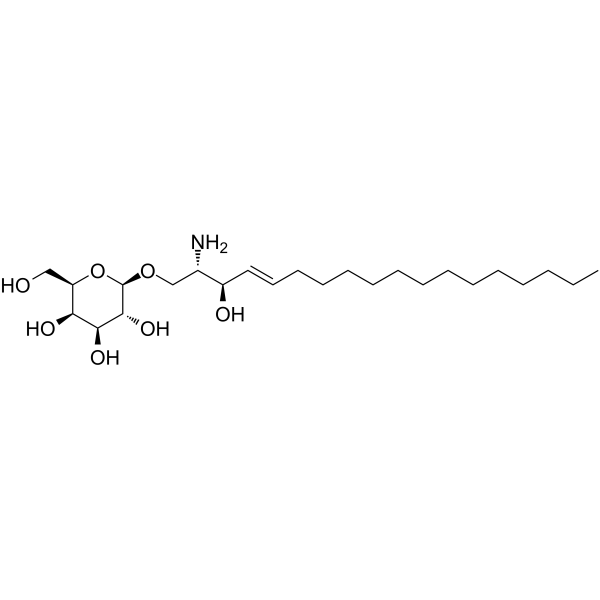
- Formula: C24H47NO7
- Molecular Weight: 461.63
Psychosine (Galactosylsphingosine), a substrate of the galactocerebrosidase (GALC) enzyme, is a potential biomarker for Krabbe disease. Psychosine is a highly cytotoxic lipid, capable of inducing cell death in a wide variety of cell types including, most relevantly to globoid cell leukodystrophy (GLD), oligodendrocytes. Psychosine causes cell death at least in part via apoptosis. Psychosine also is an inhibitor of PKC.

- Formula: C46H87NO13
- Molecular Weight: 862.18
LacCer (d18:1/16:0) (C16 Lactosylceramide (d18:1/16:0)) is an endogenous bioactive sphingolipid that can form membrane microdomains with Lyn kinase and the αi subunits of inhibitory G protein-coupled receptors (GPCRs). The levels of LacCer (d18:1/16:0) are elevated in the plasma of insulin-resistant cattle. In a mouse model of Niemann-Pick type C1 disease (a neurodegenerative cholesterol-sphingolipid lysosomal storage disorder), the expression of LacCer (d18:1/16:0) is also upregulated. LacCer (d18:1/16:0) can be used in research on metabolic diseases and neurodegenerative diseases.
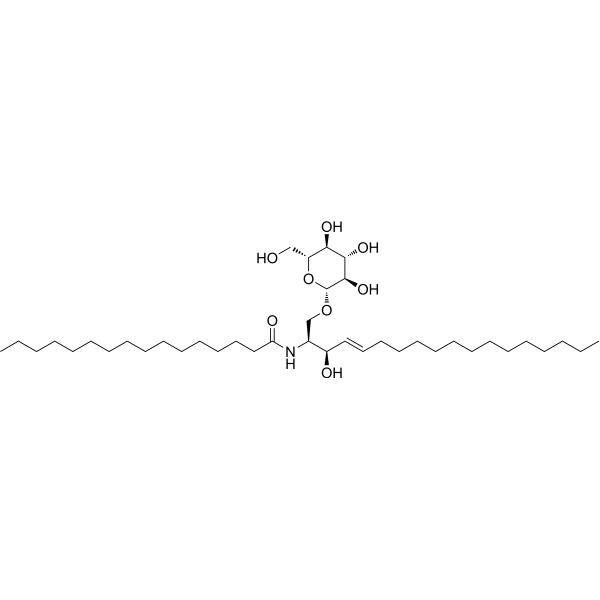
- Formula: C40H77NO8
- Molecular Weight: 700.04
D-Glucosyl-β-1,1′-N-palmitoylsphingosine (C16 Glucosyl (β) Ceramide (d18:1/16:0)) is an endogenous Mincle ligand with immunostimulatory activity. D-Glucosyl-β-1,1′-N-palmitoylsphingosine binds to and activates macrophage-inducible C-type lectin (Mincle). D-Glucosyl-β-1,1′-N-palmitoylsphingosine is applicable to the research of immune system diseases.
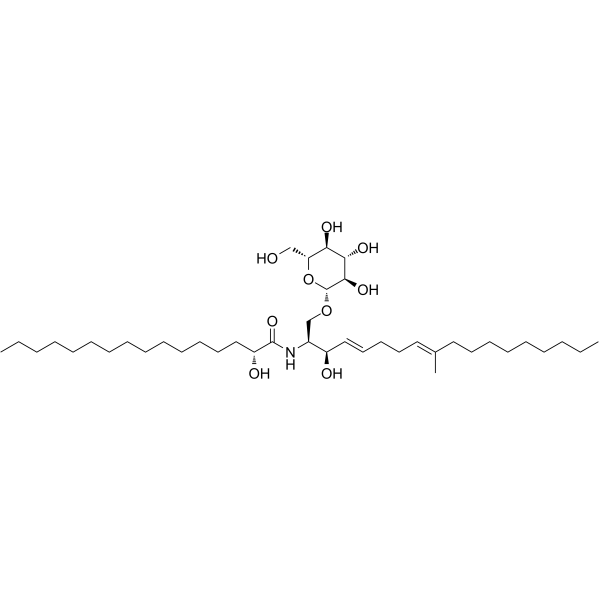
- Formula: C41H77NO9
- Molecular Weight: 728.05
Cerebroside B, a sphingolipid compound, is a non-racespecific elicitor, which elicits defense responses in rice.

- Formula: C44H85NO8
- Molecular Weight: 756.15
C20 Glucosyl(β) ceramide (d18:1/20:0) is a β-glucosyl ceramide.
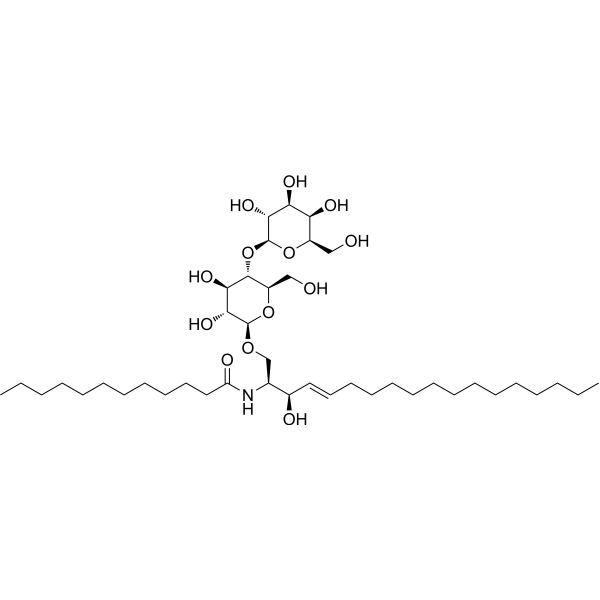
- Formula: C42H79NO13
- Molecular Weight: 806.08
Trihexosylceramide (d18:1/12:0) is a glycosphingolipid and mood-related compound. Trihexosylceramide (d18:1/12:0) is characterized by elevated serum levels in Mus musculus fed a high-fat diet, and its levels are positively correlated with mood Z-scores. Accumulation of Trihexosylceramide (d18:1/12:0) in tissues is considered the etiology of angiokeratoma corporis diffusum. Trihexosylceramide (d18:1/12:0) can be used in studies related to high-fat diet-induced mood disorders.\n
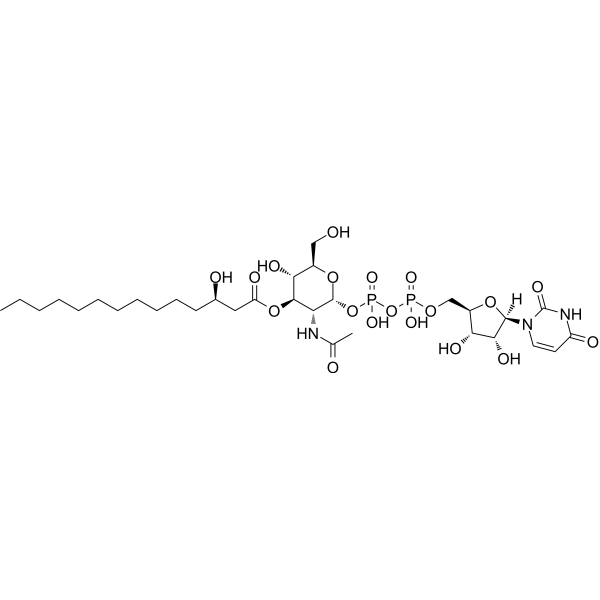
- Formula: C31H53N3O19P2
- Molecular Weight: 833.71
UDP-3-O-acyl-GlcNAc (UDP-3-O-(3-hydroxytetradecanoyl)-N-acetylglucosamine) is an E. coli metabolite that is involved in 3-deoxy-D-manno-octulosonate (KDO) biosynthesis pathway.
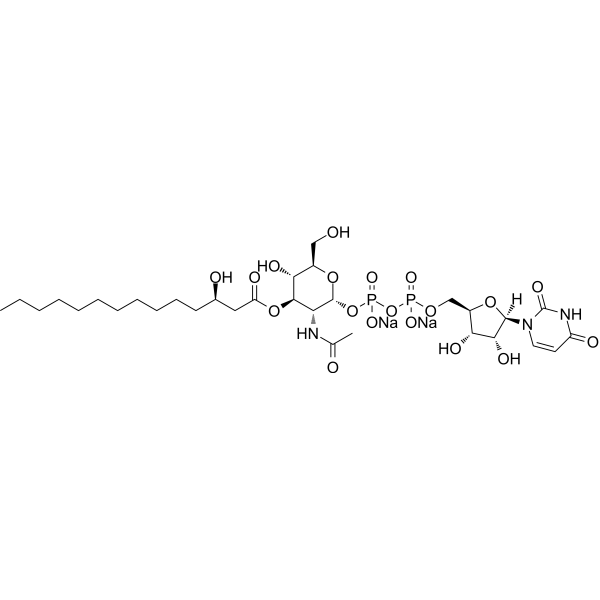
- Formula: C31H51N3Na2O19P2
- Molecular Weight: 877.67
UDP-3-O-acyl-GlcNAc (UDP-3-O-(3-hydroxytetradecanoyl)-N-acetylglucosamine) disodium is an E. coli metabolite that is involved in 3-deoxy-D-manno-octulosonate (KDO) biosynthesis pathway.

- Formula: C48H91NO11S
- Molecular Weight: 890.30
Sulfo galactosylceramide (N-Nervonoyl Sulfatide; C24:1 Sulfatide) is a glycolipid and the major sulfolipid species in mature myelin. Sulfo galactosylceramide interacts with C-type lectins and immunoglobulin-like receptors, with the highest affinity for LMIR5. Sulfo galactosylceramide induces MCP-1 production by basophils but not mast cells, and increases NFAT activation via LMIR5. Sulfo galactosylceramide alleviates symptoms and improves survival in a mouse model of chronic relapsing-remitting experimental autoimmune encephalomyelitis (EAE), and reduces inflammatory lesions and the number of infiltrating mononuclear cells in the lumbar spinal cord of EAE mice.

- Formula: C50H95NO13
- Molecular Weight: 918.29
LacCer (d18:1/20:0) is a lipid whose level is closely associated with atherosclerosis and cardiovascular diseases.

- Formula: C52H99NO13
- Molecular Weight: 946.34
Lc2Cer(d18:1, 22:0) is a lactosylceramide containing d18:1, C22:0 ceramides. Lc2Cer(d18:1, 22:0) can be used for renal cortical epithelial cell research.
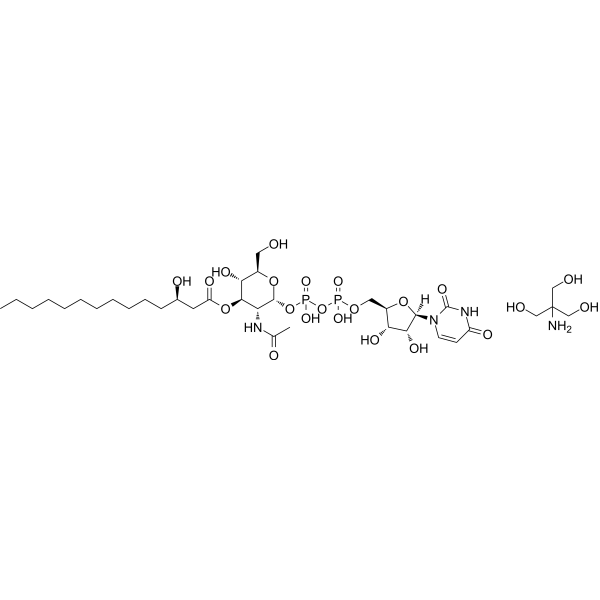
- Formula: C35H64N4O22P2
- Molecular Weight: 954.84
UDP-3-O-acyl-GlcNAc Tris (UDP-3-O-(3-hydroxytetradecanoyl)-N-acetylglucosamine Tris) serves as a deacetylation substrate and biosynthetic intermediate in the biosynthetic pathways of lipid A and Kdo2-lipid A in Escherichia coli. UDP-3-O-acyl-GlcNAc Tris undergoes enzymatic deacetylation via LpxC to produce UDP-3-O-[(R)-3-hydroxymyristoyl]glucosamine and release acetate. UDP-3-O-acyl-GlcNAc Tris accumulates in Escherichia coli extracts in the absence of [(R)-3-hydroxymyristoyl]-acyl carrier protein. UDP-3-O-acyl-GlcNAc Tris can be used in studies related to Gram-negative shock.
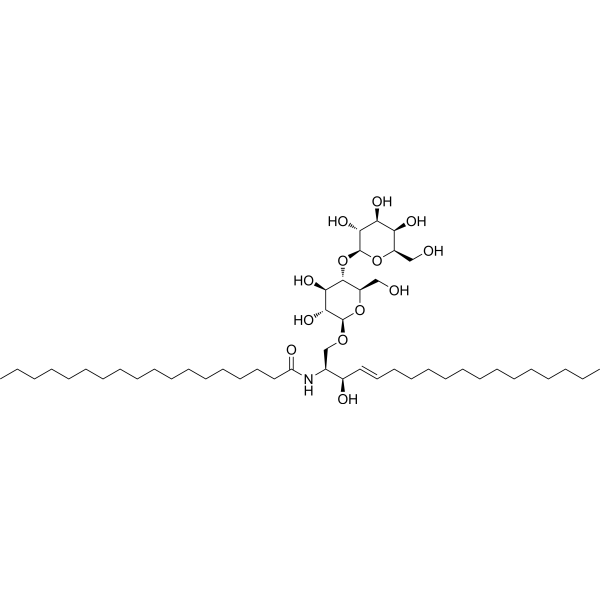
- Formula: C48H91NO13
- Molecular Weight: 890.24
D-lactosyl-β-1,1′ N-stearoyl-D-erythro-sphingosine is a neutral glycolipid.

- Formula: C57H104N2O21
- Molecular Weight: 1153.44
Ganglioside GD3 (d18:1/12:0) is a type of glycosphingolipid, the d18:1 indicates the sphingosine base, and the 12:0 represents the fatty acid part which is lauric acid. Ganglioside GD3 (d18:1/12:0) is a crucial intermediate in the biosynthesis pathway of gangliosides and is mainly found in the brain tissues of mammals. Ganglioside GD3 (d18:1/12:0) plays significant roles in development, cell signal transduction, and various diseases.

- Formula: C54H103NO13
- Molecular Weight: 974.39
LacCer(d18:1/24:0) is a lipid. LacCer(d18:1/24:0) can be found in plasma. LacCer(d18:1/24:0) is associated with critical illness after cardiac surgery.

- Formula: C73H131N3O32
- Molecular Weight: 1562.82
C18:0 GM1(Neu5Gc) Ceramide (d18:1/18:0) is a ganglioside.



