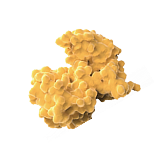
Anti-HA Magnetic Beads (1 μm)
Based on 4 publication(s) in Google Scholar
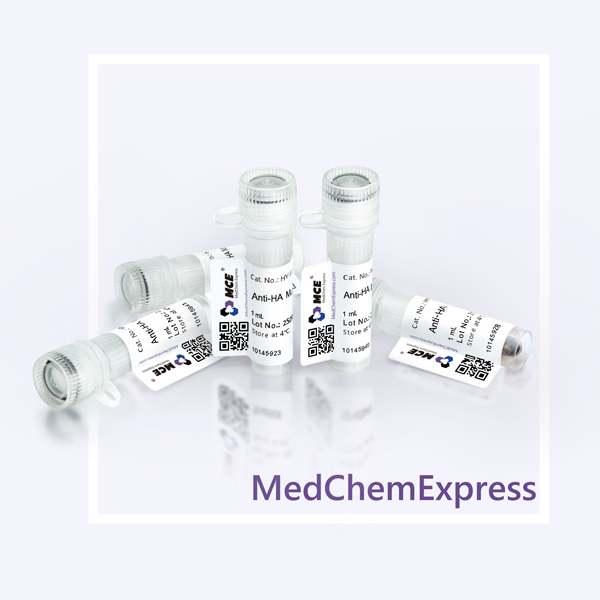
MCE Anti-HA Magnetic Beads (1 μm) are used for immunoprecipitation (IP) of specific HA-tagged proteins expressed in bacterial and mammalian cells andin vitro expression systems. The 1 mL is defined as the base specification. All larger sizes correspond to incremental volumes of this base.
-
Storage :
4°C, 2 years. Do not centrifuge, dry or freeze the magnetic beads.

To place orders, for customer services and technical support, please contact: MedChemExpress USA
Tel: 609-228-6898 E-mail: [email protected] [email protected]



-
HY-K0207
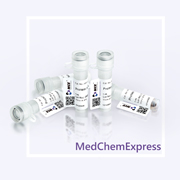
Anti-Flag Magnetic Beads -
HY-K0202
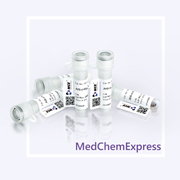
Protein A/G Magnetic Beads -
HY-K0206
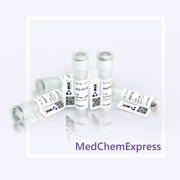
Anti-c-Myc Magnetic Beads -
HY-K0201
Anti-HA Magnetic Beads -
HY-K0209
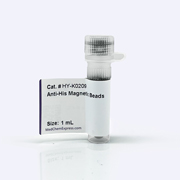
Anti-His Magnetic Beads -
HY-K0010
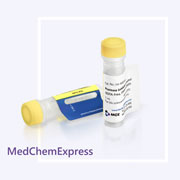
Protease Inhibitor Cocktail (EDTA-Free, 100× in DMSO) -
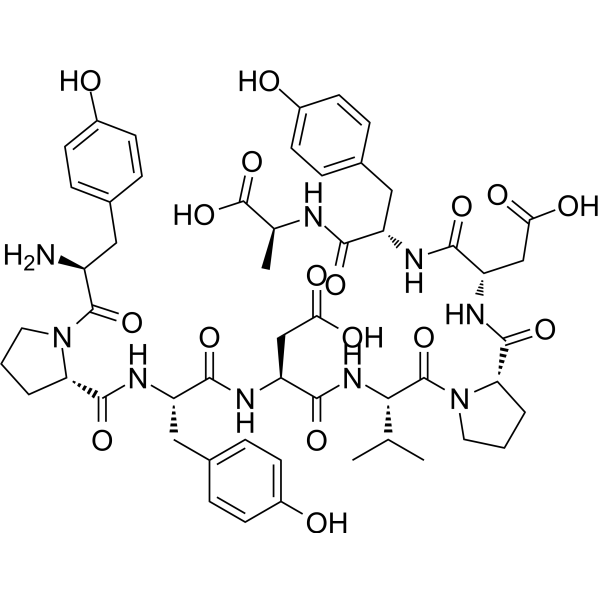
HY-P0239
HA Peptide -
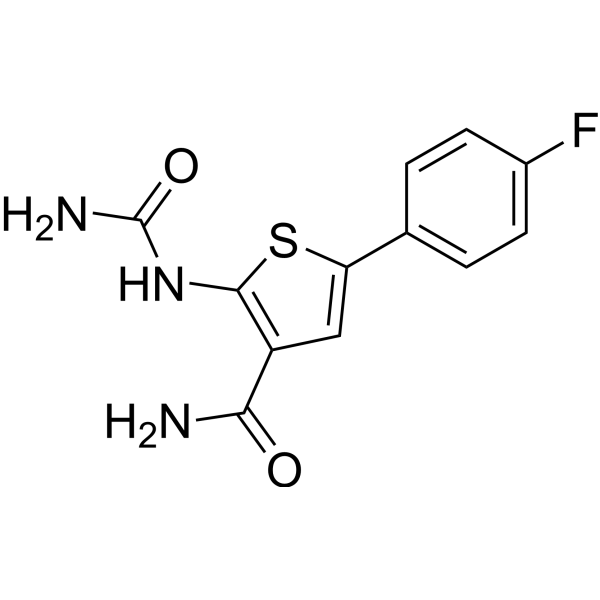
HY-10074
TPCA-1 -

HY-K0246
Anti-GFP Magnetic Agarose Beads -
HY-K0208
Streptavidin Magnetic Beads -

HY-K0222
Anti-GST Magnetic Beads -
HY-K0228
Oligo (dT)30 Magnetic Beads


Description & Advantages
Anti-HA magnetic beads (1 μm) are based on amino magnetic beads, with 1 μm particle size, covalently coupling with high quality mouse IgG3a monoclonal antibody that recognizes the HA-epitope tag (YPYDVPDYA) derived from the human influenza hemagglutinin (HA) protein.
1. During immunoprecipitation, only a small amount of magnetic beads are needed.
2. Convenient and time saving.
3. Low non-specific binding.
4. Minimal sample loss.
5. Protein binding capacity up to 0.6 mg/mL.
6. Stable, one bottle solution.


Protocol
1. Preparation of Magnetic Beads
1.1 Resuspend the Magnetic Beads in the vial (tilt and rotate for 2 minutes or gently pipette for 10 times, do not vortex). Transfer 10 μL of Anti-HA Magnetic Beads suspension into a new tube.
1.2 Add 500 μL of wash buffer to the beads and gently pipette to mix. Place the tube into a magnetic stand (MCE Cat. No.: HY-K0200) to collect the beads against the side of the tube. Remove and discard the supernatant. Repeat this step for 2 times.
2. Protein Binding
2.1 Add 500 μL of cell lysate (the sample containing HA-tagged protein) to the washed beads. For Ag binding, incubate for 2 hours at room temperature or overnight at 4°C while gently rotating the tube.
2.2 Place the tube into a magnetic stand to collect the beads against the side of the tube. Remove and discard the supernatant.
NOTE: Occasional aggregation of magnetic beads during the binding process doesn't affect experimental results.
3. Washing
Add 500 μL of wash buffer to the Magbeads-Ag complex and mix gently. Place the tube into a magnetic stand to collect the beads against the side of the tube. Remove and discard the supernatant. Repeat this step for 4 times.
4. Elution & Detection
Three elution methods are recommended according to protein characteristics or further usage:
1) Elution with sample buffer for gel electrophoresis and immuoblotting. Add 50 μL of 1× SDS-PAGE loading buffer to each tube and boil for 5 minutes. Cool and place the tube into a magnetic stand to collect the beads and transfer the supernatant to a new tube. Keep the supernatant containing the target antigen for SDS-PAGE analysis.
2) Elution with Elution Buffer A under acidic condition. Add 50 μL of Elution Buffer A to each tube. Incubate with gentle shaking or on a rotator for 10 minutes at room temperature. Place the tube into a magnetic stand to collect the beads and transfer the supernatant to a new tube. Adding 25 μL of Neutralization Buffer for each 50 μL of eluate to neutralize the low pH, which may help preserve bioactivity of target protein.
3) Elution with Elution Buffer B under native condition. Add 3-5 (v/v) volume of Elution Buffer B to each tube. Incubate with gentle shaking or on a rotator for 1 hour at room temperature or 2 hours at 4oC. Place the tube into a magnetic stand to collect the beads and transfer the supernatant to a new tube. For immediate use, store the eluates at 4°C, or store at -20°C for long term storage.


Publications
-
Journal Impact Factor
-
Most Recent
-
Adv Sci (Weinh)LncDARS-AS1 Regulates ATP1A1 Stability and Enhances Na+/K+ ATPase Activity to Promote Osteosarcoma Metastasis. [Abstract]2025 Jul 15:e03486. PMID: 40665639
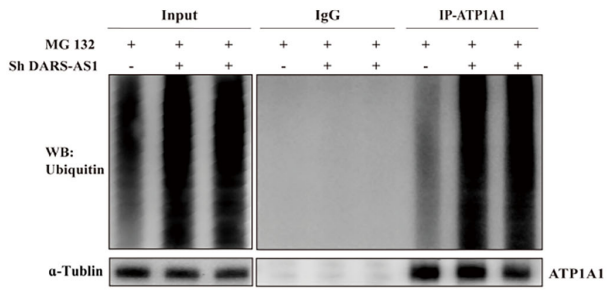
Anti-HA Magnetic Beads (1 μm) purchased from MedChemExpress. Usage Cited in: Adv Sci (Weinh). 2025 Jul 15:e03486. [Abstract]
LncDARS-AS1 knockdown enhanced ATP1A1 ubiquitination and increased the binding of ubiquitin (P4D1) to ATP1A1. 143B cell lysates transfected with HA-ATP1A1 were used for immunoprecipitation with Anti-HA Magnetic Beads (1 μm) (HY-K0201A). Western blot analysis was performed to examine coimmunoprecipitated proteins.
-
Cell Death DisPhosphorylation of USP27X by GSK3β maintains the stability and oncogenic functions of CBX2. [Abstract]2023 Nov 29;14(11):782. PMID: 38030604
-
Cell RepSETDB1 promotes mammalian liver regeneration by stimulating cytokine CSF3 in hepatocytes. [Abstract]2025 Jun 17;44(6):115843. PMID: 40531618
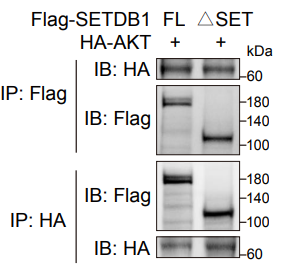
Anti-HA Magnetic Beads (1 μm) purchased from MedChemExpress. Usage Cited in: Cell Rep. 2025 Jun 17;44(6):115843. [Abstract]
Immunoblot (IB) analyses of Flag or HA IP in HEK293T cells transfected with HA-AKT and full-length Flag-SETDB1 (FL) or truncated Flag-SETDB1 (ΔSET). Cells were lysed in NP-40 buffe with protease inhibitor cocktail and PMSF. The whole cell lysates were incubated with Anti-HA Magnetic Beads (1 μm) (1:50) or Flag-beads (1:50) for 2 h at room temperature.
Storage
4°C, 2 years.
Do not centrifuge, dry or freeze the magnetic beads.


Components
| Components | HY-K0201A-1 mL | HY-K0201A-5 mL |
|---|---|---|
| Anti-HA Magnetic Beads (1 μm) | 1 mL | 1 mL × 5 |


 Please enter the correct Lot Number