



Surfactants
- 1
- 2
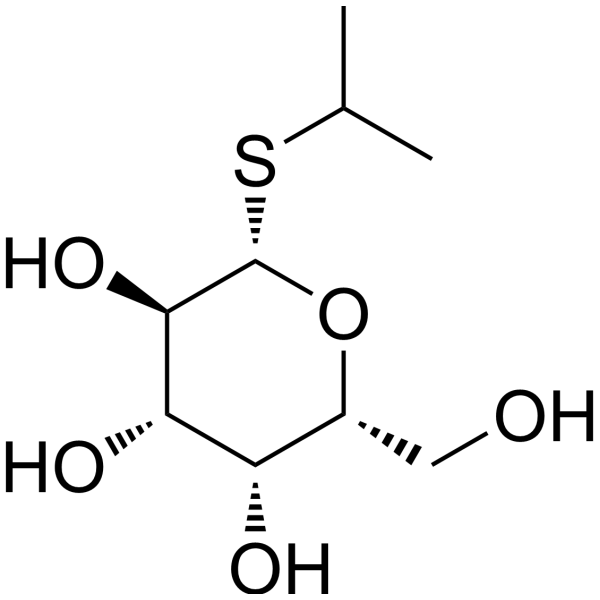
- Formula: C9H18O5S
- Molecular Weight: 238.30
IPTG is a molecular mimic of allolactose, a lactose metabolite that triggers transcription of the lac operon, and it is therefore used to induce protein expression where the gene is under the control of the lac operator.
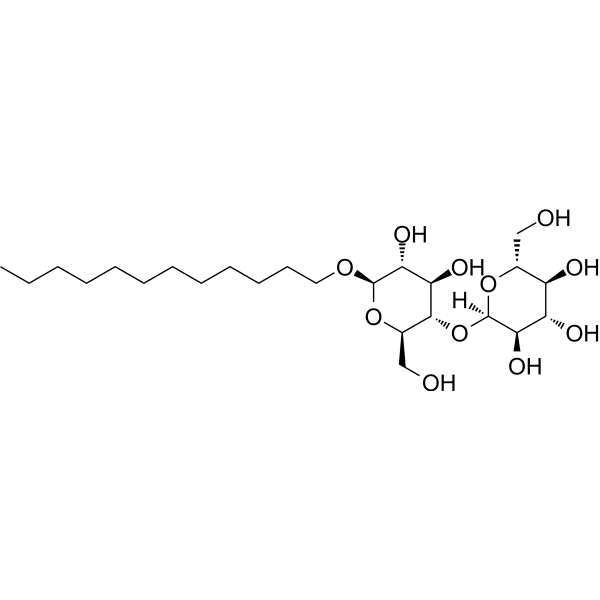
- Formula: C24H46O11
- Molecular Weight: 510.62
N-Dodecyl-β-D-maltoside (Lauryl Maltoside) is a non-ionic detergent. N-Dodecyl-β-D-maltoside has strong adsorption on alumina, titanium dioxide and hematite. N-Dodecyl-β-D-maltoside can promote the reactivation of various proteins. N-Dodecyl-β-D-maltoside can effectively stabilize photoactive reaction center complexes (RCs) and inhibit the degradation of Rhodopseudomonas spheroides R-26 reaction center in solution. N-Dodecyl-β-D-maltoside can be used for purification and stabilization of RNA polymerase and for detection of protein-lipid interactions.
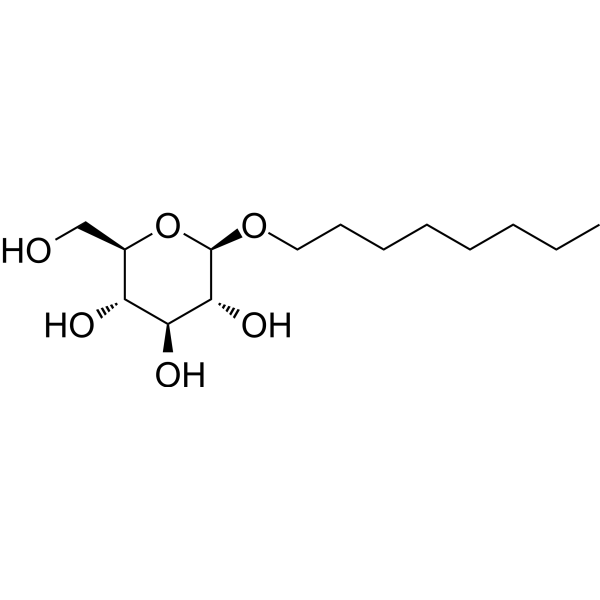
- Formula: C14H28O6
- Molecular Weight: 292.37
n-Octyl-β-d-glucopyranoside is a non-ionic detergent, it can be widely used in the research of biotechnical, biochemical applications, solubilization and crystallization of membrane proteins. n-Octyl-β-d-glucopyranoside can completely inhibit cavitation-induced cell lysis in vitro.
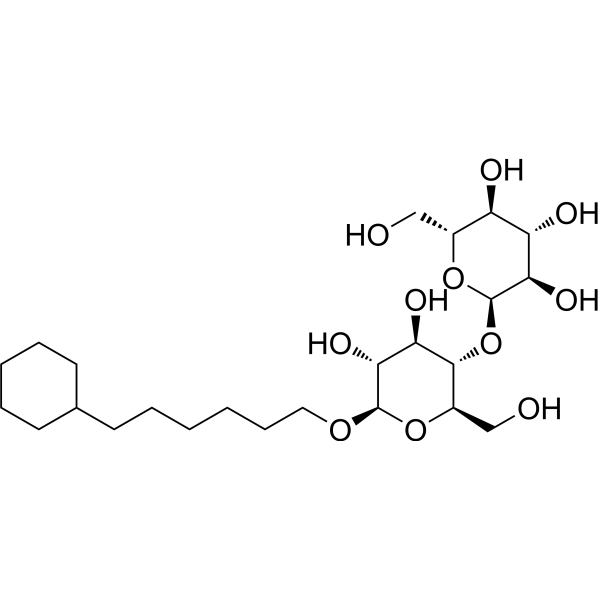
- Formula: C24H44O11
- Molecular Weight: 508.60
Cymal-6 (Cyclohexyl-hexyl-β-D-maltoside) is a potent TEM-1 beta-lactamase inhibitor with an Ki value of 40.05 µM. Cymal-6 (Cyclohexyl-hexyl-β-D-maltoside) can be used as glycosidic surfactant.
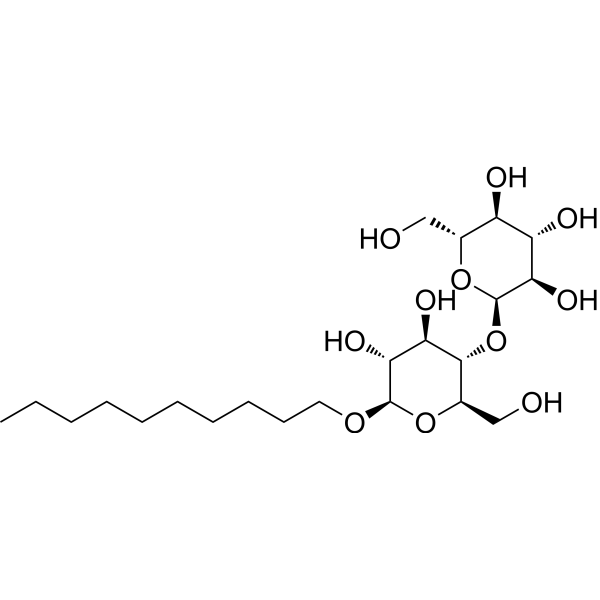
- Formula: C22H42O11
- Molecular Weight: 482.56
Decyl β-D-maltopyranoside is an epithelial permeability enhancer. Decyl β-D-maltopyranoside regulates the paracellular transport pathway and increases the permeability of molecules and proteins transported via the paracellular route. Decyl β-D-maltopyranoside enhances the transepithelial paracellular permeability of EPO across cell monolayers.
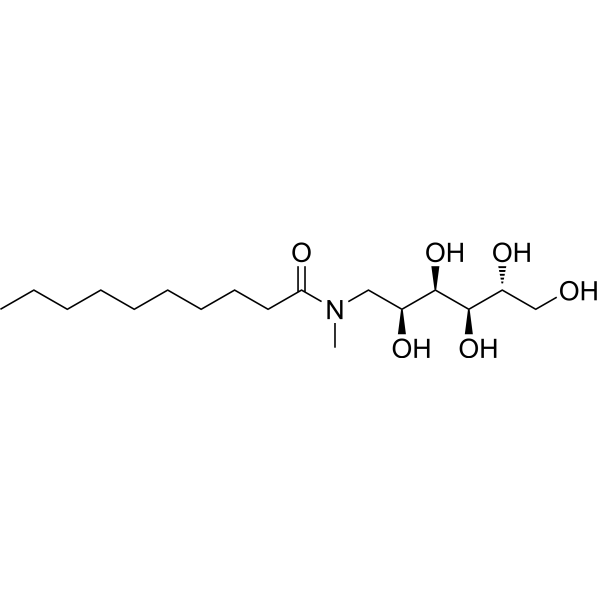
- Formula: C17H35NO6
- Molecular Weight: 349.46
MEGA-10 (N-Oxodecyl meglumine) is a nonionic sugar-based surfactant. MEGA-10 sequesters n-alkylbenzenes into its hydrophobic core via micelle formation as a solubilizer.
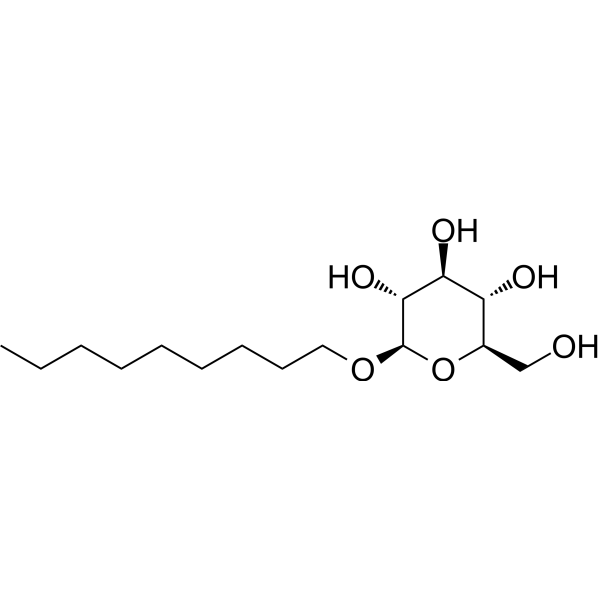
- Formula: C15H30O6
- Molecular Weight: 306.40
Nonyl β-D-glucopyranoside (n-Nonyl-β-D-glucopyranoside) is a surfactant that can be used in studies on interactions with lipid monolayers. Nonyl β-D-glucopyranoside can also be used for the enantiomer separation of phenoxy acid herbicides and amino acid derivatives.
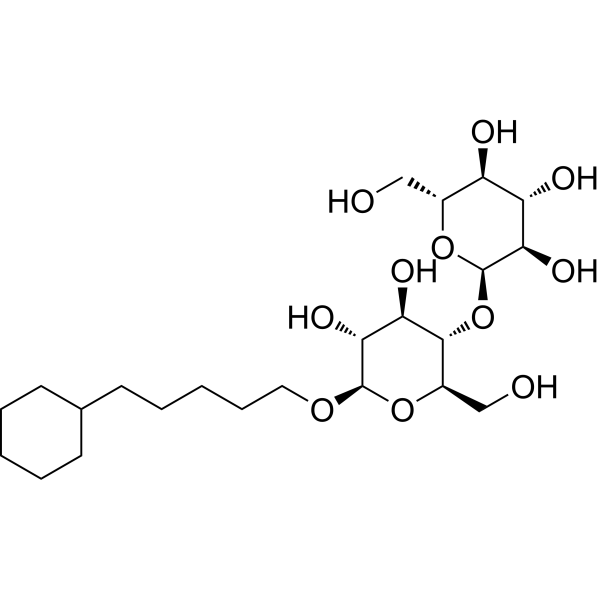
- Formula: C23H42O11
- Molecular Weight: 494.57
CYMAL-5, 98% (TLC) is a cycloalkyl aliphatic saccharide. CYMAL-5, 98% (TLC) is a glycosidic surfactant (GS) with a chiral maltose polar head group and a cyclohexyl-pentyl hydrophobic tail. CYMAL-5, 98% (TLC) is a non-ionic detergent that has a tenfold lower critical micelle concentration (CMC) in comparison with OG, and has previously been used for membrane protein extraction or crystallization of membrane proteins for X-ray crystallographic studies.

- Formula: C20H38O11
- Molecular Weight: 454.51
Octyl β-D-maltopyranoside is a biochemical assay reagent.
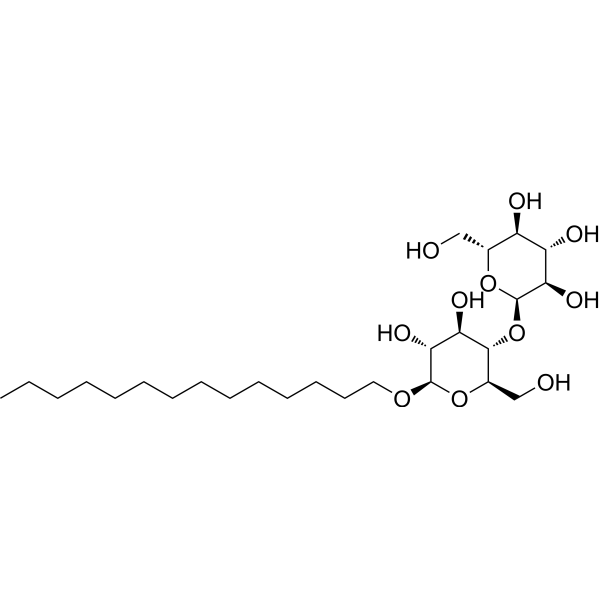
- Formula: C26H50O11
- Molecular Weight: 538.67
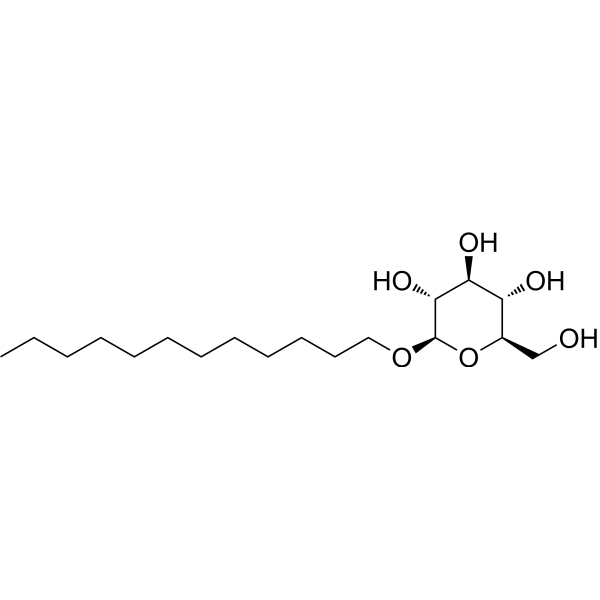
- Formula: C18H36O6
- Molecular Weight: 348.47
Dodecyl β-D-glucopyranoside is a non-ionic detergent and surfactant commonly used to solubilize and purify membrane proteins in biochemical research. Dodecyl β-D-glucopyranoside also interacts with bovine serum albumin (BSA) to quench its intrinsic fluorescence. The critical micelle concentration (CMC) of Dodecyl β-D-glucopyranoside (DG) and DG/BSA complex is 2.0 mM and 2.34 mM, respectively. Micelles can be formed in aqueous solutions above this concentration.

- Formula: C12H24O6
- Molecular Weight: 264.32
Hexyl-β-D-glucopyranoside, 98% is typically used as a mild nonionic detergent.

- Formula: C25H48O11
- Molecular Weight: 524.64
Tridecyl β-D-maltopyranoside is a synthetic sugar, modified by fluorination and methylation. Carbohydrates can be used for the synthesis of glycosylated proteins (biosynth: W-204093).
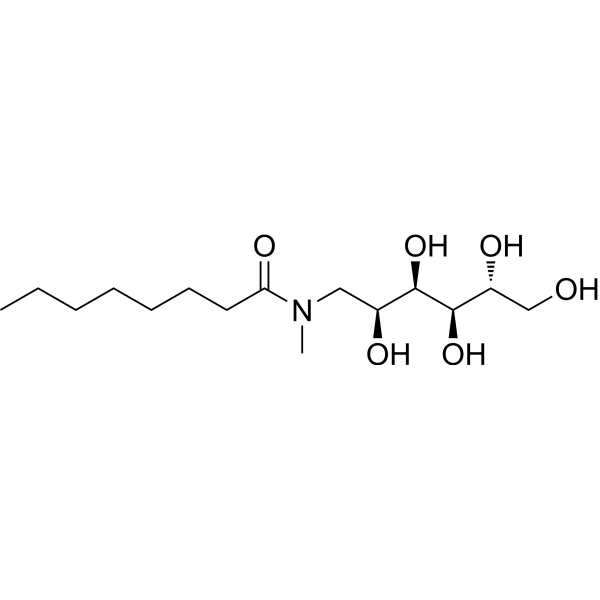
- Formula: C15H31NO6
- Molecular Weight: 321.41
MEGA-8 (N-Octanoyl-N-methylglucamine) is a nonionic sugar-based surfactant. MEGA-8 can gently solubilize membrane proteins without easily causing their denaturation. MEGA-8 is a commonly used reagent for the extraction and study of membrane proteins in biochemistry.
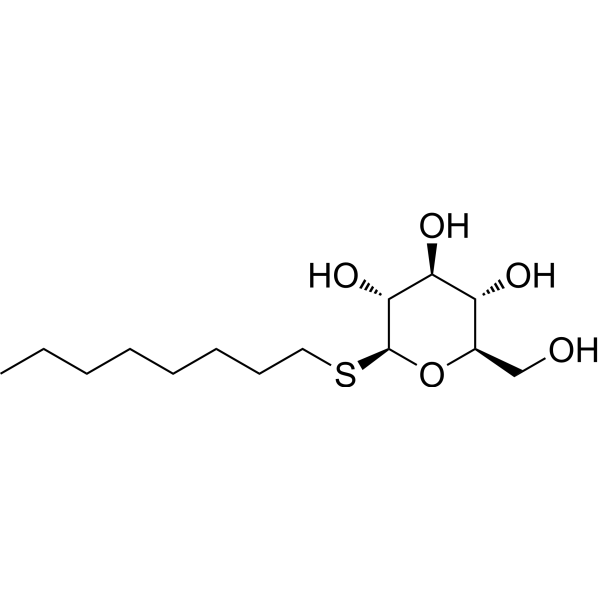
- Formula: C14H28O5S
- Molecular Weight: 308.43
Octyl β-D-thioglucopyranoside is a non-ionic detergent that can be used in the field of membrane biochemistry. Octyl β-D-thioglucopyranoside has the ability to solubilize E. coli membrane proteins.
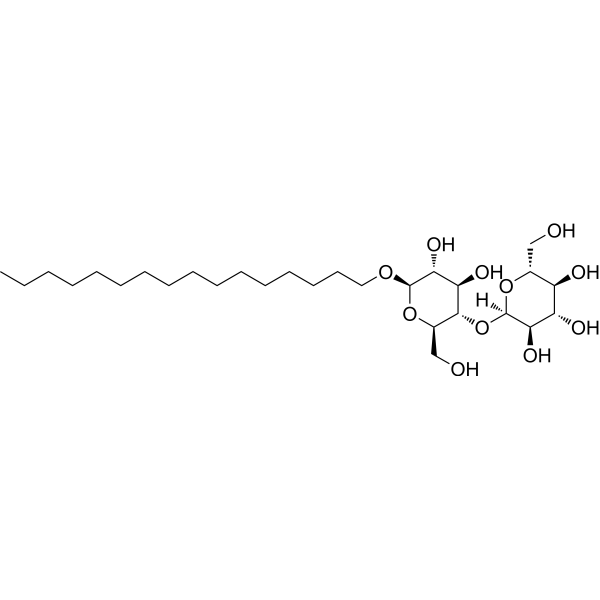
- Formula: C28H54O11
- Molecular Weight: 566.72
Hexadecyl β-D-maltoside is the anomer of Hexadecyl α-d-maltoside. Hexadecyl β-D-maltoside is different from Hexadecyl α-d-maltoside, showing non-Newtonian behavior, including thixotropic behavior, shear-thinning, and viscoelastic behavior.
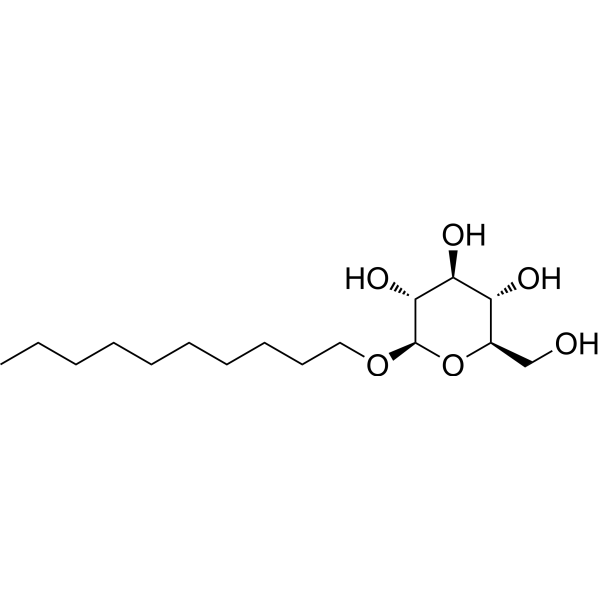
- Formula: C16H32O6
- Molecular Weight: 320.42
Decyl β-D-glucopyranoside is a nonionic surfactant commonly used in biochemical and molecular biology research. It can be used for the extraction, purification and structural analysis of cell membranes, and is widely used in the fields of proteomics and genetic engineering. In addition, this compound is also used as an auxiliary reagent and dehydrating agent in some biochemical experiments.
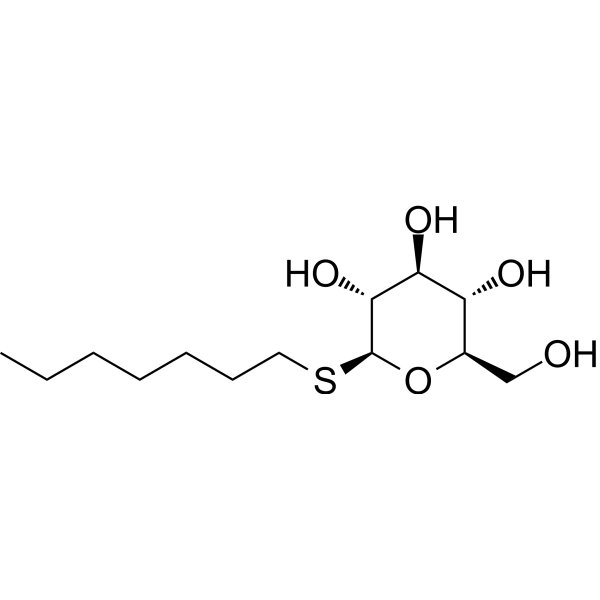
- Formula: C13H26O5S
- Molecular Weight: 294.41
n-Heptyl β-D-thioglucoside is a biochemical reagent that can be used as a biological material or organic compound for life science related research.

- Formula: C18H37NO7
- Molecular Weight: 379.49

- Formula: C17H35NO7
- Molecular Weight: 365.46
Nonanoyl-N-hydroxyethylglucamide (HEGA-9) is a class of biochemical reagents used in glycobiology research. Glycobiology studies the structure, synthesis, biology, and evolution of sugars. It involves carbohydrate chemistry, enzymology of glycan formation and degradation, protein-glycan recognition, and the role of glycans in biological systems. This field is closely related to basic research, biomedicine, and biotechnology.
- 1
- 2



