



-

Marqueurs fluorescents (250)
Classical products, mainly supplied as solid powder
-

FluoroStock & Ready (42)
Easy to use, provided in solution form
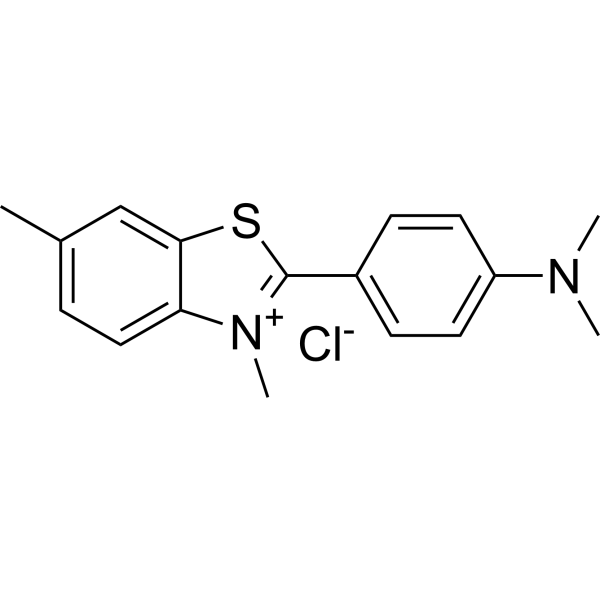
- Formule: C17H19ClN2S
- Masse moléculaire: 318.86
Thioflavin T is a cationic Benzothiazole dye that shows enhanced fluorescence upon binding to amyloid in tissue sections. Excitation max.: ~385 nm (free); ~450 nm (bound); Emission max.: ~445 nm (free); ~485 nm (bound).

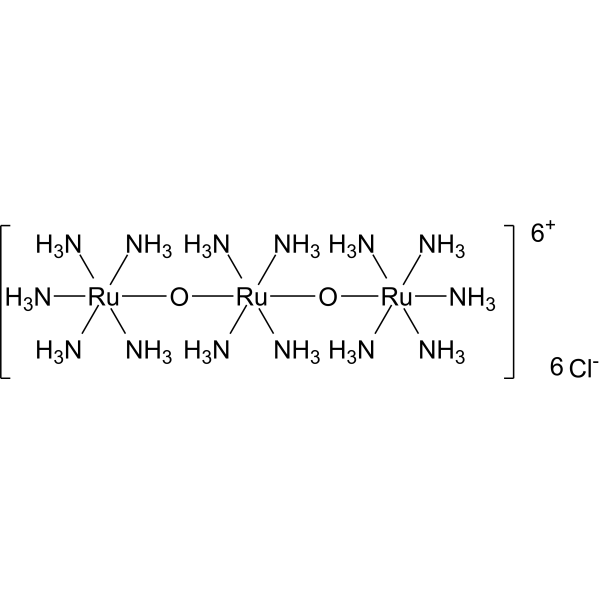
- Formule: Cl6H42N14O2Ru3
- Masse moléculaire: 786.35
Ruthenium red (Ammoniated ruthenium oxychloride) is a polycationic dye widely used for electron microscopy (EM) of cells, tissues and vegetative bacteria. Ruthenium red strongly reacts with phospholipids and fatty acids and binds to acidic mucopolysaccharides. Ruthenium red is a L-type calcium current (ICa) blocker. When using Ruthenium Red to stain plant tissue sections affected by pathogens, the breakdown of mucilaginous substances by the pathogens prevents them from taking up the stain, whereas the cell walls of healthy tissue stain red.
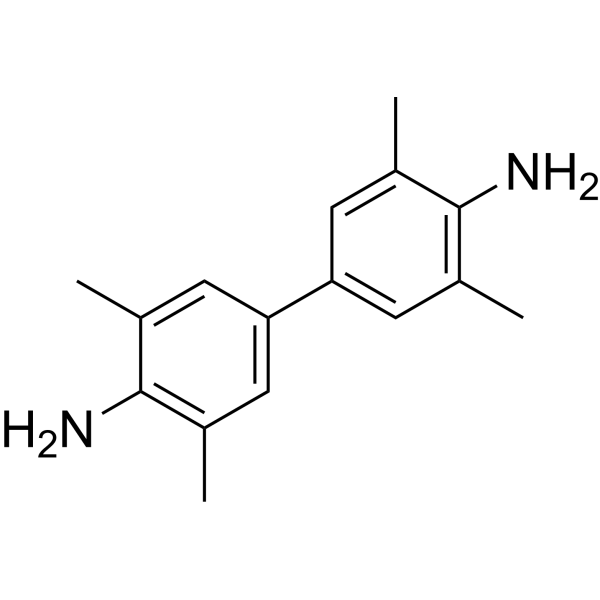
- Formule: C16H20N2
- Masse moléculaire: 240.34
TMB is a non-toxic, non-mutagenic, colorless dye that is also used as a chromogenic agent in enzyme detection systems based on horseradish peroxidase (HRP). TMB can function as a photoacoustic probe for reactive oxygen and nitrogen species (ROS/RNS), reacting with hypochlorite, hydrogen peroxide, singlet oxygen, and nitrogen dioxide to produce blue oxidation products. TMB can detect the singlet oxygen produced by the outer membrane of Escherichia coli ATCC 25922.
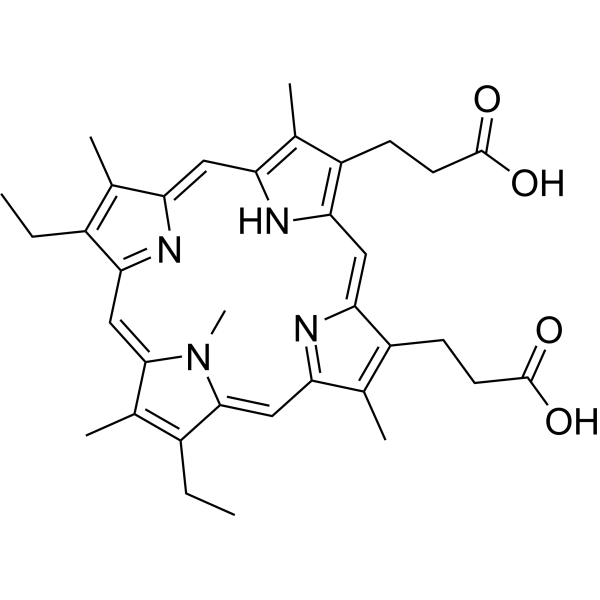
- Formule: C35H40N4O4
- Masse moléculaire: 580.72
N-Methylmesoporphyrin IX (NMM), a widely used G-quadruplex DNA specific fluorescent binder, is an efficient probe for monitoring Aβ fibrillation. N-Methylmesoporphyrin IX is an in situ inhibitor and an ex situ monitor for Aβ amyloidogenesis both in vitro and in cells. N-Methylmesoporphyrin IX is sensitive to G-quadruplexes DNA but has no response to duplexes, triplexes and single-stranded forms DNA. N-Methylmesoporphyrin IX is nonfluorescent alone or in monomeric Aβ environments, but emits strong fluorescence through stacking with the Aβ assemblies.
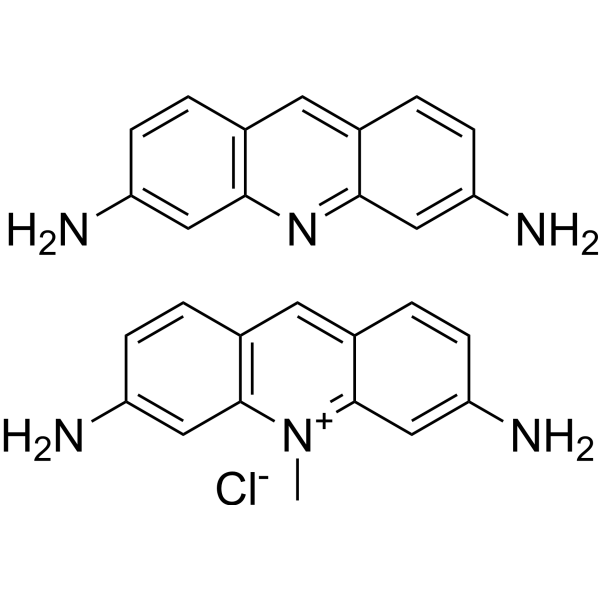
- Formule: C27H25ClN6
- Masse moléculaire: 468.98
Acriflavine (Acriflavinium chloride) is a fluorescent acridine dye that can be used to label nucleic acid. Acriflavine is an antiseptic agent. Acriflavine is a potent HIF-1 inhibitor that prevents the dimerization of HIF-1α and HIF-1β subunits. Acriflavine inhibits the interaction between monocarboxylate transporter 4 (MCT4) and Basigin. Acriflavine is used in cancer research, such as breast cancer, brain tumor and chronic myeloid leukemia. Acriflavine is a potent papain-like protease (PLpro) inhibitor, which inhibits SARS-CoV-2.
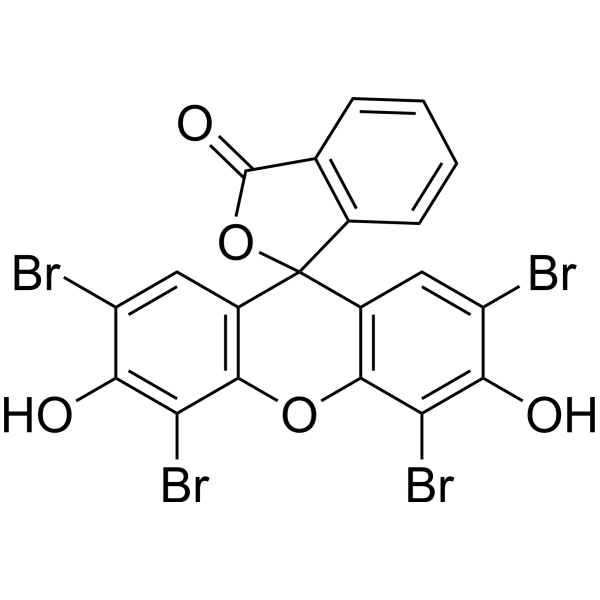
- Formule: C20H8Br4O5
- Masse moléculaire: 647.89
Eosin Y (Acid Red 87 free base) is a soluble acid red dye molecule. Eosin Y has a wide application in organic synthesis as a photoredox catalyst. Eosin Y can be used as a component of Eosin-Nigrosin Sperm Viability Staining Solution (HY-DY2022) to assess sperm viability and identify the integrity of the membrane structure and function of inactive sperm.
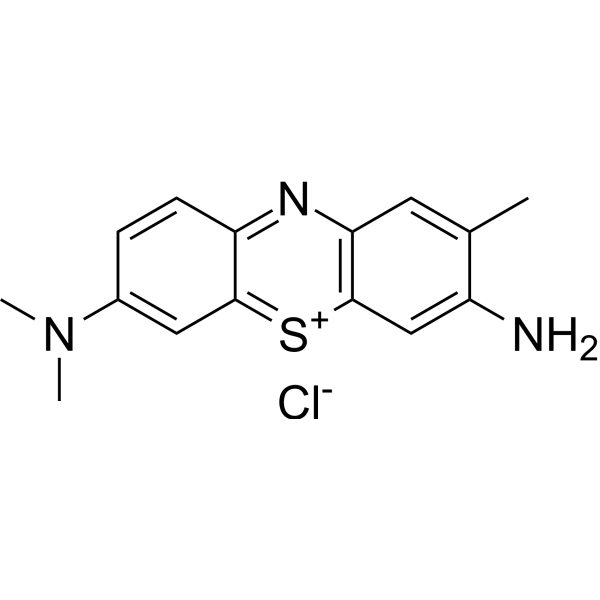
- Formule: C15H16ClN3S
- Masse moléculaire: 305.83
Toluidine Blue (Toluidine Blue O) is an alkaline quinonimine dye (vivo dye) with high affinity for acidic tissue components, staining nuclei blue and polysaccharides purple. Toluidine Blue shows heterostaining properties for mast cells, mucins and chondrocytes. Toluidine Blue can stain different components of plant tissues and cells in different colours. Toluidine Blue is also used as a diagnostic aid to identify malignant lesions, such as cancer.
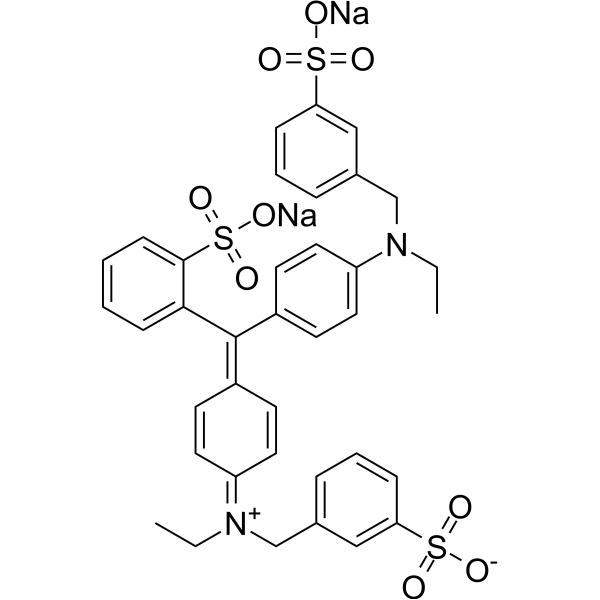
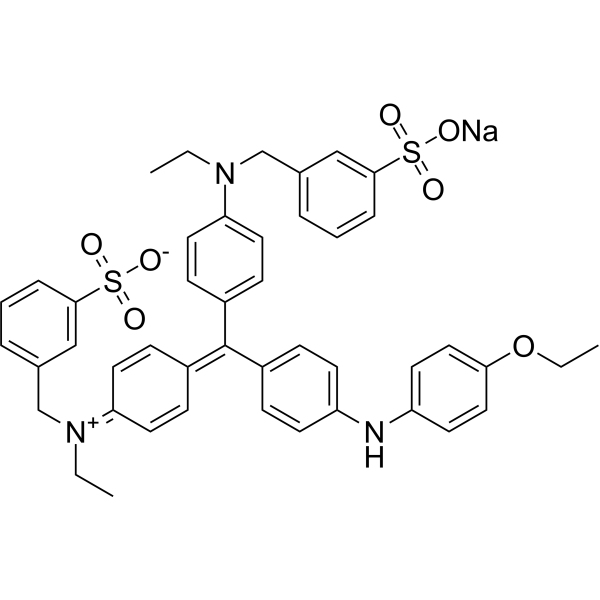
- Formule: C37H34N2Na2O9S3
- Masse moléculaire: 792.85
Brilliant Blue FCF is an aromatic hydrocarbon, a synthetic dye produced from petroleum and used as a colorant for food and other substances. The solution has a maximum absorption at 628 nm.
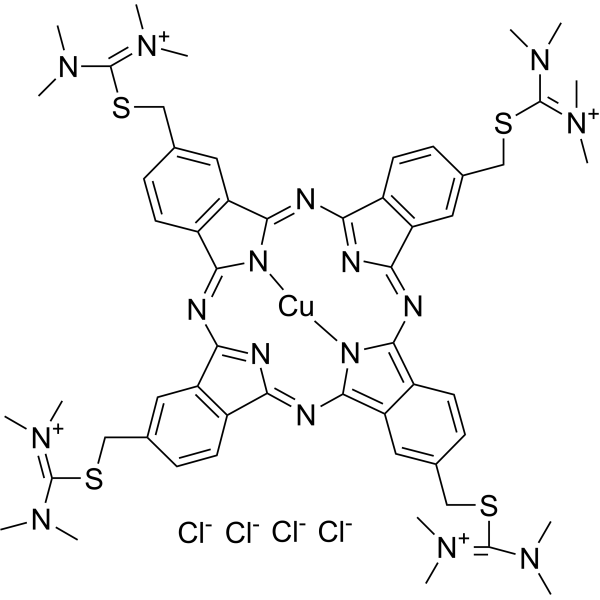
- Formule: C56H68Cl4CuN16S4
- Masse moléculaire: 1298.86
Alcian Blue 8GX is a commonly used phthalocyanine dye that binds to glycoproteins and glycosaminoglycans. Alcian Blue 8GX has a wide range of applications in biological staining, including proteins in brain tumors and DNA in cells and tissues.
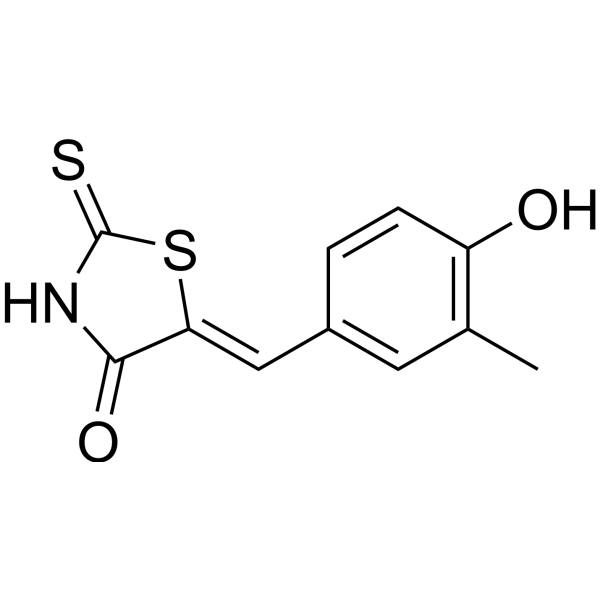
- Formule: C11H9NO2S2
- Masse moléculaire: 251.33
HMBR is an analogue with an additional methyl group on the aromatic ring and is non-fluorescent. HMBR conjugated with Y-FAST emits yellow fluorescence under blue light excitation (Ex= 419 nm; Em= 525–539 nm). HMBR is non-toxic to zebrafish embryos. HMBR has high cell permeability.
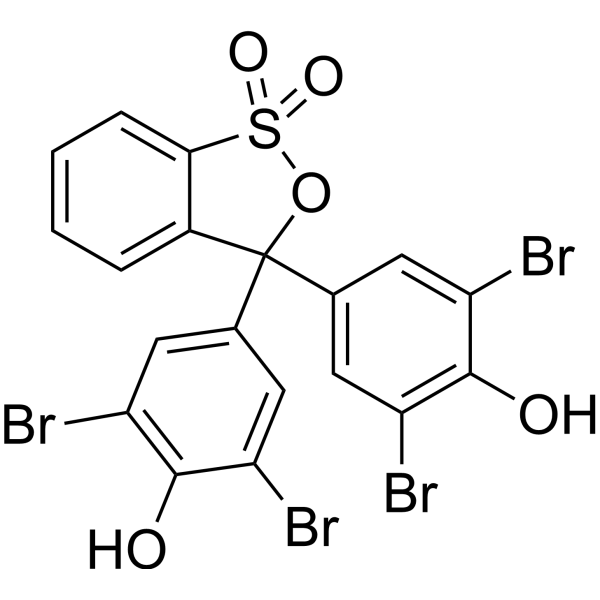
- Formule: C19H10Br4O5S
- Masse moléculaire: 669.96
Bromophenol blue is an acid phthalein dye, and it is used as a tracking dye for electrophoresis. Bromophenol blue is also used as a pH indicator, with a transition range of pH 3 to 4.6. Bromophenol blue is used as a sensor for the determination of several compounds including ammonia, drugs, proteins and amino acids. The binding of Bromophenol blue to proteins is accompanied by the appearance of a strong absorbance at 610 nm.
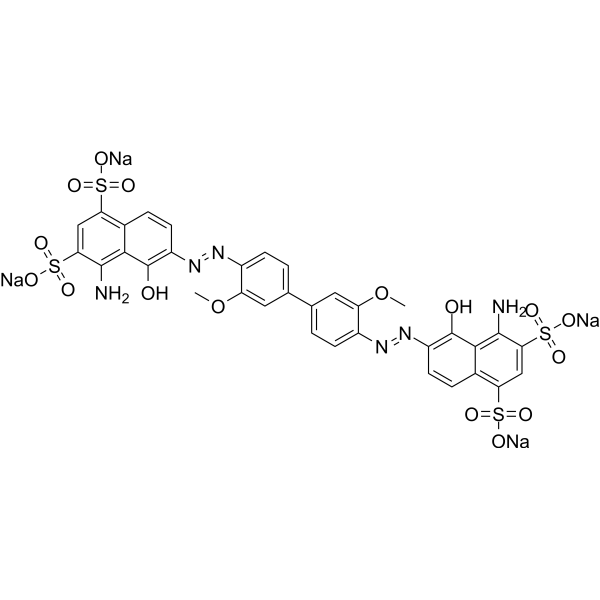
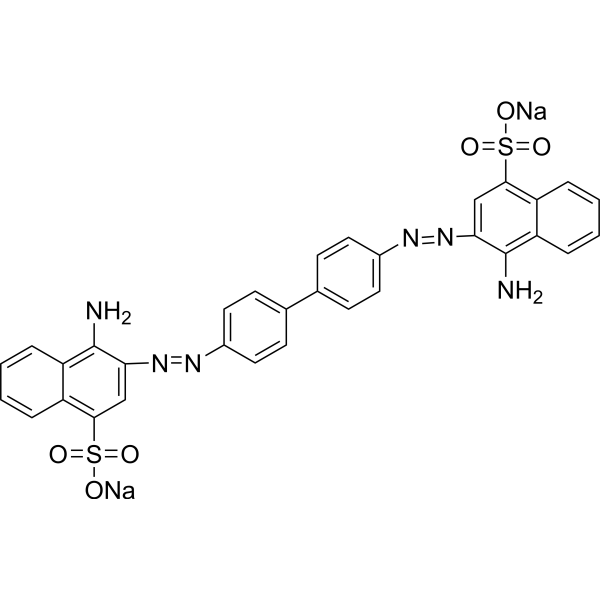
- Formule: C34H24N6Na4O16S4
- Masse moléculaire: 992.80
Direct Blue 1 (Chicago Sky Blue 6B) is a complex dye for background autofluorescence in immunofluorescence histochemistry. Direct Blue 1 is a potent and competitive VGLUT inhibitor. Direct Blue 1 can inhibit the Aβ-binding small molecule PrP ligand. Direct Blue 1 has anti-inflammatory activity.
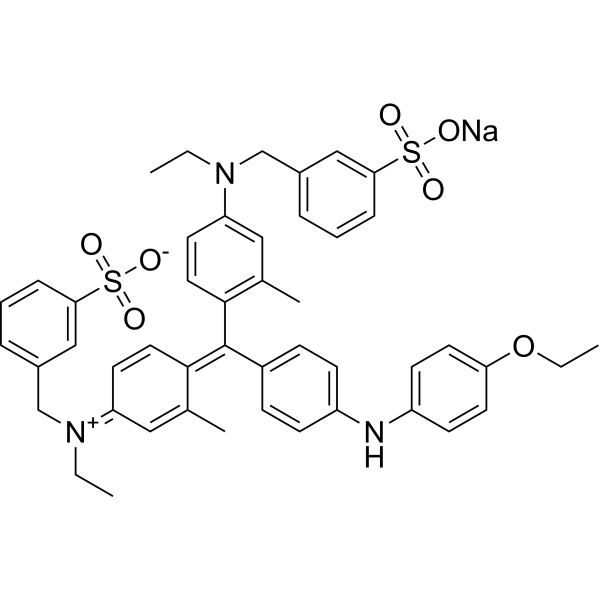
- Formule: C47H48N3NaO7S2
- Masse moléculaire: 854.02
Brilliant Blue G-250 is a dye commonly used for the visualization of proteins separated by SDS-PAGE, offering a simple staining procedure and high quantitation. In the Bradford protein assay, protein concentrations are determined by the absorbance at 595 nm due to the binding of Brilliant Blue G-250 to proteins. Brilliant Blue G-250 is a safe highly selective P2×7R antagonist with promising consequent inactivation of NLRP3 inflammasome.
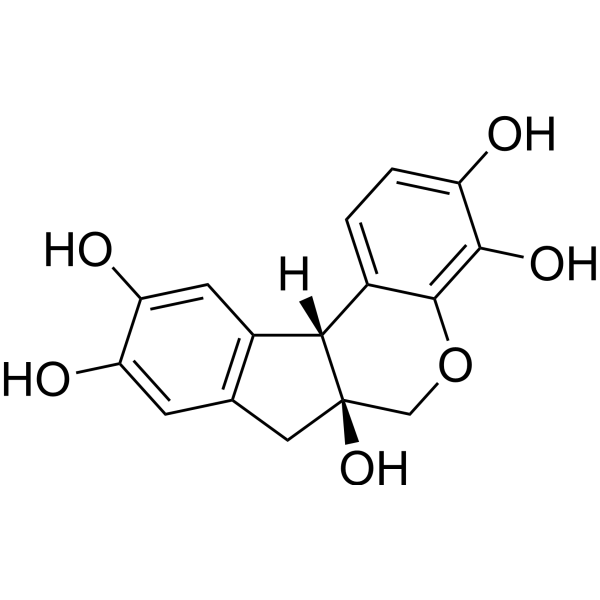
- Formule: C16H14O6
- Masse moléculaire: 302.28
Hematoxylin (Natural Black 1), a naturally occurring flavonoid compound derived from Caesalpinia sappan Linn.. Hematoxylin is a nuclear stain in histology and is also a potent Aβ42 fibrillogenesis inhibitor with an IC50 of 1.6 μM.
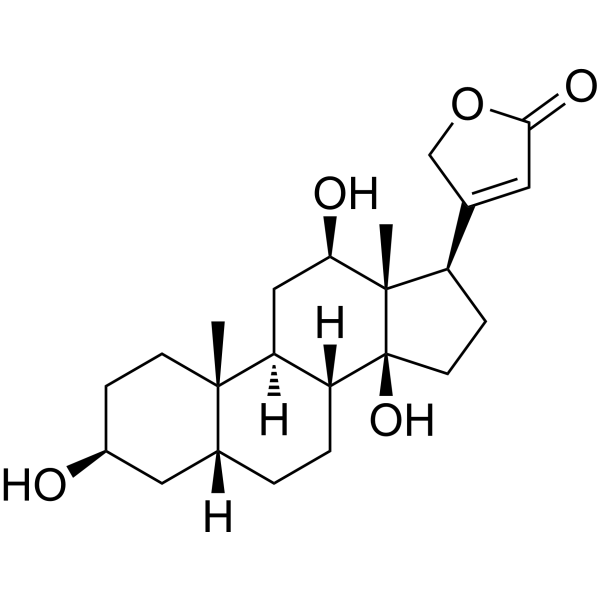
- Formule: C23H34O5
- Masse moléculaire: 390.51
Digoxigenin (DIG) is a steroid. DIG is used for situ hybridization as a labeling molecule probe due to long shelf life and fast detection and high sensitivity of DIG-labeled riboprobes.
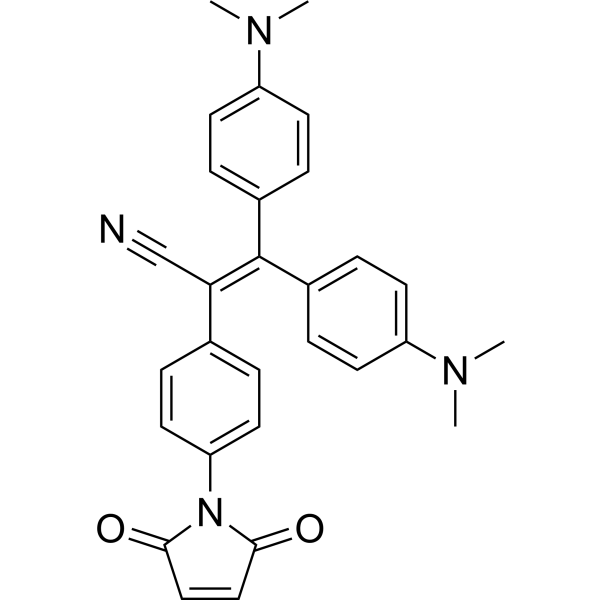
- Formule: C29H26N4O2
- Masse moléculaire: 462.54
NTPAN-MI is a fluorescent probe (excitation wavelength: 405 nm). NTPAN-MI is selectively activated after labeling unfolded proteins with exposed thiols, thereby reporting the degree of protein homeostasis.
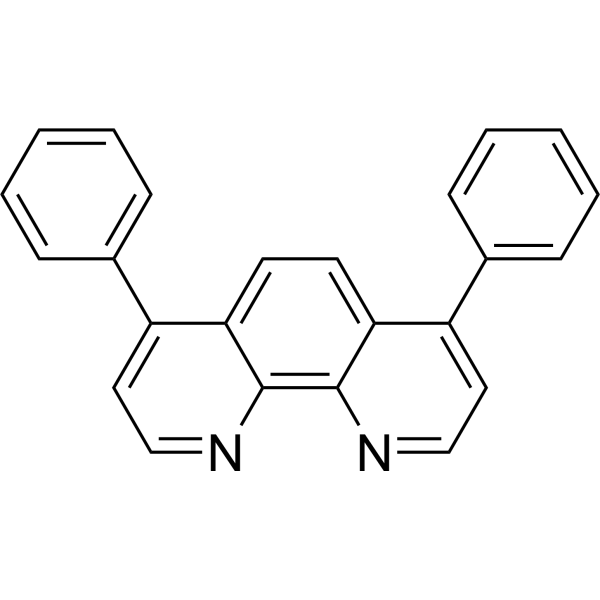
- Formule: C24H16N2
- Masse moléculaire: 332.40
Bathophenanthroline is a nitrogen-containing organic ligand that can form stable complexes with transition metal ions such as Ru2+. In proteomics, Bathophenanthroline is often used for in-gel protein staining. The negatively charged sulfonic acid groups of Bathophenanthroline interact electrostatically with the positively charged amino acid residues of proteins, thereby achieving specific binding to proteins and enhancing the fluorescent signal of detection. Bathophenanthroline can be used for protein separation and detection in SDS-PAGE gels in the field of proteomics, as well as other fluorescence studies[1]. Ex/Em=532 nm/610 nm[1].



