



PGC-1α
PPARγ coactivator-1α
Peroxisome proliferator-activated receptor-γ coactivator-1α (PGC-1α) serves as an inducible coregulator in the control of energy homeostasis. PGC-1α is a powerful transcriptional coregulator of GLUT4 and mitochondrial genes, including components of the electron transport system. PGC-1α is expressed abundantly in tissues with high energy demand, including brown adipose tissue, heart, skeletal muscle, kidney, and brain. PGC-1α has been shown to regulate adaptive thermogenesis, mitochondrial biogenesis, glucose and fatty acid metabolism, the peripheral circadian clock, fiber-type switching in skeletal muscle, and heart development. PGC-1α, a critical booster of mitochondrial function, is an excellent candidate for preventing insulin resistance and metabolic syndromes secondary to mitochondrial dysfunction. PGC-1α has been shown to influence energy metabolism.
All Product Categories
-
PGC-1α Related Products (54)
Related Products (54)

-
D-Mannitol
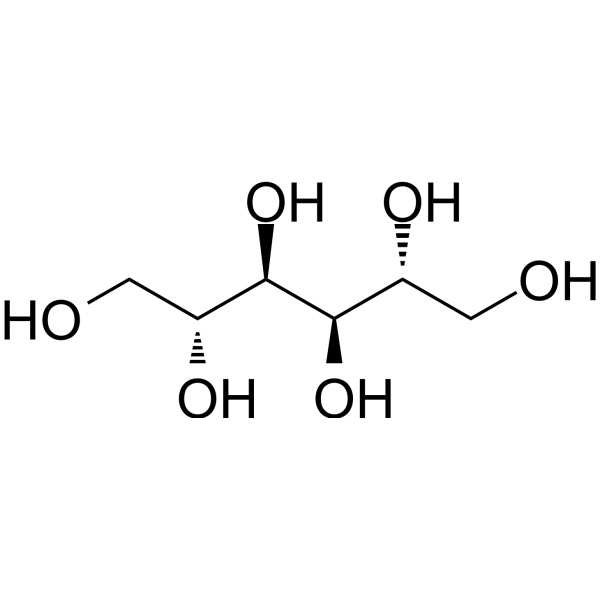 0 ImagesD-Mannitol (Mannitol) is an oral, resistant sugar widely used in the food and pharmaceutical industries to promote the absorption and retention of calcium and magnesium through cecal fermentation, while acting as a osmotic diuretic to reduce tissue edema. D-Mannitol can enhance brown fat formation, improve insulin effect, reduce blood sugar levels, And through the start the β3-adrenergic receptor (β3-AR), PGC1α and PKA induced by means of white fat cells into brown fat cells. D-Mannitol is commonly used to maintain osmotic pressure between the plant cytoplasm and the culture medium and protect cells when the cell wall is weakened or even removed.
-
SR-18292
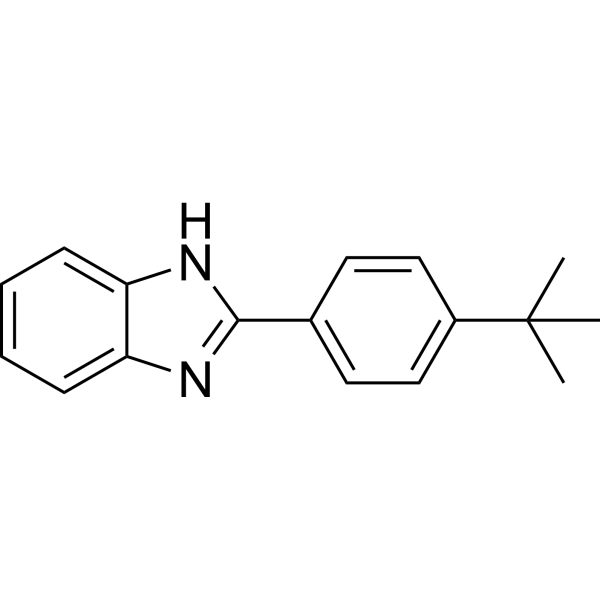
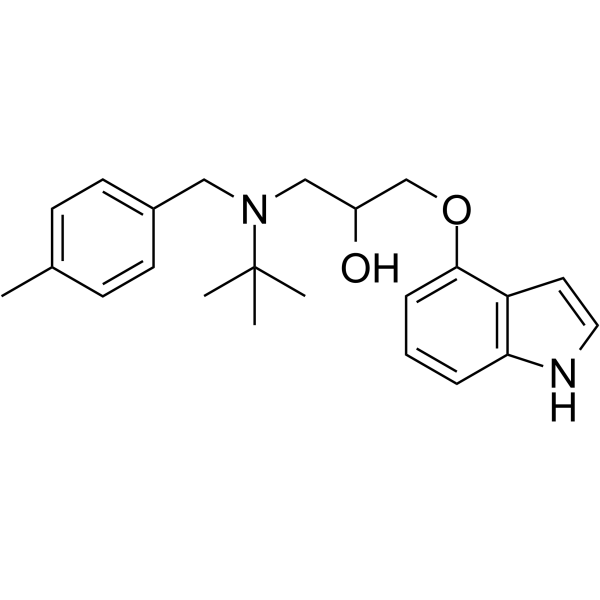 0 ImagesSR-18292 is a PPAR gamma coactivator-1α (PGC-1α) inhibitor, which increases PGC-1α acetylation, suppresses gluconeogenic gene expression and reduces glucose production in hepatocytes.
-
D-Mannitol (Standard)
 0 ImagesSynonyms: Mannitol(Standard); Mannite (Standard)D-Mannitol (Standard) is the analytical standard of D-Mannitol (HY-N0378). This product is intended for research and analytical applications. D-Mannitol (Mannitol) is an oral, resistant sugar widely used in the food and pharmaceutical industries to promote the absorption and retention of calcium and magnesium through cecal fermentation, while acting as a osmotic diuretic to reduce tissue edema. D-Mannitol can enhance brown fat formation, improve insulin effect, reduce blood sugar levels, And through the start the β3-adrenergic receptor (β3-AR), PGC1α and PKA induced by means of white fat cells into brown fat cells. D-Mannitol is commonly used to maintain osmotic pressure between the plant cytoplasm and the culture medium and protect cells when the cell wall is weakened or even removed.
-
D-Arabitol
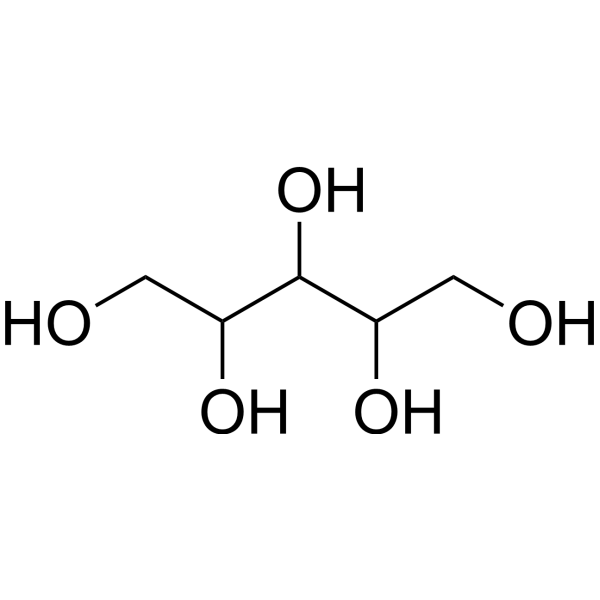 0 ImagesD-Arabitol is an orally active D-enantiomer of arabitol. D-Arabitol modulates the composition of gut microbiota, increases short-chain fatty acids, and promotes AMPK-PGC-1α-related browning of white adipose tissue. D-Arabitol improves weight gain, fat accumulation, insulin resistance, lipid deposition and inflammatory responses. D-Arabitol serves as the sole carbon/energy source for Bacillus methanolicus MGA3, a strain that can co-utilize it with mannitol. D-Arabitol is applicable to obesity-related research.
-
6'''-Feruloylspinosin
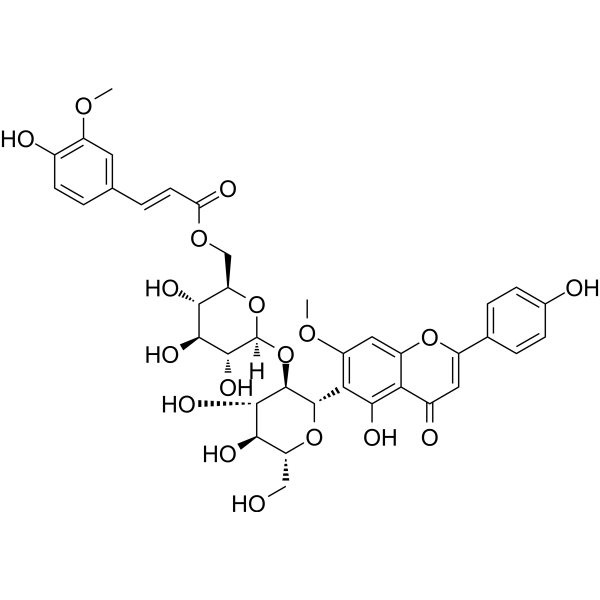 0 Images6'''-Feruloylspinosin is an orally active RORα activator that crosses the blood-brain barrier, with a Kd of 0.308 μM, and is found in natural sources. 6'''-Feruloylspinosin modulates AMPK and mTOR phosphorylation. 6'''-Feruloylspinosin promotes autophagy through the AMPK/mTOR signaling pathway, inhibits GSK3β phosphorylation at Tyr216, and activates the PGC-1α/Nrf2/HO-1 pathway. 6'''-Feruloylspinosin regulates neurotransmitter levels, enhances mRNA expression of GABAA α1, α5, and GABAB R1 receptor subunits, increases brain 5-HT and GABA, restores melatonin levels, and ameliorates anxiety-like behaviors. 6'''-Feruloylspinosin regulates oxidative stress homeostasis, inhibits mitochondrial dysfunction, decreases MDA while increasing GSH. 6'''-Feruloylspinosin can be used for research on Alzheimer's disease, acute myocardial infarction, heart failure with insomnia, and insomnia.
-
NSC 90469
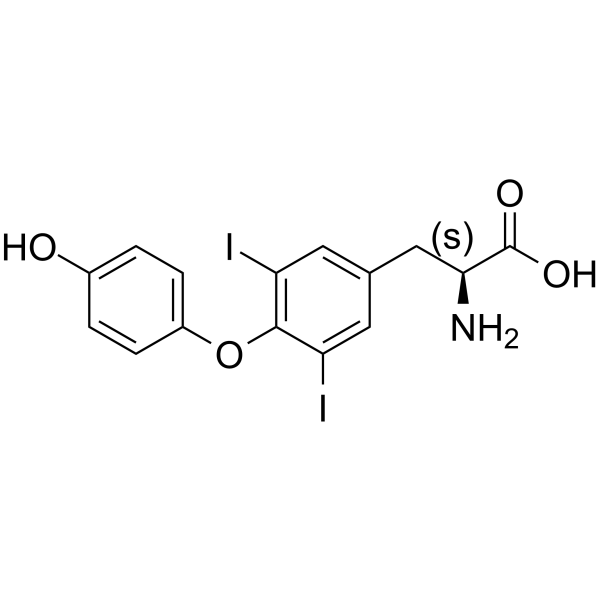 0 ImagesNSC 90469 (3,5-Diiodo-L-thyronine) is an orally active thyroid hormone derivative. NSC 90469 inhibits JNK phosphorylation and NF-κB acetylation, blocks SIRT1 protein expression, induces elevated PGC-1α levels, and stimulates COX activity. NSC 90469 enhances UCP1-mediated thermogenesis, increases hepatic Dio1 activity, inhibits TSH levels and hypothalamic-pituitary-thyroid axis function, enhances lipid metabolism, and regulates energy metabolism via the mitochondrial pathway. NSC 90469 prevents blood glucose reduction, reduces urinary albumin excretion, inhibits renal matrix expansion, decreases TGF-β1 expression, and reduces renal fibronectin and type Ⅳ collagen deposition. NSC 90469 also increases energy expenditure and prevents diet-induced overweight. NSC 90469 can be used in studies related to diabetic nephropathy, hypothyroidism, non-alcoholic fatty liver disease, and diet-induced obesity.
-
Metaxalone
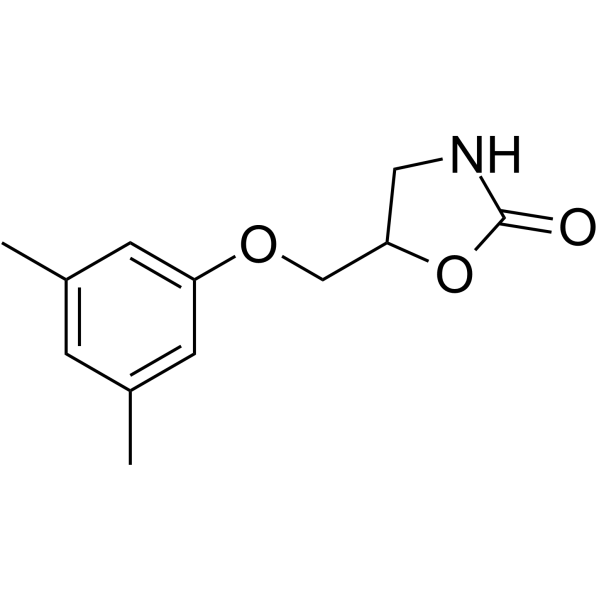 0 ImagesMetaxalone (AHR438; NSC170959) is an FDA-approved muscle relaxant. Metaxalone acts mainly on the central nervous system and achieves muscle relaxation by inhibiting polysynaptic reflex arcs. In addition, Metaxalone is an inhibitor of MAO-A, which has anti-inflammatory and antioxidant effects. Metaxalone inhibits IL-1β-induced inflammatory phenotype, modulates NF-κB and other related signaling pathways, and decreases MAO-A expression and activity in IL-1β-treated microglia.
-
(+)-Medioresinol
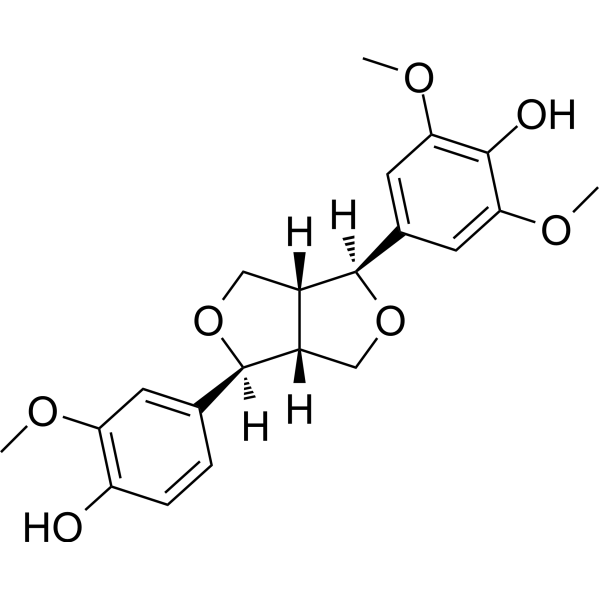 0 Images(+)-Medioresinol is a furofuran-type lignan with antifungal and antibacterial properties. (+)-Medioresinol synergizes with antibiotics to exert antimicrobial and antibiofilm effects. (+)-Medioresinol induces intracellular ROS accumulation and mitochondrial-mediated apoptosis in Candida albicans. (+)-Medioresinol inhibits LPS (HY-D1056)-stimulated IL-12p40 production. (+)-Medioresinol is a PGC-1α activator that protects against endothelial cell pyroptosis in ischemic stroke via the PPARα-GOT1 axis. (+)-Medioresinol can be used in research on fungal and bacterial infection, inflammation, and ischemic stroke.
-
D-Mannitol-13C6
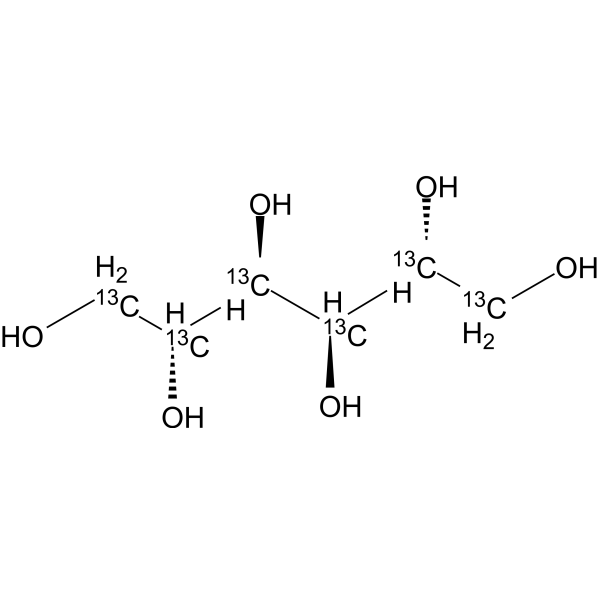 0 ImagesSynonyms: Mannitol-13C6; Mannite-13C6D-Mannitol-13C6 is the 13C labeled D-Mannitol (HY-N0378). D-Mannitol (Mannitol) is an oral, resistant sugar widely used in the food and pharmaceutical industries to promote the absorption and retention of calcium and magnesium through cecal fermentation, while acting as a osmotic diuretic to reduce tissue edema. D-Mannitol can enhance brown fat formation, improve insulin effect, reduce blood sugar levels, And through the start the β3-adrenergic receptor (β3-AR), PGC1α and PKA induced by means of white fat cells into brown fat cells. D-Mannitol is commonly used to maintain osmotic pressure between the plant cytoplasm and the culture medium and protect cells when the cell wall is weakened or even removed.
-
Ac-SVVVRT-NH2
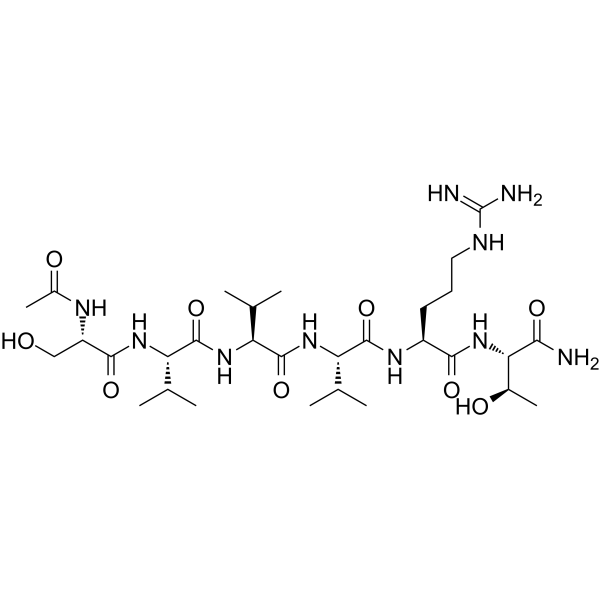 0 ImagesAc-SVVVRT-NH2 is a PGC-1α modulator that modulates the activity of the human PGC-1α promoter (114%). Ac-SVVVRT-NH2 increases PGC-1α mRNA (125%) and accumulation of intracellular lipids (128%) in subcutaneous human adipocytes. Ac-SVVVRT-NH2 can be used in the research of diseases which is modulated by PGC-1α.
-
Acetyl hexapeptide-38
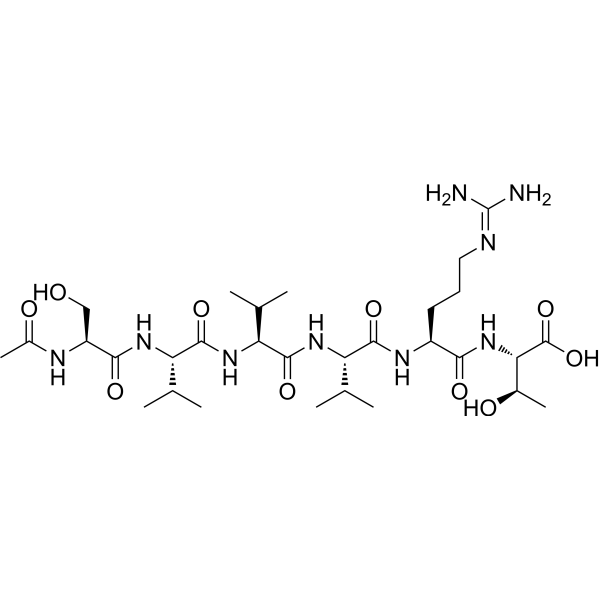 0 ImagesAcetyl hexapeptide-38 is a tissue repair promoter that targets fibroblasts in the dermis of the skin. It works by promoting collagen synthesis in the dermis and thickening of subcutaneous fat. Acetyl hexapeptide-38 can activate the skin repair mechanism, increase the collagen content in the dermis, improve the skin tissue structure, and has the activity of promoting local tissue repair. Acetyl hexapeptide-38 can be used in the field of cosmetic medicine to repair congenital soft tissue defects, reduce tear grooves and nasolabial folds, eliminate postoperative scars, and conduct micro-plastic surgery of skin tissue.
-
D-Mannitol-2-13C
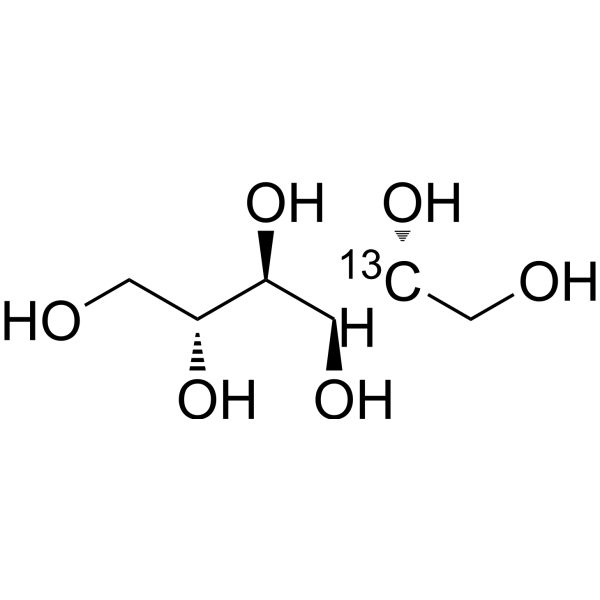 0 ImagesSynonyms: Mannitol-2-13C; Mannite-2-13CD-Mannitol-2-13C is the 13C labeled D-Mannitol (HY-N0378). D-Mannitol (Mannitol) is an oral, resistant sugar widely used in the food and pharmaceutical industries to promote the absorption and retention of calcium and magnesium through cecal fermentation, while acting as a osmotic diuretic to reduce tissue edema. D-Mannitol can enhance brown fat formation, improve insulin effect, reduce blood sugar levels, And through the start the β3-adrenergic receptor (β3-AR), PGC1α and PKA induced by means of white fat cells into brown fat cells. D-Mannitol is commonly used to maintain osmotic pressure between the plant cytoplasm and the culture medium and protect cells when the cell wall is weakened or even removed.
-
D-Mannitol-13C
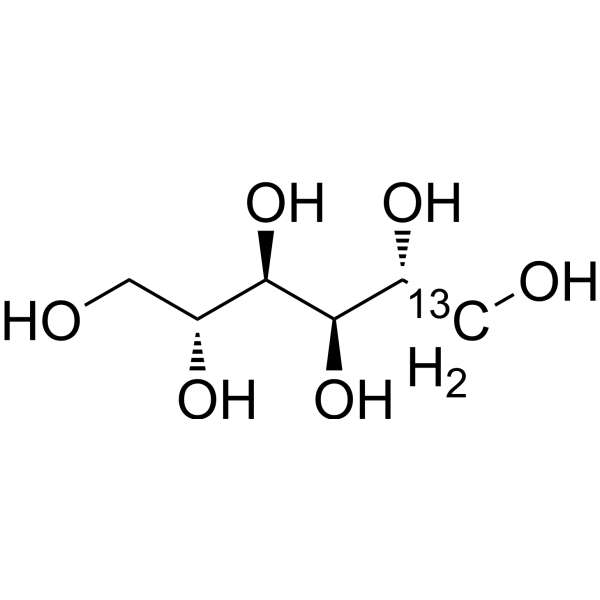 0 ImagesSynonyms: Mannitol-13C; Mannite-13CD-Mannitol-13C is the 13C labeled D-Mannitol (HY-N0378). D-Mannitol (Mannitol) is an oral, resistant sugar widely used in the food and pharmaceutical industries to promote the absorption and retention of calcium and magnesium through cecal fermentation, while acting as a osmotic diuretic to reduce tissue edema. D-Mannitol can enhance brown fat formation, improve insulin effect, reduce blood sugar levels, And through the start the β3-adrenergic receptor (β3-AR), PGC1α and PKA induced by means of white fat cells into brown fat cells. D-Mannitol is commonly used to maintain osmotic pressure between the plant cytoplasm and the culture medium and protect cells when the cell wall is weakened or even removed.
-
D-Arabitol (Standard)
 0 ImagesD-Arabitol (Standard) is the analytical standard of D-Arabitol (HY-N3686). This product is intended for research and analytical applications. D-Arabitol is an orally active D-enantiomer of arabitol. D-Arabitol modulates the composition of gut microbiota, increases short-chain fatty acids, and promotes AMPK-PGC-1α-related browning of white adipose tissue. D-Arabitol improves weight gain, fat accumulation, insulin resistance, lipid deposition and inflammatory responses. D-Arabitol serves as the sole carbon/energy source for Bacillus methanolicus MGA3, a strain that can co-utilize it with mannitol. D-Arabitol is applicable to obesity-related research.
-
7-Hydroxyflavanone
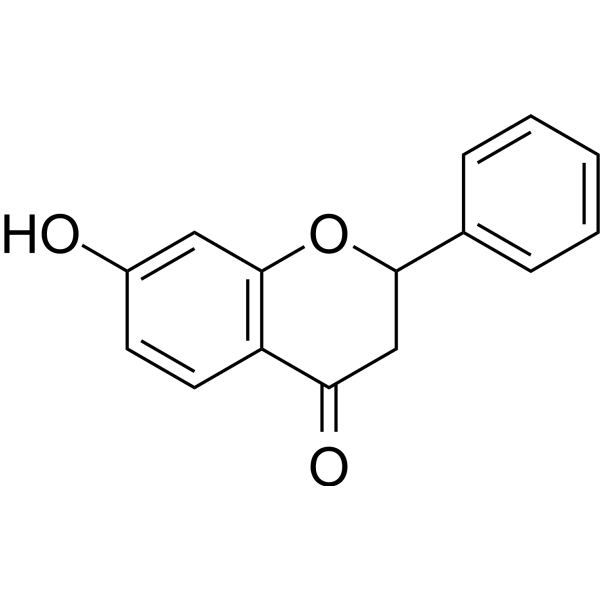 0 Images7-Hydroxyflavanone is an aromatase (CYP19) activity inhibitor found in plants with an IC50 of 65 μM, and it also possesses 20S proteasome inhibitory activity. 7-Hydroxyflavanone significantly inhibits primary humoral immunity to SRBC in mice and weakly suppresses DTH. 7-Hydroxyflavanone 1 attenuates Doxorubicin (HY-15142A)-induced oxidative stress, IL-6 inflammation, mitochondrial dysfunction, caspase 3/7 activation, apoptosis, and necrosis, and upregulates the PGC-1α/pAMPK/Beclin-1 autophagy-related pathway. 7-Hydroxyflavanone is extensively metabolized by various fungi, undergoing multiple structural modifications. 7-Hydroxyflavanone can be used in research related to Doxorubicin-induced cardiomyopathy and immune system diseases.
-
MitoPBN
 0 ImagesCat. No.: HY-136855CAS No.: 652968-37-1MitoPBN is a AMPK/SIRT3/PGC-1α axis modulator, reactive oxygen species scavenger and mitochondrial function enhancer. MitoPBN increases the phosphorylation level of AMPK, restores SIRT3 expression and reverses the down-regulation of PGC-1α, thereby promoting mitochondrial biogenesis. MitoPBN regulates glucose metabolism, reduces blood glucose by inhibiting hepatic gluconeogenesis and increasing hepatic glucose uptake, while scavenging mitochondrial superoxide anion/hydrogen peroxide, maintaining membrane potential and increasing ATP production. MitoPBN also reduces cell apoptosis, improves sperm motility, survival rate and membrane integrity, but may induce reductive stress in cryopreserved sperm at high concentrations. MitoPBN is widely applicable to research related to diabetes and type 2 diabetes.
-
AdipoR agonist 1
 0 ImagesCat. No.: HY-130479CAS No.: 949745-75-9AdipoR agonist 1 (Compound 112254) is an agonist for adiponectin receptor (AdipoR), which activates the transcriptional regulators like peroxisome proliferator-activated receptors (PPARs), peroxisome proliferator-activated receptor gamma coactivator 1α (PGC-1α), sirtuin 1 (SIRT1), and adenylate-activated protein kinase (AMPK). AdipoR agonist 1 is utilized in preventive doping research.
-
D-Mannitol-d8
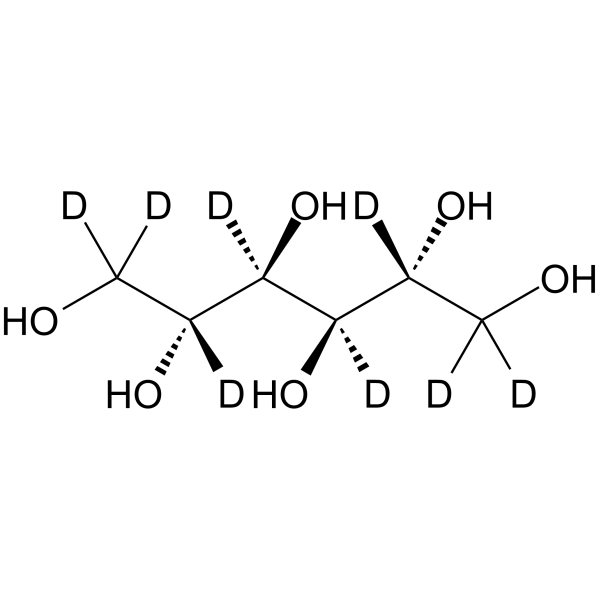 0 ImagesCat. No.: HY-N0378SPurity: 99.86%Synonyms: Mannitol-d8; Mannite-d8D-Mannitol-d8 is the deuterium labeled D-Mannitol (HY-N0378). D-Mannitol (Mannitol) is an oral, resistant sugar widely used in the food and pharmaceutical industries to promote the absorption and retention of calcium and magnesium through cecal fermentation, while acting as a osmotic diuretic to reduce tissue edema. D-Mannitol can enhance brown fat formation, improve insulin effect, reduce blood sugar levels, And through the start the β3-adrenergic receptor (β3-AR), PGC1α and PKA induced by means of white fat cells into brown fat cells. D-Mannitol is commonly used to maintain osmotic pressure between the plant cytoplasm and the culture medium and protect cells when the cell wall is weakened or even removed.



