



Type 2 Diabetes
-
Type 2 Diabetes (397)

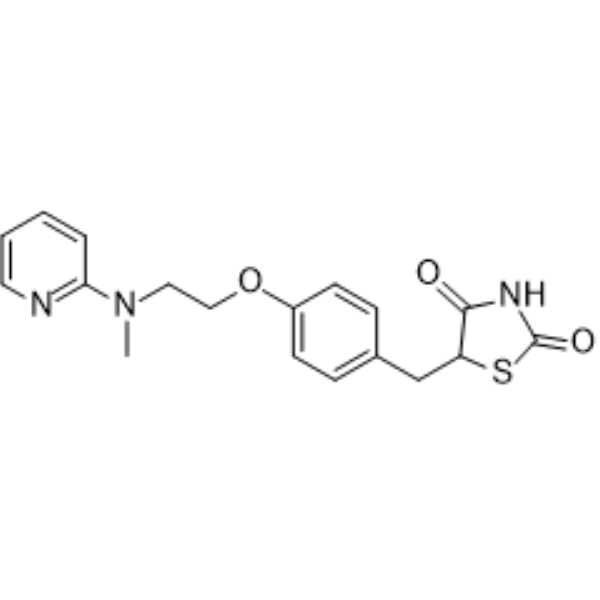
- Formula: C18H19N3O3S
- Molecular Weight: 357.43
Rosiglitazone (BRL 49653) is an orally active selective PPARγ agonist (EC50: 60 nM, Kd: 40 nM), with blood-brain barrier permeability. Rosiglitazone is an TRPC5 activator (EC50: 30 μM) and TRPM3 inhibitor. Rosiglitazone can be used in the research of obesity and diabetes, senescence, ovarian cancer.
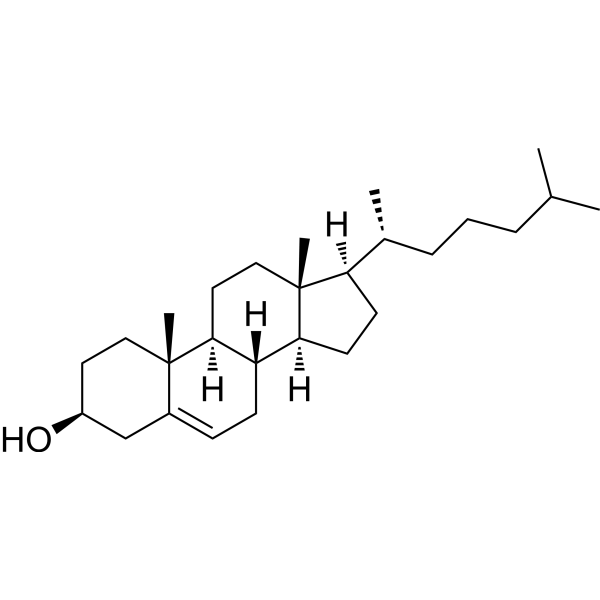
- Formula: C27H46O
- Molecular Weight: 386.65
Cholesterol (from animal) is the major sterol in mammals. It is making up 20-25% of structural component of the plasma membrane. Plasma membranes are highly permeable to water but relatively impermeable to ions and protons. Cholesterol (from animal) plays an important role in determining the fluidity and permeability characteristics of the membrane as well as the function of both the transporters and signaling proteins. Cholesterol (from animal) is also an endogenous estrogen-related receptor α (ERRα) agonist.
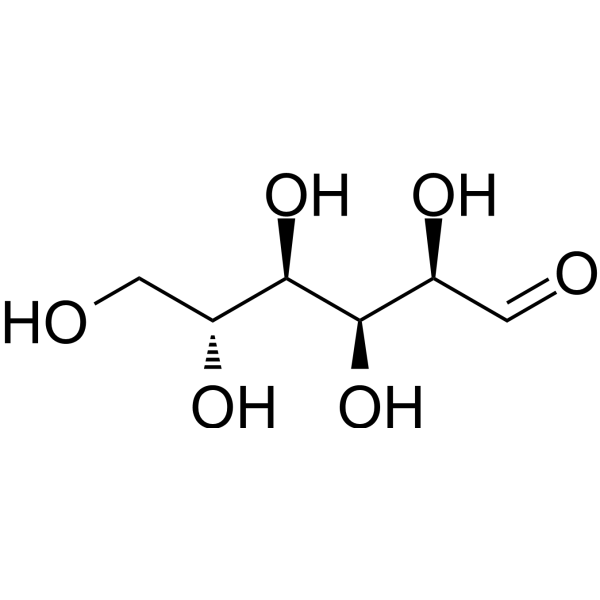
- Formula: C6H12O6
- Molecular Weight: 180.16
D-Glucose is the naturally occurring form of glucose and the most abundant monosaccharide. D-Glucose is a critical components of the general metabolism, and serve as critical signaling molecules in relation to both cellular metabolic status and biotic or abiotic stress response.

- Formula: C184H282N50O60S
- Molecular Weight: 4186.57
Exendin‑4 (Exenatide) is an orally active, blood-brain barrier-permeable glucagon-like peptide-1 receptor (GLP‑1 receptor) agonist that resists degradation mediated by dipeptidyl peptidase IV. Exendin‑4 mediates multiple glucose-regulating effects, including stimulation of glucose-dependent insulin secretion, inhibition of glucagon production, increase in β-cell mass, delay of gastric emptying, reduction of food intake, improvement of peripheral insulin sensitivity, and restoration of normal islet structure. Exendin‑4 inhibits oxidative stress, alleviates inflammatory responses, and reduces neuronal apoptosis. Exendin‑4 reduces the aggregation level of mutant huntingtin, improves motor function, prolongs survival time, and regulates the expression levels of leptin and ghrelin. Exendin‑4 can be used in research related to type 2 diabetes, acute ischemic stroke, and Huntington's disease.
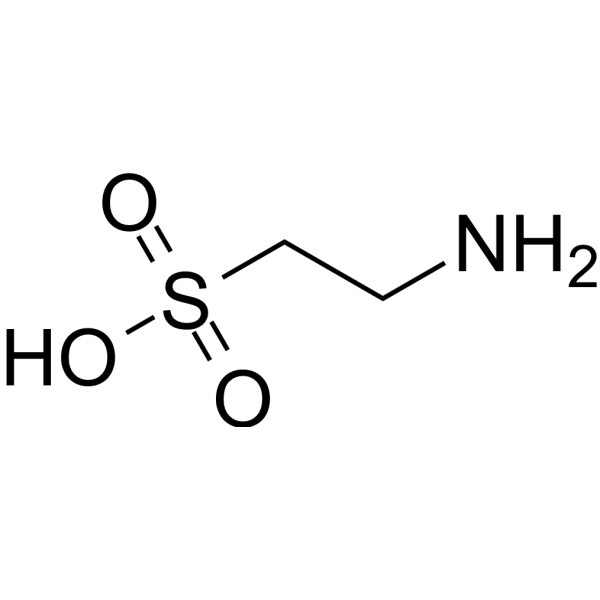
- Formula: C2H7NO3S
- Molecular Weight: 125.15
Taurine, a sulphur-containing amino acid and an organic osmolyte involved in cell volume regulation, provides a substrate for the formation of bile salts, and plays a role in the modulation of intracellular free calcium concentration. Taurine has the ability to activate autophagy in adipocytes.

Intralipid 20% is a safe fat emulsion, composed of soybean oil (consisting of a mixture of long-chain triglycerides (C14-24) of predominantly unsaturated fatty acids), and egg phospholipids, can be used as a nutritional supplement. Intralipid 20% effectively inhibits the opening of the mitochondrial permeability transition pore, effectively protecting the heart from ischaemia-reperfusion injury and has some potential to modulate the innate immune response.
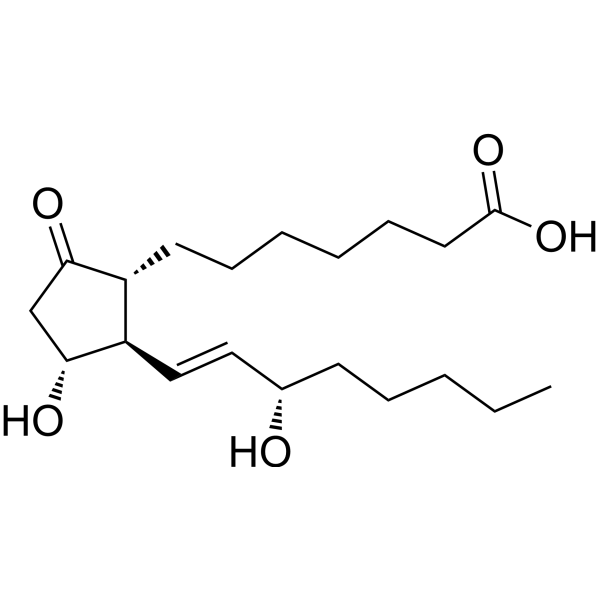
- Formula: C20H34O5
- Molecular Weight: 354.48
Prostaglandin E1 (Alprostadil) is a prostanoid receptor ligand, with Kis of 1.1 nM, 2.1 nM, 10 nM, 33 nM and 36 nM for mouse EP3, EP4, EP2, IP and EP1, respectively. Prostaglandin E1 induces vasodilation and inhibits platelet aggregation. Prostaglandin E1 can be used as a vasodilator for the research of peripheral vascular diseases.

- Formula: C172H265N43O51
- Molecular Weight: 3751.20
Liraglutide is a glucagon-like peptide-1 (GLP-1) receptor agonist used clinically to treat type 2 diabetes mellitus.
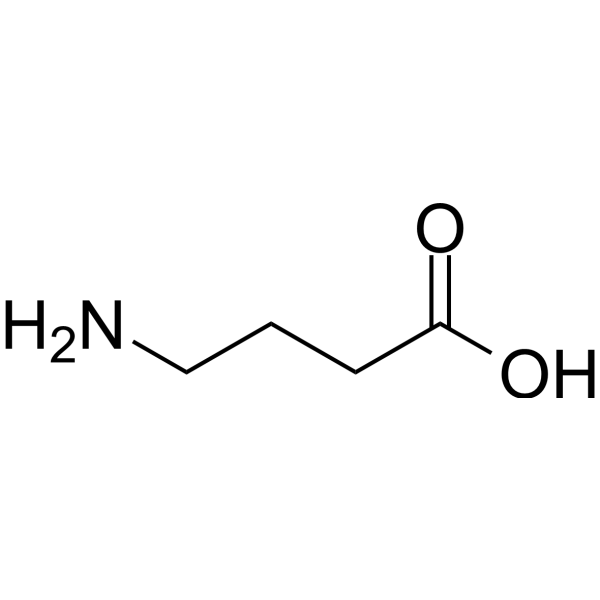
- Formula: C4H9NO2
- Molecular Weight: 103.12
γ-Aminobutyric acid (4-Aminobutyric acid) is a major inhibitory neurotransmitter in the adult mammalian brain, binding to the ionotropic GABA receptors (GABAA receptors) and metabotropic receptors (GABAB receptors. γ-Aminobutyric acid shows calming effect by blocking specific signals of central nervous system.
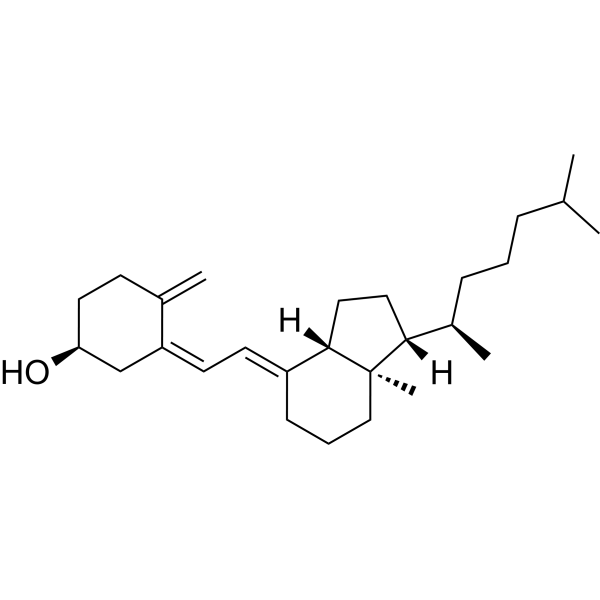
- Formula: C27H44O
- Molecular Weight: 384.64
Vitamin D3 (Cholecalciferol; Colecalciferol) is a naturally occuring form of vitamin D. Vitamin D3 induces cell differentiation and prevents proliferation of cancer cells.
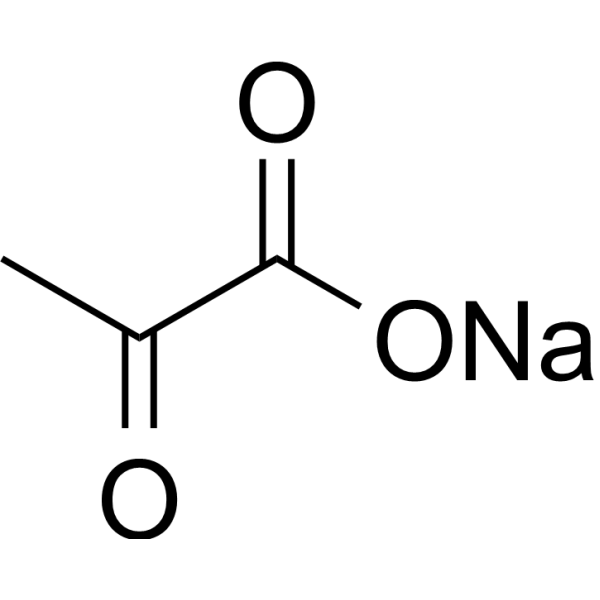
- Formula: C3H3NaO3
- Molecular Weight: 110.04
Sodium 2-oxopropanoate (Sodium pyruvate), a three-carbon metabolite of Glucose, is a compound produced in the glycolytic pathway. Sodium 2-oxopropanoate is a free radical scavenger that can scavenge ROS.
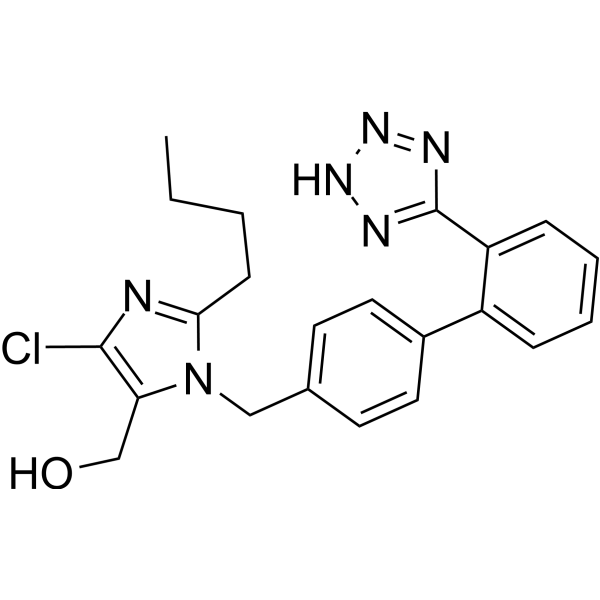
- Formula: C22H23ClN6O
- Molecular Weight: 422.91
Losartan is an angiotensin II receptor antagonist, competing with the binding of angiotensin II to AT1 receptors with IC50 of 20 nM.
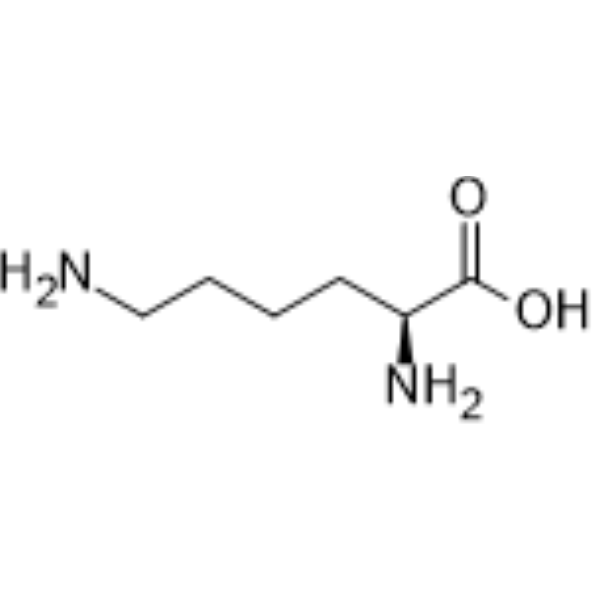
- Formula: C6H14N2O2
- Molecular Weight: 146.19
L-lysine is an essential amino acid for humans with orally activity. L-lysine can inhibit the occurrence of HSV infections and is used in herpes research. L-lysine increases calcium absorption, reduces diabetes-related diseases, improves gut health, and alleviates pancreatic inflammation. L-lysine can be used in research on metabolism, infection, and inflammation.

- Molecular Weight: 145.5 kDa
Canakinumab (ACZ885) is a recombinant human anti-IL-1β monoclonal antibody. Canakinumab shows IC50 values of 43.6 and 40.8 pM for human and marmoset IL-1β, respectively. The mode of action of canakinumab is based on the neutralization of IL-1β signaling, resulting in suppression of inflammation related to disorders of autoimmune origin.

- Formula: C181H270N44O59
- Molecular Weight: 4006.34
Survodutide (BI 456906) is a potent, selective glucagon receptor/GLP-1 receptor (GCGR/GLP-1R) dual agonist with EC50s of 0.52 nM and 0.33 nM in CHO-K1 cells, respectively. Survodutide, a 29-amino-acid peptide, is a potent acylated peptide containing a C18 fatty acid. Survodutide has robust anti-obesity efficacy achieved by increasing energy expenditure and decreasing food intake.
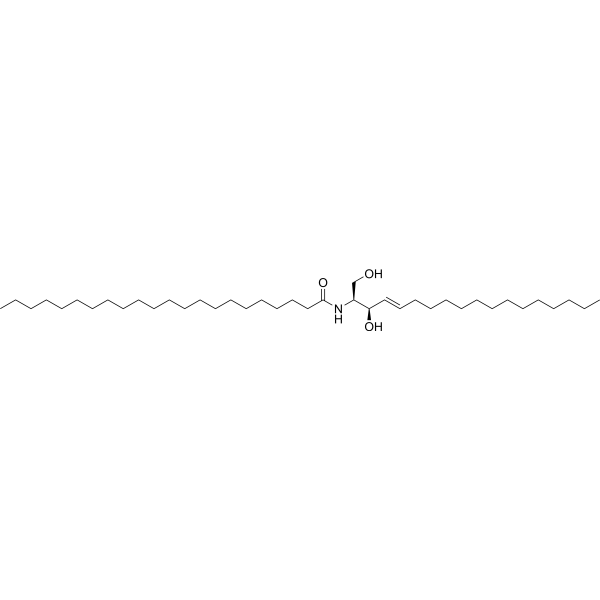
- Formula: C40H79NO3
- Molecular Weight: 622.06
C22-Ceramide (d18:1/22:0) (N-Behenoyl-D-erythro-sphingosine) is an ultra-long-chain ceramide containing a C22:0 behenoyl acyl chain. C22-Ceramide can be glycosylated via CGT-3 to form C22 glucosylceramide (C22 GlcCer), which in turn maintains clathrin membrane localization and lysosomal homeostasis, inhibits TOR signaling and promotes SKN-1 activation, thereby enhancing oxidative stress resistance and extending the lifespan of C. elegans. C22-Ceramide can be used in research on cardiometabolic diseases such as type 2 diabetes, obesity, dyslipidemia, coronary artery disease and thin-cap fibroatheroma (TCFA), as well as oxidative stress and aging-related studies.
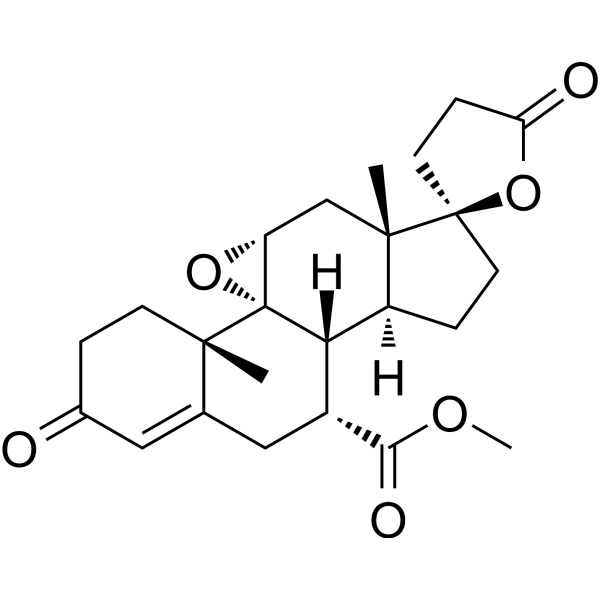
- Formula: C24H30O6
- Molecular Weight: 414.49
Eplerenone (Epoxymexrenone) is a selective, highly specific and orally active aldosterone blocker (SAB). Eplerenone also is a selective mineralocorticoid receptor antagonist (MRA) with IC50 value of 0.081 μM. Eplerenone can be used for the research of hypertension, atherosclerosis, chronic systolic heart failure (HF) and cardiovascular (CV).
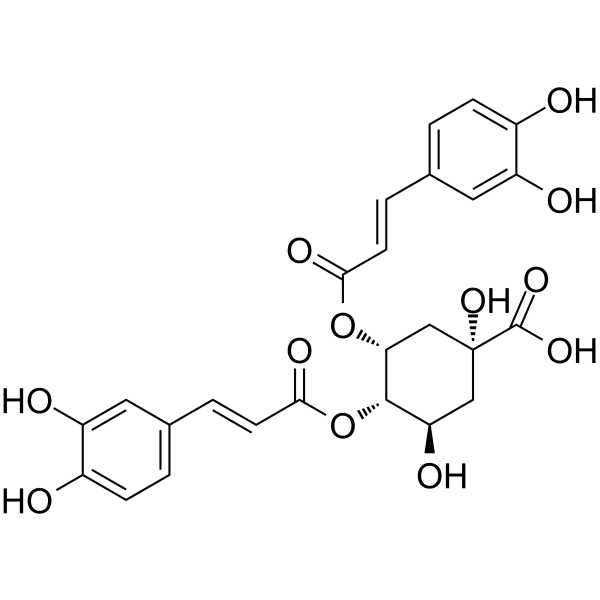
- Formula: C25H24O12
- Molecular Weight: 516.45
4,5-Dicaffeoylquinic acid (Isochlorogenic acid C) is an antioxidant, can be isolated from Gynura divaricata and Laggera alata. 4,5-Dicaffeoylquinic acid reduces islet cell apoptosis and improves pancreatic function in type 2 diabetic mice, and has obvious inhibitory activities against yeast α-glucosidase. 4,5-Dicaffeoylquinic acid inhibits prostate cancer cells through cell cycle arrest. 4,5-Dicaffeoylquinic acid also has anti-apoptotic, anti-injury and anti-hepatitis B virus effects.

- Molecular Weight: 153,514 (average)
Maridebart cafraglutide (AMG 133) is a long-acting peptide-antibody conjugate that combines GLP-1 receptor agonist with glucose-dependent insulinotropic polypeptide (GIP) receptor antagonism. Maridebart cafraglutide shows antagonist activity against human, cynomolgus monkey and rat GIPR with IC50 values of 46.4 nM, 26.5 nM, 822.3 nM, respectively. Maridebart cafraglutide shows agonist activity against human, cynomolgus monkey, rat and mouse GLP-1R with EC50 values of 24.4 pM, 5.7 pM, 2.4 pM and 123 pM, respectively. Maridebart cafraglutide can be used for the study of obesity and type 2 diabetes.



