HDAC5
HDAC5 (histone deacetylase 5) is a member of the class IIa histone deacetylase family and functions as a signal-responsive transcriptional regulator through its conserved N-terminal transcription factor-binding domain and C-terminal catalytic domain[1][2]. HDAC5 interacts with transcription factors such as myocyte enhancer factor 2 (MEF2), and phosphorylation-dependent binding to 14-3-3 proteins promotes its nuclear export, thereby relieving transcriptional repression of target genes[1][2]. Mechanistically, HDAC5 participates in chromatin-dependent gene regulation and integrates extracellular signaling pathways that control cellular differentiation, survival, and tissue-specific transcriptional programs[2][3]. These properties place HDAC5 within a broader class IIa HDAC regulatory network that functions primarily through transcriptional repression complexes rather than strong intrinsic deacetylase activity[2]. In disease-related settings, aberrant HDAC5 expression has been reported across multiple cancer types, where it is associated with regulation of cell proliferation, invasion, stemness maintenance, immune-related processes, and cell-cycle progression[1]. Experimental studies summarized in cancer models further indicate that HDAC5 can influence oncogenic pathways including DLL4, Notch1, c-Met, and Six1 signaling, supporting its relevance as a molecular regulator of tumor biology[1]. Compared with related HDAC isoforms, HDAC5 shares the characteristic class IIa adaptor architecture and signal-dependent nucleocytoplasmic shuttling mechanism, yet retains distinct tissue distribution patterns and target-gene regulatory functions that contribute to biological specificity[1][2]. For experimental applications, HDAC5 is widely investigated as a candidate therapeutic target, and ongoing efforts to develop class IIa-selective HDAC modulators aim to improve isoform selectivity while minimizing off-target effects associated with pan-HDAC inhibition[2][3].
References:
- [1]. Yang J, et al. Insights Into the Function and Clinical Application of HDAC5 in Cancer Management. Front Oncol. 2021 Jun 10;11:661620. [Content Brief]
- [2]. Park SY, et al. A short guide to histone deacetylases including recent progress on class II enzymes. Exp Mol Med. 2020 Feb;52(2):204-212. [Content Brief]
- [3]. Ujlaky-Nagy L, et al. Disrupting EGFR-HER2 Transactivation by Pertuzumab in HER2-Positive Cancer: Quantitative Analysis Reveals EGFR Signal Input as Potential Predictor of Therapeutic Outcome. Int J Mol Sci. 2024 May 29;25(11):5978. [Content Brief]
All Product Categories
-
HDAC5 Related Products (56)
Related Products (56)

-
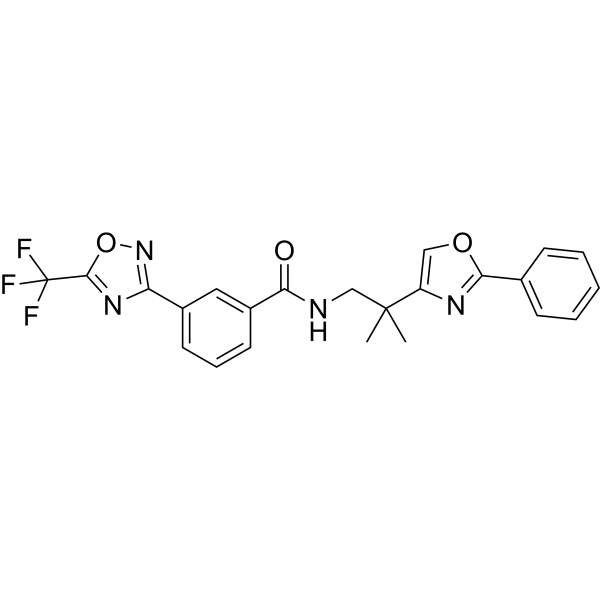
Quisinostat
 0 ImagesSynonyms: JNJ-26481585
-
Givinostat
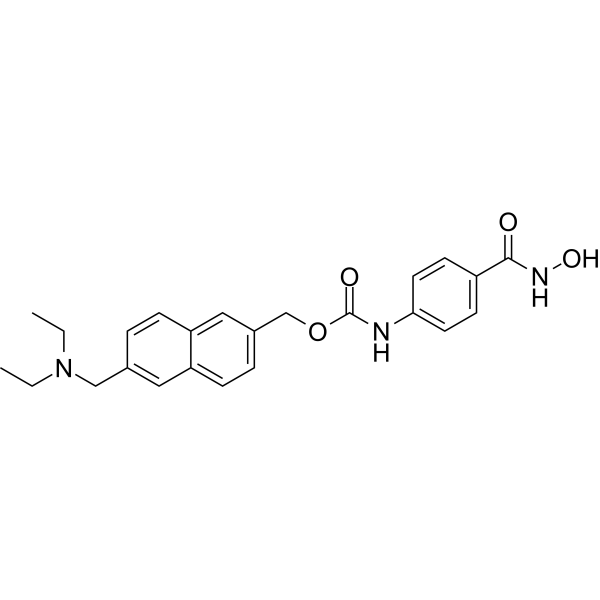 0 ImagesSynonyms: ITF-2357Givinostat (ITF-2357) is a HDAC inhibitor with an IC50 of 198 and 157 nM for HDAC1 and HDAC3, respectively. Givinostat can be used for Duchenne muscular dystrophy (DMD) research. Givinostat can penetrate the blood-brain barrier (BBB).
-
Tubacin
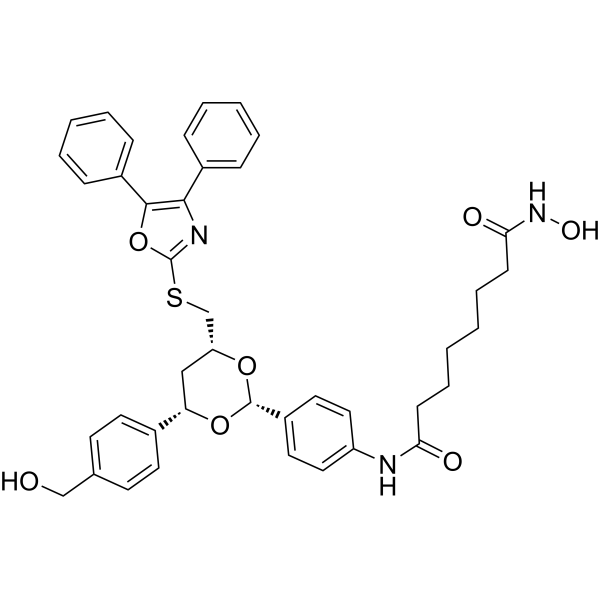 0 ImagesTubacin is a potent and selective inhibitor of HDAC6, with an IC50 value of 4 nM and approximately 350-fold selectivity over HDAC1. Tubacin also inhibits metallo-β-lactamase domain-containing protein 2 (MBLAC2).
-
SM-06-09
 0 ImagesCat. No.: HY-184203SM-06-09 is a potent, highly selective, orally active tetrazolone-based HDAC6 inhibitor with an IC50 value of 0.49 nM. SM-06-09 promotes tumor-associated macrophage (TAM) polarization toward an antitumor M1-like phenotype and enhances macrophage phagocytosis, antigen presentation, and T-cell activation. SM-06-09 remodels the tumor immune microenvironment, exhibits antitumor activity in melanoma models, and enhances the efficacy of anti-PD-1 immune checkpoint blockade.
-
HDAC6-IN-82
 0 ImagesCat. No.: HY-183560CAS No.: 1228571-33-2HDAC6-IN-82 is a selective HDAC6 inhibitor with an IC50 of 4.9 nM against HDAC6. HDAC6-IN-82 inhibits HDAC1 (112 nM), HDAC2 (737 nM), HDAC3 (623 nM), HDAC8 (1140 nM), HDAC10 (91.4 nM) and HDAC11 (219 nM). HDAC6-IN-82 reduces cancer cell viability, induces cell cycle arrest, triggers apoptosis, and increases the acetylation levels of H3K9 and α-tubulin. HDAC6-IN-82 can be used in cancer-related research such as leukemia.
-
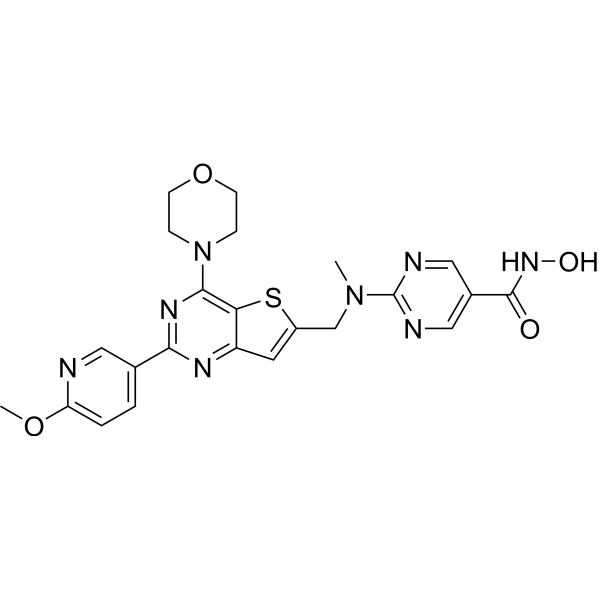
HDAC-IN-104
 0 ImagesCat. No.: HY-184574HDAC-IN-104 is a potent and selective class I Histone deacetylases (HDAC) inhibitor with an IC50 of 25 nM. HDAC-IN-104 exerts potent antiproliferative and antitumor effects by inhibiting glycolysis and OXPHOS via blockade of the PI3K/AKT signaling pathway, and these effects are synergistically enhanced when combined with the FMS-like tyrosine kinase 3 (FLT3) inhibitor Quizartinib (AC220) (HY-13001). HDAC-IN-104 induces significant early and late apoptosis. HDAC-IN-104 can be used for acute myeloid leukemia (AML) research.
-
Pracinostat
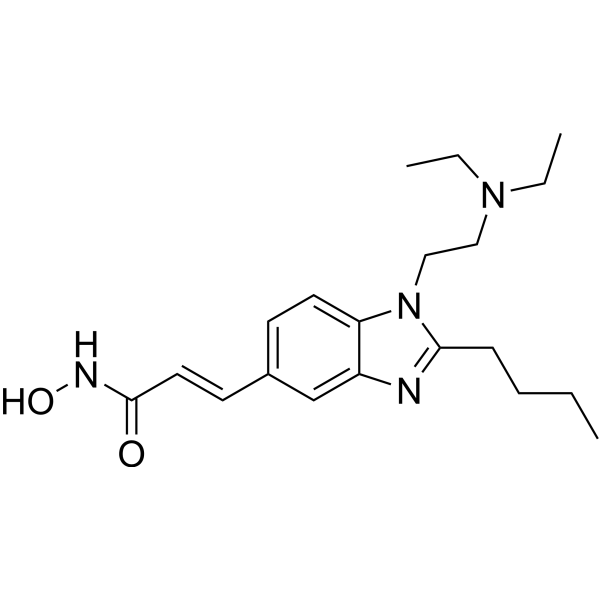 0 ImagesSynonyms: SB939Pracinostat is a potent histone deacetylase (HDAC) inhibitor, with IC50s of 40-140 nM, used for cancer research. Pracinostat also inhibits metallo-β-lactamase domain-containing protein 2 (MBLAC2) hydrolase activity with an EC50 below 10 nM.
-
Nexturastat A
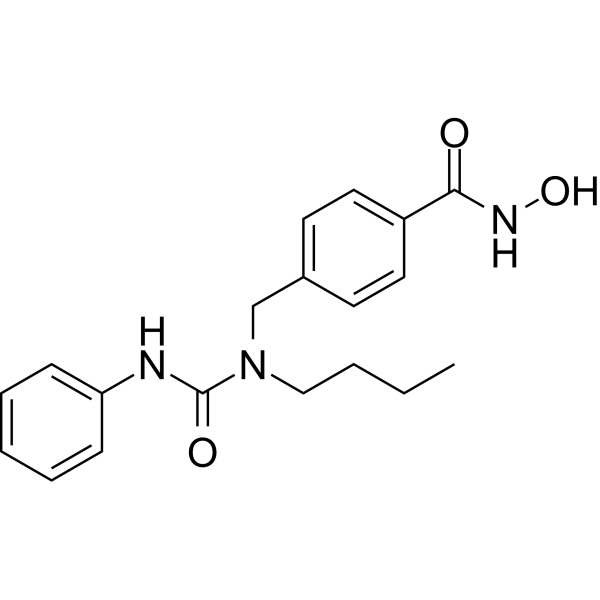 0 ImagesNexturastat A is a potent, selective HDAC6 inhibitor. Nexturastat A has inhibitory for HDAC6 with an IC50 of 5 nM. Nexturastat A can be used for the research of multiple myeloma (MM).
-
Givinostat hydrochloride monohydrate
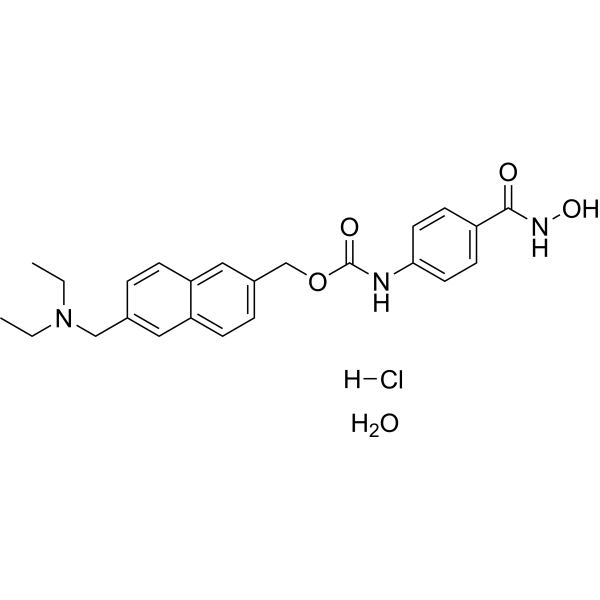 0 ImagesSynonyms: ITF-2357 hydrochloride monohydrate
-
Quisinostat dihydrochloride
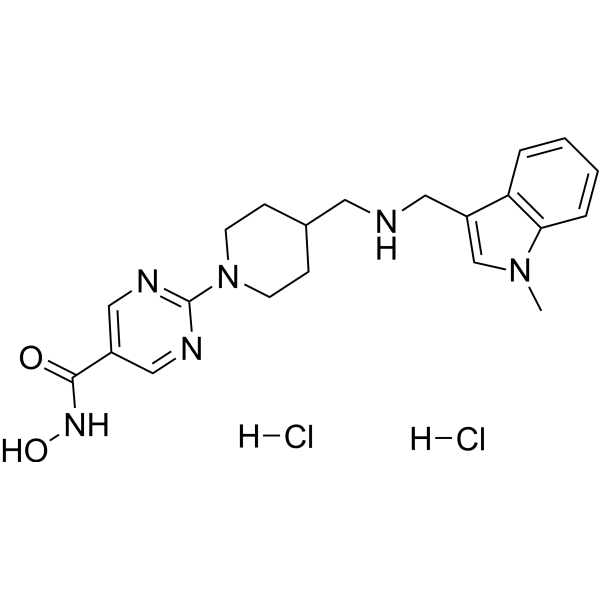 0 ImagesSynonyms: JNJ-26481585 dihydrochlorideQuisinostat dihydrochloride (JNJ-26481585 dihydrochloride) is an orally active, potent pan-HDAC inhibitor with IC50s of 0.11 nM, 0.33 nM, 0.64 nM, 0.46 nM, and 0.37 nM for HDAC1, HDAC2, HDAC4, HDAC10 and HDAC11, respectively. Quisinostat dihydrochloride has a broad spectrum antitumoral activity. Quisinostat dihydrochloride can induce autophagy in neuroblastoma cells.
-
Domatinostat
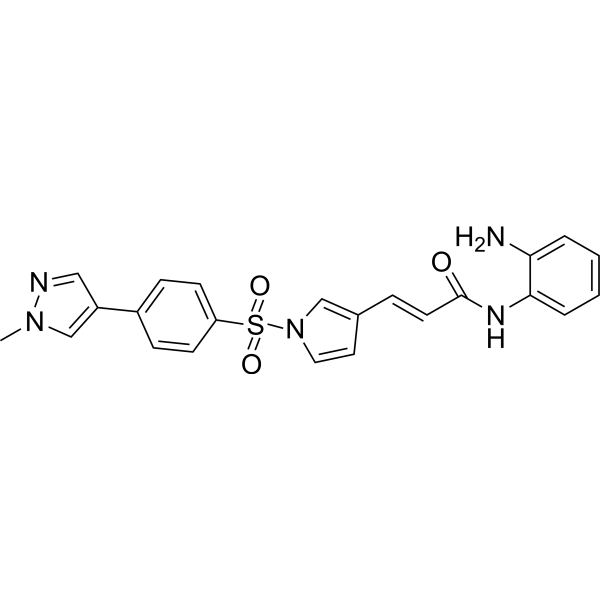 0 ImagesSynonyms: 4SC-202 free base
-
CHDI-390576
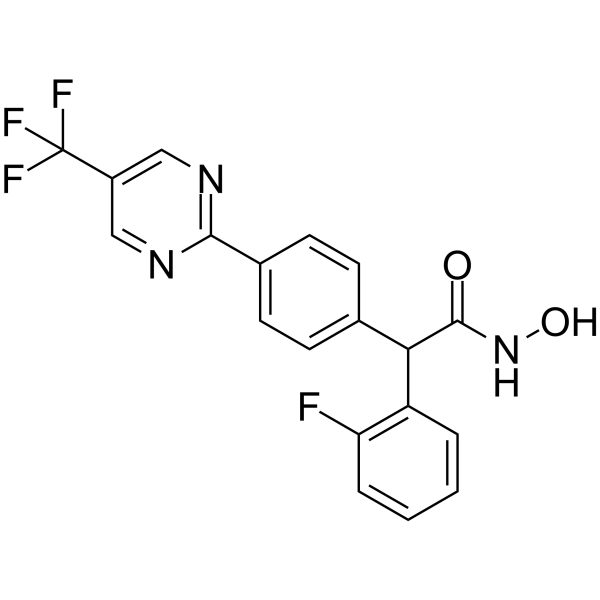 0 ImagesSynonyms: CHDI00390576CHDI-390576, a potent, cell permeable and CNS penetrant class IIa histone deacetylase (HDAC) inhibitor with IC50s of 54 nM, 60 nM, 31 nM, 50 nM for class IIa HDAC4, HDAC5, HDAC7, HDAC9, respectively, shows >500-fold selectivity over class I HDACs (1, 2, 3) and ~150-fold selectivity over HDAC8 and the class IIb HDAC6 isoform.