HDAC3
HDAC3 (histone deacetylase 3) is a class I histone deacetylase that functions as a central epigenetic regulator of chromatin structure and transcriptional repression through its association with nuclear receptor corepressor complexes containing NCOR and SMRT[1][2]. Mechanistically, HDAC3 forms an enzymatically active complex with NCOR/SMRT and associated cofactors, enabling histone deacetylation and coordinated control of gene expression programs involved in metabolism, circadian regulation, and cellular homeostasis[2][3][4]. HDAC3 also participates in signal-responsive transcriptional regulation, including repression of the JNK pathway and modulation of inflammatory gene expression, linking epigenetic regulation to cellular stress and immune responses[5][6]. In disease models, dysregulation of HDAC3-dependent transcriptional networks has been associated with metabolic disorders, cardiovascular pathology, inflammatory diseases, and cancer-related transcriptional abnormalities[4][6]. HDAC3 is additionally required for normal embryonic development, organ function, and maintenance of metabolic processes, highlighting its broad physiological significance[4]. Compared with related class I HDAC isoforms, HDAC3 is distinguished by its obligate functional interaction with the NCOR/SMRT corepressor complex and its dependence on corepressor-mediated activation for full biological activity[1][2][7]. Structural and genetic studies further demonstrate that disruption of HDAC3-corepressor interactions compromises HDAC3 function in vivo, emphasizing a unique regulatory mechanism not shared to the same extent by other HDAC family members[7][3]. For experimental applications, selective HDAC3 inhibitors are widely used to investigate epigenetic control of inflammation, metabolism, and disease-associated transcriptional programs, while offering greater isoform specificity than pan-HDAC inhibition strategies[6][4].
References:
- [1]. Wen YD, et al. The histone deacetylase-3 complex contains nuclear receptor corepressors. Proc Natl Acad Sci U S A. 2000 Jun 20;97(13):7202-7. [Content Brief]
- [2]. Fischle W, et al. Enzymatic activity associated with class II HDACs is dependent on a multiprotein complex containing HDAC3 and SMRT/N-CoR. Mol Cell. 2002 Jan;9(1):45-57. [Content Brief]
- [3]. Watson PJ, et al. Structure of HDAC3 bound to co-repressor and inositol tetraphosphate. Nature. 2012 Jan 9;481(7381):335-40. [Content Brief]
- [4]. He R, et al. The role of HDAC3 and its inhibitors in regulation of oxidative stress and chronic diseases. Cell Death Discov. 2023 Apr 18;9(1):131. [Content Brief]
- [5]. Zhang J, et al. The N-CoR-HDAC3 nuclear receptor corepressor complex inhibits the JNK pathway through the integral subunit GPS2. Mol Cell. 2002 Mar;9(3):611-23. [Content Brief]
- [6]. Watson N, et al. The role of HDAC3 in inflammation: mechanisms and therapeutic implications. Front Immunol. 2024 Jul 10;15:1419685. [Content Brief]
- [7]. Rabezanahary H, et al. Live virus neutralizing antibodies against pre and post Omicron strains in food and retail workers in Québec, Canada. Heliyon. 2024 May 21;10(10):e31026. [Content Brief]
-
HDAC3 Related Products (204)
Related Products (204)

-
Antibodies (1)
-
Vorinostat
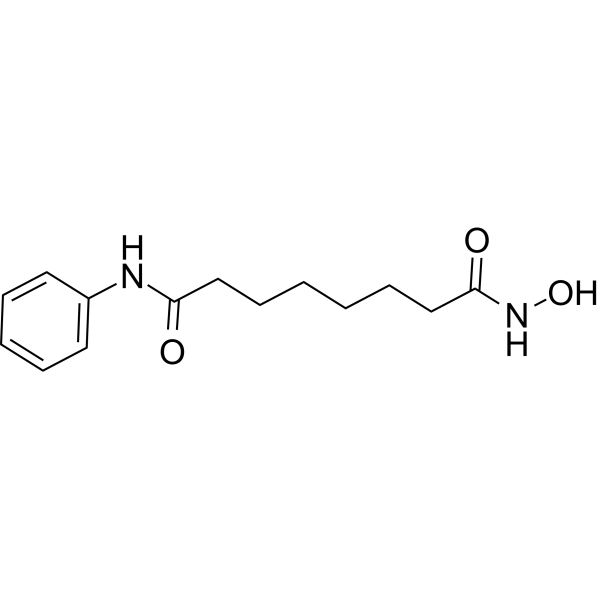 0 ImagesSynonyms: SAHA; Suberoylanilide hydroxamic acidVorinostat (SAHA) is a potent and orally active pan-inhibitor of HDAC1, HDAC2 and HDAC3 (Class I), HDAC6 and HDAC7 (Class II) and HDAC11 (Class IV), with ID50 values of 10 nM and 20 nM for HDAC1 and HDAC3, respectively. Vorinostat induces cell apoptosis. Vorinostat is also an effective inhibitor of human papillomaviruse (HPV)-18 DNA amplification.
-
Tucidinostat
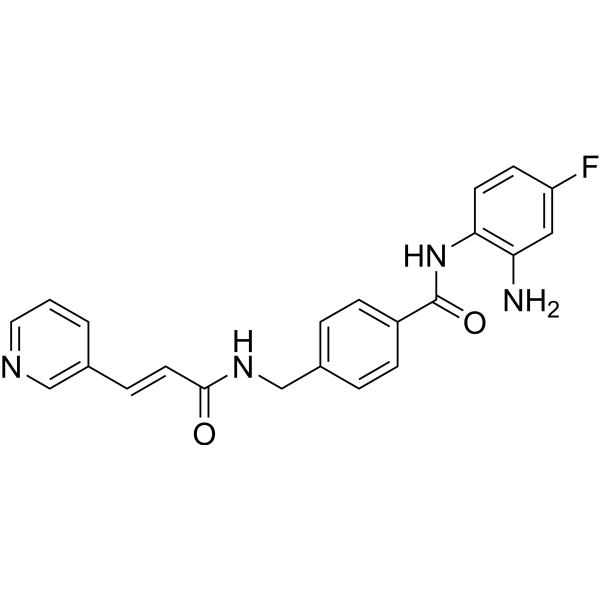 0 ImagesSynonyms: Chidamide; HBI-8000; CS 055
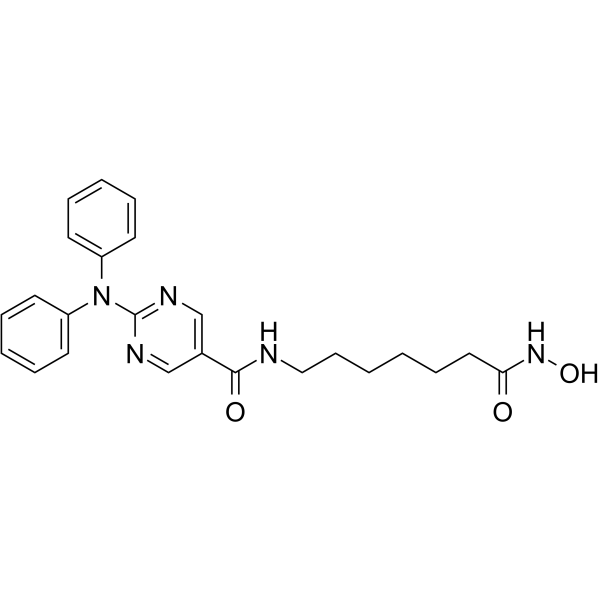
-
1-Stearoyl-sn-glycero-3-phosphocholine
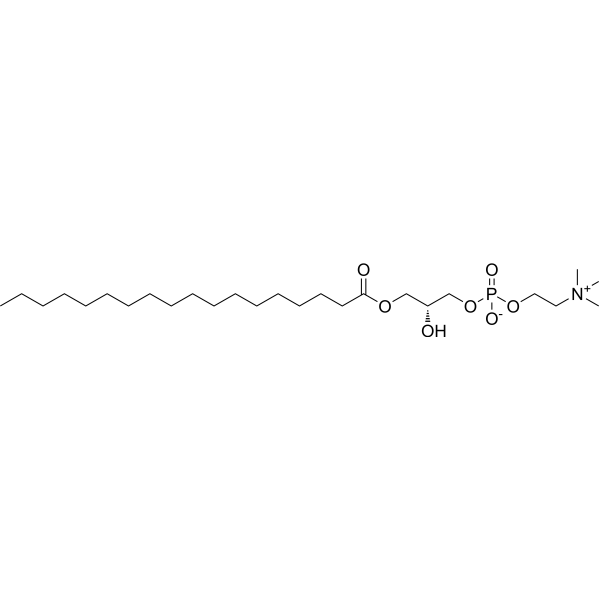 0 ImagesSynonyms: 18:0 Lyso-PC; LPC(18:0)1-Stearoyl-sn-glycero-3-phosphocholine is a lysophosphatidylcholine that inhibits HDAC3 activity and phosphorylation of STAT3 in K562 cells. 1-Stearoyl-sn-glycero-3-phosphocholine induces apoptosis and exhibits anticancer activity in chronic myelogenous leukemia (CML) K562 cells.
-
Abexinostat
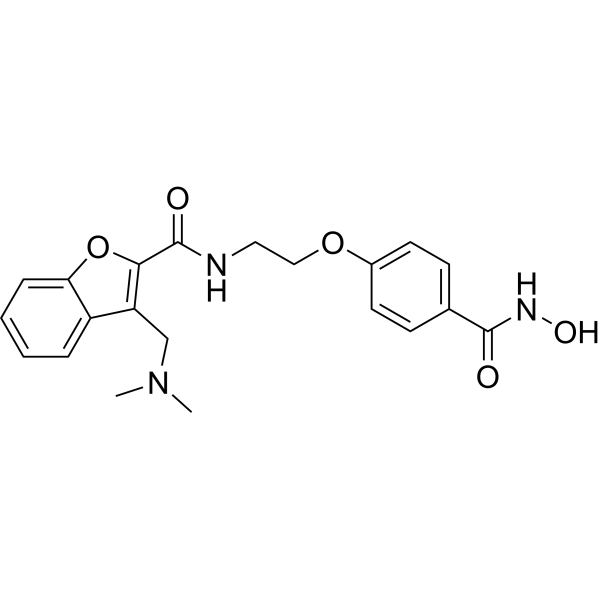 0 ImagesSynonyms: CRA 024781; PCI-24781Abexinostat (CRA 024781) is a novel pan-HDAC inhibitor mostly targeting HDAC1 with Ki of 7 nM. Abexinostat also inhibits metallo-β-lactamase domain-containing protein 2 (MBLAC2) hydrolase activity with an EC50 below 10 nM.
-
PH14
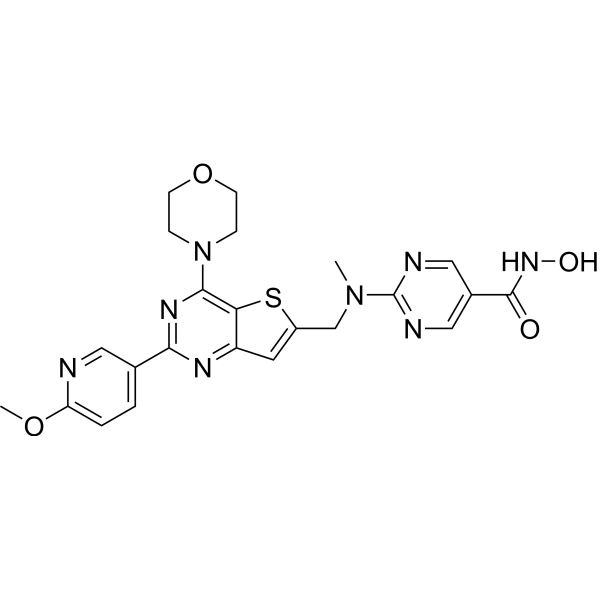
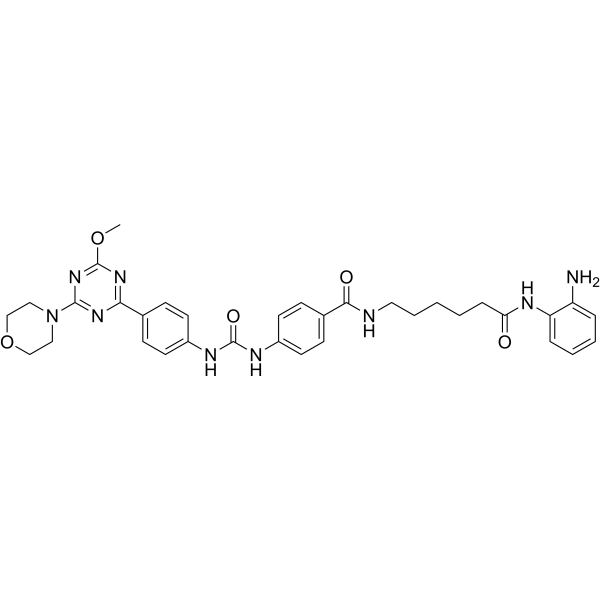 0 ImagesPH14 is a PI3Kα/HDAC3 inhibitor, with an IC50 value of 20.3 nM against PI3Kα and 24.5 nM against HDAC3. PH14 blocks the phosphorylation of AKT, inhibits the PI3K/AKT signaling pathway, increases the level of acetylated histone H3, promotes apoptosis, and exerts antiproliferative activity against tumor cells. PH14 can be used in the research of mantle cell lymphoma, myeloma, acute promyelocytic leukemia, and breast cancer.
-
Mocetinostat
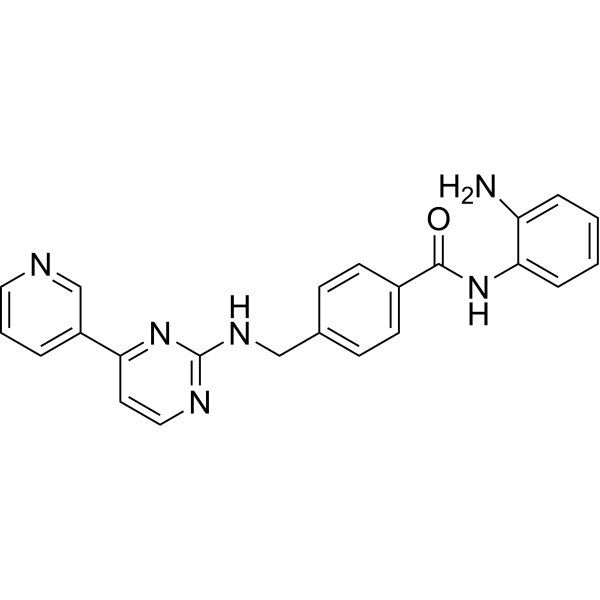 0 ImagesSynonyms: MGCD0103
-
Quisinostat
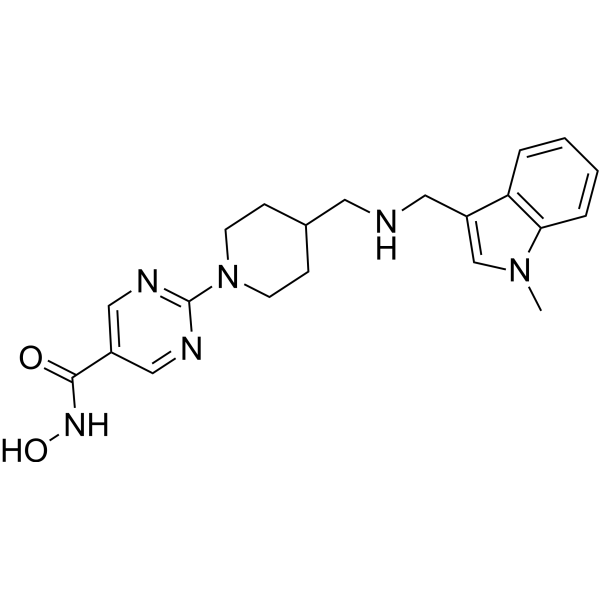 0 ImagesSynonyms: JNJ-26481585
-
Givinostat
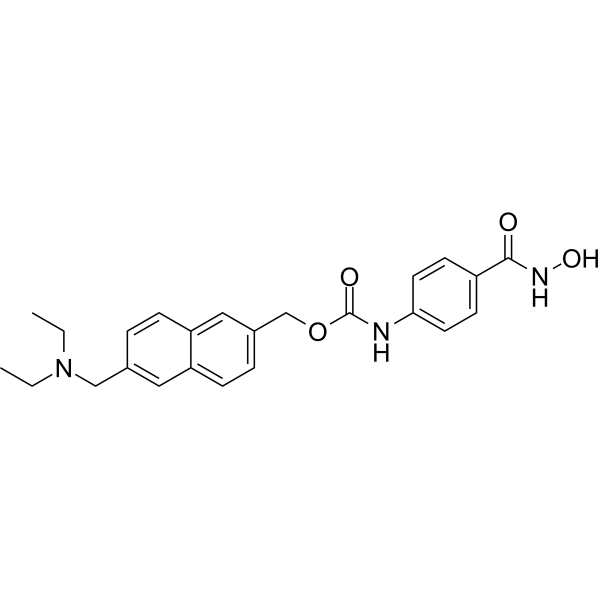 0 ImagesSynonyms: ITF-2357Givinostat (ITF-2357) is a HDAC inhibitor with an IC50 of 198 and 157 nM for HDAC1 and HDAC3, respectively. Givinostat can be used for Duchenne muscular dystrophy (DMD) research. Givinostat can penetrate the blood-brain barrier (BBB).
-
Tubacin
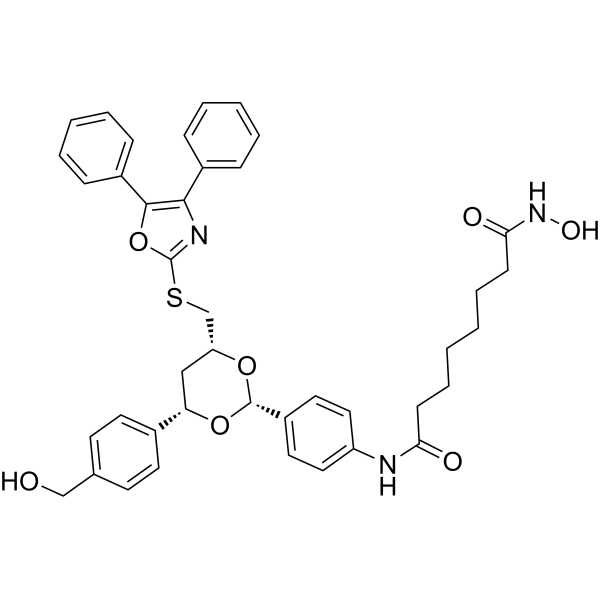 0 ImagesTubacin is a potent and selective inhibitor of HDAC6, with an IC50 value of 4 nM and approximately 350-fold selectivity over HDAC1. Tubacin also inhibits metallo-β-lactamase domain-containing protein 2 (MBLAC2).
-
Tacedinaline
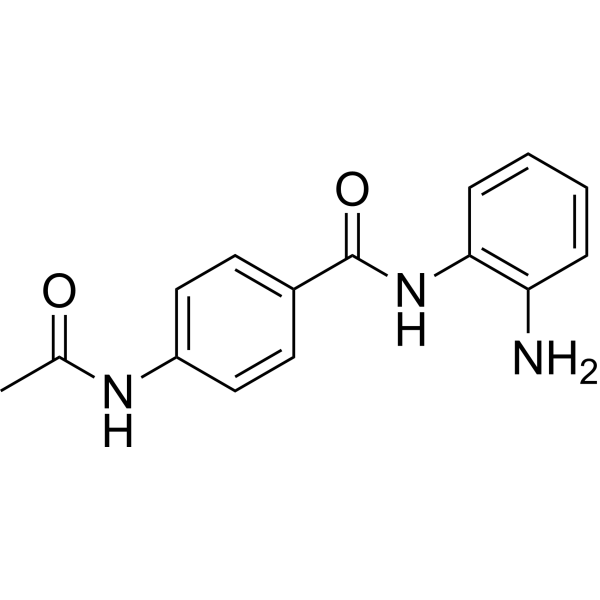 0 ImagesSynonyms: N-acetyldinaline; CI-994; Goe-5549Tacedinaline (N-acetyldinaline) is an inhibitor of the histone deacetylase (HDAC) with IC50s of 0.9, 0.9, 1.2 μM for recombinant HDAC 1, 2 and 3 respectively.
-
Pracinostat
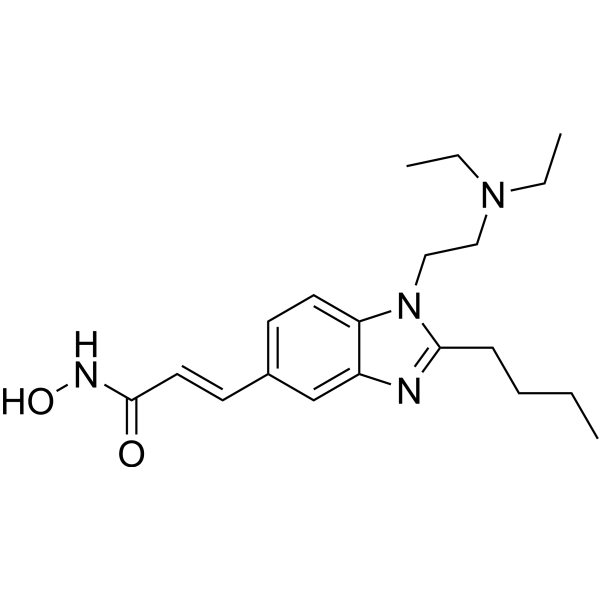 0 ImagesSynonyms: SB939Pracinostat is a potent histone deacetylase (HDAC) inhibitor, with IC50s of 40-140 nM, used for cancer research. Pracinostat also inhibits metallo-β-lactamase domain-containing protein 2 (MBLAC2) hydrolase activity with an EC50 below 10 nM.
-
BRD3308
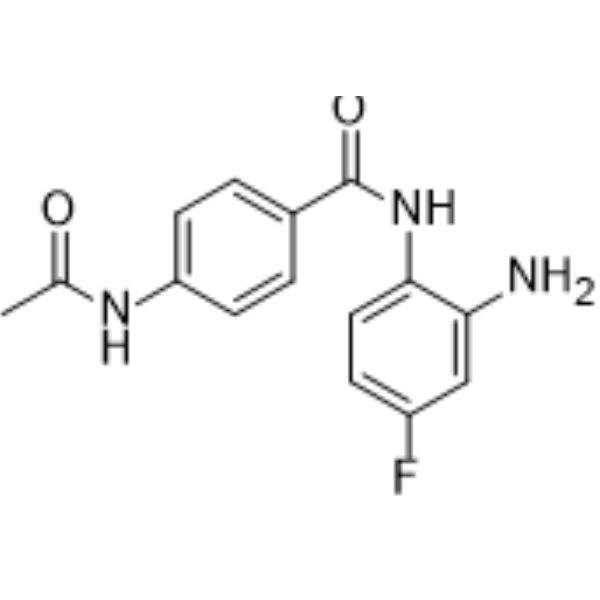 0 ImagesBRD3308 is a highly selective HDAC3 inhibitor with an IC50 of 54 nM. BRD3308 is 23-fold selectivity for HDAC3 over HDAC1 (IC50 of 1.26 μM) or HDAC2 (IC50 of 1.34 μM). BRD3308 suppresses pancreatic β-cell apoptosis induced by inflammatory cytokines or glucolipotoxic stress, and increases functional insulin release. BRD3308 activates HIV-1 transcription and disrupts HIV-1 latency.
-
Nexturastat A
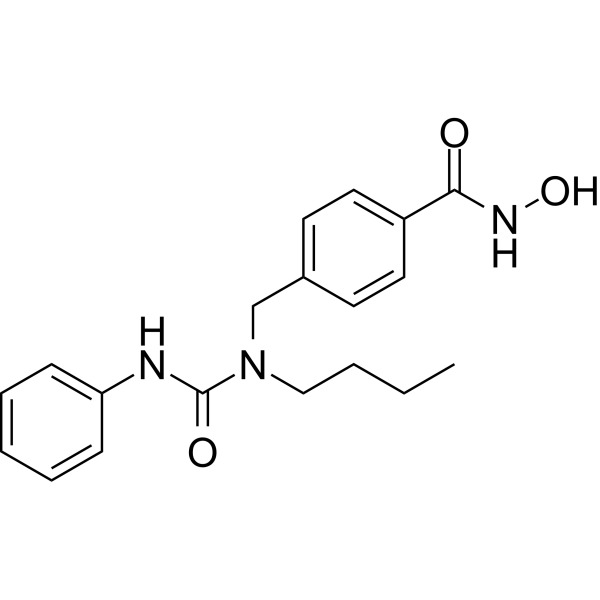 0 ImagesNexturastat A is a potent, selective HDAC6 inhibitor. Nexturastat A has inhibitory for HDAC6 with an IC50 of 5 nM. Nexturastat A can be used for the research of multiple myeloma (MM).
-
BRD-6929
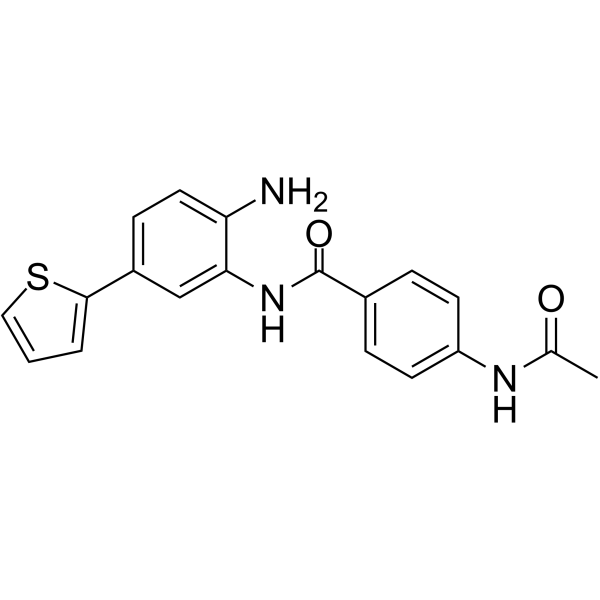 0 ImagesBRD-6929 is a potent, selective brain-penetrant inhibitor of class I histone deacetylase HDAC1 and HDAC2 inhibitor with IC50 of 1 nM and 8 nM, respectively. BRD-6929 shows high-affinity to HDAC1 and HDAC2 with Ki of 0.2 and 1.5 nM, respectively. BRD-6929 can be used for mood-related behavioral model research.