



HDAC2
HDAC2 (histone deacetylase 2) is a class I histone deacetylase that removes acetyl groups from histone lysine residues and functions within multiprotein transcriptional repressor complexes to regulate gene expression, cell-cycle progression, and developmental processes[1][2]. Mechanistically, HDAC2 promotes chromatin condensation and transcriptional repression through histone deacetylation, thereby influencing cellular homeostasis and epigenetic regulation of gene activity[3][4]. Because histone acetylation and deacetylation dynamically control chromatin accessibility, HDAC2 participates in biological pathways linked to cell growth, cell death, and signal transduction[2][3]. In disease contexts, altered HDAC2 expression has been associated with multiple pathological conditions, particularly cancer and neurodegenerative disorders, where dysregulated epigenetic control contributes to disease progression[2]. Therefore, HDAC2 has emerged as an important experimental target for investigating epigenetic mechanisms underlying tumor biology and neurological dysfunction[2]. Compared with closely related class I isoforms, especially HDAC1, HDAC2 exhibits both overlapping and unique biological functions, with evidence supporting distinct as well as redundant roles in the regulation of proliferation and tumorigenesis[5]. This distinction has increased interest in isoform-selective approaches that can dissect HDAC2-specific functions while minimizing the limitations associated with broad-spectrum HDAC inhibition[2]. For experimental applications, selective HDAC2 inhibitors are widely investigated as chemical tools for studying transcriptional regulation and disease-associated epigenetic networks, and isoform-selective inhibition is considered advantageous because it may provide improved specificity and reduced adverse effects relative to pan-HDAC inhibitors[2].
References:
- [1]. HDAC2 gene information from NCBI.
- [2]. Marinović M, et al. Further investigation of harmicines as novel antiplasmodial agents: Synthesis, structure-activity relationship and insight into the mechanism of action. Eur J Med Chem. 2021 Nov 15;224:113687. [Content Brief]
- [3]. Park SY, et al. A short guide to histone deacetylases including recent progress on class II enzymes. Exp Mol Med. 2020 Feb;52(2):204-212. [Content Brief]
- [4]. Milazzo G, et al. Histone Deacetylases (HDACs): Evolution, Specificity, Role in Transcriptional Complexes, and Pharmacological Actionability. Genes (Basel). 2020 May 15;11(5):556. [Content Brief]
- [5]. Ogiwara H, et al. Histone acetylation by CBP and p300 at double-strand break sites facilitates SWI/SNF chromatin remodeling and the recruitment of non-homologous end joining factors. Oncogene. 2011 May 5;30(18):2135-46. [Content Brief]
-
HDAC2 Related Products (211)
Related Products (211)

-
Antibodies (2)
-
Vorinostat
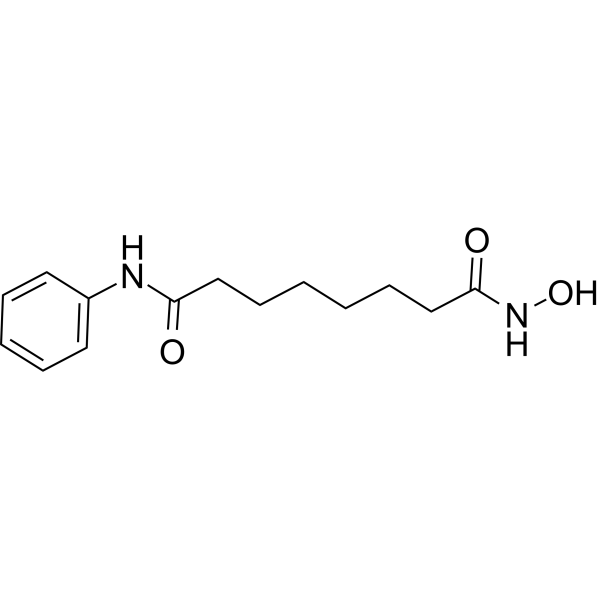 0 ImagesSynonyms: SAHA; Suberoylanilide hydroxamic acidVorinostat (SAHA) is a potent and orally active pan-inhibitor of HDAC1, HDAC2 and HDAC3 (Class I), HDAC6 and HDAC7 (Class II) and HDAC11 (Class IV), with ID50 values of 10 nM and 20 nM for HDAC1 and HDAC3, respectively. Vorinostat induces cell apoptosis. Vorinostat is also an effective inhibitor of human papillomaviruse (HPV)-18 DNA amplification.
-
Valproic acid
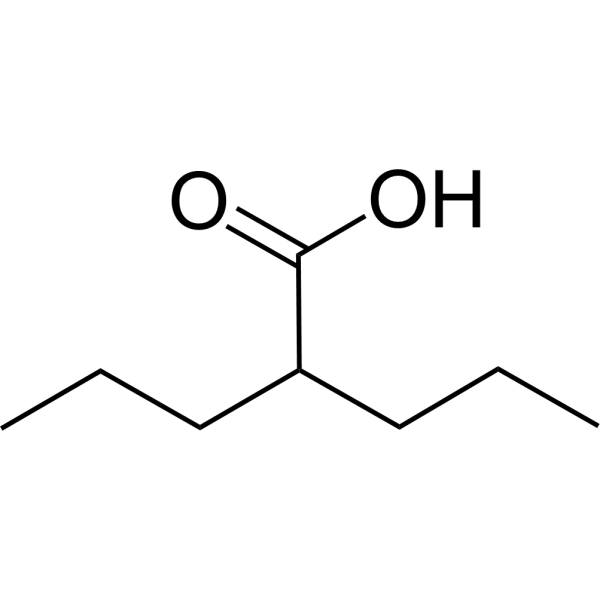 0 ImagesSynonyms: VPA; 2-Propylpentanoic acid; Dipropylacetic acidValproic acid (VPA) is an orally active HDAC inhibitor, with IC50 in the range of 0.5 and 2 mM. Valproic acid inhibits HDAC1 (IC50, 400 μM), and induces proteasomal degradation of HDAC2. Valproic acid activates Notch1 signaling and inhibits proliferation in small cell lung cancer (SCLC) cells. Valproic acid is used in the epilepsy, bipolar disorder, metabolic disease, HIV infection and prevention of migraine headaches.
-
Romidepsin
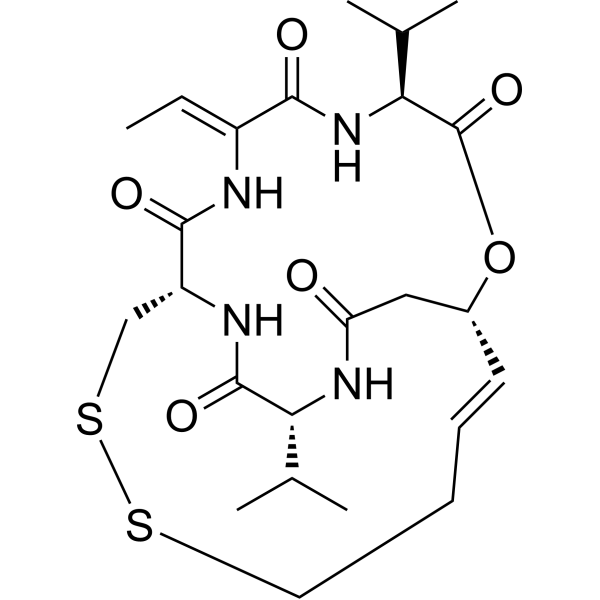 0 ImagesSynonyms: FK 228; FR 901228; NSC 630176Romidepsin (FK 228) is a Histone deacetylase (HDAC) inhibitor with anti-tumor activities. Romidepsin (FK 228) inhibits HDAC1, HDAC2, HDAC4, and HDAC6 with IC50s of 36 nM, 47 nM, 510 nM and 1.4 μM, respectively. Romidepsin (FK 228) is produced by Chromobacterium violaceum, induces cell G2/M phase arrest and apoptosis.
-
Valproic acid sodium
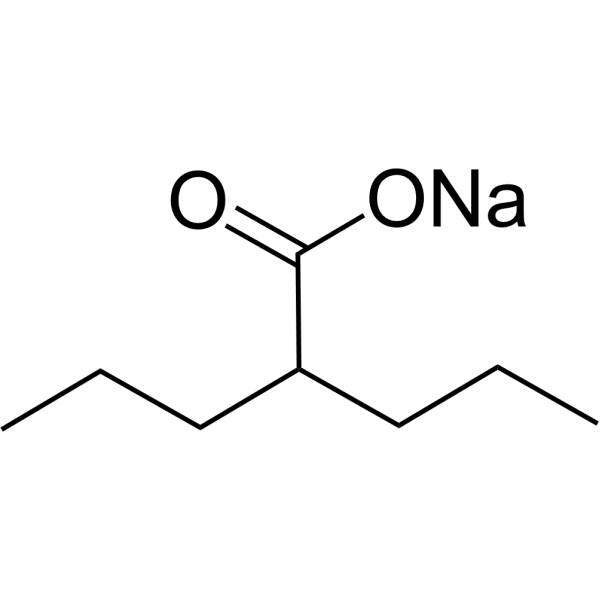 0 ImagesSynonyms: Sodium Valproate; VPA sodium; 2-Propylpentanoic acid sodiumValproic acid (Sodium Valproate) sodium is an orally active HDAC inhibitor, with IC50 in the range of 0.5 and 2 mM, also inhibits HDAC1 (IC50, 400 μM), and induces proteasomal degradation of HDAC2. Valproic acid sodium activates Notch1 signaling and inhibits proliferation in small cell lung cancer (SCLC) cells. Valproic acid sodium is used in the treatment of epilepsy, bipolar disorder, metabolic disease, HIV infection and prevention of migraine headaches.
-
Abexinostat
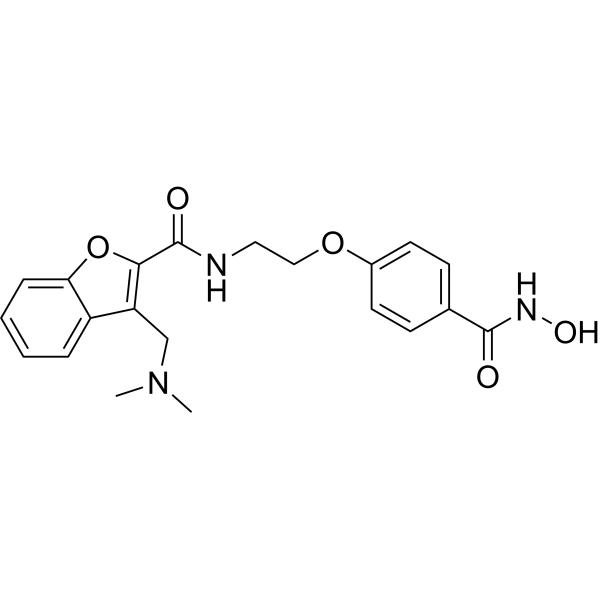 0 ImagesSynonyms: CRA 024781; PCI-24781Abexinostat (CRA 024781) is a novel pan-HDAC inhibitor mostly targeting HDAC1 with Ki of 7 nM. Abexinostat also inhibits metallo-β-lactamase domain-containing protein 2 (MBLAC2) hydrolase activity with an EC50 below 10 nM.
-
Valproic acid (Standard)
 0 ImagesSynonyms: VPA (Standard); 2-Propylpentanoic acid (Standard); Dipropylacetic acid (Standard)Valproic acid (Dipropylacetic Acid) (Standard) is an analytical standard for valproic acid. This product is intended for research and analytical applications. Valproic acid is an orally active HDAC inhibitor (IC50=0.5-2 mM), inhibits the activity of HDAC1 (IC50=400 μM), and induces the degradation of HDAC2. Valproic acid activates Notch1 signaling and inhibits the proliferation of small cell lung cancer (SCLC) cells. Valproic acid is used in the study of epilepsy, bipolar disorder, metabolic diseases, HIV infection, and migraine.
-
Puzerinostat mesylate
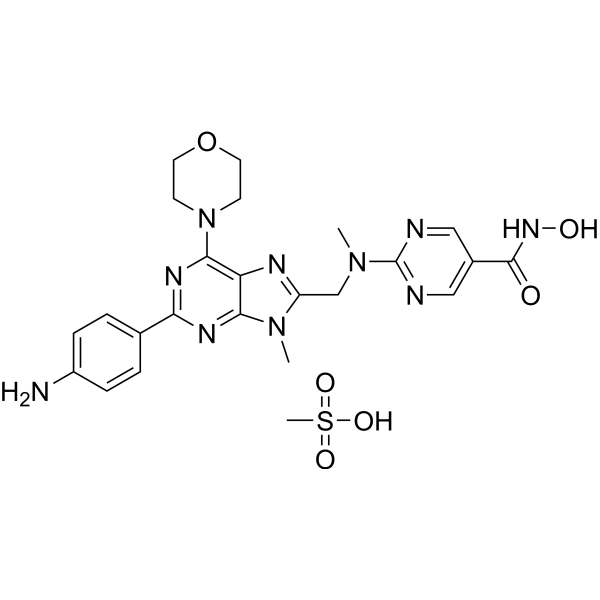 0 ImagesSynonyms: Purinostat mesylatePuzerinostat mesylate (Purinostat mesylate) is a highly selective class I/IIb histone deacetylase (HDAC) inhibitor, with IC50 values of 0.81 nM, 1.4 nM, 1.7 nM, 3.8 nM, 11.5 nM, and 1.1 nM against HDAC1, HDAC2, HDAC3, HDAC8, HDAC6, and HDAC10, respectively. Puzerinostat mesylate enhances glutamine metabolism by upregulating GLS1. Puzerinostat mesylate induces cell Apoptosis and downregulates the expression of BCR-ABL and c-MYC. Puzerinostat mesylate delays the progression of Ph+ B-cell acute lymphoblastic leukemia and prolongs the survival of relevant mouse models. Puzerinostat mesylate regulates the immune microenvironment. Puzerinostat mesylate can be used in research related to chronic myeloid leukemia, Philadelphia chromosome-positive B-cell acute lymphoblastic leukemia, relapsed/refractory multiple myeloma, relapsed/refractory lymphoma, diffuse large B-cell lymphoma, and double-expression lymphoma.
-
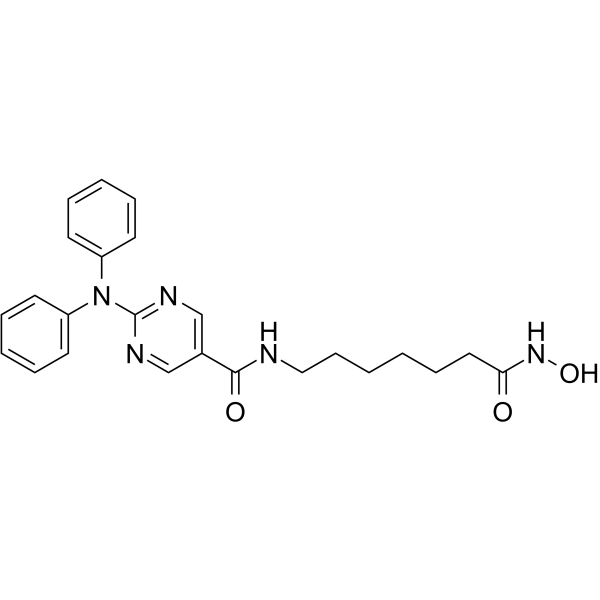
Tucidinostat
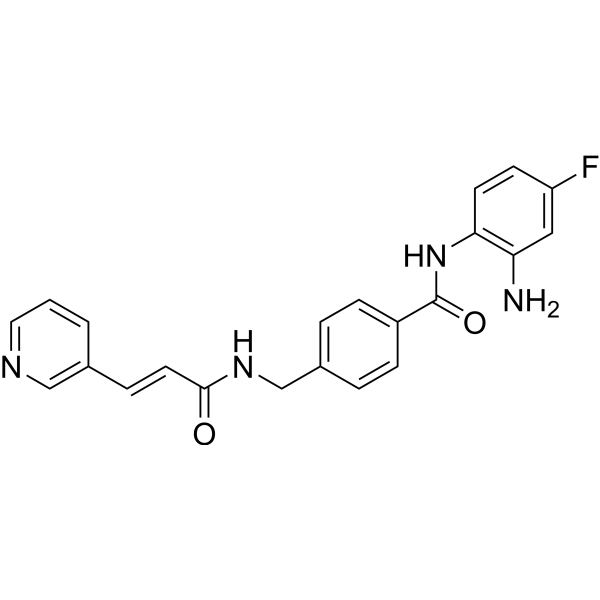 0 ImagesSynonyms: Chidamide; HBI-8000; CS 055
-
Mocetinostat
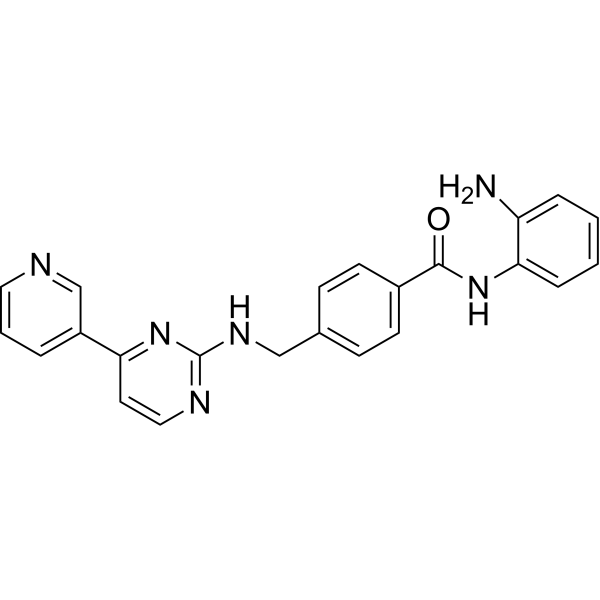 0 ImagesSynonyms: MGCD0103
-
Quisinostat
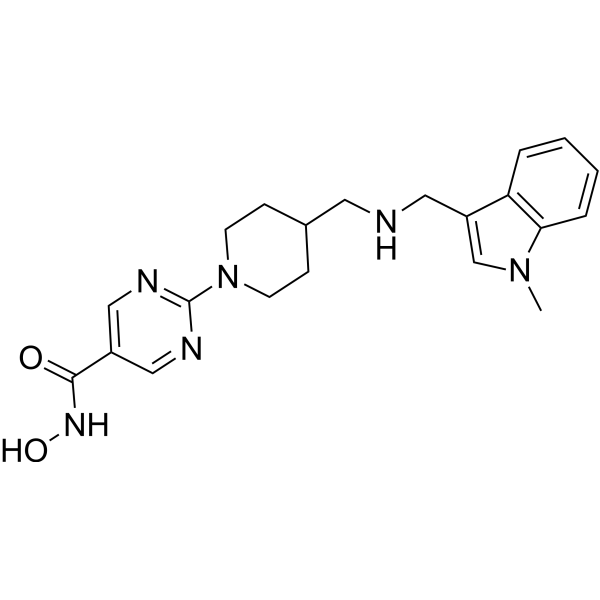 0 ImagesSynonyms: JNJ-26481585
-
Santacruzamate A
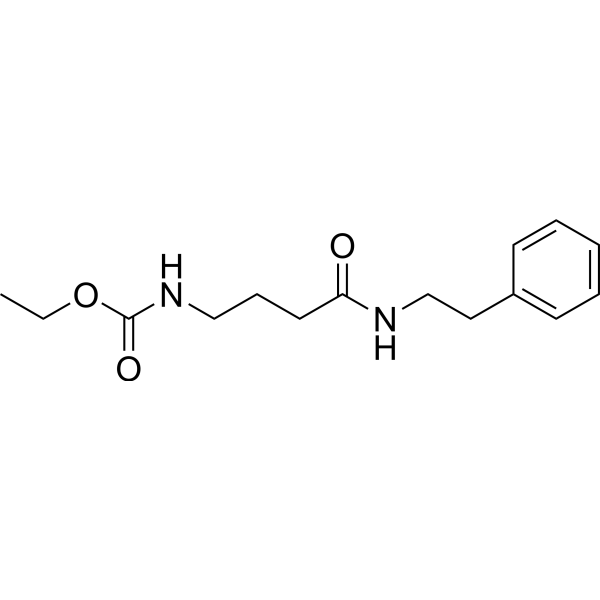 0 ImagesSynonyms: CAY-10683Santacruzamate A (CAY-10683, STA) is a potent and selective HDAC2 inhibitor with an IC50 of 119 pM. STA also exerts neuroprotective property against amyloid-β protein fragment 25–35. STA can be used for cancer and neurological disease research.
-
Givinostat
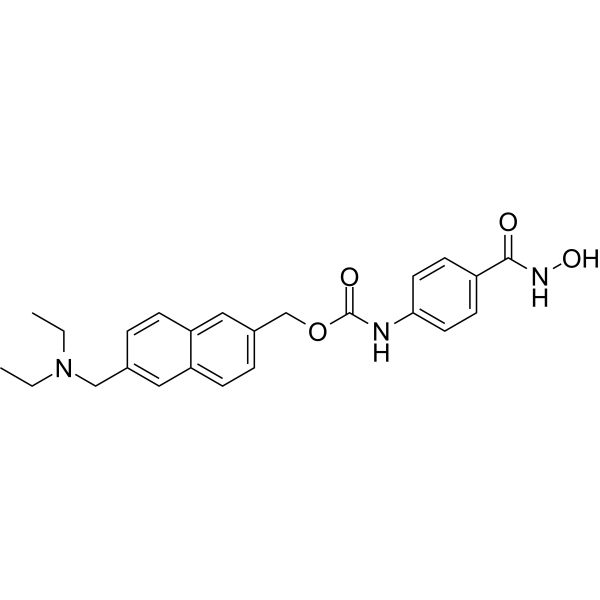 0 ImagesSynonyms: ITF-2357Givinostat (ITF-2357) is a HDAC inhibitor with an IC50 of 198 and 157 nM for HDAC1 and HDAC3, respectively. Givinostat can be used for Duchenne muscular dystrophy (DMD) research. Givinostat can penetrate the blood-brain barrier (BBB).
-
Tubacin
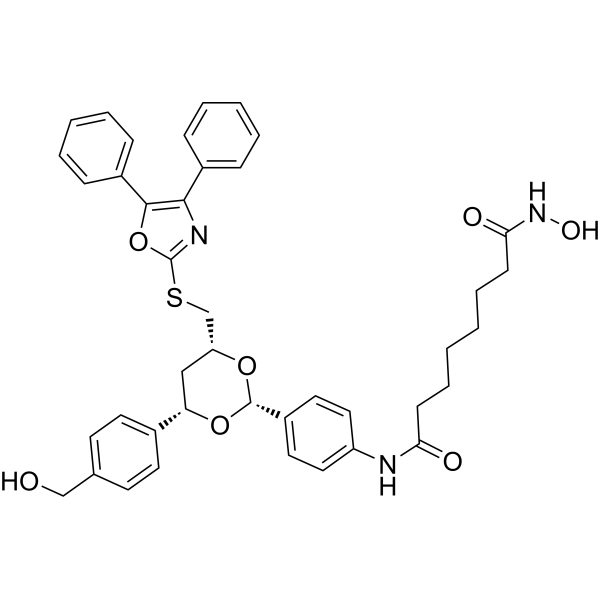 0 ImagesTubacin is a potent and selective inhibitor of HDAC6, with an IC50 value of 4 nM and approximately 350-fold selectivity over HDAC1. Tubacin also inhibits metallo-β-lactamase domain-containing protein 2 (MBLAC2).
-
Tacedinaline
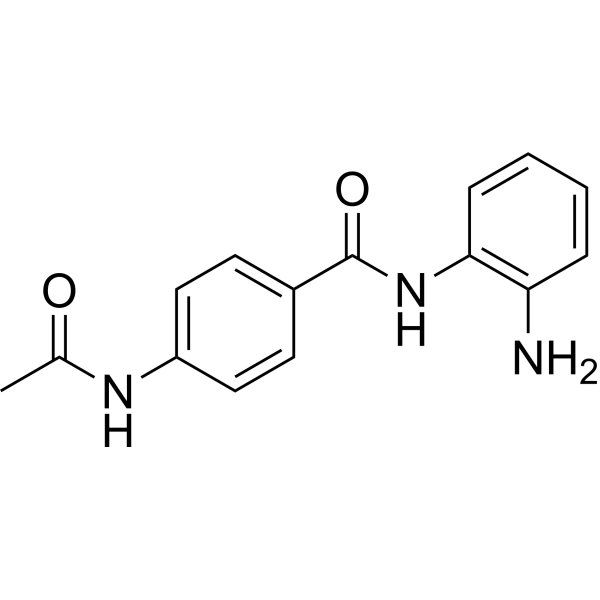 0 ImagesSynonyms: N-acetyldinaline; CI-994; Goe-5549Tacedinaline (N-acetyldinaline) is an inhibitor of the histone deacetylase (HDAC) with IC50s of 0.9, 0.9, 1.2 μM for recombinant HDAC 1, 2 and 3 respectively.
-
Pracinostat
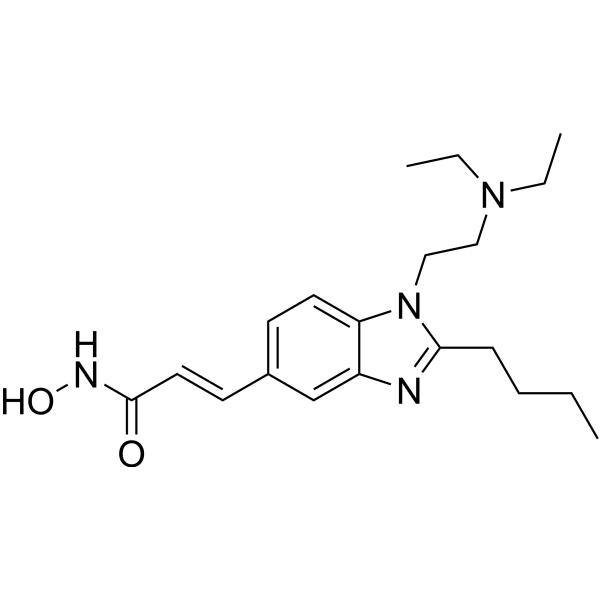 0 ImagesSynonyms: SB939Pracinostat is a potent histone deacetylase (HDAC) inhibitor, with IC50s of 40-140 nM, used for cancer research. Pracinostat also inhibits metallo-β-lactamase domain-containing protein 2 (MBLAC2) hydrolase activity with an EC50 below 10 nM.
-
BRD3308
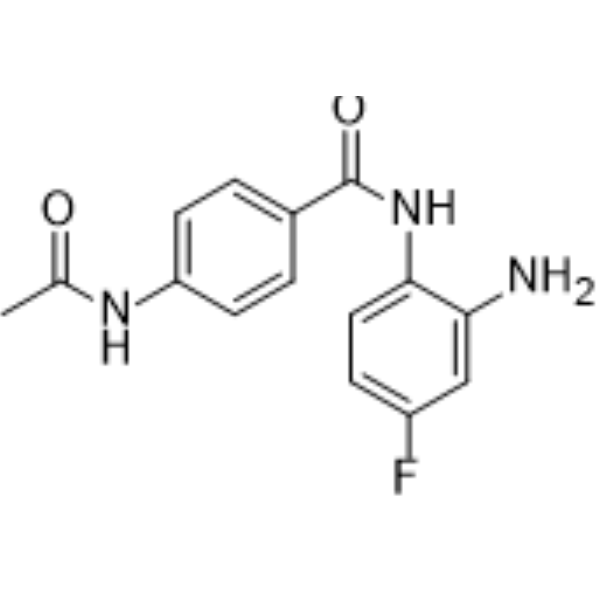 0 ImagesBRD3308 is a highly selective HDAC3 inhibitor with an IC50 of 54 nM. BRD3308 is 23-fold selectivity for HDAC3 over HDAC1 (IC50 of 1.26 μM) or HDAC2 (IC50 of 1.34 μM). BRD3308 suppresses pancreatic β-cell apoptosis induced by inflammatory cytokines or glucolipotoxic stress, and increases functional insulin release. BRD3308 activates HIV-1 transcription and disrupts HIV-1 latency.




