HDAC7
HDAC7 (histone deacetylase 7) is a class IIa histone deacetylase that functions as a signal-responsive transcriptional coregulator linking extracellular stimuli to chromatin-dependent gene regulation and cell fate control[1][2]. HDAC7 undergoes regulated nucleo-cytoplasmic shuttling through phosphorylation-dependent mechanisms, allowing it to integrate signaling pathways with transcriptional programs that govern development, immunity, and vascular biology[1][3]. Mechanistically, HDAC7 participates in the control of endothelial growth, migration, angiogenesis, and vascular integrity, and VEGF-dependent signaling can promote HDAC7 phosphorylation and redistribution to regulate endothelial responses[3][4][5]. In disease-associated contexts, aberrant HDAC7 expression has been linked to tumor progression, metastasis, vascular microenvironment remodeling, and therapeutic resistance, supporting its relevance as a candidate biomarker and experimental target in cancer research[6]. Compared with related class IIa isoforms, including HDAC4, HDAC5, and HDAC9, HDAC7 is distinguished by its prominent role as a signaling hub that couples cellular localization dynamics with transcriptional regulation in endothelial and immune systems[1][2]. Furthermore, class IIa HDACs possess relatively low intrinsic deacetylase activity and frequently function through protein-protein interactions and corepressor complexes; HDAC7 has been reported to associate with HDAC3, highlighting a mechanistic distinction from catalytically active class I HDACs[7]. For experimental applications, HDAC-targeting compounds such as vorinostat affect HDAC7 among other HDAC family members, and ongoing efforts to improve isoform selectivity continue to inform the design of epigenetic and cancer-focused research strategies[6][8].
References:
- [1]. Atochin DN, et al. The phosphorylation state of eNOS modulates vascular reactivity and outcome of cerebral ischemia in vivo. J Clin Invest. 2007 Jul;117(7):1961-7. [Content Brief]
- [2]. Margariti A, et al. Histone deacetylase 7 controls endothelial cell growth through modulation of beta-catenin. Circ Res. 2010 Apr 16;106(7):1202-11. [Content Brief]
- [3]. Yin X, et al. Multiple red blood cell flows through microvascular bifurcations: cell free layer, cell trajectory, and hematocrit separation. Microvasc Res. 2013 Sep;89:47-56. [Content Brief]
- [4]. Liu C, et al. HDAC7: a promising target in cancer. Front Oncol. 2024 Feb 28;14:1327933. [Content Brief]
- [5]. Rabezanahary H, et al. Live virus neutralizing antibodies against pre and post Omicron strains in food and retail workers in Québec, Canada. Heliyon. 2024 May 21;10(10):e31026. [Content Brief]
All Product Categories
-
HDAC7 Related Products (53)
Related Products (53)

-
Vorinostat
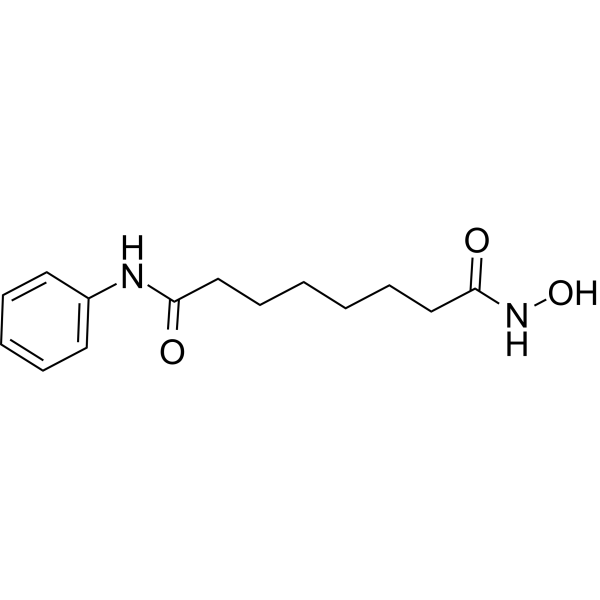 0 ImagesSynonyms: SAHA; Suberoylanilide hydroxamic acidVorinostat (SAHA) is a potent and orally active pan-inhibitor of HDAC1, HDAC2 and HDAC3 (Class I), HDAC6 and HDAC7 (Class II) and HDAC11 (Class IV), with ID50 values of 10 nM and 20 nM for HDAC1 and HDAC3, respectively. Vorinostat induces cell apoptosis. Vorinostat is also an effective inhibitor of human papillomaviruse (HPV)-18 DNA amplification.
-
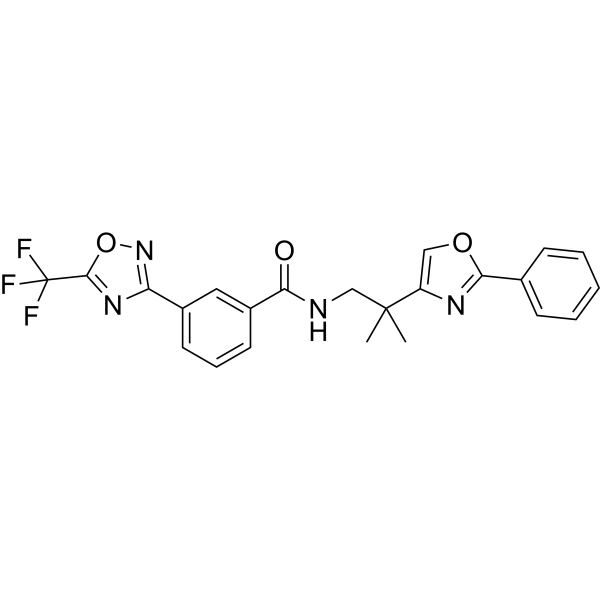
Quisinostat
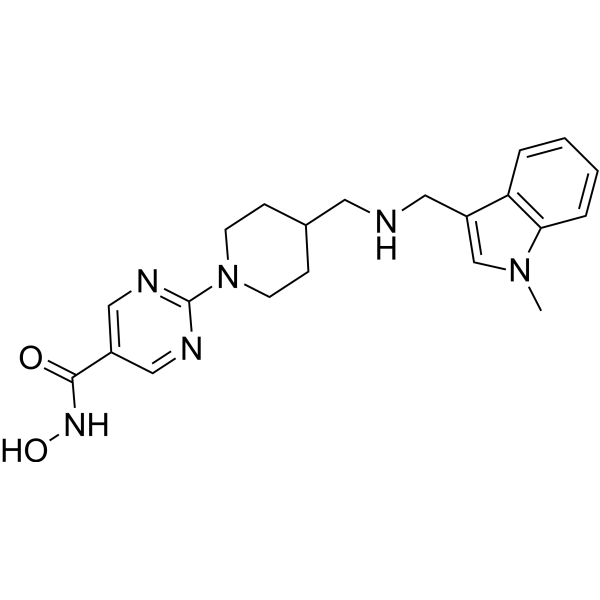 0 ImagesSynonyms: JNJ-26481585
-
Givinostat
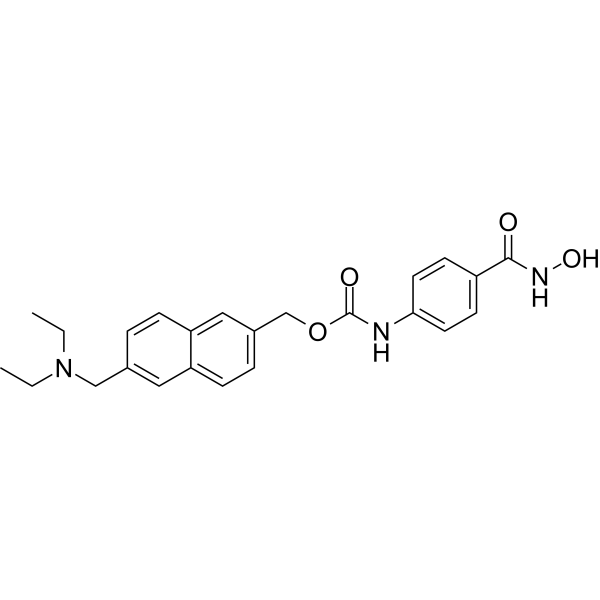 0 ImagesSynonyms: ITF-2357Givinostat (ITF-2357) is a HDAC inhibitor with an IC50 of 198 and 157 nM for HDAC1 and HDAC3, respectively. Givinostat can be used for Duchenne muscular dystrophy (DMD) research. Givinostat can penetrate the blood-brain barrier (BBB).
-
HDAC9-IN-1
 0 ImagesCat. No.: HY-169259HDAC9-IN-1 is a selective class IIa HDAC inhibitor that binds to HDAC9 with an IC50 of 40 nM. HDAC9-IN-1 potently inhibits HDACs 4 and 7 while showing weak activity against HDAC6 (IC50 values: 180 nM (HDAC4), 190 nM (HDAC7), 970 nM (HDAC6)). HDAC9-IN-1 significantly inhibits several human cancer cells, induces apoptosis and DNA damage in human cancer cells, and modulates caspase-related proteins and p38 in human cancer cells. HDAC9-IN-1 can be used for the research of oral cancer, breast cancer, gastric cancer.
-
SM-06-09
 0 ImagesCat. No.: HY-184203SM-06-09 is a potent, highly selective, orally active tetrazolone-based HDAC6 inhibitor with an IC50 value of 0.49 nM. SM-06-09 promotes tumor-associated macrophage (TAM) polarization toward an antitumor M1-like phenotype and enhances macrophage phagocytosis, antigen presentation, and T-cell activation. SM-06-09 remodels the tumor immune microenvironment, exhibits antitumor activity in melanoma models, and enhances the efficacy of anti-PD-1 immune checkpoint blockade.
-
HDAC6-IN-82
 0 ImagesCat. No.: HY-183560CAS No.: 1228571-33-2HDAC6-IN-82 is a selective HDAC6 inhibitor with an IC50 of 4.9 nM against HDAC6. HDAC6-IN-82 inhibits HDAC1 (112 nM), HDAC2 (737 nM), HDAC3 (623 nM), HDAC8 (1140 nM), HDAC10 (91.4 nM) and HDAC11 (219 nM). HDAC6-IN-82 reduces cancer cell viability, induces cell cycle arrest, triggers apoptosis, and increases the acetylation levels of H3K9 and α-tubulin. HDAC6-IN-82 can be used in cancer-related research such as leukemia.
-
Tubacin
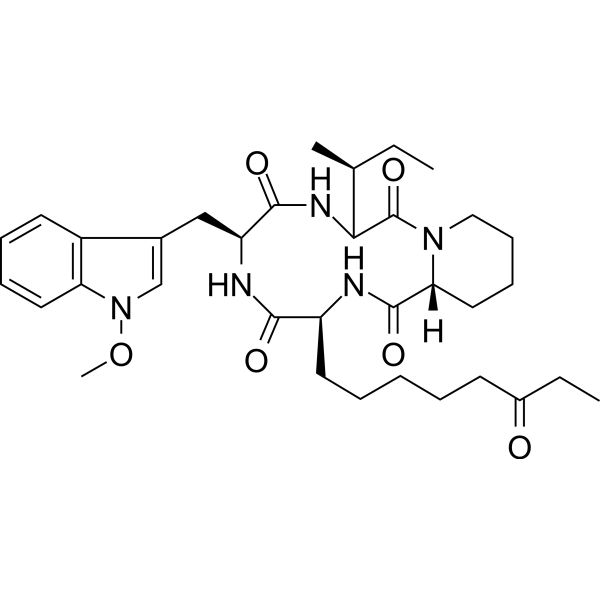
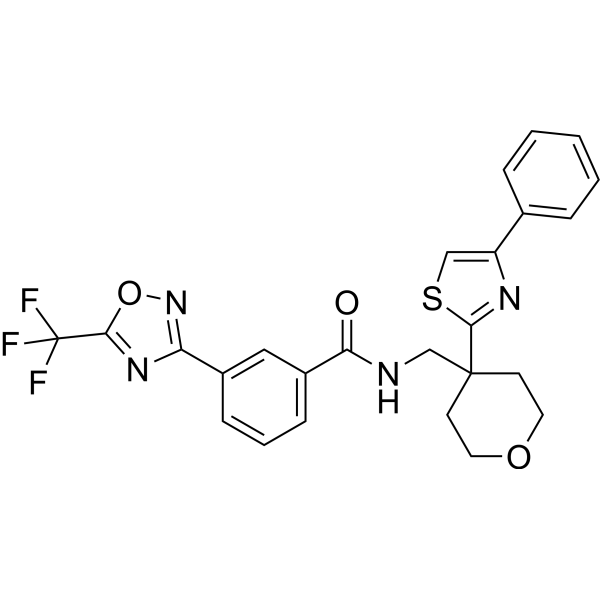
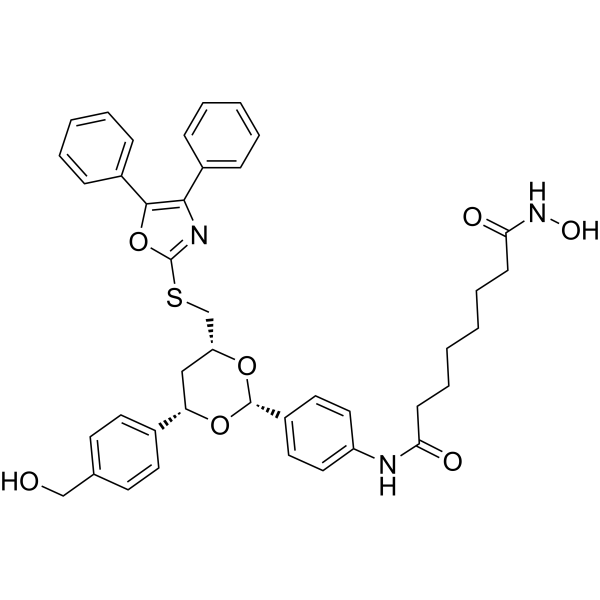 0 ImagesTubacin is a potent and selective inhibitor of HDAC6, with an IC50 value of 4 nM and approximately 350-fold selectivity over HDAC1. Tubacin also inhibits metallo-β-lactamase domain-containing protein 2 (MBLAC2).
-
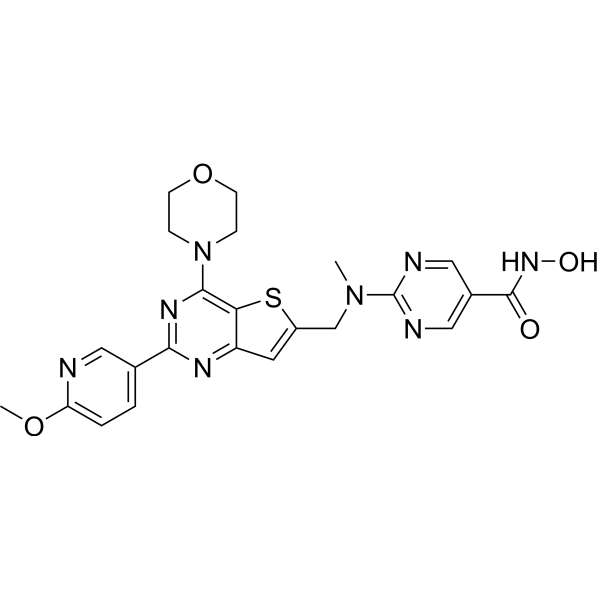
Pracinostat
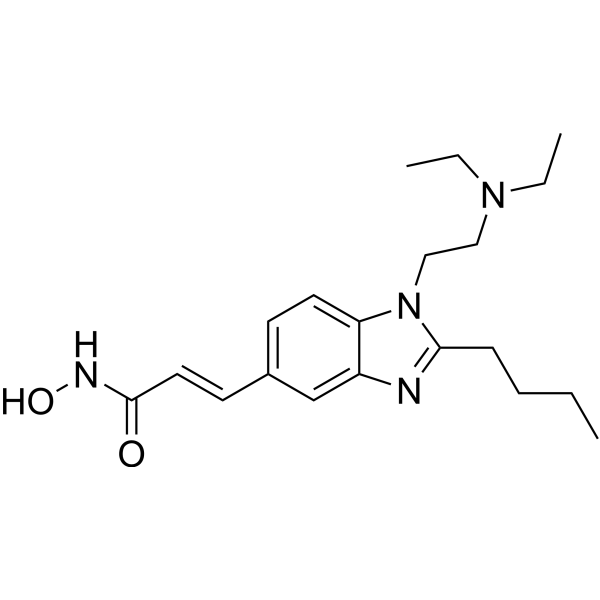 0 ImagesSynonyms: SB939Pracinostat is a potent histone deacetylase (HDAC) inhibitor, with IC50s of 40-140 nM, used for cancer research. Pracinostat also inhibits metallo-β-lactamase domain-containing protein 2 (MBLAC2) hydrolase activity with an EC50 below 10 nM.
-
Nexturastat A
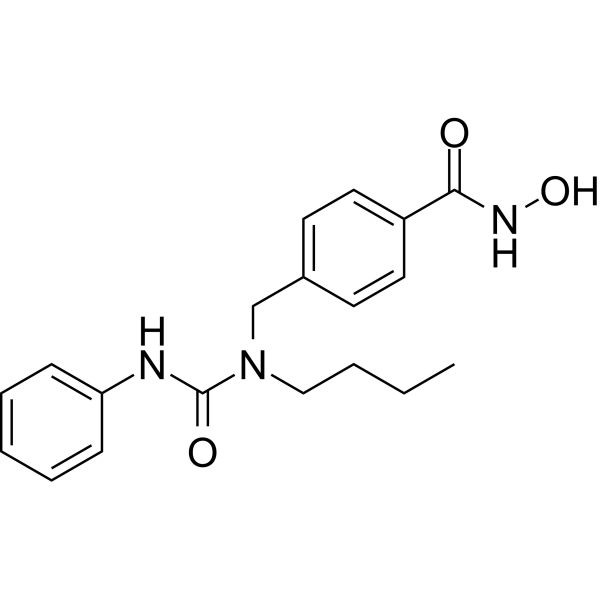 0 ImagesNexturastat A is a potent, selective HDAC6 inhibitor. Nexturastat A has inhibitory for HDAC6 with an IC50 of 5 nM. Nexturastat A can be used for the research of multiple myeloma (MM).
-
Citarinostat
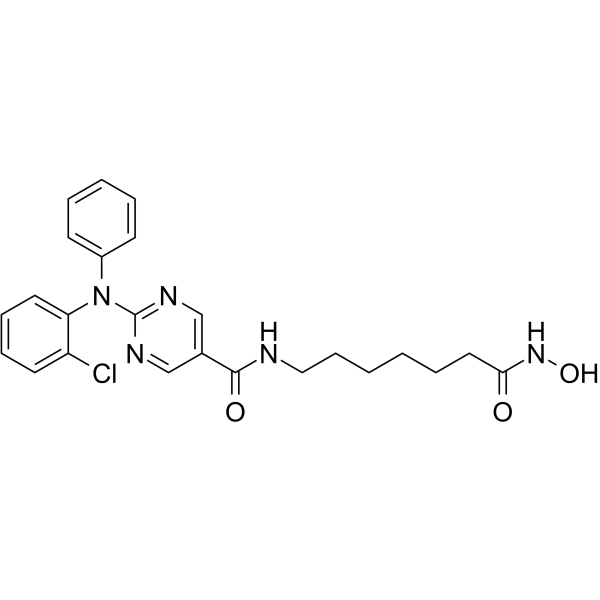 0 ImagesSynonyms: ACY241
-
Givinostat hydrochloride monohydrate
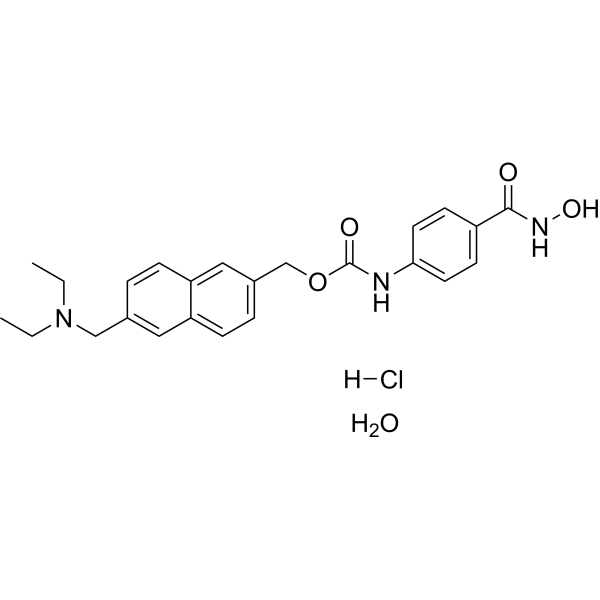 0 ImagesSynonyms: ITF-2357 hydrochloride monohydrate
-
Quisinostat dihydrochloride
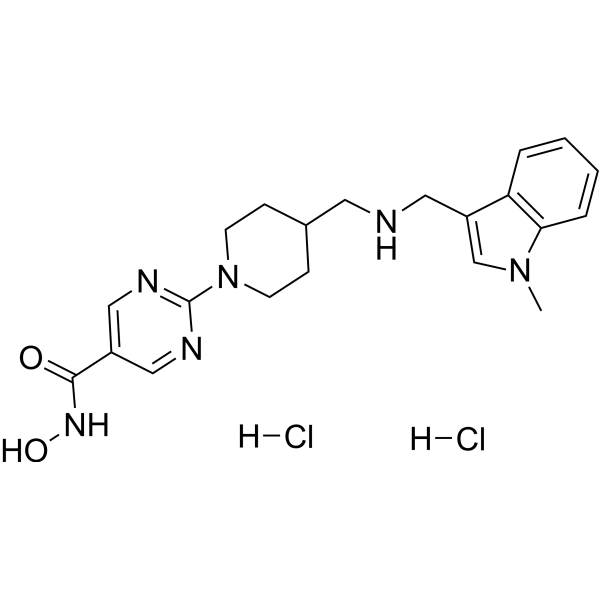 0 ImagesSynonyms: JNJ-26481585 dihydrochlorideQuisinostat dihydrochloride (JNJ-26481585 dihydrochloride) is an orally active, potent pan-HDAC inhibitor with IC50s of 0.11 nM, 0.33 nM, 0.64 nM, 0.46 nM, and 0.37 nM for HDAC1, HDAC2, HDAC4, HDAC10 and HDAC11, respectively. Quisinostat dihydrochloride has a broad spectrum antitumoral activity. Quisinostat dihydrochloride can induce autophagy in neuroblastoma cells.
-
CHDI-390576
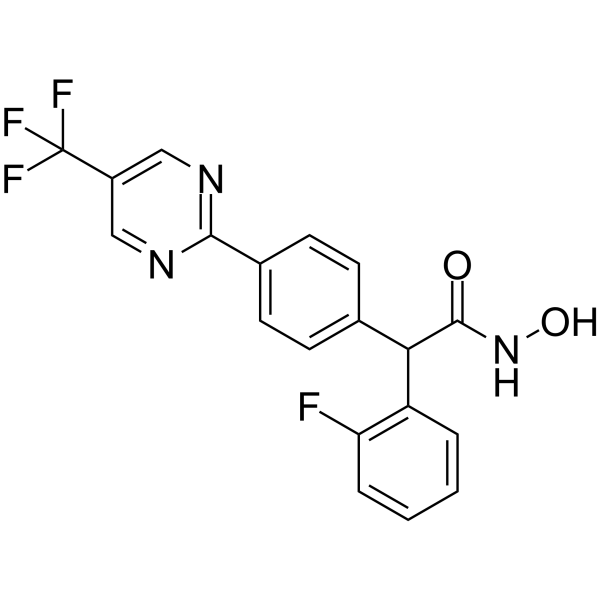 0 ImagesSynonyms: CHDI00390576CHDI-390576, a potent, cell permeable and CNS penetrant class IIa histone deacetylase (HDAC) inhibitor with IC50s of 54 nM, 60 nM, 31 nM, 50 nM for class IIa HDAC4, HDAC5, HDAC7, HDAC9, respectively, shows >500-fold selectivity over class I HDACs (1, 2, 3) and ~150-fold selectivity over HDAC8 and the class IIb HDAC6 isoform.