



HDAC9
HDAC9 is a class IIa histone deacetylase linked to cardiac muscle development, bone formation, adipocyte differentiation, innate immunity, and cancer biology[1]. Mechanistically, HDAC9 forms a myogenic negative-feedback circuit because MEF2 directly induces HDAC9, while HDAC9 associates with MEF2 proteins and suppresses their transcriptional activity[2]. In ischemic disease models, HDAC9 promotes brain ischemic injury through IκBα/NF-κB and MAPK signaling, and HDAC9 inhibition reduces inflammation-linked injury[3]. Stroke-focused evidence further supports HDAC9 inhibition as a treatment concept, including reduced infarct volume and improved neurological function in HDAC9-knockout mice after ischemic reperfusion injury[4]. In cancer models, HDAC9 regulates breast cancer cell proliferation and modifies cellular responses to histone deacetylase inhibitors[5]. Compared with related class IIa isoforms HDAC4, HDAC5, and HDAC7, HDAC9 should be analyzed as an isoform-specific disease regulator while class IIa-selective inhibitors remain useful experimental probes across this subgroup[6].
Références:
- [1]. Yang C, et al. Histone deacetylase (HDAC) 9: versatile biological functions and emerging roles in human cancer. Cell Oncol (Dordr). 2021 Oct;44(5):997-1017. [Content Brief]
- [2]. Haberland M, et al. Regulation of HDAC9 gene expression by MEF2 establishes a negative-feedback loop in the transcriptional circuitry of muscle differentiation. Mol Cell Biol. 2007 Jan;27(2):518-25. [Content Brief]
- [3]. Lu S, et al. HDAC9 promotes brain ischemic injury by provoking IκBα/NF-κB and MAPKs signaling pathways. Biochem Biophys Res Commun. 2018 Sep 10;503(3):1322-1329. [Content Brief]
- [4]. Markus HS. HDAC9 Inhibition as a Novel Treatment for Stroke. Stroke. 2023 Dec;54(12):3182-3189. doi: 10.1161/STROKEAHA.123.044862. Epub 2023 Nov 9. PMID: 37942644. et al. HDAC9 Inhibition as a Novel Treatment for Stroke. Stroke. 2023 Dec;54(12):3182-3189. [Content Brief]
- [5]. Lapierre M, et al. Histone deacetylase 9 regulates breast cancer cell proliferation and the response to histone deacetylase inhibitors. Oncotarget. 2016 Apr 12;7(15):19693-708. [Content Brief]
- [6]. Lobera M, et al. Selective class IIa histone deacetylase inhibition via a nonchelating zinc-binding group. Nat Chem Biol. 2013 May;9(5):319-25. [Content Brief]
All Product Categories
-
HDAC9 Produits associés (41)
Produits associés (41)

-
Quisinostat
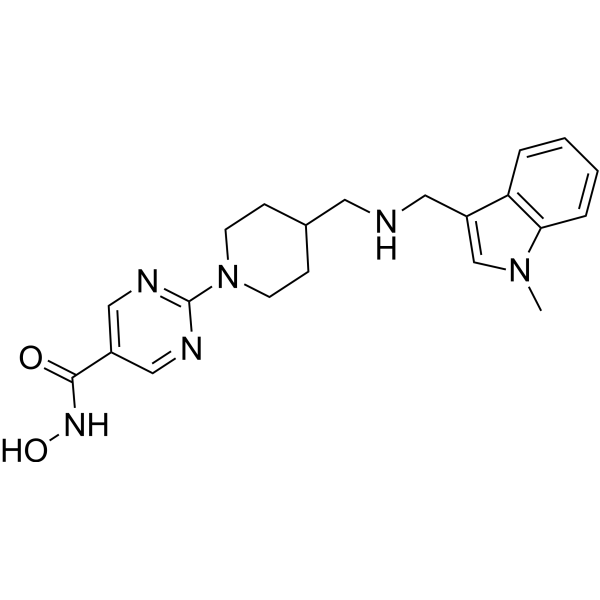 0 ImagesSynonyms: JNJ-26481585
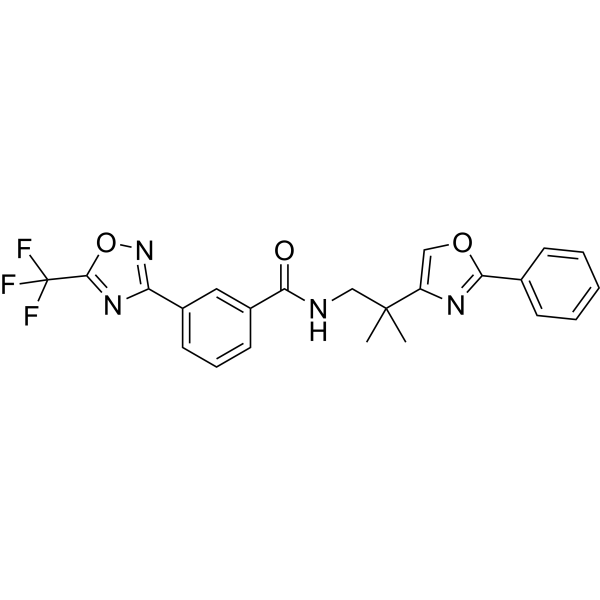
-
Givinostat
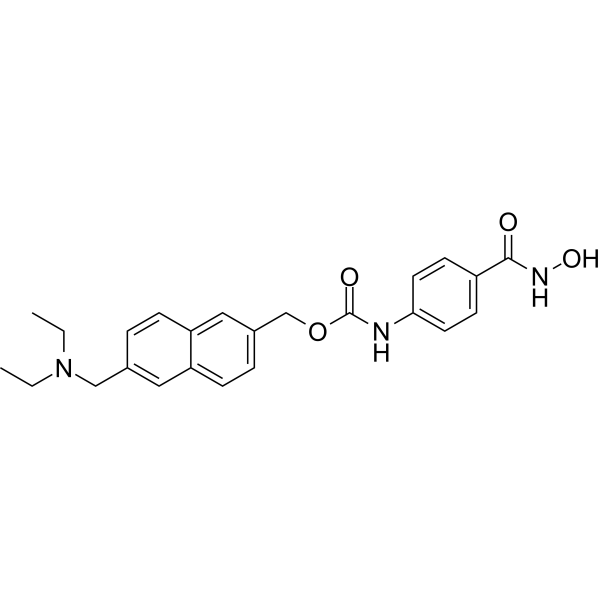 0 ImagesSynonyms: ITF-2357Givinostat (ITF-2357) is a HDAC inhibitor with an IC50 of 198 and 157 nM for HDAC1 and HDAC3, respectively. Givinostat can be used for Duchenne muscular dystrophy (DMD) research. Givinostat can penetrate the blood-brain barrier (BBB).
-
Tubacin
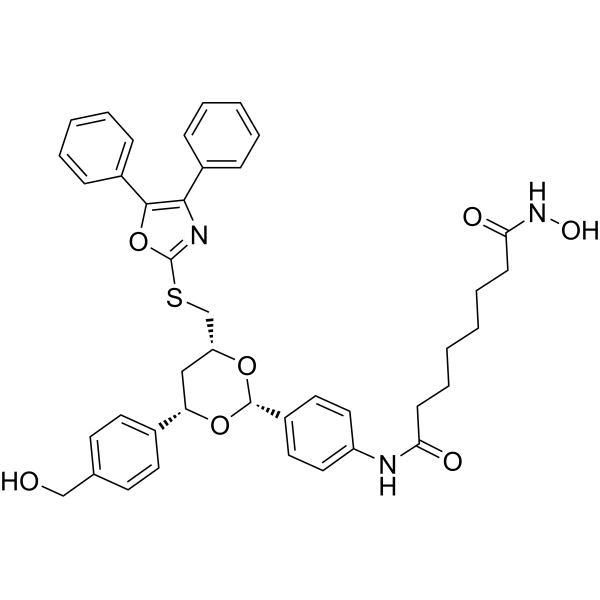 0 ImagesTubacin is a potent and selective inhibitor of HDAC6, with an IC50 value of 4 nM and approximately 350-fold selectivity over HDAC1. Tubacin also inhibits metallo-β-lactamase domain-containing protein 2 (MBLAC2).
-
HDAC9-IN-1
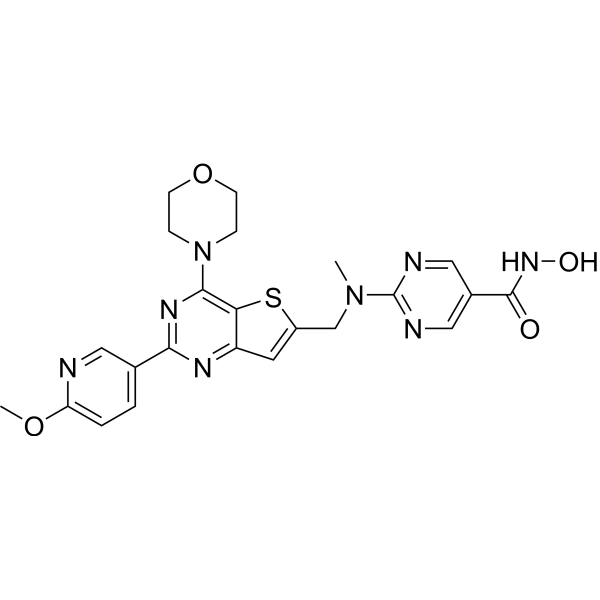
 0 ImagesCat. No.: HY-169259HDAC9-IN-1 is a selective class IIa HDAC inhibitor that binds to HDAC9 with an IC50 of 40 nM. HDAC9-IN-1 potently inhibits HDACs 4 and 7 while showing weak activity against HDAC6 (IC50 values: 180 nM (HDAC4), 190 nM (HDAC7), 970 nM (HDAC6)). HDAC9-IN-1 significantly inhibits several human cancer cells, induces apoptosis and DNA damage in human cancer cells, and modulates caspase-related proteins and p38 in human cancer cells. HDAC9-IN-1 can be used for the research of oral cancer, breast cancer, gastric cancer.
-
SM-06-09
 0 ImagesCat. No.: HY-184203SM-06-09 is a potent, highly selective, orally active tetrazolone-based HDAC6 inhibitor with an IC50 value of 0.49 nM. SM-06-09 promotes tumor-associated macrophage (TAM) polarization toward an antitumor M1-like phenotype and enhances macrophage phagocytosis, antigen presentation, and T-cell activation. SM-06-09 remodels the tumor immune microenvironment, exhibits antitumor activity in melanoma models, and enhances the efficacy of anti-PD-1 immune checkpoint blockade.
-
HDAC6-IN-82
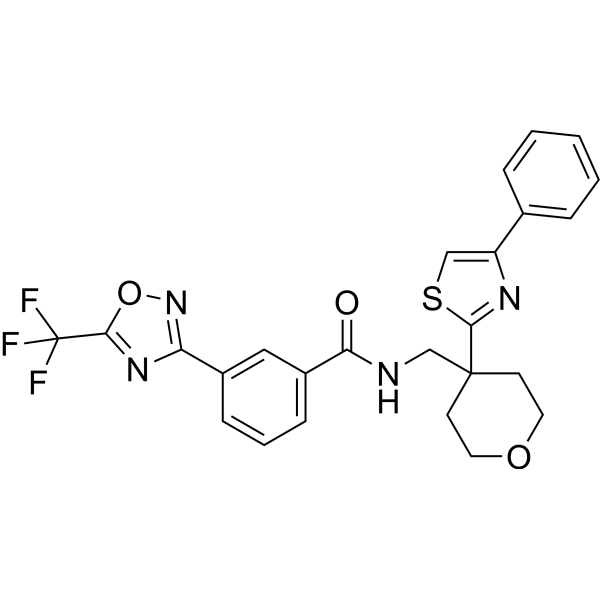
 0 ImagesCat. No.: HY-183560CAS No.: 1228571-33-2HDAC6-IN-82 is a selective HDAC6 inhibitor with an IC50 of 4.9 nM against HDAC6. HDAC6-IN-82 inhibits HDAC1 (112 nM), HDAC2 (737 nM), HDAC3 (623 nM), HDAC8 (1140 nM), HDAC10 (91.4 nM) and HDAC11 (219 nM). HDAC6-IN-82 reduces cancer cell viability, induces cell cycle arrest, triggers apoptosis, and increases the acetylation levels of H3K9 and α-tubulin. HDAC6-IN-82 can be used in cancer-related research such as leukemia.
-
Pracinostat
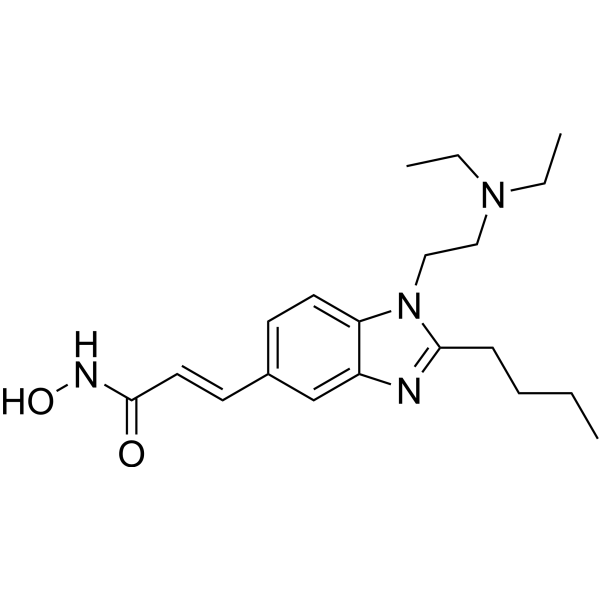 0 ImagesSynonyms: SB939Pracinostat is a potent histone deacetylase (HDAC) inhibitor, with IC50s of 40-140 nM, used for cancer research. Pracinostat also inhibits metallo-β-lactamase domain-containing protein 2 (MBLAC2) hydrolase activity with an EC50 below 10 nM.
-
Nexturastat A
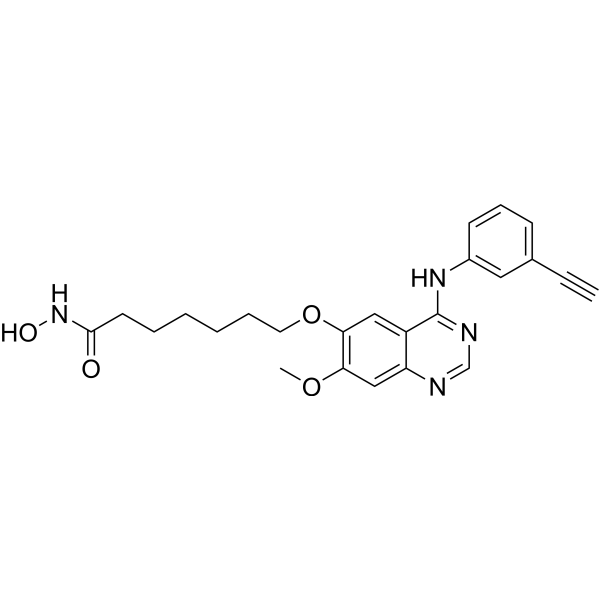
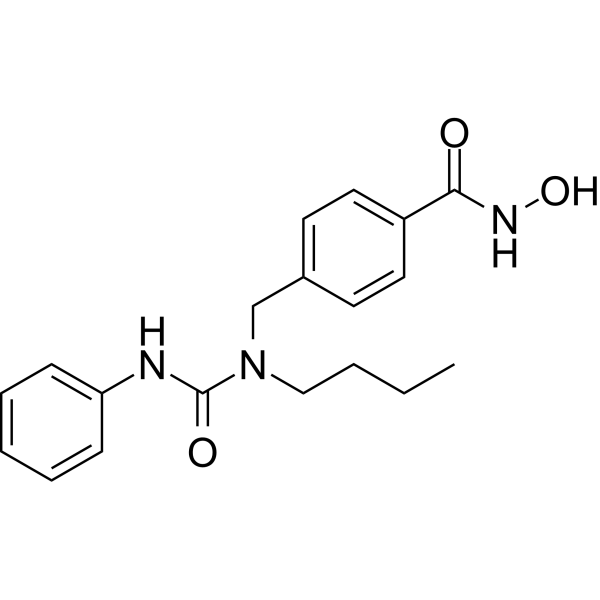 0 ImagesNexturastat A is a potent, selective HDAC6 inhibitor. Nexturastat A has inhibitory for HDAC6 with an IC50 of 5 nM. Nexturastat A can be used for the research of multiple myeloma (MM).
-
Givinostat hydrochloride monohydrate
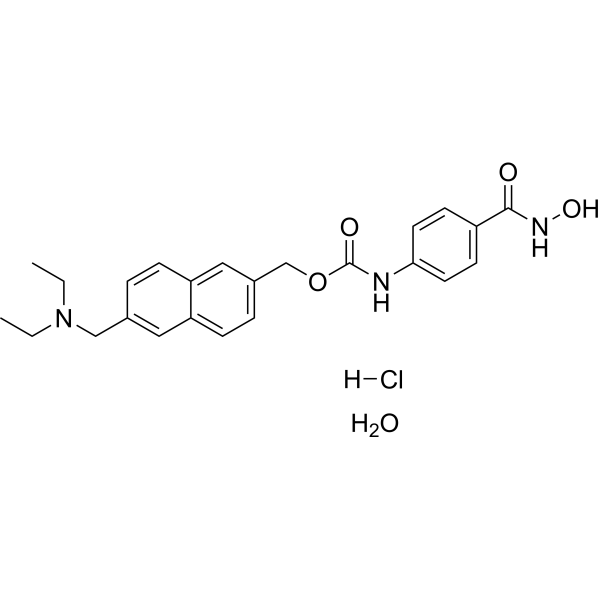 0 ImagesSynonyms: ITF-2357 hydrochloride monohydrate
-
Quisinostat dihydrochloride
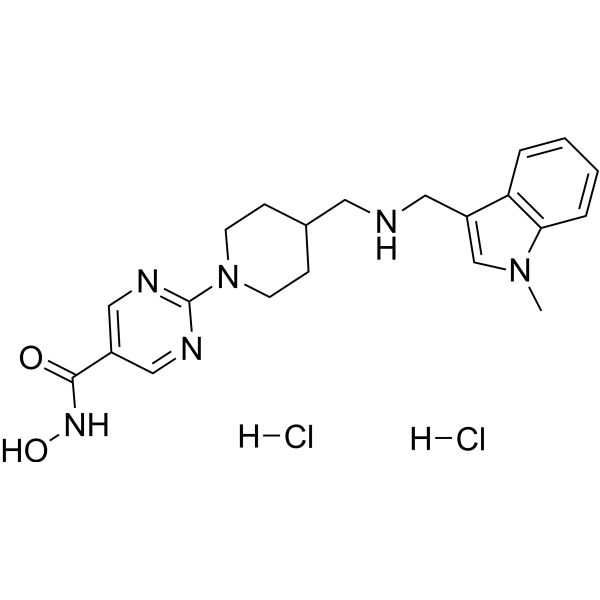 0 ImagesSynonyms: JNJ-26481585 dihydrochlorideQuisinostat dihydrochloride (JNJ-26481585 dihydrochloride) is an orally active, potent pan-HDAC inhibitor with IC50s of 0.11 nM, 0.33 nM, 0.64 nM, 0.46 nM, and 0.37 nM for HDAC1, HDAC2, HDAC4, HDAC10 and HDAC11, respectively. Quisinostat dihydrochloride has a broad spectrum antitumoral activity. Quisinostat dihydrochloride can induce autophagy in neuroblastoma cells.
-
Domatinostat
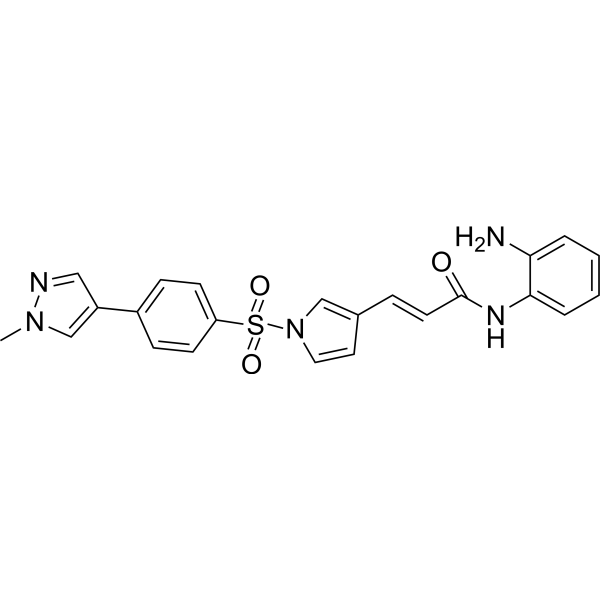 0 ImagesSynonyms: 4SC-202 free base
-
CHDI-390576
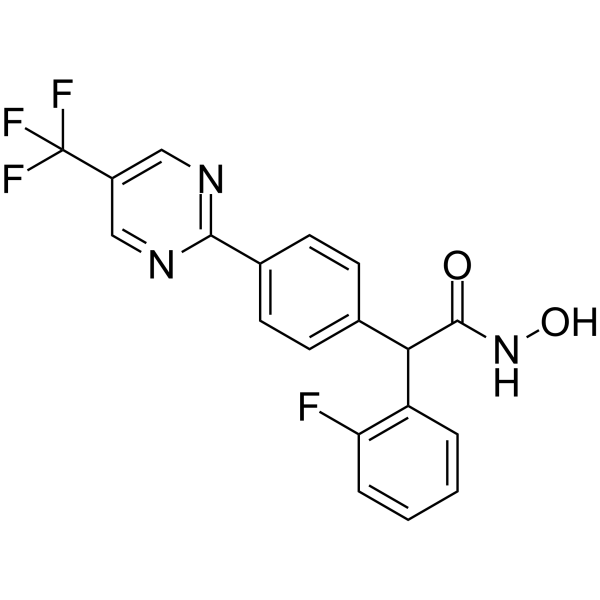 0 ImagesSynonyms: CHDI00390576CHDI-390576, a potent, cell permeable and CNS penetrant class IIa histone deacetylase (HDAC) inhibitor with IC50s of 54 nM, 60 nM, 31 nM, 50 nM for class IIa HDAC4, HDAC5, HDAC7, HDAC9, respectively, shows >500-fold selectivity over class I HDACs (1, 2, 3) and ~150-fold selectivity over HDAC8 and the class IIb HDAC6 isoform.
-
Bavarostat
 0 ImagesSynonyms: EKZ-001Bavarostat (EKZ-001) is a blood-brain barrier-permeable, potent HDAC6 inhibitor and PET radiotracer, with an IC50 as low as 17 nM against human HDAC6. Bavarostat can be labeled with 18F and used as a probe to map HDAC6 distribution and measure target occupancy in the brains of non-human primates. Bavarostat also selectively modulates tubulin acetylation, but not histone acetylation. Bavarostat is applicable for research on Alzheimer's disease, other neurodegenerative disorders, and cancers.



