



Serotonin Transporter
5-HTT; SERT; SLC6A4
Serotonin Transporters (SERTs) are integral membrane proteins that transport serotonin from synaptic spaces into presynaptic neurons. SERTs function by reuptaking serotonin in the synaptic cleft, effectively terminating the function of serotonin and halting neuronal transmission. Serotonin reuptake is a critical process to prevent overstimulation of nerves.
Serotonin transporter (SERT) regulates extracellular levels of serotonin (5-hydroxytryptamine, 5HT) in the brain by transporting 5HT into neurons and glial cells. The human SERT (hSERT) is the primary target for drugs used in the treatment of emotional disorders, including depression. hSERT belongs to the solute carrier 6 family that includes a bacterial leucine transporter (LeuT), for which a high resolution crystal structure has become available.
All Product Categories
-
Serotonin Transporter Inhibitors
(261)
View all products
-
Serotonin Transporter Agonists
(2)
View all products
-
Serotonin Transporter Antagonists
(7)
View all products
-
Serotonin Transporter Activators
(4)
View all products
-
Serotonin Transporter Modulators
(5)
View all products
-
Serotonin Transporter Controls
(4)
View all products
-
Serotonin Transporter Substrates
(2)
View all products
-
Serotonin Transporter Ligands
(4)
View all products
-
Serotonin Transporter Related Products (318)
Related Products (318)

-
Antibodies (3)
-
Fluoxetine
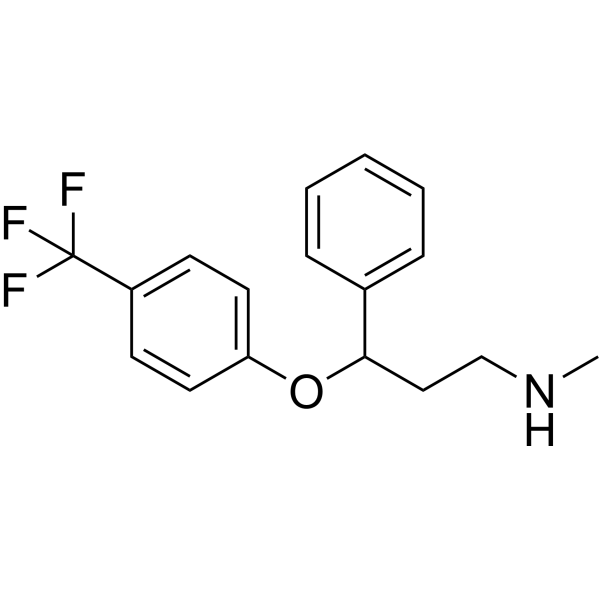 0 ImagesSynonyms: LY-110140 free baseFluoxetine (LY-110140 free base) is a selective serotonin reuptake inhibitor (SSRI) class used for antidepressant research.
-
Fluoxetine hydrochloride
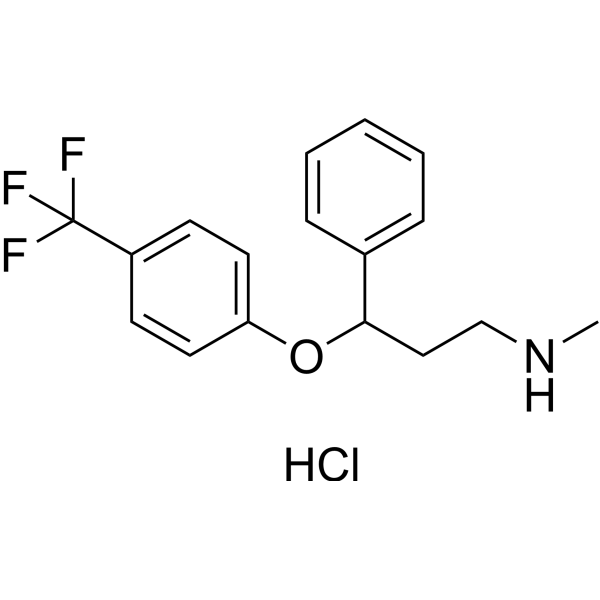 0 ImagesSynonyms: LY 110140Fluoxetine hydrochloride (LY 110140) is an antidepressant and a selective serotonin reuptake inhibitor.
-
Sertraline hydrochloride
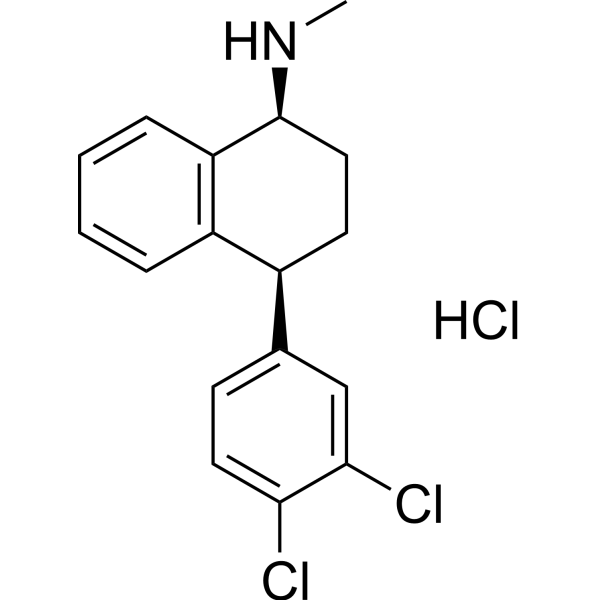 0 ImagesSertraline hydrochloride is an antidepressant of the selective serotonin reuptake inhibitor (SSRI) class. Sertraline hydrochloride is researched for a number of diseases, such as major depressive disorder and obsessive.
-
Vortioxetine
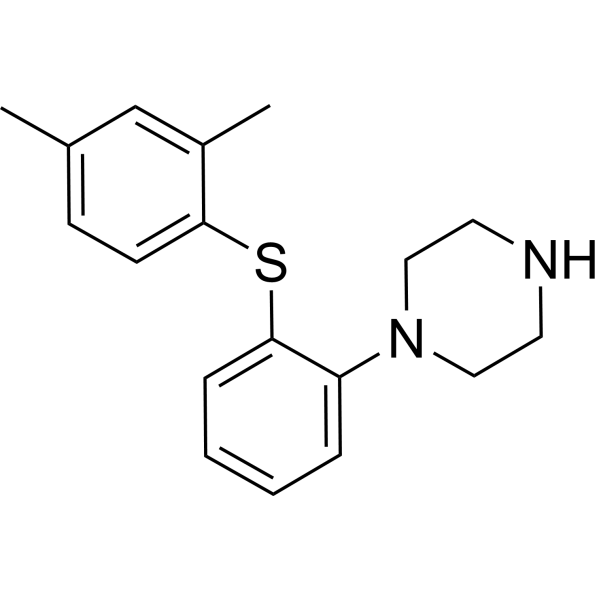 0 ImagesSynonyms: Lu AA 21004Vortioxetine (Lu AA 21004) is an antagonist of 5-HT3A and 5-HT7 receptors (Ki: 3.7 nM, 19 nM) and an inhibitor of serotonin transporter (SERT) (Ki: 1.6 nM), as well as a 5-HT1A agonist and a partial agonist of 5-HT1B (Ki: 15 nM, 33 nM).
-
Paroxetine
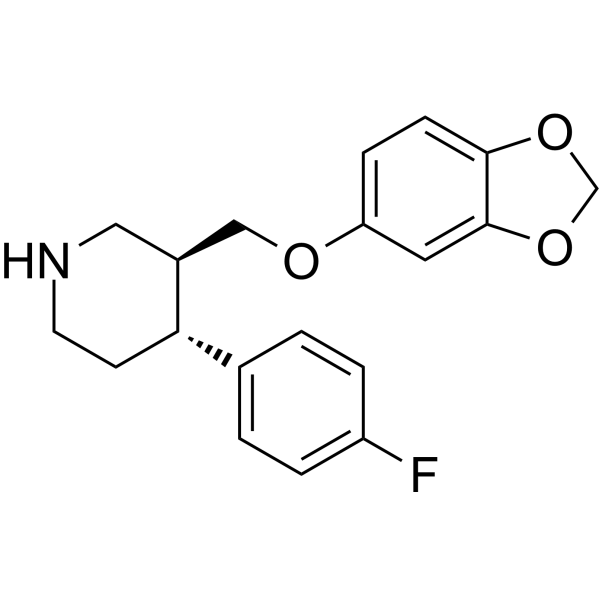 0 ImagesSynonyms: BRL29060Paroxetine (BRL29060) is an orally active and selective serotonin reuptake inhibitor (SSRI) and apoptosis inducer with blood-brain barrier permeability. Paroxetine inhibits nitric oxide synthase and CYP2D6, induces desensitization of 5-HT1A/1B/1D autoreceptors, downregulates 5-HT2 receptors, and promotes the production of inflammatory cytokines. Paroxetine is a weak norepinephrine (NE) uptake inhibitor and possesses antitumor activity. Paroxetine is widely used in research concerning depression, obsessive-compulsive disorder, panic disorder, social phobia, generalized anxiety disorder, post-traumatic stress disorder, premenstrual dysphoric disorder, hot flashes, and related conditions.
-
Clomipramine
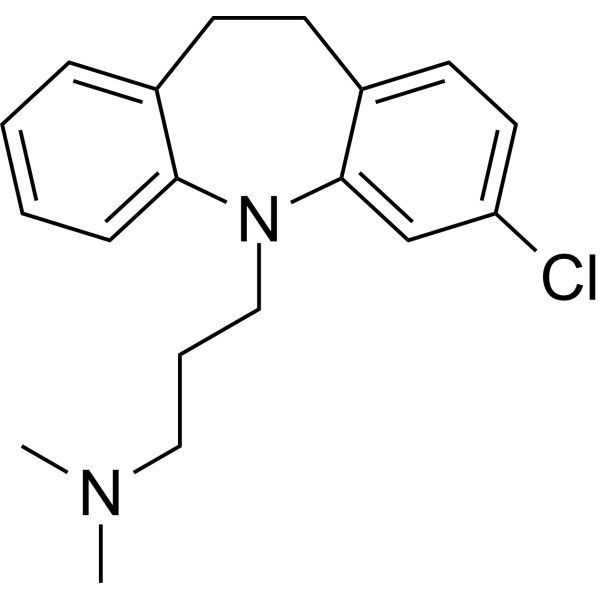 0 ImagesClomipramine (Chlorimipramine) is a potent 5-HT reuptake blocker with the IC50 value of 1.5 nM. Clomipramine is a tricyclic antidepressant that can be used for the research of depression and obsessive compulsive disorder (OCD).
-
Hordenine
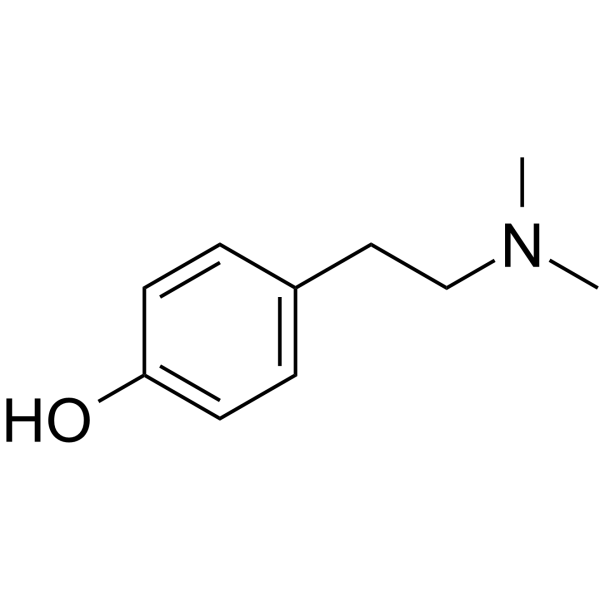 0 ImagesHordenine (Ordenina; Peyocactine) is a multifunctional alkaloid with oral activity and blood-brain barrier penetration. Hordenine inhibits LPS-induced phosphorylation of p38, JNK, ERK1/2, p65, IκB, and AKT, prevents p65 nuclear translocation, and suppresses inflammatory cytokines and mediators. Hordenine promotes M2 macrophage polarization, restores blood-milk barrier integrity, alleviates oxidative stress by reducing ROS and MDA, and attenuates LPS-induced lung injury and pulmonary edema. Hordenine inhibits cAMP production, CREB phosphorylation, and MITF expression, thereby suppressing melanin synthesis in melanocytes and reconstructed epidermis. Hordenine activates the Wnt/β-catenin signaling pathway, promotes dermal papilla cell proliferation and hair shaft elongation, and accelerates hair regeneration. Hordenine activates DRD2, acts as a D3R partial agonist, α2A-AR full agonist, and 5-HT2A-R antagonist, and inhibits SERT and DAT. Hordenine inhibits α-synuclein accumulation and ameliorates motor deficits in Parkinson's disease models. Hordenine limits alcohol intake, reduces relapse drinking behavior, and modulates alcohol-induced conditioned place preference. Hordenine can be used for research on mastitis, skin pigmentation, acute lung injury, foodborne diseases, hair loss, Parkinson's disease, bacterial infections, and alcohol use disorder.
-
Cinchonidine
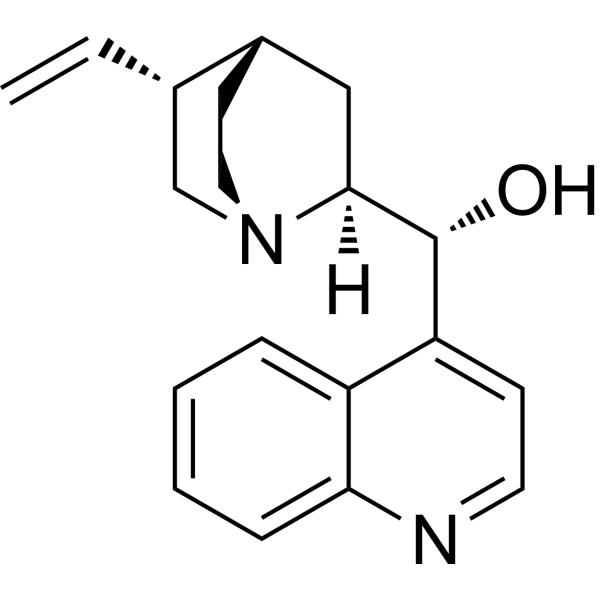 0 ImagesCinchonidine (α-Quinidine) is a cinchona alkaloid found in Cinchona officinalis and Gongronema latifolium. A building block used in asymmetric synthesis in organic chemistry. Weak inhibitor of serotonin transporter (SERT) with Kis of 330, 4.2, 36, 196, 15 μM for dSERT, hSERT, hSERT I172M, hSERT S438T, hSERT Y95F, respectively. Antimalarial activities.
-
Imipramine hydrochloride
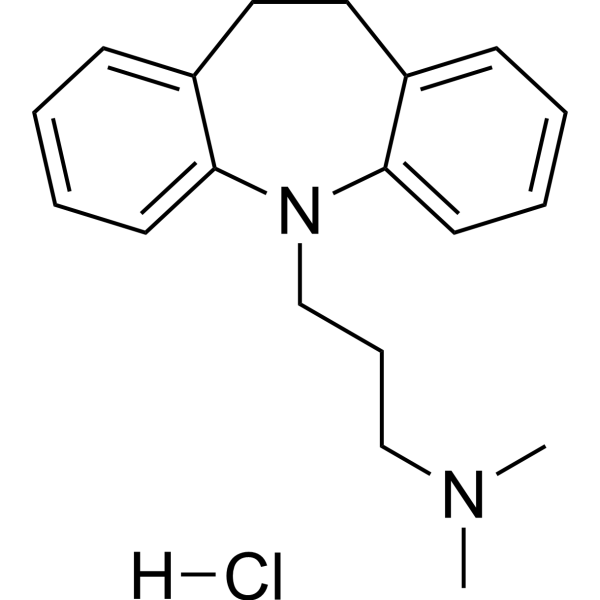 0 ImagesImipramine hydrochloride is an orally active tertiary amine tricyclic antidepressant. Imipramine hydrochloride is a Fascin1 inhibitor with antitumor activities. Imipramine hydrochloride also inhibits serotonin transporter with an IC50 value of 32 nM. Imipramine hydrochloride stimulates U-87MG glioma cells autophagy and induces HL-60 cell apoptosis. Imipramine hydrochloride shows neuroprotective and immunomodulatory effects.
-
Imipramine
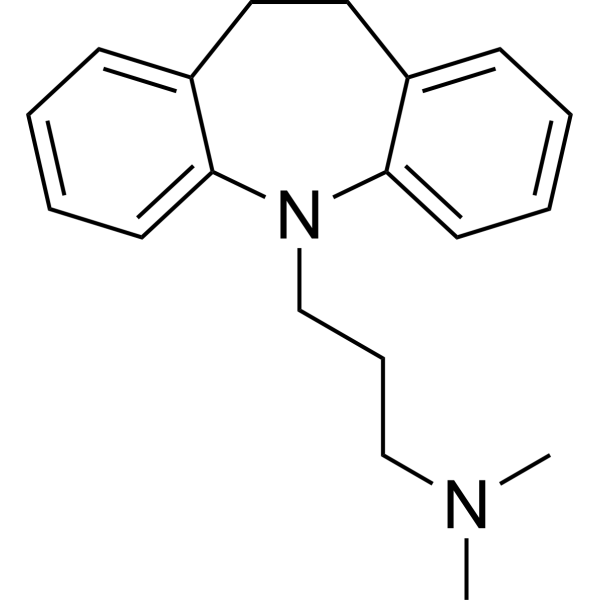 0 ImagesImipramine is an orally active tertiary amine tricyclic antidepressant. Imipramine is a Fascin1 inhibitor with antitumor activities. Imipramine also inhibits serotonin transporter with an IC50 value of 32 nM. Imipramine stimulates U-87MG glioma cells autophagy and induces HL-60 cell apoptosis. Imipramine shows neuroprotective and immunomodulatory effects.
-
Paroxetine hydrochloride
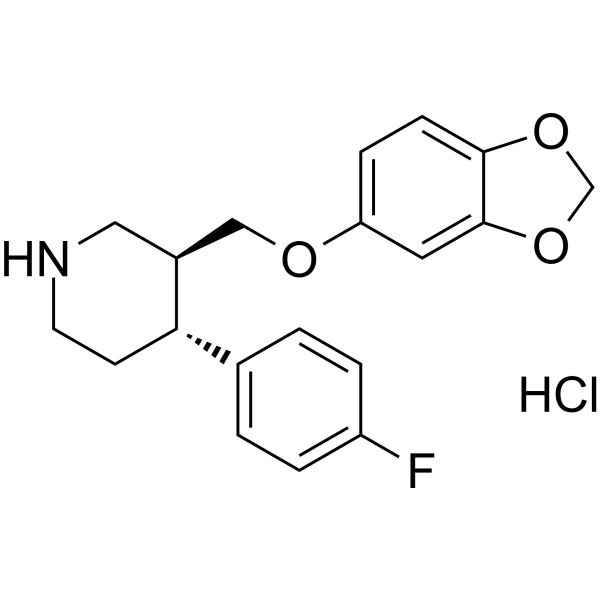 0 ImagesSynonyms: BRL29060 hydrochloride; BRL29060AParoxetine (BRL29060) hydrochloride is an orally active and selective serotonin reuptake inhibitor (SSRI) and apoptosis inducer with blood-brain barrier permeability. Paroxetine hydrochloride inhibits nitric oxide synthase and CYP2D6, induces desensitization of 5-HT1A/1B/1D autoreceptors, downregulates 5-HT2 receptors, and promotes the production of inflammatory cytokines. Paroxetine hydrochloride is a weak norepinephrine (NE) uptake inhibitor and possesses antitumor activity. Paroxetine hydrochloride is widely used in research concerning depression, obsessive-compulsive disorder, panic disorder, social phobia, generalized anxiety disorder, post-traumatic stress disorder, premenstrual dysphoric disorder, hot flashes, and related conditions.
-
Duloxetine hydrochloride
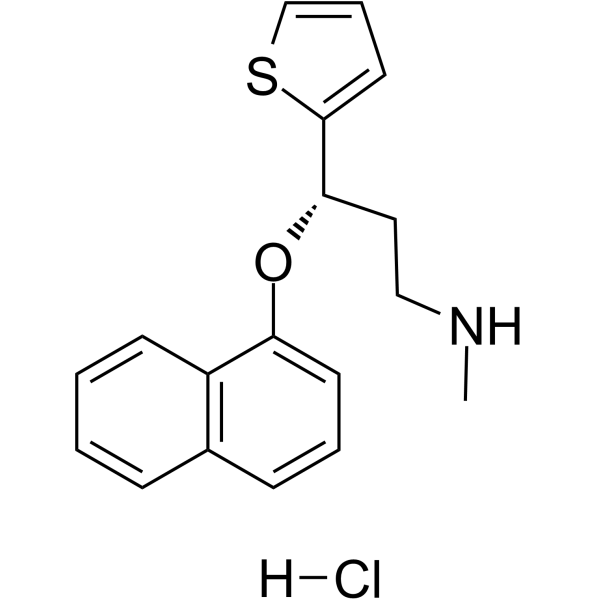 0 ImagesSynonyms: (S)-Duloxetine hydrochloride; LY-248686 hydrochlorideDuloxetine hydrochloride ((S)-Duloxetine hydrochloride) is a serotonin-norepinephrine reuptake inhibitor (SNRI) with a Ki of 4.6 nM, used for treatment of major depressive disorder and generalized anxiety disorder (GAD).
-
Vilazodone
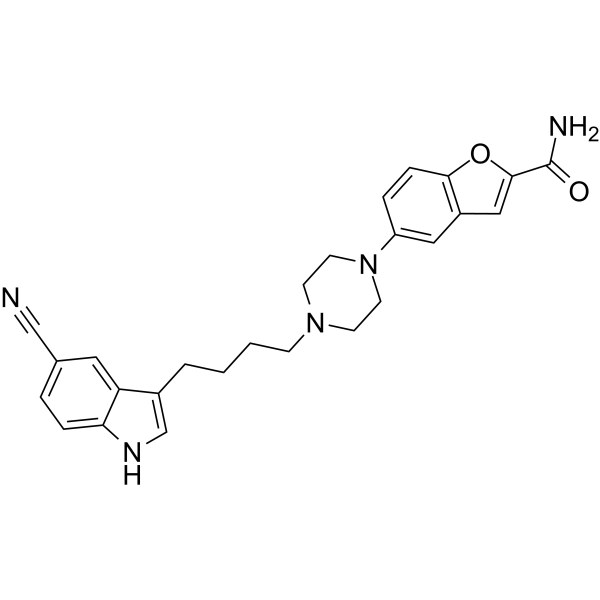 0 ImagesSynonyms: EMD 68843; SB659746AVilazodone (EMD 68843; SB 659746A) is a potent, selective and orally active serotonin reuptake inhibitor (SSRI) and partial 5-HT1A receptor agonist. Vilazodone exhibits antidepressant efficacy in vivo can be used for the research of major depressive disorder (MDD) and affective disorders.
-
Vortioxetine hydrobromide
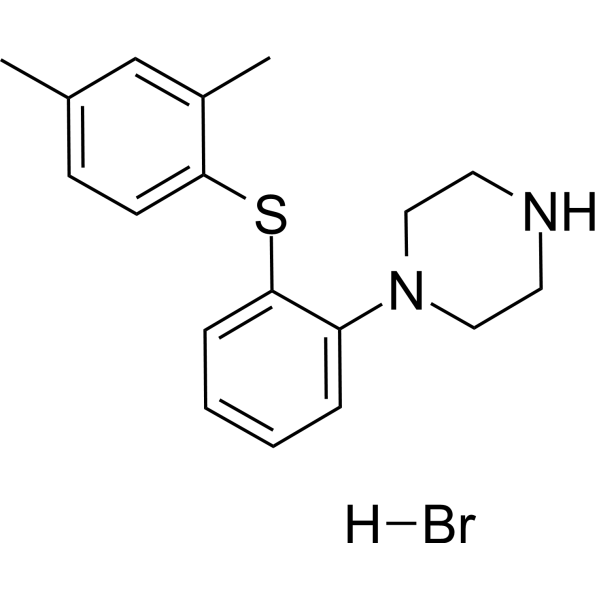 0 ImagesSynonyms: Lu AA21004 hydrobromideVortioxetine (Lu AA 21004) hydrobromide is an antagonist of 5-HT3A and 5-HT7 receptors (Ki: 3.7 nM, 19 nM) and an inhibitor of 5-hydroxytryptamine transporter (SERT) (Ki: 1.6 nM), as well as a 5-HT1A agonist and a partial 5-HT1B agonist (Ki: 15 nM, 33 nM).
-
Citalopram
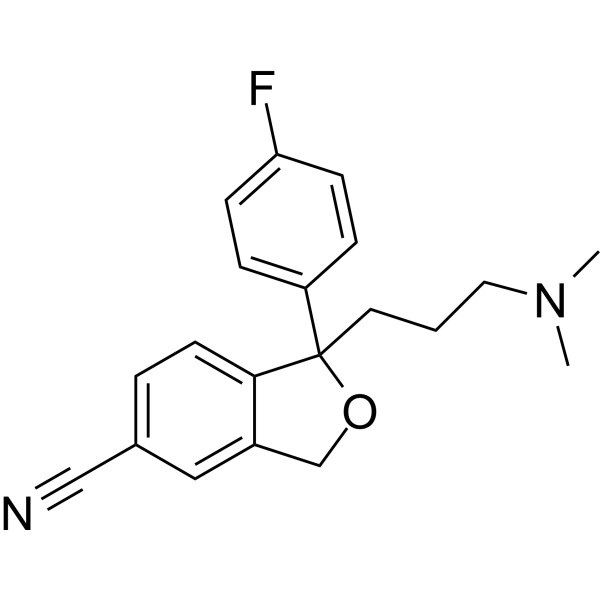 0 ImagesCitalopram is a racemate mixture of the active S(+)-enantiomer (Escitalopram; HY-14258) and R(-)-enantiomer. Citalopram is an orally active selective serotonin reuptake inhibitor (SSRI). Citalopram is an antidepressant and enhances serotoninergic neurotransmission.
-
Amitriptyline
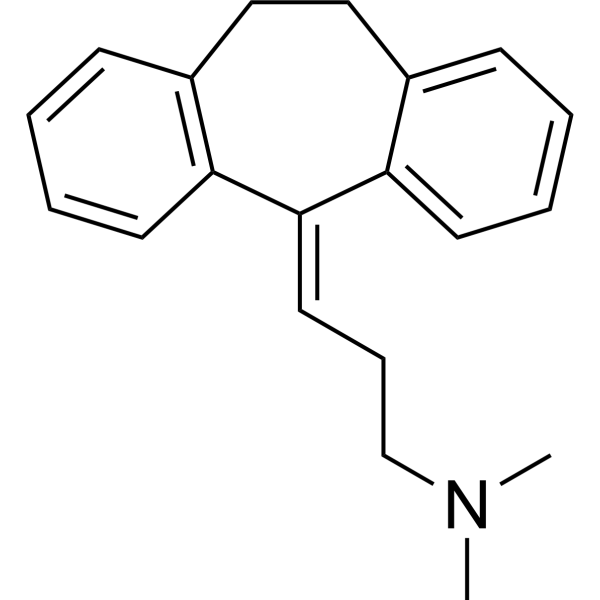 0 ImagesAmitriptyline is an orally active tricyclic antidepressant (TCA). Amitriptyline mainly exerts its antidepressant effect by blocking SERT (Ki = 3.45 nM) and NET (Ki = 13.3 nM), thereby increasing the concentrations of 5-hydroxytryptamine (5-HT) and norepinephrine (NE) in the synaptic cleft. Amitriptyline is also an agonist at α2A and TrkA/TrkB receptors, thereby exerting analgesic and neurotrophic activities (inhibiting cell apoptosis). Amitriptyline can reduce inflammation, angiogenesis and fibrosis. Amitriptyline binds to DAT (with Ki = 2.58 μM). Amitriptyline has high affinity for a series of receptors and can antagonize muscarinic cholinergic receptors (M1/M2/M3/M4/M5 receptors) (Ki = 11-24 nM), H1 receptors (Ki = 0.5-1.1 nM), adrenergic α1 receptors (Ki = 4.4 nM), etc., resulting in a series of side effects. Amitriptyline can block sodium channels and hERG potassium channel (IC50 = 4.78 μM) and it has cardiotoxicity.
-
Escitalopram oxalate
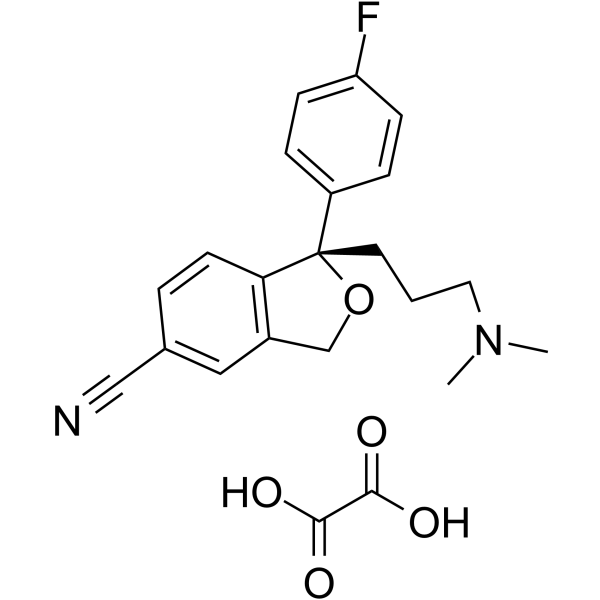 0 ImagesSynonyms: (S)-Citalopram oxalate; (S)-(+)-Citalopram oxalateEscitalopram ((S)-Citalopram) oxalate, the S-enantiomer of racemic Citalopram, is a selective serotonin reuptake inhibitor (SSRI) with a Ki of 0.89 nM. Escitalopram oxalate has ∼30 fold higher binding affinity than its R(-)-enantiomer and shows selectivity over both dopamine transporter (DAT) and norepinephrine transporter (NET). Escitalopram oxalate is an antidepressant for the research of major depression.
-
Fluvoxamine
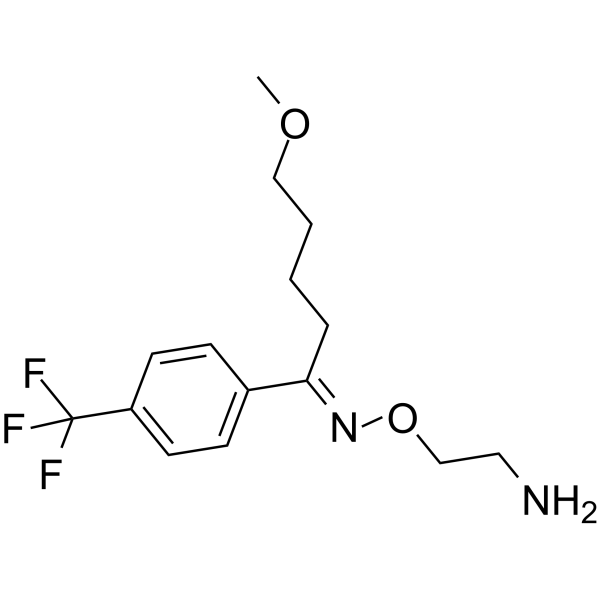 0 ImagesSynonyms: DU-23000Fluvoxamine (DU-23000) is an antidepressant which functions pharmacologically as a selective serotonin reuptake inhibitor.
-
Escitalopram
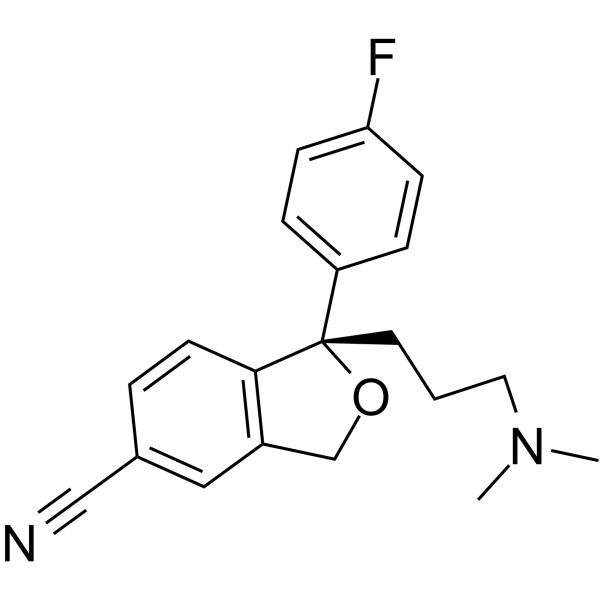 0 ImagesSynonyms: (S)-Citalopram; (S)-(+)-CitalopramEscitalopram ((S)-Citalopram), the S-enantiomer of racemic Citalopram, is a selective serotonin reuptake inhibitor (SSRI) with a Ki of 0.89 nM. Escitalopram has ~30 fold higher binding affinity than its R(-)-enantiomer and shows selectivity over both dopamine transporter (DAT) and norepinephrine transporter (NET). Escitalopram is an antidepressant for the research of major depression.
-
Venlafaxine
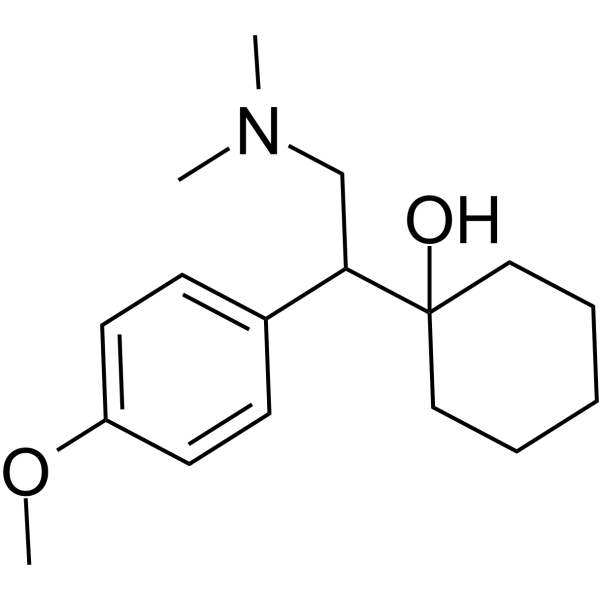 0 ImagesSynonyms: Wy 45030Venlafaxine (Wy 45030) is an orally active, potent serotonin (5-HT)/norepinephrine (NE) reuptake dual inhibitor. Venlafaxine is an antidepressant.




