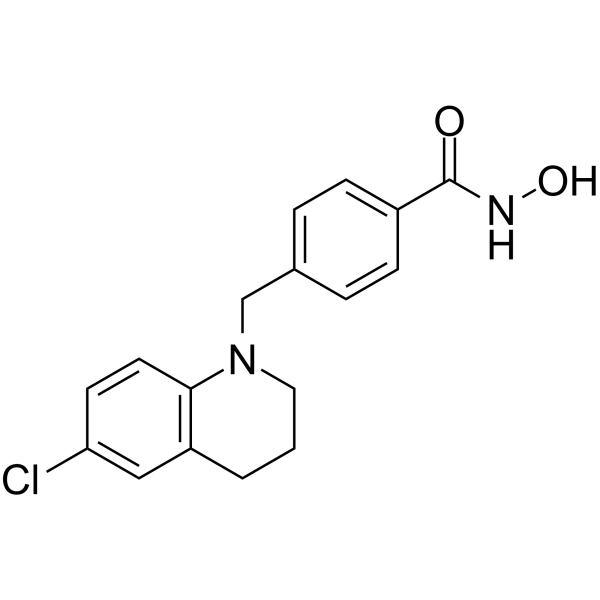
HDAC11
HDAC11 is the sole member of class IV histone deacetylases and represents the smallest zinc-dependent HDAC isoform, with distinctive catalytic properties that differentiate it from other HDAC family members[1][2]. Mechanistically, HDAC11 functions as an epigenetic regulator that controls gene expression through deacylation and deacetylation reactions, and accumulating evidence indicates that its long-chain fatty acid defatty-acylase activity is substantially more efficient than its intrinsic deacetylase activity[3][1]. Therefore, HDAC11 influences multiple biological pathways involved in immune regulation, metabolism, and cellular homeostasis[1][4]. In immune signaling, HDAC11 regulates interleukin-10 expression, immune tolerance, and type I interferon signaling, highlighting its role as a key modulator of inflammatory responses[5][6][7]. In metabolic systems, HDAC11 participates in adipogenesis, lipid metabolism, energy expenditure, and insulin-related processes, linking the enzyme to obesity and metabolic syndrome models[4][8]. Disease-associated studies further demonstrate involvement of HDAC11 in cancer, neuroinflammation, and immune-mediated disorders, supporting its relevance as a therapeutic target across diverse experimental settings[1][9]. Compared with related HDAC isoforms, HDAC11 exhibits unique substrate specificity and prominent defatty-acylase activity, providing a functional distinction that has stimulated intensive drug-discovery efforts[1][3]. For experimental applications, several selective HDAC11 inhibitors have been developed and are widely used as chemical probes to investigate HDAC11-dependent pathways and evaluate therapeutic potential in disease models[1][10].
References:
- [1]. Jia G, et al. Biological function and small molecule inhibitors of histone deacetylase 11. Eur J Med Chem. 2024 Oct 5;276:116634. [Content Brief]
- [2]. Ujlaky-Nagy L, et al. Disrupting EGFR-HER2 Transactivation by Pertuzumab in HER2-Positive Cancer: Quantitative Analysis Reveals EGFR Signal Input as Potential Predictor of Therapeutic Outcome. Int J Mol Sci. 2024 May 29;25(11):5978. [Content Brief]
- [3]. Núñez-Álvarez Y, et al. HDAC11: a multifaceted histone deacetylase with proficient fatty deacylase activity and its roles in physiological processes. FEBS J. 2022 May;289(10):2771-2792. [Content Brief]
- [4]. Chen H, et al. HDAC11, an emerging therapeutic target for metabolic disorders. Front Endocrinol (Lausanne). 2022 Oct 20;13:989305. [Content Brief]
- [5]. Villagra A, et al. The histone deacetylase HDAC11 regulates the expression of interleukin 10 and immune tolerance. Nat Immunol. 2009 Jan;10(1):92-100. [Content Brief]
- [6]. Cao J, et al. HDAC11 regulates type I interferon signaling through defatty-acylation of SHMT2. Proc Natl Acad Sci U S A. 2019 Mar 19;116(12):5487-5492. [Content Brief]
- [7]. Jung E, et al. Global analysis of AGO2-bound RNAs reveals that miRNAs induce cleavage of target RNAs with limited complementarity. Biochim Biophys Acta Gene Regul Mech. 2017 Nov;1860(11):1148-1158. [Content Brief]
- [8]. Skubisz MM, et al. Gefitinib and Methotrexate to Treat Ectopic Pregnancies with a Pre-Treatment Serum hCG 1000-10,000 IU/L: Phase II Open Label, Single Arm Multi-Centre Trial. EBioMedicine. 2018 Jul;33:276-281. [Content Brief]
- [9]. Liu Y, et al. HDAC11: A novel target for improved cancer therapy. Biomed Pharmacother. 2023 Oct;166:115418. [Content Brief]
- [10]. Ho TT, et al. Trapoxin A Analogue as a Selective Nanomolar Inhibitor of HDAC11. ACS Chem Biol. 2023 Apr 21;18(4):803-809. [Content Brief]
All Product Categories
-
HDAC11 Related Products (73)
Related Products (73)

-
Vorinostat
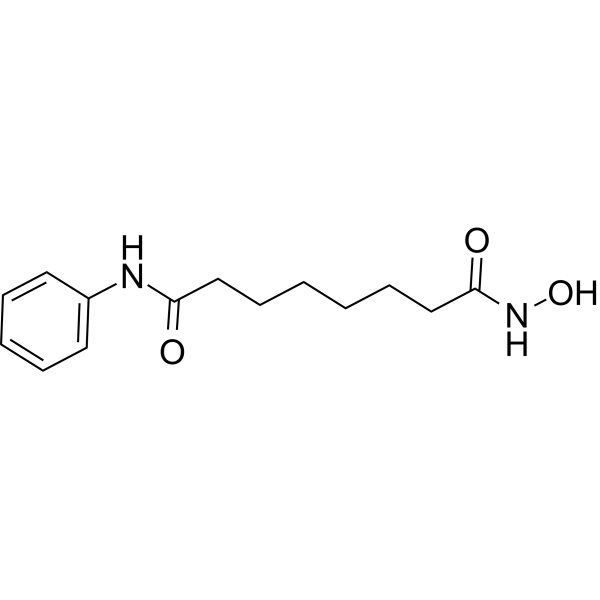 0 ImagesSynonyms: SAHA; Suberoylanilide hydroxamic acidVorinostat (SAHA) is a potent and orally active pan-inhibitor of HDAC1, HDAC2 and HDAC3 (Class I), HDAC6 and HDAC7 (Class II) and HDAC11 (Class IV), with ID50 values of 10 nM and 20 nM for HDAC1 and HDAC3, respectively. Vorinostat induces cell apoptosis. Vorinostat is also an effective inhibitor of human papillomaviruse (HPV)-18 DNA amplification.
-
Tucidinostat
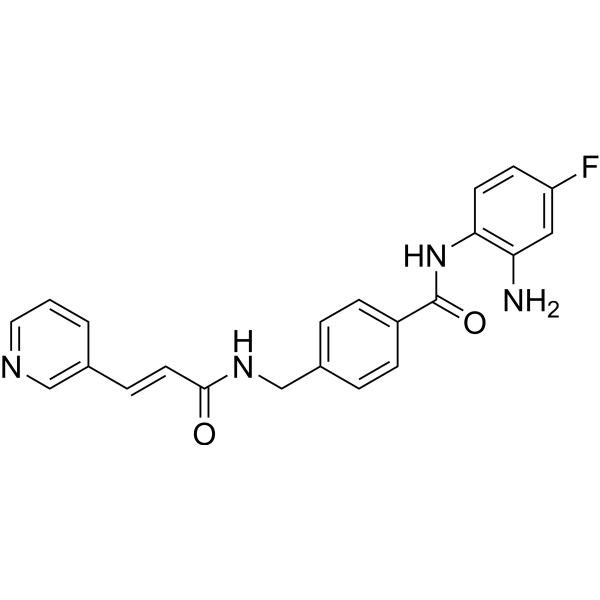 0 ImagesSynonyms: Chidamide; HBI-8000; CS 055
-
Mocetinostat
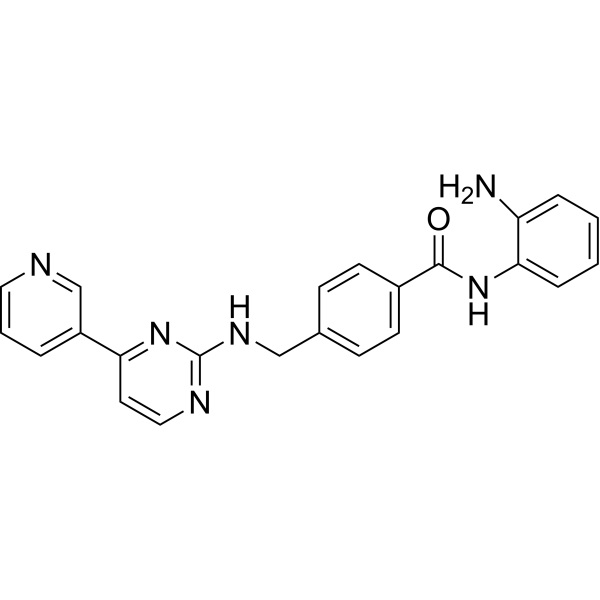 0 ImagesSynonyms: MGCD0103
-
Quisinostat
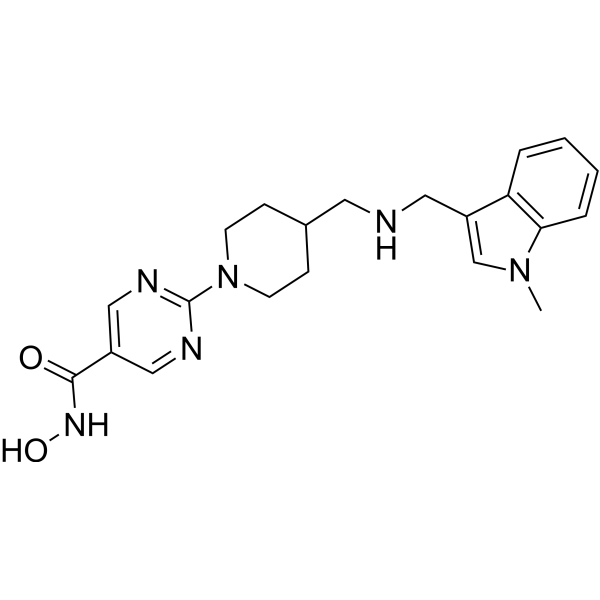 0 ImagesSynonyms: JNJ-26481585
-
Givinostat
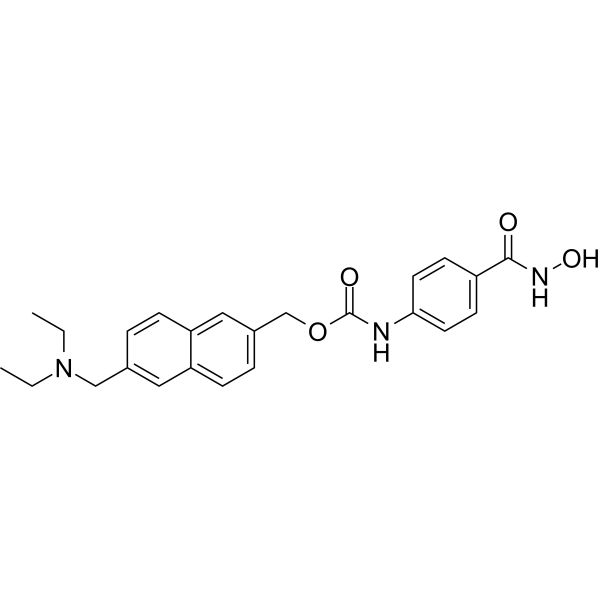 0 ImagesSynonyms: ITF-2357Givinostat (ITF-2357) is a HDAC inhibitor with an IC50 of 198 and 157 nM for HDAC1 and HDAC3, respectively. Givinostat can be used for Duchenne muscular dystrophy (DMD) research. Givinostat can penetrate the blood-brain barrier (BBB).
-
PI3K/HDAC-IN-5
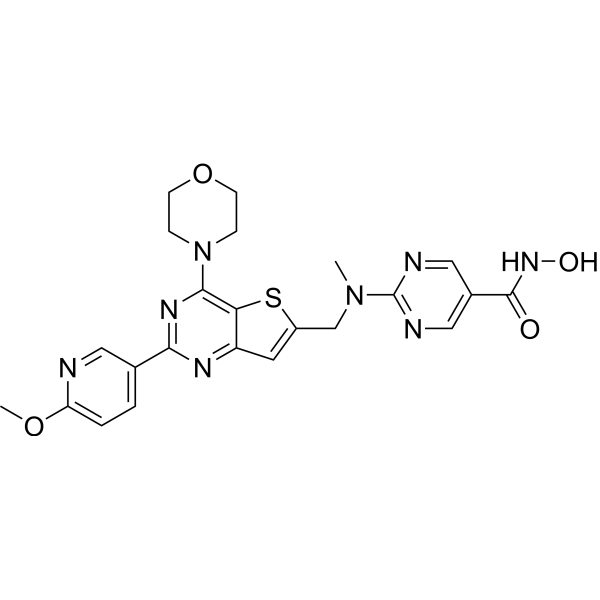
 0 ImagesCat. No.: HY-189649CAS No.: 3133922-71-8PI3K/HDAC-IN-5 is a dual PI3K/HDAC inhibitor. PI3K/HDAC-IN-5 inhibits PI3Kα, PI3Kβ, PI3Kγ, and PI3Kδ (IC50 values of 25.41, 134.52, 166.75, and 41.58 nM, respectively) and inhibits downstream PI3K/AKT signaling. PI3K/HDAC-IN-5 inhibits HDAC6, HDAC8, and HDAC11 (IC50 values of 29.35, 157.27, and 382.26 nM, respectively), increases α-tubulin and SMC3 acetylation, while not affecting histone H3/H4 acetylation. PI3K/HDAC-IN-5 induces S phase cell cycle arrest and apoptosis, and inhibits the proliferation of cervical cancer cell lines. PI3K/HDAC-IN-5 can be used for research on cervical cancer.
-
SM-06-09
 0 ImagesCat. No.: HY-184203SM-06-09 is a potent, highly selective, orally active tetrazolone-based HDAC6 inhibitor with an IC50 value of 0.49 nM. SM-06-09 promotes tumor-associated macrophage (TAM) polarization toward an antitumor M1-like phenotype and enhances macrophage phagocytosis, antigen presentation, and T-cell activation. SM-06-09 remodels the tumor immune microenvironment, exhibits antitumor activity in melanoma models, and enhances the efficacy of anti-PD-1 immune checkpoint blockade.
-
HDAC6-IN-82
 0 ImagesCat. No.: HY-183560CAS No.: 1228571-33-2HDAC6-IN-82 is a selective HDAC6 inhibitor with an IC50 of 4.9 nM against HDAC6. HDAC6-IN-82 inhibits HDAC1 (112 nM), HDAC2 (737 nM), HDAC3 (623 nM), HDAC8 (1140 nM), HDAC10 (91.4 nM) and HDAC11 (219 nM). HDAC6-IN-82 reduces cancer cell viability, induces cell cycle arrest, triggers apoptosis, and increases the acetylation levels of H3K9 and α-tubulin. HDAC6-IN-82 can be used in cancer-related research such as leukemia.
-
Tubacin
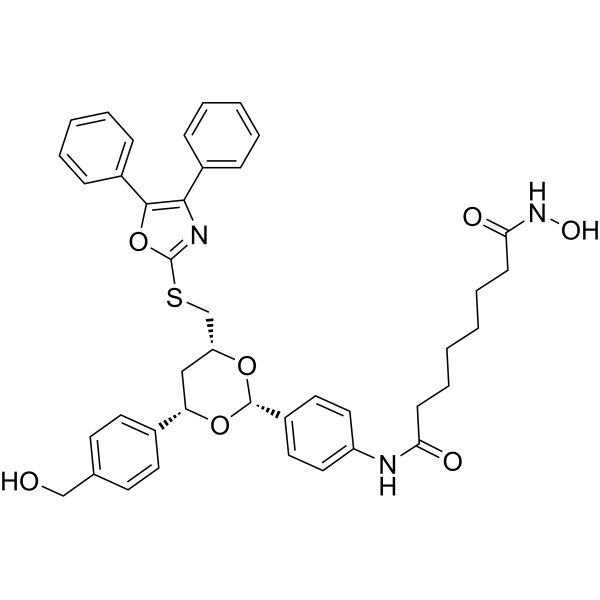 0 ImagesTubacin is a potent and selective inhibitor of HDAC6, with an IC50 value of 4 nM and approximately 350-fold selectivity over HDAC1. Tubacin also inhibits metallo-β-lactamase domain-containing protein 2 (MBLAC2).
-
Pracinostat
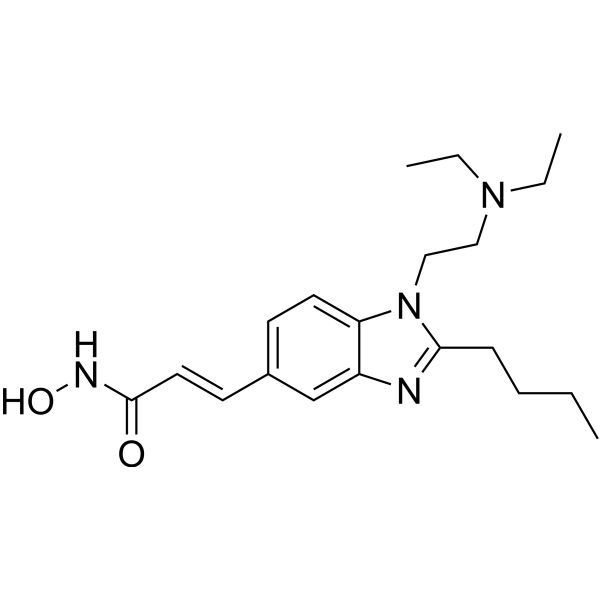 0 ImagesSynonyms: SB939Pracinostat is a potent histone deacetylase (HDAC) inhibitor, with IC50s of 40-140 nM, used for cancer research. Pracinostat also inhibits metallo-β-lactamase domain-containing protein 2 (MBLAC2) hydrolase activity with an EC50 below 10 nM.
-
Nexturastat A
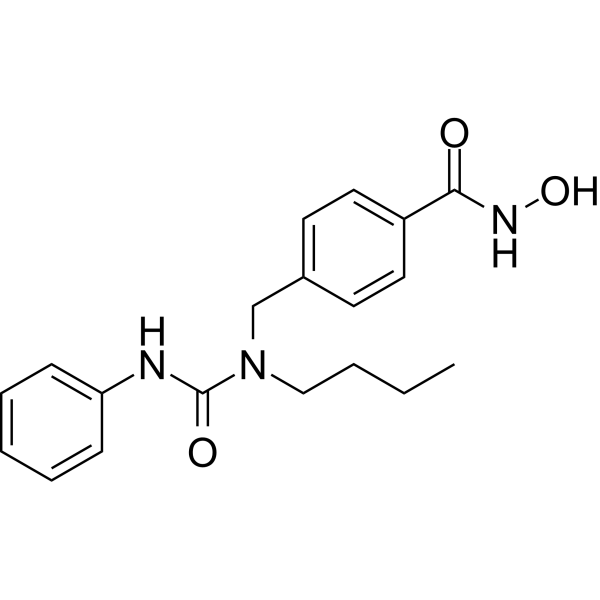 0 ImagesNexturastat A is a potent, selective HDAC6 inhibitor. Nexturastat A has inhibitory for HDAC6 with an IC50 of 5 nM. Nexturastat A can be used for the research of multiple myeloma (MM).
-
Givinostat hydrochloride monohydrate
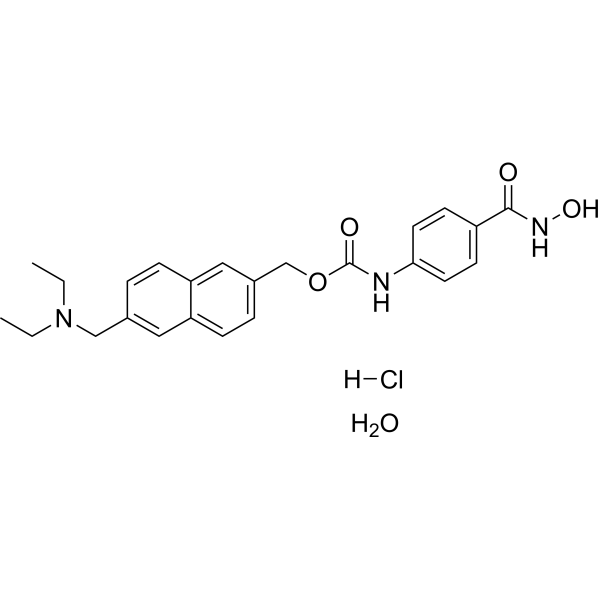 0 ImagesSynonyms: ITF-2357 hydrochloride monohydrate
-
Elevenostat
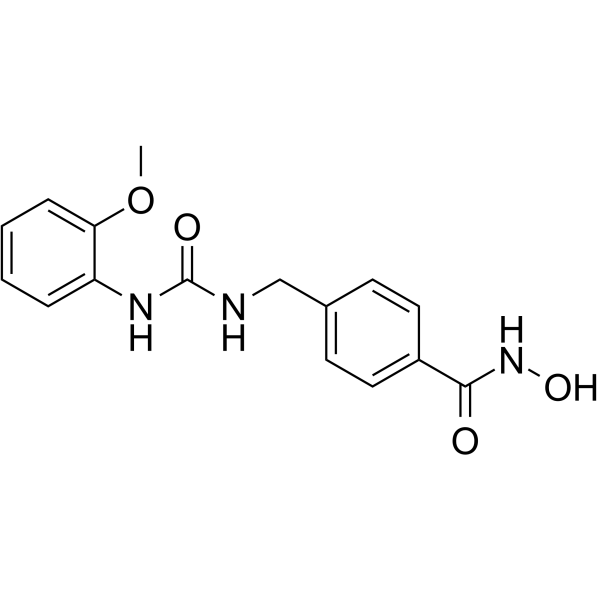 0 ImagesCat. No.: HY-145757CAS No.: 1454902-97-6Synonyms: JB3-22Elevenostat (JB3-22) is a selective HDAC11 inhibitor with an IC50 of 0.235 µM. Elevenostat can induce apoptosis of multiple myeloma cells and has anti-tumor effect. In addition, Elevenostat inhibits the maturation of mouse oocytes.
-
Quisinostat dihydrochloride
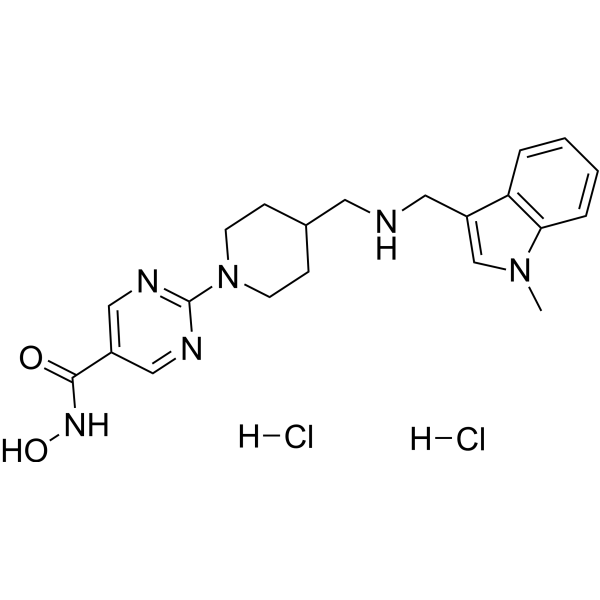 0 ImagesSynonyms: JNJ-26481585 dihydrochlorideQuisinostat dihydrochloride (JNJ-26481585 dihydrochloride) is an orally active, potent pan-HDAC inhibitor with IC50s of 0.11 nM, 0.33 nM, 0.64 nM, 0.46 nM, and 0.37 nM for HDAC1, HDAC2, HDAC4, HDAC10 and HDAC11, respectively. Quisinostat dihydrochloride has a broad spectrum antitumoral activity. Quisinostat dihydrochloride can induce autophagy in neuroblastoma cells.
-
Domatinostat
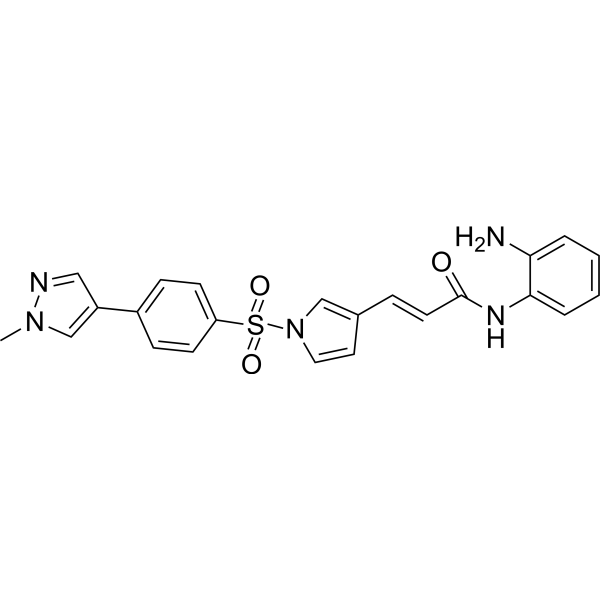 0 ImagesSynonyms: 4SC-202 free base